

Hidden Camera: Complete Guide to Types, Uses, Laws & Buying Criteria
In 2025, the global hidden camera market hit $13.26 billion. By 2033, projections put it at $24.01 billion. Those numbers reflect real demand: law enforcement agencies buying body-worn pens by the hundred, retail chains installing charger cameras in stockrooms, and property owners hardwiring smoke detector units into ceiling mounts.
Privacy concerns around hidden surveillance camera technology are legitimate and deserve serious attention. So does the fact that businesses, investigators, and security professionals rely on these devices every day to protect assets, gather evidence, and prevent losses. This guide addresses both realities: every major camera type, the legal frameworks that govern their use across jurisdictions, and the technical and commercial criteria that separate a sound investment from a liability.
> Key Takeaways
> – The hidden camera market is projected to grow from $13.26B (2025) to $24.01B by 2033, driven by 4K resolution, AI-powered detection, and miniaturization.
> – Seven core types cover virtually every use case: everyday-object cameras, charger/power strip cameras, ceiling-mounted units, wearables, mini/standalone devices, WiFi/IP cameras, and custom OEM solutions.
> – U.S. law splits into 38 one-party consent states and 12 two-party consent states; recording someone without proper consent can carry criminal penalties.
> – GDPR in the EU and strict anti-voyeurism statutes in South Korea and Japan make cross-border compliance essential for any business deploying hidden cameras internationally.
> – B2B buyers should evaluate MOQ, OEM/ODM capabilities, certifications (FCC, CE, RoHS), and lead times alongside standard technical specs.
In this guide:
2. 7 Common Types of Hidden Cameras
3. How to Choose the Right Hidden Camera
4. Hidden Camera Placement: Strategic Best Practices
5. Hidden Camera for Business: Professional Use Cases
6. How to Detect Hidden Cameras
7. Hidden Camera Laws: A Global Compliance Framework
8. Hidden Camera Market Trends & Statistics
9. Hidden Camera FAQ: Common Questions Answered
10. Conclusion
What Is a Hidden Camera?
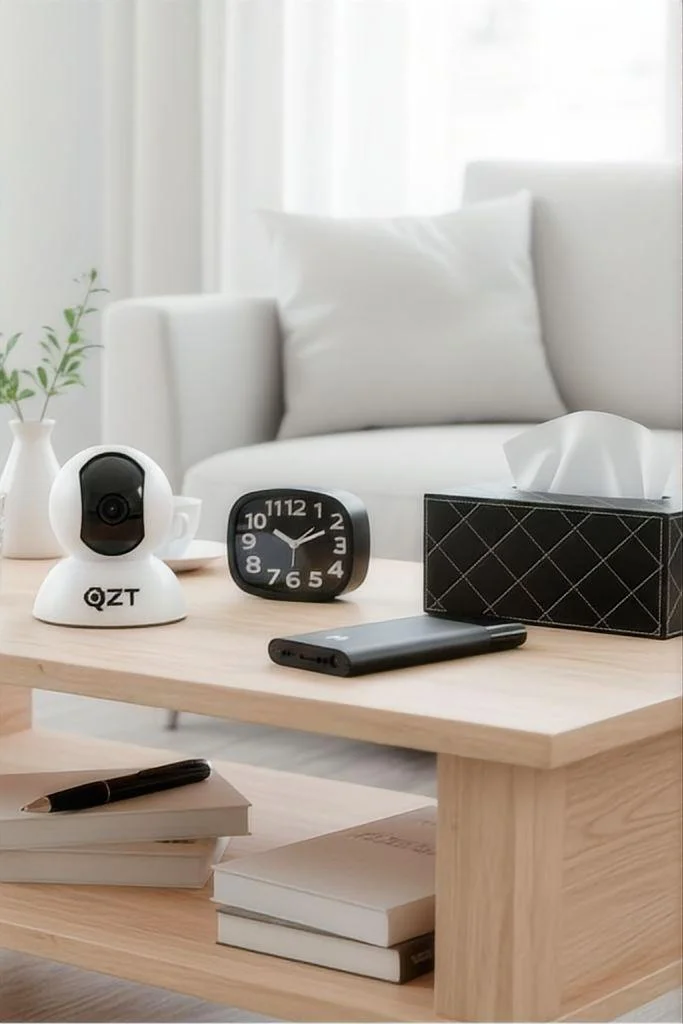
A hidden camera is a video recording device designed to capture footage without being easily noticed by the people in its field of view. Unlike a visible security camera, which acts as a deterrent by its presence, a concealed camera’s purpose is to record discreetly, embedded inside an ordinary object or positioned so small that it goes unnoticed. To see the range of form factors currently available, browse the hidden camera product catalog.
How Hidden Cameras Work
Every covert camera, regardless of its disguise, relies on the same core components. An image sensor (typically CMOS) captures light and converts it into an electronic signal. That signal passes through a pinhole lens, usually 3–5mm in diameter, which is small enough to remain inconspicuous while still gathering enough light for a usable image.
The video signal is then compressed using H.264 or H.265 encoding. H.265 is roughly 50% more efficient than H.264, which matters a lot when you’re storing days of footage on a 64GB microSD card inside a clock radio. Without compression, even 1080p video would fill most storage media within hours.
Storage falls into three categories:
– Local SD card storage: the most common for non-WiFi devices. Cards range from 32GB to 256GB, typically supporting loop recording that overwrites the oldest files.
– Cloud storage: used by WiFi-connected cameras. Footage uploads to encrypted servers, accessible remotely. Requires a subscription in most cases.
– Hybrid: records locally and uploads to the cloud simultaneously. Provides redundancy if the device is discovered and removed.
Power is where many covert cameras reveal their limitations. Battery-powered units offer portability but last anywhere from 90 minutes (continuous recording) to 30 days (motion-activated standby). AC-powered cameras disguised as wall adapters, clocks, or smoke detectors run indefinitely but lock you to a power outlet. Solar-powered options are emerging for outdoor placements but remain niche.
Hidden Camera vs. Spy Camera vs. Nanny Cam
These three terms get used interchangeably, but they carry different connotations and, sometimes, different legal implications.
| Term | Typical Context | Connotation |
|---|---|---|
| Hidden camera | Broad, neutral term | A camera concealed from view; used for security, monitoring, or documentation |
| Spy camera | Law enforcement, private investigation | Implies covert surveillance for intelligence-gathering purposes |
| Nanny cam | Home, childcare | Specifically refers to monitoring caregivers; often associated with domestic settings |
The distinction isn’t just semantic. A “nanny cam” in a living room may be legally defensible in most U.S. states, while a “spy camera” placed in a bathroom never is. The label you use, and more importantly the intent behind the placement, matters in court.
7 Common Types of Hidden Cameras
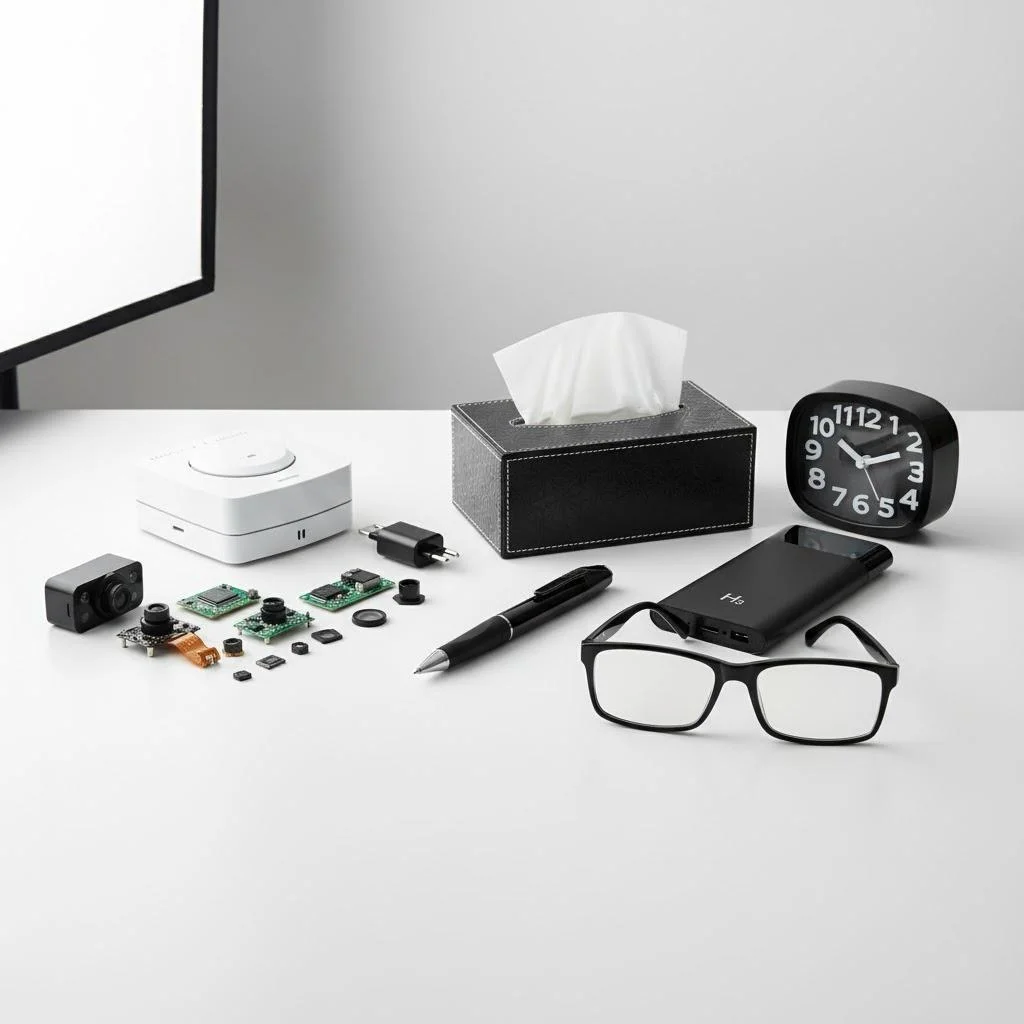
The hidden camera product catalog has expanded dramatically over the past decade. What used to be a handful of clunky form factors now spans dozens of everyday objects. Seven categories cover virtually every use case:
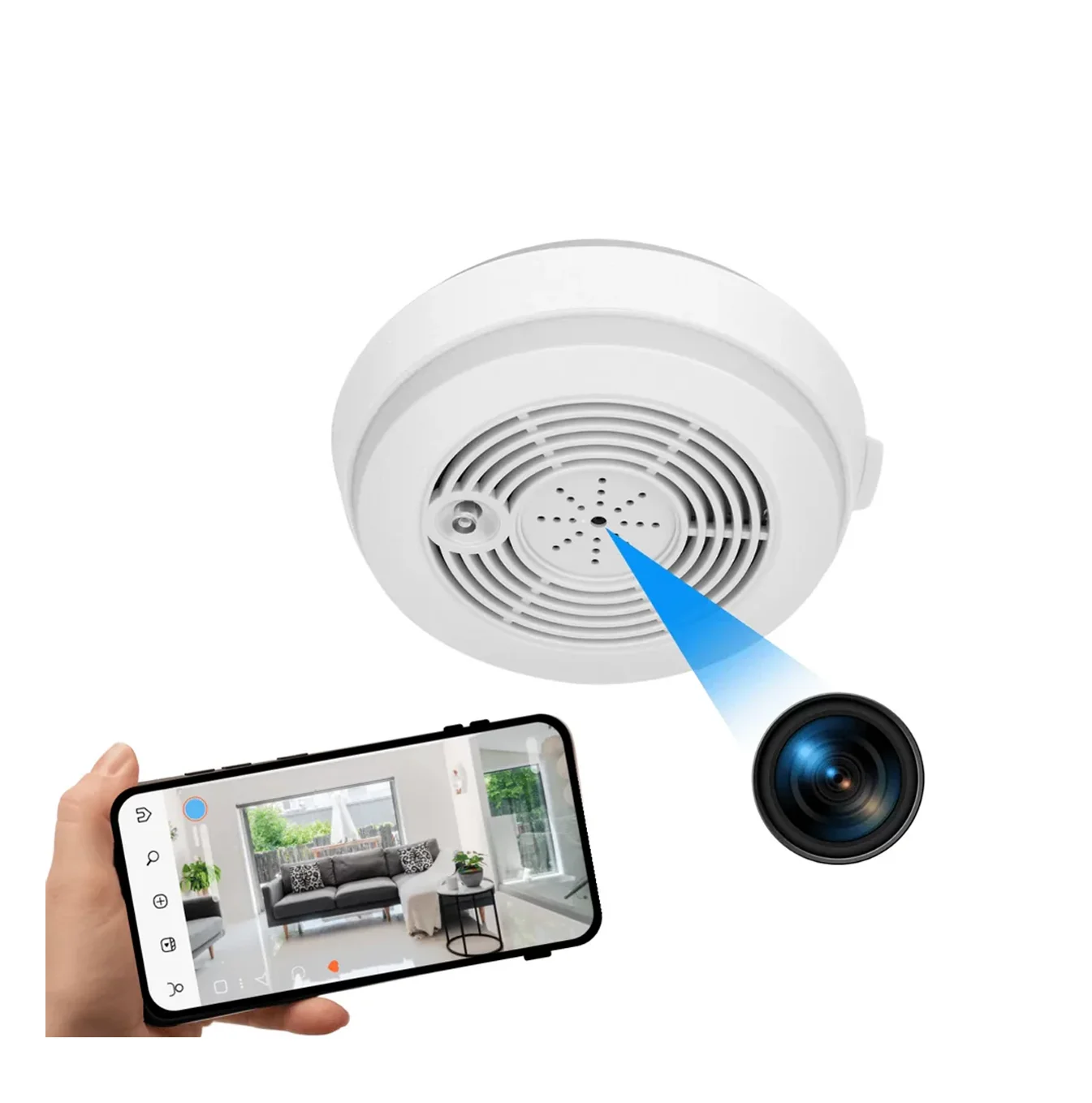
– Everyday object cameras — concealed in clocks, picture frames, and light bulbs
– USB charger & power strip cameras — permanently powered, natural in any indoor setting
– Smoke detector & ceiling-mounted cameras — widest field of view from overhead placement
– Wearable hidden cameras — pens, glasses, and buttons for on-the-go recording
– Mini camera & standalone devices — bare modules for custom concealment
– WiFi/IP-enabled hidden cameras — real-time streaming and remote monitoring
– Custom & OEM hidden cameras — branded, application-specific solutions for B2B
Everyday Object Cameras (Clocks, Picture Frames, Light Bulbs)
These are the most popular category by volume. A working digital clock, a picture frame on the mantle, or a functional LED light bulb: each can house a camera module without altering its appearance or function in any noticeable way.
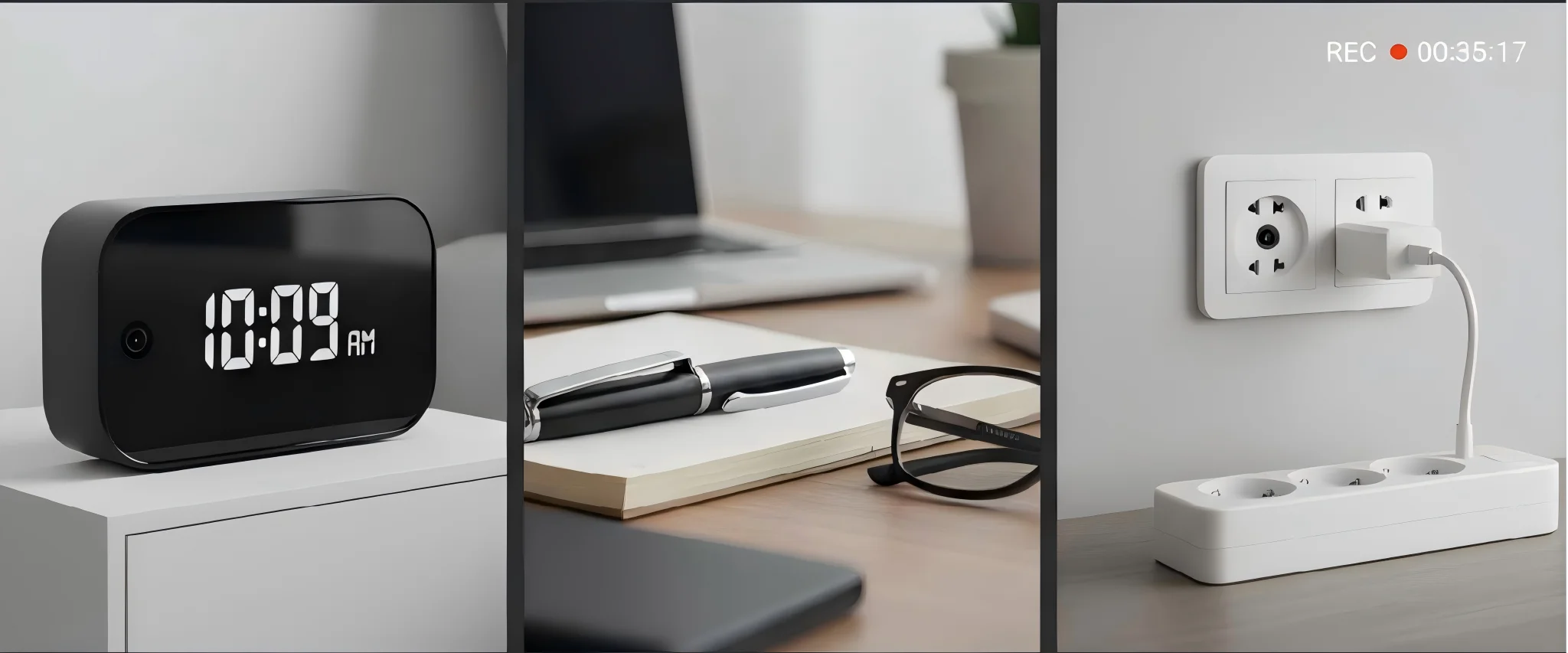
Clock cameras are particularly effective because they justify a wall outlet (for power) and an elevated position (for field of view). Light bulb cameras screw into a standard E27 socket and draw power directly from the fixture, which eliminates the battery problem entirely. Picture frame cameras work well on shelves and desks where they don’t look out of place.
The advantage here is natural integration. These objects exist in homes and offices already, so their presence doesn’t raise suspicion. The disadvantage is that each object locks you into a specific placement; you can’t move a hardwired light bulb camera to a bookshelf.

USB Charger & Power Strip Cameras
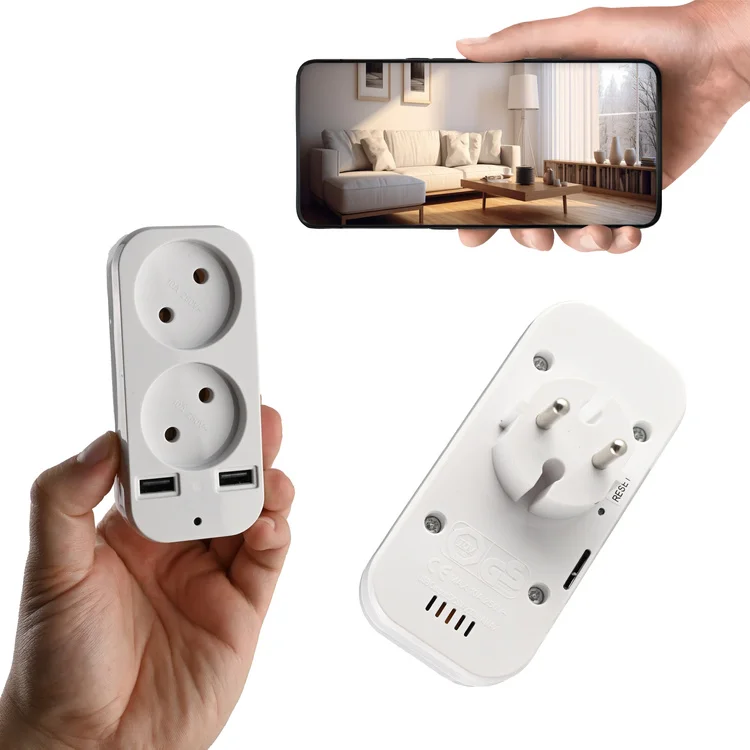
This category deserves its own mention because it solves two problems at once: power and disguise. A USB charger camera plugs directly into a wall outlet, is permanently powered, and looks exactly like a phone charger. Some models even function as actual chargers, allowing you to plug in a device while the camera records.
Power strip cameras take the same concept further. A six-outlet power strip with a hidden camera built into the surge protector housing is virtually invisible in an office environment. Nobody questions a power strip under a desk.
For B2B buyers, charger cameras offer one of the fastest ROI calculations in the product line: low manufacturing cost, high perceived value, and a form factor that works in almost any indoor setting. Browse the USB charger camera lineup for current models.
Smoke Detector & Ceiling-Mounted Cameras
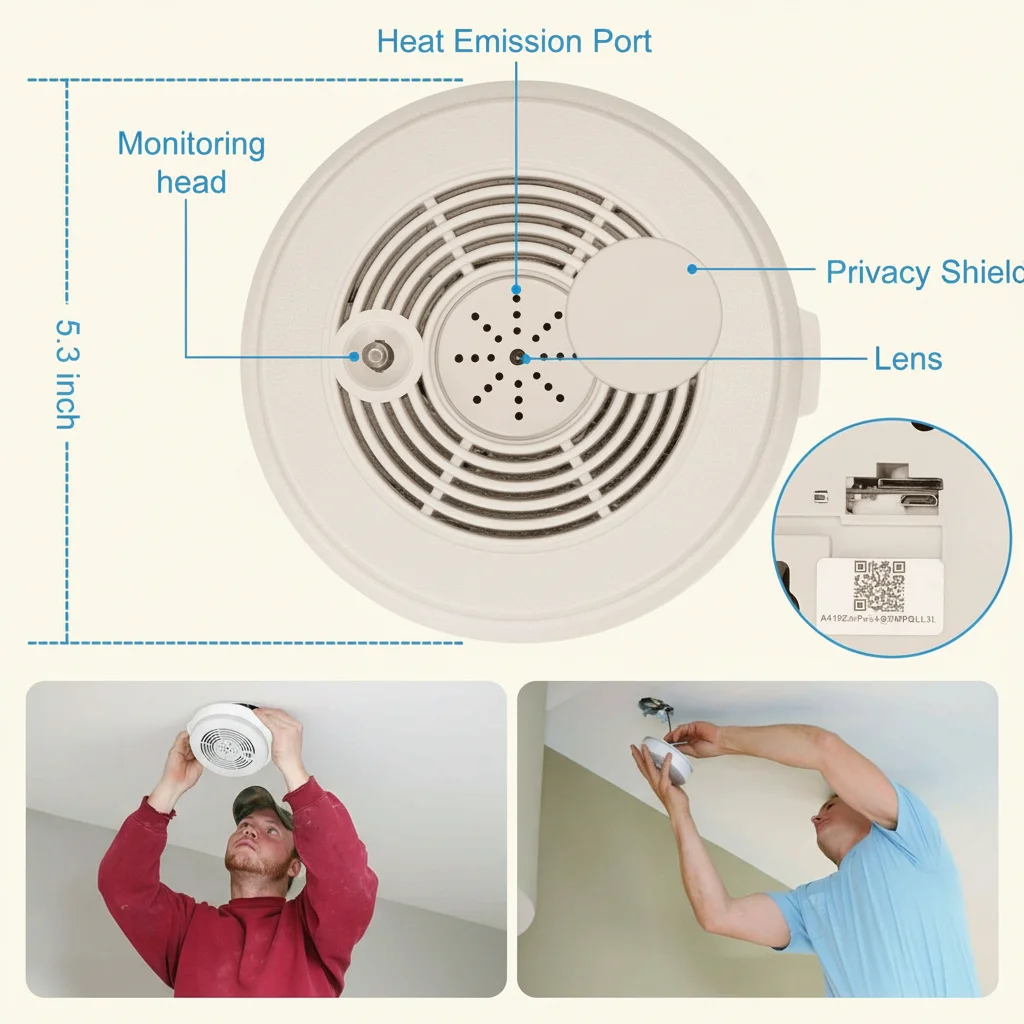
Ceiling placement gives covert cameras their widest field of view, and smoke detectors are the most natural ceiling-mounted object in any room. Most smoke detector cameras are non-functional as actual smoke detectors (a critical distinction to communicate clearly), but their appearance is convincing enough that no one looks twice.
The trade-off is installation. Hardwiring a smoke detector camera into an existing ceiling mount requires basic electrical knowledge, and battery-operated versions need periodic battery changes that involve climbing a ladder. For permanent installations, the effort is worthwhile: the vantage point covers an entire room.
Wearable Hidden Cameras (Pens, Glasses, Buttons)
The wearable hidden camera market was valued at $1.5 billion in 2024 and is projected to reach $3.5 billion by 2033, growing at a CAGR of 9.5% (Verified Market Reports). That growth is driven primarily by law enforcement, investigative journalism, and private investigation: professions where carrying a visible recording device would compromise the mission.
A spy pen camera looks and writes like a normal pen. A button camera replaces a shirt button with a lens that’s virtually indistinguishable from the real thing. Glasses cameras embed the lens in the frame, so the wearer appears to be looking around normally while recording everything in front of them.
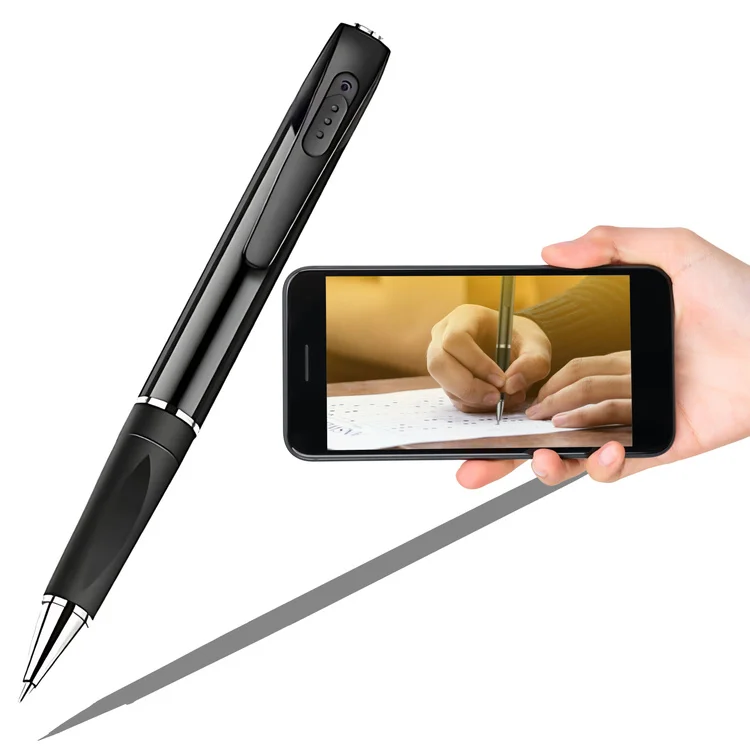
The trade-off with wearables: battery life. Most pen cameras record 60–90 minutes of continuous footage. Button cameras are slightly better at 2–3 hours. If you need longer sessions, you’re looking at external battery packs, which undermine the disguise.
Mini Camera & Standalone Devices
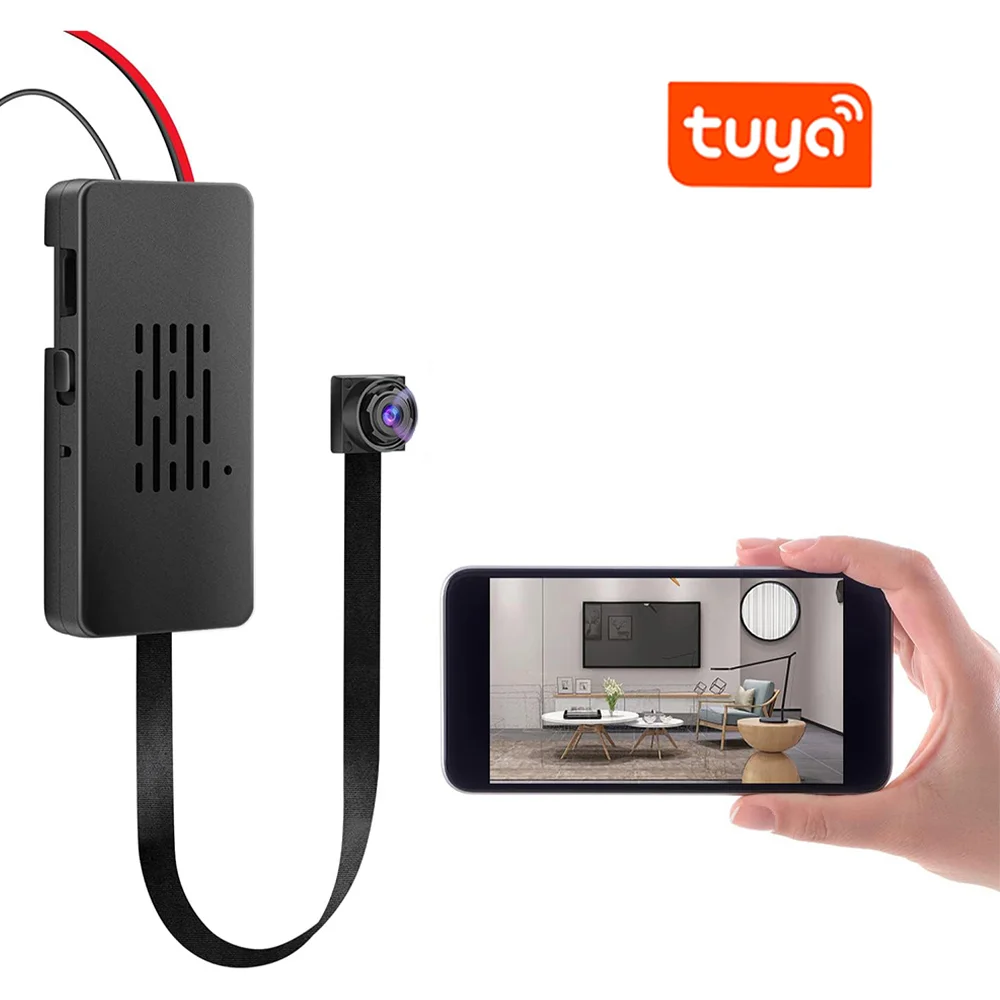
These are bare-bones devices: a small circuit board with a lens, sensor, and storage slot, sometimes no larger than a sugar cube. No disguise, no housing, just the recording module.
Mini cameras appeal to two audiences. First, DIYers who want to build their own concealment, hiding the module inside a stuffed animal, a book, or a custom enclosure. Second, professionals who need the smallest possible footprint for tight spaces: behind a dashboard, inside a product display, or within a piece of furniture.
The Z10 and S3 product lines from QZT exemplify this category: compact mini camera modules that can be deployed as-is or integrated into custom housings for OEM clients.
WiFi/IP-Enabled Hidden Cameras
WiFi capability transforms a concealed camera from a passive recording device into a real-time monitoring system. WiFi-enabled hidden cameras stream live footage to a smartphone app, send motion-activated push notifications, and often support two-way audio.
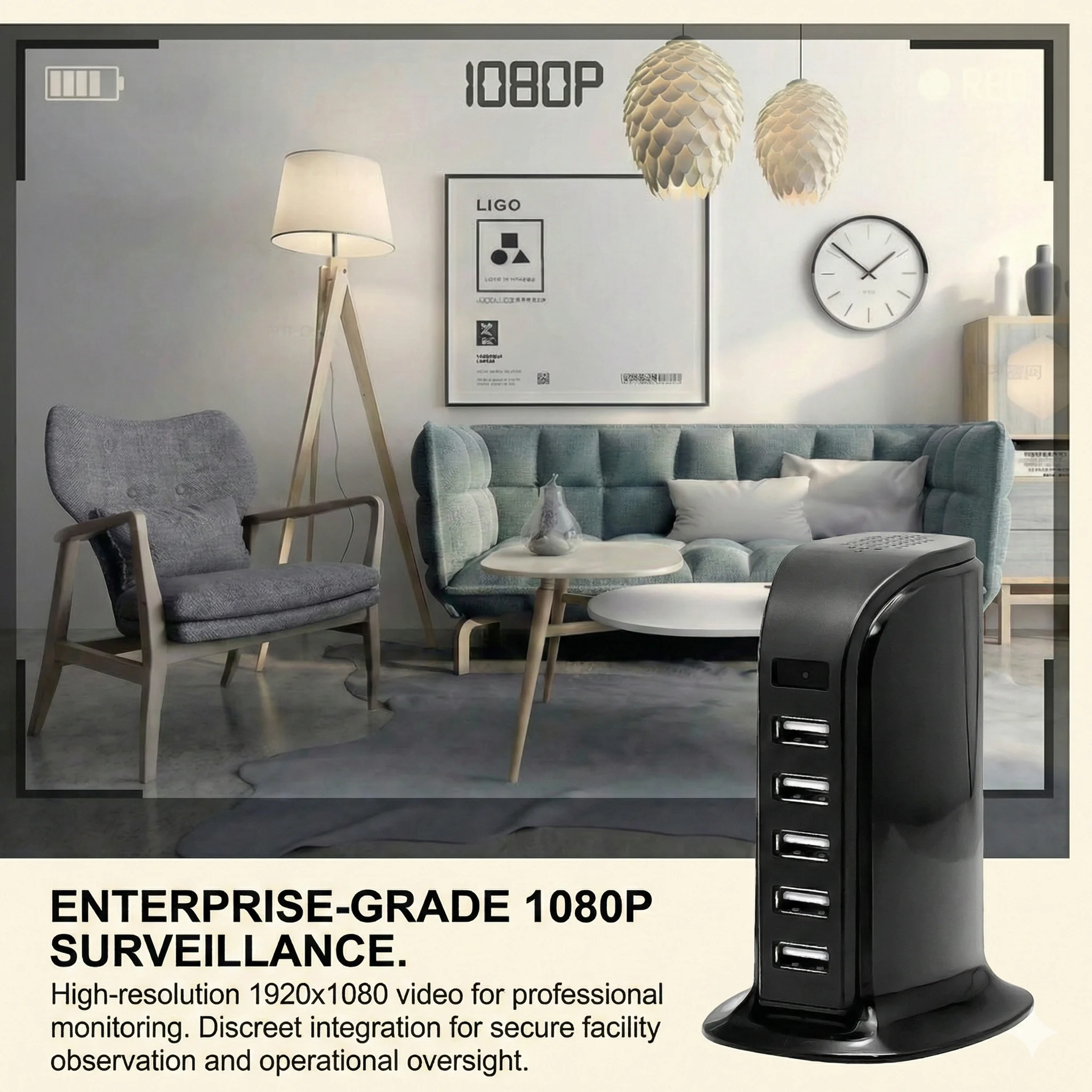
The real advantage is remote access. A business owner in New York can check on a warehouse in Los Angeles in real time. A parent can receive an alert the moment motion is detected in a child’s room. For multi-location businesses, this eliminates the need to physically retrieve SD cards from each camera.
But there’s a problem. WiFi cameras are detectable by network scanning tools. Any device on the same network can potentially identify the camera’s IP address and MAC address. For covert operations where discovery is a risk, a non-WiFi camera with local storage is safer. For everyday security monitoring where you simply don’t want the camera to be visually obvious, WiFi is the better choice.
Custom & OEM Hidden Cameras
This is where the market gets interesting for distributors and integrators. Off-the-shelf models serve the consumer market well, but businesses often need something specific: a camera embedded in a particular product shell, branded with their logo, or customized for a niche application.
OEM (Original Equipment Manufacturer) and ODM (Original Design Manufacturer) partnerships allow businesses to specify the form factor, resolution, storage, connectivity, and even the everyday object the camera is hidden inside. QZT, for example, offers custom camera modules that can be integrated into virtually any plastic or metal housing, with MOQs and lead times that accommodate both small test batches and large production runs.
If your business model involves reselling covert surveillance devices under your own brand or deploying custom surveillance solutions for clients, contact QZT for OEM inquiries to discuss specifications and minimum order quantities.
How to Choose the Right Hidden Camera
Choosing a concealed camera means matching the device to the environment, the intended use, and the legal requirements of your jurisdiction. The criteria below walk through each decision point.
Resolution: 720p vs. 1080p vs. 4K — When Each Makes Sense
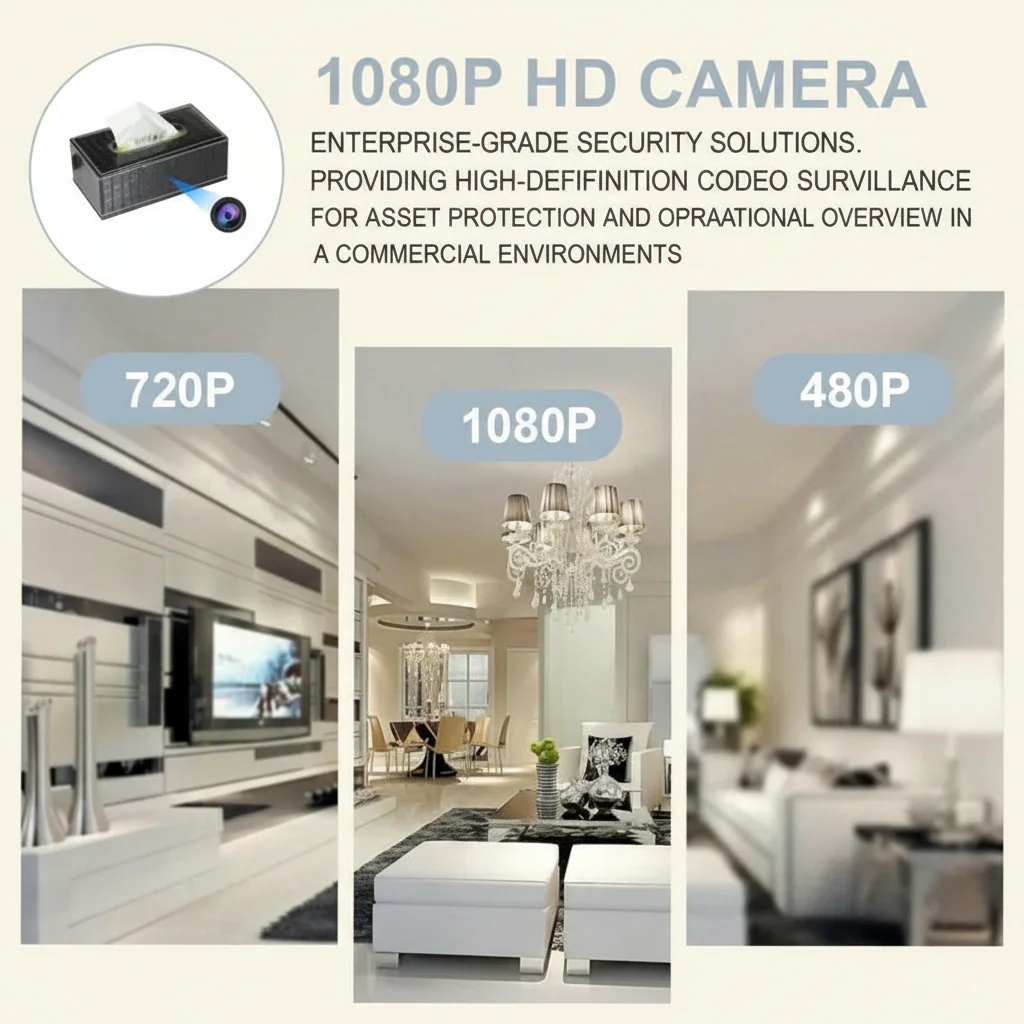
720p is the budget option. It’s adequate for monitoring whether someone entered a room, but facial recognition beyond 10–15 feet is unreliable. If your goal is basic presence detection (“Did someone come through this door?”), 720p works.
1080p is the current standard. Most covert cameras on the market offer 1080p as their default resolution, and for good reason: it balances file size with image clarity. Faces are identifiable at 20–25 feet, text on documents is sometimes legible, and storage requirements remain manageable.
4K is the emerging premium tier. The detail level is stunning. You can zoom into a recorded frame and still identify faces at 30+ feet. But 4K files are four times larger than 1080p at the same frame rate, which means storage fills four times faster and upload times over WiFi increase proportionally. Choose 4K when detail matters more than storage efficiency: legal documentation, insurance evidence, or any scenario where post-recording zoom is critical.
Power Source: Battery vs. AC-Powered vs. Solar
| Power Source | Continuous Recording | Motion-Activated | Best For |
|---|---|---|---|
| Battery | 1–8 hours | 7–30 days | Temporary placement, wearable cameras, portable setups |
| AC (wall outlet) | Unlimited | Unlimited | Fixed installations, charger/plug cameras, smoke detector cameras |
| Solar | Limited (weather-dependent) | 15–45 days (outdoor) | Exterior monitoring, remote locations without grid power |
Battery life is the single most common complaint among hidden camera users. Manufacturers quote “up to 30 days of standby,” but that number assumes motion detection triggers recording for only 5–10 minutes per day. Continuous recording drains most batteries in 90 minutes to 8 hours depending on resolution and whether WiFi is active.
For permanent installations, AC power is the only practical option. For short-term deployments (checking on a contractor, monitoring a hotel room, conducting an investigation), battery power with motion activation is sufficient.
Storage: Local SD Card vs. Cloud vs. Hybrid
Local SD card storage is private and has no recurring fees. Once you buy the card, you’re done. But if someone discovers and removes the camera, they take the evidence with it.
Cloud storage keeps your footage safe even if the camera is destroyed or confiscated. The downside is cost. Monthly subscriptions range from $3 to $15 per camera, and the requirement for a stable WiFi connection means that in areas with unreliable internet, cloud uploads can fail silently, leaving gaps in your recording history.
Hybrid is the safest bet for critical applications. Record locally as a primary backup and upload to the cloud simultaneously. If the WiFi drops, you still have the SD card. If the camera is taken, you still have the cloud. The C10 series from QZT supports this dual-storage approach.
WiFi vs. Non-WiFi: Security and Convenience Trade-offs
WiFi gives you live viewing, push notifications, and remote playback. Non-WiFi gives you stealth and simplicity. The decision comes down to your priorities:
Choose WiFi if:
– You need real-time alerts (motion detection, sound detection)
– You monitor multiple locations remotely
– You want cloud backup
– The camera’s presence is not a secret (e.g., home security, office monitoring with posted notices)
Choose non-WiFi if:
– Covert operation is the priority
– The location has no reliable WiFi
– You’re concerned about network-based detection
– You only need to review footage after the fact
Hidden Camera with Audio: Legal Considerations
Many hidden cameras with audio recording capability exist on the market, but capturing sound alongside video introduces a separate and stricter set of legal requirements. In the United States, federal law permits one-party consent for audio recording, yet 12 states require all-party consent — meaning a hidden camera with audio that records conversations without every participant’s knowledge can expose the operator to felony charges.
For B2B buyers sourcing a hidden camera with audio for international markets, the compliance picture is even more complex. The EU’s GDPR treats audio recordings as sensitive personal data, and several member states impose additional consent requirements beyond what video-only recording demands. Most manufacturers offer a “video only” mode that disables the microphone, and this option is recommended for any deployment where audio consent cannot be guaranteed in advance.
Night Vision & Motion Detection Capabilities
Night vision in concealed cameras typically uses infrared (IR) LEDs with a 940nm wavelength, the “no-glow” spectrum that’s invisible to the human eye. Standard 850nm IR LEDs produce a faint red glow that’s noticeable in complete darkness, which defeats the purpose of a covert device.
Not all night vision is equal. Look for cameras with at least 10 IR LEDs and a stated range of 15–25 feet. Cheaper models claim night vision but produce grainy, unusable footage beyond 5 feet.
Motion detection has two dimensions: sensitivity and intelligence. Basic motion detectors trigger on any pixel change, whether it’s a ceiling fan, a curtain blowing, or passing headlights. That generates hundreds of false alerts. Better cameras use pixel-analysis algorithms that distinguish between a person entering the frame and ambient motion, reducing false triggers by 70–80%.
B2B Buying Criteria: MOQ, OEM/ODM, Certifications, Lead Times
Consumer buying stops at resolution, battery life, and price. B2B buying extends into a different set of considerations entirely.
Minimum Order Quantity (MOQ): Consumer-oriented suppliers may require MOQs of 500–1,000 units. For businesses testing a new product line, that’s a significant upfront investment. Look for suppliers with flexible MOQs. QZT, for instance, accommodates smaller test orders before scaling up production.
OEM/ODM capabilities: Can the supplier put your logo on the product? Can they modify the firmware? Can they develop a custom form factor? If you’re building a brand, not just reselling, these capabilities determine whether you’re selling a commodity or a differentiated product.
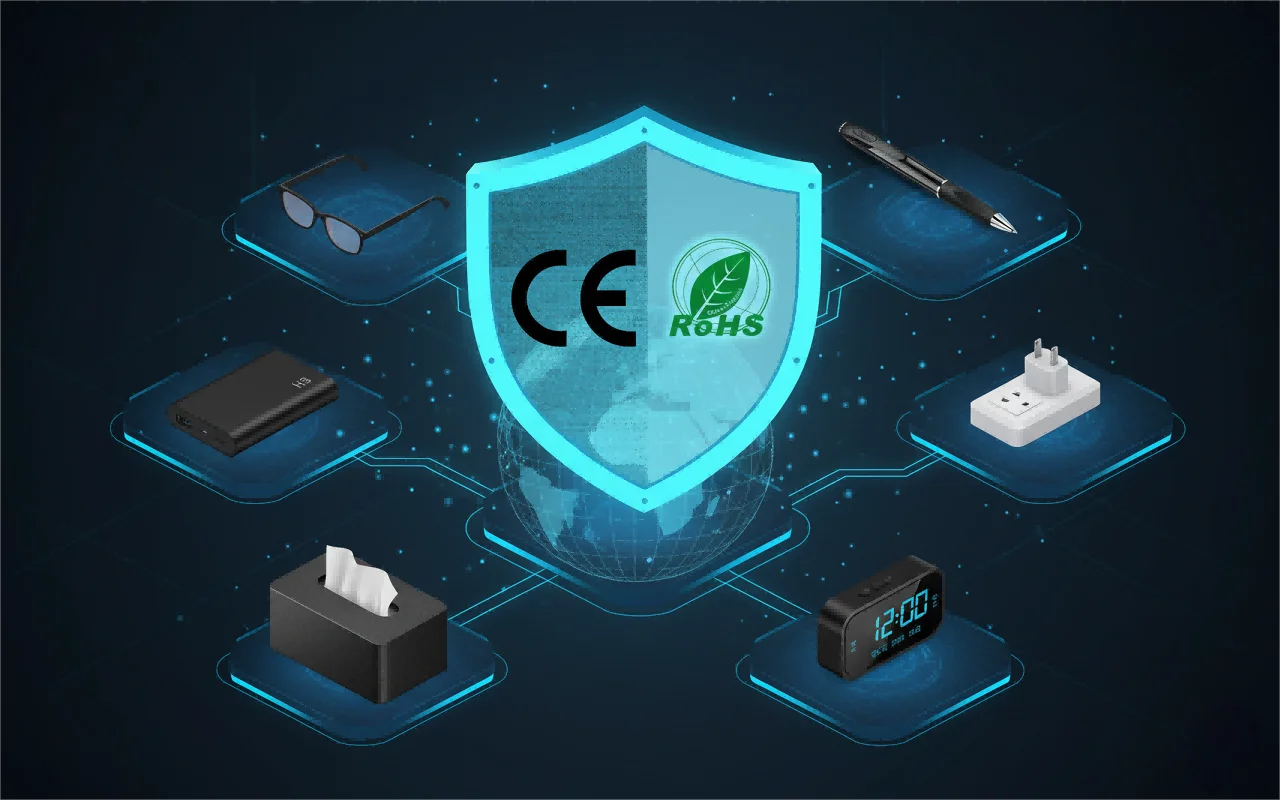
Certifications: FCC (United States), CE (European Union), and RoHS (Restriction of Hazardous Substances) are non-negotiable for legal import and sale in most markets. FCC equipment authorization requirements apply to any RF-emitting device sold in the U.S. Without these certifications, your shipment can be seized at customs, and your business faces potential legal liability.
Lead times: Off-the-shelf products ship in days. Custom OEM orders take 4–8 weeks for tooling, prototyping, and production. If you’re planning a product launch, factor this timeline into your go-to-market schedule.
Ready to source hidden cameras at wholesale pricing? Request a wholesale quote with your specifications and volume requirements.
Hidden Camera Placement: Strategic Best Practices
Even the best covert camera delivers poor results if it’s placed poorly. Placement determines field of view, recording quality, and whether the camera remains undetected.
Placement by Room
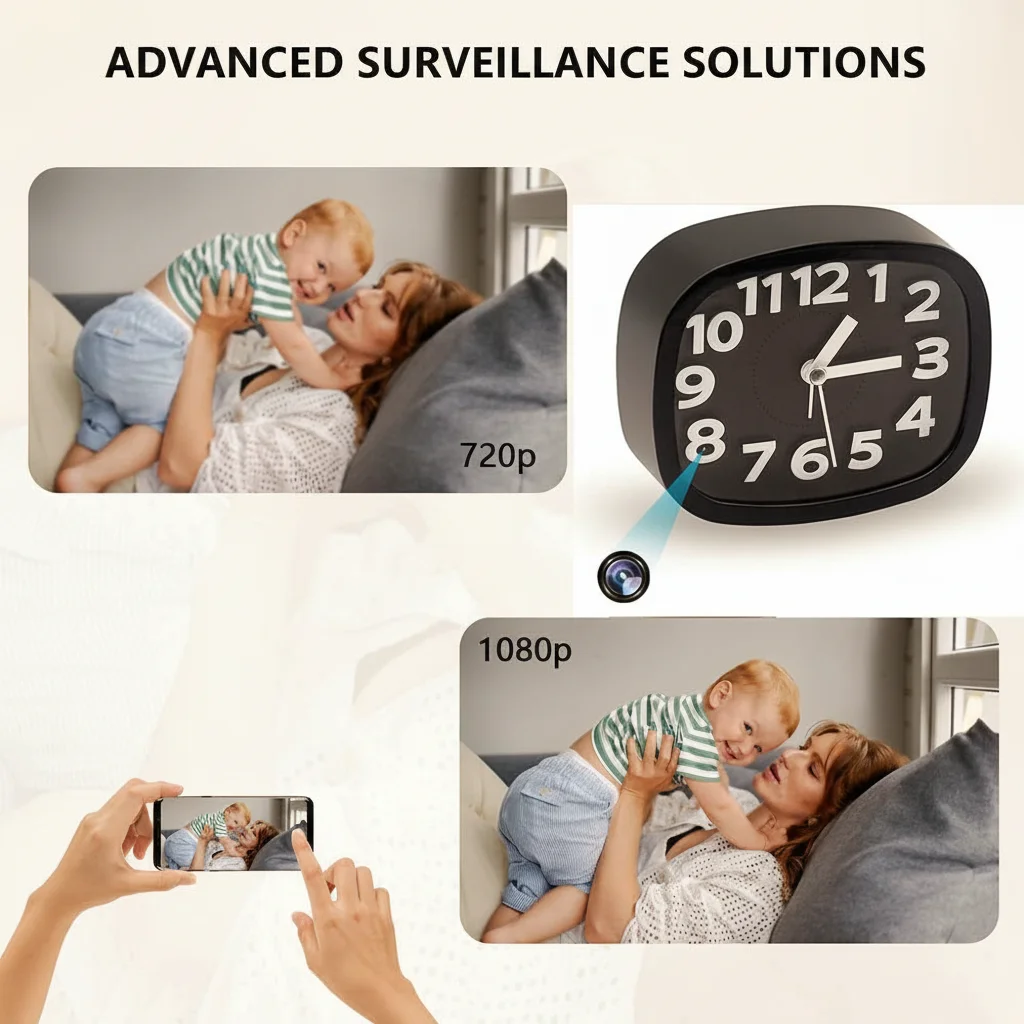
Living room: The most common placement target. Position the camera at 5–7 feet height, angled slightly downward to capture faces rather than the tops of heads. Clock cameras on a bookshelf and picture frame cameras on a mantle are natural choices.
Office: Desk-level cameras capture computer screens and face-to-face interactions. Ceiling-mounted smoke detector cameras cover the entire room. If monitoring for theft, place a camera near the filing cabinet or safe rather than the door; you already know who comes through the door, you need to see what they do when they think no one is watching.
Entryway: A charger camera near the front door captures everyone who enters. Position it to face the door at chest height. This gives you the clearest view of faces as people walk in.
Retail: Point-of-sale areas, stockrooms, and display cases are the priority. Ceiling-mounted cameras with wide-angle lenses cover the most ground. For display cases, mini cameras behind the product line create a “watching from inside” perspective that documents exactly what a shoplifter touches.
Placement Principles: Natural Positioning, Line of Sight, Concealment
Three principles apply everywhere:
1. Natural positioning: The object containing the camera should be where that object would normally be. A clock belongs on a nightstand, not on the floor. A charger belongs in an outlet, not taped to a wall. If the object looks out of place, people notice it and then they look closer.
2. Line of sight: Before finalizing placement, sit where the subject would sit, stand where they would stand, and check the camera’s preview. Adjust the angle until you can see faces clearly. A camera pointed at the back of someone’s head is worthless.
3. Concealment: Ensure no wires, LED indicators, or lens reflections are visible. A single blinking blue LED has exposed more covert cameras than any detection tool. Use electrical tape to cover any indicator lights, and run cables behind furniture or along baseboards.
Testing & Maintenance Checklist
After installation, run through this checklist:
– [ ] Record 30 seconds of test footage and review it on a computer; check focus, angle, and lighting
– [ ] Walk through the room at different times of day to verify night vision activates properly
– [ ] Check that motion detection triggers within 3 seconds of entry
– [ ] Verify that SD card storage is functional and loop recording works
– [ ] For WiFi cameras, confirm remote viewing from a different network
– [ ] Set a calendar reminder to check battery levels or SD card capacity weekly
– [ ] Document each camera’s location, access credentials, and maintenance schedule
Hidden Camera for Business: Professional Use Cases
The consumer side of the covert surveillance market gets the attention. The business side drives the revenue.

Law Enforcement & Investigative Journalism
Police departments and private investigators use hidden cameras for evidence gathering in ways that visible cameras cannot support. A wearable pen camera during a controlled buy, a charger camera in a suspect’s hotel room (with a warrant), a button camera during an undercover operation: these are tools of the trade.
Investigative journalists operate under similar constraints. A reporter documenting labor violations at a factory, an exposé on elder care abuse, or an investigation into fraudulent business practices often requires footage that can only be captured covertly. The legal protections for journalistic use vary significantly by jurisdiction, but the equipment requirements are consistent: small, reliable, and with sufficient battery life to capture an entire interaction.
Corporate Security & Loss Prevention
U.S. retailers lost an estimated $90 billion to inventory shrink in 2025 (Appriss Retail). Internal theft (employee theft) accounts for a significant portion of that figure. Covert cameras in stockrooms, behind cash registers, and in loading docks capture the footage that visible cameras cannot, because employees who intend to steal avoid visible cameras.
The return on investment for loss prevention cameras is measurable. A single covert camera that catches a repeat offender can recover its cost and the cost of the entire system in one incident. For businesses experiencing unexplained inventory loss, the question isn’t whether to install concealed cameras. It’s where to place them for maximum coverage.
In 2024, a mid-sized electronics retailer in Ohio noticed a persistent discrepancy between inventory counts and actual stock, roughly $12,000 in losses over three months. Visible cameras showed nothing unusual. A charger camera installed near the back stockroom entrance captured an employee systematically removing products after hours. The footage led to recovery of $9,400 in merchandise and termination of the employee. The camera cost $89.
Insurance & Legal Documentation
Insurance fraud costs the U.S. economy an estimated $308 billion annually (Coalition Against Insurance Fraud). Concealed cameras play a growing role in both preventing and documenting fraud. A homeowner suspecting a fraudulent claim by a contractor might install a camera to document the actual work performed. A business facing a suspicious workers’ compensation claim might use covert footage to verify whether an employee’s reported injury is consistent with their observed behavior.
The key consideration is admissibility. Footage must be obtained legally, which means no recording in areas where there’s a reasonable expectation of privacy, and audio recording must comply with applicable consent laws. Video-only recordings generally face fewer legal hurdles than audio-video recordings.
Retail & Hospitality Monitoring
Hotels, restaurants, and retail stores face a unique monitoring challenge: they must protect assets and ensure employee integrity without making customers feel surveilled. Visible cameras in a hotel lobby are expected. Concealed cameras in a hotel storage room where employee theft is suspected are effective. The line between the two is where strategy matters.
For hospitality businesses, charger cameras and clock cameras in back-of-house areas (housekeeping closets, kitchen entrances, employee break rooms) provide coverage without the visual reminder that “you’re being watched” visible cameras create. The goal isn’t to create a surveillance state. It’s to deter and detect the small percentage of incidents that cause disproportionate financial damage.
Businesses sourcing cameras for multi-location deployments should request a wholesale quote for volume pricing and consistent product specifications across all locations.
How to Detect Hidden Cameras
Understanding how covert cameras work makes you better at finding them, whether you’re a traveler checking a vacation rental, an executive concerned about corporate espionage, or someone who simply values privacy.

To detect hidden cameras, follow these five methods:
1. Perform a physical inspection — check for pinhole lenses, unfamiliar objects, and anything facing private areas
2. Use the flashlight method — scan for lens reflections in a darkened room
3. Scan with your smartphone’s IR camera — look for purple or white IR LED dots invisible to the naked eye
4. Run a network scanning app — detect WiFi cameras on the local network
5. Use professional RF detectors and lens finders — for situations where detection accuracy is critical
In 2024, a travel blogger in Miami used her phone’s front camera to scan her Airbnb bedroom and spotted two faint purple dots in the smoke detector: IR LEDs from a camera streaming footage over WiFi. She filed a police report, the host was charged under Florida’s surveillance laws, and Airbnb removed the listing. The detection took less than 30 seconds.
Physical Inspection Methods
The most reliable detection method is also the oldest: look carefully. Walk through the room and examine every object that seems even slightly out of place. Focus on:
– Objects facing the bed, shower, or changing area: the most common targets for illicit placement
– Anything with a small hole or lens opening: pinhole lenses are 3–5mm and often visible if you look closely
– Unfamiliar objects: a smoke detector that doesn’t match the others, a new picture frame, a charger that doesn’t fit the room’s aesthetic
The flashlight method works because camera lenses reflect light differently than their surroundings. Turn off all lights in the room, shine a flashlight (your phone’s LED works) across surfaces at different angles, and look for small blue or white reflections. Camera lenses produce a distinctive glint that’s hard to miss once you know what to look for.
The mirror test involves pressing your finger against any mirror in the room. A regular mirror shows a gap between your finger and its reflection. A two-way mirror, which might conceal a camera, shows no gap, with your finger and reflection appearing to touch directly.
Smartphone-Based Detection
Two smartphone-based methods are worth knowing:
IR camera detection: Many covert cameras use IR LEDs for night vision. In a dark room, open your phone’s front-facing camera (some rear cameras have IR filters that block the signal) and scan the room. IR LEDs appear as bright purple or white dots on your phone screen that are invisible to the naked eye.
Network scanning apps: Apps like Fing or Network Analyzer scan the local WiFi network for connected devices. A camera on the same network will appear as a device with a manufacturer name like “HIKVision,” “Dahua,” or an unknown device. This only works for WiFi cameras, not standalone SD-card models.
Professional RF Detectors & Lens Finders
For situations where detection accuracy is critical (corporate security sweeps, law enforcement, private investigation), professional tools provide the reliability that DIY methods cannot.
RF detectors scan for radio frequency transmissions from WiFi cameras, Bluetooth devices, and wireless transmitters. The hidden camera detector market was valued at $259 million in 2024 and is projected to reach $474 million by 2031 (QY Research), reflecting growing demand from both professionals and privacy-conscious consumers.
Lens finders use focused light and optical magnification to detect camera lenses at distances up to 30 feet. They’re effective against both active and inactive cameras, unlike RF detectors, which only detect transmitting devices.
A professional sweep with RF detectors and lens finders takes 1–3 hours for a standard hotel room and can cost $200–$500. For most travelers, the flashlight method and smartphone scan are sufficient. For corporate security, professional sweeps are a necessary investment.
Common Detection Myths Debunked
Myth: “Phone calls near a hidden camera produce interference.” Partially true for analog wireless cameras, which operate on frequencies that can interfere with cellular signals. Modern digital cameras (H.264/H.265 over WiFi) do not produce audible interference on phone calls.
Myth: “Thermal cameras can detect all hidden cameras.” False. While active cameras generate heat, the amount is minimal and indistinguishable from other electronic devices. A clock radio generates roughly the same thermal signature as a clock radio with a camera inside it.
Myth: “Magnetometers find hidden cameras.” Only cameras with significant magnetic components (some motorized pan-tilt modules) would register. The vast majority of covert devices have no detectable magnetic signature.
Hidden Camera Laws: A Global Compliance Framework
This section is not legal advice. Laws change, interpretations vary, and jurisdiction matters. Consult a qualified attorney before deploying covert cameras in any commercial or legal context.
That said, understanding the broad legal landscape helps you make informed decisions and avoid the most common and most serious compliance failures.
United States: One-Party vs. Two-Party Consent States
The United States splits into two consent frameworks for audio recording:
38 one-party consent states: Only one person in the conversation (which can be the person recording) needs to consent. In these states, you can legally record a conversation you’re part of without telling the other person. Video recording without audio generally faces fewer restrictions, provided there’s no reasonable expectation of privacy.
12 two-party (all-party) consent states: California, Connecticut, Delaware, Florida, Illinois, Maryland, Massachusetts, Michigan, Montana, New Hampshire, Oregon, Pennsylvania, and Washington require all parties to consent to audio recording. Recording a conversation without consent in these states can be a felony under 18 U.S.C. § 1801 (federal video voyeurism statute) and corresponding state laws.
Critical distinction: video and audio are treated differently. Video-only recording (no audio) is generally subject to different, less restrictive standards than audio recording. Many models offer a “video only” mode that disables the microphone, which can simplify compliance.
Where it’s always illegal: Bathrooms, locker rooms, changing rooms, hotel bedrooms (by guests or staff), and any area where a person has a reasonable expectation of complete privacy. This applies in all 50 states. No consent framework overrides this.
European Union: GDPR & National Privacy Laws
The EU’s General Data Protection Regulation (GDPR) treats video surveillance footage as personal data. This means:
– Legal basis required: You must have a legitimate reason for recording, and that reason must be proportionate to the privacy intrusion.
– Data minimization: Record only what’s necessary. Continuous recording of a lobby entrance may be justified. Continuous recording of a break room is harder to defend.
– Notification: In most cases, individuals must be informed that they’re being recorded. The CNIL (France’s data protection authority) has explicitly stated that hidden cameras in the workplace are permissible only under exceptional circumstances, and visible signage is the default expectation.
– Data retention limits: Footage must be deleted within a defined period, typically 30 days unless required for an ongoing investigation.
– Cross-border considerations: Transferring footage from an EU member state to a non-EU country requires additional safeguards under GDPR Article 44. The EDPB guidelines on video surveillance provide detailed compliance requirements.
Individual member states add their own restrictions. Germany requires visible signs at every entrance to a monitored area. Spain’s LOPDGDD mandates a registry of all surveillance systems. The Netherlands’ Autoriteit Persoonsgegevens requires a Data Protection Impact Assessment for any camera system that processes personal data at scale.
Asia-Pacific: Key Jurisdiction Variations
Japan strictly prohibits filming in private settings without consent. Recent years have seen increased enforcement around hidden cameras in public facilities, and penalties have been strengthened.
South Korea has specific anti-voyeurism statutes with significant criminal penalties. The country has been at the center of a high-profile national conversation about hidden camera crimes, and enforcement has intensified accordingly.
China has evolving surveillance regulations that distinguish between government-authorized surveillance (which is broadly permitted) and private surveillance (which faces growing restrictions). In December 2024, China’s Supreme People’s Court instructed courts across the country to intensify efforts against illegal surveillance.
Australia and India each have their own privacy frameworks (the Privacy Act 1988 for Australia and the Information Technology Act for India), but neither has comprehensive statutes specifically addressing hidden cameras. Instead, general privacy principles and criminal law apply.
Where Hidden Cameras Are Always Illegal
Regardless of jurisdiction, hidden cameras are universally prohibited in:
– Bathrooms, showers, and toilets
– Locker rooms and changing areas
– Bedrooms of guests or tenants without their knowledge
– Medical examination rooms
– Any space where a person is in a state of undress or performing intimate activities
Violations in these areas typically carry criminal penalties, not just civil liability. The intent behind the recording is irrelevant; even “accidental” placement in these areas can result in prosecution.
Best Practices for Legal Compliance
1. Disable audio unless you need it: Video-only recording avoids the most complex consent requirements.
2. Post signage when possible: Even in one-party consent states, a “Security cameras in use” sign eliminates ambiguity and strengthens your legal position.
3. Never record in private areas: Bathrooms, bedrooms, and changing rooms are off-limits, period.
4. Document your purpose: If you’re installing cameras for business security, document the reason (e.g., “inventory shrinkage in warehouse”). This demonstrates legitimate intent if challenged.
5. Consult local counsel: Before deploying covert cameras across multiple jurisdictions, have a local attorney review your installation plan. The cost of legal review is negligible compared to the cost of a compliance failure.
6. Implement a data retention policy: Delete footage after a defined period unless it’s required for an investigation. GDPR, in particular, penalizes indefinite data retention.
Hidden Camera Market Trends & Statistics
Market Size & Growth Projections
The global hidden camera market was valued at $13.26 billion in 2025 and is projected to reach $24.01 billion by 2033, growing at a CAGR of 7.7% (Verified Market Research). The growth is driven by three concurrent forces: increasing security concerns in both residential and commercial sectors, the declining cost of high-resolution camera components, and the expansion of e-commerce distribution channels.
Within the broader market, the wearable hidden camera segment is growing fastest at 9.5% CAGR, reflecting demand from law enforcement and investigative professionals. The detection segment (hidden camera detectors) is also expanding, valued at $259 million in 2024 and projected to reach $474 million by 2031 at a CAGR of 8.5%.
Key Technology Trends
4K resolution is moving from premium to standard. As sensor costs decline and H.265 compression becomes ubiquitous, the storage and bandwidth penalties of 4K are diminishing. By 2028, 4K will likely be the default resolution for new covert camera models.
AI-powered detection is the most significant emerging trend. Cameras with embedded AI can distinguish between a person and a pet, filter out false motion triggers, and even generate alerts based on specific behaviors (loitering, package removal, unauthorized access). This intelligence moves processing from the cloud to the edge, reducing latency and bandwidth requirements.
Miniaturization continues to push physical limits. Camera modules that were 30mm x 30mm five years ago are now 10mm x 10mm, enabling concealment in smaller and less conspicuous objects.
Consumer Demand Shifts
The market is shifting decisively toward wireless, app-connected devices. Consumers expect to check their cameras from their phones, receive push notifications, and review footage remotely. This demand is reshaping the product landscape; non-WiFi models are becoming specialty items for specific use cases rather than the default option.
Battery technology is the bottleneck. Until solid-state batteries or energy harvesting technologies mature, battery life will remain the primary complaint. Manufacturers that solve the power problem through efficient codecs, motion-activated recording, or solar charging will capture a disproportionate share of consumer demand.
Hidden Camera FAQ: Common Questions Answered
Are hidden cameras legal?
Hidden cameras are legal in most jurisdictions when used in spaces where there is no reasonable expectation of privacy, and when audio recording complies with local consent laws. Recording in bathrooms, changing rooms, and bedrooms without consent is illegal everywhere.
Can hidden cameras work without WiFi?
Yes. Most hidden cameras record to a local microSD card and function without any internet connection. WiFi is required only for live remote viewing, cloud storage, and push notifications.
How long do hidden camera batteries last?
Battery life depends on recording mode. Continuous recording typically lasts 1–8 hours. Motion-activated standby mode can last 7–30 days depending on the camera, resolution, and how frequently motion triggers recording.
How can I tell if there’s a hidden camera in my room?
Use the flashlight method (scan for lens reflections), check your phone’s camera for IR LEDs in the dark, and scan the WiFi network for unfamiliar devices. For higher-stakes situations, professional RF detectors and lens finders provide more reliable detection.
What’s the difference between a hidden camera and a security camera?
A security camera is visible and serves as both a monitoring tool and a deterrent. A hidden camera is concealed and serves only as a monitoring tool. The legal requirements and ethical considerations differ significantly between the two.
Do hidden cameras record audio?
Many do, but audio recording is subject to stricter legal requirements than video recording. In 12 U.S. states (two-party consent states), recording audio without all parties’ consent is illegal. Most hidden cameras allow you to disable the microphone for video-only operation.
What should B2B buyers look for in a hidden camera supplier?
Prioritize FCC, CE, and RoHS certifications for legal import; flexible MOQs for test orders; OEM/ODM capabilities if you’re building a brand; and realistic lead times for custom orders. Product consistency across batches is also critical: a quality variance between batches creates customer service problems downstream.
Conclusion
Three realities define the hidden camera market heading into the late 2020s: the technology keeps getting smaller, sharper, and cheaper; the legal environment keeps getting more complex and more aggressively enforced; and the distance between consumer-grade gadgets and professional-grade equipment keeps widening.
For anyone evaluating a purchase, the practical takeaways are straightforward. Match resolution to your actual need (720p for presence detection, 1080p for identification, 4K for evidentiary detail). Match power to your deployment duration (battery for days, AC for months and years). Match connectivity to your risk tolerance (WiFi for convenience and remote access, local storage for stealth). And before pressing record, confirm the legal framework in every jurisdiction where you operate; the penalties for non-compliance dwarf the cost of any camera.
For B2B buyers, the decision extends beyond specs into supply-chain fundamentals: MOQ flexibility, OEM/ODM depth, FCC equipment authorization requirements, CE compliance, and realistic lead times for custom orders.
Request a wholesale quote for bulk pricing on hidden cameras for your business. For custom form factors and OEM partnerships, contact QZT for OEM inquiries.

 English
  Italiano
  Deutsch
  Français
  Español
  Polski