
Perché ogni piccola impresa necessita di telecamere nascoste nel 2026
You cannot run your business from every corner of your premises at the same time. You cannot be at the stockroom door and the shop floor simultaneously. You cannot always be there when a difficult customer makes a false claim, when a cash discrepancy appears, or when the back door is propped open at 11pm. And yet, the moments you are not there are often the moments that matter most.
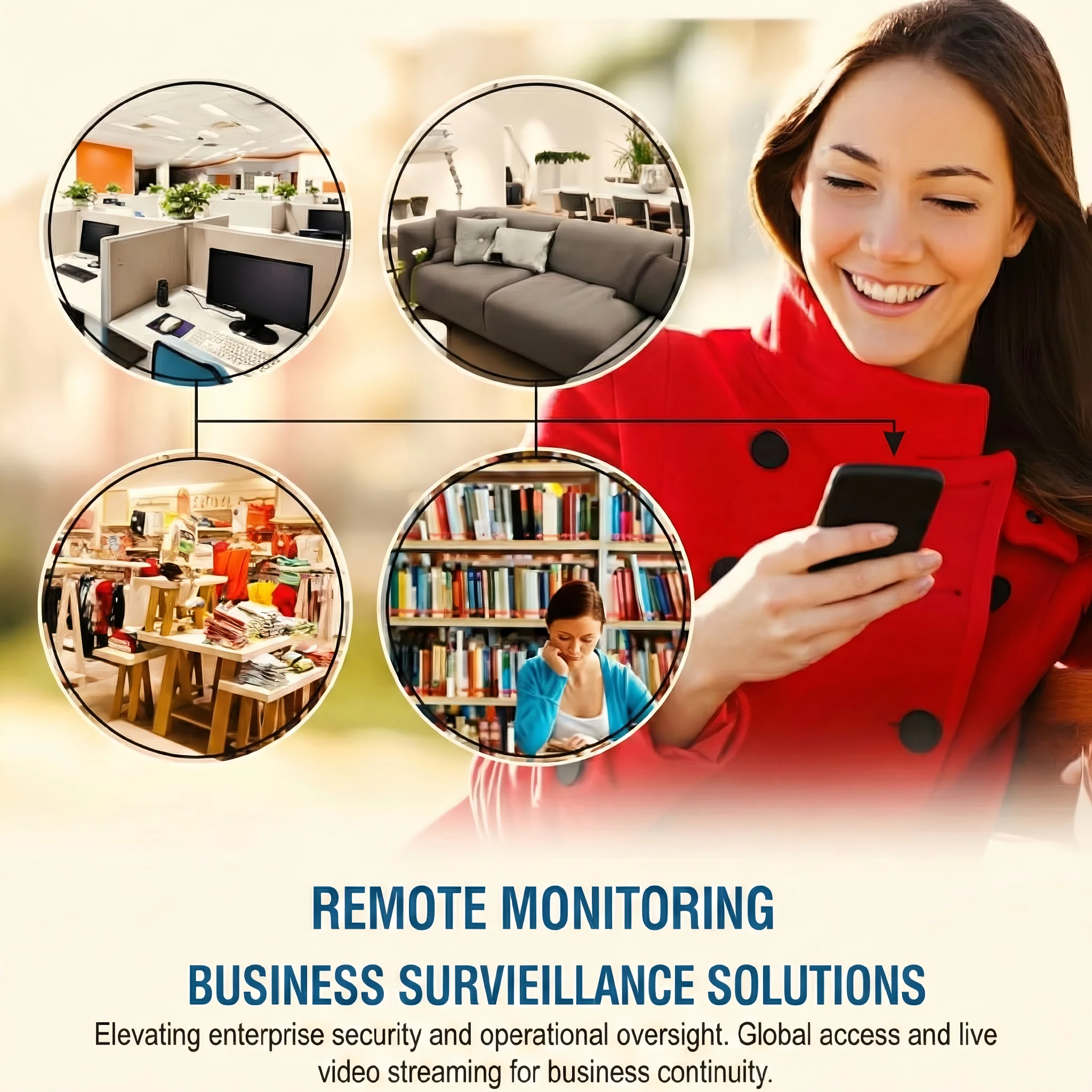
Hidden cameras have moved well beyond the realm of espionage and private investigation. For small businesses in the UK, across Europe, and internationally, they have become a practical, affordable, and increasingly legally straightforward tool for protecting your premises, your people, and your livelihood. This is not about distrusting your team — it is about having objective evidence when the unexpected happens.
The Security Gaps That Visible Cameras Cannot Fill
Most small businesses have some form of CCTV. You have a camera at the entrance. Maybe one covering the till area. Perhaps a wide-angle lens pointed at the shop floor. This is good — visible cameras deter casual opportunistic theft and provide a record of customer-facing incidents. But they have structural blind spots that experienced loss prevention professionals understand well.
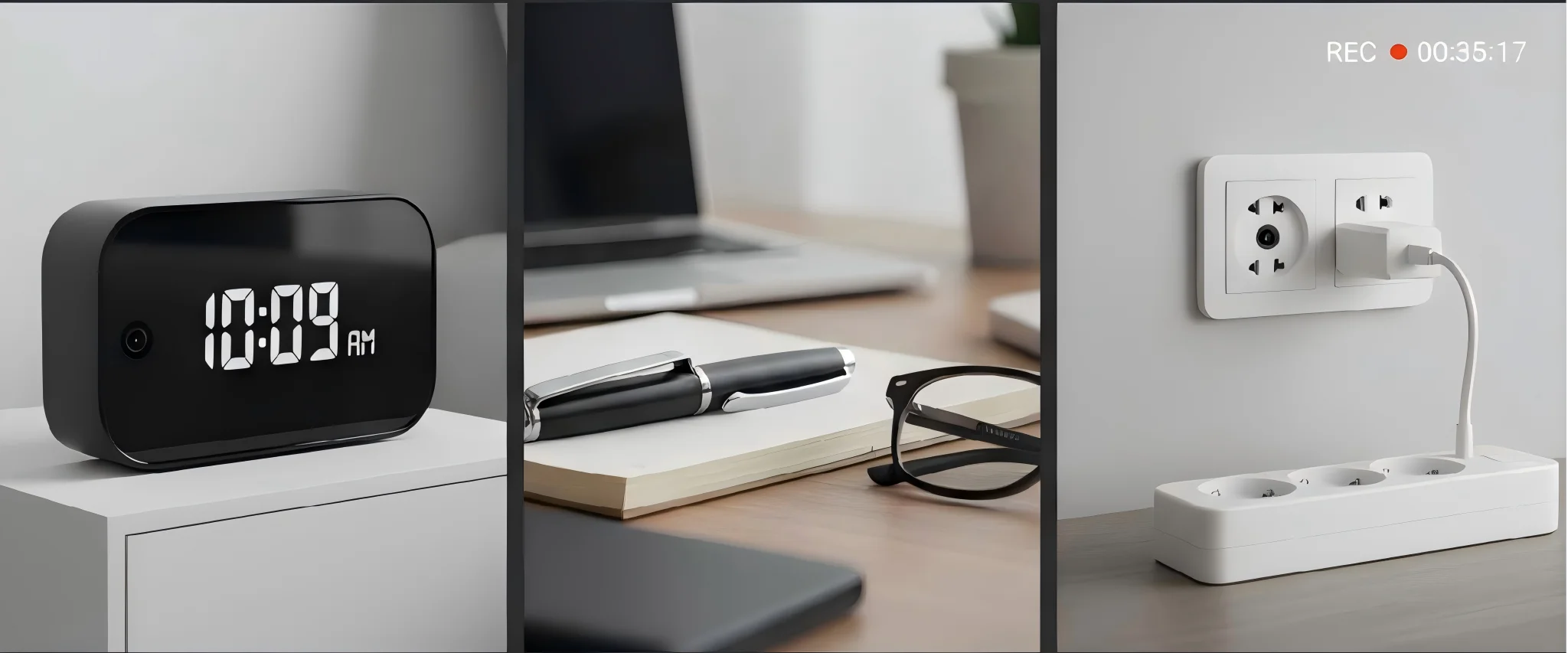
Visible cameras only capture what people expect to be captured. An employee who intends to steal from a till will angle their body away from the lens, position themselves to block the camera’s view of the cash drawer, or wait until a colleague creates a distraction. The camera records what it can — but it cannot see around a deliberate act of concealment.
Hidden cameras fill these gaps precisely because the subject has no idea they are there. They capture natural, unperformed behaviour — the moment cash is palmed, the instance stock is slipped into a bag, the conversation at the back door that should not be happening. That unfiltered footage is the difference between a suspicion and a prosecution.
Beyond theft prevention, hidden cameras also capture incidents that your standard system may have missed: customer falls that were partially obscured, interactions with staff that are later disputed, supplier deliveries where goods are shorted or damaged and the claim later disputed.
What Small Business Owners Actually Lose To (Undetected) Theft
The British Retail Consortium’s annual Crime Survey consistently finds that the average cost of crime per retail premises has risen year on year. But the more insidious problem is not the crime you know about — it is the crime you never discover.
Internal shrinkage — stock and cash lost to employees — accounts for a significant portion of total retail losses. In small businesses where owners rely on a small team, often without formal processes or dual-authorisation controls, the opportunity for internal theft is far greater than in larger organisations with separation of duties.
Here is what that looks like in practice for a small business owner:
– A retail shop owner notices stock counts are consistently short. After three months of small discrepancies, the cumulative loss reaches £1,800. No visible cameras caught anything unusual because the employee knew the camera positions.
– A café owner finds their till is £300 short every Friday after the late shift. The employee in question is a trusted long-term staff member. Without evidence, the owner faces an impossible choice between an accusation without proof and writing off the loss.
– A warehouse operator discovers equipment missing after a specific temp worker finished their contract. There was no camera covering the equipment storage area — only the loading bay entrance.
Hidden cameras do not just catch theft after the fact. Their presence changes behaviour. Staff who know cameras exist — even if they do not know where — are measurably less likely to take liberties with inventory, cash, or company time.
How Hidden Cameras Protect You in “He Said, She Said” Disputes
Customer disputes and staff disagreements are part of running any business. When a customer claims they were overcharged, treated rudely, or injured on your premises, and your employee tells a completely different story, you are left with a credibility contest and no objective evidence. In a small business, where relationships matter and turnover is costly, these disputes can escalate into employment tribunals, social media complaints, or small claims actions.
A single camera — positioned at the right angle — can resolve these disputes in minutes instead of months.
The same logic applies to internal staff conflicts. If two employees clash and one accuses the other of threatening behaviour, a hidden camera covering the area provides the factual record you need to make an informed decision. Without it, you are relying on the testimony of people with vested interests — and the outcome may reflect who is more persuasive rather than who is telling the truth.
In the UK, this kind of evidence can be invaluable in employment tribunal proceedings. An employer who can demonstrate they based a disciplinary decision on contemporaneous footage — rather than on rumour or bias — is in a significantly stronger legal position than one relying on witness statements alone.
After-Hours Security: What Happens When You Are Not There
Many small business owners sleep badly on nights when they are not on the premises. Break-ins are an obvious concern. But just as damaging — and far more common — is the authorised person who has access after hours and uses that access inappropriately. Former employees who have not returned keys. Delivery drivers who let themselves into the back of the building. Staff who prop open doors for friends after closing time.
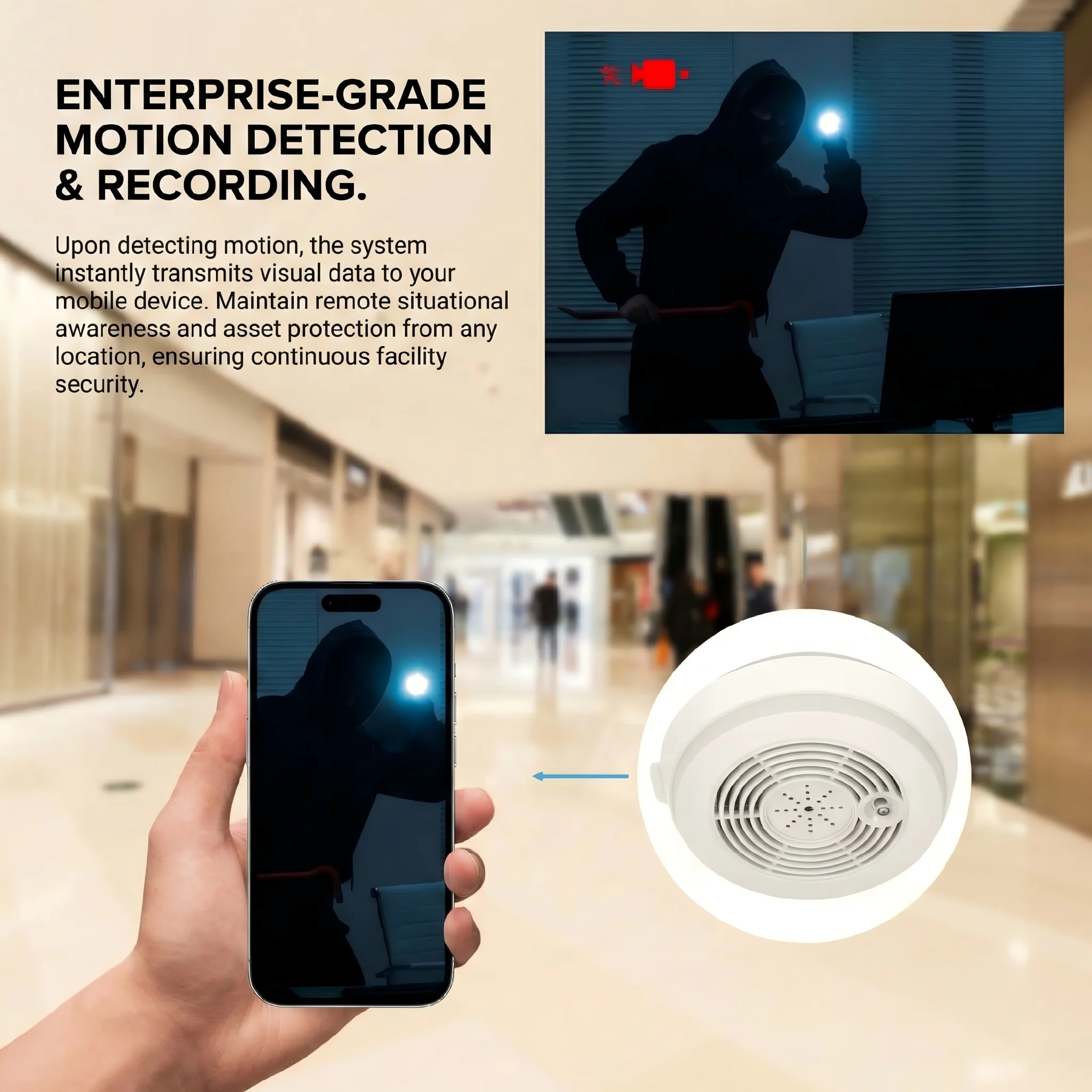
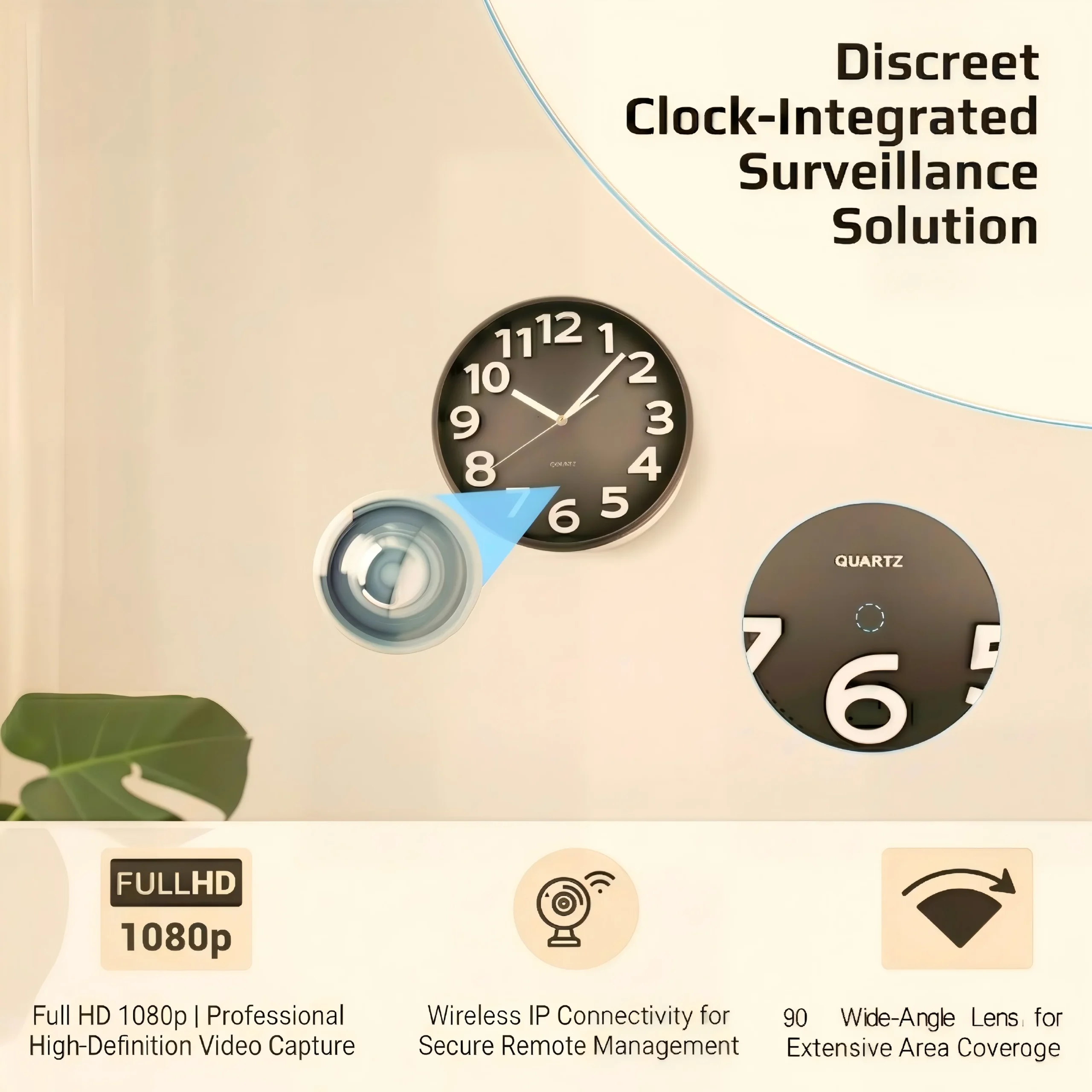
After-hours covert surveillance captures exactly what happens when your business is empty and no one is watching. A camera disguised as a Caricabatterie USB da parete in a back corridor, or a telecamera nel rilevatore di fumo covering a loading dock, can detect and document:
– Unauthorised entry outside business hours
– Deliberate damage to property or inventory
– Trespassing or squatting by former employees or external parties
– Safety violations (propped fire doors, faulty electrical equipment in use outside permitted hours)
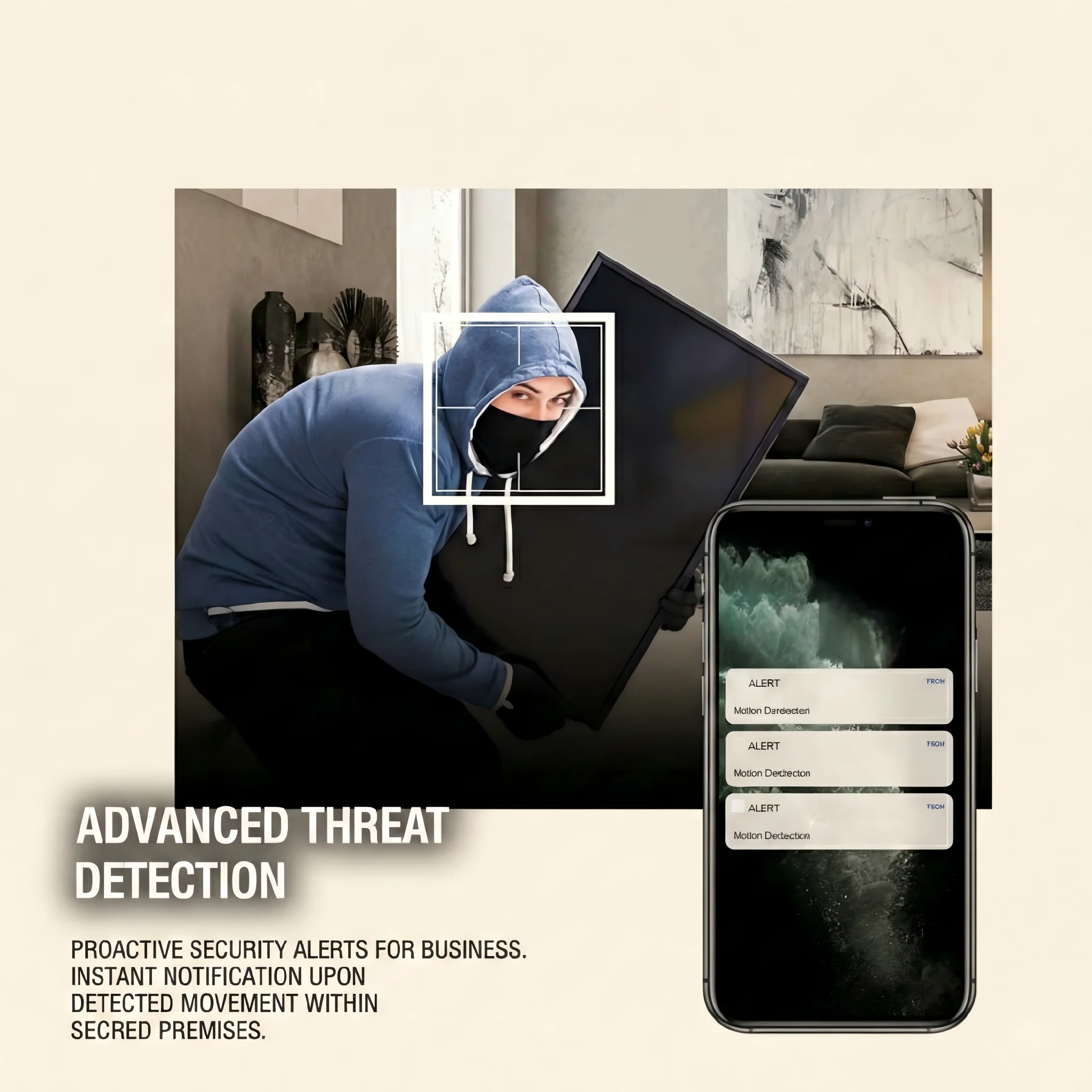
For business owners who travel frequently, own multiple locations, or rely on a small management team to cover opening and closing, remote-access hidden cameras provide live visibility from a smartphone. Wi-Fi enabled models send motion-triggered alerts and allow you to pull footage in real time — meaning you can respond to an incident at 2am without driving to the premises.
Employee Monitoring vs. Employee Trust: Striking the Right Balance
Some small business owners hesitate at this point, worried that hidden cameras signal distrust. This concern is legitimate — and it is worth addressing directly.
The research on workplace surveillance is nuanced. Studies from the Chartered Institute of Personnel and Development (CIPD) consistently find that employees who feel they are excessively or intrusively monitored report lower job satisfaction, reduced organisational commitment, and higher turnover intention. But the same research also finds that employees understand the rationale for security cameras — particularly in customer-facing or cash-handling roles — and do not generally object to their presence provided they feel it is proportionate and applied consistently.
The distinction is transparency about purpose. Hidden cameras used to investigate a specific suspected incident are different from continuous hidden monitoring of every employee at every moment. The former is a targeted investigative tool; the latter is surveillance without legitimate aim, and it is the kind of approach that erodes trust and creates legal liability.
Practical guidance for small businesses:
– Inform employees through your staff handbook or employment contract that CCTV and monitoring are in use in certain areas
– Do not install cameras to monitor routine performance or general attendance — that is not a proportionate use and will create resentment
– Use hidden cameras specifically to investigate documented concerns (loss, dispute, suspicious behaviour) rather than as a blanket monitoring tool
– Document your surveillance policy and ensure it complies with GDPR and your national data protection framework
When done correctly, hidden cameras actually supporto a culture of accountability rather than undermining it. Employees who know that standards are being upheld — and that those standards apply equally to everyone — tend to feel more secure in their environment, not less.
GDPR and the Small Business: What You Can and Cannot Record
Data protection law applies to workplace surveillance. Under the UK GDPR and the EU GDPR (which remains in force across member states), footage of identifiable individuals constitutes personal data. This means using hidden cameras triggers data protection obligations — but it does not prohibit covert surveillance outright.
What you can do legally:
– Registrare nelle aree non private della tua attività (sala vendita, magazzino, area cassa, banchina di carico, corridoi)
– Utilizzare le riprese in procedimenti disciplinari se si dispone di una base giuridica documentata (tipicamente legittimo interesse ai sensi dell'articolo 6, paragrafo 1, lettera f))
– Conservare le riprese per la durata di un'indagine specifica e poi eliminarle
Cosa non puoi fare:
– Registrare in bagni, servizi igienici, spogliatoi o qualsiasi spazio in cui le persone hanno una ragionevole aspettativa di privacy
– Utilizzare i filmati per scopi diversi da quello specifico di sicurezza per cui sono stati raccolti
– Condividere filmati pubblicamente o con terze parti senza una base giuridica
– Conservare le riprese indefinitamente — l'ICO raccomanda un massimo di 30 giorni per la sorveglianza ordinaria sul posto di lavoro
Per le piccole imprese nel Regno Unito, il Codice delle Pratiche Occupazionali dell'ICO fornisce linee guida specifiche sulla sorveglianza sul posto di lavoro. Il codice distingue tra palese sorveglianza (dove i dipendenti sanno di poter essere registrati) e occulta sorveglianza (dove non lo fanno). La sorveglianza occulta è considerata legale solo in circostanze limitate — specificamente quando si sospetta ragionevolmente attività criminale e i normali metodi palesi hanno fallito o è improbabile che abbiano successo.
In Germania, è richiesto l'accordo del consiglio aziendale (Betriebsrat) prima di implementare il monitoraggio dei dipendenti. In Francia, la CNIL richiede la preventiva informazione dei dipendenti. In Italia, il DLgs 196/2003 (codice della privacy italiano) limita il monitoraggio sul posto di lavoro a quanto strettamente necessario. Se operi in più giurisdizioni UE, dovresti richiedere consulenza legale specifica per giurisdizione.
Scegliere la Telecamera Nascosta Giusta per il Tuo Tipo di Attività
La migliore telecamera nascosta per la tua attività dipende da tre variabili: l'area che devi coprire, se hai bisogno di accesso remoto e le tue condizioni di illuminazione.
| Business Type | Telecamera primaria consigliata | Telecamera Secondaria Consigliata |
|---|---|---|
| Negozi al dettaglio | Telecamera a Caricatore USB (area cassa) | Telecamera a Rivelatore di Fumo (magazzino) |
| Caffetteria / ristorante | Telecamera in rilevatore di fumo (cucina/bancone) | Telecamera in orologio (sala pausa) |
| Magazzino | Telecamera in rilevatore di fumo (soffitto, ampia visuale) | Telecamera in power bank (banchina di carico) |
| Ufficio / studio | Telecamera in orologio (reception/corridoio) | Telecamera in caricatore USB (area scrivania) |
| Attività mobile / commerciale | Telecamera a Power Bank (stoccaggio veicoli/attrezzature) | Telecamera a Penna (registrazione personale) |
Per le aziende che necessitano di monitoraggio remoto, tutti i modelli abilitati Wi-Fi sulla piattaforma QZT supportano la visualizzazione in diretta tramite app e le notifiche push attivate dal movimento — significa che puoi controllare il tuo negozio da una vacanza in Spagna senza dover essere alla scrivania.
Dove Posizionare le Telecamere Nascoste per una Copertura Massima
Distribuisci le telecamere in base al rischio, non all'area di copertura. L'obiettivo è catturare i momenti più importanti — il che significa puntare alle zone con le maggiori perdite e controversie piuttosto che distribuire le unità in modo troppo rado.
Zone prioritarie universali per le piccole imprese:
1. Punto vendita / area gestione contanti — rischio più alto di furti e controversie
2. Magazzino o area di stoccaggio — riduzione dell'inventario, accesso non autorizzato
3. Punti di ingresso e uscita — chi entra e esce, in particolare dopo l'orario di lavoro
4. Banchine di carico e porte posteriori — rischio di collusione con parti esterne
5. Sale pausa — furto di tempo, uso improprio delle attrezzature (ove legalmente consentito)
Un'implementazione pratica per un tipico piccolo negozio al dettaglio: una Caricabatterie USB con telecamera spia WiFi 1080P alla cassa, una Allarme Antifumo WiFi Camera Nascosta 1080P nel magazzino, e una Z10 Telecamera spia WiFi a sveglia che copre l'area di ingresso e uscita.
Domande frequenti
È legale per una piccola impresa utilizzare telecamere nascoste nel Regno Unito?
Sì, a condizioni. Secondo le linee guida dell'ICO, la sorveglianza occulta è consentita quando si sospetta ragionevolmente un'attività criminale e la sorveglianza è necessaria e proporzionata. Devi avere una politica di sorveglianza scritta, informare i dipendenti attraverso il contratto di lavoro o il manuale del personale che il monitoraggio avviene in determinate aree, e non devi mai registrare in bagni, spogliatoi o qualsiasi area in cui le persone hanno una ragionevole aspettativa di privacy. Cerca consulenza legale specifica per la tua giurisdizione prima di installare telecamere nascoste.
Qual è la migliore telecamera nascosta per un piccolo negozio al dettaglio?
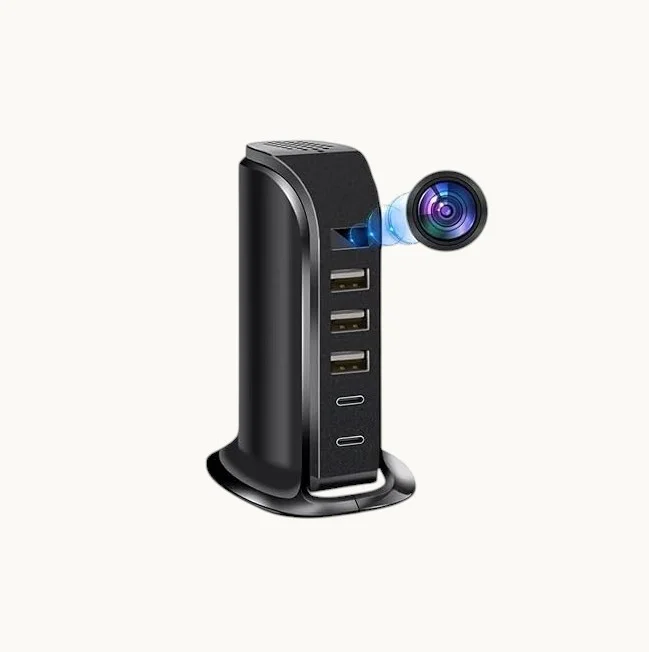
IL Caricabatterie USB con telecamera spia WiFi 1080P è l'opzione più versatile per gli ambienti di vendita al dettaglio. È alimentata permanentemente dalla presa a muro, registra in 1080P con rilevamento del movimento e può essere posizionata direttamente dietro o adiacente all'area della cassa, dove il rischio di furto di denaro è più alto. Abbinala a un telecamera nel rilevatore di fumo per la copertura del magazzino per ottenere una copertura completa dei locali commerciali.
Le telecamere nascoste funzionano di notte?
Sì — la maggior parte delle moderne telecamere nascoste include la visione notturna a infrarossi. Cerca modelli con LED IR a 940nm senza bagliore per registrazioni notturne discrete. Le telecamere economiche che utilizzano la vecchia tecnologia IR a 850nm producono un debole bagliore rosso visibile nell'oscurità totale, che può allertare i soggetti della presenza della telecamera. Il Power Bank Nascosta WiFi 1080P include una visione notturna potenziata per l'uso in ambienti con poca luce.
Posso usare telecamere nascoste se i miei dipendenti sono familiari o amici stretti?
Il quadro giuridico non distingue tra i tipi di rapporto di lavoro. Tuttavia, le implicazioni interpersonali sono maggiori quando la persona sotto indagine è qualcuno che conosci personalmente. Le telecamere nascoste forniscono le prove oggettive di cui hai bisogno per affrontare un problema senza una conversazione conflittuale basata solo sul sospetto. Le riprese — piuttosto che la tua impressione soggettiva — diventano la base per qualsiasi azione tu intraprenda.
Come posso accedere alle riprese in remoto da una telecamera nascosta?
I modelli abilitati al Wi-Fi si connettono al router 2.4GHz e trasmettono a un'app complementare sul tuo smartphone. Puoi visualizzare filmati in diretta, ricevere avvisi attivati dal movimento e rivedere le registrazioni archiviate da qualsiasi parte del mondo. Tutte le telecamere nascoste Wi-Fi QZT supportano questa funzionalità senza richiedere un abbonamento cloud — i filmati sono archiviati localmente su una scheda microSD, garantendoti la piena proprietà dei dati ed evitando costi di abbonamento continui.
Gestire una piccola impresa significa accettare l'incertezza come parte del lavoro. Assumi persone di cui ti fidi, servi i clienti in buona fede e fai del tuo meglio per mantenere sicuri i tuoi locali. Ma la fiducia da sola non è un sistema di sicurezza. Le telecamere nascoste ti forniscono la registrazione oggettiva che protegge la tua attività — e, se usate in modo equo e legale, proteggono anche i tuoi dipendenti onesti.
Se hai bisogno di aiuto per scegliere la configurazione di sorveglianza nascosta giusta per la tua attività, Contattaci oggi. Forniamo a piccole imprese in tutto il Regno Unito, nell'UE e a livello internazionale una guida esperta sulla selezione dei prodotti, la strategia di posizionamento e la conformità legale.

 English
  Italiano
  Deutsch
  Français
  Español
  Polski