
Why Every Small Business Needs Hidden Cameras in 2026
You cannot run your business from every corner of your premises at the same time. You cannot be at the stockroom door and the shop floor simultaneously. You cannot always be there when a difficult customer makes a false claim, when a cash discrepancy appears, or when the back door is propped open at 11pm. And yet, the moments you are not there are often the moments that matter most.
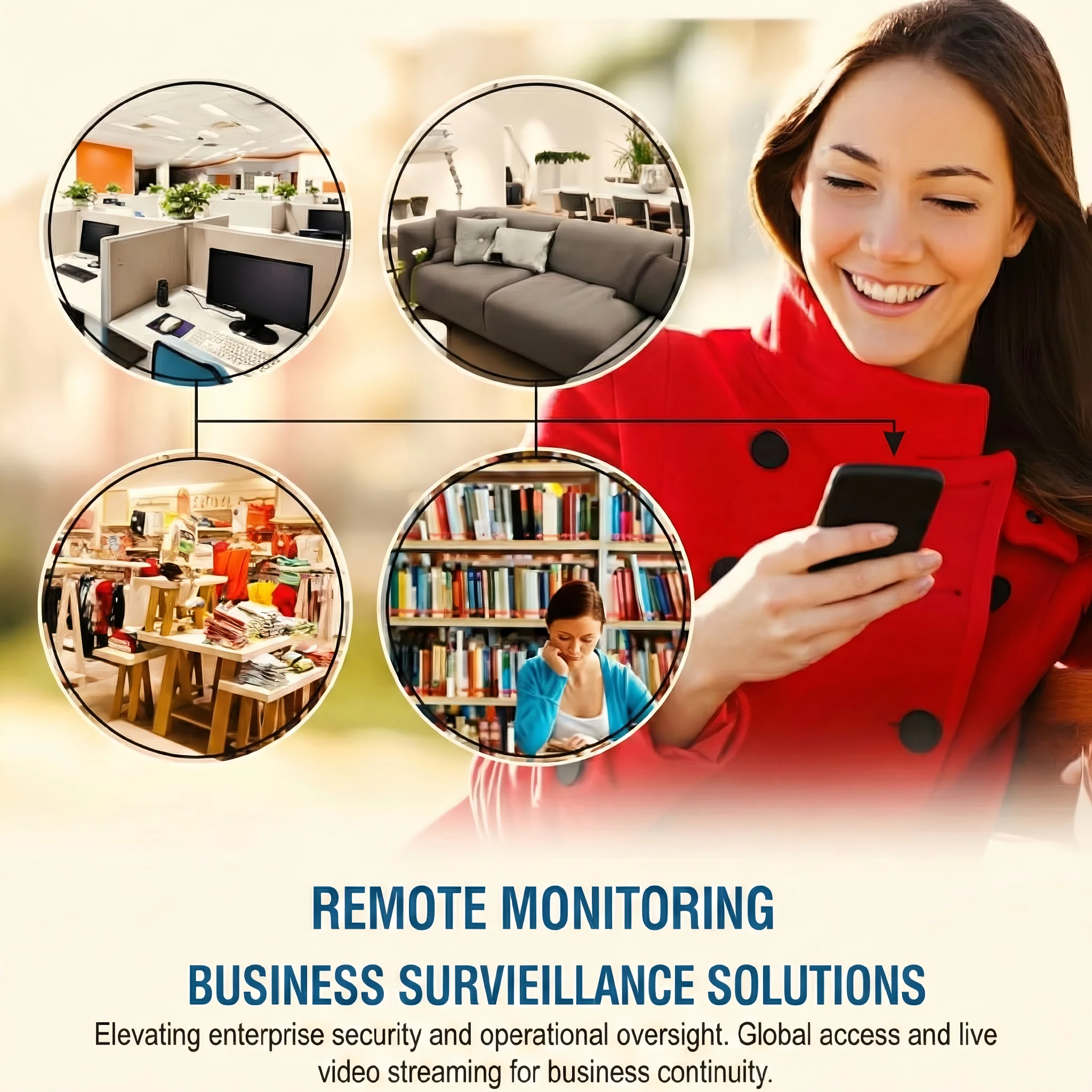
Hidden cameras have moved well beyond the realm of espionage and private investigation. For small businesses in the UK, across Europe, and internationally, they have become a practical, affordable, and increasingly legally straightforward tool for protecting your premises, your people, and your livelihood. This is not about distrusting your team — it is about having objective evidence when the unexpected happens.
The Security Gaps That Visible Cameras Cannot Fill
Most small businesses have some form of CCTV. You have a camera at the entrance. Maybe one covering the till area. Perhaps a wide-angle lens pointed at the shop floor. This is good — visible cameras deter casual opportunistic theft and provide a record of customer-facing incidents. But they have structural blind spots that experienced loss prevention professionals understand well.
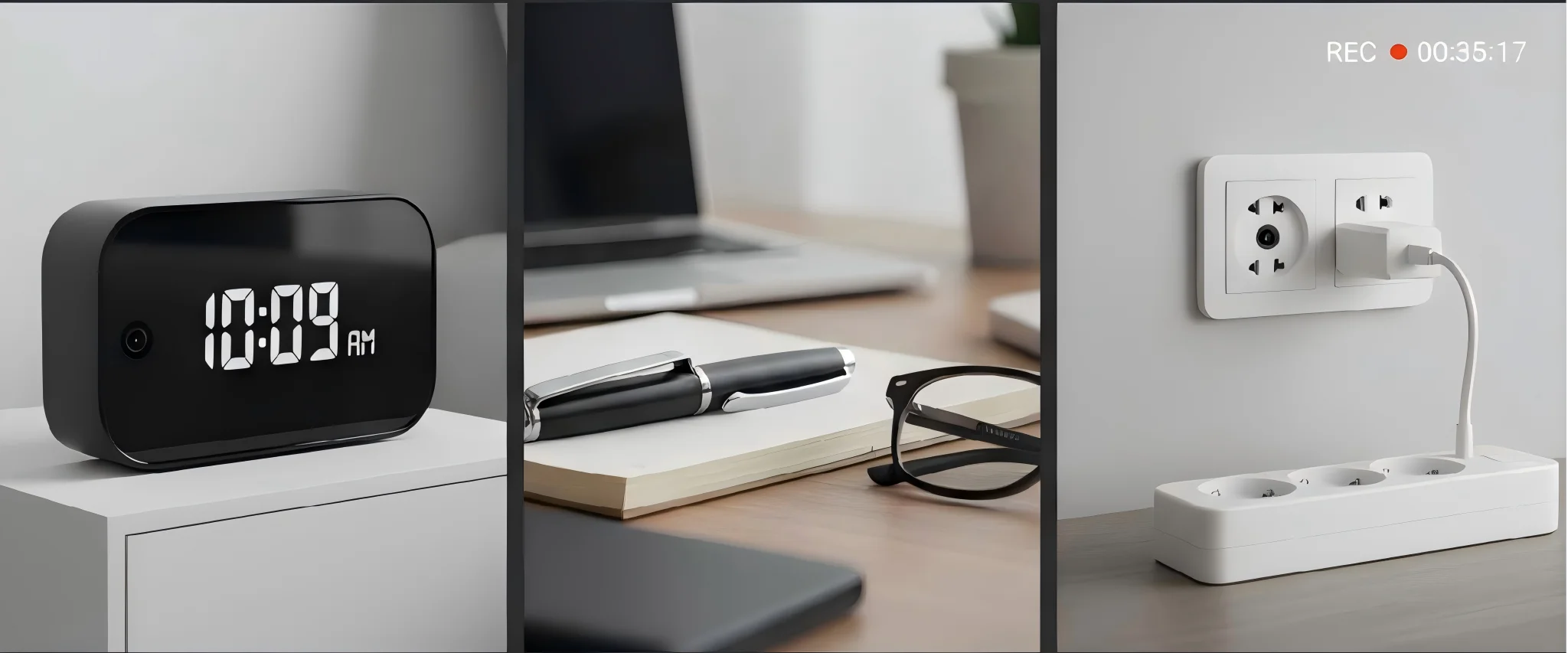
Visible cameras only capture what people expect to be captured. An employee who intends to steal from a till will angle their body away from the lens, position themselves to block the camera’s view of the cash drawer, or wait until a colleague creates a distraction. The camera records what it can — but it cannot see around a deliberate act of concealment.
Hidden cameras fill these gaps precisely because the subject has no idea they are there. They capture natural, unperformed behaviour — the moment cash is palmed, the instance stock is slipped into a bag, the conversation at the back door that should not be happening. That unfiltered footage is the difference between a suspicion and a prosecution.
Beyond theft prevention, hidden cameras also capture incidents that your standard system may have missed: customer falls that were partially obscured, interactions with staff that are later disputed, supplier deliveries where goods are shorted or damaged and the claim later disputed.
What Small Business Owners Actually Lose To (Undetected) Theft
The British Retail Consortium’s annual Crime Survey consistently finds that the average cost of crime per retail premises has risen year on year. But the more insidious problem is not the crime you know about — it is the crime you never discover.
Internal shrinkage — stock and cash lost to employees — accounts for a significant portion of total retail losses. In small businesses where owners rely on a small team, often without formal processes or dual-authorisation controls, the opportunity for internal theft is far greater than in larger organisations with separation of duties.
Here is what that looks like in practice for a small business owner:
– A retail shop owner notices stock counts are consistently short. After three months of small discrepancies, the cumulative loss reaches £1,800. No visible cameras caught anything unusual because the employee knew the camera positions.
– A café owner finds their till is £300 short every Friday after the late shift. The employee in question is a trusted long-term staff member. Without evidence, the owner faces an impossible choice between an accusation without proof and writing off the loss.
– A warehouse operator discovers equipment missing after a specific temp worker finished their contract. There was no camera covering the equipment storage area — only the loading bay entrance.
Hidden cameras do not just catch theft after the fact. Their presence changes behaviour. Staff who know cameras exist — even if they do not know where — are measurably less likely to take liberties with inventory, cash, or company time.
How Hidden Cameras Protect You in “He Said, She Said” Disputes
Customer disputes and staff disagreements are part of running any business. When a customer claims they were overcharged, treated rudely, or injured on your premises, and your employee tells a completely different story, you are left with a credibility contest and no objective evidence. In a small business, where relationships matter and turnover is costly, these disputes can escalate into employment tribunals, social media complaints, or small claims actions.
A single camera — positioned at the right angle — can resolve these disputes in minutes instead of months.
The same logic applies to internal staff conflicts. If two employees clash and one accuses the other of threatening behaviour, a hidden camera covering the area provides the factual record you need to make an informed decision. Without it, you are relying on the testimony of people with vested interests — and the outcome may reflect who is more persuasive rather than who is telling the truth.
In the UK, this kind of evidence can be invaluable in employment tribunal proceedings. An employer who can demonstrate they based a disciplinary decision on contemporaneous footage — rather than on rumour or bias — is in a significantly stronger legal position than one relying on witness statements alone.
After-Hours Security: What Happens When You Are Not There
Many small business owners sleep badly on nights when they are not on the premises. Break-ins are an obvious concern. But just as damaging — and far more common — is the authorised person who has access after hours and uses that access inappropriately. Former employees who have not returned keys. Delivery drivers who let themselves into the back of the building. Staff who prop open doors for friends after closing time.
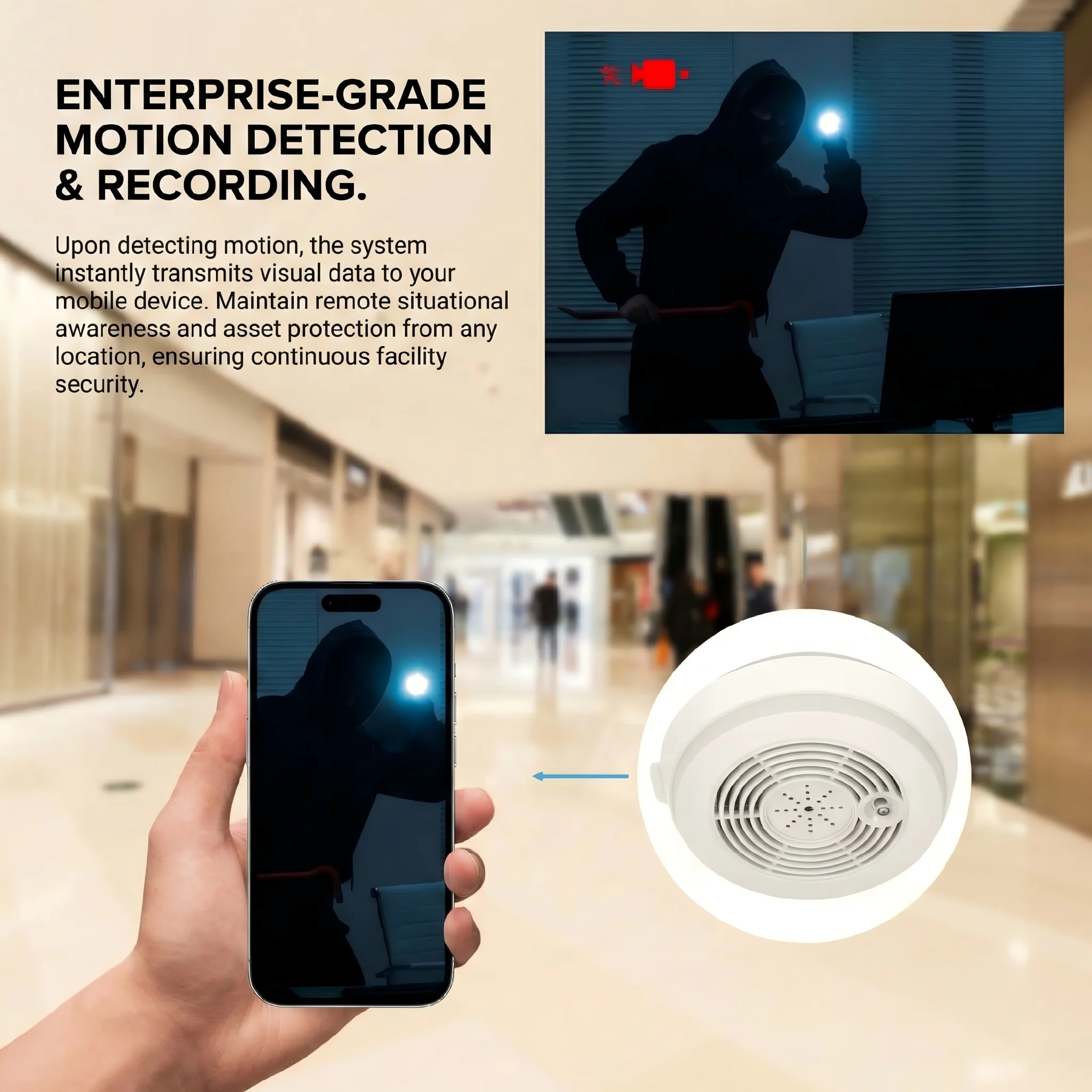
After-hours covert surveillance captures exactly what happens when your business is empty and no one is watching. A camera disguised as a USB wall charger in a back corridor, or a smoke detector camera covering a loading dock, can detect and document:
– Unauthorised entry outside business hours
– Deliberate damage to property or inventory
– Trespassing or squatting by former employees or external parties
– Safety violations (propped fire doors, faulty electrical equipment in use outside permitted hours)
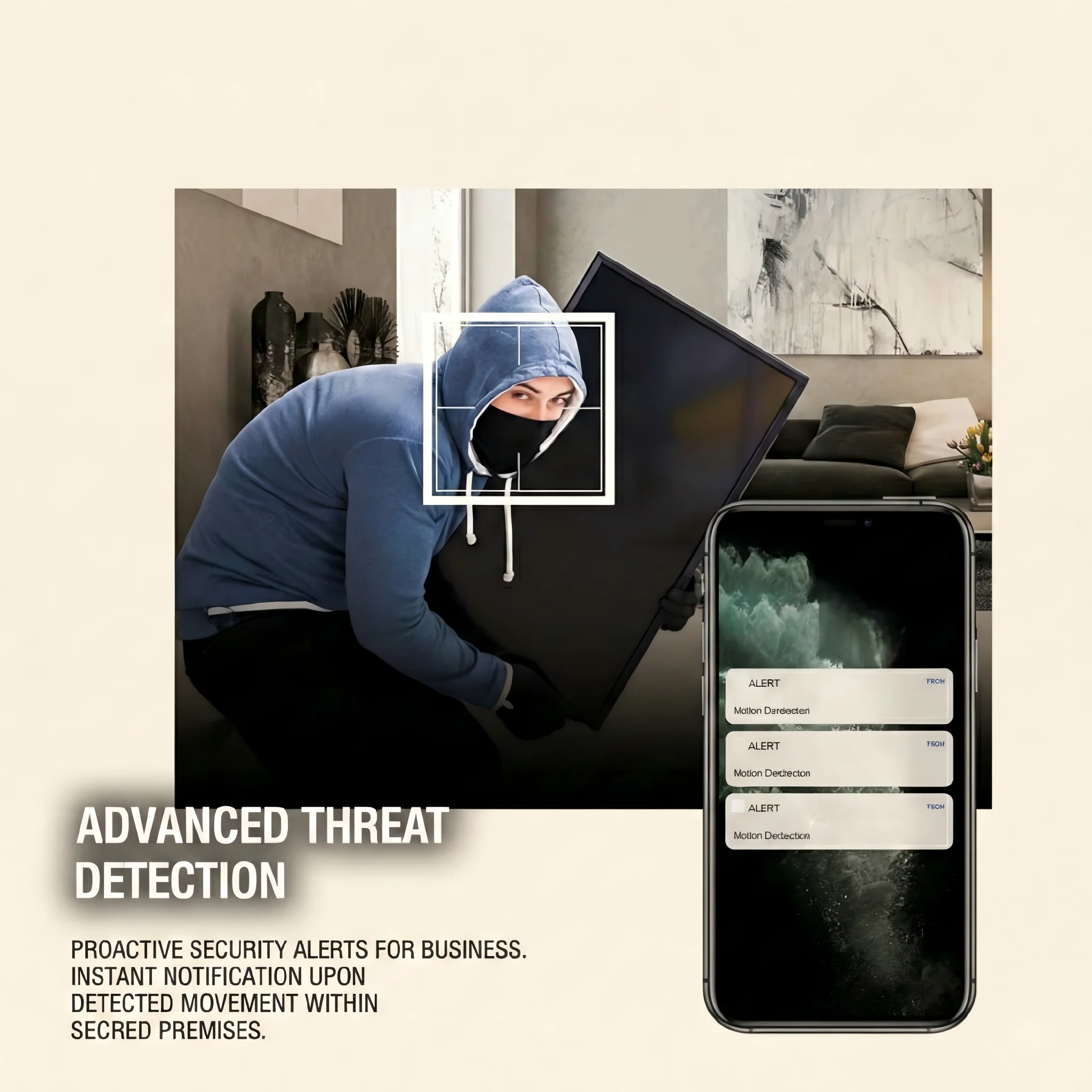
For business owners who travel frequently, own multiple locations, or rely on a small management team to cover opening and closing, remote-access hidden cameras provide live visibility from a smartphone. Wi-Fi enabled models send motion-triggered alerts and allow you to pull footage in real time — meaning you can respond to an incident at 2am without driving to the premises.
Employee Monitoring vs. Employee Trust: Striking the Right Balance
Some small business owners hesitate at this point, worried that hidden cameras signal distrust. This concern is legitimate — and it is worth addressing directly.
The research on workplace surveillance is nuanced. Studies from the Chartered Institute of Personnel and Development (CIPD) consistently find that employees who feel they are excessively or intrusively monitored report lower job satisfaction, reduced organisational commitment, and higher turnover intention. But the same research also finds that employees understand the rationale for security cameras — particularly in customer-facing or cash-handling roles — and do not generally object to their presence provided they feel it is proportionate and applied consistently.
The distinction is transparency about purpose. Hidden cameras used to investigate a specific suspected incident are different from continuous hidden monitoring of every employee at every moment. The former is a targeted investigative tool; the latter is surveillance without legitimate aim, and it is the kind of approach that erodes trust and creates legal liability.
Practical guidance for small businesses:
– Inform employees through your staff handbook or employment contract that CCTV and monitoring are in use in certain areas
– Do not install cameras to monitor routine performance or general attendance — that is not a proportionate use and will create resentment
– Use hidden cameras specifically to investigate documented concerns (loss, dispute, suspicious behaviour) rather than as a blanket monitoring tool
– Document your surveillance policy and ensure it complies with GDPR and your national data protection framework
When done correctly, hidden cameras actually support a culture of accountability rather than undermining it. Employees who know that standards are being upheld — and that those standards apply equally to everyone — tend to feel more secure in their environment, not less.
GDPR and the Small Business: What You Can and Cannot Record
Data protection law applies to workplace surveillance. Under the UK GDPR and the EU GDPR (which remains in force across member states), footage of identifiable individuals constitutes personal data. This means using hidden cameras triggers data protection obligations — but it does not prohibit covert surveillance outright.
What you can do legally:
– Record in non-private areas of your business (shop floor, stockroom, till area, loading dock, corridors)
– Use footage in disciplinary proceedings if you have a documented lawful basis (typically legitimate interest under Article 6(1)(f))
– Retain footage for the duration of a specific investigation and then delete it
What you cannot do:
– Record in bathrooms, toilets, changing rooms, or any space where individuals have a reasonable expectation of privacy
– Use footage for purposes beyond the specific security purpose it was collected for
– Share footage publicly or with third parties without a lawful basis
– Retain footage indefinitely — the ICO recommends a maximum of 30 days for routine workplace surveillance
For small businesses in the UK, the ICO’s Employment Practices Code provides specific guidance on surveillance in the workplace. The code distinguishes between overt surveillance (where employees know they may be recorded) and covert surveillance (where they do not). Covert surveillance is only considered lawful in limited circumstances — specifically where criminal activity is reasonably suspected and normal overt methods have failed or are unlikely to succeed.
In Germany, works council (Betriebsrat) agreement is required before implementing employee monitoring. In France, the CNIL requires prior employee information. In Italy, DLgs 196/2003 (the Italian data protection code) restricts workplace monitoring to what is strictly necessary. If you operate across multiple EU jurisdictions, you should seek jurisdiction-specific legal advice.
Choosing the Right Hidden Camera for Your Business Type
The best hidden camera for your business depends on three variables: the area you need to cover, whether you need remote access, and your lighting conditions.
| Business Type | Recommended Primary Camera | Recommended Secondary Camera |
|---|---|---|
| Retail shop | USB Charger Camera (till area) | Smoke Detector Camera (stockroom) |
| Café / restaurant | Smoke Detector Camera (kitchen/counter) | Clock Camera (break room) |
| Warehouse | Smoke Detector Camera (ceiling, wide view) | Power Bank Camera (loading dock) |
| Office / studio | Clock Camera (reception/corridor) | USB Charger Camera (desk area) |
| Mobile / trade business | Power Bank Camera (vehicle/equipment storage) | Pen Camera (on-person recording) |
For businesses needing remote monitoring, all Wi-Fi enabled models on the QZT platform support app-based live viewing and motion-triggered push notifications — meaning you can check your shop floor from a holiday in Spain without needing to be at a desk.
Where to Deploy Hidden Cameras for Maximum Coverage
Deploy cameras based on risk, not coverage area. The goal is to capture the moments that matter most — which means targeting your highest-loss and highest-dispute zones rather than spreading units thin.
Universal priority zones for small businesses:
1. Point of sale / cash handling area — highest theft and dispute risk
2. Stockroom or storage area — inventory shrinkage, unauthorised access
3. Entrance and exit points — who comes and goes, particularly after hours
4. Loading docks and back doors — collusion risk with external parties
5. Break rooms — time theft, equipment misuse (where legally permitted)

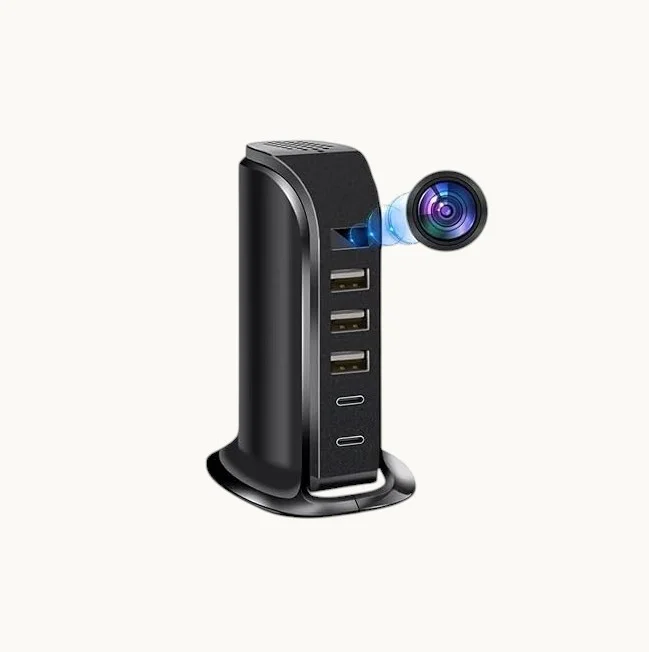
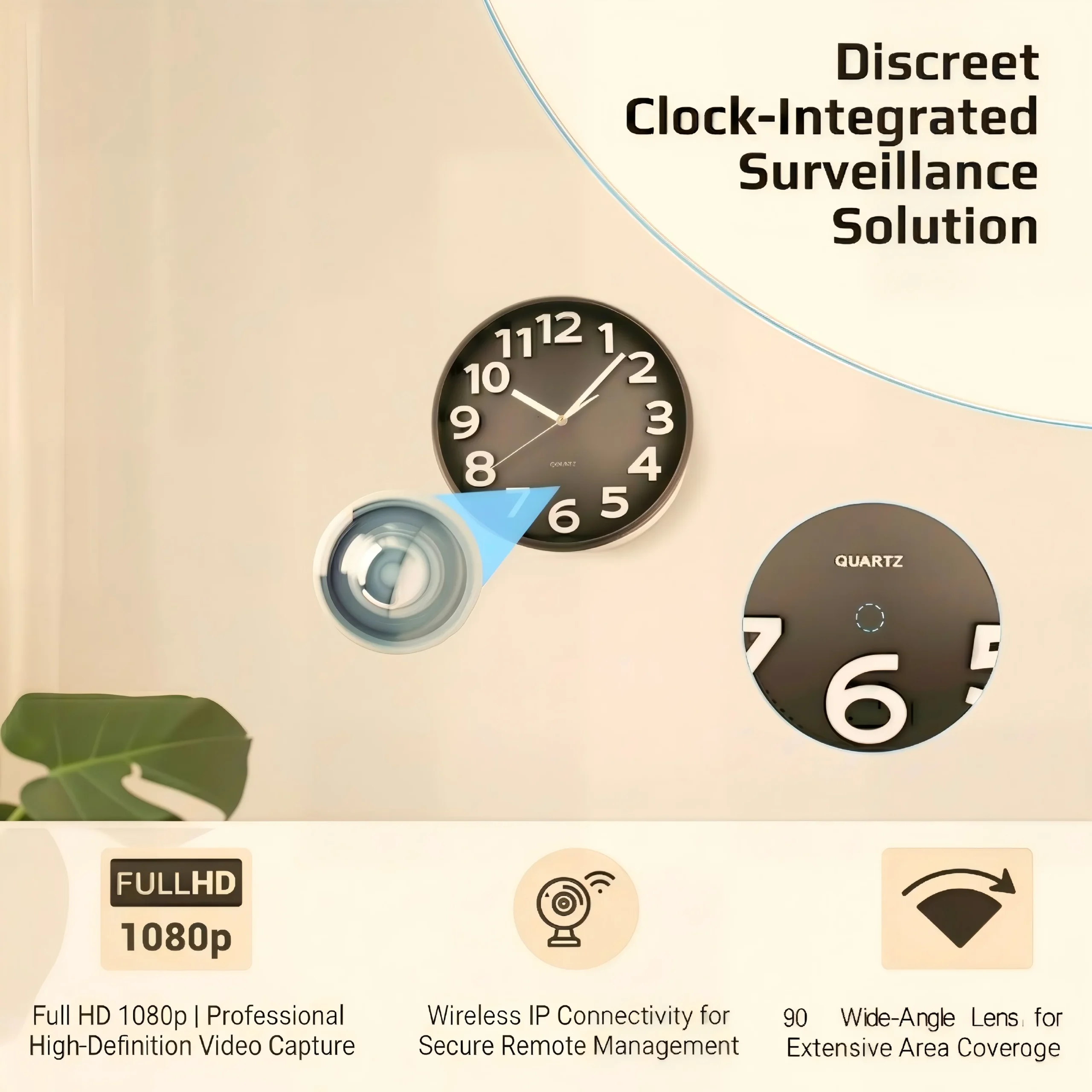
A practical deployment for a typical small retail shop: one WiFi Spy Camera USB Charger 1080P at the till, one WiFi Smoke Detector Hidden Camera 1080P in the stockroom, and one Z10 WiFi Spy Clock Camera covering the entrance and exit area.
FAQ
Is it legal for a small business to use hidden cameras in the UK?
Yes, with conditions. Under ICO guidance, covert surveillance is permitted where criminal activity is reasonably suspected and the surveillance is necessary and proportionate. You must have a written surveillance policy, inform employees through your employment contract or staff handbook that monitoring occurs in certain areas, and you must never record in bathrooms, changing rooms, or any area where individuals have a reasonable expectation of privacy. Seek legal advice specific to your jurisdiction before installing covert cameras.
What is the best hidden camera for a small retail shop?
The WiFi Spy Camera USB Charger 1080P is the most versatile option for retail environments. It is permanently powered from the wall socket, records in 1080P with motion detection, and can be positioned directly behind or adjacent to the till area where cash theft risk is highest. Pair it with a smoke detector camera for stockroom coverage to achieve comprehensive retail premises coverage.
Do hidden cameras work at night?
Yes — most modern covert cameras include infrared night vision. Look for models with 940nm no-glow IR LEDs for discreet night recording. Budget cameras using older 850nm IR technology produce a faint red glow visible in total darkness, which can alert subjects to the camera’s presence. The WiFi 1080P Power Bank Hidden Camera includes enhanced night vision for use in low-light environments.
Can I use hidden cameras if my employees are family members or close friends?
The legal framework does not distinguish between types of employment relationship. However, the interpersonal stakes are higher when the person under investigation is someone you know personally. Hidden cameras provide the objective evidence you need to address a concern without a confrontational conversation based on suspicion alone. The footage — rather than your subjective impression — becomes the basis for any action you take.
How do I access footage remotely from a hidden camera?
Wi-Fi enabled models connect to your 2.4GHz router and stream to a companion app on your smartphone. You can view live footage, receive motion-triggered alerts, and review stored recordings from anywhere in the world. All QZT Wi-Fi hidden cameras support this functionality without requiring a cloud subscription — footage is stored locally on a microSD card, giving you full data ownership and avoiding ongoing subscription costs.
Running a small business means accepting uncertainty as part of the job. You hire people you trust, you serve customers in good faith, and you do your best to keep your premises secure. But trust alone is not a security system. Hidden cameras give you the objective record that protects your business — and, when used fairly and lawfully, they protect your honest employees too.
If you need help choosing the right covert surveillance setup for your business, contact us today. We supply small businesses across the UK, EU, and internationally with expert guidance on product selection, placement strategy, and legal compliance.

 English
  Italiano
  Deutsch
  Français
  Español
  Polski