
Por Qué Cada Pequeña Empresa Necesita Cámaras Ocultas en 2026
You cannot run your business from every corner of your premises at the same time. You cannot be at the stockroom door and the shop floor simultaneously. You cannot always be there when a difficult customer makes a false claim, when a cash discrepancy appears, or when the back door is propped open at 11pm. And yet, the moments you are not there are often the moments that matter most.
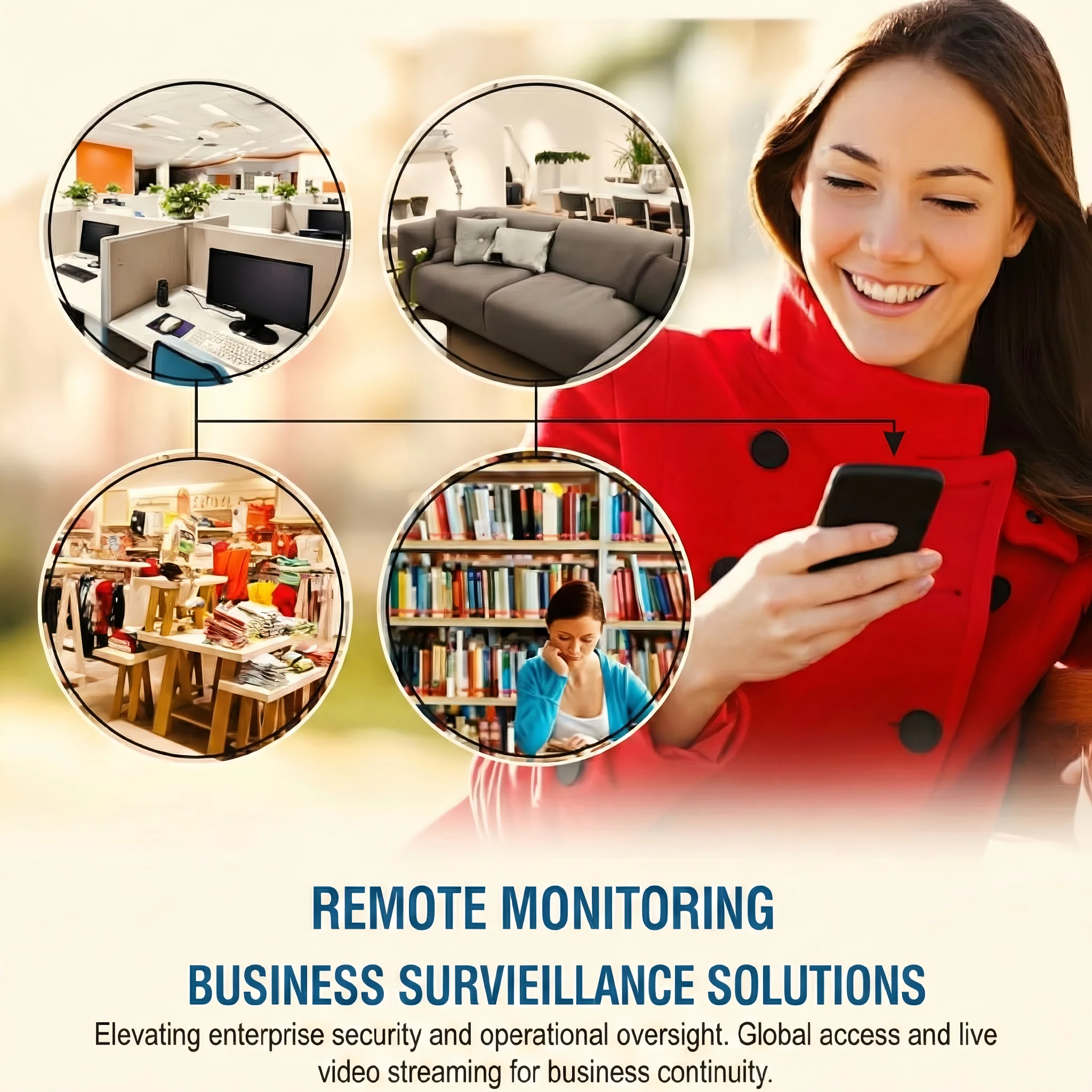
Hidden cameras have moved well beyond the realm of espionage and private investigation. For small businesses in the UK, across Europe, and internationally, they have become a practical, affordable, and increasingly legally straightforward tool for protecting your premises, your people, and your livelihood. This is not about distrusting your team — it is about having objective evidence when the unexpected happens.
The Security Gaps That Visible Cameras Cannot Fill
Most small businesses have some form of CCTV. You have a camera at the entrance. Maybe one covering the till area. Perhaps a wide-angle lens pointed at the shop floor. This is good — visible cameras deter casual opportunistic theft and provide a record of customer-facing incidents. But they have structural blind spots that experienced loss prevention professionals understand well.
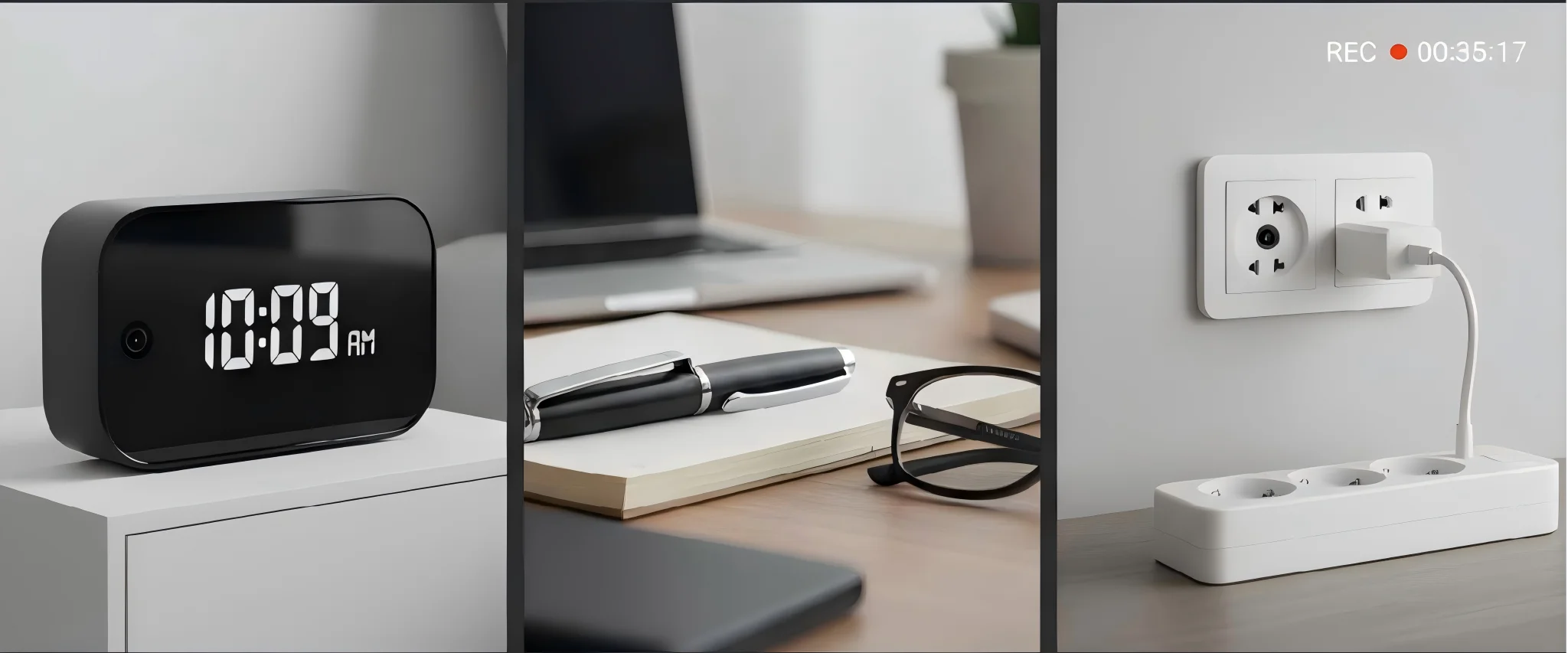
Visible cameras only capture what people expect to be captured. An employee who intends to steal from a till will angle their body away from the lens, position themselves to block the camera’s view of the cash drawer, or wait until a colleague creates a distraction. The camera records what it can — but it cannot see around a deliberate act of concealment.
Hidden cameras fill these gaps precisely because the subject has no idea they are there. They capture natural, unperformed behaviour — the moment cash is palmed, the instance stock is slipped into a bag, the conversation at the back door that should not be happening. That unfiltered footage is the difference between a suspicion and a prosecution.
Beyond theft prevention, hidden cameras also capture incidents that your standard system may have missed: customer falls that were partially obscured, interactions with staff that are later disputed, supplier deliveries where goods are shorted or damaged and the claim later disputed.
What Small Business Owners Actually Lose To (Undetected) Theft
The British Retail Consortium’s annual Crime Survey consistently finds that the average cost of crime per retail premises has risen year on year. But the more insidious problem is not the crime you know about — it is the crime you never discover.
Internal shrinkage — stock and cash lost to employees — accounts for a significant portion of total retail losses. In small businesses where owners rely on a small team, often without formal processes or dual-authorisation controls, the opportunity for internal theft is far greater than in larger organisations with separation of duties.
Here is what that looks like in practice for a small business owner:
– A retail shop owner notices stock counts are consistently short. After three months of small discrepancies, the cumulative loss reaches £1,800. No visible cameras caught anything unusual because the employee knew the camera positions.
– A café owner finds their till is £300 short every Friday after the late shift. The employee in question is a trusted long-term staff member. Without evidence, the owner faces an impossible choice between an accusation without proof and writing off the loss.
– A warehouse operator discovers equipment missing after a specific temp worker finished their contract. There was no camera covering the equipment storage area — only the loading bay entrance.
Hidden cameras do not just catch theft after the fact. Their presence changes behaviour. Staff who know cameras exist — even if they do not know where — are measurably less likely to take liberties with inventory, cash, or company time.
How Hidden Cameras Protect You in “He Said, She Said” Disputes
Customer disputes and staff disagreements are part of running any business. When a customer claims they were overcharged, treated rudely, or injured on your premises, and your employee tells a completely different story, you are left with a credibility contest and no objective evidence. In a small business, where relationships matter and turnover is costly, these disputes can escalate into employment tribunals, social media complaints, or small claims actions.
A single camera — positioned at the right angle — can resolve these disputes in minutes instead of months.
The same logic applies to internal staff conflicts. If two employees clash and one accuses the other of threatening behaviour, a hidden camera covering the area provides the factual record you need to make an informed decision. Without it, you are relying on the testimony of people with vested interests — and the outcome may reflect who is more persuasive rather than who is telling the truth.
In the UK, this kind of evidence can be invaluable in employment tribunal proceedings. An employer who can demonstrate they based a disciplinary decision on contemporaneous footage — rather than on rumour or bias — is in a significantly stronger legal position than one relying on witness statements alone.
After-Hours Security: What Happens When You Are Not There
Many small business owners sleep badly on nights when they are not on the premises. Break-ins are an obvious concern. But just as damaging — and far more common — is the authorised person who has access after hours and uses that access inappropriately. Former employees who have not returned keys. Delivery drivers who let themselves into the back of the building. Staff who prop open doors for friends after closing time.
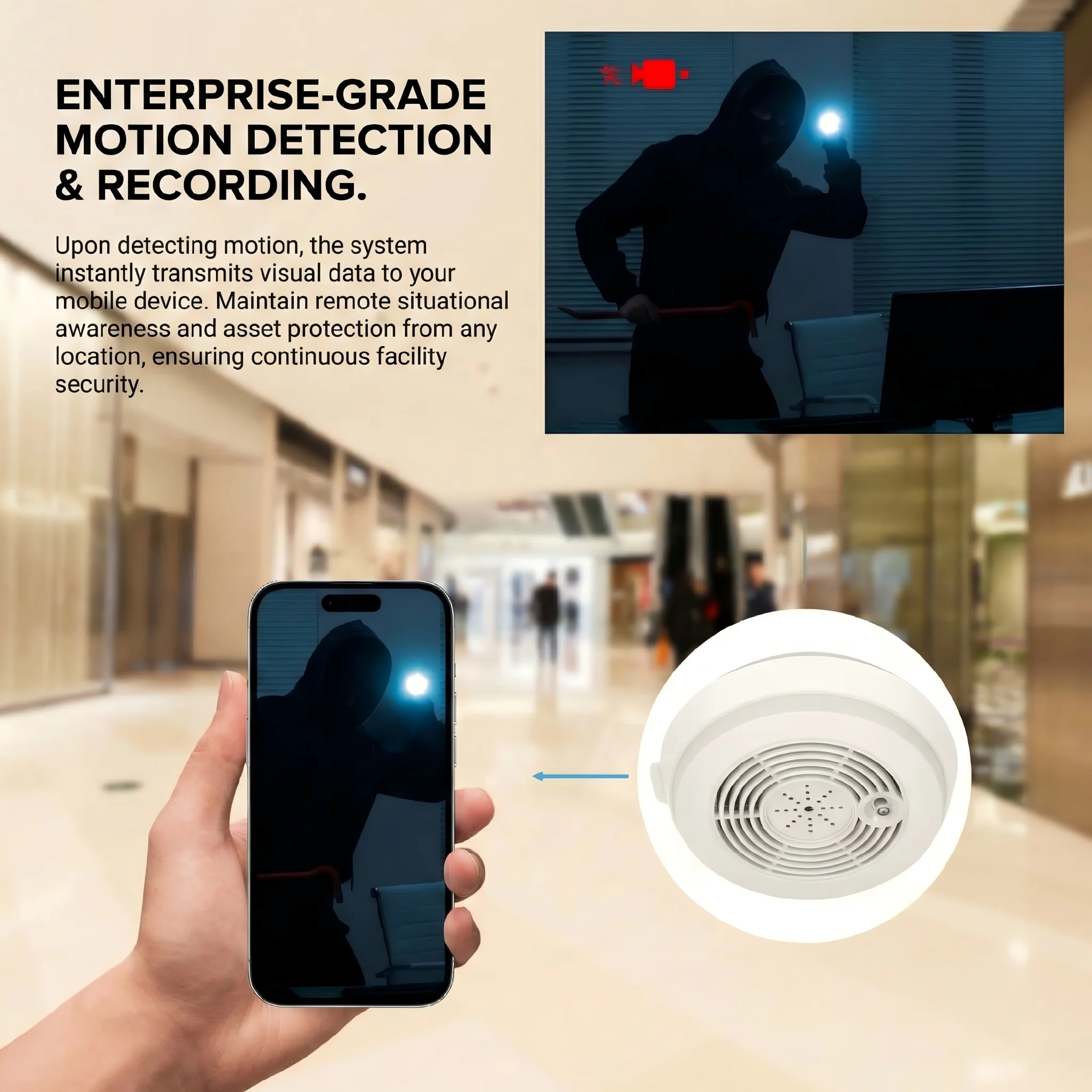
After-hours covert surveillance captures exactly what happens when your business is empty and no one is watching. A camera disguised as a Cargador de pared USB in a back corridor, or a cámara detectora de humo covering a loading dock, can detect and document:
– Unauthorised entry outside business hours
– Deliberate damage to property or inventory
– Trespassing or squatting by former employees or external parties
– Safety violations (propped fire doors, faulty electrical equipment in use outside permitted hours)
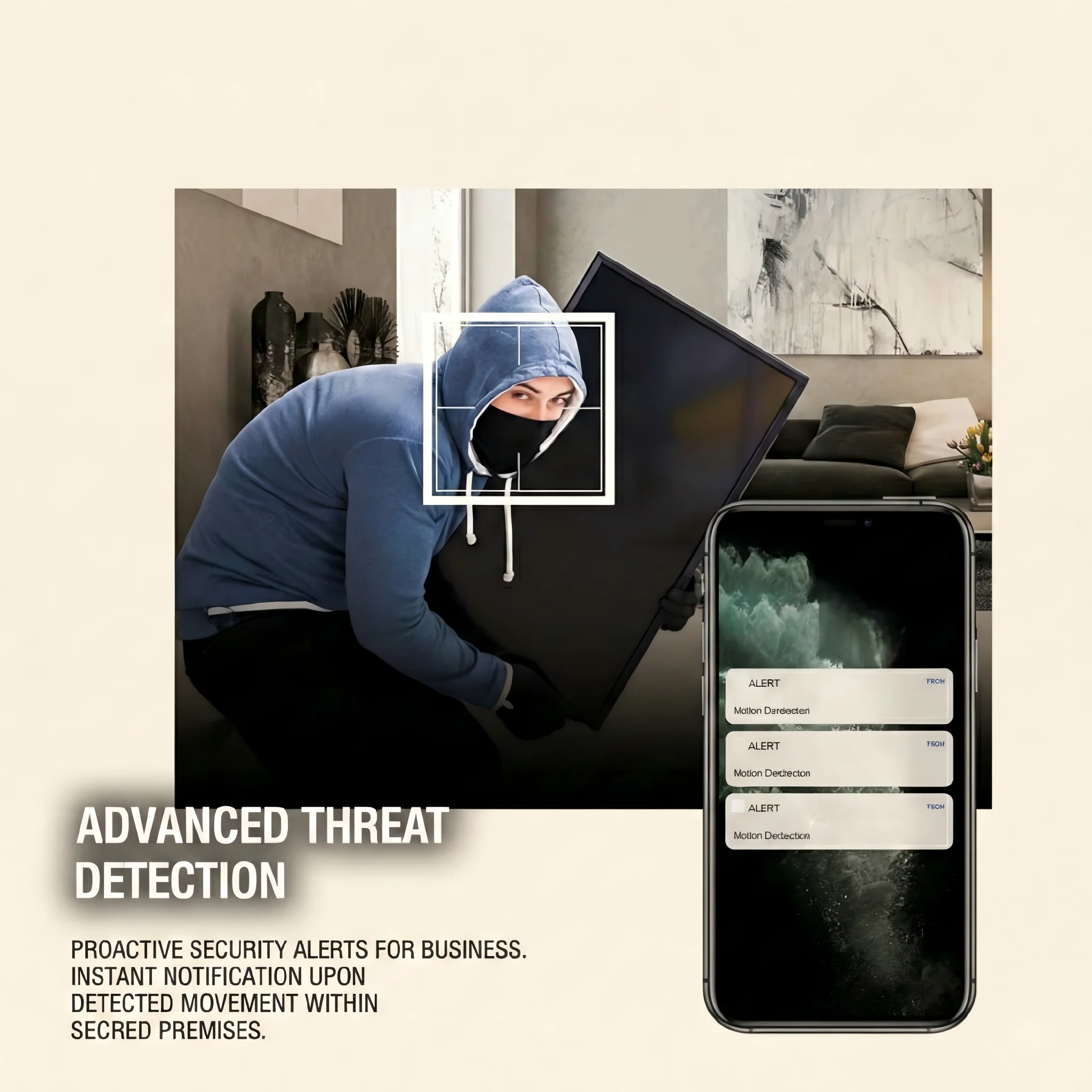
For business owners who travel frequently, own multiple locations, or rely on a small management team to cover opening and closing, remote-access hidden cameras provide live visibility from a smartphone. Wi-Fi enabled models send motion-triggered alerts and allow you to pull footage in real time — meaning you can respond to an incident at 2am without driving to the premises.
Employee Monitoring vs. Employee Trust: Striking the Right Balance
Some small business owners hesitate at this point, worried that hidden cameras signal distrust. This concern is legitimate — and it is worth addressing directly.
The research on workplace surveillance is nuanced. Studies from the Chartered Institute of Personnel and Development (CIPD) consistently find that employees who feel they are excessively or intrusively monitored report lower job satisfaction, reduced organisational commitment, and higher turnover intention. But the same research also finds that employees understand the rationale for security cameras — particularly in customer-facing or cash-handling roles — and do not generally object to their presence provided they feel it is proportionate and applied consistently.
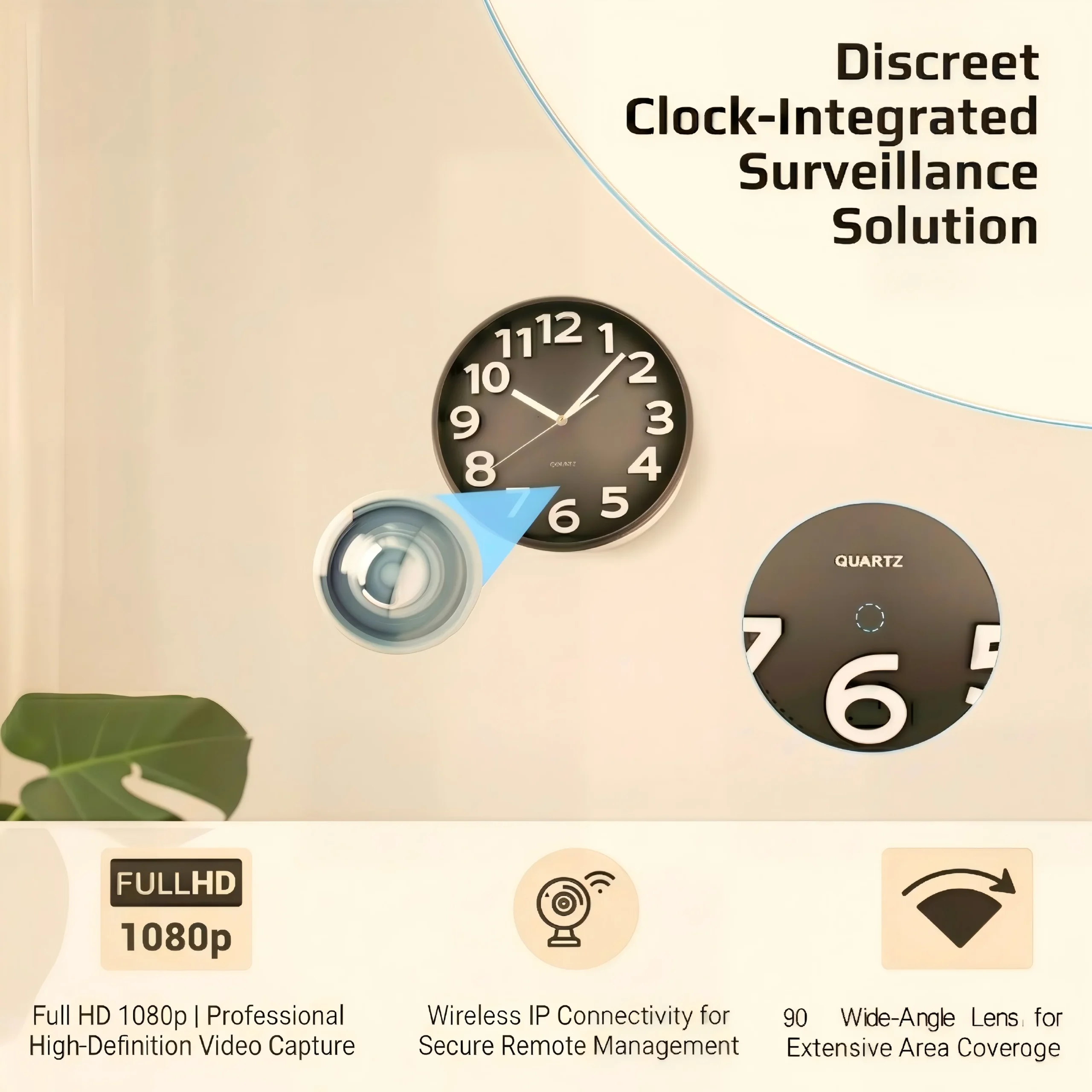
The distinction is transparency about purpose. Hidden cameras used to investigate a specific suspected incident are different from continuous hidden monitoring of every employee at every moment. The former is a targeted investigative tool; the latter is surveillance without legitimate aim, and it is the kind of approach that erodes trust and creates legal liability.
Practical guidance for small businesses:
– Inform employees through your staff handbook or employment contract that CCTV and monitoring are in use in certain areas
– Do not install cameras to monitor routine performance or general attendance — that is not a proportionate use and will create resentment
– Use hidden cameras specifically to investigate documented concerns (loss, dispute, suspicious behaviour) rather than as a blanket monitoring tool
– Document your surveillance policy and ensure it complies with GDPR and your national data protection framework
When done correctly, hidden cameras actually soporte a culture of accountability rather than undermining it. Employees who know that standards are being upheld — and that those standards apply equally to everyone — tend to feel more secure in their environment, not less.
GDPR and the Small Business: What You Can and Cannot Record
La ley de protección de datos aplica a la vigilancia en el lugar de trabajo. Según el UK GDPR y el EU GDPR (que sigue vigente en los estados miembros), las grabaciones de individuos identificables constituyen datos personales. Esto significa que usar cámaras ocultas activa obligaciones de protección de datos — pero no prohibe la vigilancia encubierta de manera absoluta.
Lo que puedes hacer legalmente:
– Grabar en áreas no privadas de tu negocio (sala de ventas, almacén, área de caja, muelle de carga, pasillos)
– Usar imágenes en procedimientos disciplinarios si tienes una base legal documentada (normalmente interés legítimo bajo el Artículo 6(1)(f))
– Conservar las grabaciones durante la duración de una investigación específica y luego eliminarlas
Lo que no puedes hacer:
– Grabar en baños, aseos, vestuarios o cualquier espacio donde las personas tienen una expectativa razonable de privacidad
– Usar imágenes para fines distintos del propósito específico de seguridad para el que fueron recopiladas
– Compartir imágenes públicamente o con terceros sin una base legal
– Conservar las grabaciones indefinidamente — la ICO recomienda un máximo de 30 días para la vigilancia rutinaria en el lugar de trabajo
Para pequeñas empresas en el Reino Unido, el código de prácticas laborales de la ICO proporciona orientación específica sobre la vigilancia en el lugar de trabajo. El código distingue entre declarada vigilancia (donde los empleados saben que pueden ser registrados) y disimulado vigilancia (donde no lo hacen). La vigilancia encubierta solo se considera legal en circunstancias limitadas — específicamente cuando se sospecha razonablemente actividad criminal y los métodos abiertos habituales han fallado o es improbable que tengan éxito.
En Alemania, se requiere acuerdo del consejo de empresa (Betriebsrat) antes de implementar la monitorización de empleados. En Francia, la CNIL requiere información previa al empleado. En Italia, el DLgs 196/2003 (el código de protección de datos italiano) restringe la monitorización en el lugar de trabajo a lo estrictamente necesario. Si opera en múltiples jurisdicciones de la UE, debe buscar asesoramiento legal específico para cada jurisdicción.
Cómo elegir la cámara oculta adecuada para tu tipo de negocio
La mejor cámara oculta para tu negocio depende de tres variables: la zona que necesitas cubrir, si necesitas acceso remoto y tus condiciones de iluminación.
| Business Type | Cámara principal recomendada | Cámara secundaria recomendada |
|---|---|---|
| Tienda de retail | Enchufe espía con cámara (zona de caja) | Cámara de detector de humo (almacén) |
| Café / restaurante | Cámara de detector de humo (cocina/mostrador) | Cámara de reloj (sala de descanso) |
| Almacén | Cámara de Detector de Humo (montaje en techo, vista amplia) | Cámara de Banco de Energía (área de carga) |
| Oficina / estudio | Cámara de reloj (recepción/pasillo) | Enchufe espía con cámara (zona de escritorio) |
| Negocio móvil / comercial | Cámara de Banco de Energía (almacenamiento de vehículos/equipos) | Cámara de bolígrafo (registro personal) |
Para empresas que necesitan monitorización remota, todos los modelos con Wi-Fi en la plataforma QZT soportan visualización en vivo basada en app y notificaciones push activadas por movimiento — lo que significa que puedes revisar tu sala de ventas desde unas vacaciones en España sin necesidad de estar en un escritorio.
Dónde desplegar cámaras ocultas para una cobertura máxima
Implementar cámaras basándose en el riesgo, no en el área de cobertura. El objetivo es capturar los momentos más importantes — lo que significa enfocar las zonas de mayor pérdida y mayor disputa, en lugar de distribuir unidades dispersas.
Zonas prioritarias universales para pequeñas empresas:
1. Punto de venta / área de manejo de dinero — riesgo más alto de robo y disputa
2. Almacén o área de almacenamiento — reducción de inventario, acceso no autorizado
3. Puntos de entrada y salida — quién entra y sale, especialmente después del horario laboral
4. Muelles de carga y puertas traseras — riesgo de colusión con partes externas
5. Salas de descanso — robo de tiempo, uso indebido de equipos (donde está legalmente permitido)
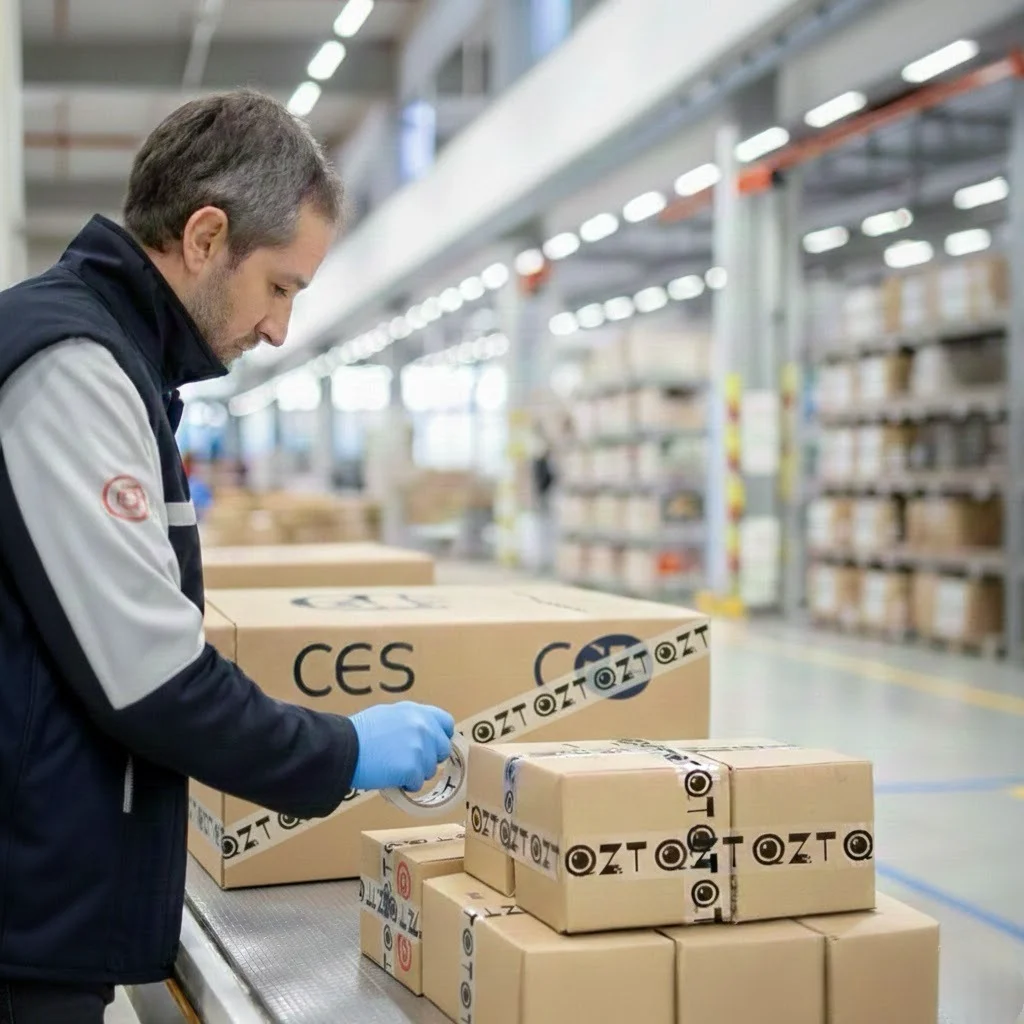
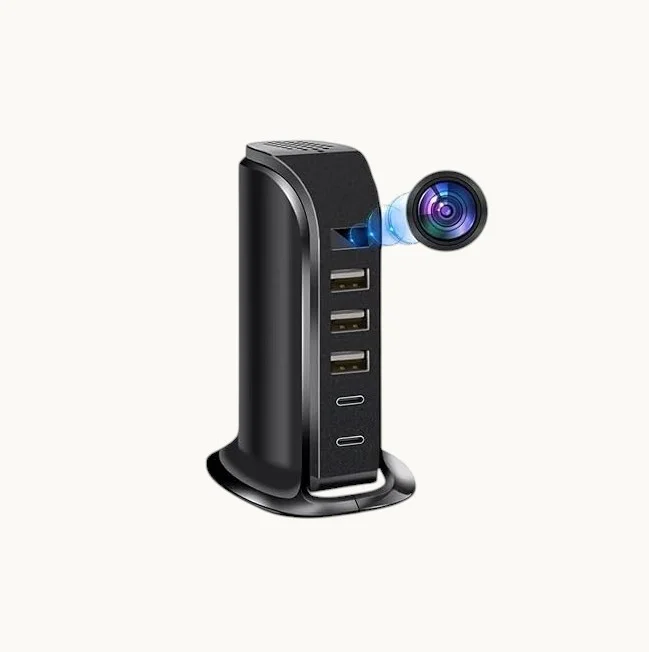
Una implementación práctica para una tienda minorista pequeña típica: una Cargador USB con cámara espía WiFi 1080P en la caja, una Cámara oculta en detector de humo WiFi 1080P en el almacén, y una Cámara reloj espía WiFi Z10 cubriendo la zona de entrada y salida.
Preguntas frecuentes
¿Es legal para una pequeña empresa usar cámaras ocultas en el Reino Unido?
Sí, con condiciones. Según la guía de la ICO, la vigilancia encubierta está permitida donde se sospecha razonablemente actividad criminal y la vigilancia es necesaria y proporcional. Debe tener una política de vigilancia escrita, informar a los empleados mediante su contrato de trabajo o manual del personal que se realiza monitoreo en ciertas áreas, y nunca debe grabar en baños, vestidores o cualquier área donde las personas tengan una expectativa razonable de privacidad. Busque asesoramiento legal específico para su jurisdicción antes de instalar cámaras encubiertas.
¿Cuál es la mejor cámara oculta para una pequeña tienda comercial?
En Cargador USB con cámara espía WiFi 1080P es la opción más versátil para entornos comerciales. Se alimenta permanentemente desde el enchufe de pared, graba en 1080P con detección de movimiento y puede colocarse directamente detrás o junto a la zona de la caja donde el riesgo de robo de dinero es mayor. Combínalo con un cámara detectora de humo para cubrir el almacén y lograr una cobertura completa de las instalaciones comerciales.
¿Funcionan las cámaras ocultas en la noche?
Sí — la mayoría de las cámaras ocultas modernas incluyen visión nocturna infrarroja. Busca modelos con LEDs IR de 940nm sin luz visible para grabación nocturna discreta. Las cámaras económicas que usan tecnología IR antigua de 850nm producen un tenue brillo rojo visible en total oscuridad, lo que puede alertar a los sujetos de la presencia de la cámara. La Cámara oculta en power bank WiFi 1080P incluye visión nocturna mejorada para uso en entornos con baja luz.
¿Puedo usar cámaras ocultas si mis empleados son familiares o amigos cercanos?
El marco legal no distingue entre tipos de relación laboral. Sin embargo, las implicaciones interpersonal son mayores cuando la persona investigada es alguien que conoces personalmente. Las cámaras ocultas proporcionan la evidencia objetiva que necesitas para abordar una preocupación sin una conversación confrontacional basada únicamente en sospechas. Las grabaciones —en lugar de tu impresión subjetiva— se convierten en la base de cualquier acción que tomas.
¿Cómo accedo remotamente a las grabaciones de una cámara oculta?
Los modelos con Wi-Fi se conectan a tu router de 2.4GHz y transmiten a una aplicación complementaria en tu smartphone. Puedes ver transmisión en vivo, recibir alertas activadas por movimiento y revisar grabaciones almacenadas desde cualquier lugar del mundo. Todas las cámaras ocultas QZT con Wi-Fi soportan esta funcionalidad sin requerir una suscripción en la nube — las grabaciones se almacenan localmente en una tarjeta microSD, dándote plena propiedad de los datos y evitando costos de suscripción continuos.
Dirigir un pequeño negocio significa aceptar la incertidumbre como parte del trabajo. Contratas personas en quienes confías, sirves a los clientes con buena fe y haces lo posible para mantener tus instalaciones seguras. Pero la confianza sola no es un sistema de seguridad. Las cámaras ocultas te dan el registro objetivo que protege tu negocio —y, cuando se usan de manera justa y legal, también protegen a tus empleados honestos.
Si necesitas ayuda para elegir la configuración de vigilancia oculta adecuada para tu negocio, Contáctenos hoy. Proveemos a pequeños negocios en el Reino Unido, la UE e internacionalmente con orientación experta en selección de productos, estrategia de colocación y cumplimiento legal.

 English
  Italiano
  Deutsch
  Français
  Español
  Polski