
Warum jedes Kleinunternehmen 2026 versteckte Kameras benötigt
You cannot run your business from every corner of your premises at the same time. You cannot be at the stockroom door and the shop floor simultaneously. You cannot always be there when a difficult customer makes a false claim, when a cash discrepancy appears, or when the back door is propped open at 11pm. And yet, the moments you are not there are often the moments that matter most.
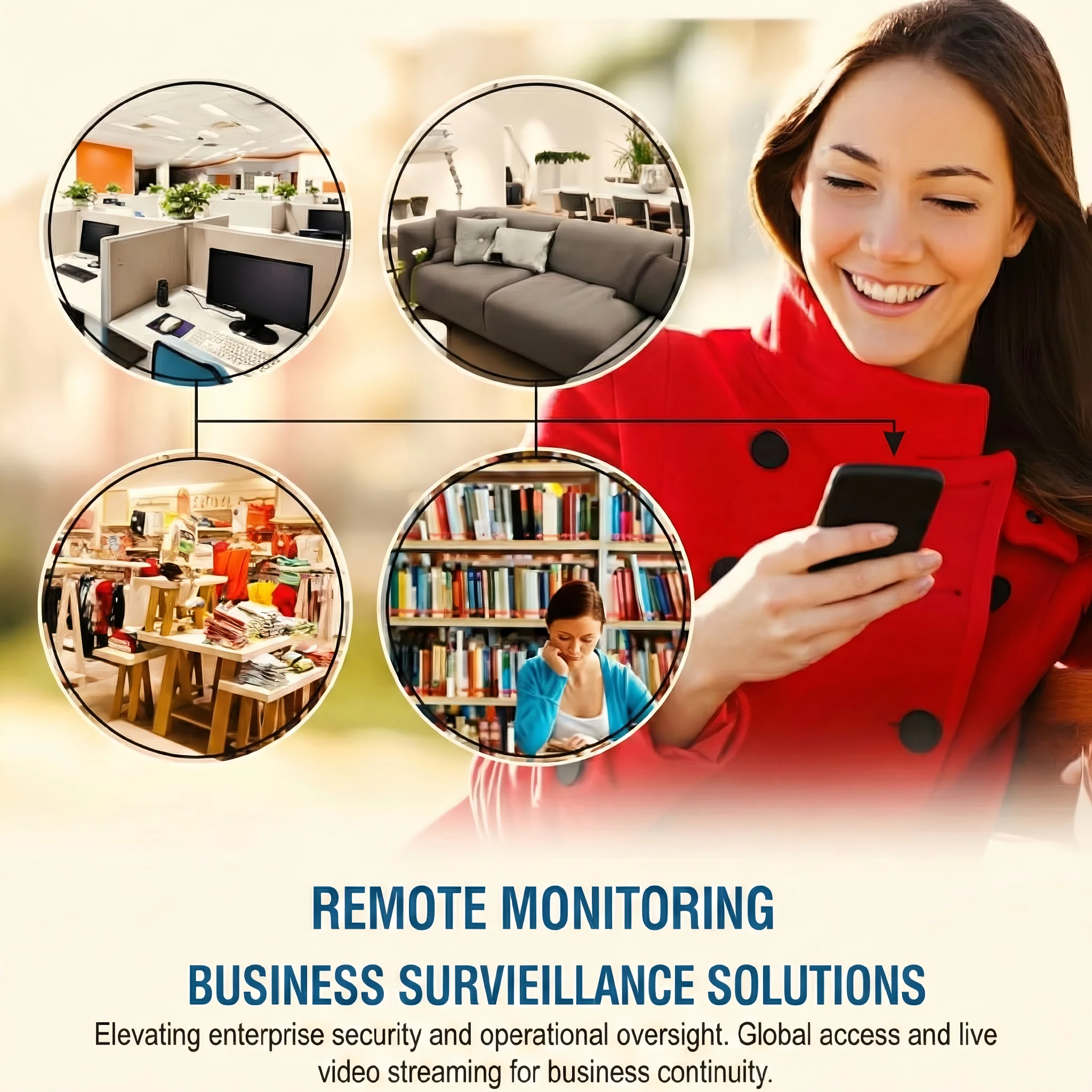
Hidden cameras have moved well beyond the realm of espionage and private investigation. For small businesses in the UK, across Europe, and internationally, they have become a practical, affordable, and increasingly legally straightforward tool for protecting your premises, your people, and your livelihood. This is not about distrusting your team — it is about having objective evidence when the unexpected happens.
The Security Gaps That Visible Cameras Cannot Fill
Most small businesses have some form of CCTV. You have a camera at the entrance. Maybe one covering the till area. Perhaps a wide-angle lens pointed at the shop floor. This is good — visible cameras deter casual opportunistic theft and provide a record of customer-facing incidents. But they have structural blind spots that experienced loss prevention professionals understand well.
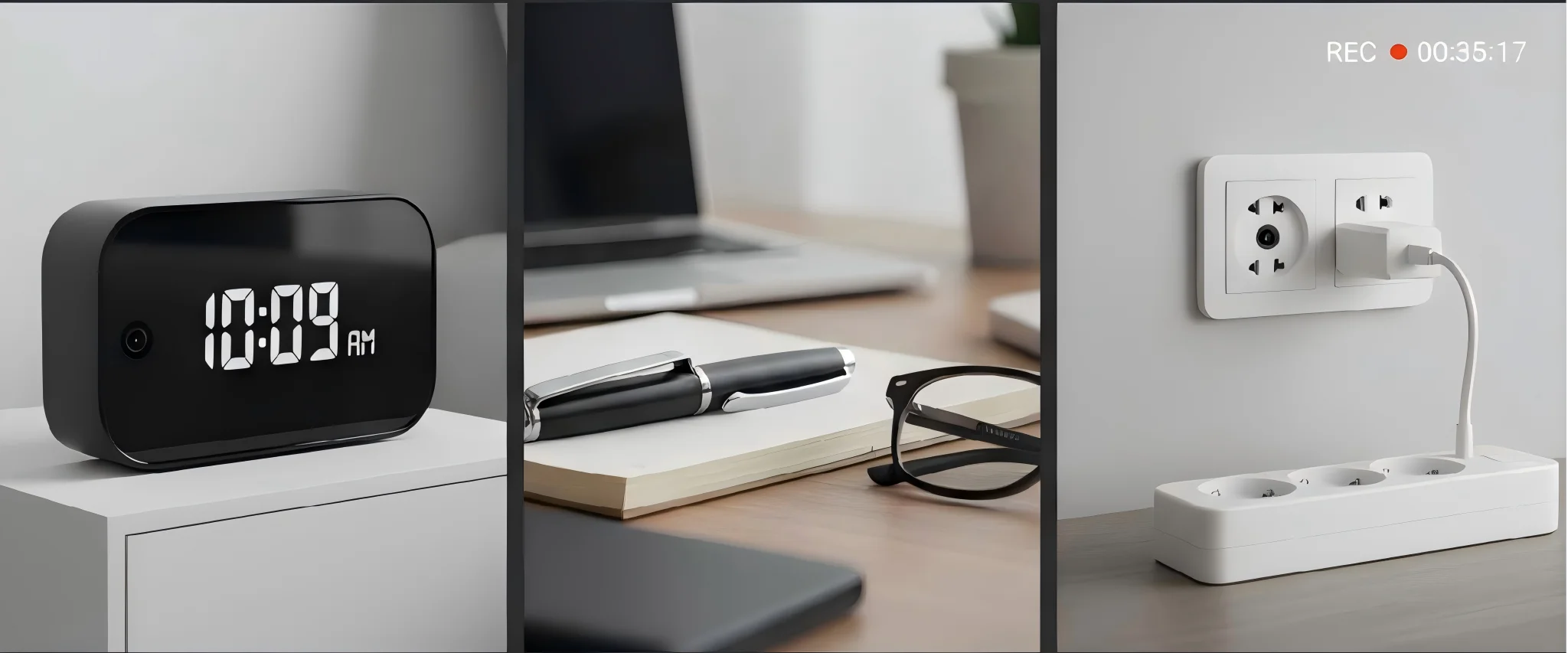
Visible cameras only capture what people expect to be captured. An employee who intends to steal from a till will angle their body away from the lens, position themselves to block the camera’s view of the cash drawer, or wait until a colleague creates a distraction. The camera records what it can — but it cannot see around a deliberate act of concealment.
Hidden cameras fill these gaps precisely because the subject has no idea they are there. They capture natural, unperformed behaviour — the moment cash is palmed, the instance stock is slipped into a bag, the conversation at the back door that should not be happening. That unfiltered footage is the difference between a suspicion and a prosecution.
Beyond theft prevention, hidden cameras also capture incidents that your standard system may have missed: customer falls that were partially obscured, interactions with staff that are later disputed, supplier deliveries where goods are shorted or damaged and the claim later disputed.
What Small Business Owners Actually Lose To (Undetected) Theft
The British Retail Consortium’s annual Crime Survey consistently finds that the average cost of crime per retail premises has risen year on year. But the more insidious problem is not the crime you know about — it is the crime you never discover.
Internal shrinkage — stock and cash lost to employees — accounts for a significant portion of total retail losses. In small businesses where owners rely on a small team, often without formal processes or dual-authorisation controls, the opportunity for internal theft is far greater than in larger organisations with separation of duties.
Here is what that looks like in practice for a small business owner:
– A retail shop owner notices stock counts are consistently short. After three months of small discrepancies, the cumulative loss reaches £1,800. No visible cameras caught anything unusual because the employee knew the camera positions.
– A café owner finds their till is £300 short every Friday after the late shift. The employee in question is a trusted long-term staff member. Without evidence, the owner faces an impossible choice between an accusation without proof and writing off the loss.
– A warehouse operator discovers equipment missing after a specific temp worker finished their contract. There was no camera covering the equipment storage area — only the loading bay entrance.
Hidden cameras do not just catch theft after the fact. Their presence changes behaviour. Staff who know cameras exist — even if they do not know where — are measurably less likely to take liberties with inventory, cash, or company time.
How Hidden Cameras Protect You in “He Said, She Said” Disputes
Customer disputes and staff disagreements are part of running any business. When a customer claims they were overcharged, treated rudely, or injured on your premises, and your employee tells a completely different story, you are left with a credibility contest and no objective evidence. In a small business, where relationships matter and turnover is costly, these disputes can escalate into employment tribunals, social media complaints, or small claims actions.
A single camera — positioned at the right angle — can resolve these disputes in minutes instead of months.
The same logic applies to internal staff conflicts. If two employees clash and one accuses the other of threatening behaviour, a hidden camera covering the area provides the factual record you need to make an informed decision. Without it, you are relying on the testimony of people with vested interests — and the outcome may reflect who is more persuasive rather than who is telling the truth.
In the UK, this kind of evidence can be invaluable in employment tribunal proceedings. An employer who can demonstrate they based a disciplinary decision on contemporaneous footage — rather than on rumour or bias — is in a significantly stronger legal position than one relying on witness statements alone.
After-Hours Security: What Happens When You Are Not There
Many small business owners sleep badly on nights when they are not on the premises. Break-ins are an obvious concern. But just as damaging — and far more common — is the authorised person who has access after hours and uses that access inappropriately. Former employees who have not returned keys. Delivery drivers who let themselves into the back of the building. Staff who prop open doors for friends after closing time.
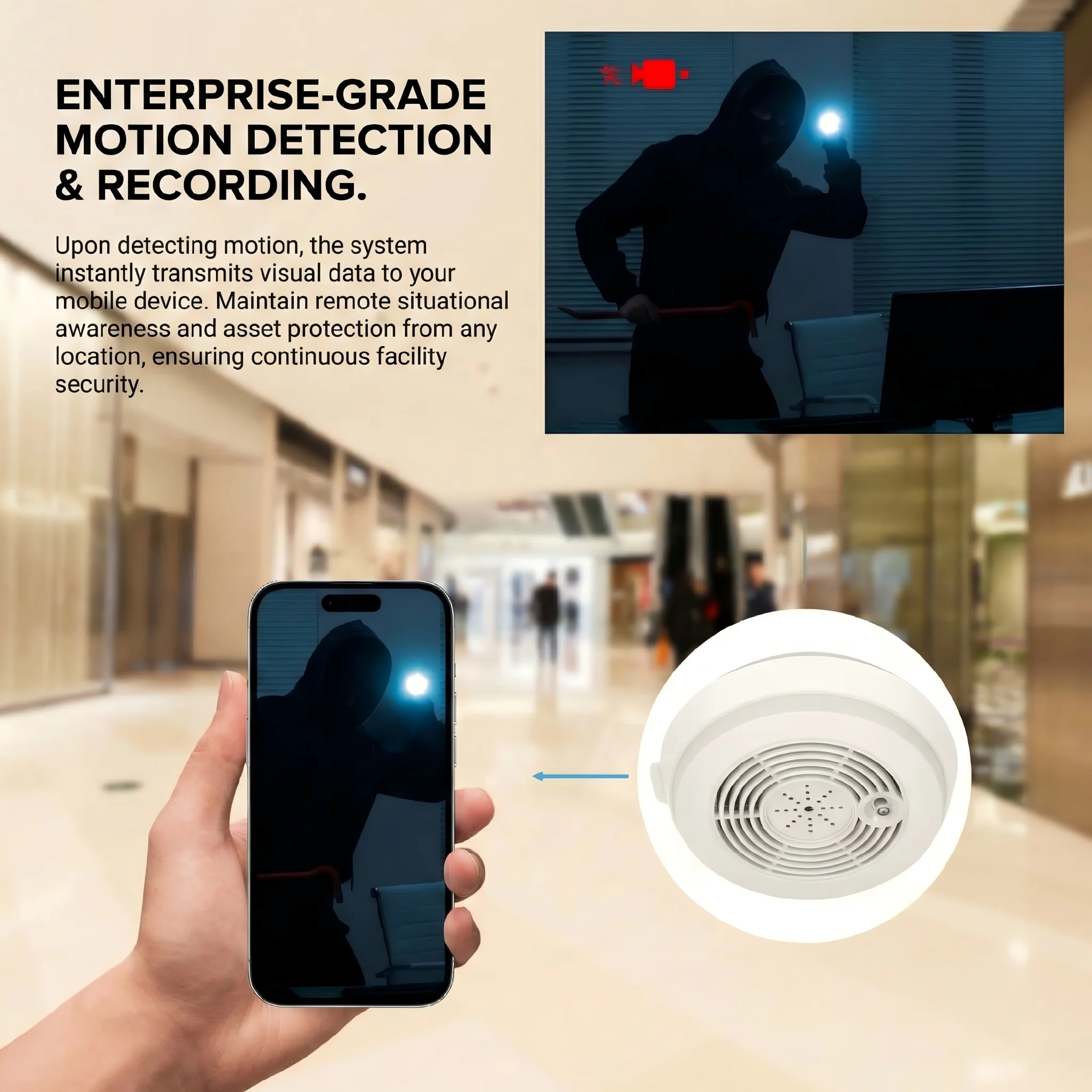
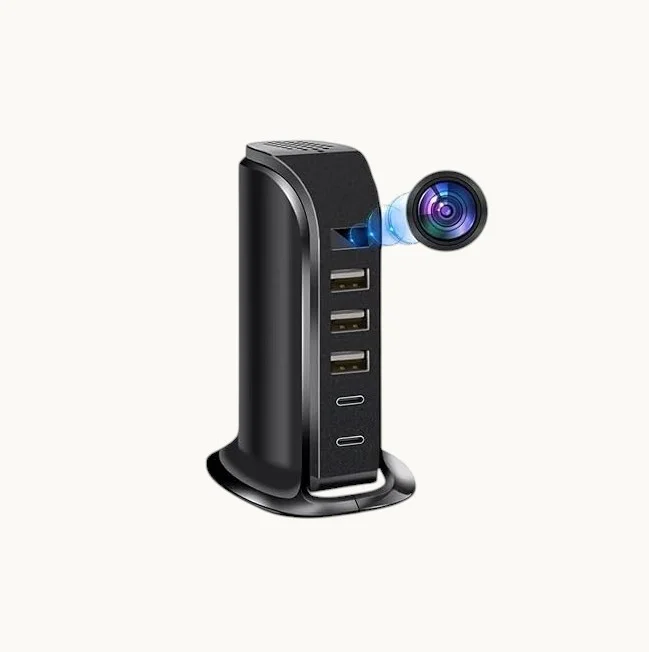
After-hours covert surveillance captures exactly what happens when your business is empty and no one is watching. A camera disguised as a USB-Wandladegerät in a back corridor, or a smoke detector camera covering a loading dock, can detect and document:
– Unauthorised entry outside business hours
– Deliberate damage to property or inventory
– Trespassing or squatting by former employees or external parties
– Safety violations (propped fire doors, faulty electrical equipment in use outside permitted hours)
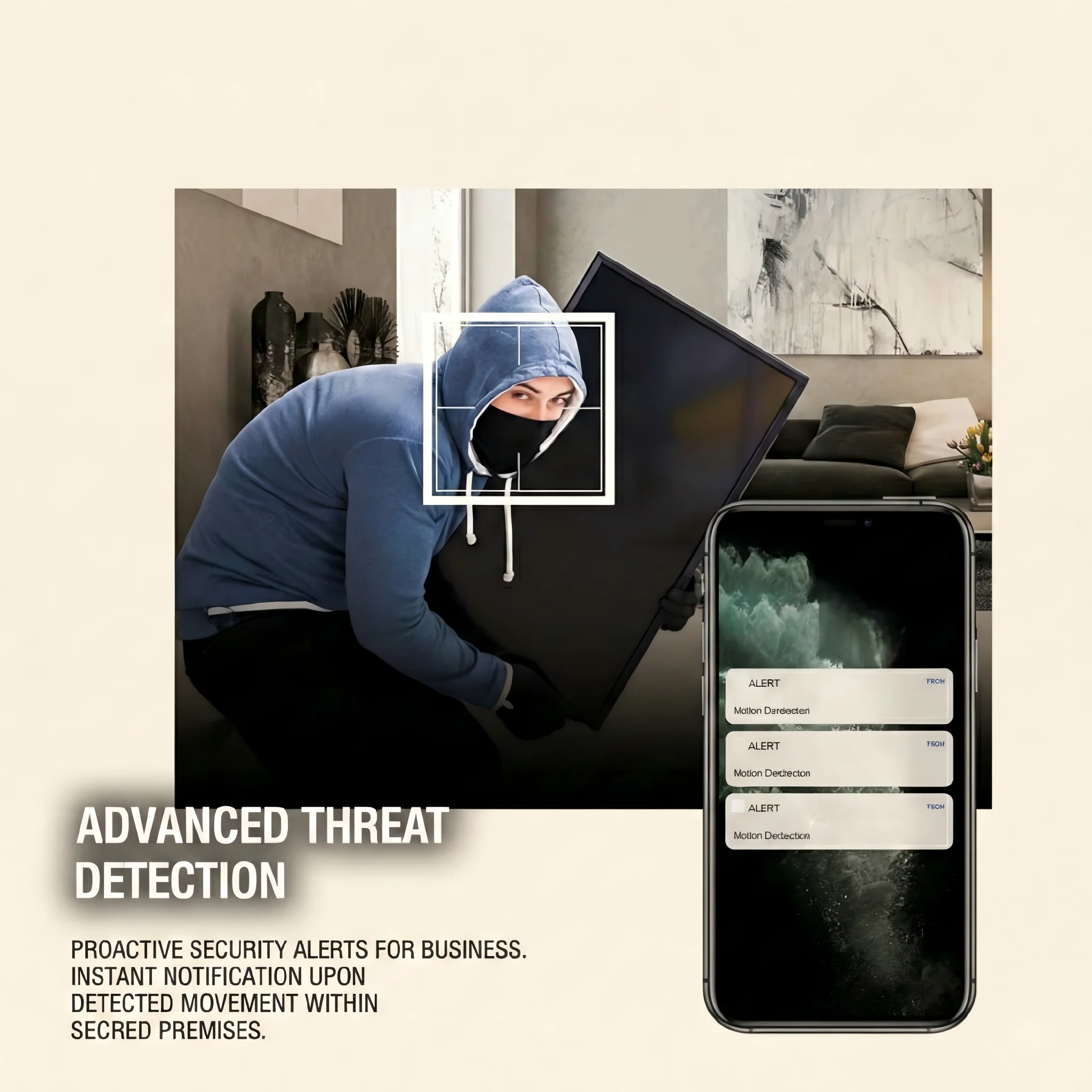
For business owners who travel frequently, own multiple locations, or rely on a small management team to cover opening and closing, remote-access hidden cameras provide live visibility from a smartphone. Wi-Fi enabled models send motion-triggered alerts and allow you to pull footage in real time — meaning you can respond to an incident at 2am without driving to the premises.
Employee Monitoring vs. Employee Trust: Striking the Right Balance
Some small business owners hesitate at this point, worried that hidden cameras signal distrust. This concern is legitimate — and it is worth addressing directly.
The research on workplace surveillance is nuanced. Studies from the Chartered Institute of Personnel and Development (CIPD) consistently find that employees who feel they are excessively or intrusively monitored report lower job satisfaction, reduced organisational commitment, and higher turnover intention. But the same research also finds that employees understand the rationale for security cameras — particularly in customer-facing or cash-handling roles — and do not generally object to their presence provided they feel it is proportionate and applied consistently.
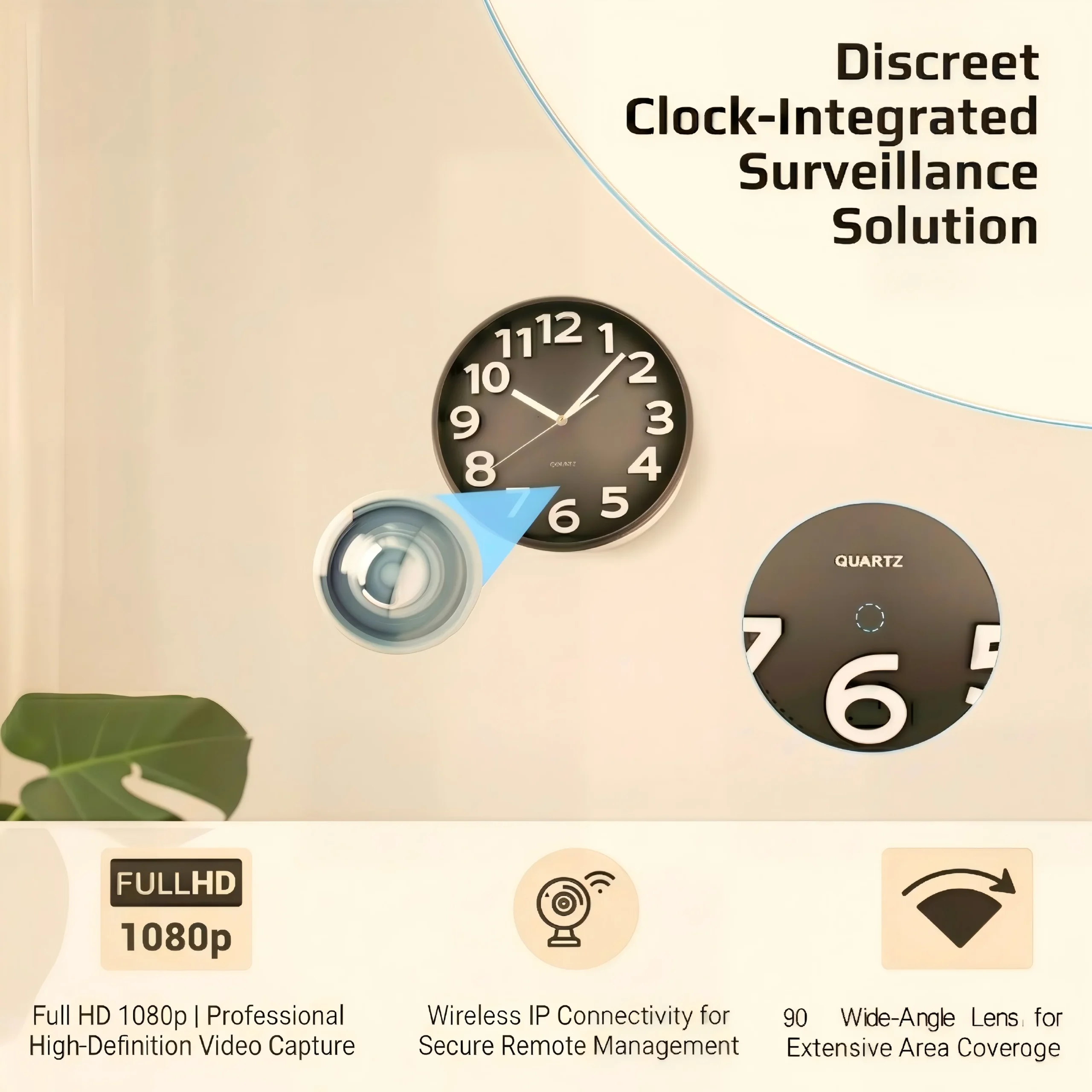
The distinction is transparency about purpose. Hidden cameras used to investigate a specific suspected incident are different from continuous hidden monitoring of every employee at every moment. The former is a targeted investigative tool; the latter is surveillance without legitimate aim, and it is the kind of approach that erodes trust and creates legal liability.
Practical guidance for small businesses:
– Inform employees through your staff handbook or employment contract that CCTV and monitoring are in use in certain areas
– Do not install cameras to monitor routine performance or general attendance — that is not a proportionate use and will create resentment
– Use hidden cameras specifically to investigate documented concerns (loss, dispute, suspicious behaviour) rather than as a blanket monitoring tool
– Document your surveillance policy and ensure it complies with GDPR and your national data protection framework
When done correctly, hidden cameras actually Unterstützung a culture of accountability rather than undermining it. Employees who know that standards are being upheld — and that those standards apply equally to everyone — tend to feel more secure in their environment, not less.
GDPR and the Small Business: What You Can and Cannot Record
Data protection law applies to workplace surveillance. Under the UK GDPR and the EU GDPR (which remains in force across member states), footage of identifiable individuals constitutes personal data. This means using hidden cameras triggers data protection obligations — but it does not prohibit covert surveillance outright.
Was Sie legal tun können:
– Aufzeichnung in nicht-privaten Bereichen Ihres Betriebs (Ladenfläche, Lagerraum, Kassenzone, Laderampe, Korridore)
– Aufnahmen in Disziplinarverfahren verwenden, wenn Sie eine dokumentierte rechtliche Grundlage haben (typischerweise legitimes Interesse gemäß Artikel 6(1)(f))
– Aufnahmen für die Dauer einer bestimmten Untersuchung behalten und dann löschen
Was Sie nicht tun können:
– In Badezimmern, Toiletten, Umkleideräumen oder in Räumen aufnehmen, in denen Personen eine vernünftige Erwartung der Privatsphäre haben
– Aufnahmen für Zwecke nutzen, die über den spezifischen Sicherheitszweck hinausgehen, für den sie erhoben wurden
– Aufnahmen öffentlich oder mit Dritten ohne rechtliche Grundlage teilen
– Aufnahmen unbegrenzt aufbewahren – die ICO empfiehlt maximal 30 Tage für routinemäßige Arbeitsplatzüberwachung
Für Kleinunternehmen im UK bietet der Employment Practices Code der ICO spezifische Leitlinien zur Überwachung am Arbeitsplatz. Der Code unterscheidet zwischen overt Überwachung (wo Mitarbeiter wissen, dass sie aufgezeichnet werden können) und covert Überwachung (wo sie dies nicht tun). Verdeckte Überwachung gilt nur unter bestimmten Umständen als rechtmäßig – insbesondere wenn eine strafbare Handlung vernünftig vermutet wird und normale offene Methoden fehlgeschlagen sind oder wahrscheinlich nicht erfolgreich sein werden.
In Deutschland ist eine Vereinbarung mit dem Betriebsrat erforderlich, bevor Mitarbeiterüberwachung implementiert wird. In Frankreich fordert die CNIL eine vorherige Information der Mitarbeiter. In Italien schränkt DLgs 196/2003 (der italienische Datenschutzcode) die Arbeitsplatzüberwachung auf das streng notwendige ein. Wenn Sie in mehreren EU-Jurisdiktionen operieren, sollten Sie jurisdiktion-spezifische rechtliche Beratung suchen.
Die richtige versteckte Kamera für Ihren Geschäftstyp auswählen
Die beste versteckte Kamera für Ihr Unternehmen hängt von drei Variablen ab: dem Bereich, den Sie abdecken müssen, ob Sie Fernzugriff benötigen und Ihren Lichtverhältnissen.
| Business Type | Empfohlene Hauptkamera | Empfohlene Sekundärkamera |
|---|---|---|
| Einzelhandelsgeschäft | USB-Ladegerät Kamera (Kassenbereich) | Rauchmelder-Kamera (Lagerraum) |
| Café / Restaurant | Rauchmelder-Kamera (Küche/Theke) | Uhr-Kamera (Pausenraum) |
| Lager | Rauchmelder-Kamera (Decke, breite Ansicht) | Powerbank-Kamera (Laderampe) |
| Büro / Studio | Uhren-Kamera (Empfang/Korridor) | USB-Ladegerät Kamera (Schreibtischbereich) |
| Mobile / Handel Geschäft | Powerbank-Kamera (Fahrzeug-/Geräte-Lager) | Stift Kamera (Aufzeichnung am Körper) |
Für Unternehmen, die eine Fernüberwachung benötigen, unterstützen alle Wi-Fi-fähigen Modelle auf der QZT-Plattform die Live-Ansicht über eine App und Bewegungsaktivierte Push-Benachrichtigungen — das bedeutet, Sie können Ihre Ladenfläche von einem Urlaub in Spanien überprüfen, ohne an einem Schreibtisch zu sein.
Wo versteckte Kameras für maximale Abdeckung platziert werden sollten
Kameras basierend auf Risiko einsetzen, nicht auf Abdeckungsbereich. Das Ziel ist, die wichtigsten Momente zu erfassen – das bedeutet, Ihre Bereiche mit dem höchsten Verlust und höchsten Konfliktrisiko zu priorisieren, statt Einheiten weitläufig zu verteilen.
Allgemeine Prioritätszonen für kleine Unternehmen:
1. Verkaufsstelle / Bargeld-Handhabungsbereich — höchstes Diebstahl- und Konfliktrisiko
2. Lagerraum oder Lagerbereich — Inventarschwund, unbefugter Zugang
3. Eingangs- und Ausgangspunkte — wer kommt und geht, insbesondere nach Betriebsschluss
4. Laderampen und Hintertüren — Risiko von Kollusion mit externen Parteien
5. Pausenräume — Zeittheft, Missbrauch von Ausrüstung (wo gesetzlich erlaubt)
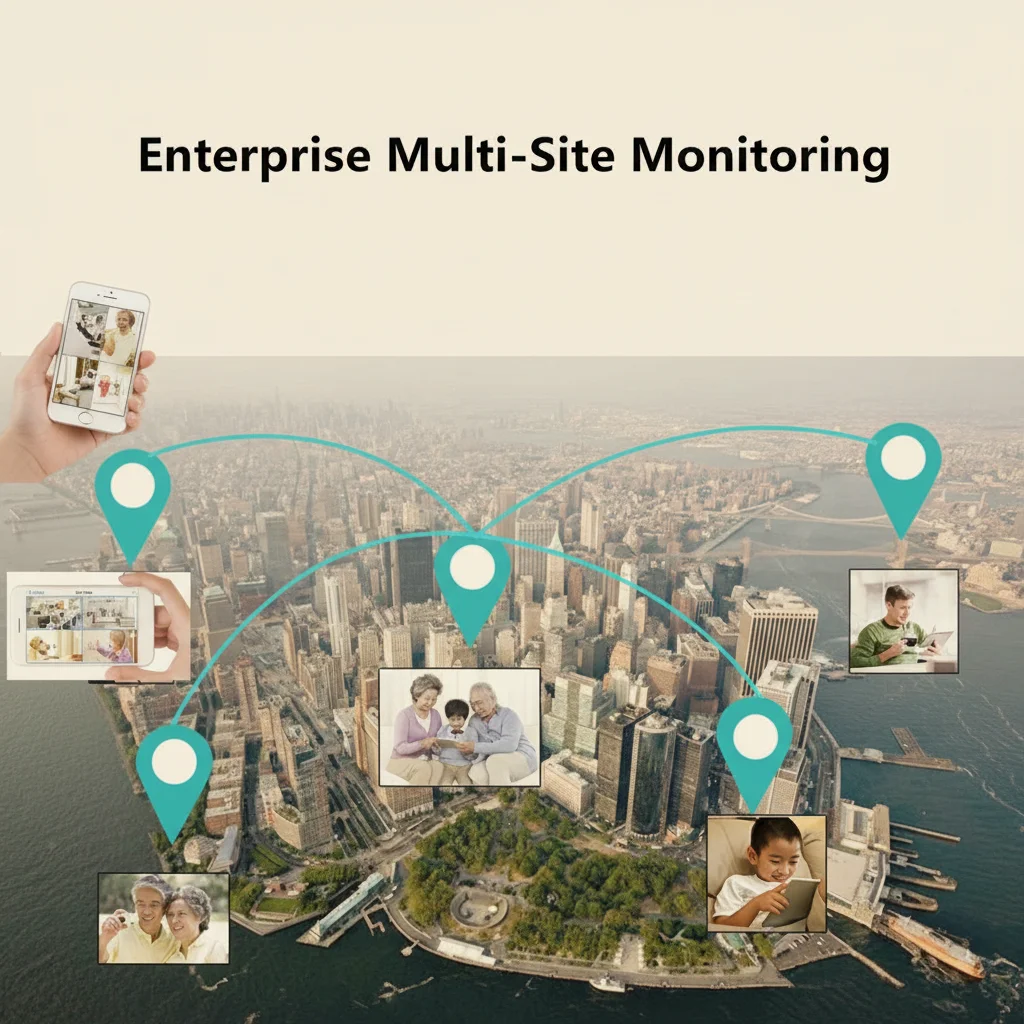
Eine praktische Installation für einen typischen kleinen Einzelhandelsladen: eine WiFi Spy Camera USB Charger 1080P an der Kasse, eine WiFi Smoke Detector Hidden Camera 1080P im Lagerraum, und eine Z10 WiFi Spy Clock Camera die Eingangs- und Ausgangsbereich abdeckt.
Häufig gestellte Fragen
Ist es für ein kleines Unternehmen legal, versteckte Kameras in Großbritannien zu verwenden?
Ja, unter bestimmten Bedingungen. Gemäß ICO-Leitlinien ist verdeckte Überwachung erlaubt, wenn eine kriminelle Aktivität vernünftig vermutet wird und die Überwachung notwendig und angemessen ist. Sie müssen eine schriftliche Überwachungsrichtlinie haben, Mitarbeiter über Ihren Arbeitsvertrag oder das Mitarbeiterhandbuch darüber informieren, dass in bestimmten Bereichen Überwachung stattfindet, und dürfen niemals in Toiletten, Umkleideräumen oder Bereichen aufzeichnen, in denen Personen eine vernünftige Erwartung auf Privatsphäre haben. Konsultieren Sie rechtliche Beratung für Ihre spezifische Rechtsordnung vor der Installation verdeckter Kameras.
Was ist die beste versteckte Kamera für einen kleinen Einzelhandelsladen?
Die WiFi Spy Camera USB Charger 1080P ist die vielseitigste Option für den Einzelhandel. Es wird permanent über die Steckdose mit Strom versorgt, nimmt in 1080P mit Bewegungserkennung auf und kann direkt hinter oder neben dem Kassentisch positioniert werden, wo das Risiko von Gelddiebstahl am höchsten ist. Kombinieren Sie es mit einem smoke detector camera für Lagerraumüberwachung, um eine umfassende Abdeckung der Ladenräumlichkeiten zu erreichen.
Funktionieren Hidden-Cameras bei Nacht?
Ja – die meisten modernen versteckten Kameras verfügen über Infrarot-Nachtsicht. Achten Sie auf Modelle mit 940nm No-Glow-IR-LEDs für unauffällige Nachtaufnahmen. Bei günstigeren Kameras mit älterer 850nm-IR-Technologie entsteht ein schwacher roter Schein, der in völliger Dunkelheit sichtbar ist und die Anwesenheit der Kamera verraten kann. WiFi 1080P Power Bank Hidden Camera beinhaltet verbesserte Nachtvision für den Einsatz in Umgebungen mit wenig Licht.
Kann ich Hidden-Cameras verwenden, wenn meine Mitarbeiter Familienmitglieder oder enge Freunde sind?
Das rechtliche Rahmenwerk unterscheidet nicht zwischen Arten von Arbeitsverhältnissen. Allerdings sind die interpersonalen Risiken höher, wenn die Person, die untersucht wird, eine persönlich bekannte Person ist. Hidden-Cameras liefern den objektiven Beweis, den Sie benötigen, um ein Problem anzugehen, ohne eine konfrontative Konversation basierend nur auf Verdacht. Die Aufnahmen – nicht Ihre subjektive Einschätzung – bilden die Basis für jede Maßnahme, die Sie ergreifen.
Wie greife ich aus der Ferne auf Aufnahmen einer versteckten Kamera zu?
Wi-Fi-fähige Modelle verbinden sich mit Ihrem 2,4GHz-Router und streamen zu einer Begleit-App auf Ihrem Smartphone. Sie können Live-Bilder ansehen, Bewegungsalarme erhalten und gespeicherte Aufnahmen von überall auf der Welt überprüfen. Alle QZT Wi-Fi-Hidden-Cameras unterstützen diese Funktion ohne Cloud-Abonnement – die Aufnahmen werden lokal auf einer microSD-Karte gespeichert, sodass Sie volle Datenhoheit haben und laufende Abonnementkosten vermeiden.
Ein kleines Unternehmen zu führen bedeutet, Unsicherheit als Teil der Arbeit zu akzeptieren. Sie stellen Menschen ein, denen Sie vertrauen, Sie bedienen Kunden in gutem Glauben und Sie tun Ihr Bestes, um Ihre Räumlichkeiten sicher zu halten. Aber Vertrauen allein ist kein Sicherheitsystem. Hidden-Cameras geben Ihnen den objektiven Nachweis, der Ihr Unternehmen schützt – und, wenn sie fair und rechtmäßig eingesetzt werden, schützen sie auch Ihre ehrlichen Mitarbeiter.
Wenn Sie Hilfe bei der Wahl des richtigen verdeckten Überwachungssystems für Ihr Unternehmen benötigen, Kontaktieren Sie uns noch heute.. Wir beliefern kleine Unternehmen in Großbritannien, der EU und international mit Expertenberatung zu Produktauswahl, Platzierungsstrategie und rechtlicher Compliance.

 English
  Italiano
  Deutsch
  Français
  Español
  Polski