
For a wholesale GPS tracker order, we usually start with 4G for a new deployment, but the correct choice still depends on the destination carrier, supported bands, SIM plan, power design and platform. A 2G model can work where an active 2G service is confirmed. A 4G label alone does not prove that a tracker will register on every carrier.
This guide gives buyers a practical decision path. It uses the QZT G12 2G pet tracker, G01 4G pet tracker and N70 4G wired vehicle tracker as exact examples. The goal is to confirm a workable configuration before a repeat order, not to promise coverage from a model name.
What 2G or 4G changes in a GPS tracker
A GPS tracker has two separate jobs. Its GNSS receiver calculates a position from satellite signals. Its cellular modem sends that position, along with time, movement or alert data, to a server or app. The 2G or 4G label describes the second job. It does not by itself set the satellite accuracy.
That separation matters during product selection. A tracker can calculate a position while it is offline, yet the buyer may not see the record until the device reconnects. A 2G-only unit can therefore appear to work during a bench test and fail after deployment if the destination carrier has retired 2G or does not accept that device on its network. A 4G unit can also fail if its regional version, bands, SIM service or APN do not match the market.
We begin the comparison with the operating environment rather than the advertised data speed. Ask where the tracker will be used, whether it moves across borders, whether it needs frequent live updates, and whether the device is battery-powered or hardwired. FOFN’s B2B guide puts network coverage and regional 4G bands before form factor and platform features. That order prevents a buyer from approving a feature list that cannot connect in the target country.
| Buyer check | 2G GPS tracker | 4G GPS tracker |
|---|---|---|
| Radio dependency | Needs an active compatible 2G/GSM service. | Needs a compatible LTE version, bands and carrier plan. |
| Positioning | Satellite positioning remains a separate function; network generation mainly affects data transmission and service continuity. | |
| Best starting point | Markets where the carrier confirms 2G service for the intended SIM and device. | New vehicle, fleet, pet or asset programs where LTE support is available and the project needs a longer service runway. |
| Order risk | Legacy network retirement or a 4G-only destination can stop remote reporting. | Wrong regional SKU, unsupported bands, SIM restrictions or missing carrier approval can still prevent registration. |
When a 2G GPS tracker can still be considered
A 2G GPS tracker is only a sensible wholesale option when the destination carrier confirms that the required 2G service will remain available for the intended life of the product. The check must cover the actual country, carrier, roaming arrangement and SIM profile. A generic statement such as “2G is widely available” is not enough for an order decision.
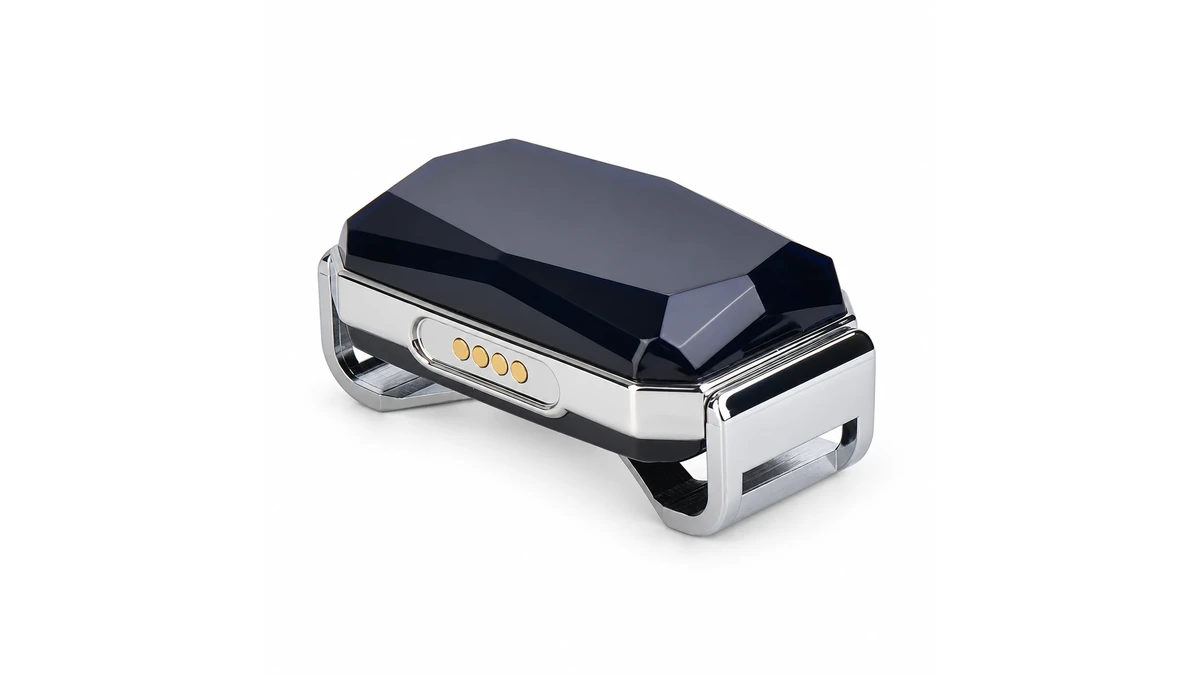
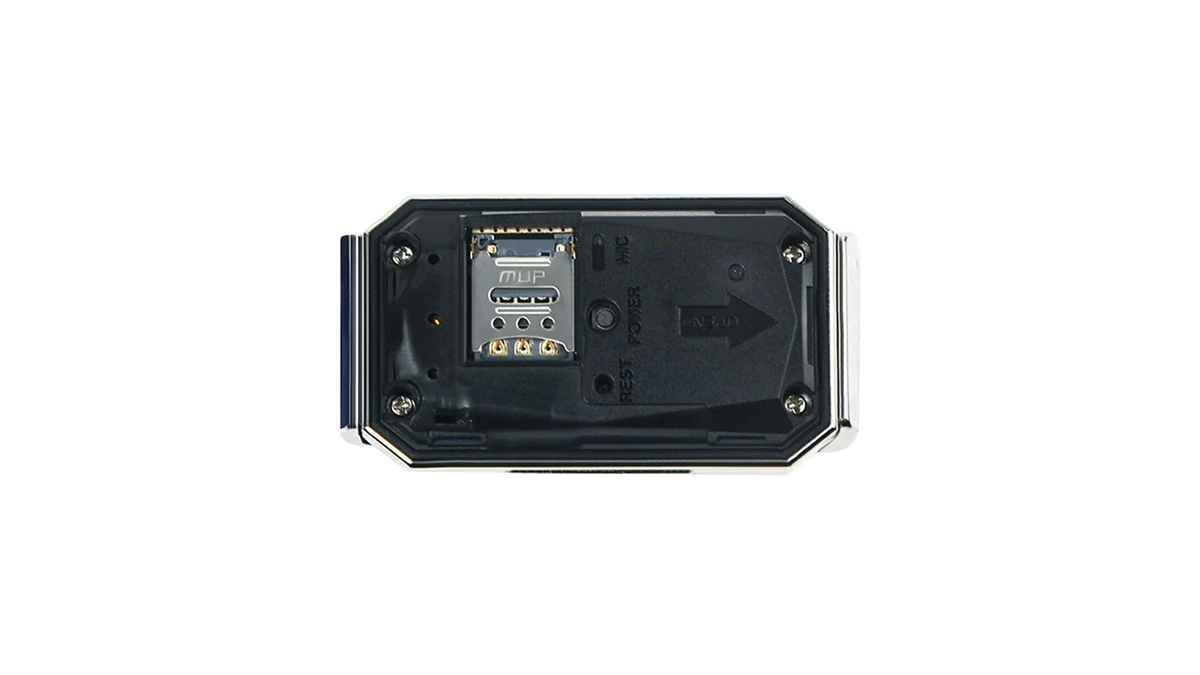
QZT G12 is a clear example of the boundary. The G12 is a 2G GSM/GPRS pet collar tracker with a Nano SIM and 365GPS. Its listed GSM bands are 850, 900, 1800 and 1900 MHz, and its positioning sources include GPS, A-GPS, Wi-Fi and LBS. The product record states that G12 cannot connect to a 4G-only network. A buyer must therefore check the destination 2G data service before approving a sample.
Network timing is market-specific. Rogers says its Canadian 2G network will retire on November 30, 2027 and directs customers to a compatibility tool. Digi’s IoT guidance also stresses that shutdowns happen by country and carrier, sometimes in phases. These examples show why a date from one carrier cannot be copied into another market. The correct evidence is a current carrier statement or compatibility check for the planned deployment.
We recommend a 2G model only when all of these conditions are written into the project record:
- The destination carrier confirms 2G GSM/GPRS service for the coverage area and planned service period.
- The SIM is allowed to use the listed bands and packet-data service. For SIM branding and legacy-network access, see whether a 4G SIM can work in a 2G GSM device.
- The app or server supports the model’s protocol and reporting behavior.
- The buyer accepts a replacement plan if the carrier publishes an earlier retirement date.
When a 4G GPS tracker is the safer B2B choice
For a new program, we usually favor 4G when the destination market has reliable LTE service and the product team wants to avoid a legacy-network replacement cycle. The decision still belongs to the exact regional SKU. “4G” is a radio family, not a global compatibility certificate.
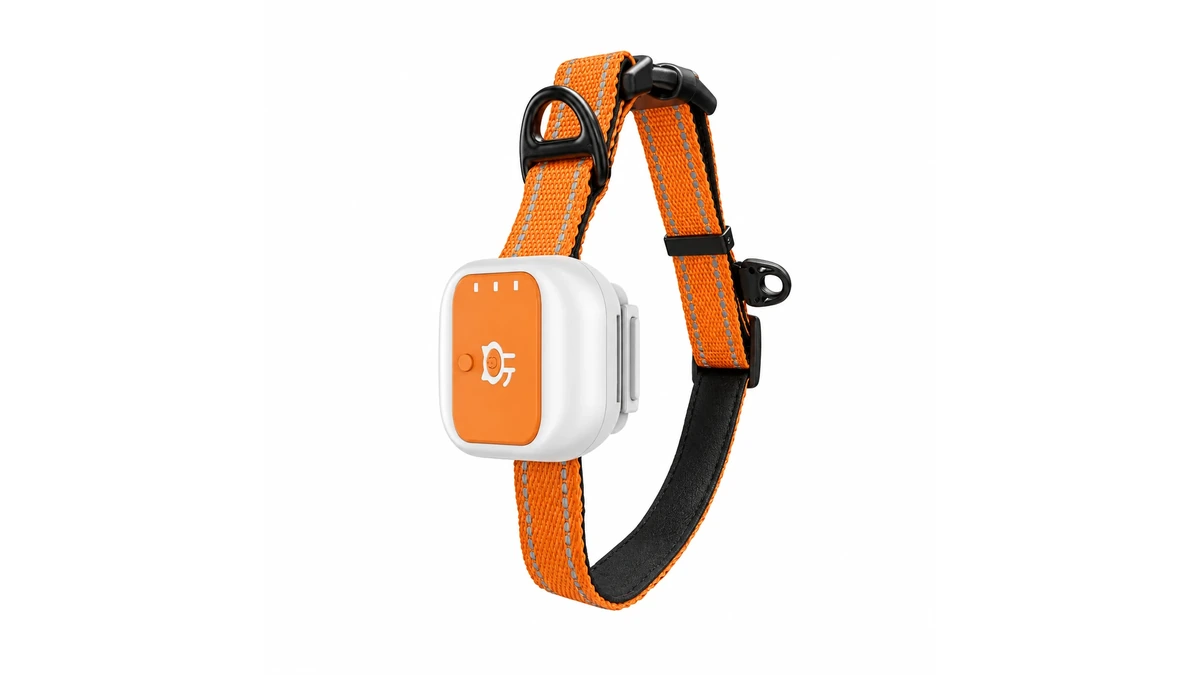
QZT G01 shows the pet-tracker version of this choice. The G01 is a 4G Cat1 regional pet GPS collar tracker using a Nano SIM and 365GPS. Its product record asks the buyer to confirm the regional radio version and destination carrier before ordering. That check should happen before artwork, packaging or a large SIM purchase, because a carrier mismatch can affect every unit in the batch.
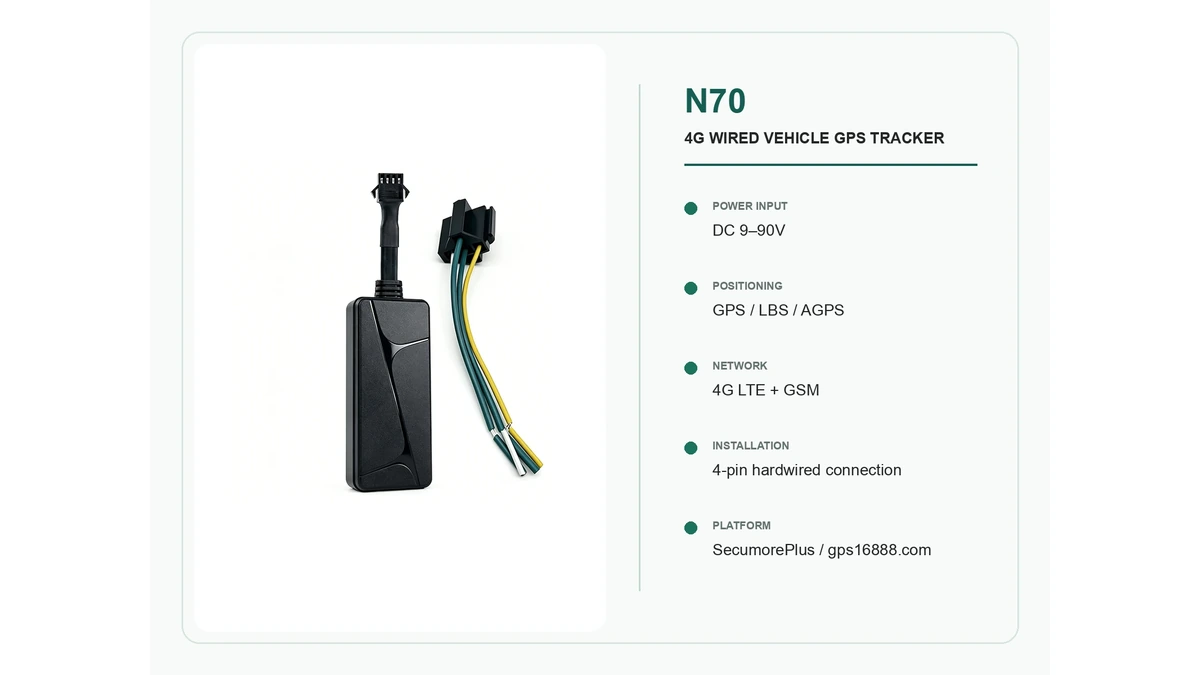
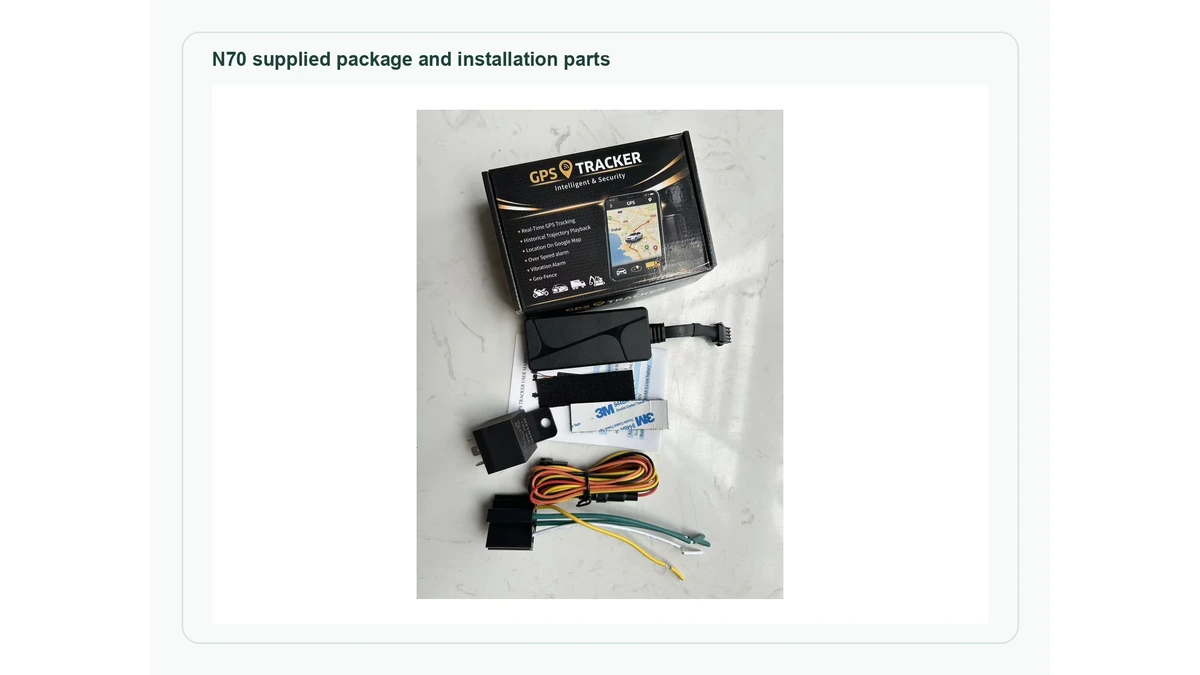
For vehicles and fleets, a hardwired design can remove a separate charging routine. QZT N70 accepts DC 9–90V through a four-pin harness and lists GPS, LBS and AGPS positioning. It is designed around vehicle power, so the buyer should evaluate ignition behavior, installation access and carrier registration alongside the radio bands. A battery-life comparison alone would miss the main selection issue for this form factor.
Use 4G as the starting point when the program has one or more of these requirements:
- New vehicles or assets will stay in service for several years.
- The deployment crosses markets where 2G availability is uncertain.
- The operating team needs frequent reports, faster alert delivery or a platform with an LTE-specific regional build.
- The vehicle can provide continuous power through a qualified hardwired installation.
Before treating a 4G tracker as approved, confirm the exact LTE bands, SIM data policy, APN requirements, platform account and carrier certification path. A tracker that supports the right frequency on paper can still fail registration if the carrier blocks the module or the SIM is restricted to another service class.
Network, band and SIM checks before ordering
We put the compatibility checks into a short order sheet for purchasing, engineering and the destination distributor. Start with the country and carrier, then compare the model record. Do not begin with a universal “works worldwide” statement.
- Record the exact hardware version. Write the model, radio generation, regional SKU and firmware if the supplier provides it. “G01 4G” and “N70 4G” are not interchangeable configurations.
- Compare bands with the carrier. N70 lists FDD-LTE B1, B2, B3, B4, B5, B7, B8, B20 and B28, plus TDD-LTE B38, B40 and B41. Treat those bands as a hardware list. Ask the carrier or local integrator which bands are active where the tracker will operate.
- Confirm SIM and data service. Check Nano SIM or another required format, packet data, APN, roaming permission, monthly limits and whether the plan supports machine-to-machine devices. A phone SIM that registers in a handset is not automatically approved for a tracker.
- Confirm server and app access. Check the 365GPS, SecumorePlus or other platform account, device ID process, server address and reporting protocol. Record who will own the account and who can change the settings.
- Check the power and installation path. A collar tracker needs a safe fit and charging plan. A wired tracker needs the correct voltage range, harness pinout, fuse protection and qualified installation.
The final row should be a decision, not a vague note: “sample approved for carrier X in country Y under SIM plan Z” or “hold until the carrier confirms 2G service and the required band.” That wording gives the next buyer a clear action.
Run a sample acceptance test before repeat supply
A sample test turns a network claim into evidence for the exact configuration. Run it with the intended SIM, carrier and platform, in a location that represents the project. A desk test can confirm that a unit powers on; it cannot confirm that a fleet route, pet walk or asset location will report reliably.
For a pet tracker such as G01 or G12, record the SIM activation, app registration, collar fit, outdoor fix, indoor behavior, reporting interval, geofence alert and charging routine. For a wired vehicle tracker such as N70, add DC input, ignition status, harness connection, route history, external power alerts and any relay or accessory functions included in the approved build. Keep the test within authorized use and protect the platform account.
A practical acceptance record includes:
- Country, carrier, SIM identifier and APN or data profile.
- Exact model, radio version, firmware and platform account.
- Installation or collar position, start time and signal environment.
- Successful location reports, report interval, alert delivery and offline recovery.
- Observed failure, retry or delay, plus the action taken to resolve it.
- Photographs or screenshots tied to the sample serial number and test date.
Repeat the test after a radio revision, carrier change, firmware change, SIM plan change or installation change. When a buyer needs a battery estimate as well, keep that test separate from the network decision and follow the reporting-interval method in QZT’s GPS tracker battery-life guide.
We recommend repeat supply only after the sample passes the network, platform and physical checks for the market where the units will be sold. If the test fails, stop at the failed dependency: carrier service, band match, SIM data, APN, platform account, installation or hardware. Changing the model before identifying that dependency makes the next sample harder to evaluate.
Frequently Asked Questions
Which is better for a new wholesale GPS tracker program, 2G or 4G?
4G GPS trackers are usually the safer starting point for a new wholesale program when the destination carrier supports the required LTE bands and SIM service. A 2G GPS tracker can still fit a market with confirmed active GSM/GPRS coverage. Compare the exact regional hardware, carrier plan, platform and replacement horizon before approving either generation.
Can a 2G GPS tracker use a 4G SIM?
A 2G GPS tracker can use a 4G-branded SIM only when that SIM and carrier still provide the 2G GSM/GPRS service the hardware needs. The QZT G12 remains a 2G tracker and cannot connect to a 4G-only network. Confirm the carrier’s legacy-service policy, bands and packet-data access before ordering samples.
Does 4G make GPS positioning more accurate?
4G GPS trackers do not become more accurate solely because the modem uses LTE. GPS, A-GPS, Wi-Fi and LBS are positioning sources, while 4G carries records to the platform. LTE can improve reporting continuity or latency where coverage is good, but antenna placement, sky view, firmware, platform settings and carrier service still affect the result.
What should a buyer confirm for QZT N70 before a fleet order?
QZT N70 is a 4G wired vehicle GPS tracker with DC 9–90V input, a four-pin harness, GPS/LBS/AGPS positioning and listed LTE bands B1/B2/B3/B4/B5/B7/B8/B20/B28 plus B38/B40/B41. Confirm the destination carrier, SIM/APN, harness pinout, platform access and qualified installation on an approved sample.
When should a GPS tracker sample be rejected?
Reject or hold a GPS tracker sample when the radio version, carrier bands, SIM data, APN, platform account, installation or authorized use cannot be confirmed. A device that powers on but does not register, report, recover from an offline period or deliver the required alert has not passed the acceptance test for repeat supply.
The order decision
Choose the radio generation after checking the destination carrier and exact model, not before. Use 2G only where the carrier confirms the service and the buyer accepts the network lifecycle risk. Use 4G when the market supports the listed LTE version and the project needs a new deployment with a longer support horizon. In both cases, the approved sample and its test record should control the repeat order. We treat a passed sample as the release gate for repeat supply.
For QZT products, start with the GPS tracker range, compare the exact G12, G01 or N70 configuration, and provide the destination country, carrier and quantity when requesting a quotation.

 English
  Italiano
  Deutsch
  Français
  Español
  Polski