
A SIM sold as “4G” may work in a 2G GSM device if the SIM account permits 2G access, the operator still provides 2G service, and the device supports the local bands. A new SIM cannot add LTE capability to a 2G modem. For QZT GSM listening devices and communicators, also confirm the required voice, SMS or data service before choosing a SIM.
Check the destination country and exact hardware revision before buying a batch. A SIM that makes calls in a modern smartphone has passed only part of the compatibility check for an older GSM module.
SIM and radio compatibility · Calls, SMS and data · 2G service lifetime · FAQ
Check the modem, network bands and SIM account together
The SIM identifies the subscriber to the mobile network. The modem determines which radio technologies and bands the hardware can use. A SIM upgrade leaves those hardware limits in place. Xiaomi’s compatibility guidance confirms that a phone without 4G support cannot use LTE merely by inserting a 4G SIM.
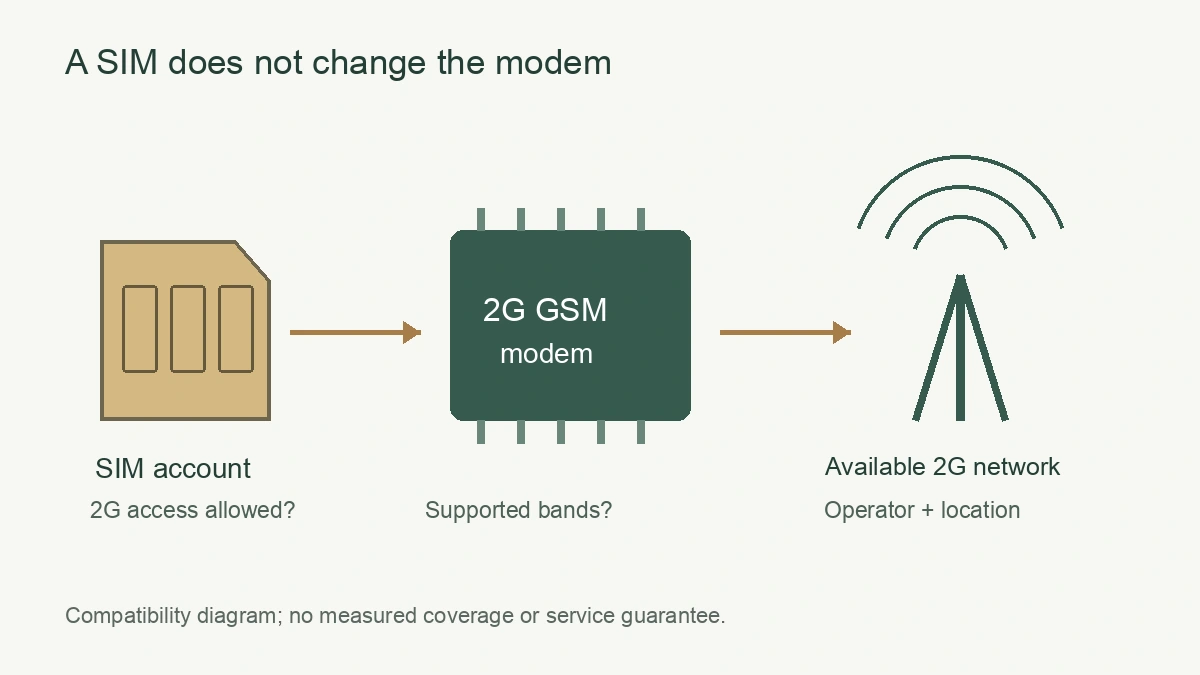
Read the module or product specification for the exact unit. “GSM” in a product name is not a complete list of supported technologies, and “4G SIM” on a card package is not a promise that every old modem can register. Ask the operator whether the selected account can access 2G at the installation address, including any restrictions on the intended device type.
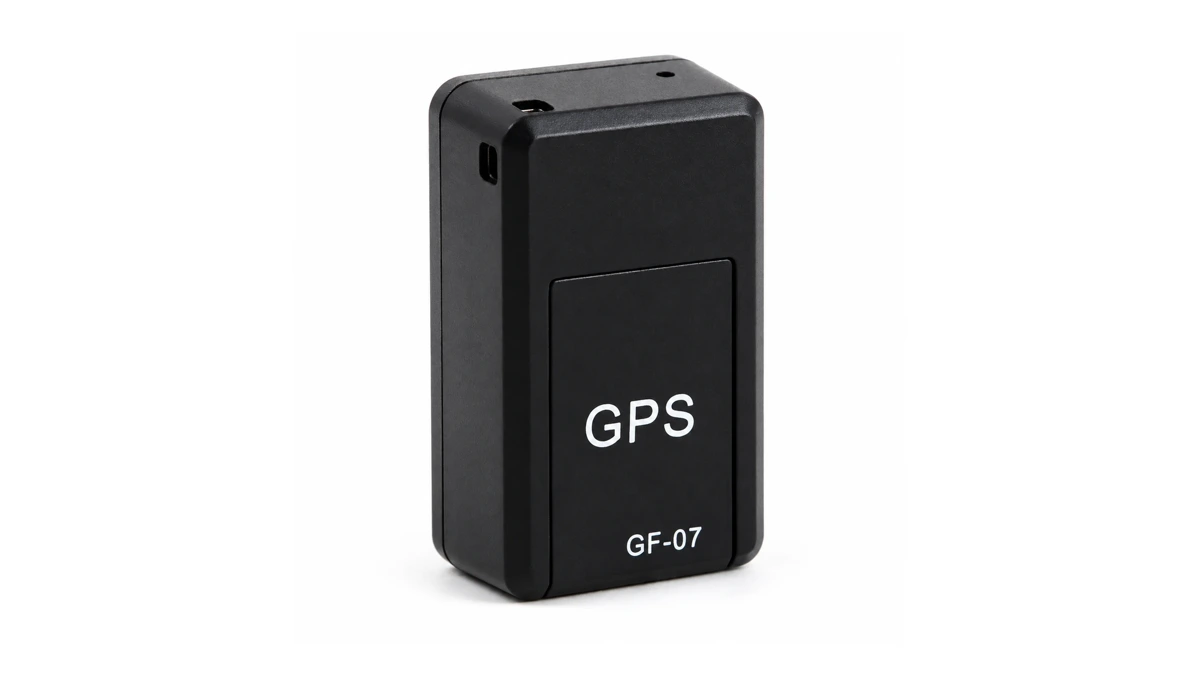
The QZT GF-07 mini GSM tracker is specified as a 2G GSM/GPRS model supporting 850, 900, 1800 and 1900 MHz. That quad-band specification still requires an available compatible 2G network. The GF-07 uses approximate GSM/LBS location rather than satellite GPS, regardless of the “GPS” lettering visible on the housing.
Use the following order when checking a sample:
| Check | What to confirm | What the result tells you |
|---|---|---|
| Hardware revision | Modem generation and supported bands | Whether the radio can use the intended network |
| SIM account | Activation, permitted services and 2G access | Whether the subscription allows the required connection |
| Installation location | Operator’s current 2G service and local reception | Whether service is available where the unit will operate |
| Physical SIM fit | Card size and insertion method in the supplied manual | Whether the card can be fitted correctly without damage |
| Sample operation | Required call, SMS and data functions tested separately | Whether the intended use works on the approved configuration |
Follow the supplied manual for SIM installation and power state. Do not force a loose adapter into a slot or apply an unrelated model’s command list. If the manual requires a particular SIM PIN setting, confirm that requirement with the supplier before changing the SIM account’s security settings.
A successful smartphone call is useful evidence that the account has voice service. The smartphone may have used LTE voice, however, so the call does not prove that 2G registration or calling will work in the GSM module. Keep the operator, tariff, test location and sample revision in the acceptance record.
Verify voice, SMS and data as separate services
A GSM communicator that receives ordinary phone calls needs active voice service. A data allowance alone does not establish that incoming calls are supported. Likewise, successful calling does not verify the SMS or packet-data functions required by another model.
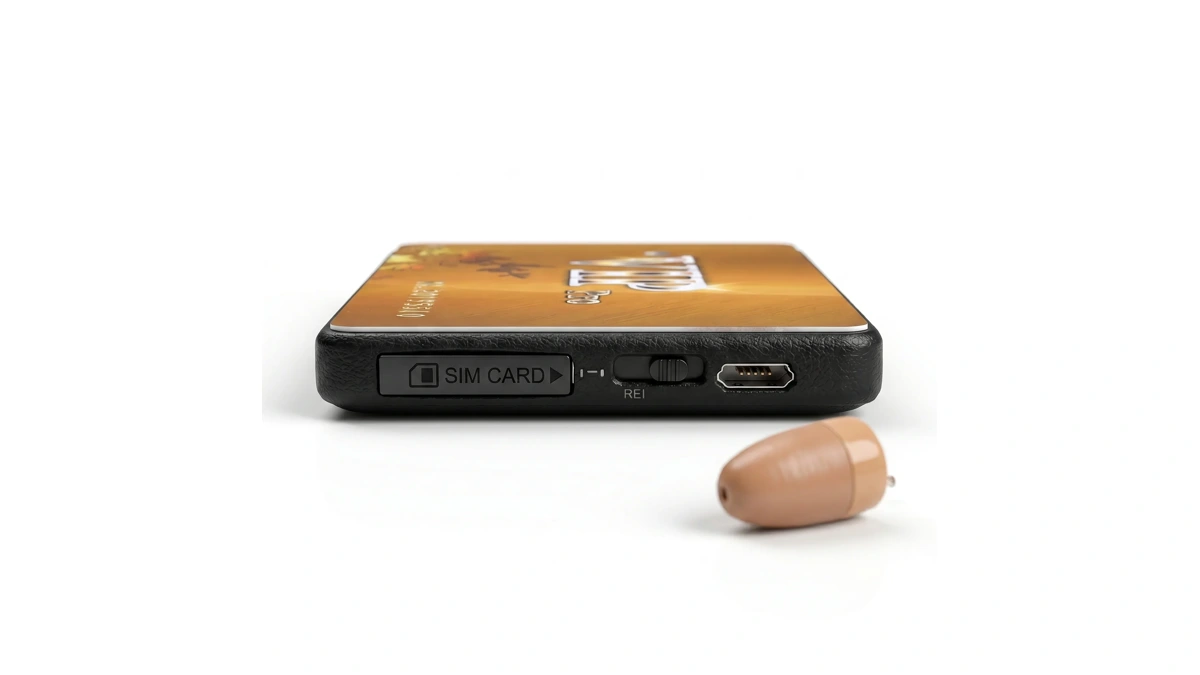
The QZT VIP GSM card communicator requires a standard GSM SIM with active call service. The published overview does not specify the card’s network generation or band list. Obtain those details for the quoted revision instead of assuming that the VIP card uses the same modem as the GF-07.
Some IoT SIMs have limited voice or SMS capabilities. 1NCE’s IoT SIM overview describes those possible service limits. Check the exact plan, including incoming calls, incoming and outgoing SMS, roaming and any restrictions on phone numbers or destinations. “IoT” and “unlimited data” do not answer a voice-compatibility question.
An APN configures packet-data access where the device requires it. Changing an APN cannot add voice service to a data-only subscription or make a 2G modem register on LTE. Avoid changing several settings at once: record the original configuration, verify one service, then move to the next required function.
For an authorized communication sample, call the installed SIM from a known phone and record whether the call connects, ends immediately or reaches voicemail. Then check the audio path specified for that model. For a model with SMS functions, use only the supplied firmware’s supported command and confirm the expected reply. Test data reporting separately if data is part of the agreed specification.
If the call connects but the earpiece remains silent, investigate the local earpiece link and battery before replacing the SIM. The VIP card and A680 earpiece have separate power requirements. For a phone-paired alternative such as the QZT BT01 Bluetooth earpiece kit, the phone handles the mobile connection and the transmitter pairs with the phone over Bluetooth. That is a different connection arrangement and needs its own sample check.
Check how long the destination’s 2G service will remain available
A sample that works today may need replacement during the customer’s planned service period. Ask which operator supplies the connection and whether a published switch-off date applies to the actual tariff. Country-level statements such as “2G still works in Europe” are too broad for a purchasing decision.
Germany provides two examples of why the operator matters. Deutsche Telekom’s announcement expects the German 2G network to switch off on June 30, 2028. Vodafone Germany’s announcement sets September 2028 for ordinary private and business 2G services, with selected critical IoT applications supported until the end of 2030.
These are the operators’ announced plans checked for this guide in October 2026. Vodafone’s critical-IoT exception does not establish that a retail SIM, a GF-07 or a GSM earpiece card qualifies. Obtain written confirmation for the customer’s actual service before using an exception in a quotation.
For a new deployment intended to run beyond the relevant shutdown date, request replacement hardware with the required supported radio technologies. If ordinary mobile calls are required, also confirm compatible LTE voice support, such as VoLTE, with the operator. A “4G” label can describe data capability without answering every voice-service question.
Send the supplier a short acceptance request containing the destination country, operator, intended service period, required functions and proposed SIM tariff. Ask for the modem revision, bands, voice support, manual and sample configuration. Test that exact combination before approving volume orders. Changing only the SIM will not extend a 2G-only device’s service after the compatible network closes.
Frequently Asked Questions
Can a 4G SIM work in a 2G GSM device?
A 4G SIM can work in a 2G GSM device when the account allows 2G access, the operator provides compatible 2G service and the hardware supports the local bands. The SIM cannot add LTE capability to the modem. Confirm the required calls, SMS and data functions on the exact sample.
Can a new SIM convert a 2G GSM device to 4G?
A new SIM cannot convert a 2G GSM device to 4G because the modem’s supported radio technologies remain unchanged. Xiaomi’s official guidance confirms that a non-4G phone cannot use LTE through a 4G SIM alone. A 4G replacement needs compatible hardware, bands and the services required by the customer.
Which SIM does the QZT GF-07 mini GSM tracker require?
The QZT GF-07 mini GSM tracker requires an active compatible 2G SIM with the call and SMS services needed by the supported firmware. The QZT GF-07 mini GSM tracker supports GSM/GPRS at 850, 900, 1800 and 1900 MHz. Confirm local operator service; the SIM and TF card are not included.
Can an IoT data SIM run the QZT VIP GSM card communicator?
The QZT VIP GSM card communicator requires active call service, so an IoT data SIM is suitable only when the exact plan also supports the required voice calls. Some IoT SIMs restrict voice or SMS. Confirm the QZT VIP GSM card communicator’s modem bands and the operator’s service before ordering.
Will a 2G GSM device keep working in Germany after 2028?
A 2G GSM device needs a compatible operating network. Telekom expects its German 2G switch-off on June 30, 2028; Vodafone plans ordinary 2G service closure in September 2028. Vodafone’s selected critical-IoT extension through 2030 does not establish eligibility for a 2G GSM device on an ordinary retail SIM.
Confirm the SIM and service period before ordering
Ask for a sample with the exact modem revision and test the proposed SIM on the destination network. For QZT GSM communicators and listening devices, include the country, operator, required call or SMS functions and planned service period in the enquiry so the quoted configuration can be checked against the intended use.

 English
  Italiano
  Deutsch
  Français
  Español
  Polski