
What’s the Best Hidden Camera for Car Security in 2026?
Car theft and break-ins have risen sharply in UK cities over the past two years, and standard dash cams don’t cover every scenario. A hidden camera inside your vehicle gives you continuous coverage when the car is parked, records incidents that a forward-facing dash cam misses, and provides evidence that insurance companies actually act on. Here’s what to look for and which devices are worth installing in 2026.
Why do drivers install hidden cameras inside their cars?
A visible dash cam deters some thieves, but it also tells them exactly where to look if they’re determined. A hidden camera, properly positioned, records what happens when you’re not there and the visible deterrent isn’t enough.
Parking-lot bumps and hit-and-runs are the most common triggers. You come back to your car, there’s a fresh scratch or dent, and there’s no note. A discreet camera that records on impact or motion gives you the license plate and, sometimes, the driver’s face.
Then there’s interior monitoring. If you leave tools, electronics, or inventory in your vehicle, a hidden camera aimed at the cabin lets you check remotely whether something’s been disturbed — provided you’ve got a mobile connection to the device.
For company fleets, hidden cabin cameras serve a dual purpose: they record theft attempts and they provide a record if there’s a dispute about what happened during a delivery or passenger interaction.
Here’s what most people get wrong: they think any cheap mini camera will do. It won’t. The difference between a device that gives you usable evidence and one that gives you a blurry, dark, unwatchable clip comes down to three things — sensor quality, night vision, and how the device is powered.
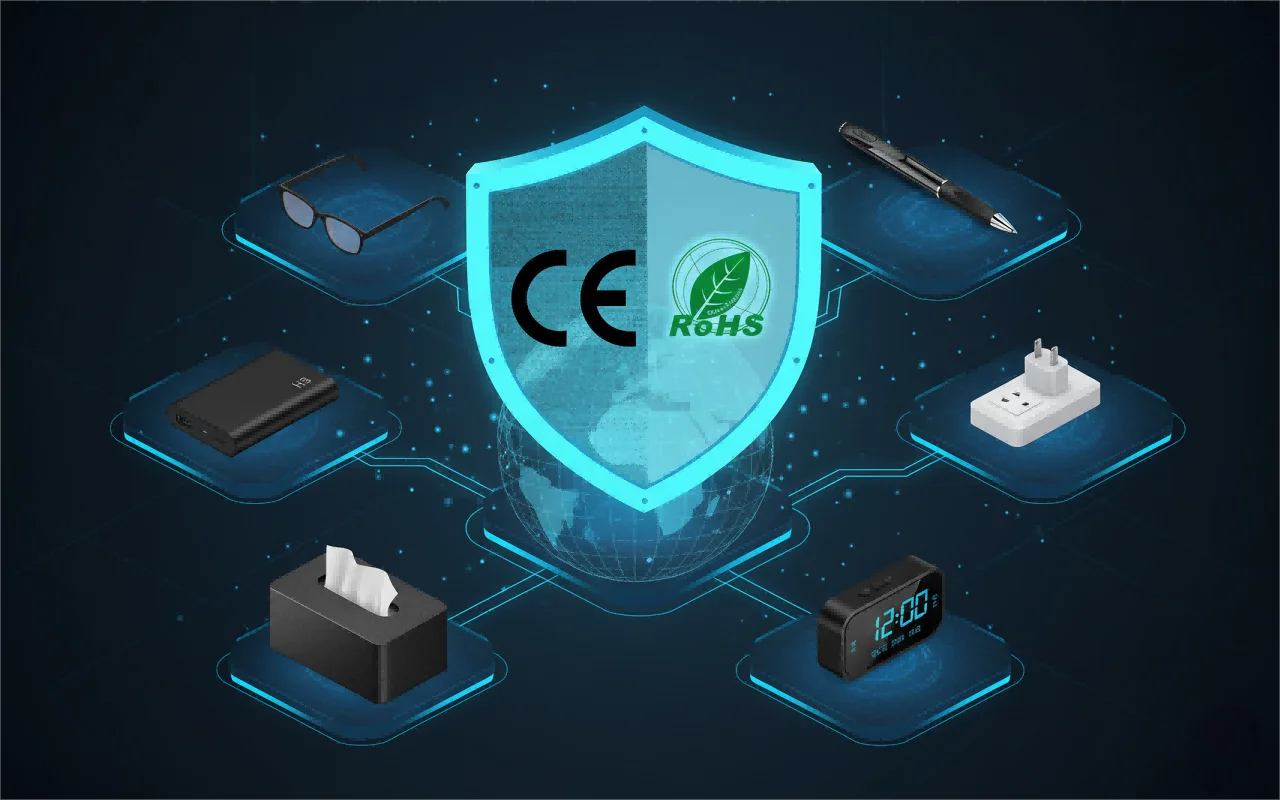
If you’re sourcing equipment to resell or install for customers, QZT Security carries CE-certified hidden cameras suitable for vehicle deployment, with the documentation your customers need for UK and EU compliance.
What technical features matter most in a car hidden camera?
Three specifications determine whether a camera is actually useful or just a waste of space.
Resolution is the obvious one. 1080p is the practical minimum for reading a license plate from a parked position. 2K (1440p) gives you meaningful extra detail, particularly at distances beyond 20 feet. 4K is overkill for most users but valuable if you’re covering a wide parking area or need to identify faces as well as plates.
Night vision is where most budget cameras fail. Look for sensors with large apertures (F1.8 or better) and infrared LEDs that don’t produce a red glow visible to the human eye. “Starlight” sensors (Sony Starvis and equivalents) capture usable colour video in urban lighting — not just monochrome — which helps with identifying vehicle colours and clothing.
Power is the hardest problem in a car installation. A built-in battery will die in 4–8 hours unless the camera is very low-power, which most aren’t. A hardwire connection to the car’s fuse box gives you continuous coverage but requires professional installation. A plug-in to a permanent 12V socket is the compromise most users choose.
| Feature | Minimum Acceptable | Recommended | Why It Matters |
|---|---|---|---|
| Resolution | 1080p | 2K (1440p) | Plate reading at distance |
| Night vision | IR LEDs | Starlight sensor (F1.8 or better) | Most incidents happen at night |
| Power | 8hr battery | Hardwire to fuse box | Continuous coverage |
| Storage | 32GB MicroSD | 128GB+ MicroSD | Loop recording for 3–7 days |
| Connectivity | None (SD only) | 4G LTE or WiFi | Remote viewing and alerts |
Key Takeaway: Resolution, night vision, and power are the three make-or-break specs. A camera that can’t see at night or dies after 6 hours isn’t protecting your car.
Which hidden camera form factors work best in vehicles?
The “hidden” part of the brief matters. A camera that’s obviously a camera isn’t what most people are looking for.
USB charger cameras sit in the 12V socket and record through a small lens on the face. They’re discreet because every car has a charger in the socket anyway. The drawback: the view is limited to what the charger faces, and the power is dependent on the socket staying live when the ignition is off.
Rear-view mirror cameras replace or clip over the existing mirror. They’re discreet from outside the vehicle — the camera looks like part of the mirror assembly — but they’re visible from inside. Good for recording the cabin and the road ahead simultaneously.
OBD-II port cameras plug into the diagnostic port, which stays powered even when the car is off on most modern vehicles. They’re genuinely hidden and have continuous power, but the view is fixed by where the port is located.
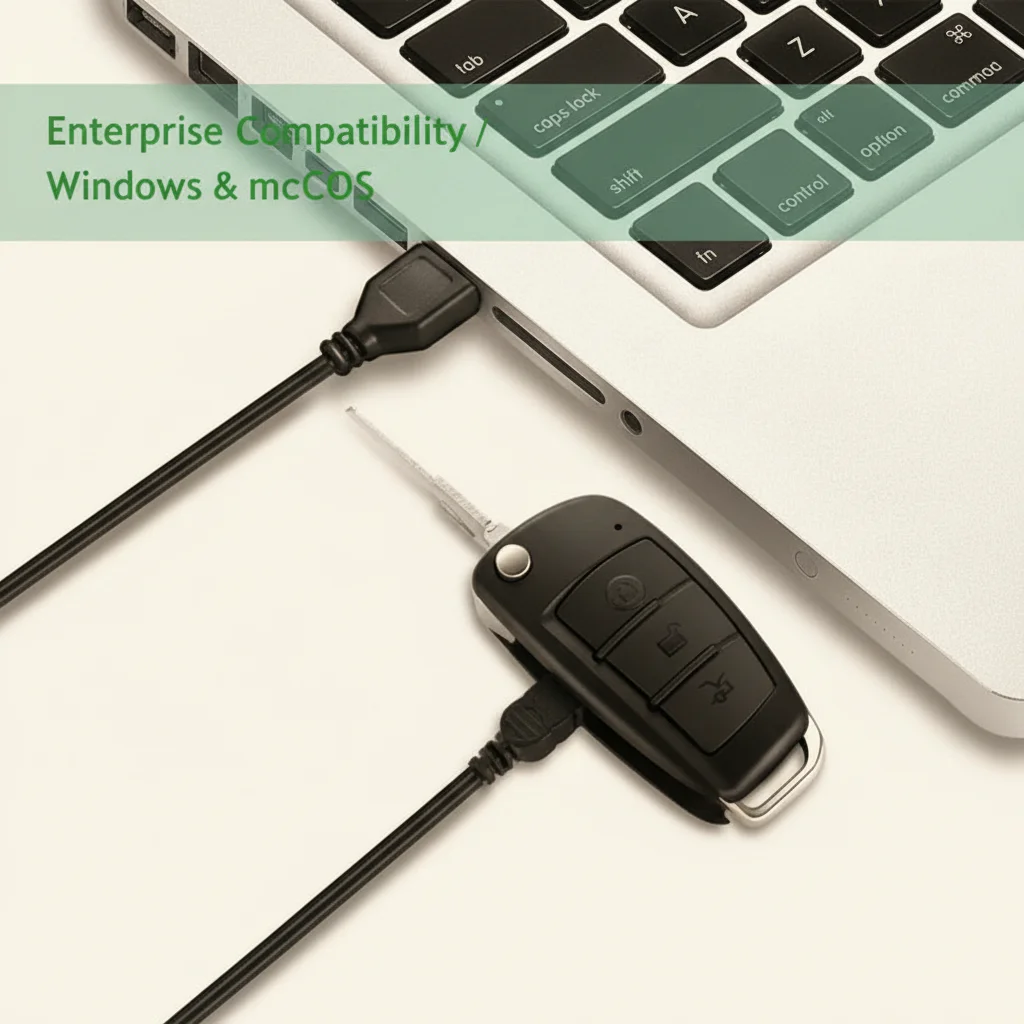
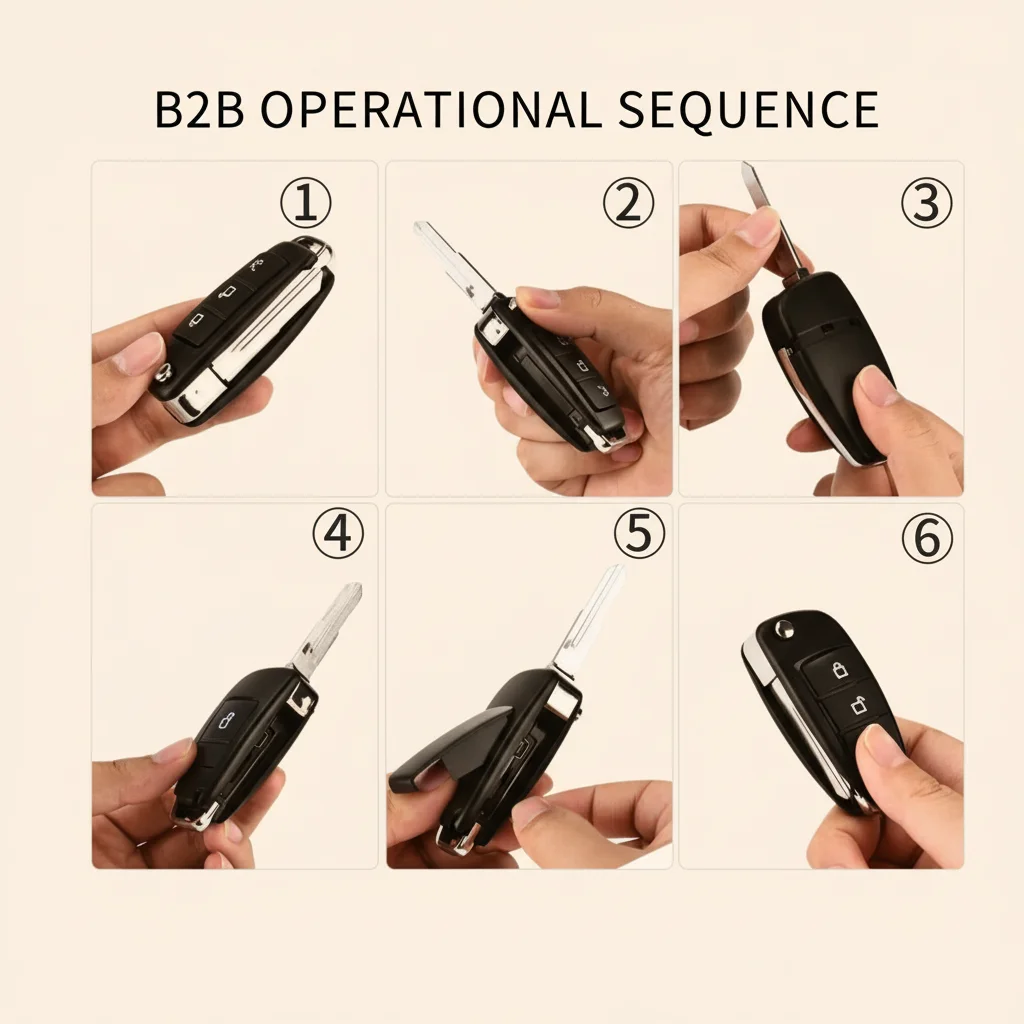
Key fob cameras are small enough to leave on the dashboard or visor. They look like a car key and record through a pinhole lens. The form factor is clever, but battery life remains the limiting factor.
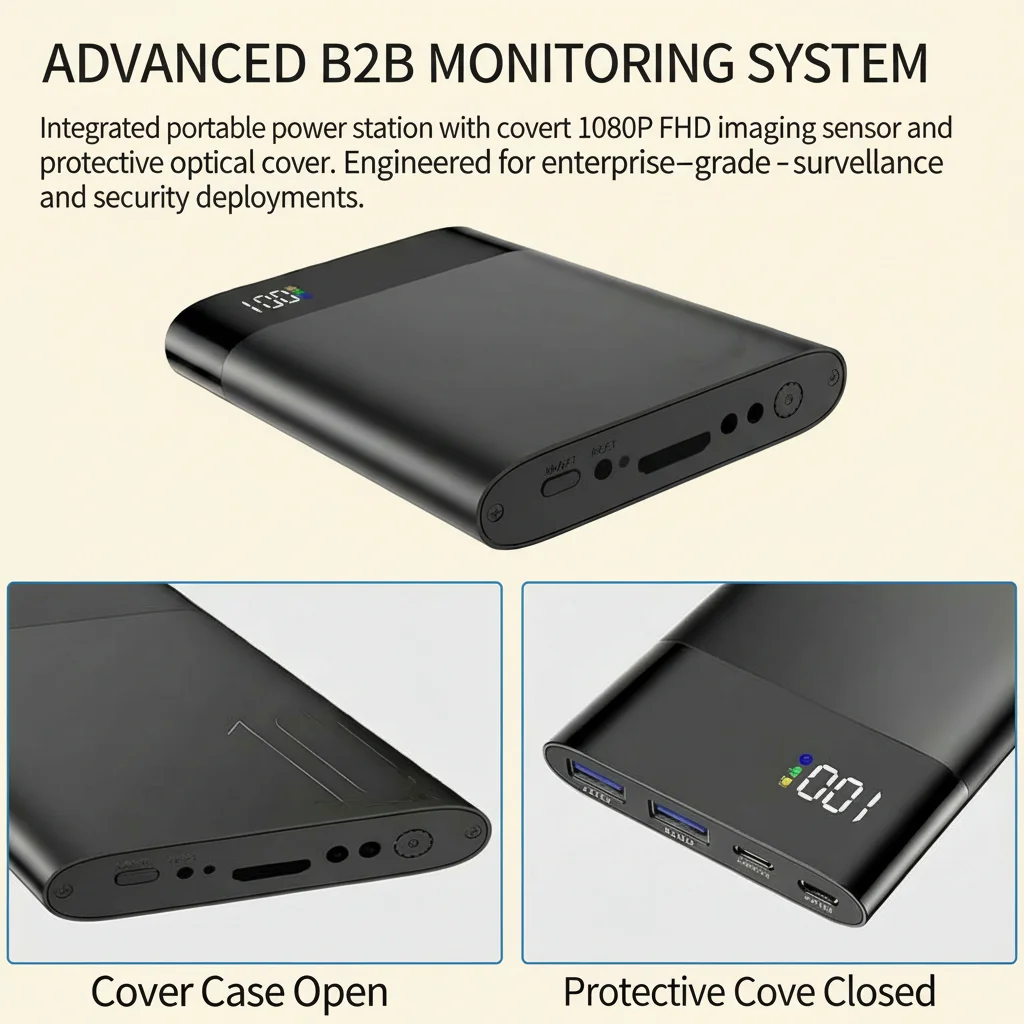
Power bank cameras — a concealed camera inside what looks like a portable charger — can be placed anywhere in the cabin and moved between vehicles. They’re popular with rideshare drivers and delivery fleets because they’re portable and don’t require installation.
The C10 WiFi Camera Module from QZT Security uses a similar discrete form factor: compact, WiFi-connected, and suitable for custom installation inside a vehicle interior. For wholesalers supplying the UK and European markets, devices like this hit the sweet spot of discreet, certified, and installable without permanent modification.
Key Takeaway: USB charger and power bank form factors are the most practical for most users — they’re discreet, portable, and don’t require drilling or wiring.
| Form Factor | Discretion | Power | Installation |
|---|---|---|---|
| USB charger camera | High — looks like a phone charger | Socket-dependent; may cut when ignition off | Plug and play |
| Rear-view mirror camera | Medium — visible from inside | Hardwire recommended | Professional install preferred |
| OBD-II port camera | High — completely hidden | Continuous (port stays powered) | Plug into OBD port |
| Key fob camera | High — looks like a car key | Battery-limited (4–8 hrs) | Place and go |
| Power bank camera | High — looks like a portable charger | Battery (8–12 hrs) or USB recharge | Portable; no install |
How do you power a hidden car camera continuously?
This is the single hardest part of a vehicle installation. A camera that dies after the battery runs out isn’t much use for theft prevention.
Hardwiring to the fuse box is the proper solution. A hardwire kit connects the camera to a fuse that’s either always-live or ignition-switched, depending on whether you want parking mode. The kit includes a low-voltage cutoff that disconnects the camera before it drains the car battery — essential, or you’ll come back to a car that won’t start.
The 12V socket approach only works if your socket stays powered with the ignition off. Many cars cut power to the socket when the key is out; others (particularly older vehicles) leave it live all the time. Check yours before committing to this approach.
A dedicated power bank with a capacity of 10,000mAh or more can run a low-power camera for 24–48 hours continuously. The drawback is that it needs recharging, so it’s not a “fit and forget” solution.
OBD-II power is elegant: the port is already there, it’s already powered, and no wiring is required. The limitation is that you’re constrained by where the port is located in your vehicle, which may not be the ideal camera position.
For wholesalers and installers, offering a hardwire kit as part of the product bundle makes the sale easier — the customer gets everything they need in one purchase, and you’re not fielding support calls about why the camera keeps turning off.
Key Takeaway: Hardwiring with a low-voltage cutoff is the only way to get true 24/7 coverage. Everything else involves a compromise on battery life or socket availability.
| Power Method | Continuous Coverage | Installation Difficulty | Cost |
|---|---|---|---|
| Hardwire to fuse box | Yes (with low-voltage cutoff) | Moderate — electrical knowledge needed | £50–£100 (pro install) |
| 12V socket (always live) | Yes | None — plug in | £0–£10 (adapter) |
| 12V socket (ignition-switched) | No — dies when car off | None | £0 |
| Power bank (10,000mAh) | 24–48 hrs | None — place and charge | £15–£30 |
| OBD-II port | Yes (most vehicles) | None — plug in | £0–£20 (adapter cable) |
What are the legal rules for in-car cameras in the UK and Europe?
Legal considerations split into two categories: video recording and audio recording.
Video recording of what happens outside your car is legal in the UK and across the EU. Dash cams have established this precedent — you’re recording from a public space, and there’s no reasonable expectation of privacy on a public road.
Audio recording is where you get into trouble. In the UK, recording conversations without consent can breach the Regulation of Investigatory Powers Act (RIPA) in certain circumstances. Many dashboard and hidden cameras default to recording audio, and that’s worth disabling unless you’re certain of the legal position.
Interior recording — a camera that films inside the cabin — is more sensitive. If you’re a rideshare driver or you have passengers, those people have a reasonable expectation of privacy. Informing them (a sticker on the door, a line in your terms of service) is the minimum; getting explicit consent is safer.
GDPR and data protection apply if the footage captures identifiable people (which it will). The legal basis is usually “legitimate interests” — protecting your property — but you should have a simple policy that explains to anyone who asks what you do with the footage and how long you keep it.
In Germany, the rules are stricter. Dash cams are legal but subject to strict data minimisation — you shouldn’t be keeping footage longer than necessary, and you shouldn’t be filming beyond what’s needed for insurance evidence. Hidden cameras inside a private vehicle are a greyer area and may require stronger justification.
For wholesalers distributing to the EU, these legal variations matter. Your customers need to know that what’s legal in the UK may not be legal in Germany or France. Supplying a device with a clear legal disclaimer and guidance documentation adds real value.
Key Takeaway: Video of the exterior is legal; audio recording and interior filming are where legal risk concentrates. Disable audio unless you’re certain of the rules in your jurisdiction.
| Jurisdiction | Exterior Video | Interior Video | Audio Recording | Key Constraint |
|---|---|---|---|---|
| UK | Legal | Disclose to passengers | Risky — disable unless certain | GDPR applies to identifiable footage |
| Germany | Legal (with data minimisation) | Stricter — justified purpose needed | Generally avoid | Data minimisation strongly enforced |
| France | Legal | Disclose to occupants | Requires consent of recorded parties | CNIL guidance applies |
| Italy | Legal | Notify any recorded individuals | Consent recommended | Garante enforcement active |
How does a 4G LTE hidden camera compare to WiFi?
Connectivity determines what you can do with the footage while you’re away from the car.
WiFi cameras connect to a smartphone within range (typically 10–30 metres). They’re fine for reviewing footage when you’re back at the car, but they don’t let you check remotely. If someone breaks into your car while you’re at home, you won’t know until you return.
4G LTE cameras use a SIM card and a data plan (typically £10–£20 per month). They send alerts to your phone when motion is detected, let you view a live feed from anywhere, and can upload clips to cloud storage automatically.
The trade-off is the ongoing cost and the fact that the SIM needs signal in the car’s parking location. An underground car park or a remote location won’t have signal, and a 4G camera is then just an expensive SD-card camera.
For most private car owners, WiFi is sufficient — you’re reviewing footage after the fact, not monitoring the car in real time. For fleet operators, delivery companies, and anyone parking in high-risk areas, 4G connectivity is the difference between knowing about an incident now and finding out three days later.
At QZT Security, we supply devices with both connectivity options so that wholesalers can match the right product to the customer’s use case. Not everyone needs 4G, and selling it to someone who doesn’t will just create a support headache when they realise they’re paying for data they don’t use.
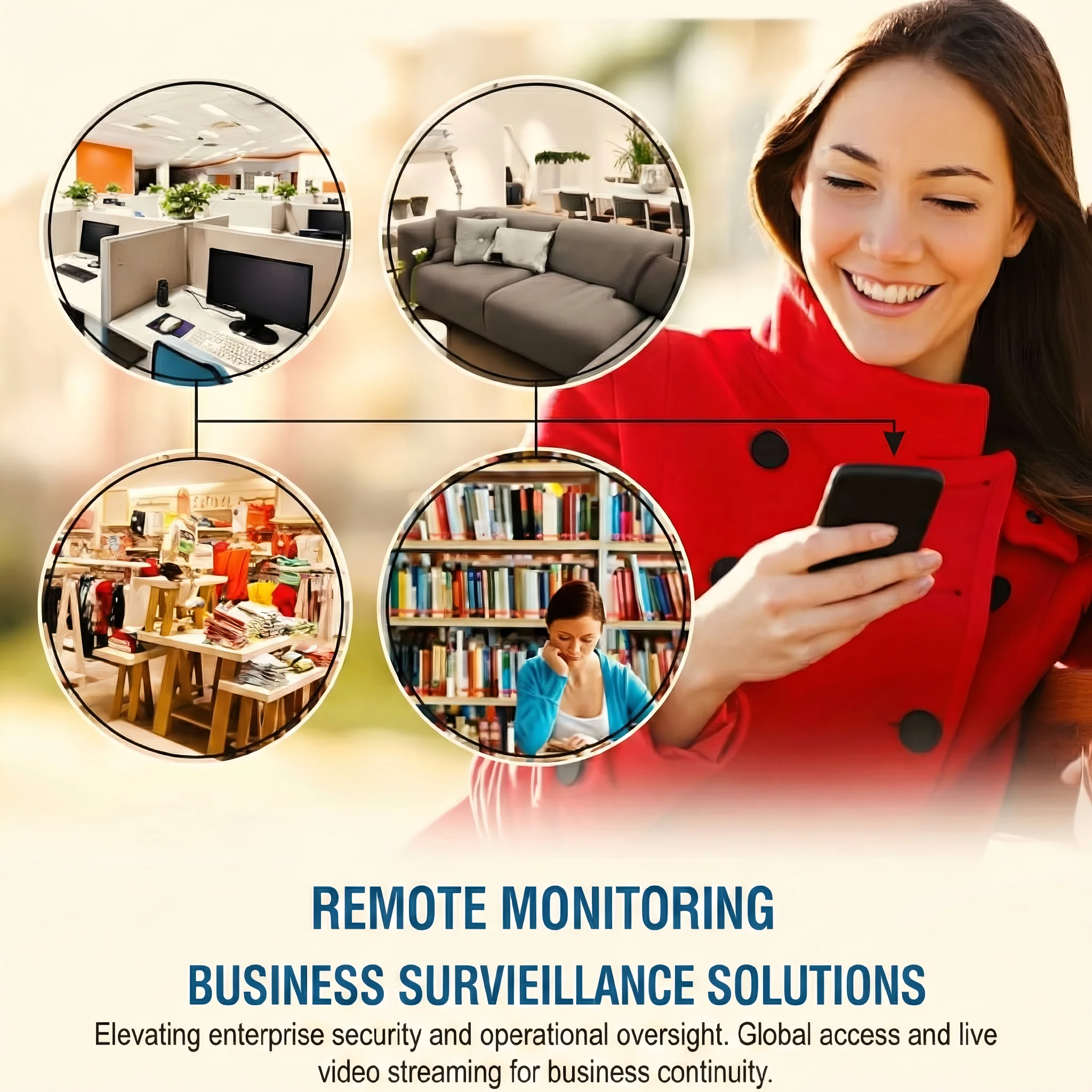
Key Takeaway: WiFi is fine for reviewing footage after the fact. 4G LTE lets you respond in real time — but it costs £10–£20/month and needs signal where you park.
| Feature | WiFi Camera | 4G LTE Camera |
|---|---|---|
| Remote live view | No — only within range | Yes — anywhere with signal |
| Motion alerts to phone | No | Yes |
| Cloud upload | No — SD card only | Yes (using mobile data) |
| Ongoing cost | None | £10–£20/month |
| Signal requirement | None (local WiFi) | Mobile signal at parking location |
| Best for | Private car owners | Fleet, high-risk parking, commercial use |
Which hidden car cameras are actually worth buying in 2026?
Based on specifications that matter — not marketing claims — here are the devices that hold up.
For most users: a USB charger camera with 1080p resolution, infrared night vision, and loop recording to a 64GB MicroSD card. It’s discreet, it’s powered continuously if your socket stays live, and it covers the cabin and the road through the windscreen.
For high-risk areas: a 4G LTE-enabled camera with motion detection and cloud upload. The ability to receive an alert when someone approaches your car, and to view the live feed immediately, changes the outcome — you can call the police while the incident is in progress rather than reviewing footage of a theft that’s already complete.
For fleet and commercial use: a hardwired camera with a low-voltage cutoff and 24/7 recording. Professional installation ensures the power is reliable, and the continuous footage gives you a complete record of each vehicle’s day.
For occasional use / multi-vehicle: a power bank camera that can be moved between cars. It’s not a permanent solution, but for someone who wants coverage in different vehicles on different days, portability matters.
The products in the QZT Security range include several models suitable for these scenarios, all with CE certification and the technical documentation required for UK and EU resale. For wholesalers, the combination of certification, UK/EU shipping, and technical support makes the difference between a one-off sale and a recurring supply relationship.
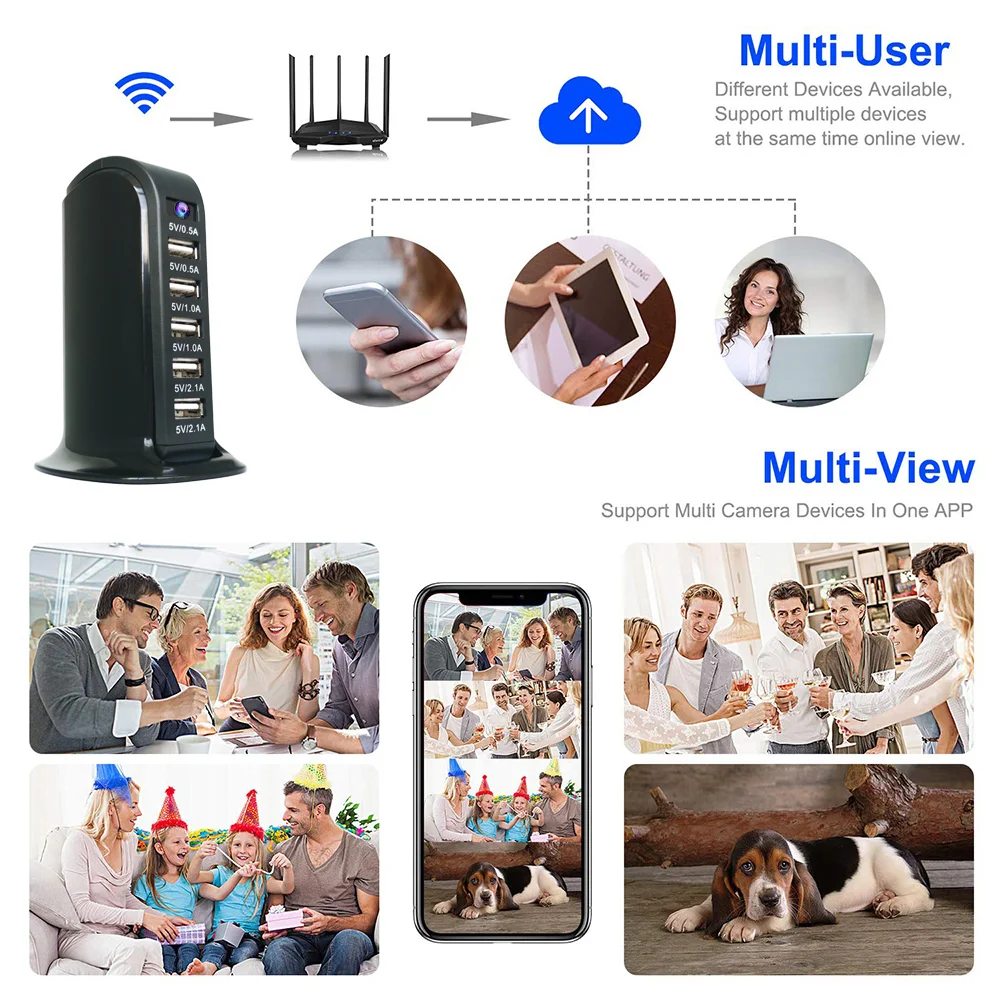
Key Takeaway: Match the camera to the use case. A USB charger camera for basic coverage, 4G LTE for real-time alerts, hardwired for commercial fleets, and power bank for portability.
| Use Case | Recommended Type | Key Specs | Approx. Cost |
|---|---|---|---|
| Basic theft deterrence | USB charger camera | 1080p, IR night vision, 64GB SD | £30–£60 |
| High-risk parking | 4G LTE camera | 1080p, motion alerts, cloud upload | £80–£150 + £15/month |
| Commercial fleet | Hardwired camera | 24/7 recording, low-voltage cutoff | £100–£200 + install |
| Multi-vehicle / portable | Power bank camera | 1080p, 10,000mAh battery | £40–£80 |
| Cabin + exterior | Mirror or dual-lens | 1080p front + 1080p cabin | £60–£120 |
How do you install a hidden car camera without damaging the vehicle?
The level of installation complexity depends on the form factor you’ve chosen.
Plug-and-play devices (USB charger, power bank, OBD-II) require no modification to the vehicle. They’re the right choice for leased vehicles, company cars, and anyone who wants to remove the camera when they sell the car.
Hardwired installations require tapping into the fuse box. A hardwire kit includes a fuse tap that goes into an existing fuse slot, a voltage cutoff module, and cable routing to the camera position. In most vehicles, this takes 1–2 hours for someone with basic electrical knowledge. Professional installation is recommended if you’re not confident with automotive electrics.
Route the cables carefully. Running cable along the windscreen edge, tucking it behind the headliner and A-pillar trim, keeps the installation discreet and prevents the cable from dangling where it distracts the driver.
Don’t obstruct the driver’s view. In the UK, mounting anything in the swept area of the windscreen wipers is an MOT failure and can result in a fine. Position the camera behind the rearview mirror — it’s the discreetest position and it’s legal.
For wholesalers, offering an installation guide or a recommended installer network in your market adds genuine value. Your customer gets the product and a clear path to a professional installation; you get fewer support calls and a higher likelihood of a repeat order.
FAQ
Can a hidden car camera record when the engine is off?
Only if it has an independent power source — either a battery, a power bank, or a connection to a fuse that stays live with the ignition off. Many hidden cameras are designed for exactly this scenario, but you need to check the power specification before buying.
Is it legal to record audio inside my car without telling passengers?
In the UK, it’s legally risky. Audio recording without consent can breach privacy laws, and the safest approach is to disable audio recording unless you have a specific and lawful reason. For rideshare and commercial passenger transport, informing passengers with a visible sticker is the minimum.
Will a hidden camera drain my car battery?
Not if it’s properly installed with a low-voltage cutoff. The cutoff disconnects the camera when the car battery falls below a set threshold (typically 11.8V), preserving enough charge to start the engine. Without a cutoff, yes — a continuously powered camera will drain the battery over several days.
What’s the best hiding spot for a car camera?
Behind the rearview mirror (for exterior view) or inside a USB charger in the 12V socket (for cabin view). Both are discreet, don’t obstruct the driver’s view, and don’t require drilling or permanent modification.
Do I need to tell my insurance company about a hidden car camera?
Generally, no — but if you’re making a claim and the footage is part of your evidence, you’ll need to provide it. Some insurers offer a discount for vehicles with security cameras; it’s worth asking.
If you’re a wholesaler or distributor supplying the UK or European market with in-car security and hidden camera equipment, contact QZT Security today. We provide CE-certified devices, technical documentation, and reliable supply — so your customers get equipment they can deploy confidently and lawfully.

 English
  Italiano
  Deutsch
  Français
  Español
  Polski