
Jaką ukrytą kamerę wybrać dla bezpieczeństwa samochodu w 2026?
Kradzieże samochodów i włamania gwałtownie wzrosły w brytyjskich miastach w ciągu ostatnich dwóch lat, a standardowe wideorejestratory nie obejmują każdego scenariusza. Ukryta kamera wewnątrz pojazdu zapewnia ciągłe monitorowanie, gdy samochód jest zaparkowany, rejestruje zdarzenia, które umyka wideorejestratorowi skierowanemu do przodu, i dostarcza dowodów, na podstawie których firmy ubezpieczeniowe faktycznie podejmują działania. Oto, na co zwrócić uwagę i które urządzenia warto zainstalować w 2026 roku.
Dlaczego kierowcy instalują ukryte kamery w swoich samochodach?
Widoczna kamera samochodowa odstrasza niektórych złodziei, ale też dokładnie wskazuje im, gdzie szukać, jeśli są zdeterminowani. Ukryta kamera, odpowiednio umieszczona, nagrywa to, co dzieje się, gdy Cię nie ma, a widoczny odstraszacz nie wystarcza.
Stłuczki na parkingu i ucieczki z miejsca zdarzenia to najczęstsze przyczyny. Wracasz do samochodu, jest świeża rysa lub wgniecenie, a żadnej kartki nie ma. Dyskretna kamera nagrywająca przy uderzeniu lub ruchu daje ci tablicę rejestracyjną, a czasem twarz kierowcy.
Jest jeszcze monitoring wnętrza. Jeśli zostawiasz w pojeździe narzędzia, elektronikę lub towar, ukryta kamera skierowana na kabinę pozwala zdalnie sprawdzić, czy coś zostało naruszone — pod warunkiem że masz połączenie mobilne z urządzeniem.
W firmowych flotach ukryte kamery w kabinie pełnią podwójną funkcję: rejestrują próby kradzieży oraz dostarczają zapis w przypadku sporu dotyczącego tego, co wydarzyło się podczas dostawy lub interakcji z pasażerem.
Oto co większość ludzi robi źle: myślą, że wystarczy jakakolwiek tania mini kamera. Nie wystarczy. Różnica między urządzeniem, które daje użyteczny dowód, a takim, które daje rozmazany, ciemny, nie do obejrzenia klip, sprowadza się do trzech rzeczy — jakości sensora, noktowizji i sposobu zasilania urządzenia.
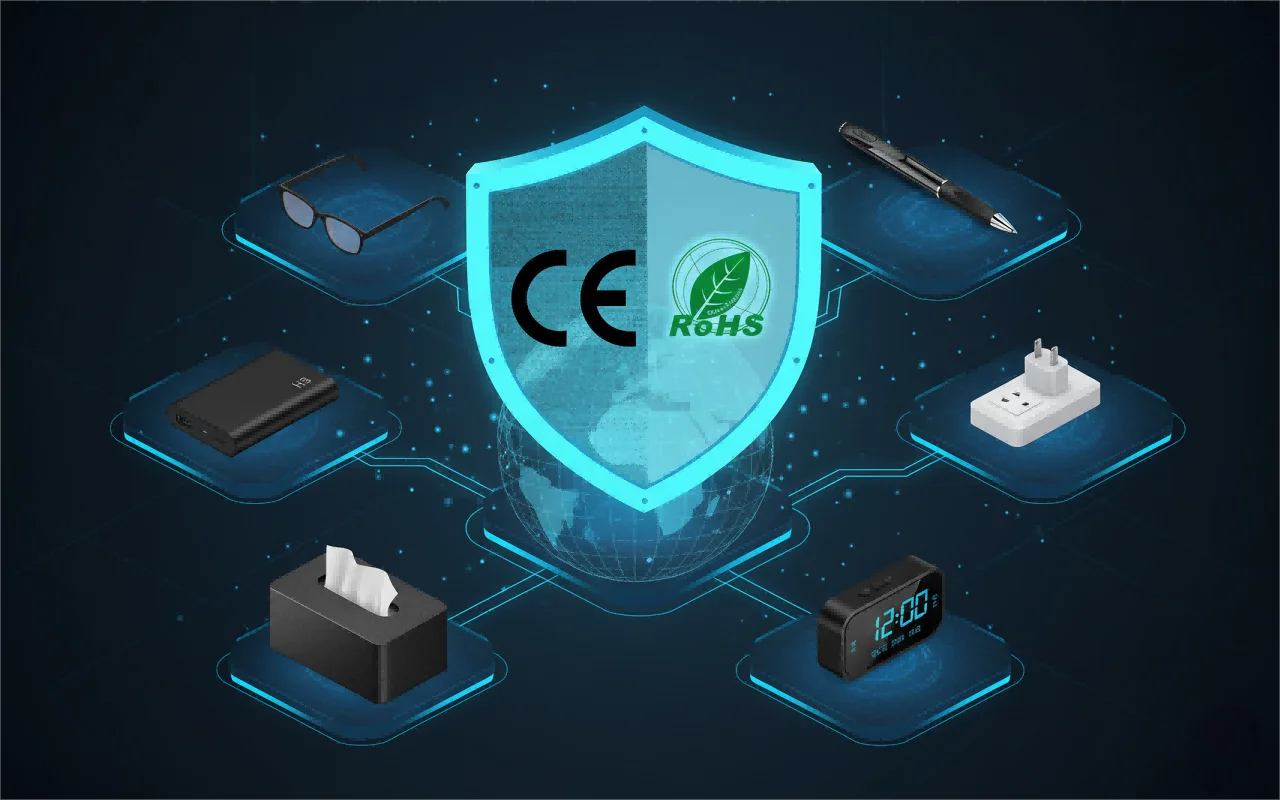
Jeśli pozyskujesz sprzęt do odsprzedaży lub instalacji dla klientów, QZT Security oferuje ukryte kamery z certyfikatem CE odpowiednie do montażu w pojazdach, wraz z dokumentacją potrzebną Twoim klientom do zgodności z przepisami Wielkiej Brytanii i UE.
Które funkcje techniczne są najważniejsze w ukrytej kamerze samochodowej?
Trzy specyfikacje decydują o tym, czy kamera jest naprawdę przydatna, czy tylko zajmuje miejsce.
Rozdzielczość jest oczywistym wyborem. 1080p to praktyczne minimum do odczytania tablicy rejestracyjnej z zaparkowanej pozycji. 2K (1440p) zapewnia istotne dodatkowe szczegóły, szczególnie na odległościach powyżej 20 stóp. 4K to przesada dla większości użytkowników, ale cenne, jeśli obejmujesz szeroki obszar parkingowy lub musisz identyfikować zarówno twarze, jak i tablice.
Noktowizja to miejsce, w którym większość budżetowych kamer zawodzi. Szukaj czujników z dużymi aperturami (F1.8 lub lepszymi) i diod IR, które nie emitują czerwonej poświaty widocznej dla ludzkiego oka. Czujniki „Starlight” (Sony Starvis i odpowiedniki) rejestrują użyteczne kolorowe wideo w oświetleniu miejskim — nie tylko monochromatyczne — co pomaga w identyfikacji kolorów pojazdów i odzieży.
Moc to najtrudniejszy problem w instalacji samochodowej. Wbudowana bateria wyczerpie się w ciągu 4–8 godzin, chyba że kamera ma bardzo niski pobór mocy, co nie dotyczy większości. Podłączenie przewodowe do skrzynki bezpieczników samochodu zapewnia ciągłe zasilanie, ale wymaga profesjonalnego montażu. Podłączenie do stałego gniazda 12V to kompromis, który wybiera większość użytkowników.
| Cecha | Minimalne akceptowalne | Polecane | Dlaczego to ważne |
|---|---|---|---|
| Rozdzielczość | 1080p | 2K (1440p) | Odczyt tablicy z odległości |
| Noktowizja | Diody IR LED | Sensor Starlight (F1.8 lub lepszy) | Większość incydentów ma miejsce w nocy |
| Moc | Bateria 8 godz. | Podłączenie na stałe do skrzynki bezpieczników | Continuous coverage |
| Składowanie | 32GB MicroSD | 128GB+ MicroSD | Nagrywanie zapętlone przez 3–7 dni |
| Łączność | Brak (tylko SD) | 4G LTE lub WiFi | Zdalny podgląd i alerty |
Kluczowy wniosek: Rozdzielczość, noktowizja i zasilanie to trzy kluczowe parametry, od których wszystko zależy. Kamera, która nie widzi w nocy albo rozładowuje się po 6 godzinach, nie chroni Twojego samochodu.
Które formaty ukrytych kamer sprawdzają się najlepiej w pojazdach?
Słowo „ukryta” w specyfikacji ma znaczenie. Kamera, która wygląda jak kamera, nie jest tym, czego szuka większość ludzi.
Aparaty z ładowarką USB siedzą w gniazdku 12V i nagrywają przez mały obiektyw na przedniej ściance. Są dyskretne, ponieważ każdy samochód i tak ma ładowarkę w gniazdku. Wada: widok jest ograniczony do tego, na co skierowana jest ładowarka, a zasilanie zależy od tego, czy gniazdko pozostaje aktywne przy wyłączonym zapłonie.
Kamery w lusterku wstecznym zastępują lub nakładają się na istniejące lusterko. Są dyskretne z zewnątrz pojazdu — kamera wygląda jak część zespołu lusterka — ale są widoczne od wewnątrz. Dobre do jednoczesnego nagrywania kabiny i drogi przed pojazdem.
Kamery z portem OBD-II podłącza się do portu diagnostycznego, który w większości nowoczesnych pojazdów pozostaje zasilany nawet przy wyłączonym silniku. Są naprawdę ukryte i mają ciągłe zasilanie, ale pole widzenia jest ograniczone przez umiejscowienie portu.
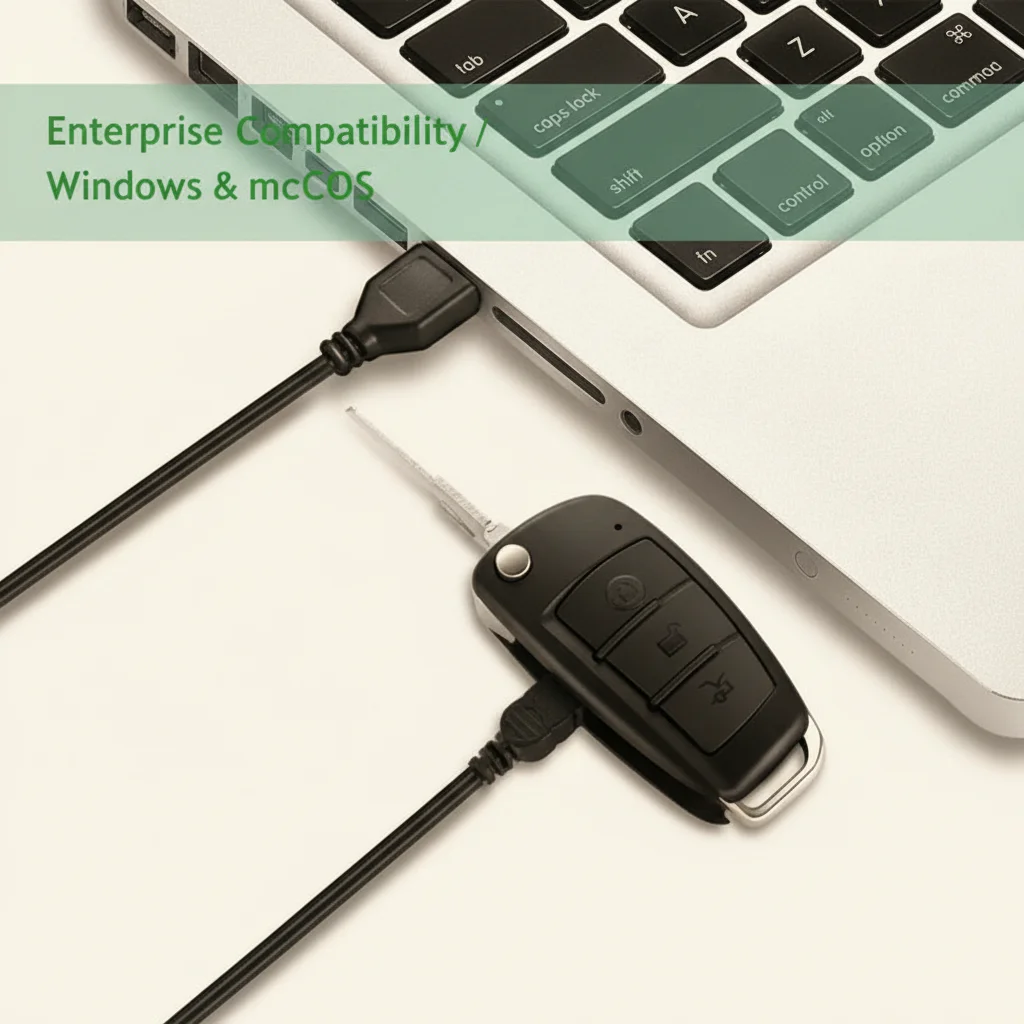
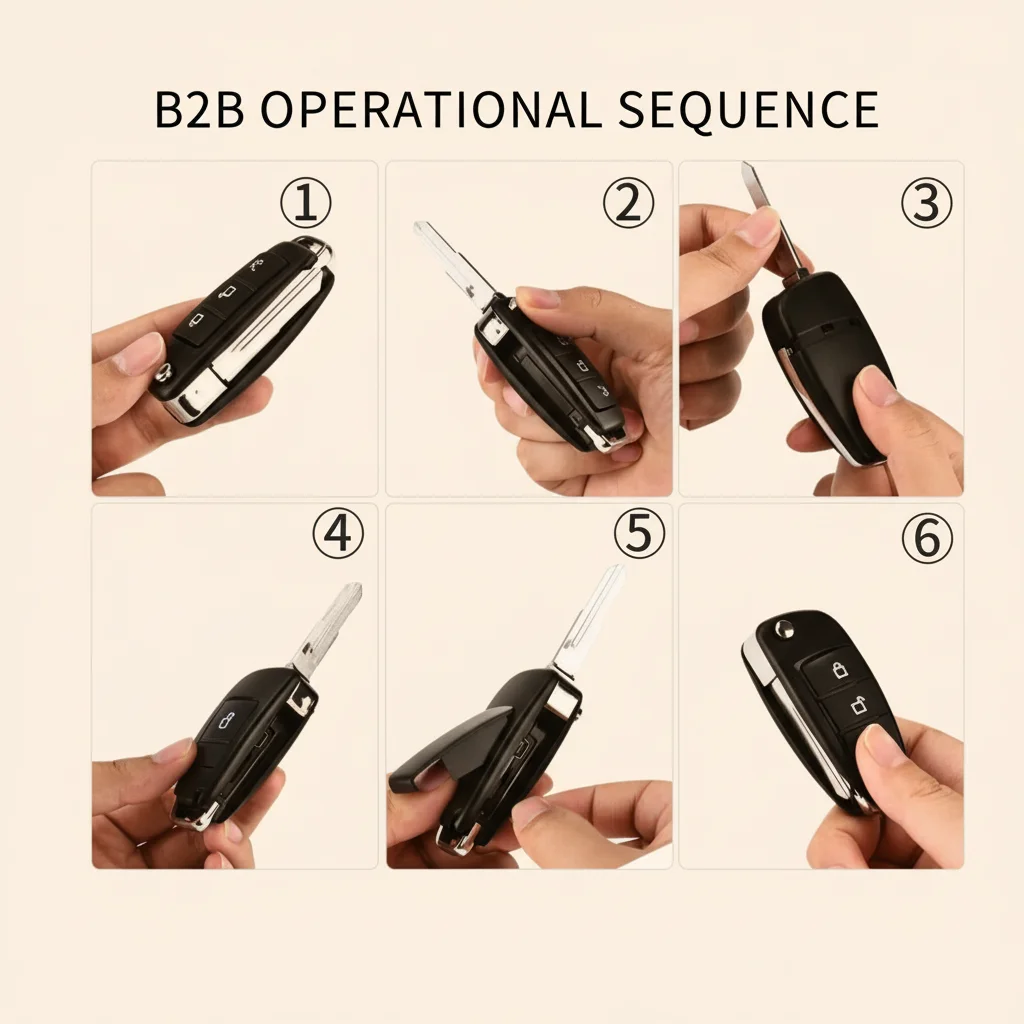
Kamery w breloczku do kluczy są wystarczająco małe, aby pozostawić je na desce rozdzielczej lub osłonie przeciwsłonecznej. Wyglądają jak kluczyk samochodowy i nagrywają przez obiektyw otworkowy. Forma jest pomysłowa, ale żywotność baterii pozostaje czynnikiem ograniczającym.
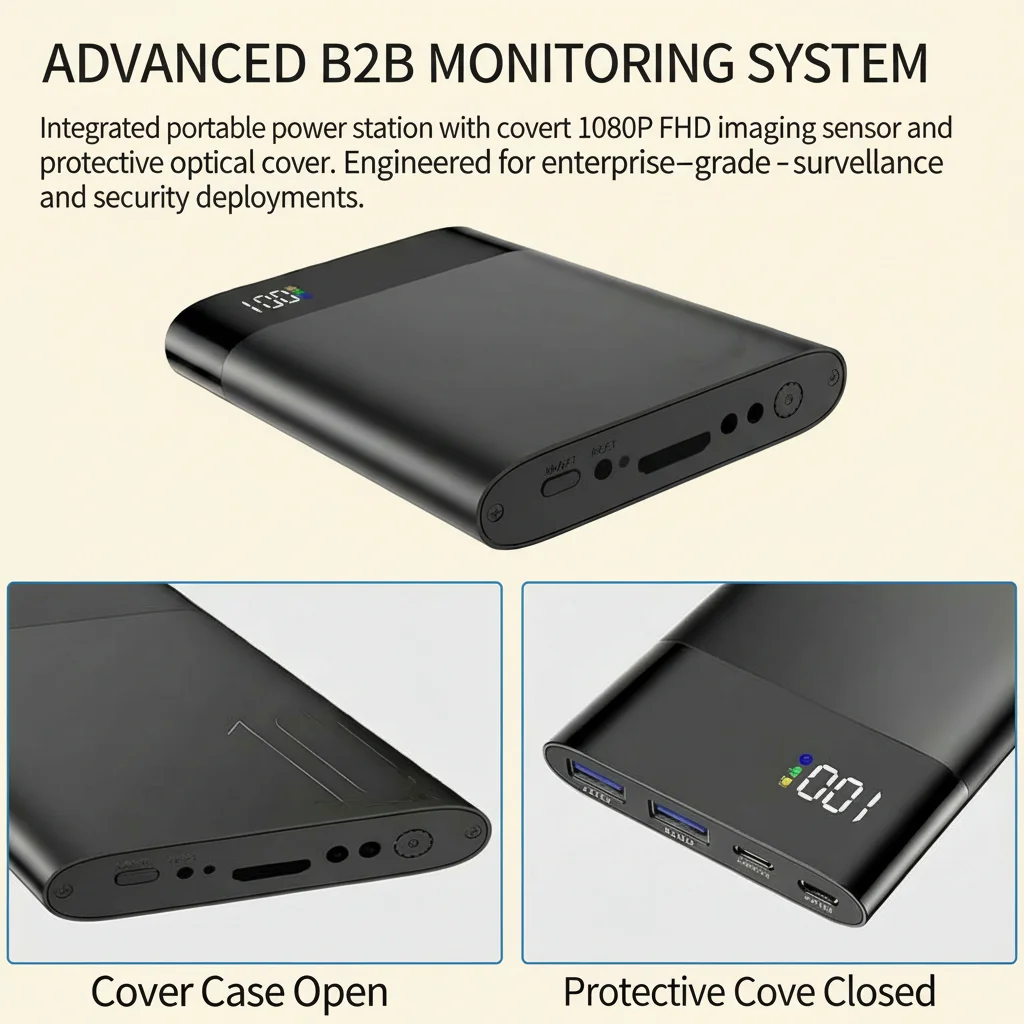
Kamery Power Bank — ukryta kamera wewnątrz czegoś, co wygląda jak przenośna ładowarka — można umieścić w dowolnym miejscu w kabinie i przenosić między pojazdami. Są popularne wśród kierowców rideshare i flot dostawczych, ponieważ są przenośne i nie wymagają instalacji.
The Moduł kamery WiFi C10 od QZT Security wykorzystuje podobną dyskretną formę: kompaktowa, połączona z WiFi i odpowiednia do niestandardowej instalacji wewnątrz pojazdu. Dla hurtowników dostarczających na rynki brytyjski i europejskie takie urządzenia trafiają w sedno: dyskretne, certyfikowane i możliwe do zainstalowania bez trwałych modyfikacji.
Kluczowy wniosek: Formy ładowarki USB i power banku są najbardziej praktyczne dla większości użytkowników — są dyskretne, przenośne i nie wymagają wiercenia ani okablowania.
| Współczynnik kształtu | Dyskrecja | Moc | Instalacja |
|---|---|---|---|
| Aparat z ładowarką USB | Wysoka — wygląda jak ładowarka do telefonu | Zależne od gniazda; może się wyłączyć po wyłączeniu zapłonu | Plug and play |
| Kamera w lusterku wstecznym | Średnia — widoczna z wnętrza | Podłączenie bezpośrednie zalecane | Preferowana profesjonalna instalacja |
| Kamera portu OBD-II | Wysoka — całkowicie ukryta | Ciągłe (port pozostaje zasilany) | Podłącz do portu OBD |
| Kamera z kluczykiem | Wysoka — wygląda jak kluczyk samochodowy | Ograniczony przez baterię (4–8 godzin) | Umieść i działaj |
| Kamera z power banku | Wysoka — wygląda jak ładowarka przenośna | Bateria (8–12 h) lub ładowanie USB | Portable; brak instalacji |
Jak zapewnić ciągłe zasilanie ukrytej kamery samochodowej?
To jest najtrudniejsza część instalacji w samochodzie. Kamera, która wyłącza się po wyczerpaniu baterii, nie jest szczególnie przydatna w zapobieganiu kradzieży.
Podłączenie bezpośrednie do skrzynki bezpieczników jest właściwym rozwiązaniem. Zestaw hardwire podłącza kamerę do bezpiecznika, który jest zawsze aktywny lub sterowany przez stacyjkę, w zależności od potrzeby trybu parkingowego. Zestaw zawiera wyłącznik niskiego napięcia, który odłącza kamerę przed wyczerpaniem baterii samochodu — jest to kluczowe, aby nie wrócić do samochodu, który nie chce ruszyć.
Podejście z gniazdem 12V działa tylko jeśli gniazdko pozostaje zasilane po wyłączeniu zapłonu. Wiele samochodów odłącza zasilanie gniazdka po wyjęciu kluczyka; inne (zwłaszcza starsze pojazdy) pozostawiają go stale zasilane. Sprawdź swoje przed zastosowaniem tej metody.
Dedykowany power bank Akumulator o mocy 10 000 mAh lub większej może zasilać kamery o niskim poborze energii przez 24–48 godzin ciągłego działania. Wadą jest konieczność ponownego ładowania, więc nie jest to rozwiązanie typu “zainstaluj i zapomnij”.
Zasilanie OBD-II jest eleganckie: port jest już dostępny, jest zasilany i nie wymaga okablowania. Ograniczeniem jest lokalizacja portu w samochodzie, która może nie być idealnym miejscem dla kamery.
Dla hurtowników i instalatorów, oferowanie zestawu do podłączenia bezpośrednio jako części pakietu produktowego ułatwia sprzedaż — klient otrzymuje wszystko, co potrzebuje, w jednym zakupie, a Ty nie musisz odpowiadać na pytania dotyczące tego, dlaczego kamera ciągle się wyłącza.
Kluczowy wniosek: Podłączenie bezpośrednio z odcięciem niskiego napięcia jest jedynym sposobem na zapewnienie pełnej ochrony 24/7. Każda inna metoda wymaga kompromisu w zakresie żywotności baterii lub dostępności gniazdka.
| Sposób zasilania | Ciągła Ochrona | Trudność montażu | Koszt |
|---|---|---|---|
| Podłączenie na stałe do skrzynki bezpieczników | Tak (z funkcją odcięcia przy niskim napięciu) | Średnia — wymagana wiedza elektryczna | 50–100 GBP (instalacja profesjonalna) |
| Gniazdo 12V (ciągle zasilane) | Tak | Brak — podłącz | 0–10 GBP (adapter) |
| Gniazdo 12V (zasilane przez stacyjkę) | Nie — wyłącza się po zgaszeniu samochodu | Nic | £0 |
| Power bank (10 000 mAh) | 24–48 godzin | Brak — umieść i ładowaj | £15–£30 |
| Port OBD-II | Tak (większość pojazdów) | Brak — podłącz | £0–£20 (kabel adapterowy) |
Jakie są przepisy prawne dotyczące kamer w samochodach w Wielkiej Brytanii i Europie?
Uwagi prawne dzielą się na dwie kategorie: nagrywanie wideo i nagrywanie audio.
Nagrywanie wideo Nagrywanie tego, co dzieje się na zewnątrz samochodu, jest legalne w Wielkiej Brytanii i całej UE. Kamery samochodowe ustaliły ten precedens — nagrywanie odbywa się z miejsca publicznego, a na drodze publicznej nie można oczekiwać prywatności.
Nagrywanie dźwięku to właśnie tutaj można napotkać problemy. W Wielkiej Brytanii nagrywanie rozmów bez zgody może naruszać Regulation of Investigatory Powers Act (RIPA) w pewnych sytuacjach. Wiele kamer pokładowych i ukrytych domyślnie nagrywa audio, warto tę funkcję wyłączyć, jeśli nie jesteś pewny legalności.
Nagrywanie wnętrza — kamera nagrywająca wnętrze kabiny — jest bardziej delikatna. Jeśli jesteś kierowcą rideshare lub przewozisz pasażerów, osoby te mają uzasadnione oczekiwanie prywatności. Informowanie ich (naklejka na drzwiach, zapis w regulaminie) jest minimum; uzyskanie wyraźnej zgody jest bezpieczniejsze.
GDPR i ochrona danych obowiązują, jeśli nagranie zawiera możliwe do zidentyfikowania osoby (a tak będzie). Podstawą prawną są zwykle „uzasadnione interesy” — ochrona mienia — ale powinieneś mieć prostą politykę, która wyjaśnia każdemu, kto zapyta, co robisz z nagraniem i jak długo je przechowujesz.
W Niemczech, zasady są surowsze. Wideorejestratory są legalne, ale podlegają ścisłej minimalizacji danych — nie należy przechowywać nagrań dłużej niż to konieczne i nie należy nagrywać więcej, niż potrzeba do celów dowodowych dla ubezpieczyciela. Ukryte kamery wewnątrz prywatnego pojazdu to bardziej szara strefa i mogą wymagać silniejszego uzasadnienia.
Dla hurtowników dystrybuujących do UE te różnice prawne mają znaczenie. Twoi klienci muszą wiedzieć, że to, co jest legalne w Wielkiej Brytanii, może nie być legalne w Niemczech czy Francji. Dostarczanie urządzenia z wyraźnym zastrzeżeniem prawnym i dokumentacją instruktażową stanowi realną wartość dodaną.
Kluczowy wniosek: Nagrywanie wideo z zewnątrz jest legalne; nagrywanie dźwięku i filmowanie wnętrza to obszary, w których koncentruje się ryzyko prawne. Wyłącz dźwięk, chyba że masz pewność co do przepisów w swojej jurysdykcji.
| Jurysdykcja | Wideo z zewnątrz | Wideo z wnętrza | Nagrywanie dźwięku | Kluczowe ograniczenie |
|---|---|---|---|---|
| UK | Legalne | Poinformuj pasażerów | Ryzykowne — wyłącz, jeśli nie masz pewności | RODO ma zastosowanie do nagrań umożliwiających identyfikację |
| Niemcy | Zgodne z prawem (z minimalizacją danych) | Surowsze — wymagany uzasadniony cel | Ogólnie unikać | Rygorystycznie egzekwowana minimalizacja danych |
| Francja | Legalne | Poinformuj pasażerów | Wymaga zgody nagrywanych osób | Zastosowanie mają wytyczne CNIL |
| Włochy | Legalne | Poinformuj nagrane osoby | Zalecana zgoda | Aktywne egzekwowanie przez Garante |
Jak wypada ukryta kamera 4G LTE w porównaniu z WiFi?
Łączność decyduje o tym, co możesz zrobić z nagraniem, gdy nie ma Cię przy samochodzie.
Kamery WiFi łączą się ze smartfonem w zasięgu (zwykle 10–30 metrów). Nadają się do przeglądania nagrań, gdy wrócisz do samochodu, ale nie pozwalają na zdalne sprawdzenie. Jeśli ktoś włamie się do twojego samochodu, gdy jesteś w domu, nie dowiesz się, dopóki nie wrócisz.
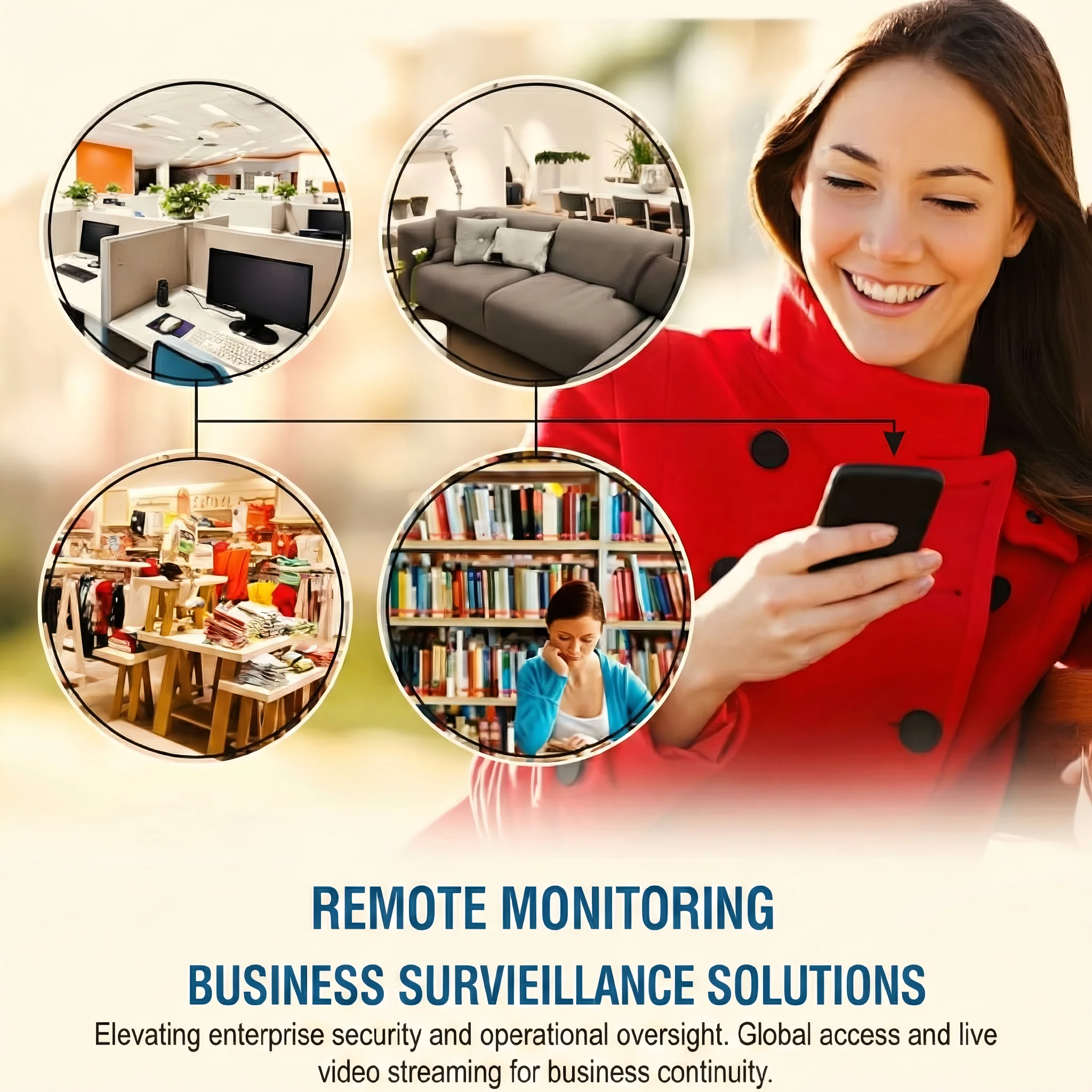
Kamery 4G LTE wykorzystują kartę SIM i plan danych (zwykle 10–20 funtów miesięcznie). Wysyłają powiadomienia na telefon, gdy wykryty zostanie ruch, pozwalają oglądać transmisję na żywo z dowolnego miejsca i mogą automatycznie przesyłać klipy do chmury.
Kompromisem są stałe koszty oraz fakt, że karta SIM potrzebuje sygnału w miejscu parkowania samochodu. Podziemny parking lub odległa lokalizacja nie będą miały sygnału, a kamera 4G staje się wtedy tylko drogą kamerą z kartą SD.
Dla większości prywatnych właścicieli samochodów WiFi jest wystarczające — przeglądasz nagrania po zdarzeniu, a nie monitorujesz auto w czasie rzeczywistym. Dla operatorów flot, firm kurierskich i wszystkich parkujących w obszarach wysokiego ryzyka łączność 4G to różnica między natychmiastową wiedzą o incydencie a dowiedzeniem się o nim trzy dni później.
W QZT Security dostarczamy urządzenia z obiema opcjami łączności, aby hurtownicy mogli dopasować właściwy produkt do zastosowania klienta. Nie każdy potrzebuje 4G, a sprzedawanie go komuś, kto go nie potrzebuje, tylko stworzy problem wsparcia technicznego, gdy klient zda sobie sprawę, że płaci za dane, których nie wykorzystuje.
Kluczowy wniosek: WiFi wystarcza do przeglądania nagrań po fakcie. 4G LTE pozwala reagować w czasie rzeczywistym — ale kosztuje 10–20 funtów miesięcznie i wymaga sygnału w miejscu parkowania.
| Cecha | Kamera WiFi | Kamera 4G LTE |
|---|---|---|
| Zdalny podgląd na żywo | Nie — tylko w zasięgu | Tak — wszędzie tam, gdzie jest sygnał |
| Powiadomienia o ruchu na telefon | NIE | Tak |
| Przesyłanie do chmury | Nie — tylko karta SD | Tak (przy użyciu danych mobilnych) |
| Koszty bieżące | Nic | 10–20 £/miesiąc |
| Wymagania dotyczące sygnału | Brak (lokalne WiFi) | Sygnał sieci komórkowej w miejscu parkowania |
| Najlepsze dla | Prywatni właściciele samochodów | Flota, parkowanie wysokiego ryzyka, zastosowania komercyjne |
Które ukryte kamery samochodowe naprawdę warto kupić w 2026 roku?
W oparciu o istotne parametry — a nie twierdzenia marketingowe — oto urządzenia, które się sprawdzają.
Dla większości użytkowników: ładowarka USB z ukrytą kamerą o rozdzielczości 1080p, z podczerwoną noktowizją i nagrywaniem zapętloną na kartę MicroSD 64GB. Jest dyskretna, zasilana w sposób ciągły, jeśli gniazdo pozostaje aktywne, i obejmuje kabinę oraz drogę przez przednią szybę.
Dla obszarów wysokiego ryzyka: kamera z obsługą 4G LTE z detekcją ruchu i przesyłaniem do chmury. Możliwość otrzymania powiadomienia, gdy ktoś zbliża się do twojego samochodu, i natychmiastowego obejrzenia transmisji na żywo zmienia wynik — możesz zadzwonić na policję, gdy incydent trwa, zamiast przeglądać nagranie kradzieży, która już się dokonała.
Do zastosowań flotowych i komercyjnych: kamera przewodowa z odcięciem niskiego napięcia i nagrywaniem 24/7. Profesjonalna instalacja zapewnia niezawodne zasilanie, a ciągłe nagranie daje pełny zapis dnia każdego pojazdu.
Do okazjonalnego użytku / wielu pojazdów: kamera w power banku, którą można przenosić między samochodami. To nie jest stałe rozwiązanie, ale dla kogoś, kto chce mieć nadzór w różnych pojazdach w różne dni, przenośność ma znaczenie.
Produkty w Asortyment QZT Security obejmują kilka modeli odpowiednich do tych scenariuszy, wszystkie z certyfikatem CE i dokumentacją techniczną wymaganą do odsprzedaży w Wielkiej Brytanii i UE. Dla hurtowników połączenie certyfikacji, wysyłki do Wielkiej Brytanii/UE i wsparcia technicznego stanowi różnicę między jednorazową sprzedażą a stałą relacją dostawczą.
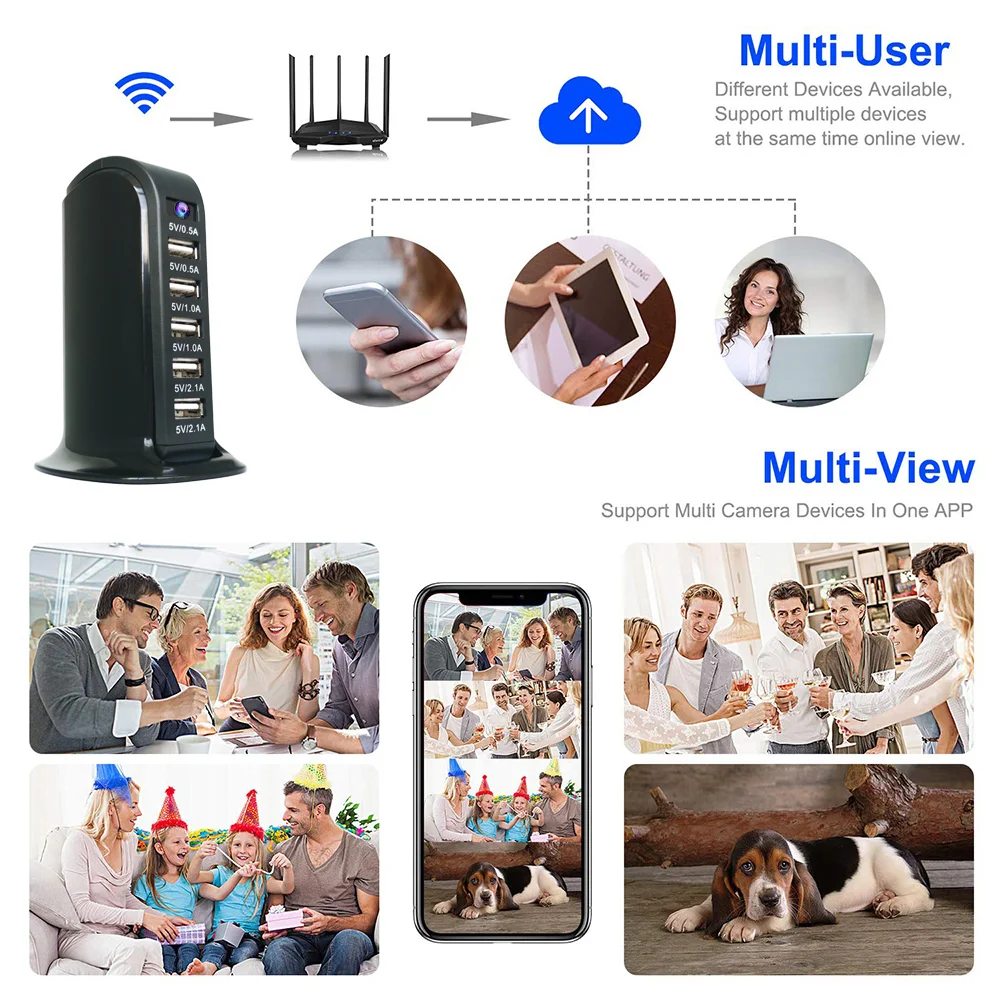
Kluczowy wniosek: Dopasuj kamerę do zastosowania. Kamera w ładowarce USB do podstawowego nadzoru, 4G LTE do powiadomień w czasie rzeczywistym, przewodowa do flot komercyjnych, a power bank do przenośności.
| Zastosowanie | Zalecany typ | Kluczowe specyfikacje | Przybliżony koszt |
|---|---|---|---|
| Podstawowe odstraszanie złodziei | Aparat z ładowarką USB | 1080p, noktowizja IR, karta SD 64GB | £30–£60 |
| Parkowanie wysokiego ryzyka | Kamera 4G LTE | 1080p, alerty ruchu, przesyłanie do chmury | £80–£150 + £15/miesiąc |
| Flota komercyjna | Kamera przewodowa | Nagrywanie 24/7, odcięcie przy niskim napięciu | £100–£200 + montaż |
| Do wielu pojazdów / przenośne | Kamera z power banku | 1080p, akumulator 10 000 mAh | £40–£80 |
| Kabina + na zewnątrz | Lusterko lub podwójny obiektyw | 1080p przód + 1080p kabina | £60–£120 |
Jak zamontować ukrytą kamerę samochodową bez uszkodzenia pojazdu?
Poziom złożoności instalacji zależy od wybranej formy urządzenia.
Urządzenia plug-and-play (ładowarka USB, power bank, OBD-II) nie wymagają modyfikacji pojazdu. To właściwy wybór dla pojazdów leasingowanych, samochodów służbowych i każdego, kto chce zdemontować kamerę przy sprzedaży auta.
Instalacje przewodowe wymagają podłączenia do skrzynki bezpieczników. Zestaw do stałego podłączenia zawiera adapter bezpiecznika, który wchodzi w istniejące gniazdo bezpiecznika, moduł odcięcia napięcia oraz prowadzenie kabla do miejsca montażu kamery. W większości pojazdów zajmuje to 1–2 godziny osobie z podstawową wiedzą elektryczną. Zalecany jest profesjonalny montaż, jeśli nie czujesz się pewnie w elektryce samochodowej.
Poprowadź kable ostrożnie. Prowadzenie kabla wzdłuż krawędzi szyby przedniej, schowanego za podsufitką i osłoną słupka A, zapewnia dyskretny montaż i zapobiega zwisaniu kabla, który rozprasza kierowcę.
Nie zasłaniaj widoku kierowcy. W Wielkiej Brytanii montaż czegokolwiek w obszarze pracy wycieraczek szyby przedniej skutkuje negatywnym wynikiem badania MOT i może grozić mandatem. Umieść kamerę za lusterkiem wstecznym — to najbardziej dyskretna i legalna pozycja.
Dla hurtowników oferowanie instrukcji montażu lub sieci polecanych instalatorów na swoim rynku to realna wartość dodana. Klient otrzymuje produkt i jasną ścieżkę do profesjonalnego montażu; Ty masz mniej zgłoszeń do wsparcia i większą szansę na ponowne zamówienie.
Często zadawane pytania
Czy ukryta kamera samochodowa może nagrywać przy wyłączonym silniku?
Tylko jeśli ma niezależne źródło zasilania — albo akumulator, albo power bank, albo podłączenie do bezpiecznika, który pozostaje aktywny przy wyłączonym zapłonie. Wiele ukrytych kamer jest zaprojektowanych właśnie do tego scenariusza, ale przed zakupem należy sprawdzić specyfikację zasilania.
Czy nagrywanie dźwięku w samochodzie bez informowania pasażerów jest legalne?
W Wielkiej Brytanii jest to ryzykowne prawnie. Nagrywanie dźwięku bez zgody może naruszać przepisy o ochronie prywatności, a najbezpieczniejszym podejściem jest wyłączenie nagrywania dźwięku, chyba że masz konkretny i zgodny z prawem powód. W przypadku przewozu osób i komercyjnego transportu pasażerskiego minimum to poinformowanie pasażerów za pomocą widocznej naklejki.
Czy ukryta kamera rozładuje akumulator samochodu?
Nie, jeśli jest prawidłowo zainstalowana z odcięciem niskiego napięcia. Odcięcie odłącza kamerę, gdy napięcie akumulatora spadnie poniżej ustalonego progu (zwykle 11,8 V), zachowując wystarczający ładunek do uruchomienia silnika. Bez odcięcia – tak, stale zasilana kamera rozładuje akumulator w ciągu kilku dni.
Jakie jest najlepsze miejsce ukrycia kamery samochodowej?
Za lusterkiem wstecznym (widok na zewnątrz) lub wewnątrz ładowarki USB w gniazdku 12V (widok kabiny). Oba rozwiązania są dyskretne, nie zasłaniają pola widzenia kierowcy i nie wymagają wiercenia ani trwałych modyfikacji.
Czy muszę poinformować ubezpieczyciela o ukrytej kamerze samochodowej?
Generally, no — but if you’re making a claim and the footage is part of your evidence, you’ll need to provide it. Some insurers offer a discount for vehicles with security cameras; it’s worth asking.
Jeśli jesteś hurtownikiem lub dystrybutorem zaopatrującym rynek brytyjski lub europejski w sprzęt do zabezpieczeń samochodowych i ukryte kamery, Skontaktuj się z QZT Security już dziś. Dostarczamy urządzenia certyfikowane CE, dokumentację techniczną i niezawodne dostawy — aby klienci otrzymali sprzęt, który mogą zastosować pewnie i legalnie.

 English
  Italiano
  Deutsch
  Français
  Español
  Polski