
Was ist die beste verdeckte Kamera für Auto-Sicherheit in 2026?
Autodiebstähle und Einbrüche in britische Städte sind in den letzten zwei Jahren stark angestiegen, und Standard-Dashcams decken nicht jedes Szenario ab. Eine versteckte Kamera in Ihrem Fahrzeug bietet Ihnen kontinuierliche Überwachung, wenn das Auto geparkt ist, zeichnet Vorfälle auf, die eine nach vorne gerichtete Dashcam verpasst, und liefert Beweise, auf die Versicherungen tatsächlich reagieren. Hier erfahren Sie, worauf Sie achten sollten und welche Geräte sich 2026 lohnen zu installieren.
Warum installieren Fahrer versteckte Kameras in ihren Autos?
Eine sichtbare Dashcam schreckt manche Diebe ab, zeigt ihnen aber auch genau, wo sie suchen müssen, wenn sie entschlossen sind. Eine versteckte Kamera, richtig positioniert, zeichnet auf, was passiert, wenn Sie nicht da sind und die sichtbare Abschreckung nicht ausreicht.
Parkrempler und Unfallfluchten sind die häufigsten Auslöser. Sie kommen zu Ihrem Auto zurück, es gibt einen frischen Kratzer oder eine Delle, und keine Nachricht. Eine diskrete Kamera, die bei Aufprall oder Bewegung aufzeichnet, liefert Ihnen das Kennzeichen und manchmal das Gesicht des Fahrers.
Dann gibt es noch die Innenraumüberwachung. Wenn Sie Werkzeuge, Elektronik oder Waren in Ihrem Fahrzeug lassen, können Sie mit einer auf den Innenraum gerichteten versteckten Kamera aus der Ferne prüfen, ob etwas gestört wurde – vorausgesetzt, Sie haben eine mobile Verbindung zum Gerät.
Für Firmenflotten erfüllen versteckte Innenraumkameras einen doppelten Zweck: Sie zeichnen Diebstahlversuche auf und liefern einen Nachweis bei Streitigkeiten über Vorfälle während einer Lieferung oder einer Fahrgastinteraktion.
Hier ist, was die meisten falsch machen: Sie denken, jede billige Mini-Kamera reicht aus. Das tut sie nicht. Der Unterschied zwischen einem Gerät, das Ihnen verwertbare Beweise liefert, und einem, das Ihnen einen verschwommenen, dunklen, unansehnlichen Clip liefert, hängt von drei Dingen ab — Sensorqualität, Nachtsicht und der Stromversorgung des Geräts.
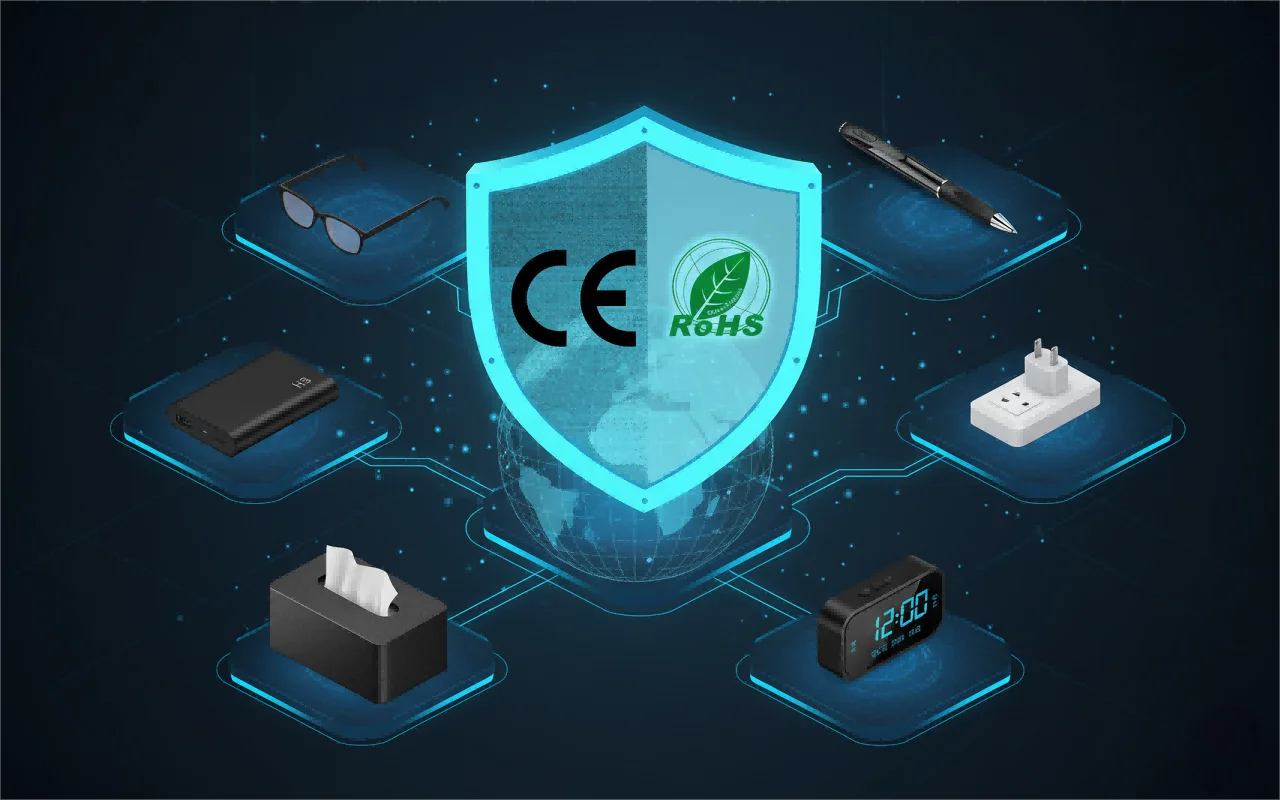
Wenn Sie Ausrüstung zum Weiterverkauf oder zur Installation für Kunden beschaffen, QZT Security führt CE-zertifizierte versteckte Kameras, die für den Fahrzeugeinsatz geeignet sind, mit der Dokumentation, die Ihre Kunden für die Konformität mit UK- und EU-Vorschriften benötigen.
Welche technischen Merkmale sind bei einer versteckten Auto-Kamera am wichtigsten?
Drei Spezifikationen entscheiden darüber, ob eine Kamera tatsächlich nützlich oder nur Platzverschwendung ist.
Auflösung ist die naheliegende Wahl. 1080p ist das praktische Minimum, um ein Nummernschild aus einer geparkten Position zu lesen. 2K (1440p) liefert deutlich mehr Detail, besonders bei Entfernungen über 6 Metern. 4K ist für die meisten Nutzer überdimensioniert, aber wertvoll, wenn Sie einen großen Parkbereich abdecken oder sowohl Gesichter als auch Kennzeichen identifizieren müssen.
Nachtsicht ist der Punkt, an dem die meisten günstigen Kameras scheitern. Achten Sie auf Sensoren mit großer Blende (F1.8 oder besser) und Infrarot-LEDs, die kein für das menschliche Auge sichtbares rotes Leuchten erzeugen. „Starlight“-Sensoren (Sony Starvis und Äquivalente) liefern bei städtischer Beleuchtung brauchbares Farbvideo – nicht nur Schwarzweiß –, was die Identifizierung von Fahrzeugfarben und Kleidung erleichtert.
Leistung ist das schwierigste Problem bei der Installation im Auto. Ein integrierter Akku hält nur 4–8 Stunden, es sei denn, die Kamera ist sehr stromsparend, was die meisten nicht sind. Eine Festverdrahtung am Sicherungskasten des Autos bietet kontinuierliche Überwachung, erfordert jedoch professionelle Installation. Ein Stecker in eine dauerhafte 12-V-Steckdose ist der Kompromiss, den die meisten Nutzer wählen.
| Merkmal | Mindestens akzeptabel | Empfohlen | Warum es wichtig ist |
|---|---|---|---|
| Auflösung | 1080p | 2K (1440p) | Kennzeichenlesung auf Distanz |
| Nachtsicht | IR-LEDs | Starlight-Sensor (F1.8 oder besser) | Die meisten Vorfälle ereignen sich nachts |
| Leistung | 8 Std. Akku | Festverdrahtung am Sicherungskasten | Continuous coverage |
| Lagerung | 32GB MicroSD | 128GB+ MicroSD | Schleifenaufzeichnung für 3–7 Tage |
| Konnektivität | Keine (nur SD) | 4G LTE oder WiFi | Fernzugriff und Benachrichtigungen |
Kernaussage: Auflösung, Nachtsicht und Stromversorgung sind die drei entscheidenden Spezifikationen. Eine Kamera, die nachts nichts sieht oder nach 6 Stunden ausfällt, schützt Ihr Auto nicht.
Welche Bauformen von versteckten Kameras eignen sich am besten für Fahrzeuge?
Der Aspekt „versteckt“ ist entscheidend. Eine Kamera, die offensichtlich als Kamera erkennbar ist, entspricht nicht dem, was die meisten suchen.
USB-Ladegerät Kameras stecken in der 12-V-Steckdose und zeichnen durch eine kleine Linse an der Vorderseite auf. Sie sind unauffällig, da jedes Auto ohnehin ein Ladegerät in der Steckdose hat. Der Nachteil: Das Sichtfeld ist auf die Ausrichtung des Ladegeräts beschränkt, und die Stromversorgung hängt davon ab, dass die Steckdose bei ausgeschalteter Zündung aktiv bleibt.
Rückspiegel-Kameras ersetzen oder klemmen über den vorhandenen Spiegel. Sie sind von außen unauffällig – die Kamera sieht wie Teil der Spiegelbaugruppe aus –, aber von innen sichtbar. Gut geeignet, um gleichzeitig den Innenraum und die Straße vor Ihnen aufzuzeichnen.
OBD-II-Port-Kameras werden an die Diagnosebuchse angeschlossen, die bei den meisten modernen Fahrzeugen auch bei ausgeschaltetem Motor mit Strom versorgt bleibt. Sie sind wirklich versteckt und haben eine kontinuierliche Stromversorgung, aber das Sichtfeld ist durch die Position der Buchse festgelegt.
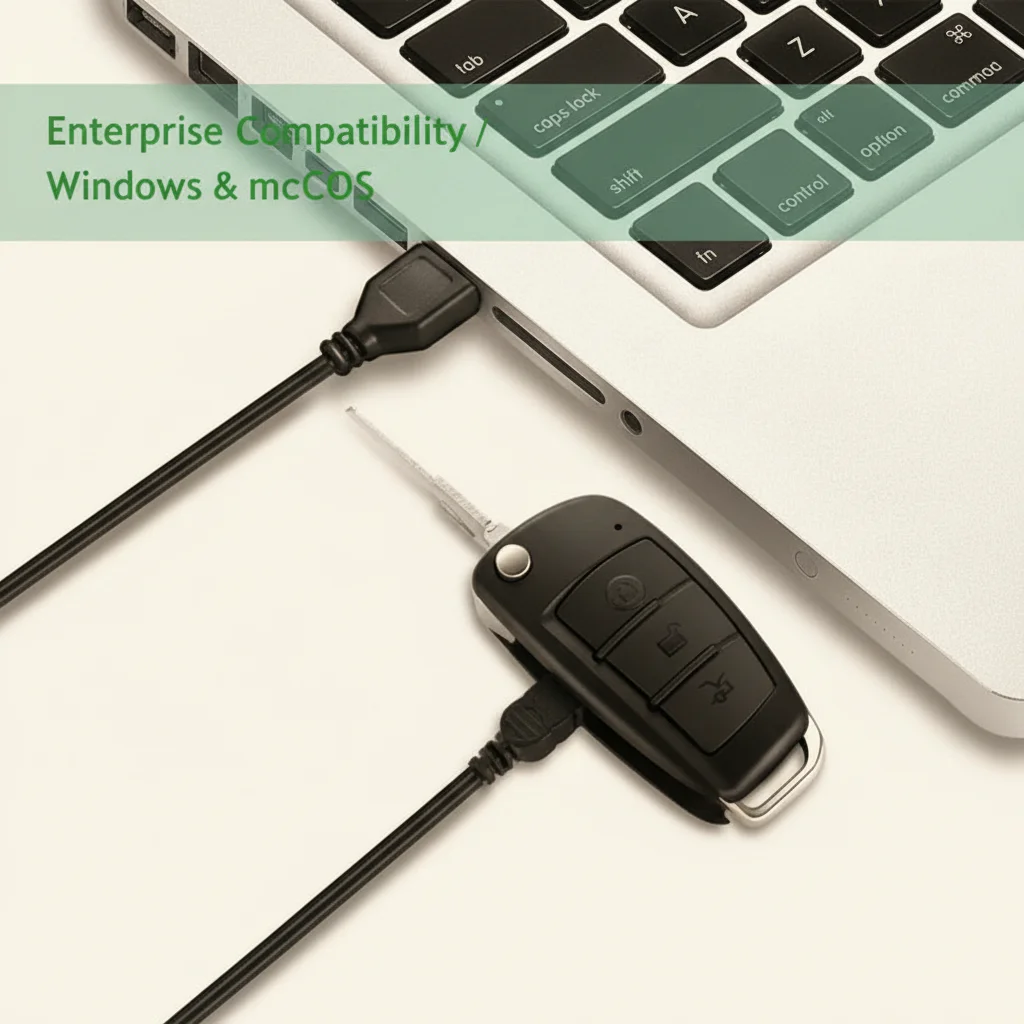
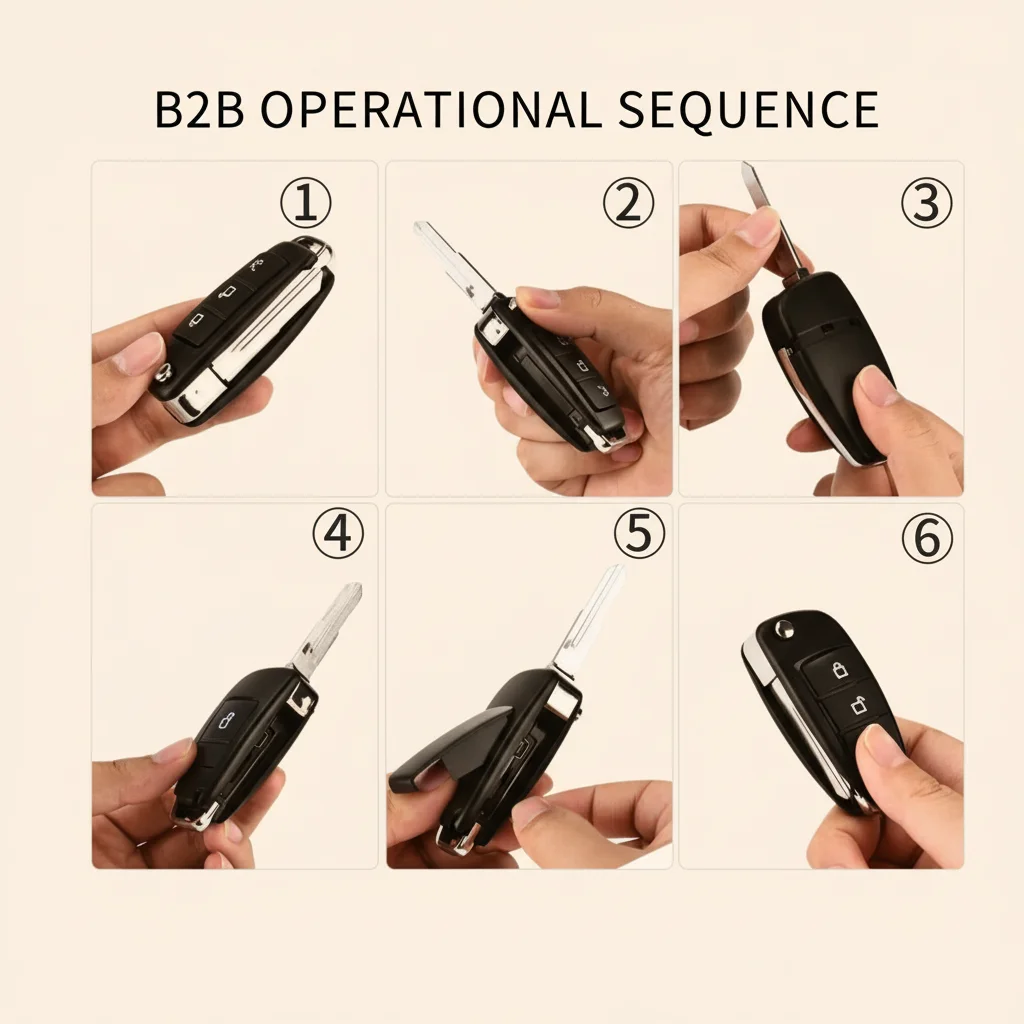
Schlüsselanhänger-Kameras sind klein genug, um auf dem Armaturenbrett oder der Sonnenblende zu bleiben. Sie sehen wie ein Autoschlüssel aus und zeichnen durch eine Lochlinse auf. Das Format ist clever, aber die Akkulaufzeit bleibt der limitierende Faktor.
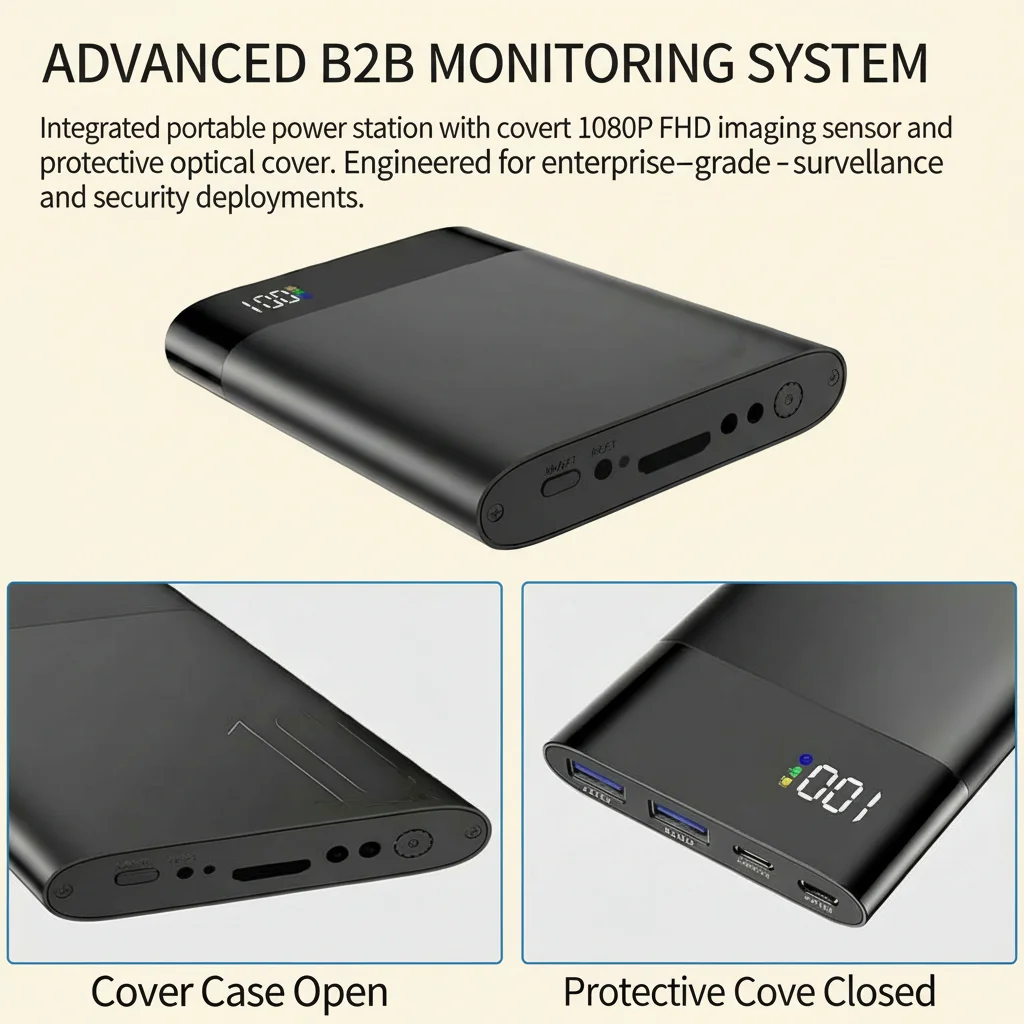
Powerbank-Kameras – eine versteckte Kamera in einem Gehäuse, das wie ein tragbares Ladegerät aussieht – kann überall im Innenraum platziert und zwischen Fahrzeugen bewegt werden. Sie sind bei Fahrern von Fahrdiensten und Lieferflotten beliebt, weil sie tragbar sind und keine Installation erfordern.
Die C10 WiFi-Kameramodul von QZT Security verwendet ein ähnliches diskretes Format: kompakt, WLAN-fähig und geeignet für die individuelle Installation im Fahrzeuginnenraum. Für Großhändler, die den UK- und europäischen Markt beliefern, treffen Geräte wie dieses genau den richtigen Punkt: diskret, zertifiziert und ohne dauerhafte Veränderungen installierbar.
Kernaussage: USB-Ladegerät- und Powerbank-Formate sind für die meisten Nutzer am praktischsten – sie sind diskret, tragbar und erfordern kein Bohren oder Verkabeln.
| Formfaktor | Diskretion | Leistung | Einrichtung |
|---|---|---|---|
| USB-Ladegerät Kamera | Hoch — sieht aus wie ein Handy-Ladegerät | Steckdosenabhängig; kann bei Zündung aus unterbrochen werden | Plug-and-Play |
| Rückspiegelkamera | Mittel – von innen sichtbar | Festverdrahtung empfohlen | Professionelle Installation empfohlen |
| OBD-II-Port-Kamera | Hoch – komplett versteckt | Kontinuierlich (Port bleibt mit Strom) | In OBD-Port einstecken |
| Schlüsselanhänger-Kamera | Hoch – sieht wie ein Autoschlüssel aus | Batteriebegrenzt (4–8 Stunden) | Platzieren und losfahren |
| Powerbank-Kamera | Hoch – sieht wie ein mobiles Ladegerät aus | Batterie (8–12 Std.) oder USB-Ladung | Portabel; keine Installation |
Wie versorgen Sie eine versteckte Auto-Kamera kontinuierlich mit Strom?
Dies ist der schwierigste Teil einer Fahrzeuginstallation. Eine Kamera, die nach Batterieentleerung stirbt, ist wenig hilfreich zur Diebstahlprävention.
Festverdrahtung ans Sicherungskasten ist die richtige Lösung. Ein Festverdrahtungsset verbindet die Kamera mit einer Sicherung, die entweder immer aktiv oder schaltgesteuert ist – je nachdem, ob Sie einen Parkmodus wollen. Das Set enthält eine Niedervolt-Abschaltung, die die Kamera trennt, bevor sie die Autobatterie entleert – essenziell, sonst steht Ihr Auto nicht mehr an.
Die 12V-Steckdosenmethode funktioniert nur, wenn Ihre Steckdose bei abgeschaltetem Motor weiter Strom liefert. Bei vielen Autos wird die Steckdose stromlos, wenn der Schlüssel entfernt wird; andere (besonders ältere Fahrzeuge) liefern immer Strom. Prüfen Sie dies vor dieser Methode.
Ein dediziertes Powerbank mit einer Kapazität von 10.000 mAh oder mehr kann eine Kamera mit niedrigem Stromverbrauch 24–48 Stunden ununterbrochen laufen. Der Nachteil ist, dass sie wieder aufgeladen werden muss, also ist es keine “einbauen und vergessen”-Lösung.
OBD-II-Strom ist elegant: Der Port ist bereits vorhanden, er ist bereits mit Strom versorgt, und keine Verkabelung ist erforderlich. Die Einschränkung besteht darin, dass Sie durch die Position des Ports in Ihrem Fahrzeug eingeschränkt sind, die möglicherweise nicht die ideale Kameraposition ist.
Für Großhändler und Installateure macht das Angebot eines Hardwire-Kits als Teil des Produktpakets den Verkauf einfacher – der Kunde bekommt alles, was er benötigt, in einem Kauf, und Sie müssen keine Supportanrufe bearbeiten, warum die Kamera immer ausgeschaltet wird.
Kernaussage: Festverdrahtung mit Niedervolt-Abschaltung ist der einzige Weg für wirklich 24/7-Abdeckung. Alles andere bedeutet Kompromisse bei Batterielaufzeit oder Steckdosenverfügbarkeit.
| Stromversorgungsmethode | Kontinuierliche Abdeckung | Installationsschwierigkeit | Kosten |
|---|---|---|---|
| Festverdrahtung am Sicherungskasten | Ja (mit Niedervolt-Abschaltung) | Mittel – elektrische Kenntnisse erforderlich | £50–£100 (professionelle Installation) |
| 12V-Steckdose (immer aktiv) | Ja | Keine – einstecken | £0–£10 (Adapter) |
| 12V-Steckdose (zündungsgeschaltet) | Nein – stirbt, wenn Auto aus | Keiner | £0 |
| Powerbank (10.000 mAh) | 24–48 Std. | Keine – platzieren und laden | £15–£30 |
| OBD-II-Port | Ja (meistens Fahrzeuge) | Keine – einstecken | £0–£20 (Adapterkabel) |
Was sind die gesetzlichen Regelungen für In-Car-Kameras in Großbritannien und Europa?
Juristische Überlegungen werden in zwei Kategorien unterteilt: Videoaufnahme und Audioaufnahme.
Videoaufnahme von Ereignissen außerhalb Ihres Autos ist in Großbritannien und der EU legal. Dashcams haben diesen Präzedenzfall etabliert – Sie nehmen von einem öffentlichen Raum auf, und auf einer öffentlichen Straße gibt es keine vernünftige Erwartung der Privatsphäre.
Audioaufnahme ist, wo Sie Probleme bekommen. In Großbritannien kann die Aufzeichnung von Gesprächen ohne Zustimmung unter bestimmten Umständen den Regulation of Investigatory Powers Act (RIPA) verletzen. Viele Dash- und versteckte Kameras nehmen standardmäßig Audio auf, und das sollte deaktiviert werden, wenn Sie nicht sicher über die rechtliche Lage sind.
Innenraumaufnahme — eine Kamera, die im Fahrzeuginnenraum filmt — ist sensibler. Wenn Sie ein Rideshare-Fahrer sind oder Passagiere haben, haben diese Personen eine berechtigte Erwartung von Privatsphäre. Sie zu informieren (ein Aufkleber auf der Tür, eine Klausel in Ihren Nutzungsbedingungen) ist das Minimum; explizite Zustimmung ist sicherer.
DSGVO und Datenschutz gelten, wenn Aufnahmen identifizierbare Personen zeigen (was sie tun). Die rechtliche Basis ist meist “berechtigte Interessen” — Schutz Ihres Eigentums — aber Sie sollten eine einfache Richtlinie haben, die gegenüber jedem erklärt, was Sie mit den Aufnahmen tun und wie lange Sie sie speichern.
In Deutschland, die Regeln sind strenger. Dashcams sind legal, aber unterliegen strenger Datenminimierung – Sie sollten Aufnahmen nicht länger als notwendig speichern und nicht mehr filmen, als für Versicherungsbeweise erforderlich ist. Versteckte Kameras in einem privaten Fahrzeug sind eine Grauzone und können eine stärkere Rechtfertigung erfordern.
Für Großhändler, die in die EU liefern, sind diese rechtlichen Unterschiede relevant. Ihre Kunden müssen wissen, dass etwas, was in Großbritannien legal ist, in Deutschland oder Frankreich möglicherweise nicht legal ist. Die Lieferung eines Geräts mit einem klaren rechtlichen Disclaimer und Leitfaden-Dokumentationen bietet einen realen Mehrwert.
Kernaussage: Videoaufnahmen des Fahrzeugaußenbereichs sind legal; Audioaufnahmen und Aufnahmen im Innenraum sind die Hauptquellen für rechtliche Risiken. Deaktivieren Sie das Audio, wenn Sie nicht sicher sind, welche Regeln in Ihrem Rechtsgebiet gelten.
| Gerichtsbarkeit | Außenraumvideo | Innenraumvideo | Audioaufnahme | Hauptbeschränkung |
|---|---|---|---|---|
| UK | Rechtlich | Passagiere informieren | Riskant – deaktivieren, wenn nicht sicher | DSGVO gilt für identifizierbare Aufnahmen |
| Deutschland | Legal (mit Datenminimierung) | Strenger — berechtigter Zweck erforderlich | Generell vermeiden | Datenminimierung streng durchgesetzt |
| Frankreich | Rechtlich | Informieren Sie Insassen | Erfordert Zustimmung der aufgezeichneten Personen | CNIL-Leitlinien gelten |
| Italien | Rechtlich | Informieren Sie aufgezeichnete Personen | Einverständnis empfohlen | Garante Enforcement aktiv |
Wie schneidet eine versteckte 4G-LTE-Kamera im Vergleich zu WiFi ab?
Die Verbindung bestimmt, was Sie mit den Aufnahmen tun können, wenn Sie nicht am Fahrzeug sind.
WiFi-Kameras verbinden sich mit einem Smartphone innerhalb der Reichweite (typisch 10–30 Meter). Sie sind gut für die Aufnahmenprüfung, wenn Sie zurück am Fahrzeug sind, aber ermöglichen keine Fernprüfung. Wenn Ihr Fahrzeug eingebrochen wird, während Sie zu Hause sind, wissen Sie es erst bei Rückkehr.
4G LTE Kameras eine SIM-Karte und einen Datentarif verwenden (typisch £10–£20 pro Monat). Sie senden Alerts auf Ihr Telefon, wenn Bewegung erkannt wird, ermöglichen einen Live-Stream von jedem Ort und können Clips automatisch in Cloud-Speicher hochladen.
Der Trade-off ist der fortlaufende Kosten und die Tatsache, dass die SIM am Parkplatz des Fahrzeugs Signal benötigt. Ein unterirdischer Parkplatz oder eine abgelegene Lage hat kein Signal, und eine 4G-Kamera ist dann nur eine teure SD-Karten-Kamera.
Für die meisten privaten Autobesitzer ist WiFi ausreichend — Sie überprüfen Aufnahmen nachträglich, nicht in Echtzeit. Für Fuhrparkbetreiber, Lieferunternehmen und Personen, die in Hochrisikogebieten parken, ist 4G-Verbindung entscheidend, um einen Vorfall jetzt zu erkennen und nicht erst drei Tage später.
Bei QZT Security liefern wir Geräte mit beiden Verbindungsoptionen, damit Großhändler das richtige Produkt auf den Nutzungsfall des Kunden abstimmen können. Nicht jeder benötigt 4G, und wenn es an jemanden verkauft wird, der es nicht braucht, entsteht nur ein Supportproblem, wenn er feststellt, dass er für Daten bezahlt, die er nicht nutzt.
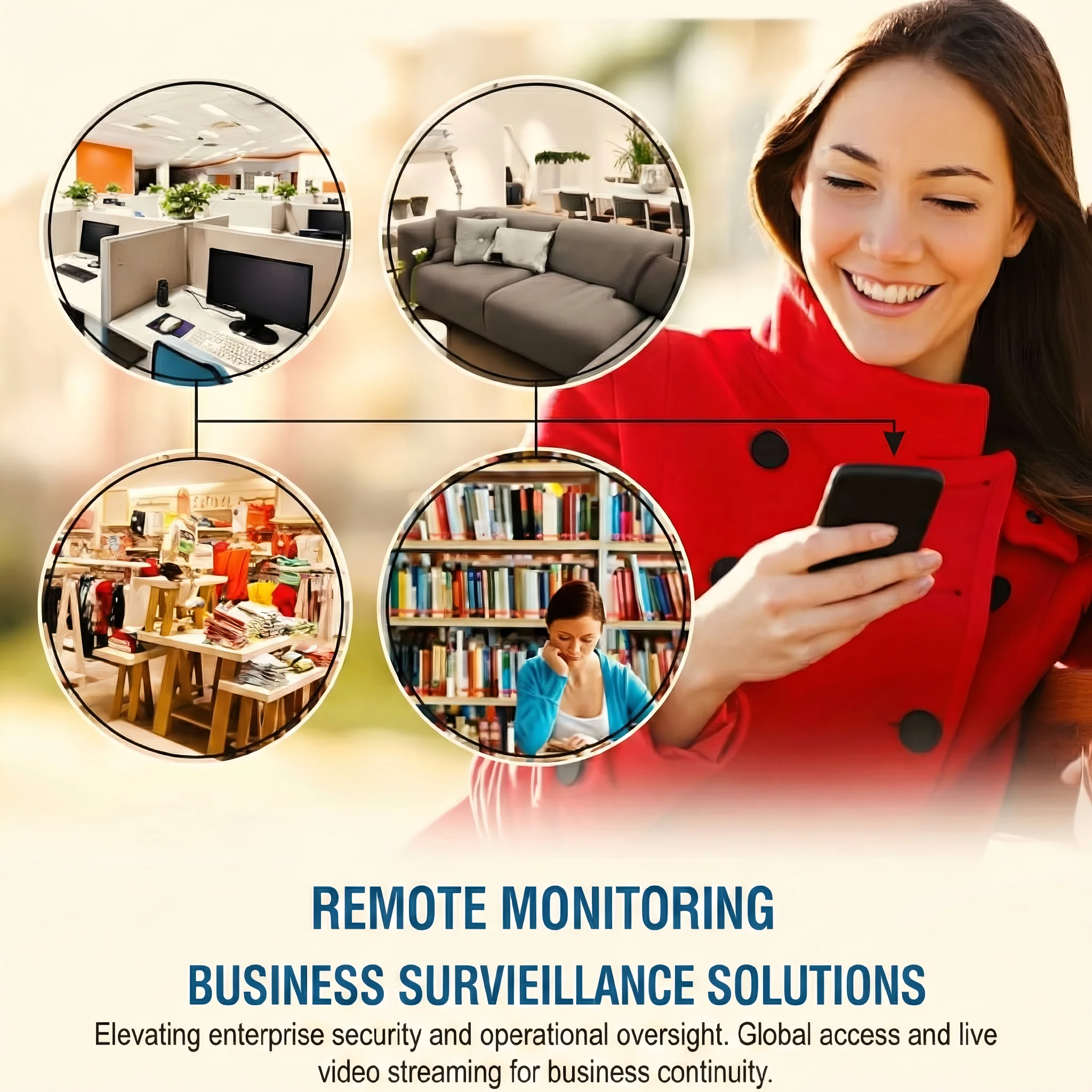
Kernaussage: WiFi ist gut für die Überprüfung von Aufnahmen später. 4G LTE ermöglicht eine Reaktion in Echtzeit — kostet aber £10–£20/Monat und benötigt Signal am Parkplatz.
| Merkmal | WLAN-Kamera | 4G-LTE-Kamera |
|---|---|---|
| Fern-Live-Ansicht | Nein — nur innerhalb Reichweite | Ja — überall mit Signal |
| Bewegungsalarme auf das Telefon | Nein | Ja |
| Cloud-Upload | Nein — nur SD-Karte | Ja (über Mobilfunkdaten) |
| Laufende Kosten | Keiner | £10–£20/Monat |
| Signalvoraussetzung | Keine (lokales WiFi) | Mobilfunk-Signal am Parkplatz |
| Am besten geeignet für | Privateigentümer von Autos | Fuhrpark, Hochrisiko-Parken, kommerzielle Nutzung |
Welche versteckten Auto-Kameras lohnen sich 2026 wirklich?
Basierend auf relevanten Spezifikationen — nicht Marketingaussagen — hier sind die Geräte, die sich bewähren.
Für die meisten Nutzer: eine USB-Ladegerät mit Kamera in 1080p-Auflösung, mit Infrarot-Nachtsicht und Schleifenaufzeichnung auf eine 64GB-MicroSD-Karte. Sie ist unauffällig, wird kontinuierlich mit Strom versorgt, wenn Ihre Steckdose aktiv bleibt, und deckt den Innenraum sowie die Straße durch die Windschutzscheibe ab.
Für Hochrisiko-Bereiche: Eine 4G LTE-Kamera mit Bewegungserkennung und Cloud-Upload. Die Möglichkeit, eine Warnung zu erhalten, wenn sich jemand Ihrem Auto nähert, und den Live-Stream sofort zu sehen, ändert das Ergebnis – Sie können die Polizei während des Ereignisses anrufen, statt Aufnahmen eines bereits erfolgten Diebstahls zu überprüfen.
Für Flotten- und kommerzielle Nutzung: eine festverdrahtete Kamera mit Unterspannungsabschaltung und 24/7-Aufzeichnung. Die professionelle Installation gewährleistet eine zuverlässige Stromversorgung, und das kontinuierliche Material liefert eine vollständige Aufzeichnung des Tages jedes Fahrzeugs.
Für gelegentliche Nutzung / mehrere Fahrzeuge: eine Powerbank-Kamera, die zwischen Autos bewegt werden kann. Sie ist keine dauerhafte Lösung, aber für jemanden, der an verschiedenen Tagen verschiedene Fahrzeuge überwachen möchte, ist die Tragbarkeit entscheidend.
Die Produkte in der QZT Security Sortiment umfassen mehrere Modelle, die für diese Szenarien geeignet sind, alle mit CE-Zertifizierung und der technischen Dokumentation, die für den Wiederverkauf in Großbritannien und der EU erforderlich ist. Für Großhändler macht die Kombination aus Zertifizierung, Versand nach Großbritannien/EU und technischem Support den Unterschied zwischen einem einmaligen Verkauf und einer wiederkehrenden Lieferbeziehung aus.
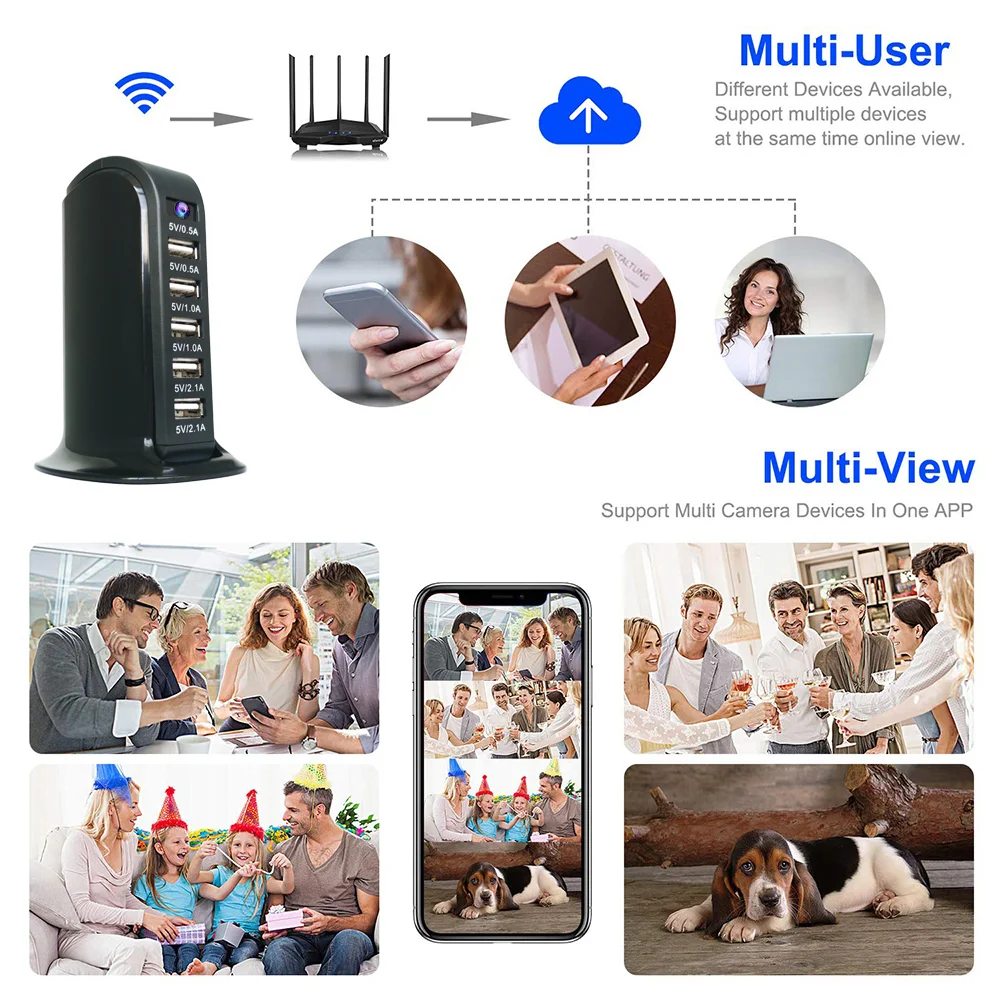
Kernaussage: Wählen Sie die Kamera passend zum Einsatzbereich. Eine USB-Ladegerät-Kamera für die Grundüberwachung, 4G LTE für Echtzeit-Benachrichtigungen, fest verdrahtet für gewerbliche Flotten und eine Powerbank für die mobile Nutzung.
| Anwendungsfall | Empfohlener Typ | Wichtige technische Daten | Ungefähre Kosten |
|---|---|---|---|
| Grundlegende Diebstahlabschreckung | USB-Ladegerät Kamera | 1080p, IR-Nachtsicht, 64GB SD | £30–£60 |
| Parken mit hohem Risiko | 4G-LTE-Kamera | 1080p, Bewegungsalarme, Cloud-Upload | £80–£150 + £15/Monat |
| Gewerbliche Flotte | Fest verdrahtete Kamera | 24/7-Aufnahme, Niederspannungsabschaltung | £100–£200 + Installation |
| Mehrfahrzeug- / tragbar | Powerbank-Kamera | 1080p, 10.000mAh Akku | £40–£80 |
| Innenraum + Außenbereich | Spiegel- oder Dual-Objektiv-Kamera | 1080p vorne + 1080p Innenraum | £60–£120 |
Wie installieren Sie eine versteckte Auto-Kamera, ohne das Fahrzeug zu beschädigen?
Der Grad der Installationskomplexität hängt von der gewählten Bauform ab.
Plug-and-Play-Geräte (USB-Ladegerät, Powerbank, OBD-II) erfordern keine Veränderung am Fahrzeug. Sie sind die richtige Wahl für Leasingfahrzeuge, Firmenwagen und alle, die die Kamera beim Verkauf des Autos entfernen möchten.
Festverdrahtete Installationen erfordern einen Anschluss am Sicherungskasten. Ein Hardwire-Kit enthält einen Stromdieb, der in einen vorhandenen Sicherungsplatz gesteckt wird, ein Spannungsabschaltmodul und die Kabelführung zur Kameraposition. In den meisten Fahrzeugen dauert dies 1–2 Stunden für jemanden mit grundlegenden Elektrokenntnissen. Eine professionelle Installation wird empfohlen, wenn Sie sich mit Kfz-Elektrik nicht sicher fühlen.
Verlegen Sie die Kabel sorgfältig. Die Kabelführung entlang des Windschutzscheibenrands, hinter dem Dachhimmel und der A-Säulenverkleidung, hält die Installation diskret und verhindert, dass das Kabel herunterhängt und den Fahrer ablenkt.
Behindern Sie nicht die Sicht des Fahrers. In Großbritannien führt die Montage von Gegenständen im Wischbereich der Scheibenwischer zu einem MOT-Fehler und kann mit einem Bußgeld geahndet werden. Positionieren Sie die Kamera hinter dem Rückspiegel – dies ist die diskreteste Position und sie ist legal.
Für Großhändler bietet die Bereitstellung einer Installationsanleitung oder eines empfohlenen Installationsnetzwerks in Ihrem Markt einen echten Mehrwert. Ihr Kunde erhält das Produkt und einen klaren Weg zu einer professionellen Installation; Sie erhalten weniger Support-Anrufe und eine höhere Wahrscheinlichkeit einer Folgebestellung.
Häufig gestellte Fragen
Kann eine versteckte Auto-Kamera bei ausgeschaltetem Motor aufnehmen?
Nur wenn es über eine unabhängige Stromquelle verfügt — entweder einen Akku, eine Powerbank oder einen Anschluss an eine Sicherung, die bei ausgeschalteter Zündung unter Spannung bleibt. Viele versteckte Kameras sind genau für dieses Szenario konzipiert, aber Sie müssen die Stromspezifikation vor dem Kauf prüfen.
Ist es legal, Audio in meinem Auto aufzunehmen, ohne die Passagiere zu informieren?
In Großbritannien ist dies rechtlich riskant. Audioaufnahmen ohne Zustimmung können gegen Datenschutzgesetze verstoßen, und der sicherste Ansatz ist, die Audioaufnahme zu deaktivieren, es sei denn, Sie haben einen spezifischen und rechtmäßigen Grund. Für Ridesharing und gewerblichen Personentransport ist die Information der Fahrgäste durch einen sichtbaren Aufkleber das Minimum.
Entlädt eine versteckte Kamera meine Autobatterie?
Nicht, wenn sie ordnungsgemäß mit einer Unterspannungsabschaltung installiert wurde. Die Abschaltung trennt die Kamera vom Strom, wenn die Autobatterie unter einen festgelegten Schwellenwert fällt (typischerweise 11,8V), und bewahrt genügend Ladung, um den Motor zu starten. Ohne Abschaltung ja – eine kontinuierlich mit Strom versorgte Kamera entlädt die Batterie über mehrere Tage.
Wo ist der beste Versteckplatz für eine Auto-Kamera?
Hinter dem Rückspiegel (für die Außenansicht) oder in einem USB-Ladegerät in der 12V-Steckdose (für die Innenansicht). Beide sind diskret, behindern nicht die Sicht des Fahrers und erfordern weder Bohren noch dauerhafte Modifikationen.
Muss ich meiner Versicherung eine versteckte Auto-Kamera melden?
Generally, no — but if you’re making a claim and the footage is part of your evidence, you’ll need to provide it. Some insurers offer a discount for vehicles with security cameras; it’s worth asking.
Wenn Sie ein Großhändler oder Distributor sind, der den britischen oder europäischen Markt mit Fahrzeug-Sicherheits- und versteckter Kameraausrüstung beliefert, Kontaktieren Sie QZT Security noch heute. Wir bieten CE-zertifizierte Geräte, technische Dokumentation und eine zuverlässige Versorgung – damit Ihre Kunden Ausrüstung erhalten, die sie sicher und legal einsetzen können.

 English
  Italiano
  Deutsch
  Français
  Español
  Polski