
Qual è la migliore telecamera nascosta per la sicurezza dell'auto nel 2026?
I furti d'auto e gli scassi sono aumentati bruscamente nelle città del Regno Unito negli ultimi due anni, e le dash cam standard non coprono ogni scenario. Una telecamera nascosta all'interno del tuo veicolo ti offre una copertura continua quando l'auto è parcheggiata, registra incidenti che una dash cam frontale perde e fornisce prove su cui le compagnie assicurative agiscono effettivamente. Ecco cosa cercare e quali dispositivi vale la pena installare nel 2026.
Perché gli automobilisti installano telecamere nascoste all'interno delle auto?
Una dash cam visibile dissuade alcuni ladri, ma dice loro anche esattamente dove guardare se sono determinati. Una telecamera nascosta, posizionata correttamente, registra ciò che accade quando non sei presente e il deterrente visibile non basta.
Gli urti nel parcheggio e i pirati della strada sono i trigger più comuni. Torni alla tua auto, c'è un graffio o un'ammaccatura fresca e non c'è nessun biglietto. Una telecamera discreta che registra all'impatto o al movimento ti fornisce la targa e, a volte, il volto del conducente.
Poi c'è il monitoraggio degli interni. Se lasci attrezzi, dispositivi elettronici o merce nel veicolo, una telecamera nascosta puntata sull'abitacolo ti permette di verificare da remoto se qualcosa è stato manomesso — a condizione di avere una connessione mobile al dispositivo.
Per le flotte aziendali, le telecamere nascoste nell'abitacolo hanno un duplice scopo: registrano i tentativi di furto e forniscono una prova in caso di controversia su quanto accaduto durante una consegna o un'interazione con un passeggero.
Ecco l'errore che fanno quasi tutti: pensano che vada bene una qualsiasi microcamera economica. Non è così. La differenza tra un dispositivo che fornisce prove utilizzabili e uno che produce un video sfocato, scuro e inguardabile si riduce a tre fattori: qualità del sensore, visione notturna e modalità di alimentazione del dispositivo.
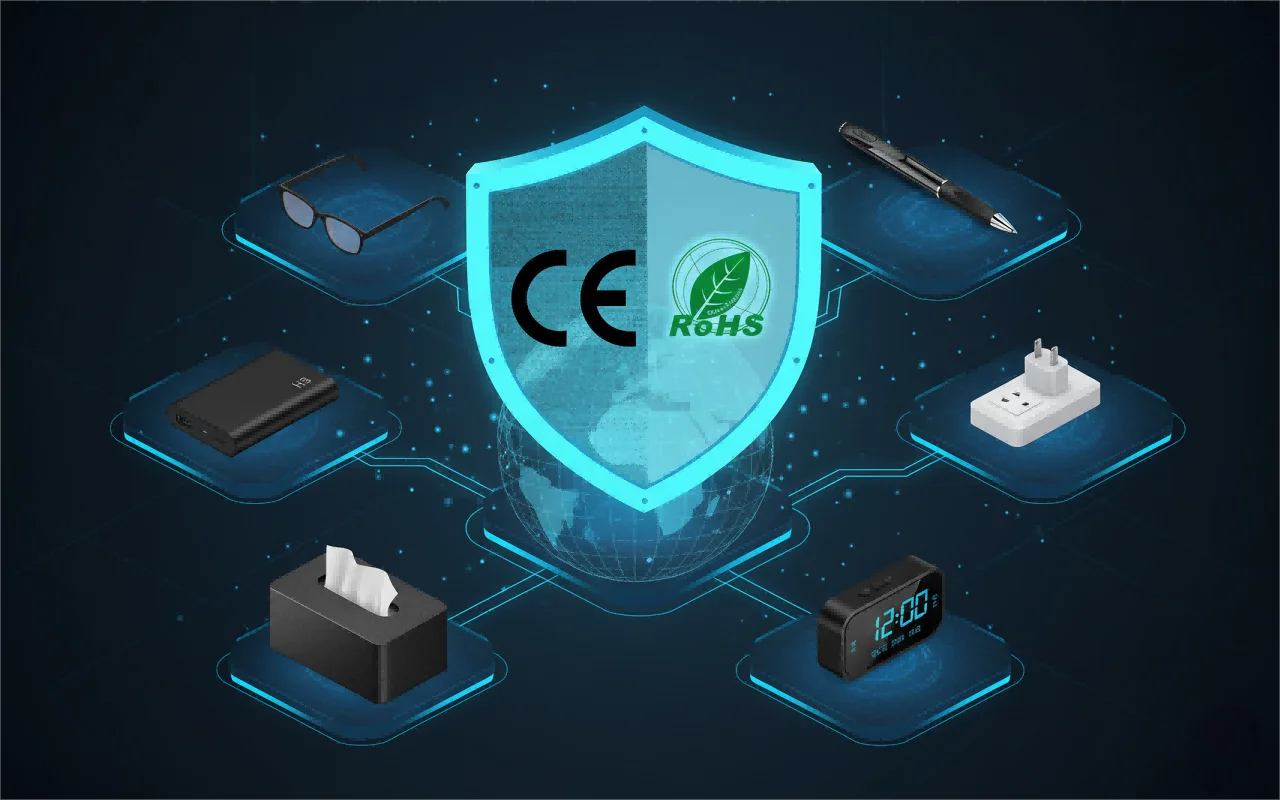
Se stai cercando attrezzature da rivendere o installare per i clienti, QZT Security offre telecamere nascoste certificate CE adatte all'installazione su veicoli, con la documentazione necessaria ai tuoi clienti per la conformità nel Regno Unito e nell'UE.
Quali caratteristiche tecniche contano di più in una telecamera nascosta per auto?
Tre specifiche determinano se una telecamera è davvero utile o solo uno spreco di spazio.
Risoluzione è quello ovvio. Il 1080p è il minimo pratico per leggere una targa da una posizione parcheggiata. Il 2K (1440p) offre un livello di dettaglio aggiuntivo significativo, in particolare a distanze superiori ai 20 piedi. Il 4K è eccessivo per la maggior parte degli utenti, ma prezioso se copri un'ampia area di parcheggio o devi identificare volti oltre alle targhe.
visione notturna è il punto in cui la maggior parte delle telecamere economiche fallisce. Cerca sensori con grandi aperture (F1.8 o migliore) e LED a infrarossi che non producano un bagliore rosso visibile all'occhio umano. I sensori "Starlight" (Sony Starvis ed equivalenti) catturano video a colori utilizzabili con l'illuminazione urbana — non solo in monocromatico — il che aiuta a identificare i colori dei veicoli e degli indumenti.
Energia è il problema più difficile in un'installazione in auto. Una batteria integrata si esaurisce in 4–8 ore, a meno che la telecamera non sia a bassissimo consumo, cosa che la maggior parte non è. Un collegamento cablato alla scatola dei fusibili dell'auto offre una copertura continua ma richiede un'installazione professionale. Un collegamento a una presa 12V permanente è il compromesso che la maggior parte degli utenti sceglie.
| Caratteristica | Minimo accettabile | Consigliato | Perché è importante |
|---|---|---|---|
| Risoluzione | 1080p | 2K (1440p) | Lettura targhe a distanza |
| visione notturna | LED IR | Sensore Starlight (F1.8 o superiore) | La maggior parte degli incidenti avviene di notte |
| Energia | Batteria da 8 ore | Cablaggio fisso alla scatola dei fusibili | Continuous coverage |
| Immagazzinamento | MicroSD 32GB | MicroSD 128GB+ | Registrazione ciclica per 3–7 giorni |
| Connettività | Nessuno (solo SD) | 4G LTE o WiFi | Visualizzazione remota e avvisi |
Punto chiave: Risoluzione, visione notturna e alimentazione sono le tre specifiche decisive. Una telecamera che non vede di notte o si spegne dopo 6 ore non protegge la tua auto.
Quali fattori di forma delle telecamere nascoste funzionano meglio nei veicoli?
La parte "nascosta" della richiesta è importante. Una telecamera che è ovviamente una telecamera non è ciò che la maggior parte delle persone cerca.
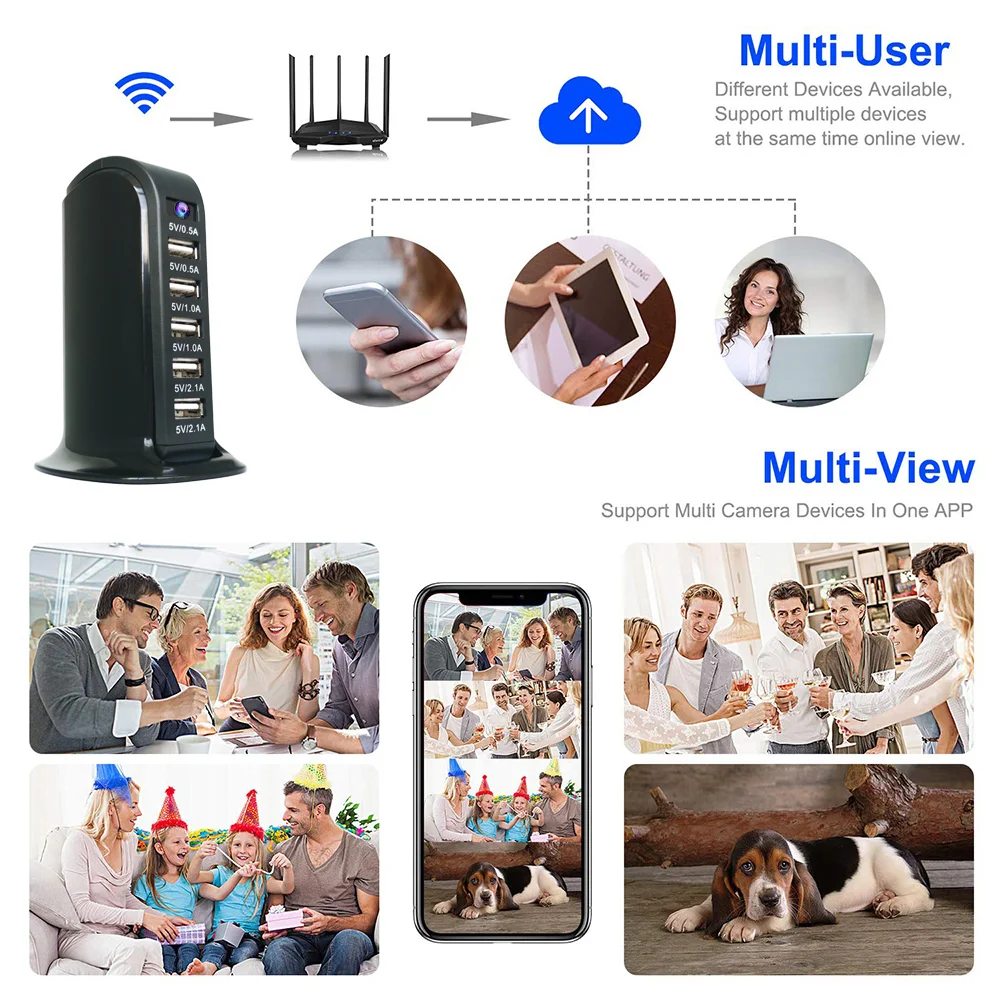
Fotocamere con caricabatterie USB si inseriscono nella presa 12V e registrano attraverso una piccola lente sulla parte frontale. Sono discrete perché ogni auto ha comunque un caricatore nella presa. Lo svantaggio: la visuale è limitata a ciò che il caricatore ha di fronte, e l'alimentazione dipende dal fatto che la presa rimanga attiva a motore spento.
Telecamere per specchietto retrovisore sostituiscono o si agganciano allo specchietto esistente. Sono discrete dall'esterno del veicolo — la telecamera sembra parte del gruppo specchietto — ma sono visibili dall'interno. Ottime per registrare contemporaneamente l'abitacolo e la strada davanti.
Telecamere per porta OBD-II si collegano alla porta diagnostica, che rimane alimentata anche a motore spento sulla maggior parte dei veicoli moderni. Sono davvero nascoste e hanno alimentazione continua, ma la visuale è fissa in base a dove si trova la porta.
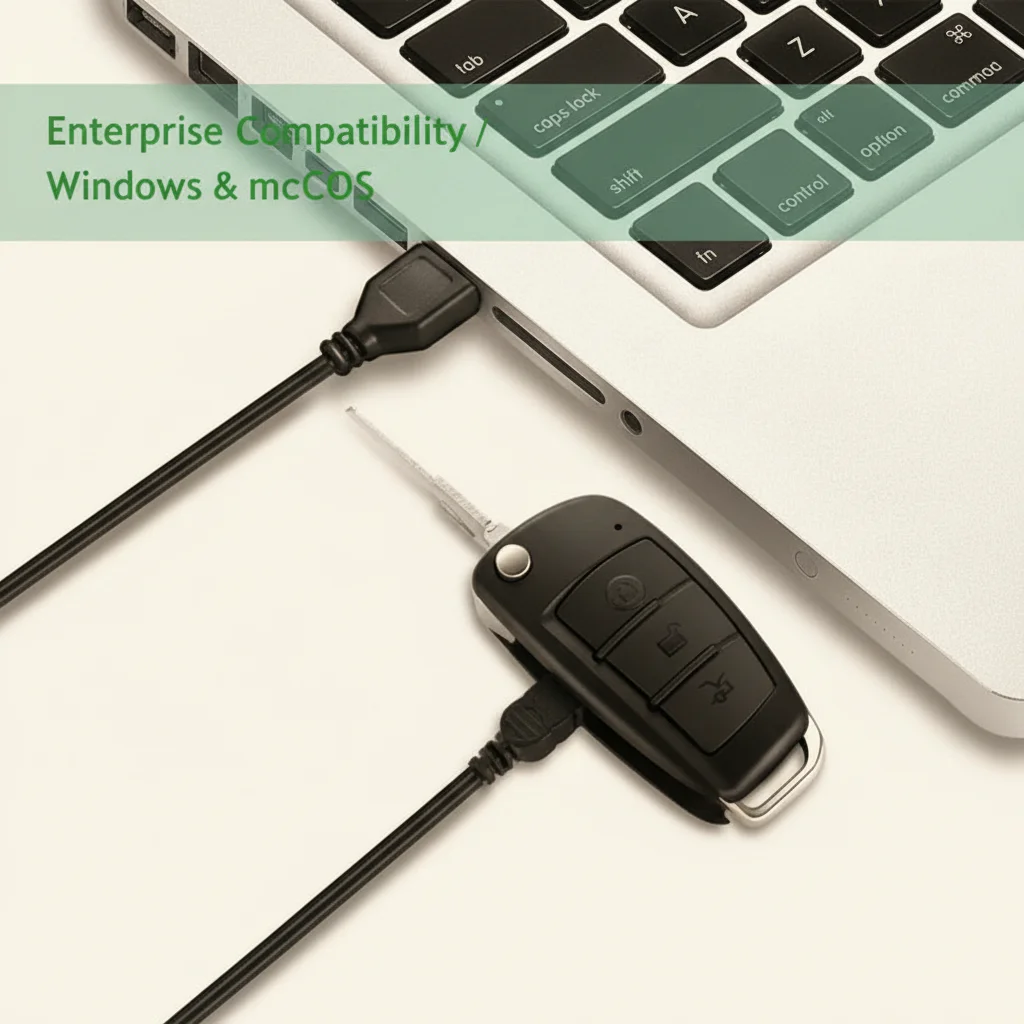
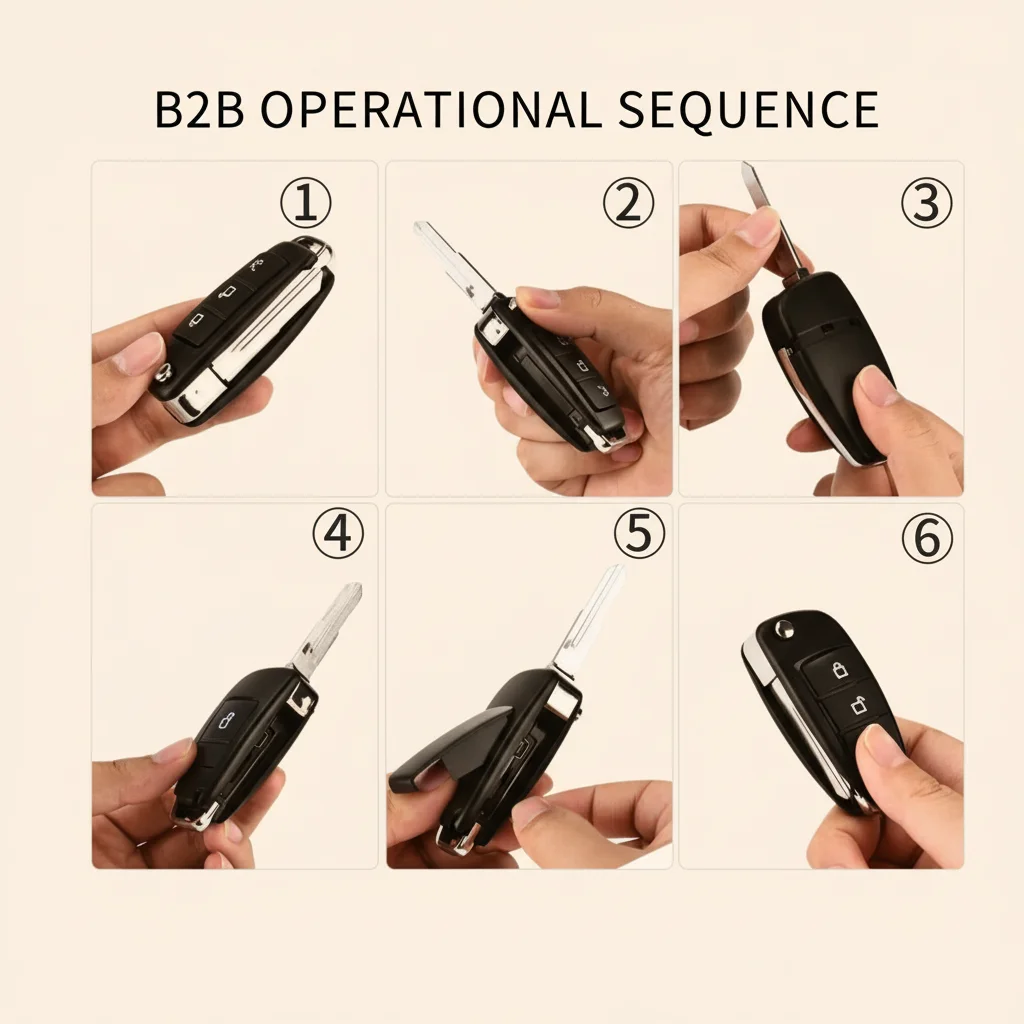
Telecamere portachiavi sono abbastanza piccole da lasciare sul cruscotto o sull'aletta parasole. Sembrano una chiave dell'auto e registrano attraverso una lente a foro stenopeico. Il formato è intelligente, ma la durata della batteria rimane il fattore limitante.
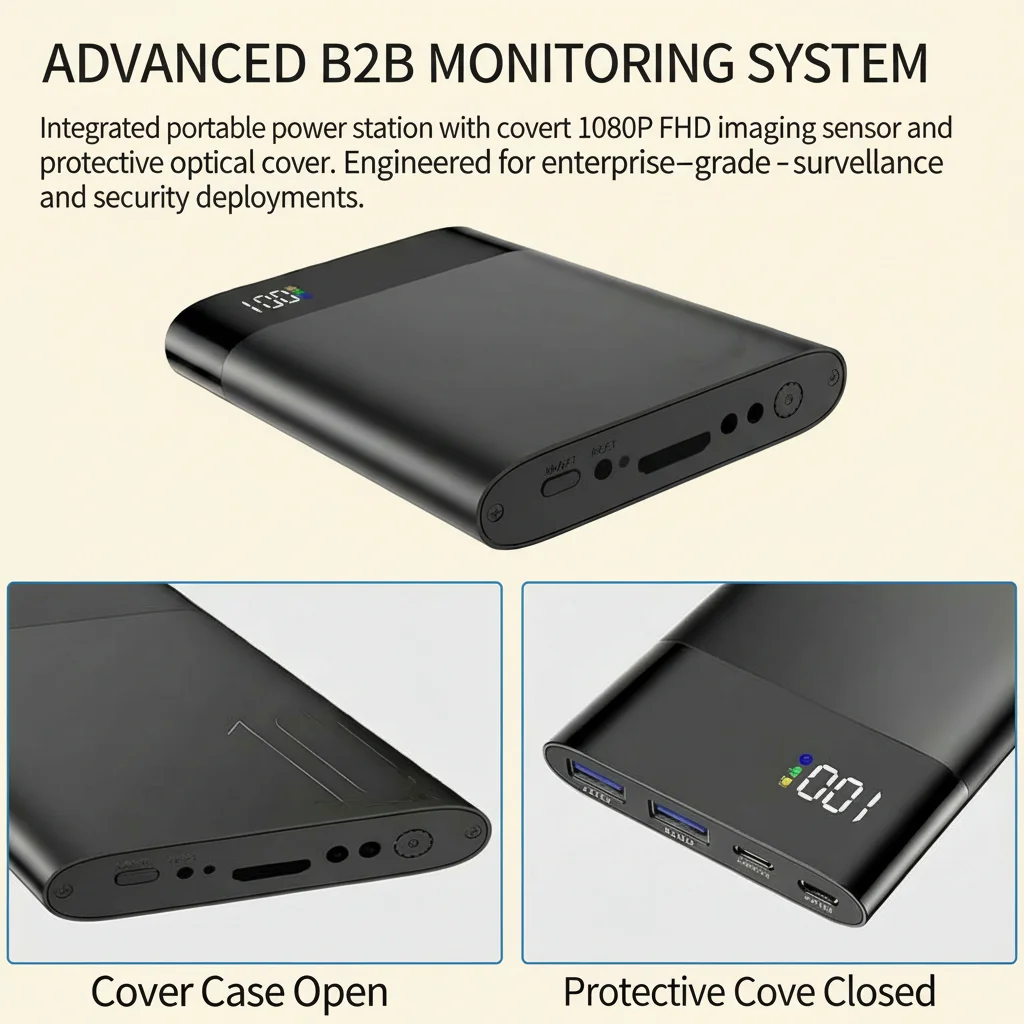
Telecamere con power bank — una telecamera nascosta all'interno di quello che sembra un caricatore portatile — può essere posizionata ovunque nell'abitacolo e spostata tra i veicoli. Sono popolari tra i conducenti di rideshare e le flotte di consegna perché sono portatili e non richiedono installazione.
IL Modulo Fotocamera WiFi C10 di QZT Security utilizza un formato discreto simile: compatto, con connessione WiFi e adatto all'installazione personalizzata all'interno dell'abitacolo di un veicolo. Per i grossisti che riforniscono i mercati del Regno Unito e dell'Europa, dispositivi come questo raggiungono il punto ideale tra discreto, certificato e installabile senza modifiche permanenti.
Punto chiave: I formati caricatore USB e power bank sono i più pratici per la maggior parte degli utenti — sono discreti, portatili e non richiedono forature o cablaggi.
| Fattore di forma | Discrezione | Energia | Installazione |
|---|---|---|---|
| Fotocamera con caricabatterie USB | Alto — sembra un caricabatterie per telefono | Dipendente dalla presa; può interrompersi a motore spento | Plug and play |
| Camera del retrovisore | Media — visibile dall'interno | Cablaggio diretto consigliato | Installazione professionale preferita |
| Camera con presa OBD-II | Alta — completamente nascosta | Continua (la presa rimane alimentata) | Collegare alla porta OBD |
| Camera con telecomando | Elevata — sembra un chiave dell'auto | Limitata dalla batteria (4–8 ore) | Posiziona e vai |
| Telecamera power bank | Alta — sembra un caricatore portatile | Batteria (8–12 ore) o ricarica USB | Portatile; nessuna installazione |
Come si alimenta continuamente una telecamera nascosta per auto?
Questa è la parte più difficile di un'installazione veicolo. Una telecamera che si spegne dopo che la batteria si esaurisce non è molto utile per la prevenzione dei furti.
Cablaggio diretto alla scatola dei fusibili è la soluzione corretta. Un kit di cablaggio diretto connette la camera a un fusibile che è sempre alimentato o controllato dall'ignizione, dipendendo se desideri la modalità parcheggio. Il kit include un dispositivo di interruzione a bassa tensione che disconnette la camera prima che scarichi la batteria dell'auto — essenziale, o tornerai a un'auto che non si avvia.
L'approccio con la presa 12V funziona solo se la tua presa rimane alimentata con l'ignizione spenta. Molte auto interrompono l'alimentazione alla presa quando la chiave è fuori; altre (in particolare veicoli più vecchi) la mantengono sempre alimentata. Verifica la tua prima di optare per questo approccio.
Un power bank dedicato con una capacità di 10.000 mAh o più può alimentare una camera a basso consumo per 24–48 ore consecutive. Lo svantaggio è che necessita di ricarica, quindi non è una soluzione “installata e dimenticata”.
Alimentazione OBD-II è elegante: la porta è già presente, è già alimentata, e non è necessario cablaggio. La limitazione è che sei vincolato dalla posizione della porta nel tuo veicolo, che potrebbe non essere la posizione ideale per la camera.
Per distributori e installatori, offrire un kit di cablaggio diretto come parte del pacchetto prodotto rende la vendita più facile — il cliente ottiene tutto ciò che necessita in un acquisto, e non ricevi chiamate di supporto sul perché la camera continua a spegnersi.
Punto chiave: Il collegamento diretto con interruzione a bassa tensione è l'unico modo per ottenere una copertura vera 24/7. Tutto il resto implica un compromesso sulla durata della batteria o sulla disponibilità della presa.
| Metodo di alimentazione | Copertura Continua | Difficoltà di installazione | Costo |
|---|---|---|---|
| Cablaggio fisso alla scatola dei fusibili | Sì (con interruzione a bassa tensione) | Moderata — necessaria conoscenza elettrica | £50–£100 (installazione professionale) |
| Presa 12V (sempre alimentata) | SÌ | Nessuna — collegare | £0–£10 (adattatore) |
| Presa 12V (controllata dall'ignizione) | No — si disattiva quando l'auto è spenta | Nessuno | £0 |
| Batteria portatile (10,000mAh) | 24–48 ore | Nessuna — posiziona e carica | £15–£30 |
| Presa OBD-II | Sì (molti veicoli) | Nessuna — collegare | £0–£20 (cavo adattatore) |
Quali sono le regole legali per le telecamere in auto nel Regno Unito e in Europa?
Considerazioni legali si dividono in due categorie: registrazione video e registrazione audio.
Registrazione video di ciò che accade fuori dalla tua auto è legale nel Regno Unito e in tutta l'UE. Le dash cam hanno stabilizzato questo precedente — registri da un luogo pubblico, e non c'è una ragionevole aspettativa di privacy su una strada pubblica.
Registrazione audio è dove si incontrano problemi. Nel Regno Unito, registrare conversazioni senza consenso può violare il Regulation of Investigatory Powers Act (RIPA) in alcune circostanze. Molte dashcam e camere nascoste registrano audio di default, e vale la pena disabilitarlo se non si è certi della posizione legale.
Registrazione interna — una telecamera che filma all'interno dell'abitacolo — è più sensibile. Se sei un driver di rideshare o hai passeggeri, queste persone hanno una ragionevole aspettativa di privacy. Informarle (un adesivo sulla porta, una linea nelle condizioni di servizio) è il minimo; ottenere un consenso esplicito è più sicuro.
GDPR e protezione dei dati si applicano se le riprese catturano persone identificabili (cosa che accadrà). La base legale è solitamente “interessi legittimi” — proteggere la tua proprietà — ma dovresti avere una politica semplice che spieghi a chiunque chieda cosa fai con le riprese e per quanto tempo le conservi.
In Germania, le regole sono più severe. Le dash cam sono legali ma soggette a una rigorosa minimizzazione dei dati — non dovresti conservare i filmati più a lungo del necessario, e non dovresti filmare oltre quanto necessario per le prove assicurative. Le telecamere nascoste all'interno di un veicolo privato sono un'area più grigia e potrebbero richiedere una giustificazione più forte.
Per i grossisti che distribuiscono nell'UE, queste variazioni legali contano. I tuoi clienti devono sapere che ciò che è legale nel Regno Unito potrebbe non esserlo in Germania o Francia. Fornire un dispositivo con una chiara dichiarazione di non responsabilità legale e documentazione di orientamento aggiunge un reale valore.
Punto chiave: Il video dell'esterno è legale; la registrazione audio e le riprese interne sono dove si concentra il rischio legale. Disabilita l'audio a meno che non sia certo delle regole nella tua giurisdizione.
| Giurisdizione | Video esterno | Video interno | Registrazione audio | Vincolo chiave |
|---|---|---|---|---|
| UK | Legale | Comunicare ai passeggeri | Rischioso — disattiva a meno che non sia certo | Il GDPR si applica ai filmati identificabili |
| Germania | Legale (con minimizzazione dei dati) | Più rigoroso — necessità di uno scopo giustificato | Generalmente da evitare | Minimizzazione dei dati fortemente applicata |
| Francia | Legale | Comunicare agli occupanti | Richiede il consenso delle parti registrate | Si applicano le linee guida CNIL |
| Italia | Legale | Notificare le persone registrate | Consenso raccomandato | Attività di enforcement del Garante attiva |
Come si confronta una telecamera nascosta 4G LTE con il WiFi?
La connettività determina cosa puoi fare con i filmati quando sei lontano dall'auto.
Fotocamere WiFi connettersi a uno smartphone nel raggio d'azione (tipicamente 10–30 metri). Vanno bene per rivedere i filmati quando si torna all'auto, ma non permettono di controllare da remoto. Se qualcuno entra nell'auto mentre sei a casa, non lo saprai finché non torni.
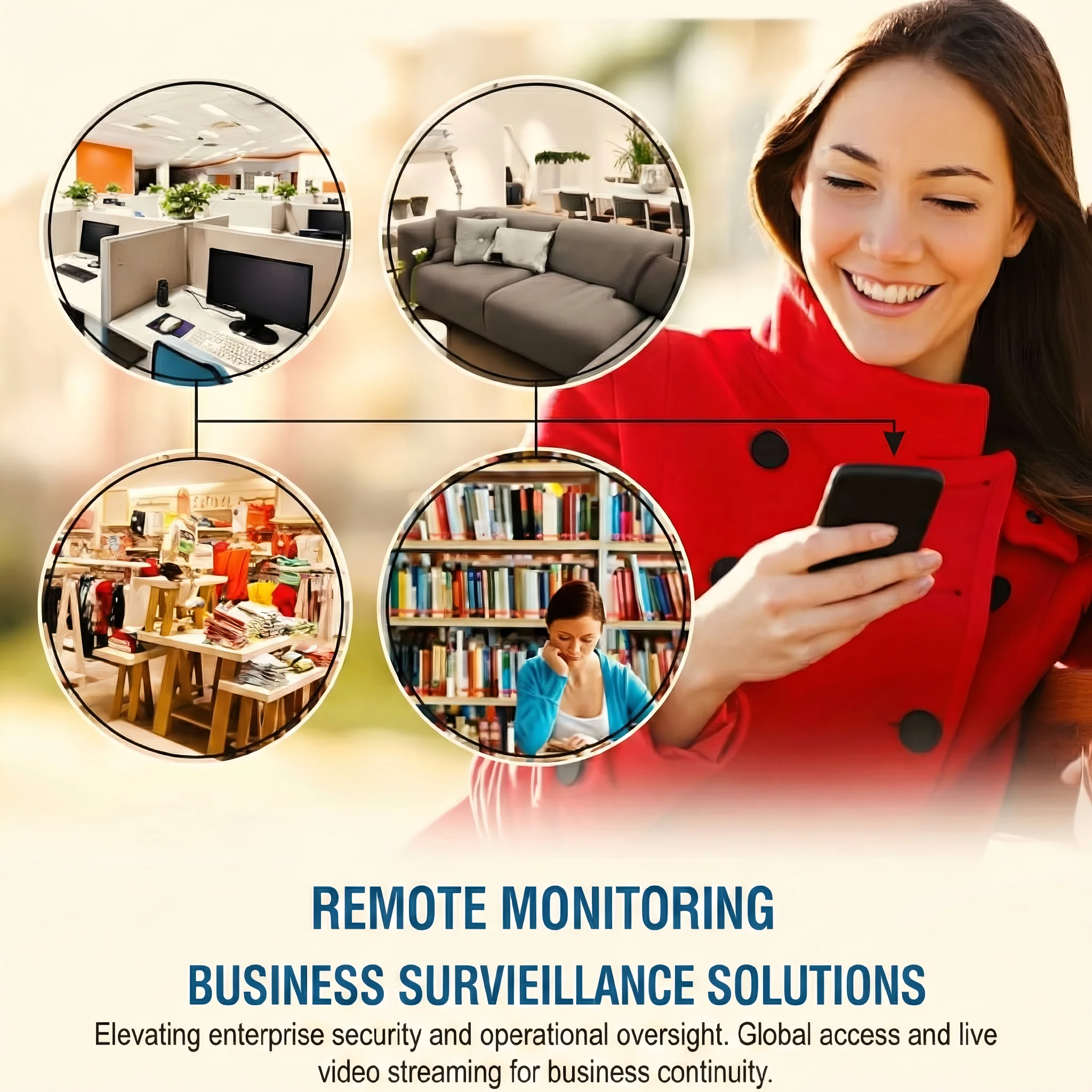
Telecamere 4G LTE utilizzare una scheda SIM e un piano dati (tipicamente 10–20 sterline al mese). Inviano avvisi al telefono quando viene rilevato movimento, consentono di visualizzare un feed in diretta da qualsiasi luogo e possono caricare automaticamente i filmati sullo storage cloud.
Il compromesso è il costo continuo e il fatto che la SIM necessita di segnale nella posizione di parcheggio dell'auto. Un parcheggio sotterraneo o una località remota non avranno segnale, e una telecamera 4G diventa solo una costosa telecamera con scheda SD.
Per la maggior parte dei proprietari di auto private, il WiFi è sufficiente — si rivedono i filmati dopo il fatto, non si monitora l'auto in tempo reale. Per gli operatori di flotte, le società di consegna e chiunque parcheggi in aree ad alto rischio, la connettività 4G fa la differenza tra sapere di un incidente ora e scoprirlo tre giorni dopo.
In QZT Security, forniamo dispositivi con entrambe le opzioni di connettività in modo che i grossisti possano abbinare il prodotto giusto al caso d'uso del cliente. Non tutti hanno bisogno del 4G, e venderlo a qualcuno che non ne ha bisogno creerà solo un mal di testa di supporto quando si renderà conto di pagare per dati che non utilizza.
Punto chiave: Il WiFi va bene per rivedere i filmati dopo il fatto. Il 4G LTE consente di rispondere in tempo reale — ma costa 10–20 sterline al mese e necessita di segnale dove si parcheggia.
| Caratteristica | Telecamera WiFi | Fotocamera 4G LTE |
|---|---|---|
| Visualizzazione in diretta remota | No — solo a portata | Sì — ovunque ci sia segnale |
| Avvisi di movimento sul telefono | No | SÌ |
| Caricamento su cloud | No — solo scheda SD | Sì (utilizzando dati mobili) |
| Costo continuo | Nessuno | 10–20 £/mese |
| Requisito di segnale | Nessuna (WiFi locale) | Segnale mobile nella posizione di parcheggio |
| Ideale per | Proprietari di auto private | Flotta, parcheggio ad alto rischio, uso commerciale |
Quali telecamere nascoste per auto valgono davvero la pena di essere acquistate nel 2026?
In base alle specifiche che contano — non alle affermazioni di marketing — ecco i dispositivi che resistono.
Per la maggior parte degli utenti: un caricatore USB con telecamera nascosta con risoluzione 1080p, visione notturna a infrarossi e registrazione ciclica su scheda MicroSD da 64GB. È discreto, è alimentato continuamente se la presa rimane attiva, e copre l'abitacolo e la strada attraverso il parabrezza.
Per aree ad alto rischio: una fotocamera abilitata 4G LTE con rilevamento di movimento e caricamento su cloud. La possibilità di ricevere un avviso quando qualcuno si avvicina alla tua auto e di visualizzare il feed in diretta immediatamente cambia il risultato — puoi chiamare la polizia mentre l'incidente è in corso piuttosto che rivedere il filmato di un furto già completato.
Per uso flotte e commerciale: una telecamera cablata con un interruttore di bassa tensione e registrazione 24/7. L'installazione professionale garantisce che l'alimentazione sia affidabile, e il filmato continuo fornisce un registro completo della giornata di ogni veicolo.
Per uso occasionale / multi-veicolo: una telecamera power bank che può essere spostata tra le auto. Non è una soluzione permanente, ma per chi desidera copertura in veicoli diversi in giorni diversi, la portabilità è importante.
I prodotti nella Gamma QZT Security include diversi modelli adatti a questi scenari, tutti con certificazione CE e la documentazione tecnica necessaria per la rivendita nel Regno Unito e nell'UE. Per i grossisti, la combinazione di certificazione, spedizione nel Regno Unito/UE e supporto tecnico fa la differenza tra una vendita occasionale e un rapporto di fornitura ricorrente.
Punto chiave: Abbina la telecamera all'uso. Una telecamera a caricatore USB per copertura base, 4G LTE per avvisi in tempo reale, cablata per flotte commerciali e power bank per portabilità.
| Caso d'uso | Tipo Consigliato | Specifiche chiave | Costo Approssimativo |
|---|---|---|---|
| Dissuasione base dei furti | Fotocamera con caricabatterie USB | 1080p, visione notturna IR, SD da 64GB | £30–£60 |
| Parcheggio ad alto rischio | Telecamera 4G LTE | 1080p, avvisi di movimento, caricamento cloud | £80–£150 + £15/mese |
| Flotta commerciale | Telecamera cablata | Registrazione 24/7, interruzione a bassa tensione | £100–£200 + installazione |
| Multi-veicolo / portatile | Telecamera power bank | 1080p, batteria da 10.000mAh | £40–£80 |
| Interno + esterno | Specchio o doppia lente | 1080p anteriore + 1080p abitacolo | £60–£120 |
Come installare una telecamera nascosta per auto senza danneggiare il veicolo?
Il livello di complessità di installazione dipende dal fattore di forma scelto.
Dispositivi plug-and-play (Caricatore USB, power bank, OBD-II) non richiedono modifiche al veicolo. Sono la scelta giusta per veicoli in leasing, auto aziendali e chiunque voglia rimuovere la telecamera quando vende l'auto.
Installazioni cablate richiedono il collegamento alla scatola dei fusibili. Un kit di cablaggio fisso include un adattatore per fusibili che si inserisce in uno slot esistente, un modulo di interruzione di tensione e il percorso del cavo fino alla posizione della telecamera. Nella maggior parte dei veicoli, ciò richiede 1-2 ore per qualcuno con conoscenze elettriche di base. Si consiglia l'installazione professionale se non si è sicuri con l'impianto elettrico automobilistico.
Far passare i cavi con attenzione. Far passare il cavo lungo il bordo del parabrezza, infilandolo dietro il rivestimento del cielo e la guarnizione del montante A, mantiene l'installazione discreta e impedisce al cavo di penzolare distraendo il conducente.
Non ostruire la visuale del conducente. Nel Regno Unito, montare qualsiasi cosa nell'area di spazzamento dei tergicristalli è un fallimento al controllo tecnico (MOT) e può comportare una multa. Posiziona la telecamera dietro lo specchietto retrovisore — è la posizione più discreta ed è legale.
Per i grossisti, offrire una guida all'installazione o una rete di installatori consigliati nel vostro mercato aggiunge un valore genuino. Il vostro cliente ottiene il prodotto e un percorso chiaro verso un'installazione professionale; voi ricevete meno chiamate di assistenza e una maggiore probabilità di un ordine ripetuto.
Domande frequenti
Una telecamera nascosta per auto può registrare quando il motore è spento?
Solo se ha una fonte di alimentazione indipendente — una batteria, un power bank o un collegamento a un fusibile che rimane attivo con l'accensione spenta. Molte telecamere nascoste sono progettate proprio per questo scenario, ma è necessario verificare le specifiche di alimentazione prima dell'acquisto.
È legale registrare l'audio all'interno della mia auto senza informare i passeggeri?
Nel Regno Unito, è legalmente rischioso. La registrazione audio senza consenso può violare le leggi sulla privacy e l'approccio più sicuro è disabilitare la registrazione audio a meno che non si abbia una ragione specifica e legittima. Per i servizi di ridesharing e il trasporto passeggeri commerciale, informare i passeggeri con un adesivo visibile è il minimo.
Una telecamera nascosta scaricherà la batteria della mia auto?
Non se è installata correttamente con un interruttore di bassa tensione. L'interruttore scollega la telecamera quando la batteria dell'auto scende al di sotto di una soglia impostata (tipicamente 11,8V), preservando carica sufficiente per avviare il motore. Senza interruttore, sì — una telecamera alimentata continuativamente scaricherà la batteria nel giro di diversi giorni.
Qual è il miglior punto di nascondiglio per una telecamera per auto?
Dietro lo specchietto retrovisore (per la vista esterna) o all'interno di un caricatore USB nella presa da 12V (per la vista dell'abitacolo). Entrambe sono discrete, non ostruiscono la visuale del conducente e non richiedono foratura o modifiche permanenti.
Devo informare la mia compagnia assicurativa di una telecamera nascosta per auto?
Generalmente no — ma se stai presentando un reclamo e il filmato fa parte delle tue prove, dovrai fornirlo. Alcuni assicuratori offrono uno sconto per i veicoli dotati di telecamere di sicurezza; vale la pena chiedere.
Se sei un grossista o distributore che rifornisce il mercato del Regno Unito o europeo con attrezzature per la sicurezza in auto e telecamere nascoste, Contatta QZT Security oggi. Forniamo dispositivi certificati CE, documentazione tecnica e fornitura affidabile — così i tuoi clienti ricevono attrezzature che possono installare con sicurezza e legalità.

 English
  Italiano
  Deutsch
  Français
  Español
  Polski