
Quanto Dura la Batteria di una Mini Telecamera Spia? Dati Reali 2026
L'annuncio del prodotto dice fino a 180 giorni in standby. La persona che lo ha acquistato lo definisce scarico dopo tre giorni.
Quel divario non è un difetto. È il divario tra il linguaggio di marketing e l'uso effettivo. “In standby” non è la stessa cosa di “registrazione attiva del movimento”. Una telecamera che registra genuinamente 20 eventi al giorno funzionerà diversamente da una che si attiva 200 volte. Un clip da 720p della durata di 30 secondi consuma energia diversamente rispetto a uno streaming 1080p che funziona tutta la notte con i LED IR accesi.
Questa guida ti fornisce i numeri reali — non quelli stampati sulla scatola.
I Numeri Onesti Prima di Tutto
Prima di spiegare perché l'autonomia della batteria varia così tanto, ecco i dati pratici provenienti da più fonti, inclusi test reali e cifre riportate nei forum.
Registrazione Continua (Fotocamera in Funzionamento Senza Interruzioni)
| Tipo di telecamera | Registrazione Continua Reale | Cosa Dice Solitamente l'Annuncio |
|---|---|---|
| Microcamera base (400–900 mAh) | 1–2,5 ore | 3–5 ore |
| Fotocamera WiFi standard 1080p (1.000–2.000 mAh) | 2–5 ore | 6–10 ore |
| Fotocamera con batteria ad alta capacità (5.000–10.000 mAh) | 6–12 ore | 15–20 ore |
| Fotocamera con power bank (20.000 mAh) | 10–18 ore | 24–30 ore |
Lo schema si mantiene nella categoria: la registrazione continua nel mondo reale si attesta a circa il 40–60% della cifra pubblicizzata. Un annuncio che afferma “10 ore di registrazione continua” tipicamente fornisce 4–6 ore nella pratica.
Registrazione Attivata dal Movimento
Con l'attivazione al movimento, l'autonomia della batteria smette di essere misurata in ore e inizia a essere misurata in giorni.
| Dimensioni della batteria | Spazio di Attività Basso | Spazio di Attività Medio | Spazio ad Alta Attività |
|---|---|---|---|
| 1.000 mAh | 5–8 giorni | 2–4 giorni | 8–24 ore |
| 2.000 mAh | 12–20 giorni | 5–10 giorni | 1–3 giorni |
| 5.000 mAh | 30–45 giorni | 15–25 giorni | 4–8 giorni |
| 10.000 mAh | 60–90 giorni | 25–45 giorni | 8–16 giorni |
Uno “spazio a bassa attività” significa un ufficio privato, un magazzino o una camera da letto — forse 5–15 eventi di movimento al giorno. Uno “spazio ad alta attività” significa un soggiorno, un corridoio o un negozio al dettaglio — 50–200 eventi di movimento al giorno.
La differenza tra quei due spazi non è una specifica che puoi trovare in una pagina prodotto. È una proprietà dell'ambiente in cui installi la telecamera.
Modalità Standby
In standby — telecamera accesa ma non in registrazione — la maggior parte dei modelli funziona per 6–12 ore con una batteria da 1.000–2.000 mAh. Alcuni modelli avanzati con gestione energetica aggressiva dichiarano fino a 10 giorni. L'avvertenza: durante lo standby, la telecamera non registra nulla. Se il tuo obiettivo è una copertura 24/7, lo standby non aiuta.
Le cifre di “180 giorni in standby” che vedi nelle liste dei prodotti si riferiscono a telecamere con batterie molto grandi (oltre 15.000 mAh) in funzione in modalità rilevamento movimento con meno di 10 attivazioni al giorno — non un vero standby, e non condizioni tipiche del mondo reale.
Perché l'Autonomia Reale della Batteria Differisce dalla Descrizione
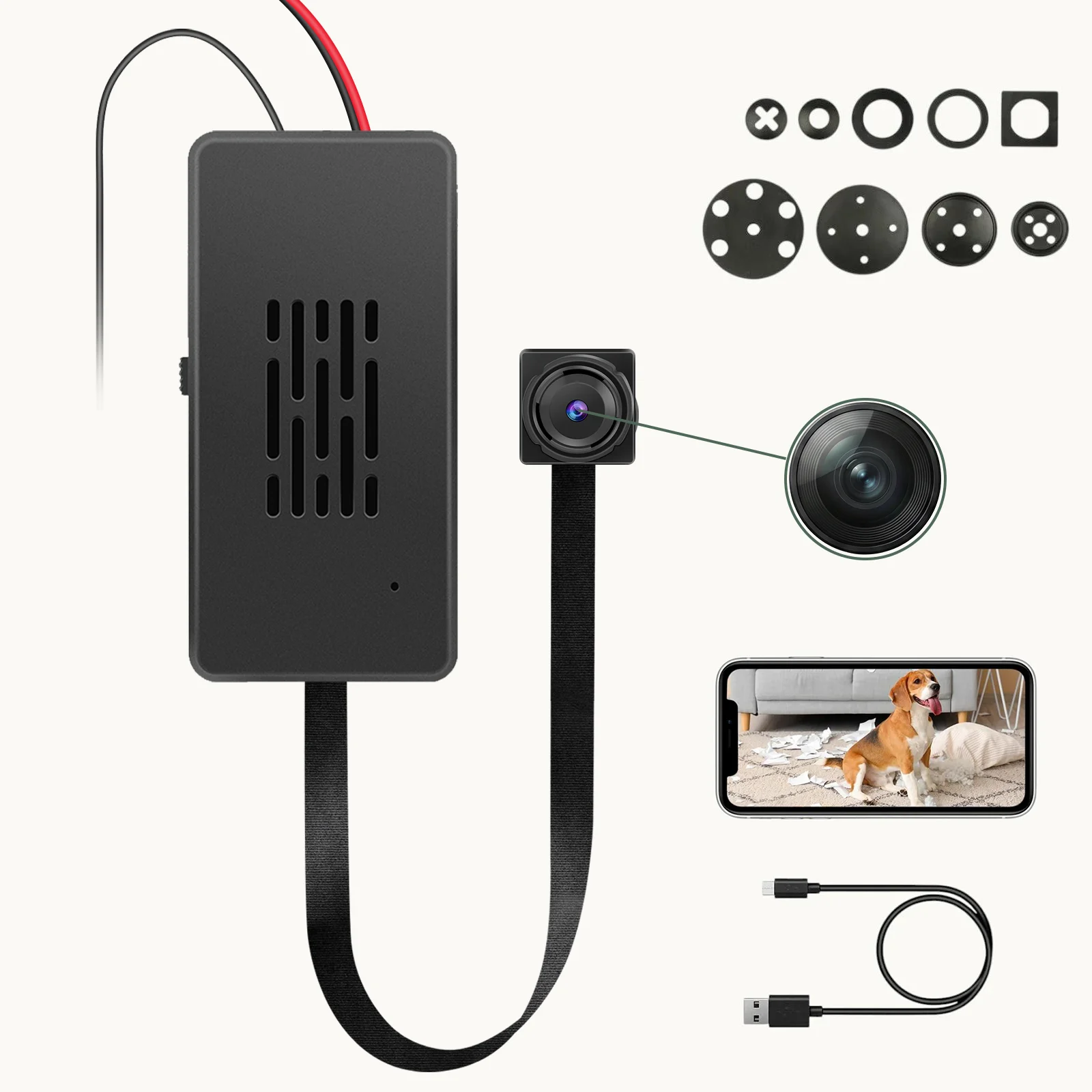
Ci sono cinque ragioni specifiche per cui la batteria di una telecamera spia si esaurisce più velocemente del previsto. Ognuna è prevedibile.
1. La Risoluzione è la Variabile di Potenza Più Grande
La registrazione 1080p a 30fps elabora circa 4–6 GB di dati video all'ora. Tale elaborazione avviene su un chip dedicato all'interno della telecamera e consuma energia proporzionalmente.
Una telecamera da 900 mAh che registra in 1080p funziona per circa 2,5 ore. La stessa telecamera che registra in 720p — metà dei pixel — funziona per 3,5–4 ore. Riducendo a un 720p a bitrate inferiore potresti arrivare a 5 ore.
La registrazione 4K è in una categoria completamente diversa: 2–3× il consumo energetico del 1080p per un guadagno marginale nella qualità forense alle tipiche distanze coperte. A meno che non debba identificare una targa da 10 metri di distanza, il 1080p è il limite pratico di risoluzione per telecamere spia indossabili e portatili.
2. Il WiFi Scarica la Batteria del 30–50%
Ogni minuto in cui un modulo WiFi è attivo all'interno di una telecamera spia, assorbe corrente dalla batteria per mantenere una connessione di rete, elaborare le richieste in entrata per la visualizzazione remota e inviare gli avvisi di rilevamento del movimento al cloud.
In termini pratici, attivare il WiFi su una telecamera spia riduce la durata effettiva della batteria del 30–50% rispetto alla stessa unità che registra localmente su una scheda MicroSD.
Lo scenario più comune: Un acquirente configura la sua spy pen camera, la collega al WiFi per la visualizzazione remota, la mette in una borsa e si aspetta che registri la riunione. Tre ore dopo la batteria è scarica — perché il WiFi è rimasto attivo per tutto il tempo, anche se nessuno stava guardando da remoto.
La soluzione: Per applicazioni indossate sul corpo in cui si recupera la scheda successivamente, non collegare il WiFi. Usare la modalità di registrazione locale. Per installazioni fisse in cui l'accesso remoto è importante, considerare un 30–50% in più nelle stime di durata della batteria e utilizzare l'alimentazione di rete ove possibile.
3. La visione notturna è un consumo energetico nascosto
La visione notturna a LED IR non è gratuita. Richiede un array dedicato di illuminatori a infrarossi alimentato in modo continuo.
Tenere accesi i LED IR per 12 ore — un'intera notte in una stanza senza luce ambientale — consuma l'equivalente di 4–5 ore di registrazione diurna in termini di energia. Se una camera dichiara 6 ore di registrazione continua senza specificare "con visione notturna disattivata", presumi che quel dato scenda a 3–4 ore con l'IR attivo.
Due lunghezze d'onda sono comuni:
– LED IR da 850 nm: Visible as a faint purple/red glow in dark conditions. Range typically 5–10 metres. Standard on most budget spy cameras.
– LED IR da 940nm: Invisibile all'occhio umano. Portata più breve (3–5 metri). Presente su modelli di fascia alta commercializzati come “non rilevabili”.
Nessuna delle due lunghezze d'onda è più efficiente energeticamente dell'altra. La differenza sta nella mimetizzazione, non nella durata della batteria.
4. La temperatura uccide la capacità della batteria in modi che le schede prodotto non menzionano mai
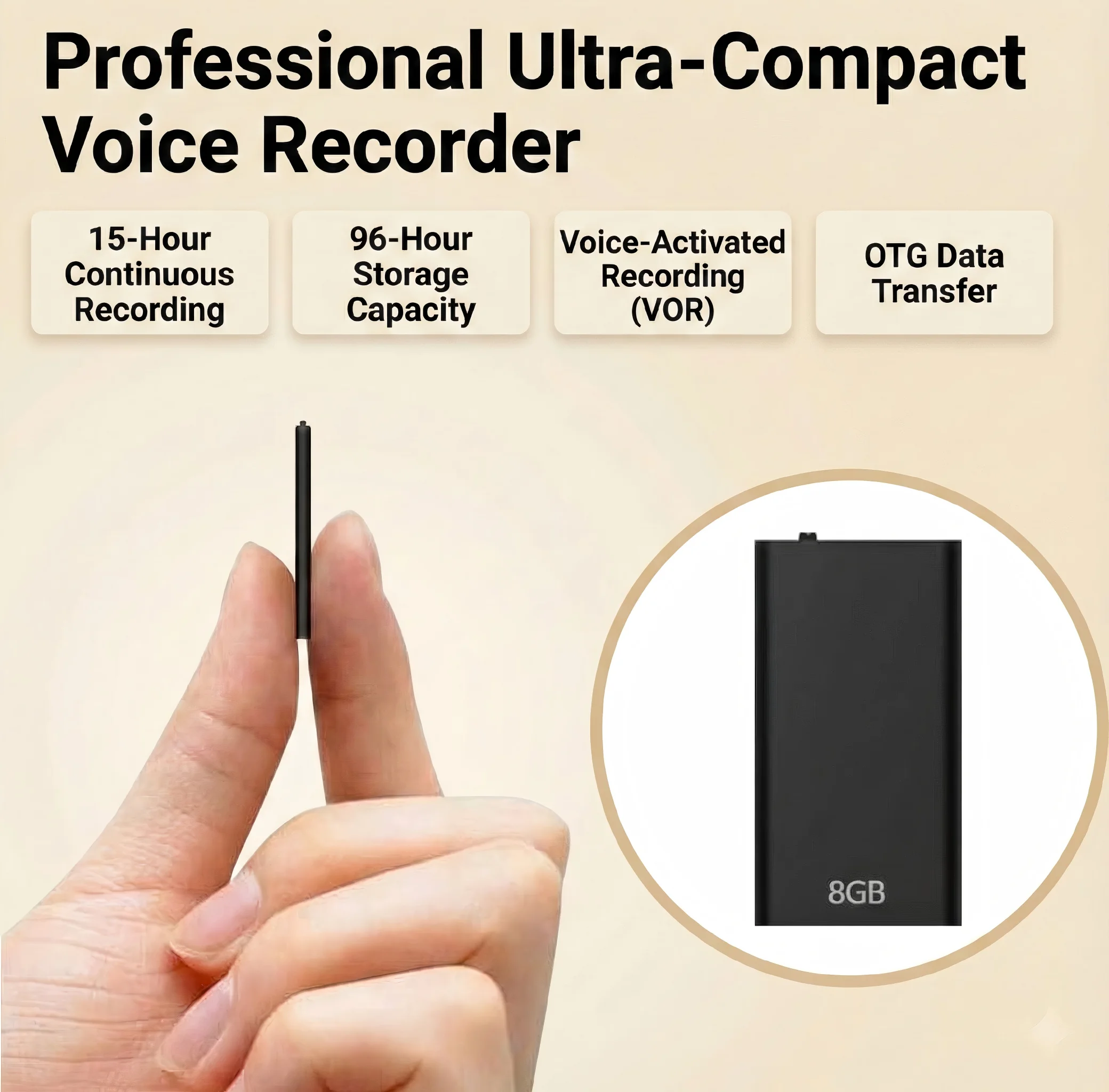
Gli ambienti freddi sono la ragione più comune per cui gli acquirenti segnalano prestazioni della batteria al 30–50% della capacità nominale.
| Temperatura | Capacità della batteria disponibile |
|---|---|
| 25°C (temperatura ambiente) | 100% |
| 10°C | 80–85% |
| 5°C | 70–75% |
| 0°C | 55–65% |
| -10°C | 30–50% (alcune telecamere non si accendono) |
| Sotto -10°C | La camera potrebbe non accendersi affatto |
Le telecamere spia a batteria installate in ambienti non riscaldati, veicoli o all'aperto durante l'autunno e l'inverno offrono costantemente prestazioni inferiori alla capacità nominale. Non è un difetto — è elettrochimica. Le batterie agli ioni di litio perdono capacità alle basse temperature.
5. La degradazione della batteria inizia dal primo giorno
Ogni ciclo di carica — una scarica completa e una ricarica — degrada leggermente una batteria agli ioni di litio. Dopo 300–500 cicli, una tipica batteria per spy camera mantiene circa l'80% della capacità originale. Dopo 500–1.000 cicli, potrebbe mantenere solo il 60%.
Per una telecamera spia utilizzata quotidianamente, 300 cicli si raggiungono in meno di due anni. Lo stesso dispositivo che da nuovo garantiva 5 ore di registrazione continua ne garantisce 4 dopo 18 mesi di uso regolare.
Cosa significa per gli acquirenti B2B: Non fare scorte di telecamere basandosi unicamente sulle specifiche di durata della batteria del datasheet del periodo di lancio. Prevedere la curva di degrado della batteria quando si stima l'autonomia reale per i clienti che possiedono l'unità da 12–24 mesi.
Confronto delle modalità di registrazione: il quadro completo
registrazione continua
La telecamera registra dal momento in cui viene accesa fino a quando la batteria si esaurisce o la memoria si riempie.
Autonomia reale: 1–5 ore per la maggior parte delle spy camera consumer.
Ideale per: Short-duration deployments: a meeting, a car journey, a single event.
Non per: Anything beyond 2–3 hours without mains power or a large battery bank.
Registrazione Attivata dal Movimento
La telecamera rimane in stato di standby a basso consumo finché il sensore di movimento non rileva un movimento, poi si attiva e registra per una durata preimpostata (tipicamente da 30 secondi a 3 minuti) prima di tornare in standby.
Autonomia reale: 5–90 giorni a seconda della dimensione della batteria e del livello di attività nello spazio.
Ideale per: Sorveglianza della stanza dove servono più giorni di copertura senza ricarica.
La trappola: Le telecamere "attivate dal movimento" consumano comunque energia in standby. Se la telecamera ha il WiFi abilitato per le notifiche push, il consumo della batteria in modalità standby aumenta in modo significativo.
Modalità PIR (infrarosso passivo)
I sensori PIR rilevano le firme termiche di persone e animali — non solo i cambiamenti di pixel — il che significa meno falsi attivazioni da ombre, tende o variazioni di luce. Questo si traduce in una durata della batteria notevolmente maggiore rispetto al rilevamento del movimento basato su software.
Autonomia reale: 30–90 giorni con una batteria da 5.000–10.000 mAh, con meno di 50 attivazioni al giorno.
Ideale per: Spazi interni in cui si desidera una distribuzione prolungata senza visitare la telecamera.
Limitazione: Il PIR funziona al meglio per firme termiche di dimensioni umane a 3–8 metri. Gli animali domestici di piccola taglia lo attivano; i movimenti molto lenti potrebbero non farlo.
Registrazione programmata
La telecamera registra solo in specifiche finestre temporali — ad esempio, dalle 9:00 alle 17:00 nei giorni feriali, o dalle 20:00 alle 23:00 ogni notte.
Autonomia reale: Determinato dalla finestra di registrazione, non dalla modalità stessa. 2 ore di registrazione programmata al giorno possono durare 2–3 mesi con una singola carica.
Ideale per: Monitoraggio dell'ufficio durante l'orario lavorativo, videosorveglianza domestica di notte mentre dormi.
Telecamere power bank: una categoria diversa
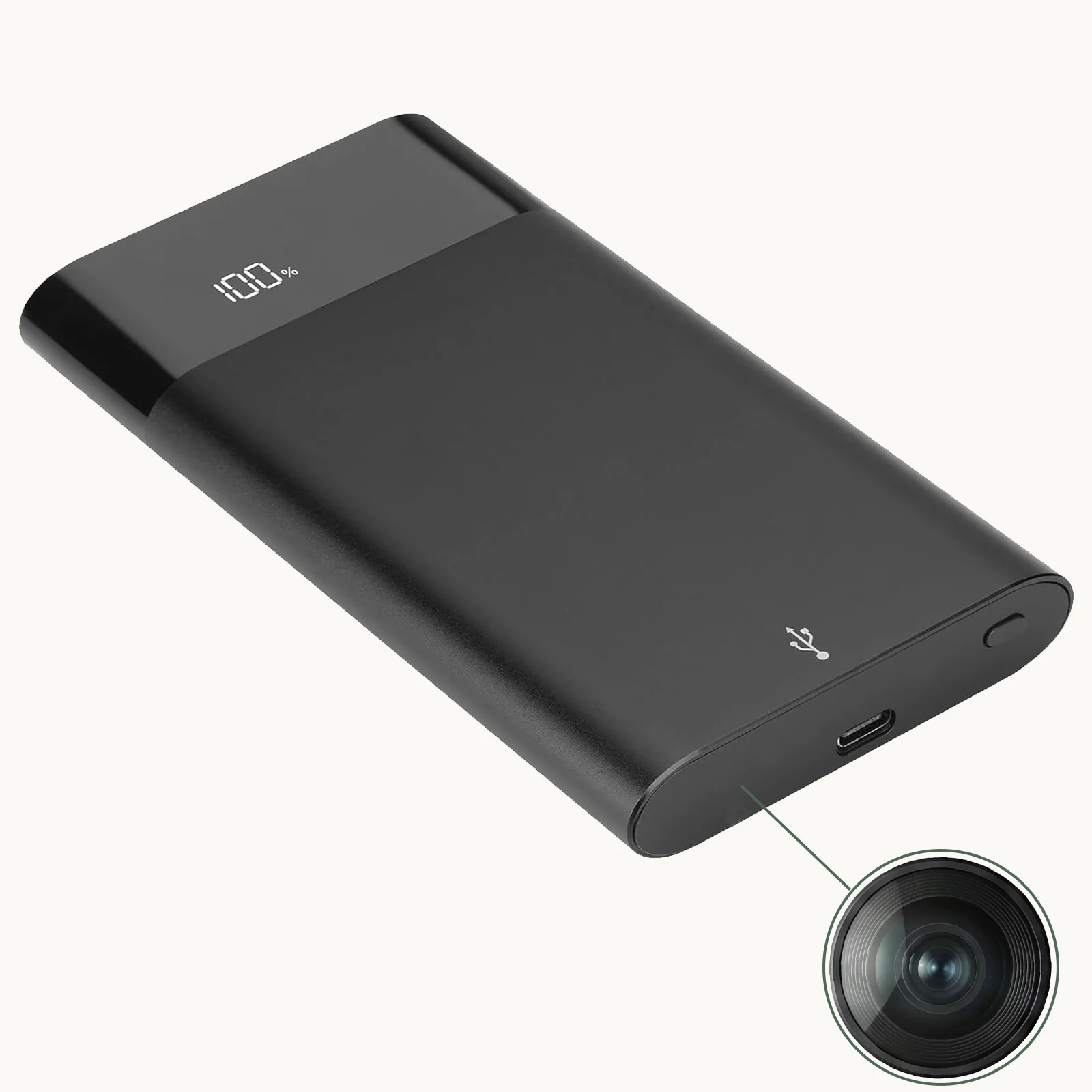
Una telecamera con power bank utilizza un pacco batteria esterno da 10.000–20.000 mAh come fonte di alimentazione. La batteria non è all'interno dell'unità della telecamera — è un blocco separato che si collega tramite USB.
Registrazione continua reale: 10–20 ore a 1080p con un power bank da 20.000 mAh.
Vantaggi: Capacità enorme, la batteria può essere sostituita con una carica senza spostare la telecamera.
Svantaggi: Il power bank è visibile. Un battery pack da 20.000 mAh non è occultabile in una penna o in un portachiavi.
Capacità della batteria vs. autonomia reale: la questione dei mAh
La maggior parte degli acquirenti valuta la durata della batteria di una telecamera spia in base al valore mAh indicato nelle specifiche. È un dato utile, ma incompleto.
Perché i mAh non sono tutta la storia
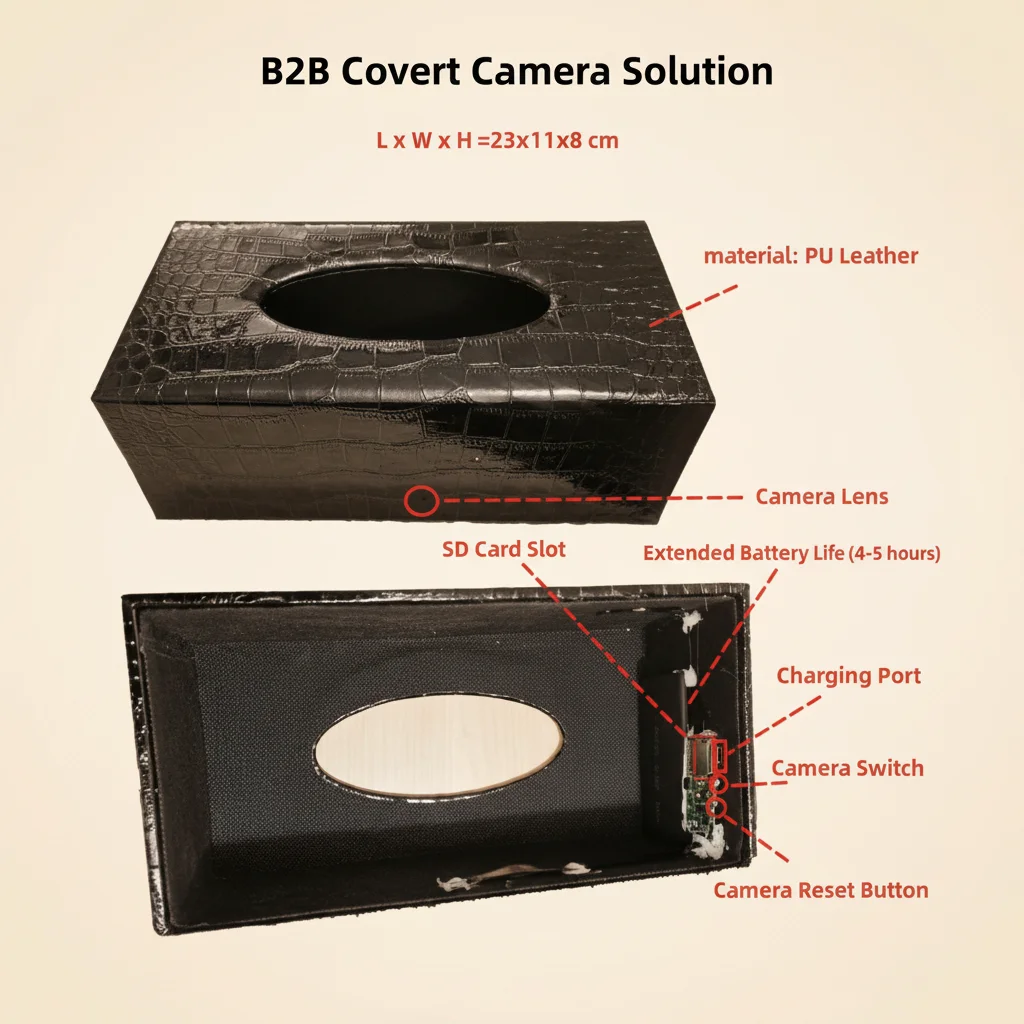
Due telecamere con batterie da 2.000 mAh non necessariamente funzionano per lo stesso periodo di tempo. Il motivo: il consumo energetico varia in base a:
– Efficienza del processore: Chip diversi assorbono correnti diverse a parità di carico di lavoro. Un chip di compressione H.265 più recente assorbe meno potenza rispetto a un chip H.264 più vecchio che codifica alla stessa risoluzione.
– Modulo WiFi: Le telecamere con WiFi attivo consumano il 30–50% in più di energia rispetto a hardware identico in modalità di registrazione locale.
– Array di LED IR: La visione notturna può assorbire da 500 a 1.500 mA da sola — una frazione significativa della capacità totale di una batteria di piccole dimensioni.
– Tipo di sensore: Alcuni sensori di immagine sono più sensibili e richiedono meno amplificazione del segnale, riducendo il consumo energetico.
– Corrente in standby: La corrente minima assorbita dalla telecamera quando è accesa ma non registra. Alcune telecamere assorbono 50–100 mA in standby; altre assorbono 5–10 mA. Questo determina la velocità con cui una batteria si scarica durante la notte.
Cosa ti dice davvero la capacità in mAh
All'interno di una singola linea di prodotto — confrontando due modelli dello stesso produttore con hardware simile — un valore mAh più alto significa in modo affidabile un'autonomia maggiore.
Tra produttori e linee di prodotto diversi, una dichiarazione di 2.000 mAh del Marchio A può comportarsi diversamente da una dichiarazione di 2.000 mAh del Marchio B. Le celle batteria contraffatte — celle che dichiarano 2.000 mAh ma che in realtà contengono 800–1.200 mAh — sono endemiche nel mercato dell'elettronica economica.
Consiglio pratico: Cercare valori mAh superiori a 2.000 per qualsiasi telecamera che si prevede di utilizzare per più di 4 ore di uso continuo. Insistere su batterie di marca ove possibile. Prevedere una perdita di capacità del 20% per le unità in uso da oltre 12 mesi.
Punto chiave: durata della batteria per caso d'uso
| Caso d'uso | Configurazione consigliata | Autonomia prevista |
|---|---|---|
| Documentazione di riunioni (1–2 ore) | Penna spia, registrazione locale, WiFi disattivato | 45–90 minuti |
| Auto/veicolo per sorveglianza | Telecamera portachiavi, SD locale | 60–90 minuti in continuo |
| Stanza domestica (1–3 giorni) | Telecamera orologio/caricatore, alimentata da rete elettrica | 24/7 (illimitato) |
| Stanza domestica (1–2 settimane) | Telecamera da orologio con batteria di riserva da 2000 mAh, rilevamento del movimento | 7–14 giorni |
| Copertura ufficio/weekend | Microcamera, 5000 mAh, rilevamento del movimento | 15–30 giorni |
| Sito remoto, attività ridotta | Telecamera senza fili, 10000 mAh, modalità PIR | 30–60 giorni |
| Installazione prolungata, nessun accesso | Camera solare + batteria | Illimitata (con sole) |
Manutenzione della batteria per installazioni a lungo termine
Se hai bisogno di una spy camera che funzioni per settimane o mesi senza interventi, la manutenzione della batteria non è opzionale — fa parte del piano di installazione.
I cicli di ricarica sono limitati. Una batteria ai polimeri di litio classificata per 500 cicli di carica completi durerà circa 1,5 anni se la si scarica e ricarica completamente ogni giorno. Se si utilizza la modalità attivata dal movimento e si ricarica settimanalmente, la stessa batteria potrebbe durare 3–4 anni.
Le cariche parziali non contano come cicli completi. La maggior parte delle batterie moderne conta i cicli di carica in base alla scarica cumulativa — una serie di cinque cariche al 20% non conta come cinque cicli. Ciò significa che ricaricare una batteria parzialmente scarica è meno dannoso che attendere una scarica completa.
Lo stoccaggio è importante. Se conservi batterie di ricambio per un impiego a lungo termine, conservale a una carica del 40–60% a temperatura ambiente. Una batteria completamente carica conservata ad alta temperatura perde capacità più rapidamente di una conservata a carica parziale.
La posizione fisica della batteria è importante. Molte spy camera posizionano la batteria contro il PCB — la scheda madre — che genera calore durante la registrazione. Il calore accelera il degrado della batteria. Per installazioni fisse a lungo termine, una telecamera alimentata dalla rete con un backup a batteria separato (piuttosto che un'unità che si affida interamente alla sua batteria interna) durerà più a lungo e funzionerà in modo più affidabile.
Guida B2B: approvvigionamento di telecamere spia per requisiti di durata della batteria
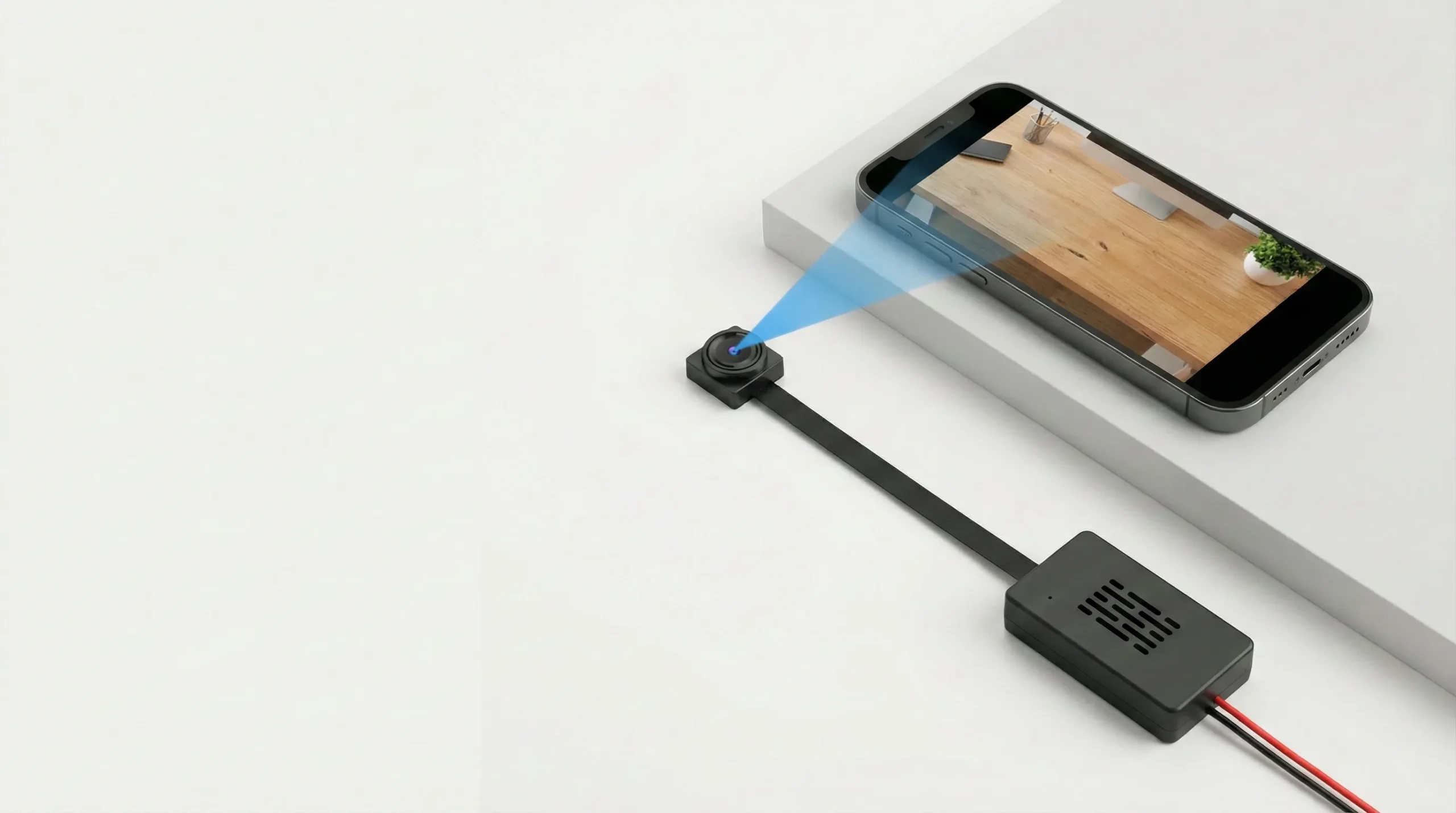
Per i distributori e i rivenditori che specificano le prestazioni della batteria nelle schede prodotto e nei consigli ai clienti, queste sono le variabili che determinano la soddisfazione effettiva del cliente.
Come leggere le specifiche della batteria in modo onesto
| Specifiche | Ciò che di solito significa | Cosa dire al tuo cliente |
|---|---|---|
| “180 giorni in standby” | PIR mode with <10 triggers/day, 15,000+ mAh battery, ideal temperature | Adatta solo a magazzini e spazi a basso passaggio |
| “30 hours continuous” | WiFi disattivato, senza visione notturna, a temperatura ambiente | 12–18 ore è più realistico per un uso tipico |
| “Batteria ricaricabile” | Nessuna capacità specificata | Insisti sulla cifra in mAh; qualsiasi valore inferiore a 2000 mAh indica un'unità di breve durata |
| “Batteria al litio a lunga durata” | Linguaggio di marketing | Verifica il marchio della cella (Samsung, Sony, LG = affidabile; senza marchio = sconosciuto) |
Ipotesi sul tasso di reso
Per le telecamere spia a batteria, prevedere un tasso di reso del 10–20% con la motivazione specifica “la batteria non è durata quanto previsto” — anche su unità con specifiche accurate. I clienti che non comprendono la differenza tra registrazione continua e standby con rilevamento del movimento rimarranno sempre delusi se non vengono informati in anticipo.
Mitigazione: Abbinare ogni inserzione di telecamera a batteria con una chiara spiegazione delle modalità di registrazione e della durata prevista della batteria in diversi casi d'uso. Una spiegazione di 60 secondi nella descrizione del prodotto previene uno scambio di 30 minuti con il servizio clienti e un reso.
Il problema della frode sulla capacità in mAh
Le telecamere spia economiche con etichette di capacità della batteria falsificate sono un problema persistente della catena di fornitura. Una cella che dichiara 3.000 mAh può in realtà essere da 1.500 mAh — una carenza del 50% che si manifesta immediatamente nell'uso reale.
Passaggi di verifica prima di inserire un nuovo fornitore:
1. Richiedi un'unità campione
2. Esegui un test di registrazione continua e cronometra quanto dura effettivamente la batteria
3. Confronta con i mAh dichiarati: a 1080p, circa 1.000 mAh dovrebbero garantire 2,5–3 ore di registrazione da un avvio a caldo
4. Se i numeri non corrispondono, richiedere la scheda tecnica della batteria al fornitore
Considerazioni climatiche per il tuo mercato
Se il tuo mercato principale è l'Europa settentrionale, il Regno Unito o il Canada, la riduzione della capacità della batteria indotta dalla temperatura è un problema che persiste tutto l'anno per le telecamere portatili a batteria. In questi mercati, enfatizza soluzioni alimentate da rete elettrica o assistite da pannello solare per installazioni superiori a 48 ore.
Per i mercati del Mediterraneo e dell'Europa meridionale, la temperatura è un vincolo minore — ma il caldo estivo superiore ai 35°C degrada le batterie al litio più rapidamente delle temperature moderate.
Per richieste di vendita all'ingrosso o opzioni di configurazione batteria personalizzate, contatta il nostro team tecnico.
Domande frequenti
Quanto registra davvero una mini spy camera con una sola carica?
La registrazione continua nel mondo reale su una tipica mini telecamera spia (batteria da 900–2.000 mAh) è di 1–3 ore a 1080p. Il dato più comunemente riportato è di 60–90 minuti per dispositivi indossabili come telecamere penna e telecamere portachiavi. Se hai bisogno di più di 2 ore di registrazione continua, ti serve un'unità alimentata da rete elettrica o una telecamera con pacco batteria da 10.000+ mAh.
Le spy camera registrano durante la ricarica?
La maggior parte sì, ma con delle condizioni. Il circuito di ricarica USB deve erogare più corrente di quanta ne consumi la camera durante la registrazione — un caricatore USB standard da 5V/1A è spesso insufficiente per una camera che assorbe 500–800 mA durante la registrazione in 1080p. Alcune camere registrano durante la ricarica; altre interrompono la registrazione durante la ricarica per evitare il surriscaldamento della batteria. Consultare la documentazione del modello specifico prima di affidarsi a questa funzione per installazioni prolungate.
Cosa riduce più rapidamente la durata della batteria di una spy camera?
La registrazione continua con WiFi abilitato e visione notturna attiva contemporaneamente scaricherà una batteria di piccole dimensioni in meno di un'ora. Ogni funzione consuma energia singolarmente; attivarle tutte e tre insieme amplifica notevolmente l'effetto. Per la massima longevità della batteria, registra a 720p in modalità solo locale senza visione notturna.
Posso sostituire la batteria di una spy camera?
Sulla maggior parte delle spy camera consumer — penne, portachiavi, mini telecamere — la batteria è saldata direttamente al PCB e non è sostituibile dall'utente. Su unità più grandi (telecamere power bank, alcune telecamere orologio), la batteria potrebbe essere accessibile ma la sostituzione richiede lo smontaggio. Le telecamere a batteria ricaricabile hanno una durata limitata (300–1.000 cicli) dopo i quali la capacità si degrada al di sotto dei livelli utili. Per installazioni a lungo termine, i modelli alimentati da rete elettrica con batteria di backup eliminano completamente il problema della sostituzione.
Come posso prolungare la durata della batteria della mia spy camera?
Quattro strategie funzionano: primo, disattivare il WiFi a meno che la visualizzazione remota non sia essenziale — la modalità di registrazione locale estende la durata della batteria del 30–50%. Secondo, passare alla modalità attivata dal movimento — una camera che registra solo durante l'attività trasforma 3 ore di autonomia continua in 3–7 giorni. Terzo, disattivare la visione notturna a meno che non sia specificamente necessaria — i LED IR consumano energia equivalente a quella del resto della camera messa insieme. Quarto, usare 720p invece di 1080p — la registrazione a risoluzione inferiore riduce significativamente la potenza di elaborazione, specialmente sui chipset economici.
Le spy camera consumano la batteria quando sono spente?
Sì, ma lentamente. Tutte le batterie agli ioni di litio si autoscaricano anche quando non sono in uso — circa 2–5% al mese a temperatura ambiente. Una spy camera completamente carica conservata per sei mesi senza utilizzo sarà a circa 70–85% di carica quando la riaccendi. Questo è normale e non indica un difetto.
La durata della batteria non è un singolo numero — è una relazione tra l'hardware della telecamera, la modalità di registrazione, l'ambiente e le condizioni di conservazione. Il dato di 180 giorni in standby non è una bugia; è una misurazione effettuata in condizioni ideali che la maggior parte delle installazioni reali non soddisfa.
Comprendere in quali condizioni si opera — spazio a basso transito o casa affollata, stanza calda o veicolo freddo, registrazione continua o rilevamento del movimento — dice più sulla durata prevista della batteria di qualsiasi specifica mAh.
Per un singolo incontro: una penna spia con 45–90 minuti di registrazione reale è sufficiente. Per la sorveglianza di una stanza per una settimana: una telecamera orologio alimentata a rete o un'unità a batteria da 5.000+ mAh in modalità rilevamento movimento è lo strumento giusto.
Contattaci oggi per prezzi all'ingrosso, guida alla configurazione della batteria o soluzioni di alimentazione personalizzate per la vostra gamma di prodotti per la sorveglianza occulta.
Telecamere nascoste all'ingrosso — QZT Security

 English
  Italiano
  Deutsch
  Français
  Español
  Polski