
Wie lange hält der Akku einer Mini-Spionagekamera? Echte Daten 2026
Die Produktliste sagt bis zu 180 Tage Standby. Der Käufer meldet sie nach drei Tagen als leer.
Diese Differenz ist kein Defekt. Es ist die Kluft zwischen Marketing-Sprache und tatsächlicher Nutzung. “Standby” ist nicht gleich “aktive Bewegungsaufzeichnung”. Eine Kamera, die wirklich 20 Ereignisse pro Tag aufzeichnet, arbeitet anders als eine, die 200 Mal ausgelöst wird. Ein 720p-Clip von 30 Sekunden verbraucht andere Energie als ein 1080p-Stream, der die ganze Nacht mit IR-LEDs läuft.
Dieser Leitfaden liefert Ihnen die echten Zahlen – nicht die auf der Verpackung gedruckten.
Zuerst die ehrlichen Zahlen
Bevor erklärt wird, warum die Akkulaufzeit so stark variiert, hier die praktischen Daten aus mehreren Quellen, einschließlich realer Tests und in Foren berichteter Zahlen.
Daueraufnahme (Kamera läuft ununterbrochen)
| Kamera Typ | Echte Daueraufnahme | Was die Liste normalerweise sagt |
|---|---|---|
| Einfache Mini-Kamera (400–900 mAh) | 1–2,5 Stunden | 3–5 Stunden |
| Standard-1080p-WLAN-Kamera (1.000–2.000 mAh) | 2–5 Stunden | 6–10 Stunden |
| Hochkapazitäts-Batteriekamera (5.000–10.000 mAh) | 6–12 Stunden | 15–20 Stunden |
| Powerbank-Kamera (20.000 mAh) | 10–18 Stunden | 24–30 Stunden |
Das Muster gilt für die gesamte Kategorie: Echte Daueraufnahmen liegen bei etwa 40–60 % der beworbenen Angabe. Ein Angebot, das “10 Stunden Daueraufnahme” verspricht, liefert in der Praxis typischerweise 4–6 Stunden.
Bewegungsaktivierte Aufnahme
Bei Bewegungsaktivierung wird die Batterielebensdauer nicht mehr in Stunden, sondern in Tagen gemessen.
| Batteriegröße | Niedrigaktivitätsbereich | Mittlerer Aktivitätsbereich | Hochfrequenter Aktionsbereich |
|---|---|---|---|
| 1.000 mAh | 5–8 Tage | 2–4 Tage | 8–24 Stunden |
| 2.000 mAh | 12–20 Tage | 5–10 Tage | 1–3 Tage |
| 5.000 mAh | 30–45 Tage | 15–25 Tage | 4–8 Tage |
| 10.000 mAh | 60–90 Tage | 25–45 Tage | 8–16 Tage |
Ein “niedrigfrequenter Aktionsbereich” bedeutet ein privates Büro, ein Lagerraum oder ein Schlafzimmer – vielleicht 5–15 Bewegungserkennungen pro Tag. Ein “hochfrequenter Aktionsbereich” bedeutet ein Wohnzimmer, ein Flur oder eine Verkaufsfläche – 50–200 Bewegungserkennungen pro Tag.
Der Unterschied zwischen diesen beiden Bereichen ist keine Spezifikation, die Sie auf einer Produktseite finden können. Es ist eine Eigenschaft der Umgebung, in der Sie die Kamera einsetzen.
Standby-Modus
Im Standby – Kamera eingeschaltet, aber nicht aufzeichnend – halten meisten Einheiten mit einer 1.000–2.000 mAh Batterie 6–12 Stunden. Einige fortgeschrittene Modelle mit aggressiver Stromverwaltung geben bis zu 10 Tage an. Der Haken: während Standby nimmt die Kamera nichts auf. Wenn Ihr Ziel 24/7-Abdeckung ist, hilft Standby nicht.
Die “180 Tage Standby”-Angaben in Produktlisten beziehen sich auf Kameras mit sehr großen Batterien (15.000+ mAh), die im Bewegungserkennungsmodus mit weniger als 10 Ereignissen pro Tag arbeiten – nicht auf tatsächlichen Standby und nicht auf typische realistische Bedingungen.
Warum die tatsächliche Batterielebensdauer von der Produktliste abweicht
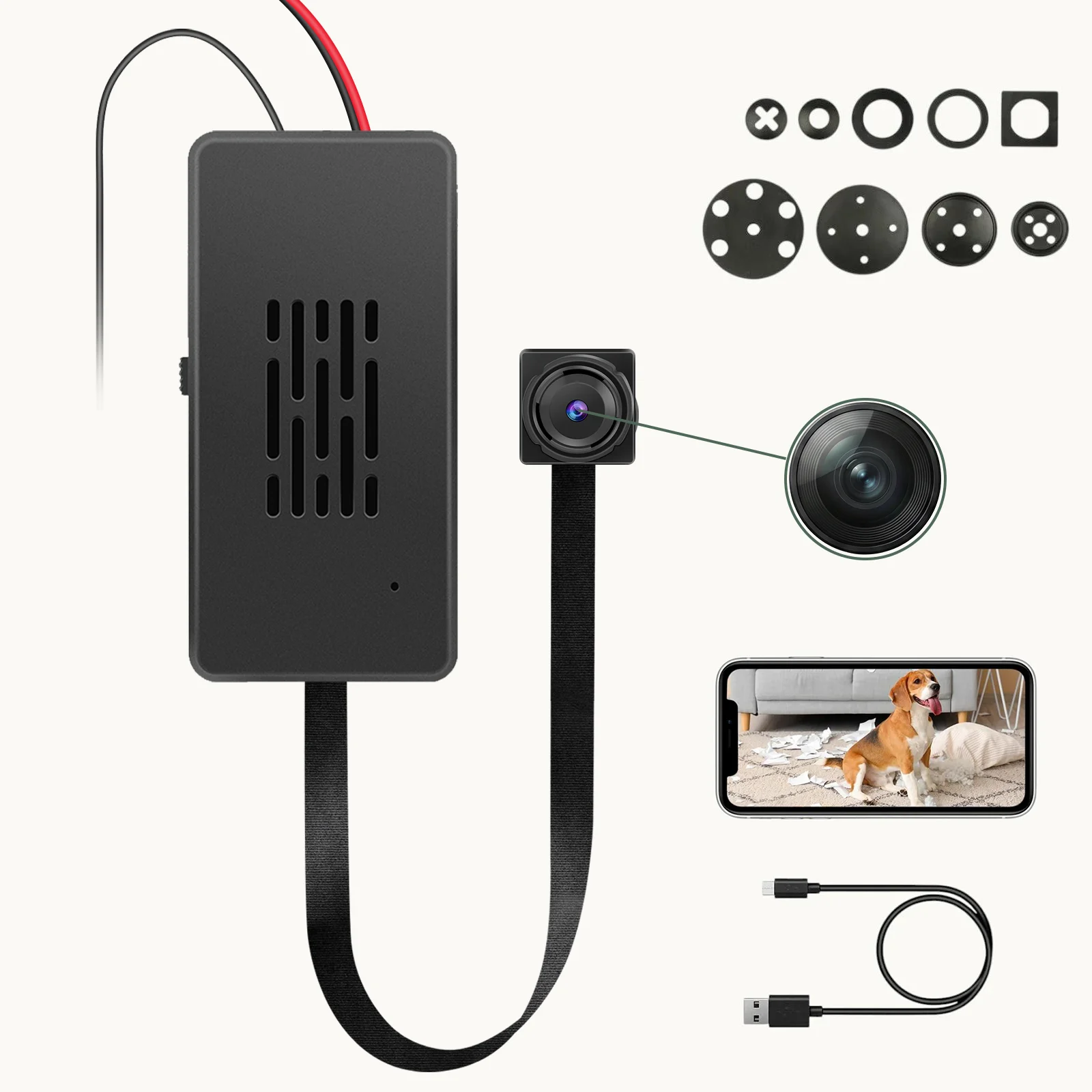
Es gibt fünf spezifische Gründe, warum eine Spy-Kamera-Batterie schneller stirbt als erwartet. Jeder ist vorhersehbar.
1. Die Auflösung ist der größte Leistungsvariabel
1080p-Aufnahmen bei 30 fps verarbeiten etwa 4–6 GB Videodaten pro Stunde. Diese Verarbeitung erfolgt auf einem dedizierten Chip in der Kamera und zieht proportional Strom.
Eine 900-mAh-Kamera, die in 1080p aufzeichnet, läuft etwa 2,5 Stunden. Dieselbe Kamera, die in 720p aufzeichnet – halbe Pixelanzahl – läuft 3,5–4 Stunden. Bei einer niedrigeren Bitrate von 720p könnte man sie auf 5 Stunden ausdehnen.
4K-Aufnahmen sind eine völlig andere Kategorie: 2–3× höherer Stromverbrauch als 1080p für einen geringfügigen Gewinn an forensischer Qualität bei typischen verdeckten Entfernungen. Sofern Sie kein Nummernschild aus 10 Metern Entfernung identifizieren müssen, ist 1080p die praktische Auflösungsobergrenze für körpergetragene und tragbare Spionagekameras.
2. WiFi reduziert die Batterielebensdauer um 30–50%
Jede Minute, in der ein WiFi-Radio in einer Spy-Kamera aktiv ist, zieht es Strom aus der Batterie, um eine Netzwerkverbindung zu halten, eingehende Anfragen für Fernzugriff zu bearbeiten und Bewegungserkennungsalarme in die Cloud zu senden.
In der Praxis reduziert die Aktivierung von WiFi bei einer Spionagekamera ihre effektive Akkulaufzeit im Vergleich zur lokalen Aufnahme auf eine MicroSD-Karte um 30–50 %.
Die häufigste Situation: Ein Käufer richtet seine Spionage-Stiftkamera ein, verbindet sie mit WiFi für die Fernansicht, legt sie in eine Tasche und erwartet, dass sie sein Meeting aufzeichnet. Drei Stunden später ist der Akku leer – weil WiFi die ganze Zeit aktiv war, obwohl niemand aus der Ferne zusah.
Die Lösung: Für körpergetragene Anwendungen, bei denen Sie die Karte anschließend auslesen, schließen Sie kein WLAN an. Verwenden Sie den lokalen Aufnahmemodus. Für feste Installationen, bei denen Fernzugriff wichtig ist, berücksichtigen Sie 30–50% in Ihren Akkulaufzeitschätzungen und nutzen Sie wo immer möglich Netzstrom.
3. Nachtsicht ist ein versteckter Stromfresser
IR-LED-Nachtsicht ist nicht kostenlos. Sie erfordert einen dedizierten Satz von Infrarotbeleuchtungen, die kontinuierlich mit Strom versorgt werden müssen.
Der Betrieb von IR-LEDs für 12 Stunden – eine ganze Nacht in einem Raum ohne Umgebungslicht – verbraucht in Bezug auf die Leistung das Äquivalent von 4–5 Stunden Tagesaufzeichnung. Wenn eine Kamera 6 Stunden kontinuierliche Aufzeichnung angibt, ohne “mit ausgeschalteter Nachtsicht” zu spezifizieren, gehen Sie davon aus, dass diese Zahl mit aktivierter IR auf 3–4 Stunden sinkt.
Zwei Wellenlängen sind üblich:
– 850-nm-IR-LEDs: Sichtbar als schwaches violettes/rotes Leuchten bei Dunkelheit. Reichweite typischerweise 5–10 Meter. Standard bei den meisten preisgünstigen Spionagekameras.
– 940-nm-IR-LEDs: Für das menschliche Auge unsichtbar. Kürzere Reichweite (3–5 Meter). Findet sich in hochwertigeren Modellen, die als “unauffindbar” vermarktet werden.”
Keine der Wellenlängen ist energieeffizienter als die andere. Der Unterschied liegt in der Verborgenheit, nicht in der Akkulaufzeit.
4. Temperatur zerstört die Akkukapazität auf Wegen, die in Auflistungen nie erwähnt werden
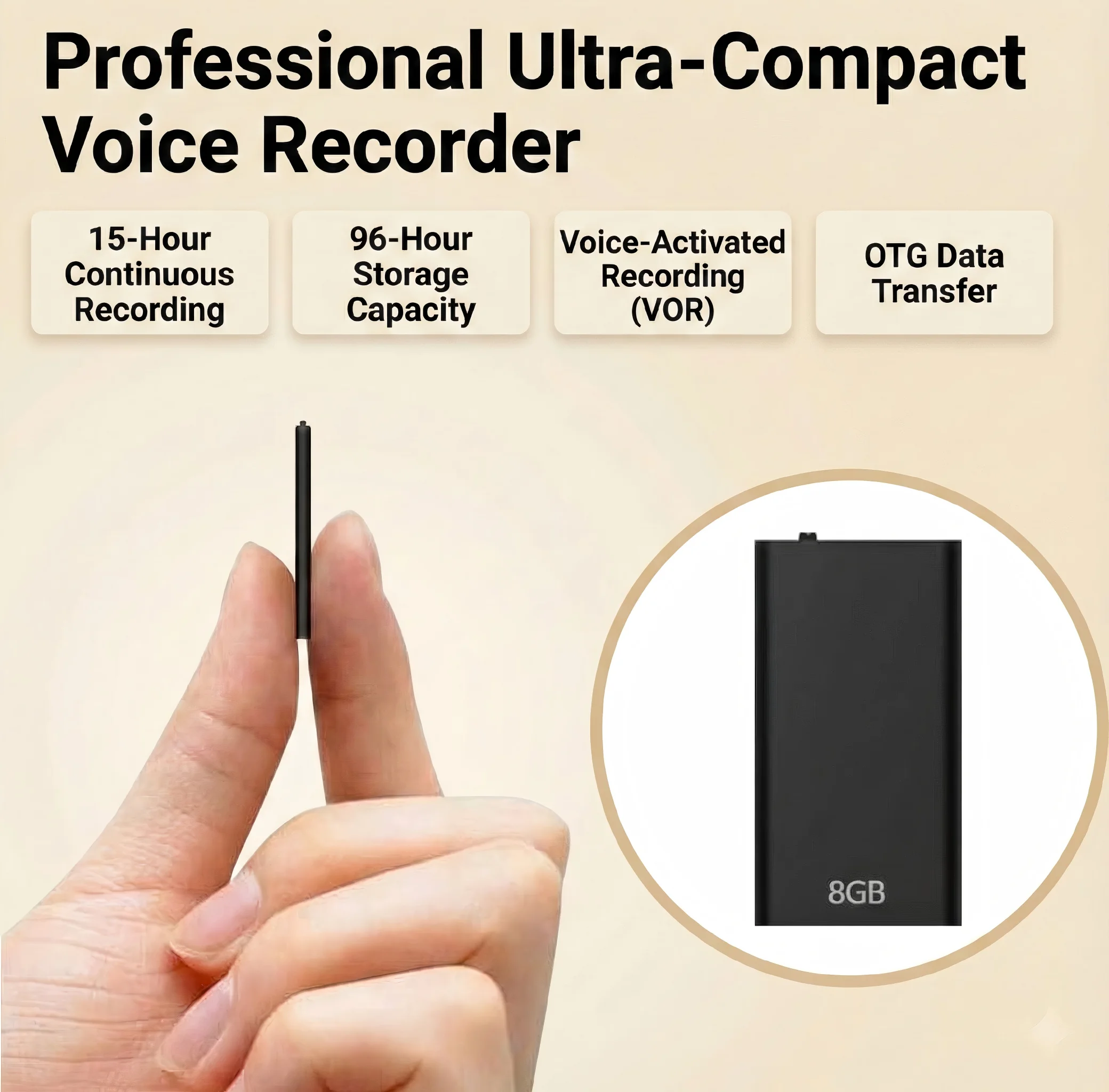
Kalte Umgebungen sind der häufigste Grund, warum Käufer berichten, dass Batterien mit 30–50 % der Nennkapazität arbeiten.
| Temperatur | Verfügbare Akkukapazität |
|---|---|
| 25°C (Raumtemperatur) | 100% |
| 10 °C | 80–85% |
| 5 °C | 70–75% |
| 0°C | 55–65% |
| -10°C | 30–50% (einige Kameras schalten sich nicht ein) |
| Unter -10°C | Die Kamera schaltet sich möglicherweise gar nicht ein |
Batteriebetriebene Spionagekameras, die in unbeheizten Räumen, Fahrzeugen oder im Freien während Herbst und Winter eingesetzt werden, werden durchweg unter ihrer Nennkapazität liegen. Dies ist kein Defekt – es ist Elektrochemie. Lithium-Ionen-Akkus verlieren bei niedrigen Temperaturen an Kapazität.
5. Akkudegradation beginnt ab dem ersten Tag
Jeder Ladezyklus – eine vollständige Entladung und Wiederaufladung – verschlechtert einen Lithium-Ionen-Akku leicht. Nach 300–500 Zyklen hält ein typischer Spionagekamera-Akku etwa 80% seiner ursprünglichen Kapazität. Nach 500–1.000 Zyklen kann er nur noch 60% halten.
Bei einer täglich genutzten Spionagekamera sind 300 Zyklen in weniger als zwei Jahren erreicht. Dieselbe Einheit, die bei neuer Verwendung 5 Stunden kontinuierliche Aufnahme lieferte, liefert nach 18 Monaten regelmäßiger Nutzung nur noch 4 Stunden.
Was das für B2B-Käufer bedeutet: Lagern Sie Kameras nicht allein basierend auf den Akkulaufzeitspezifikationen aus dem Einführungsdatenblatt. Planen Sie die Akkudegradationskurve ein, wenn Sie die tatsächliche Laufzeit für Kunden schätzen, die das Gerät seit 12–24 Monaten haben.
Aufnahmemodussvergleich: Das Gesamtbild
kontinuierliche Aufzeichnung
Die Kamera zeichnet vom Moment des Einschaltens an auf, bis der Akku leer ist oder der Speicher voll wird.
Echte Laufzeit: 1–5 Stunden für die meisten Verbraucher-Spionagekameras.
Am besten für: Kurzzeiteinsätze: eine Besprechung, eine Autofahrt, eine einzelne Veranstaltung.
Nicht geeignet für: Alles, was über 2–3 Stunden ohne Netzstrom oder einen großen Akkupack hinausgeht.
Bewegungsaktivierte Aufnahme
Die Kamera bleibt in einem energiesparenden Standby-Modus, bis der Bewegungssensor Bewegung erkennt, wacht dann auf und zeichnet für eine voreingestellte Dauer (typischerweise 30 Sekunden bis 3 Minuten) auf, bevor sie wieder in den Standby-Modus zurückkehrt.
Echte Laufzeit: 5–90 Tage, abhängig von Akkugröße und Aktivitätsniveau im Raum.
Am besten für: Raumüberwachung, bei der Sie mehrere Tage Abdeckung ohne Aufladung benötigen.
Die Falle: “Bewegungsaktivierte” Kameras verbrauchen auch im Standby-Modus Strom. Wenn die Kamera WLAN für Push-Benachrichtigungen aktiviert hat, steigt der Batterieverbrauch im Standby-Modus erheblich.
PIR-Modus (Passiv-Infrarot)
PIR-Sensoren erkennen Wärmesignaturen von Personen und Tieren – nicht nur Pixeländerungen – was weniger Fehlauslösungen durch Schatten, Vorhänge oder Lichtveränderungen bedeutet. Dies führt im Vergleich zu softwarebasierter Bewegungserkennung zu einer deutlich längeren Akkulaufzeit.
Echte Laufzeit: 30–90 Tage mit einem 5.000–10.000 mAh Akku, bei weniger als 50 Auslösungen pro Tag.
Am besten für: Innenräume, in denen Sie eine längere Einsatzdauer ohne Besuch der Kamera wünschen.
Einschränkung: PIR funktioniert am besten bei menschengroßen Wärmesignaturen in 3–8 Metern Entfernung. Kleine Haustiere lösen es aus; sehr langsame Bewegungen möglicherweise nicht.
Geplante Aufnahme
Die Kamera zeichnet nur in bestimmten Zeitfenstern auf – zum Beispiel von 9 bis 17 Uhr an Wochentagen oder von 20 bis 23 Uhr jede Nacht.
Echte Laufzeit: Bestimmt durch das Aufnahmefenster, nicht den Modus selbst. 2 Stunden geplanter Aufnahme pro Tag können bei einer einzigen Ladung 2–3 Monate halten.
Am besten für: Büroüberwachung während der Geschäftszeiten, Heimüberwachung nachts, wenn Sie schlafen.
Power-Bank-Kameras: Eine andere Kategorie
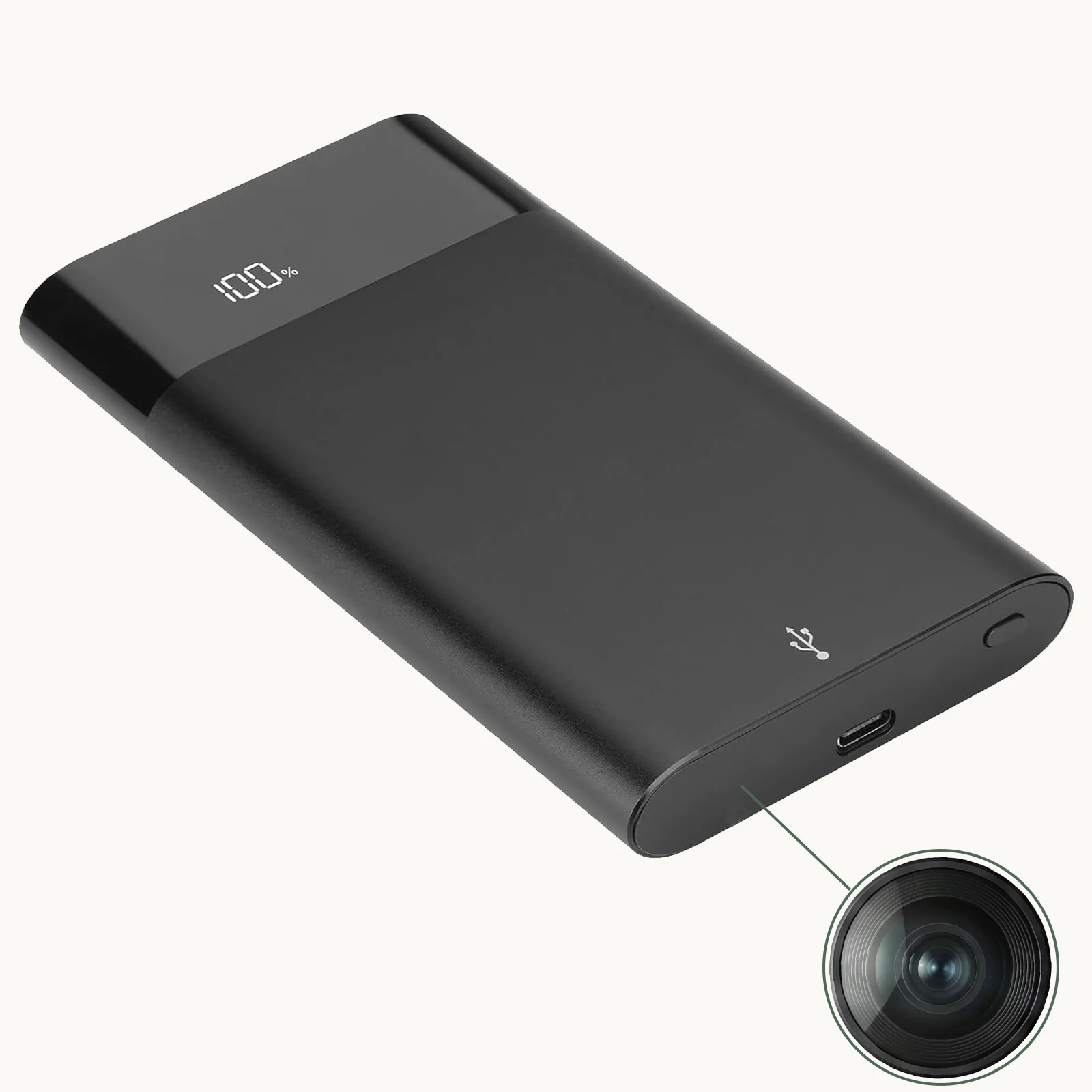
Eine Powerbank-Kamera verwendet ein externes Akkupack mit 10.000–20.000 mAh als Stromquelle. Der Akku befindet sich nicht im Kameragehäuse – es handelt sich um ein separates Gerät, das über USB angeschlossen wird.
Echte kontinuierliche Aufnahme: 10–20 Stunden bei 1080p mit einem 20.000-mAh-Akku.
Vorteile: Große Kapazität, der Akku kann gegen einen frischen ausgetauscht werden, ohne die Kamera zu bewegen.
Nachteile: Die Powerbank ist sichtbar. Ein 20.000-mAh-Akku ist nicht in einem Stift oder Schlüsselanhänger versteckbar.
Akkukapazität vs. tatsächliche Laufzeit: Die mAh-Frage
Die meisten Käufer bewerten die Akkulaufzeit von Spionagekameras anhand der in den Spezifikationen angegebenen mAh-Zahl. Dies ist ein nützlicher Datenpunkt, aber er ist unvollständig.
Warum mAh nicht die ganze Geschichte ist
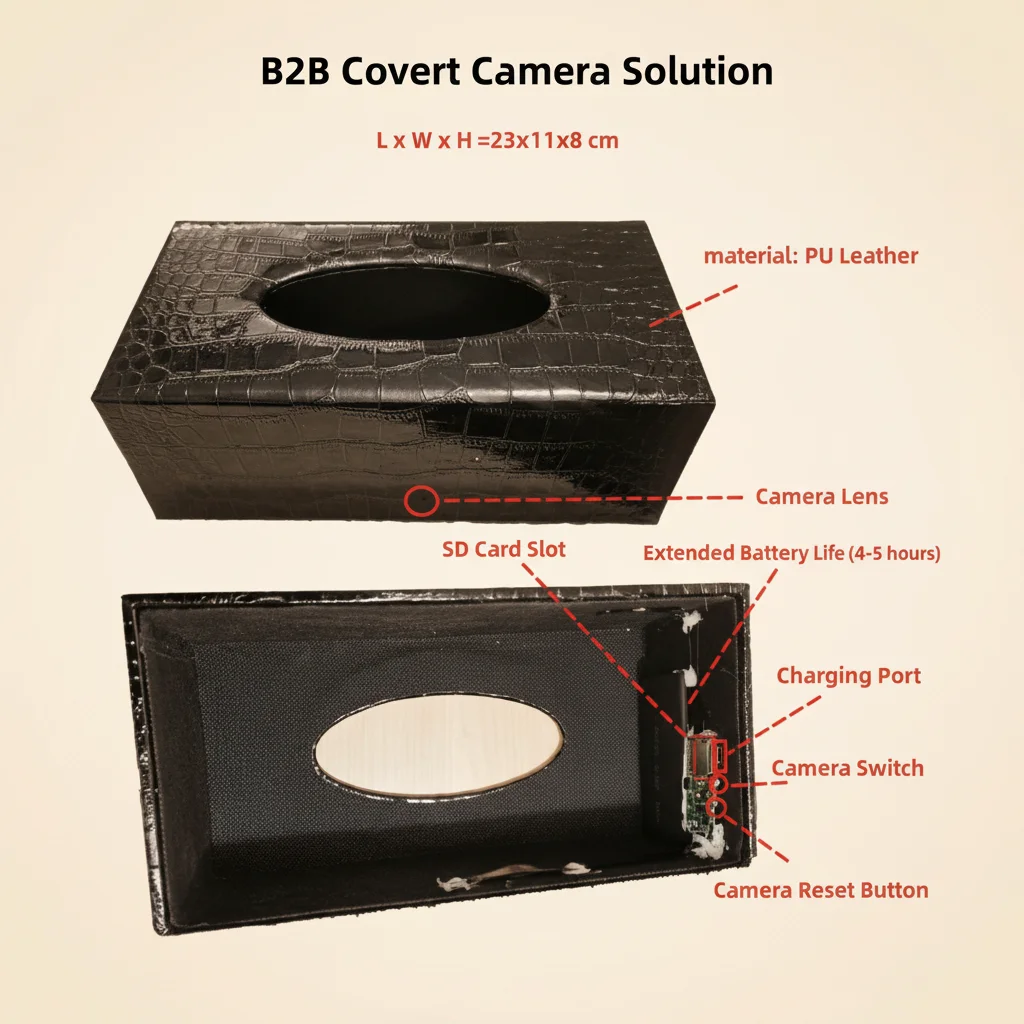
Zwei Kameras mit 2.000 mAh Akkus laufen nicht unbedingt gleich lange. Der Grund: Der Stromverbrauch variiert je nach:
– Prozessoreffizienz: Verschiedene Chips ziehen bei gleicher Arbeitslast unterschiedlichen Strom. Ein neuerer H.265-Kompressionschip verbraucht weniger Strom als ein älterer H.264-Chip bei gleicher Auflösung.
– WLAN-Funk: Kameras mit aktivem WiFi verbrauchen 30–50% mehr Strom als identische Hardware im lokalen Aufnahmemodus.
– IR-LED-Array: Nachtsicht kann allein 500–1.500 mA ziehen – ein erheblicher Anteil der Gesamtkapazität eines kleinen Akkus.
– Sensortyp: Einige Bildsensoren sind empfindlicher und benötigen weniger Signalverstärkung, was den Stromverbrauch reduziert.
– Standby-Strom: Der Mindeststrom, den die Kamera im eingeschalteten, aber nicht aufzeichnenden Zustand zieht. Einige Kameras ziehen 50–100 mA im Standby; andere ziehen 5–10 mA. Dies bestimmt, wie schnell sich ein Akku über Nacht entleert.
Was mAh Ihnen tatsächlich sagt
Innerhalb einer einzelnen Produktlinie – beim Vergleich zweier Modelle desselben Herstellers mit ähnlicher Hardware – bedeutet eine höhere mAh-Zahl zuverlässig eine längere Laufzeit.
Bei verschiedenen Herstellern und Produktlinien kann eine 2.000-mAh-Angabe von Marke A anders abschneiden als eine 2.000-mAh-Angabe von Marke B. Gefälschte Batteriezellen – Zellen, die 2.000 mAh angeben, aber tatsächlich nur 800–1.200 mAh halten – sind im Billigelektronikmarkt weit verbreitet.
Praktischer Rat: Suchen Sie nach mAh-Werten über 2.000 für jede Kamera, die Sie länger als 4 Stunden im Dauerbetrieb erwarten. Bestehen Sie nach Möglichkeit auf Markenbatterien. Planen Sie einen Kapazitätsverlust von 20–30 % für Geräte ein, die seit 12+ Monaten im Einsatz sind.
Wichtigste Erkenntnis: Akkulaufzeit nach Anwendungsfall
| Anwendungsfall | Empfohlene Einrichtung | Erwartete Laufzeit |
|---|---|---|
| Besprechungsdokumentation (1–2 Stunden) | Spionage-Stift, lokale Aufnahme, WiFi aus | 45–90 Minuten |
| Auto/Überwachungsfahrzeug | Schlüsselanhänger-Kamera, lokale SD | 60–90 Minuten kontinuierlich |
| Zimmer (1–3 Tage) | Uhr/Ladegerät-Kamera, netzbetrieben | 24/7 (unbegrenzt) |
| Zimmer (1–2 Wochen) | Uhr-Kamera mit 2000 mAh Backup, Bewegungserkennung | 7–14 Tage |
| Büro-/Wochenendabdeckung | Mini-Kamera, 5000 mAh, Bewegungserkennung | 15–30 Tage |
| Entlegener Standort, geringe Aktivität | Drahtlose Kamera, 10000 mAh, PIR-Modus | 30–60 Tage |
| Langer Einsatz, kein Zugang | Solar + Akku-Kamera | Unbegrenzt (mit Sonne) |
Batteriewartung für langfristige Einsätze
Wenn Sie eine Spionagekamera benötigen, die wochen- oder monatelang ohne Eingriff läuft, ist die Akkupflege nicht optional – sie ist Teil des Einsatzplans.
Die Ladezyklen sind begrenzt. Ein Lithium-Polymer-Akku mit einer Nennleistung von 500 vollständigen Ladezyklen hält etwa 1,5 Jahre, wenn Sie ihn täglich vollständig entladen und wieder aufladen. Wenn Sie den bewegungsaktivierten Modus nutzen und wöchentlich aufladen, könnte derselbe Akku 3–4 Jahre halten.
Teilladungen zählen nicht als vollständige Zyklen. Die meisten modernen Akkus zählen Ladezyklen anhand der kumulativen Entladung — eine Reihe von fünf 20%-Ladungen zählt nicht als fünf Zyklen. Das bedeutet, dass das Nachladen eines teilweise entladenen Akkus weniger schädlich ist als das Warten auf eine vollständige Entladung.
Die Lagerung ist entscheidend. Wenn Sie Ersatzakkus für einen langfristigen Einsatz aufbewahren, lagern Sie diese bei 40–60 % Ladung bei Raumtemperatur. Ein vollständig geladener Akku, der bei hoher Temperatur gelagert wird, verliert schneller an Kapazität als ein teilgeladener.
Die physische Position des Akkus ist entscheidend. Viele Spionagekameras positionieren den Akku gegen die PCB – die Hauptplatine –, die während der Aufnahme Wärme erzeugt. Wärme beschleunigt die Batteriealterung. Für langfristige feste Installationen hält eine netzbetriebene Kamera mit separater Batterie-Backup (anstelle einer Einheit, die vollständig auf ihre interne Batterie angewiesen ist) länger und funktioniert zuverlässiger.
B2B-Leitfaden: Beschaffung von Spionagekameras nach Akkulaufzeit-Anforderungen
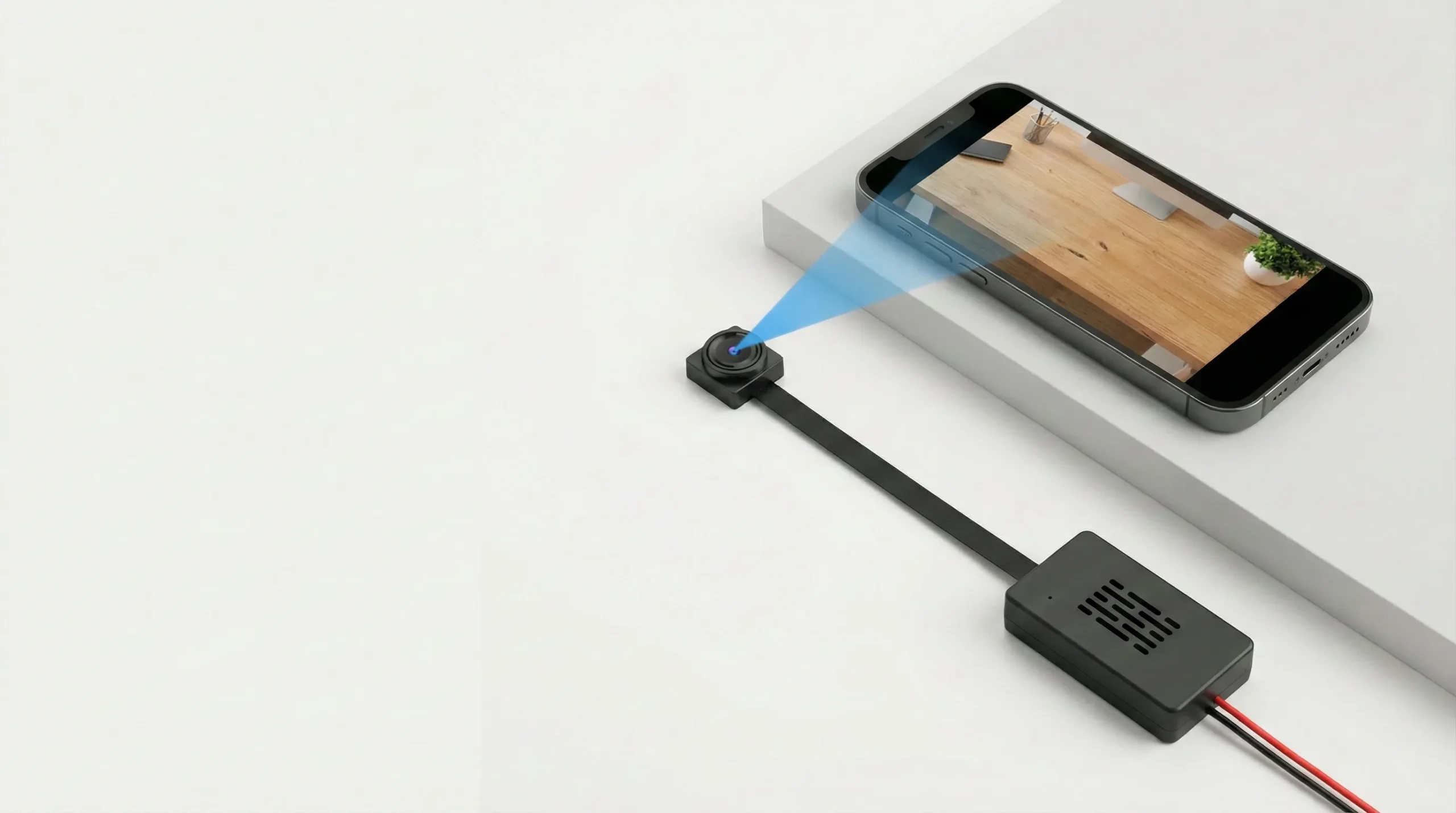
Für Distributoren und Einzelhändler, die die Akkuleistung in Produktlistings und Kundenempfehlungen angeben, sind dies die Variablen, die die tatsächliche Kundenzufriedenheit bestimmen.
Wie Sie Akkuspezifikationen ehrlich lesen
| Spezifikation | Was es normalerweise bedeutet | Was Sie Ihrem Kunden sagen sollten |
|---|---|---|
| „180 Tage Standby“ | PIR mode with <10 triggers/day, 15,000+ mAh battery, ideal temperature | Nur für Lagerräume und wenig frequentierte Bereiche geeignet |
| „30 Stunden Dauerbetrieb“ | WLAN aus, keine Nachtsicht, Raumtemperatur | 12–18 Stunden sind für den typischen Gebrauch realistischer |
| „Wiederaufladbarer Akku“ | Keine Kapazität angegeben | Bestehen Sie auf der mAh-Angabe; alles unter 2000 mAh ist ein Gerät für kurze Laufzeiten |
| „Langlebiger Lithium-Akku“ | Marketingsprache | Überprüfen Sie die Marke der Zelle (Samsung, Sony, LG = zuverlässig; ohne Markenangabe = unbekannt) |
Annahmen zur Rückgabequote
Bei batteriebetriebenen Spionagekameras sollten Sie eine Rücksendequote von 10–20 % einplanen, die speziell „Akkulaufzeit kürzer als erwartet“ angibt – selbst bei Geräten mit korrekten Spezifikationen. Kunden, die den Unterschied zwischen Daueraufnahme und Bewegungsmelder-Standby nicht verstehen, werden immer enttäuscht sein, wenn sie nicht vorab aufgeklärt werden.
Gegenmaßnahmen: Kombinieren Sie jedes Angebot für batteriebetriebene Kameras mit einer klaren Erklärung der Aufnahmemodi und der erwarteten Batterielebensdauer unter verschiedenen Anwendungsfällen. Eine 60-sekündige Erklärung in einer Produktbeschreibung verhindert einen 30-minütigen Kundenservice-Austausch und eine Rücksendung.
Das Problem des mAh-Kapazitätsbetrugs
Günstige Spionagekameras mit gefälschten Akkukapazitätsangaben sind ein hartnäckiges Problem in der Lieferkette. Eine Zelle, die mit 3.000 mAh angegeben wird, kann tatsächlich nur 1.500 mAh haben — eine Unterdeckung von 50 %, die sich im realen Einsatz sofort zeigt.
Überprüfungsschritte vor der Listung eines neuen Lieferanten:
1. Muster anfordern
2. Führen Sie einen Daueraufnahmetest durch und messen Sie, wie lange der Akku tatsächlich hält
3. Vergleichen Sie mit den angegebenen mAh: Bei 1080p sollten etwa 1.000 mAh für 2,5–3 Stunden Aufnahme ab einem Warmstart ausreichen
4. Wenn die Zahlen nicht übereinstimmen, fordern Sie das Akku-Datenblatt beim Lieferanten an
Klimabedingungen für Ihren Markt
Wenn Ihr Hauptmarkt Nordeuropa, das Vereinigte Königreich oder Kanada ist, ist die temperaturbedingte Verringerung der Akkukapazität bei tragbaren Akkukameras ein ganzjähriges Problem. Betonen Sie in diesen Märkten netzbetriebene oder solargestützte Lösungen für Einsätze über 48 Stunden hinaus.
Für mediterrane und südeuropäische Märkte ist die Temperatur weniger einschränkend – aber Sommerhitze über 35 °C lässt Lithium-Akkus ebenfalls schneller altern als moderate Temperaturen.
Für Großhandelsanfragen oder individuelle Akku-Konfigurationsoptionen, kontaktieren Sie unser technisches Team.
Häufig gestellte Fragen
Wie lange zeichnet eine Mini-Spionagekamera tatsächlich mit einer Akkuladung auf?
Die tatsächliche kontinuierliche Aufnahmezeit bei einer typischen Mini-Spionagekamera (900–2.000 mAh Akku) beträgt 1–3 Stunden bei 1080p. Der am häufigsten gemeldete Wert liegt bei 60–90 Minuten für am Körper getragene Geräte wie Stiftkameras und Schlüsselanhänger-Kameras. Wenn Sie mehr als 2 Stunden kontinuierliche Aufnahme benötigen, brauchen Sie entweder ein netzbetriebenes Gerät oder eine Kamera mit Akkupack und 10.000+ mAh Kapazität.
Zeichnen Spionagekameras während des Ladens auf?
Die meisten tun dies, jedoch unter bestimmten Bedingungen. Der USB-Ladestromkreis muss mehr Strom liefern, als die Kamera während der Aufnahme verbraucht – ein Standard-5V/1A-USB-Ladegerät ist oft unzureichend für eine Kamera, die bei 1080p-Aufnahme 500–800 mA zieht. Einige Kameras zeichnen während des Ladens auf; andere stoppen die Aufnahme während des Ladens, um eine Überhitzung des Akkus zu verhindern. Prüfen Sie die Dokumentation des jeweiligen Modells, bevor Sie sich für längere Einsätze auf diese Funktion verlassen.
Was verkürzt die Akkulaufzeit von Spionagekameras am stärksten?
Daueraufnahme mit gleichzeitig aktiviertem WiFi und aktiver Nachtsicht entlädt einen kleinen Akku in unter einer Stunde. Jede Funktion verbraucht einzeln Strom; alle drei gleichzeitig zu betreiben, verstärkt den Effekt erheblich. Für maximale Akkulebensdauer zeichnen Sie mit 720p im Nur-Lokal-Modus ohne Nachtsicht auf.
Kann ich den Akku einer Spionagekamera austauschen?
Bei den meisten handelsüblichen Spionagekameras – Stiften, Schlüsselanhängern, Mini-Kameras – ist der Akku direkt auf die Leiterplatte gelötet und kann nicht vom Benutzer ausgetauscht werden. Bei größeren Einheiten (Powerbank-Kameras, einige Uhr-Kameras) ist der Akku möglicherweise zugänglich, aber ein Austausch erfordert Demontage. Wiederaufladbare Akku-Kameras haben eine begrenzte Lebensdauer (300–1.000 Ladezyklen), danach sinkt die Kapazität unter nutzbare Werte. Für Langzeiteinsätze eliminieren netzbetriebene Modelle mit Akku-Backup das Austauschproblem vollständig.
Wie kann ich die Akkulaufzeit meiner Spionagekamera verlängern?
Vier Strategien funktionieren: Erstens, deaktivieren Sie WLAN, es sei denn, Fernsicht ist essenziell – lokaler Aufnahmemodus verlängert die Akkulaufzeit um 30–50%. Zweitens, wechseln Sie in den bewegungsaktivierten Modus – eine Kamera, die nur bei Aktivität aufzeichnet, dehnt 3 Stunden Dauerlaufzeit auf 3–7 Tage aus. Drittens, schalten Sie Nachtsicht aus, es sei denn, Sie benötigen sie speziell – IR-LEDs verbrauchen so viel Strom wie der Rest der Kamera zusammen. Viertens, verwenden Sie 720p statt 1080p – Aufnahmen mit niedrigerer Auflösung reduzieren die Rechenleistung erheblich, besonders bei Budget-Chipsätzen.
Verbrauchen Spionagekameras Akku, wenn sie ausgeschaltet sind?
Ja, aber langsam. Alle Lithium-Ionen-Akkus entladen sich selbst, auch wenn sie nicht in Gebrauch sind – etwa 2–5% pro Monat bei Raumtemperatur. Eine voll aufgeladene Spionagekamera, die sechs Monate lang ungenutzt gelagert wird, wird beim nächsten Einschalten etwa 70–85% Ladung haben. Das ist normal und deutet nicht auf einen Defekt hin.
Die Akkulaufzeit ist keine einzelne Zahl – sie ist eine Beziehung zwischen der Hardware der Kamera, Ihrem Aufnahmemodus, Ihrer Umgebung und den Lagerbedingungen. Die 180-Tage-Standby-Angabe ist keine Lüge; es ist eine Messung unter idealen Bedingungen, die die meisten realen Einsätze nicht erfüllen.
Zu verstehen, unter welchen Bedingungen Sie arbeiten – wenig frequentierter Raum oder belebter Haushalt, warmer Raum oder kaltes Fahrzeug, Daueraufnahme oder Bewegungserkennung – sagt Ihnen mehr über die erwartete Akkulaufzeit als jede mAh-Spezifikation.
Für einmalige Meetings: Ein Spionage-Stift mit 45–90 Minuten echter Aufnahmezeit ist ausreichend. Für wochenlange Raumüberwachung: Eine netzbetriebene Uhr-Kamera oder eine Einheit mit 5.000+ mAh Akku im Bewegungserkennungsmodus ist das richtige Werkzeug.
Wie man die beste versteckte Kamera in 2026 auswählt für Mengenpreise, Akku-Konfigurationsberatung oder maßgeschneiderte Stromlösungen für Ihr verdecktes Überwachungsproduktsortiment.
Großhandel für versteckte Kameras — QZT Security

 English
  Italiano
  Deutsch
  Français
  Español
  Polski