
Jak długo działa bateria miniaturowej kamery szpiegowskiej? Rzeczywiste dane 2026
W opisie produktu jest do 180 dni czuwania. Kupujący mówi, że po trzech dniach jest rozładowany.
Ta różnica nie jest wadą. To luka między językiem marketingowym a rzeczywistym użytkowaniem. „Tryb czuwania” to nie to samo co „aktywne nagrywanie z detekcją ruchu”. Kamera, która faktycznie nagrywa 20 zdarzeń dziennie, będzie działać inaczej niż taka, która uruchamia się 200 razy. Klip 720p o długości 30 sekund zużywa inną ilość energii niż strumień 1080p działający całą noc z włączonymi diodami IR.
Ten przewodnik podaje rzeczywiste liczby — nie te wydrukowane na opakowaniu.
Najpierw uczciwe liczby
Zanim wyjaśnimy, dlaczego czas pracy baterii tak bardzo się różni, oto praktyczne dane z wielu źródeł, w tym z testów w rzeczywistych warunkach i liczb zgłaszanych na forach.
Nagrywanie ciągłe (kamera pracuje bez przerwy)
| Typ kamery | Prawdziwe nagrywanie ciągłe | Co zwykle podaje oferta |
|---|---|---|
| Podstawowa mini kamera (400–900 mAh) | 1–2,5 godziny | 3–5 godzin |
| Standardowa kamera WiFi 1080p (1 000–2 000 mAh) | 2–5 godzin | 6–10 godzin |
| Kamera z baterią o wysokiej pojemności (5 000–10 000 mAh) | 6–12 godzin | 15–20 godzin |
| Kamera power bank (20 000 mAh) | 10–18 godzin | 24–30 godzin |
Wzorzec ten powtarza się w całej kategorii: rzeczywiste nagrywanie ciągłe wynosi około 40–60% deklarowanej wartości. Oferta, która obiecuje „10 godzin ciągłego nagrywania”, w praktyce zapewnia zwykle 4–6 godzin.
Nagrywanie aktywowane ruchem
Tryb aktywowany ruchem to moment, w którym żywotność baterii przestaje być mierzona w godzinach, a zaczyna być mierzona w dniach.
| Rozmiar baterii | Przestrzeń o niskiej aktywności | Przestrzeń o średniej aktywności | Przestrzeń o dużym natężeniu ruchu |
|---|---|---|---|
| 1 000 mAh | 5–8 dni | 2–4 dni | 8–24 godziny |
| 2 000 mAh | 12–20 dni | 5–10 dni | 1–3 dni |
| 5 000 mAh | 30–45 dni | 15–25 dni | 4–8 dni |
| 10 000 mAh | 60–90 dni | 25–45 dni | 8–16 dni |
A “low activity space” means a private office, a storage room, or a bedroom — maybe 5–15 motion events per day. A “high activity space” means a living room, hallway, or retail floor — 50–200 motion events per day.
Różnica między tymi dwiema przestrzeniami nie jest specyfikacją, którą znajdziesz na karcie produktu. To właściwość środowiska, w którym instalujesz kamerę.
Tryb czuwania
W trybie czuwania — kamera włączona, ale nie nagrywa — większość urządzeń działa 6–12 godzin na baterii 1,000–2,000 mAh. Niektóre zaawansowane modele z agresywnym zarządzaniem energią deklarują do 10 dni. Zastrzeżenie: w trybie czuwania kamera nic nie nagrywa. Jeśli Twoim celem jest całodobowe monitorowanie, tryb czuwania nie pomoże.
Dane „180 dni w trybie czuwania”, które widzisz w opisach produktów, dotyczą kamer z bardzo dużymi akumulatorami (15 000+ mAh) pracujących w trybie wykrywania ruchu z mniej niż 10 wyzwoleniami dziennie — to nie jest rzeczywisty tryb czuwania ani typowe warunki rzeczywiste.
Dlaczego rzeczywista żywotność baterii odbiega od deklarowanej
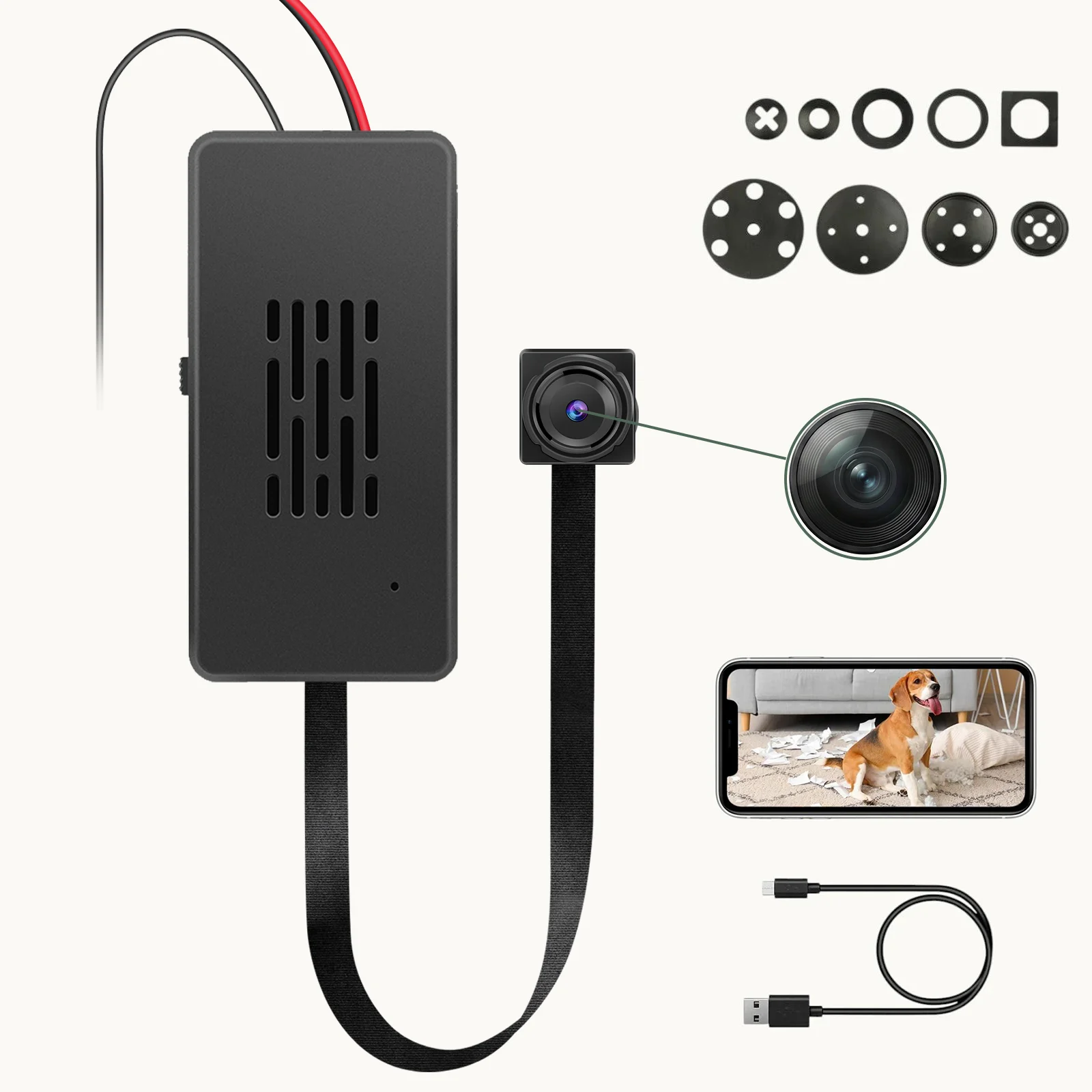
Istnieje pięć konkretnych powodów, dla których bateria kamery szpiegowskiej rozładowuje się szybciej niż oczekiwano. Każdy z nich jest przewidywalny.
1. Rozdzielczość to największa zmienna poboru energii
Nagrywanie 1080p przy 30 fps przetwarza około 4–6 GB danych wideo na godzinę. To przetwarzanie odbywa się na dedykowanym układzie wewnątrz kamery i pobiera proporcjonalną ilość energii.
Kamera 900 mAh nagrywająca w 1080p działa około 2,5 godziny. Ta sama kamera nagrywająca w 720p — o połowę mniejszej liczbie pikseli — działa 3,5–4 godziny. Przy niższym bitrate 720p można wydłużyć ten czas do 5 godzin.
Nagrywanie 4K to zupełnie inna kategoria: 2–3× większy pobór energii niż 1080p przy marginalnym zysku jakości dowodowej na typowych odległościach ukrytego montażu. O ile nie musisz rozpoznać tablicy rejestracyjnej z odległości 10 metrów, 1080p to praktyczny pułap rozdzielczości dla kamer szpiegowskich noszonych na ciele i przenośnych.
2. WiFi zużywa 30–50% baterii
Każda minuta aktywności modułu WiFi w ukrytej kamerze to pobór prądu z baterii na utrzymanie połączenia sieciowego, obsługę przychodzących żądań zdalnego podglądu i wysyłanie powiadomień o wykryciu ruchu do chmury.
W praktyce włączenie WiFi w kamerze szpiegowskiej skraca jej efektywny czas pracy na baterii o 30–50% w porównaniu z tym samym urządzeniem nagrywającym lokalnie na kartę MicroSD.
Najczęstszy scenariusz: Klient konfiguruje kamerę w długopisie szpiegowskim, łączy ją z WiFi do zdalnego podglądu, wkłada do torby i oczekuje, że nagra jego spotkanie. Trzy godziny później bateria jest rozładowana — ponieważ WiFi było aktywne przez cały czas, mimo że nikt nie obserwował zdalnie.
Rozwiązanie: W zastosowaniach noszonych na ciele, gdzie kartę odczytuje się później, nie łącz z WiFi. Używaj trybu nagrywania lokalnego. W instalacjach stacjonarnych, gdzie liczy się zdalny dostęp, uwzględnij 30–50% w szacunkach czasu pracy baterii i wszędzie, gdzie to możliwe, korzystaj z zasilania sieciowego.
3. Noktowizja to ukryty pożeracz energii
Noktowizja IR LED nie jest darmowa. Wymaga ciągłego zasilania dedykowanego zestawu oświetlaczy podczerwieni.
Praca diod IR LED przez 12 godzin — całą noc w pomieszczeniu bez światła otoczenia — zużywa pod względem energii równowartość 4–5 godzin nagrywania w ciągu dnia. Jeśli kamera podaje 6 godzin ciągłego nagrywania bez zastrzeżenia „z wyłączoną noktowizją”, należy przyjąć, że przy włączonej podczerwieni wartość ta spada do 3–4 godzin.
Dwie długości fal są powszechne:
– Diody IR 850nm: Visible as a faint purple/red glow in dark conditions. Range typically 5–10 metres. Standard on most budget spy cameras.
– Diody IR 940nm: Niewidoczny dla ludzkiego oka. Krótszy zasięg (3–5 metrów). Spotykany w droższych modelach reklamowanych jako „niewykrywalne”.
Żadna z długości fal nie jest bardziej energooszczędna od drugiej. Różnica polega na ukryciu, a nie na żywotności baterii.
4. Temperatura zabija pojemność baterii w sposób, o którym oferty nigdy nie wspominają
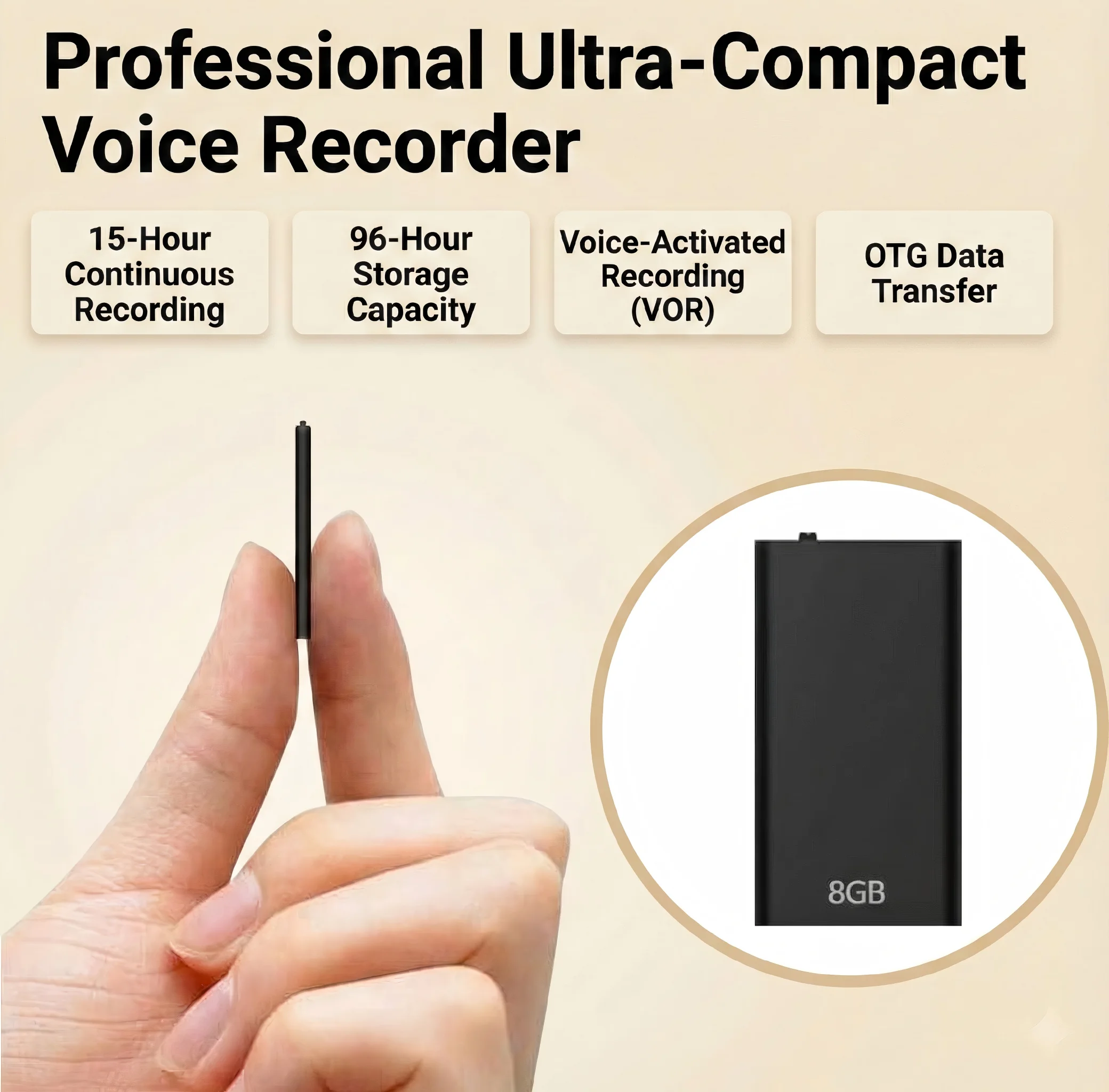
Zimne otoczenie to najczęstsza przyczyna, dla której kupujący zgłaszają wydajność baterii na poziomie 30–50% pojemności znamionowej.
| Temperatura | Dostępna pojemność baterii |
|---|---|
| 25°C (temperatura pokojowa) | 100% |
| 10°C | 80–85% |
| 5°C | 70–75% |
| 0°C | 55–65% |
| -10°C | 30–50% (niektóre kamery nie włączają się) |
| Poniżej -10°C | Kamera może w ogóle się nie włączyć |
Kamery szpiegowskie zasilane bateryjnie, instalowane w nieogrzewanych pomieszczeniach, pojazdach lub na zewnątrz jesienią i zimą, będą stale osiągać wyniki poniżej swojej deklarowanej pojemności. To nie jest wada — to elektrochemia. Baterie litowo-jonowe tracą pojemność w niskich temperaturach.
5. Degradacja baterii zaczyna się od pierwszego dnia
Każdy cykl ładowania — jedno pełne rozładowanie i ponowne naładowanie — nieznacznie degraduje baterię litowo-jonową. Po 300–500 cyklach typowa bateria kamery szpiegowskiej zachowuje około 80% pierwotnej pojemności. Po 500–1 000 cykli może zachować jedynie 60%.
W przypadku kamery szpiegowskiej używanej codziennie 300 cykli zostaje osiągnięte w ciągu niespełna dwóch lat. To samo urządzenie, które nowe zapewniało 5 godzin ciągłego nagrywania, po 18 miesiącach regularnego użytkowania zapewnia 4 godziny.
Co to oznacza dla nabywców B2B: Nie planuj zapasów kamer wyłącznie na podstawie specyfikacji czasu pracy baterii z karty katalogowej z okresu premiery. Uwzględnij krzywą degradacji baterii przy szacowaniu rzeczywistego czasu pracy dla klientów, którzy mają urządzenie od 12–24 miesięcy.
Porównanie trybów nagrywania: pełny obraz sytuacji
ciągłe nagrywanie
Kamera nagrywa od momentu włączenia, aż do rozładowania baterii lub zapełnienia pamięci.
Rzeczywisty czas pracy: 1–5 godzin dla większości konsumenckich kamer szpiegowskich.
Najlepsze do: Short-duration deployments: a meeting, a car journey, a single event.
Nie dla: Anything beyond 2–3 hours without mains power or a large battery bank.
Nagrywanie aktywowane ruchem
Kamera pozostaje w stanie niskiego poboru energii w trybie czuwania, dopóki czujnik ruchu nie wykryje ruchu, następnie wybudza się i nagrywa przez ustawiony czas (zwykle od 30 sekund do 3 minut), po czym wraca do trybu czuwania.
Rzeczywisty czas pracy: 5–90 dni w zależności od pojemności baterii i poziomu aktywności w pomieszczeniu.
Najlepsze do: Nadzór pomieszczenia, w którym potrzebujesz kilku dni zasięgu bez ładowania.
Pułapka: Kamery „aktywowane ruchem” nadal pobierają energię w trybie czuwania. Jeśli kamera ma włączone WiFi do powiadomień push, zużycie baterii w trybie czuwania znacznie wzrasta.
Tryb PIR (pasywna podczerwień)
Czujniki PIR wykrywają sygnatury cieplne ludzi i zwierząt — nie tylko zmiany pikseli — co oznacza mniej fałszywych wyzwalaczy powodowanych przez cienie, zasłony czy zmiany oświetlenia. Przekłada się to na znacznie dłuższy czas pracy baterii w porównaniu z detekcją ruchu opartą na oprogramowaniu.
Rzeczywisty czas pracy: 30–90 dni z baterią 5 000–10 000 mAh, przy mniej niż 50 wyzwoleniach dziennie.
Najlepsze do: Pomieszczenia wewnętrzne, w których chcesz wydłużyć czas eksploatacji bez konieczności odwiedzania kamery.
Ograniczenie: PIR działa najlepiej w przypadku sygnatur cieplnych wielkości człowieka w odległości 3–8 metrów. Małe zwierzęta domowe mogą go wyzwalać; bardzo powolny ruch może nie.
Nagrywanie zaplanowane
Kamera nagrywa tylko w określonych przedziałach czasowych — na przykład od 9:00 do 17:00 w dni robocze lub od 20:00 do 23:00 każdej nocy.
Rzeczywisty czas pracy: Zależy od okna nagrywania, a nie od samego trybu. 2 godziny zaplanowanego nagrywania dziennie mogą wystarczyć na 2–3 miesiące na jednym ładowaniu.
Najlepsze do: Monitoring biura w godzinach pracy, nadzór domowy w nocy, gdy śpisz.
Kamery power bank: inna kategoria
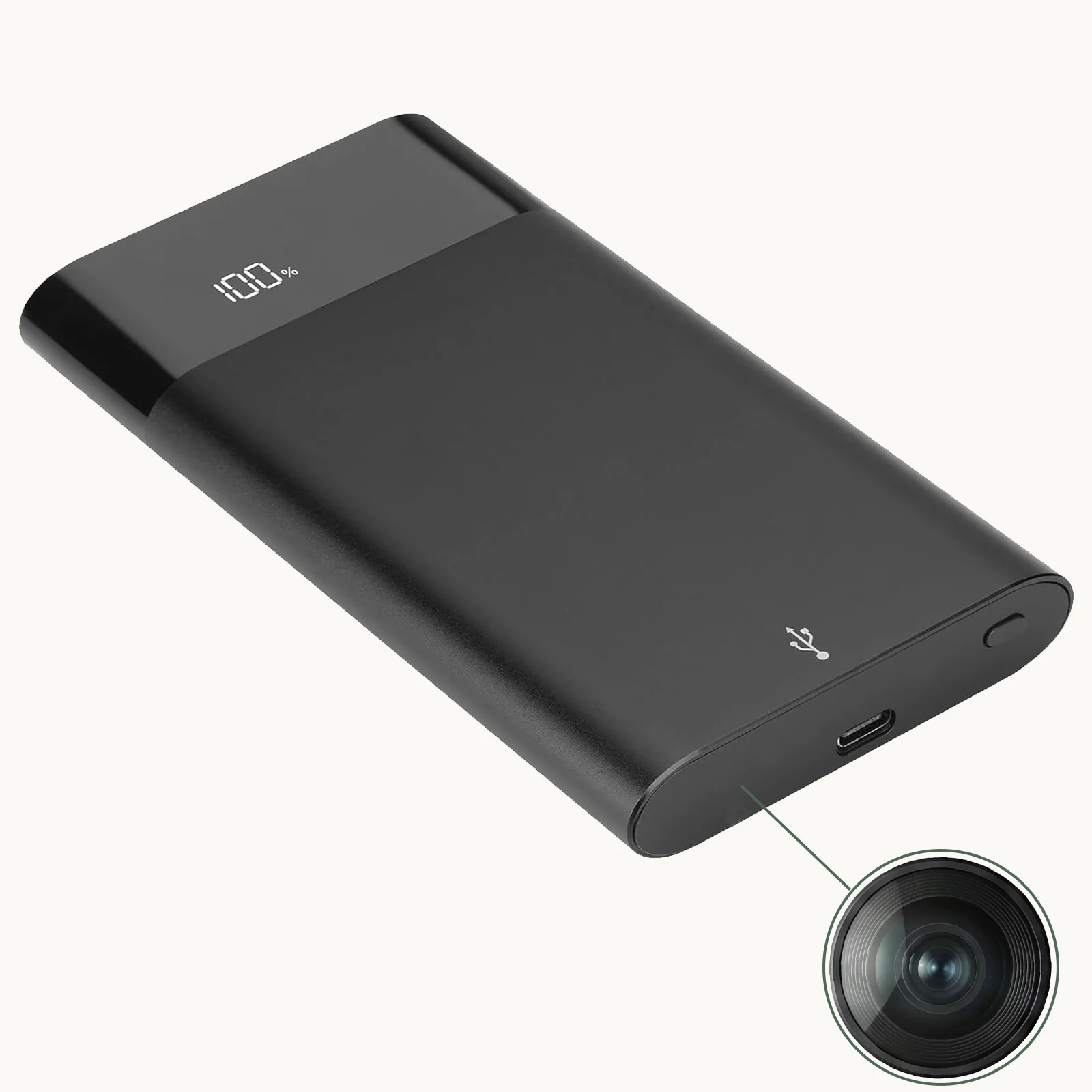
Kamera z powerbankiem wykorzystuje zewnętrzny akumulator o pojemności 10 000–20 000 mAh jako źródło zasilania. Bateria nie znajduje się wewnątrz kamery — to oddzielny moduł podłączany przez USB.
Rzeczywiste nagrywanie ciągłe: 10–20 godzin przy 1080p z power bankiem 20 000 mAh.
Zalety: Ogromna pojemność, baterię można wymienić na naładowaną bez przenoszenia kamery.
Wady: Power bank jest widoczny. Bateria 20 000 mAh nie zmieści się dyskretnie w długopisie ani breloku do kluczy.
Pojemność baterii a rzeczywisty czas pracy: kwestia mAh
Większość nabywców ocenia żywotność baterii kamery szpiegowskiej na podstawie wartości mAh podanej w specyfikacji. To przydatny parametr, ale niepełny.
Dlaczego mAh to nie cała historia
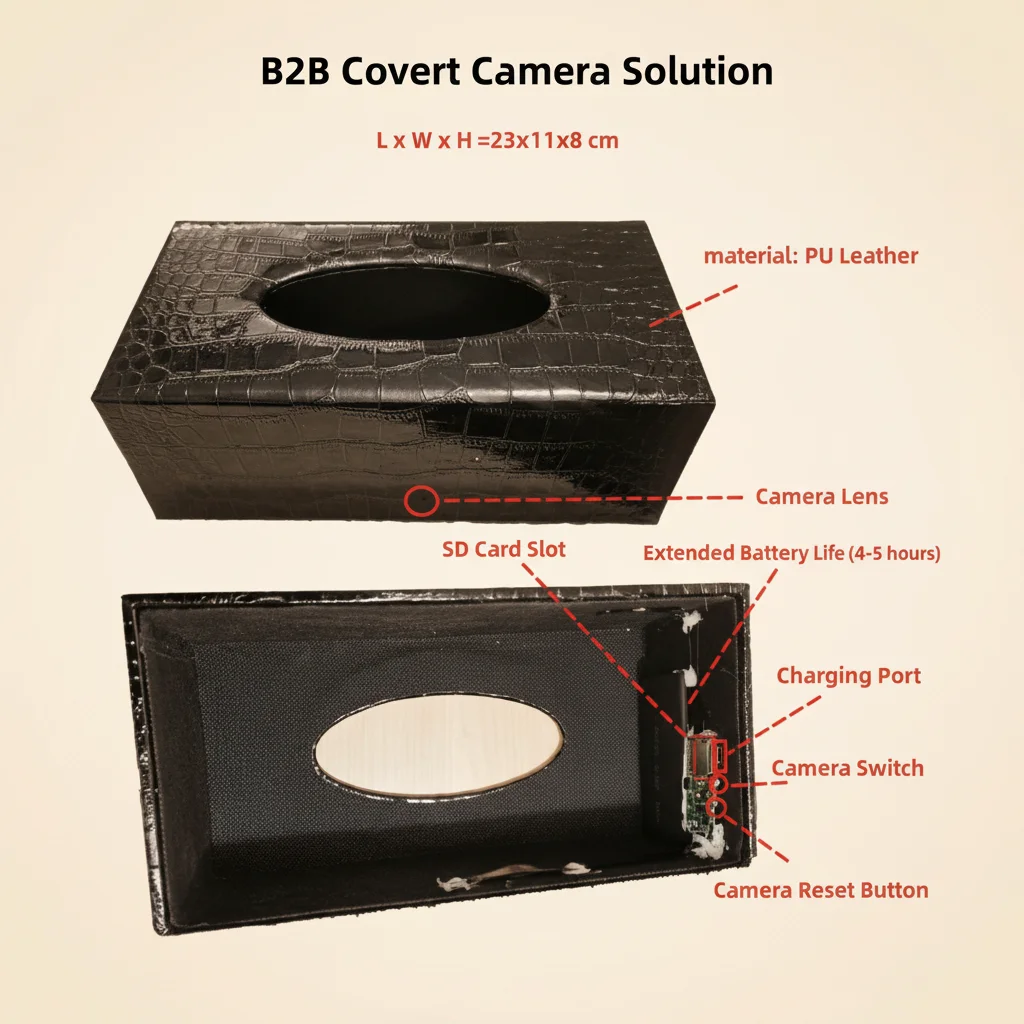
Dwie kamery z bateriami 2 000 mAh niekoniecznie działają przez ten sam czas. Powód: zużycie energii zależy od:
– Wydajność procesora: Różne układy pobierają różny prąd przy tym samym obciążeniu. Nowszy układ kompresji H.265 pobiera mniej energii niż starszy układ H.264 kodujący przy tej samej rozdzielczości.
– Moduł WiFi: Kamery z aktywnym WiFi zużywają o 30–50% więcej energii niż identyczny sprzęt pracujący w trybie nagrywania lokalnego.
– Matryca diod IR LED: Noktowizja może sama pobierać 500–1 500 mA — to znacząca część całkowitej pojemności małej baterii.
– Typ czujnika: Niektóre czujniki obrazu są bardziej czułe i wymagają mniejszego wzmocnienia sygnału, co zmniejsza pobór mocy.
– Prąd czuwania: Minimalny prąd pobierany przez kamerę, gdy jest włączona, ale nie nagrywa. Niektóre kamery pobierają 50–100 mA w trybie czuwania; inne 5–10 mA. To określa, jak szybko bateria rozładuje się przez noc.
Co tak naprawdę mówi Ci mAh
W obrębie jednej linii produktowej — porównując dwa modele tego samego producenta o podobnej specyfikacji sprzętowej — wyższa wartość mAh niezawodnie oznacza dłuższy czas pracy.
W przypadku różnych producentów i linii produktowych deklaracja 2 000 mAh od marki A może działać inaczej niż deklaracja 2 000 mAh od marki B. Podrabiane ogniwa akumulatorowe — ogniwa, które podają 2 000 mAh, ale w rzeczywistości mieszczą 800–1 200 mAh — są powszechne na rynku taniej elektroniki.
Praktyczna rada: Szukaj pojemności powyżej 2 000 mAh w przypadku każdej kamery, która ma działać dłużej niż 4 godziny ciągłego użytkowania. Tam, gdzie to możliwe, wybieraj baterie renomowanych marek. Uwzględnij 20% utraty pojemności w urządzeniach używanych od ponad 12 miesięcy.
Kluczowy wniosek: żywotność baterii według zastosowania
| Zastosowanie | Zalecana konfiguracja | Oczekiwany czas pracy |
|---|---|---|
| Dokumentowanie spotkań (1–2 godziny) | Długopis szpiegowski, nagrywanie lokalne, WiFi wyłączone | 45–90 minut |
| Samochód/pojazd obserwacyjny | Kamera brelok, lokalna karta SD | 60–90 minut ciągłego nagrywania |
| Pokój domowy (1–3 dni) | Kamera w zegarze/ładowarce, zasilanie sieciowe | 24/7 (bez ograniczeń) |
| Pokój domowy (1–2 tygodnie) | Kamera w zegarze z baterią zapasową 2000 mAh, detekcja ruchu | 7–14 dni |
| Zasięg biurowy/weekendowy | Mini kamera, 5000 mAh, detekcja ruchu | 15–30 dni |
| Odległa lokalizacja, niska aktywność | Kamera bezprzewodowa, 10 000 mAh, tryb PIR | 30–60 dni |
| Długotrwałe wdrożenie, brak dostępu | Kamera solarna + bateryjna | Bez ograniczeń (ze słońcem) |
Konserwacja baterii przy długoterminowym wdrożeniu
Jeśli potrzebujesz kamery szpiegowskiej działającej tygodniami lub miesiącami bez ingerencji, konserwacja baterii nie jest opcjonalna — jest częścią planu wdrożenia.
Liczba cykli ładowania jest ograniczona. Bateria litowo-polimerowa o żywotności 500 pełnych cykli ładowania wytrzyma około 1,5 roku, jeśli będzie codziennie całkowicie rozładowywana i ładowana. Jeśli używasz trybu aktywowanego ruchem i ładujesz raz w tygodniu, ta sama bateria może wytrzymać 3–4 lata.
Częściowe ładowania nie liczą się jako pełne cykle. Większość nowoczesnych baterii liczy cykle ładowania według skumulowanego rozładowania — seria pięciu ładowań po 20% nie liczy się jako pięć cykli. Oznacza to, że doładowanie częściowo rozładowanej baterii jest mniej szkodliwe niż czekanie na pełne rozładowanie.
Pamięć ma znaczenie. Jeśli przechowujesz zapasowe baterie do długotrwałego wdrożenia, przechowuj je naładowane w 40–60% w temperaturze pokojowej. W pełni naładowana bateria przechowywana w wysokiej temperaturze traci pojemność szybciej niż ta przechowywana przy częściowym naładowaniu.
Fizyczna lokalizacja baterii ma znaczenie. W wielu kamerach szpiegowskich bateria jest umieszczona przy PCB — głównej płytce drukowanej — która podczas nagrywania wytwarza ciepło. Ciepło przyspiesza degradację baterii. W przypadku długotrwałych instalacji stacjonarnych kamera zasilana sieciowo z oddzielnym zasilaniem awaryjnym (zamiast urządzenia opierającego się wyłącznie na wewnętrznej baterii) będzie działać dłużej i bardziej niezawodnie.
Przewodnik B2B: Zaopatrzenie w kamery szpiegowskie pod kątem wymagań dotyczących żywotności baterii
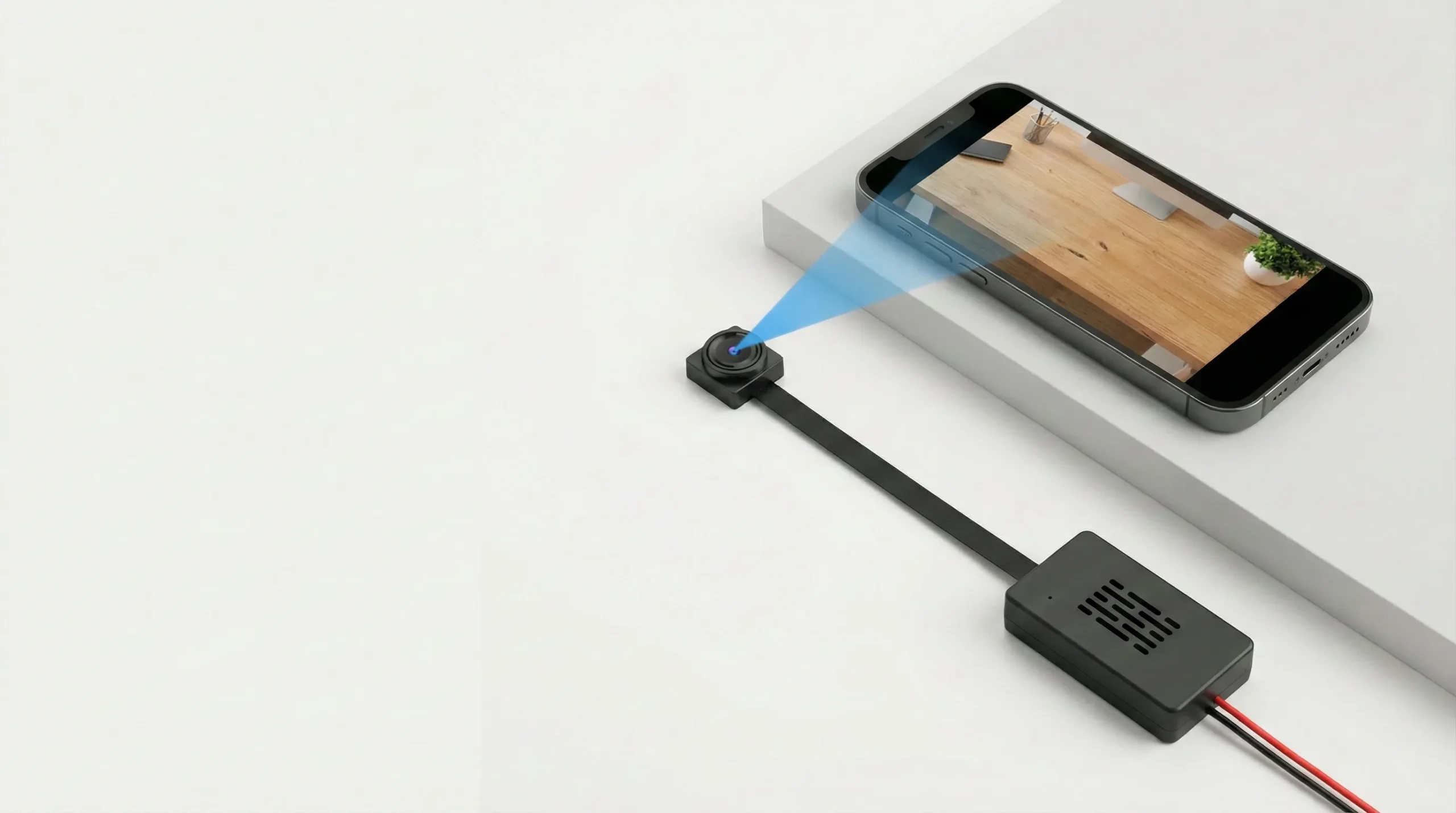
Dla dystrybutorów i sprzedawców detalicznych określających wydajność baterii w ofertach produktów i rekomendacjach dla klientów, to są zmienne, które decydują o rzeczywistym zadowoleniu klienta.
Jak rzetelnie czytać specyfikacje baterii
| Specyfikacja | Co to zwykle oznacza | Co powiedzieć klientowi |
|---|---|---|
| „180 dni w trybie czuwania” | PIR mode with <10 triggers/day, 15,000+ mAh battery, ideal temperature | Odpowiednia wyłącznie do magazynów i pomieszczeń o małym ruchu |
| „30 godzin ciągłej pracy” | WiFi wyłączone, bez noktowizji, temperatura pokojowa | 12–18 godzin jest bardziej realistyczne przy typowym użytkowaniu |
| „Bateria wielokrotnego ładowania” | Nie określono pojemności | Naciskaj na wartość mAh; wszystko poniżej 2000 mAh to urządzenie krótkotrwałego działania |
| „Długowieczna bateria litowa” | Język marketingowy | Sprawdź markę ogniwa (Samsung, Sony, LG = niezawodne; bez marki = nieznane) |
Założenia dotyczące wskaźnika zwrotów
W przypadku kamer szpiegowskich zasilanych bateryjnie zaplanuj 10–20% zwrotów z konkretnym powodem „bateria nie działała tak długo, jak oczekiwano” — nawet w przypadku modeli z dokładnymi specyfikacjami. Klienci, którzy nie rozumieją różnicy między ciągłym nagrywaniem a trybem czuwania z detekcją ruchu, zawsze będą rozczarowani, jeśli nie zostaną wcześniej odpowiednio poinformowani.
Środki zaradcze: Do każdej oferty kamery zasilanej bateryjnie dołącz jasne wyjaśnienie trybów nagrywania i przewidywanego czasu pracy baterii w różnych scenariuszach użycia. 60-sekundowe wyjaśnienie w opisie produktu zapobiega 30-minutowej wymianie z obsługą klienta i zwrotowi.
Problem oszustw dotyczących pojemności mAh
Tanie kamery szpiegowskie ze sfałszowanymi etykietami pojemności baterii to stały problem w łańcuchu dostaw. Ogniwo deklarujące 3 000 mAh może w rzeczywistości mieć 1 500 mAh — 50% niedobór, który natychmiast ujawnia się w praktyce.
Kroki weryfikacji przed dodaniem nowego dostawcy:
1. Zamów egzemplarz próbny
2. Przeprowadź test ciągłego nagrywania i zmierz, jak długo faktycznie wytrzymuje bateria
3. Porównaj z podaną pojemnością mAh: przy 1080p około 1,000 mAh powinno zapewnić 2,5–3 godziny nagrywania od ciepłego startu
4. Jeśli liczby się nie zgadzają, poproś dostawcę o kartę danych baterii
Uwarunkowania klimatyczne dla Twojego rynku
Jeśli Twoim głównym rynkiem jest Europa Północna, Wielka Brytania lub Kanada, zmniejszenie pojemności baterii wywołane temperaturą jest całorocznym problemem w przypadku przenośnych kamer bateryjnych. Na tych rynkach podkreślaj rozwiązania zasilane sieciowo lub wspomagane solarowo w przypadku wdrożeń dłuższych niż 48 godzin.
W przypadku rynków śródziemnomorskich i południowoeuropejskich temperatura jest mniejszym ograniczeniem — ale letnie upały powyżej 35°C również degradują baterie litowe szybciej niż umiarkowane temperatury.
For zapytania hurtowe lub opcje niestandardowej konfiguracji baterii, skontaktuj się z naszym zespołem technicznym.
Często zadawane pytania
Jak długo mini kamera szpiegowska faktycznie nagrywa na jednym ładowaniu?
Rzeczywisty czas nagrywania ciągłego w typowej mini kamerze szpiegowskiej (bateria 900–2 000 mAh) wynosi 1–3 godziny przy 1080p. Najczęściej podawana wartość to 60–90 minut dla urządzeń noszonych na ciele, takich jak kamery w długopisie i kamery w breloczku. Jeśli potrzebujesz więcej niż 2 godziny nagrywania ciągłego, potrzebujesz albo urządzenia zasilanego sieciowo, albo kamery z powerbankiem o pojemności 10 000+ mAh.
Czy kamery szpiegowskie nagrywają podczas ładowania?
Większość tak, ale pod pewnymi warunkami. Obwód ładowania USB musi dostarczać więcej prądu, niż kamera zużywa podczas nagrywania — standardowa ładowarka USB 5V/1A jest często niewystarczająca dla kamery pobierającej 500–800 mA podczas nagrywania 1080p. Niektóre kamery nagrywają podczas ładowania; inne przestają nagrywać podczas ładowania, aby zapobiec nagrzewaniu się baterii. Sprawdź dokumentację konkretnego modelu, zanim oprzesz się na tej funkcji przy długotrwałych wdrożeniach.
Co najszybciej skraca żywotność baterii kamery szpiegowskiej?
Ciągłe nagrywanie przy jednocześnie włączonym WiFi i aktywnej noktowizji rozładuje małą baterię w mniej niż godzinę. Każda funkcja osobno pobiera energię; uruchomienie wszystkich trzech naraz znacznie potęguje efekt. Aby zmaksymalizować żywotność baterii, nagrywaj w 720p w trybie tylko lokalnym bez noktowizji.
Czy mogę wymienić baterię w kamerze szpiegowskiej?
W większości konsumenckich kamer szpiegowskich — długopisów, breloków, mini kamer — bateria jest przylutowana bezpośrednio do płytki PCB i nie podlega wymianie przez użytkownika. W większych urządzeniach (kamery power bank, niektóre kamery zegarowe) bateria może być dostępna, ale jej wymiana wymaga demontażu. Kamery z akumulatorem mają skończoną żywotność (300–1 000 cykli), po której pojemność spada poniżej użytecznego poziomu. W przypadku długoterminowego wdrożenia modele zasilane z sieci z baterią zapasową całkowicie eliminują problem wymiany.
Jak wydłużyć czas pracy baterii w mojej kamerze szpiegowskiej?
Cztery strategie działają: po pierwsze, wyłącz WiFi, chyba że podgląd zdalny jest niezbędny — tryb nagrywania lokalnego wydłuża czas pracy na baterii o 30–50%. Po drugie, przełącz na tryb aktywowany ruchem — kamera, która nagrywa tylko podczas aktywności, wydłuża 3 godziny ciągłego działania do 3–7 dni. Po trzecie, wyłącz noktowizję, chyba że jest Ci naprawdę potrzebna — diody IR zużywają moc równą całej reszcie kamery. Po czwarte, używaj 720p zamiast 1080p — nagrywanie w niższej rozdzielczości znacznie zmniejsza obciążenie procesora, zwłaszcza w budżetowych chipsetach.
Czy kamery szpiegowskie rozładowują baterię, gdy są wyłączone?
Tak, ale powoli. Wszystkie baterie litowo-jonowe samoczynnie się rozładowują, nawet gdy nie są używane — około 2–5% miesięcznie w temperaturze pokojowej. W pełni naładowana kamera szpiegowska przechowywana przez sześć miesięcy bez użytkowania będzie miała około 70–85% naładowania, gdy następnym razem ją włączysz. Jest to normalne i nie oznacza usterki.
Czas pracy baterii to nie jedna liczba — to zależność między硬件em kamery, trybem nagrywania, środowiskiem i warunkami przechowywania. Wartość 180 dni w trybie czuwania nie jest kłamstwem; to pomiar wykonany w idealnych warunkach, których większość rzeczywistych wdrożeń nie spełnia.
Zrozumienie, w jakich warunkach pracujesz — pomieszczenie o małym ruchu czy zatłoczony dom, ciepłe pomieszczenie czy zimny pojazd, nagrywanie ciągłe czy detekcja ruchu — mówi więcej o przewidywanej żywotności baterii niż jakakolwiek specyfikacja mAh.
Do jednorazowego spotkania: wystarczy długopis szpiegowski z 45–90 minutami rzeczywistego nagrywania. Do tygodniowej obserwacji pomieszczenia: odpowiednim narzędziem jest kamera w zegarze zasilana z sieci lub urządzenie z akumulatorem 5 000+ mAh w trybie wykrywania ruchu.
Skontaktuj się z nami już dziś w sprawie cen hurtowych, wskazówek dotyczących konfiguracji baterii lub niestandardowych rozwiązań zasilania dla Twojej oferty produktów do dyskretnej obserwacji.
Kamery ukryte hurtowo — QZT Security

 English
  Italiano
  Deutsch
  Français
  Español
  Polski