
Dove Acquistare Telecamere Segrete: Una Guida Completa alla Sourcing
Sapere dove acquistare telecamere segrete separa i clienti che ottengono hardware di qualità e conforme da quelli che ricevono unità sottospecificate o, peggio, sequestrate alla dogana. Se sei un investigatore privato che cerca un singolo dispositivo discreto, un responsabile delle infrastrutture che acquista per una rete di siti, o un distributore wholesale che costruisce un catalogo, il canale che scegli determina la qualità del prodotto, il prezzo, la garanzia e il rischio normativo. Questa guida traccia ogni importante canale di sourcing, spiega cosa li distingue e offre un framework per selezionare il fornitore appropriato basato sul tuo caso d'uso.
Cosa Considerare una Telecamera Segreta
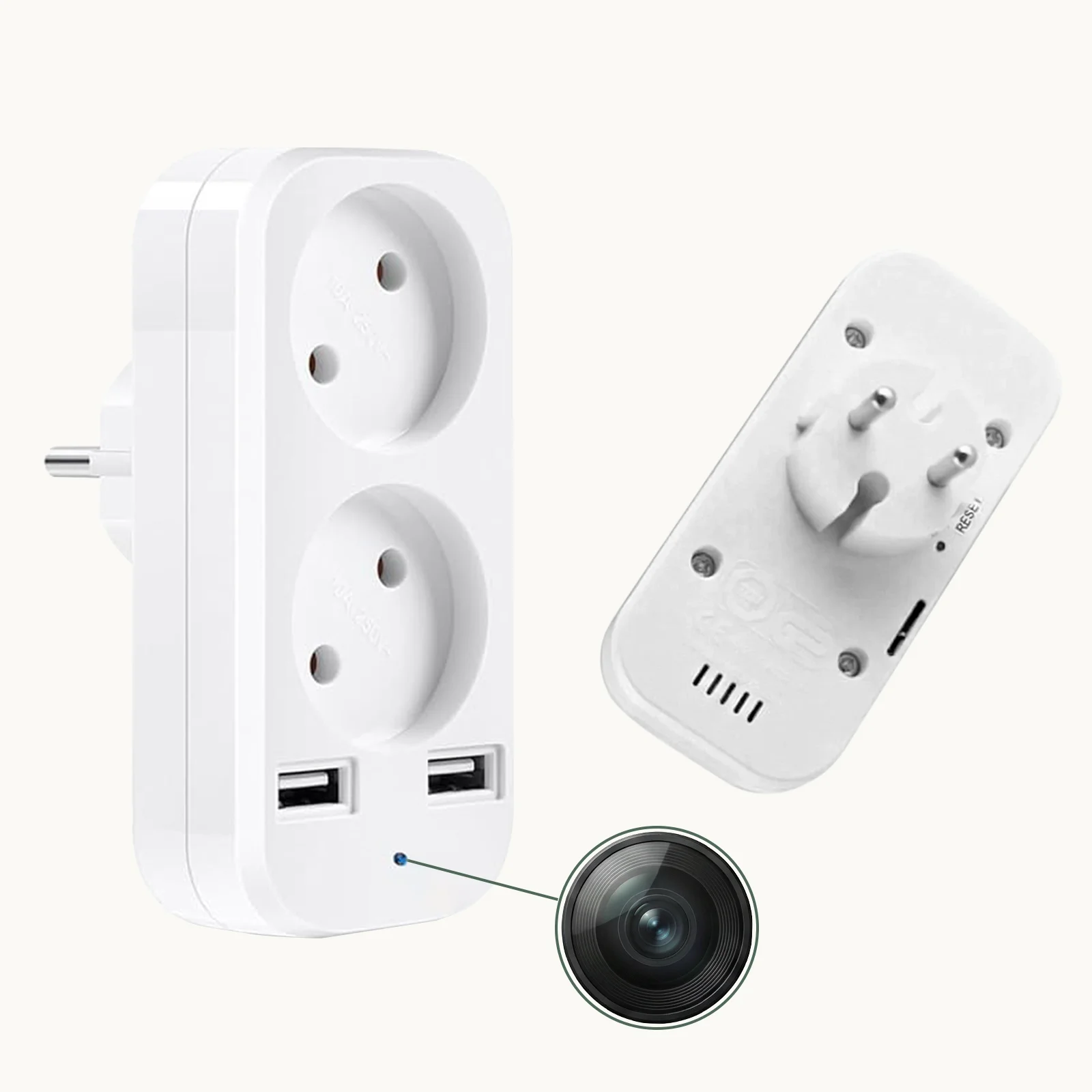
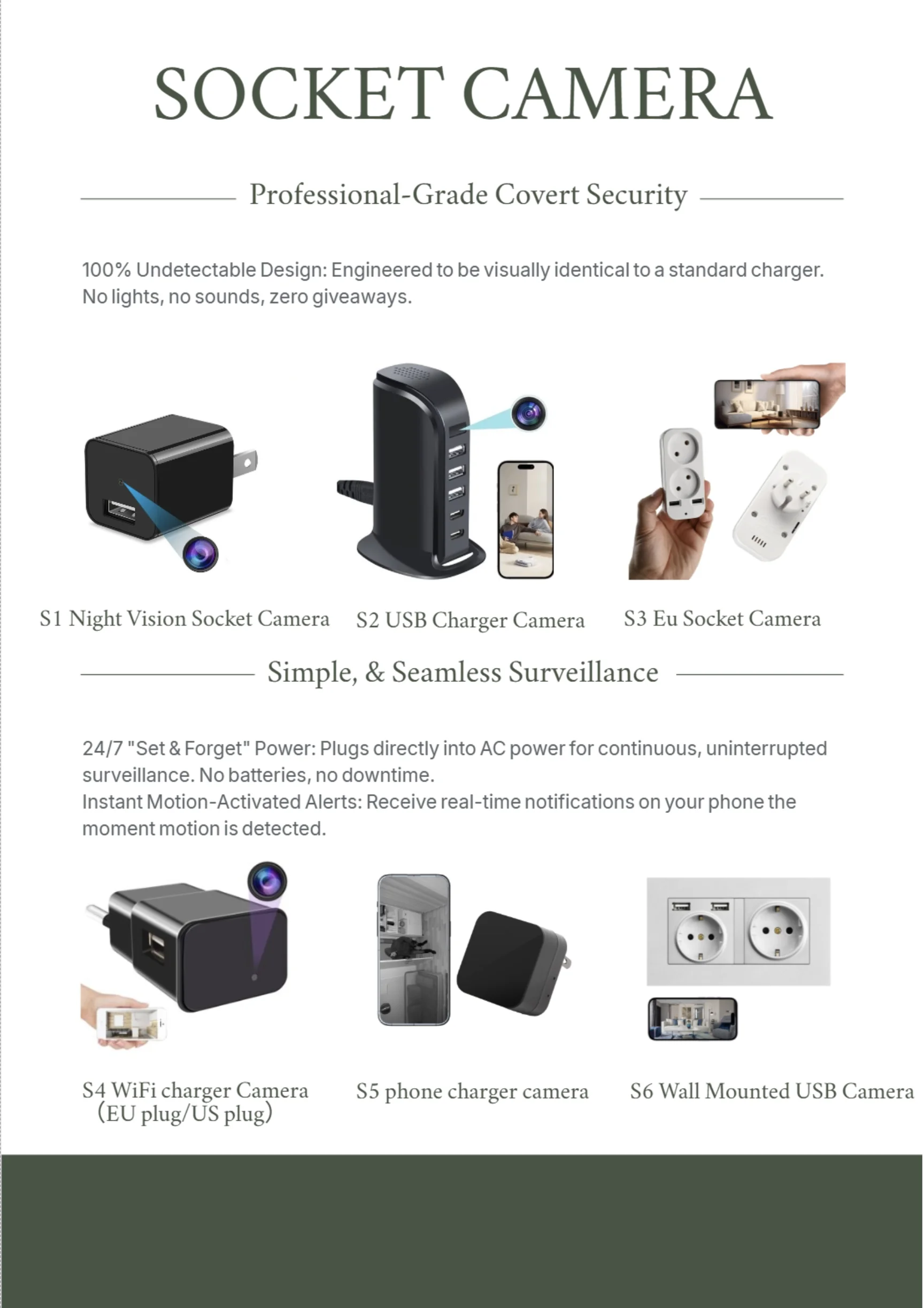
Una telecamera segreta, detta anche telecamera covert o nascosta, è qualsiasi dispositivo di imaging il cui contenitore è progettato per integrarsi in un oggetto quotidiano — prese di corrente, quadranti di orologi, corpo di penne, detector di fumo, scatole di tessuto, o vasi — così che la lente non sia immediatamente visibile alle persone nell'area monitorata. L'elettronica centrale — sensore CMOS, ISP, modulo Wi-Fi o memoria locale — è la stessa di quella delle CCTV convenzionali, ma il design industriale è costruito appositamente per la occultazione.
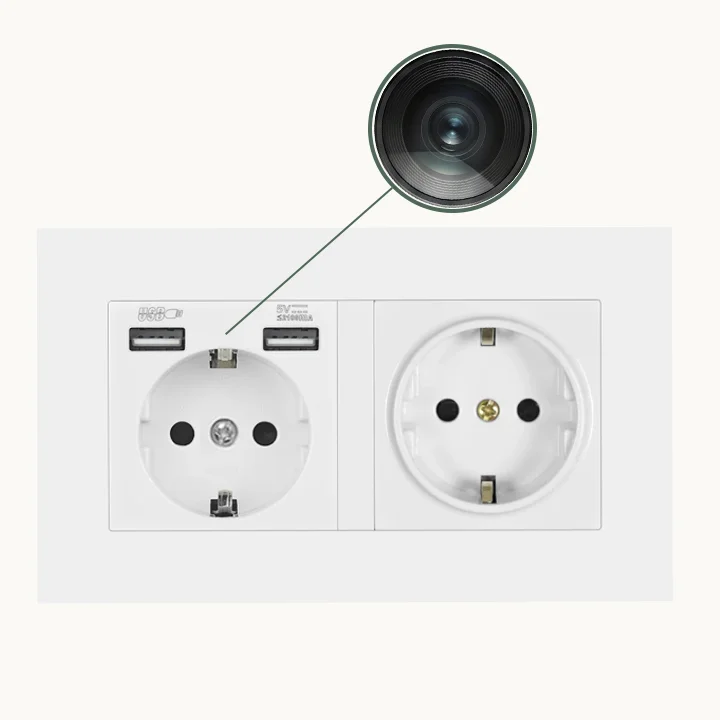
Gli acquirenti devono comprendere tre sottocategorie prima di scegliere un canale:
1. Modelli cablati / solo SD-card — no Wi-Fi, registrazione locale su micro-SD; più semplice, più difficile da individuare con scanner RF.
2. Modelli Wi-Fi / connessi Tuya — visualizzazione live remota tramite app, opzione di archiviazione cloud; appeal più ampio ma richiedono configurazione di rete.
3. Modelli 4K / Ultra-HD — banda più alta, file più grandi; preferito per uso probatorio.
Ogni sottocategoria ha una fascia di prezzo wholesale diversa e una classificazione tariffaria di importazione diversa. L'UE classifica la maggior parte sotto HS 8525.89 (telecamere), con un dazio MFN 4.9 %; verifica il database TARIC per la tua variante esatta.
Perché la Scelta del Canale è più Importante del Prezzo
Il prezzo per unità è il parametro evidente, ma la scelta del canale influisce su sei dimensioni che sono ugualmente o più importanti:
| Dimensioni | Retail / Amazon | Aggregatore grey-market | Fabbrica diretta / fornitore OEM |
|---|---|---|---|
| Certificazioni CE / RoHS | Solitamente presenti | Spesso mancante | Disponibile su richiesta, verificare prima dell'ordine |
| Quantità minima d'ordine | 1 | 1–10 | 10–1,000 dipendente dal modello |
| Prezzo unitario a 100 unità | €120–€200 | €40–€80 | €25–€60 |
| Supporto post-vendita | Garanzia della piattaforma | Minimo | RMA diretto, aggiornamenti firmware |
| Rischi doganali | Zero | Medium–High | Basso con documentazione appropriata |
| Personalizzazione / OEM | No | No | Sì (PCB, housing, firmware, branding) |

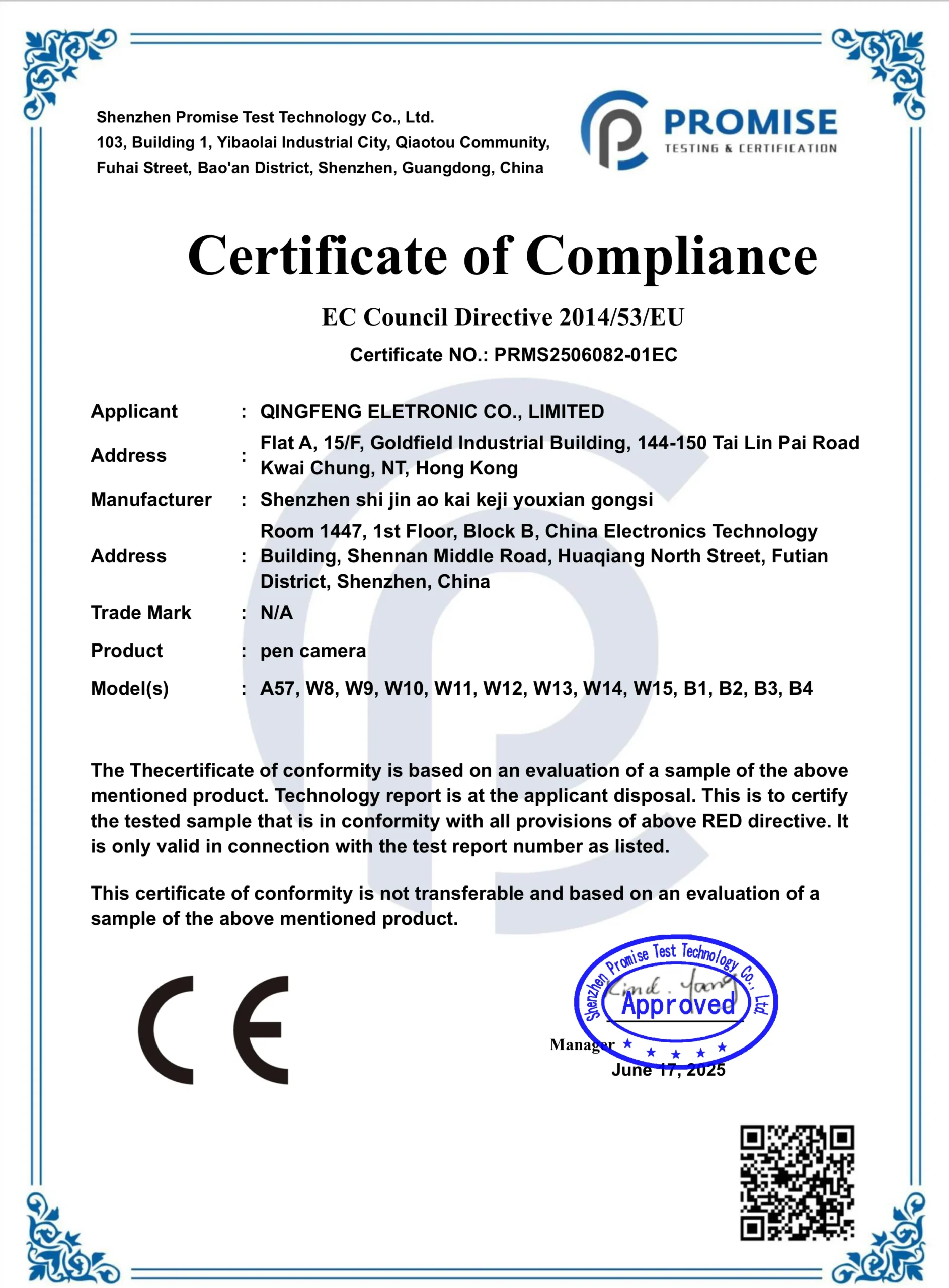
Il livello dell'aggregatore grey-market è particolarmente rischioso per i clienti professionali. I prodotti spesso mancano di una marcatura CE legittima sotto la Direttiva Radio Equipment 2014/53/EU or the Low Voltage Directive 2014/35/EU. EU customs authorities flag non-compliant devices on the RAPEX rapid-alert database, and detained shipments can result in full destruction of goods.
Canale 1 — Marketplace di Vendita Online
Amazon EU, eBay, and Cdiscount carry a broad range of secret cameras, primarily from third-party sellers. For a buyer who needs a single unit quickly and wants the platform’s buyer-protection mechanism, this is the fastest route.
Vantaggi: Same-day or next-day dispatch in Western Europe; easy returns under EU Distance Selling rules. Svantaggi: Higher unit prices; no MOQ flexibility; seller documentation quality is inconsistent; counterfeit products exist in this channel. For professional buyers the margin economics rarely work at retail prices.
A reliable filtering tactic on Amazon is to search for the CE marking in the product listing images rather than relying on the text description. Legitimate sellers will include a scanned CE certificate. Request the Declaration of Conformity (DoC) from the seller before purchase — they are legally obliged to provide it under EU Regulation 765/2008.
Canale 2 — Piattaforme B2B per il Wholesale
Alibaba, Made-in-China, and Global Sources are the three dominant platforms for connecting buyers with factories in China, which manufactures the overwhelming majority of covert camera hardware globally.
On Alibaba, search filter for Trade Assurance suppliers E Verified Manufacturer status. Both labels imply a higher baseline of accountability, though they are not substitutes for requesting actual certification documents. Key documents to request before placing an order:
– CE Declaration of Conformity (DoC), signed by an EU-authorised representative
– CE test report from a notified body (e.g. TÜV SÜD, SGS, Intertek)
– RoHS compliance certificate covering the PCB and housing materials
– FCC ID (if products will also ship to North America)
Minimum order quantities on B2B platforms typically start at 10 units for standard models and 100+ units for OEM/custom projects. Lead times for stocked models run 7–15 days ex-factory; custom builds take 30–60 days.
Canale 3 — Distributori Specializzati di Sicurezza
Regional security distributors — companies that import, warehouse, and resell security hardware to integrators and installers — sit between the factory and the end-user. They carry stock in-country, reducing lead time and customs complexity, and typically employ technical sales staff who can advise on product selection.
For professional installers and integrators in Europe, a regional distributor is often the best default channel: pricing is competitive at low-to-mid volumes (50–500 units), all import duties are paid, and return logistics are local. The trade-off is that product range is narrower than a direct factory relationship, and the distributor margin (typically 15–30 %) is embedded in the price.
Distributors to evaluate in the EU security sector include Ingram Micro Security, Norbain, and AD Group, though local national distributors often offer faster lead times.
Canale 4 — Fabbrica / Produttore Diretto
Buying directly from the manufacturing facility is the most cost-efficient channel at volume (100+ units) and the only channel that enables true OEM customisation — custom housing colours, logo printing, firmware white-labelling, and modified packaging for retail or B2B resale.
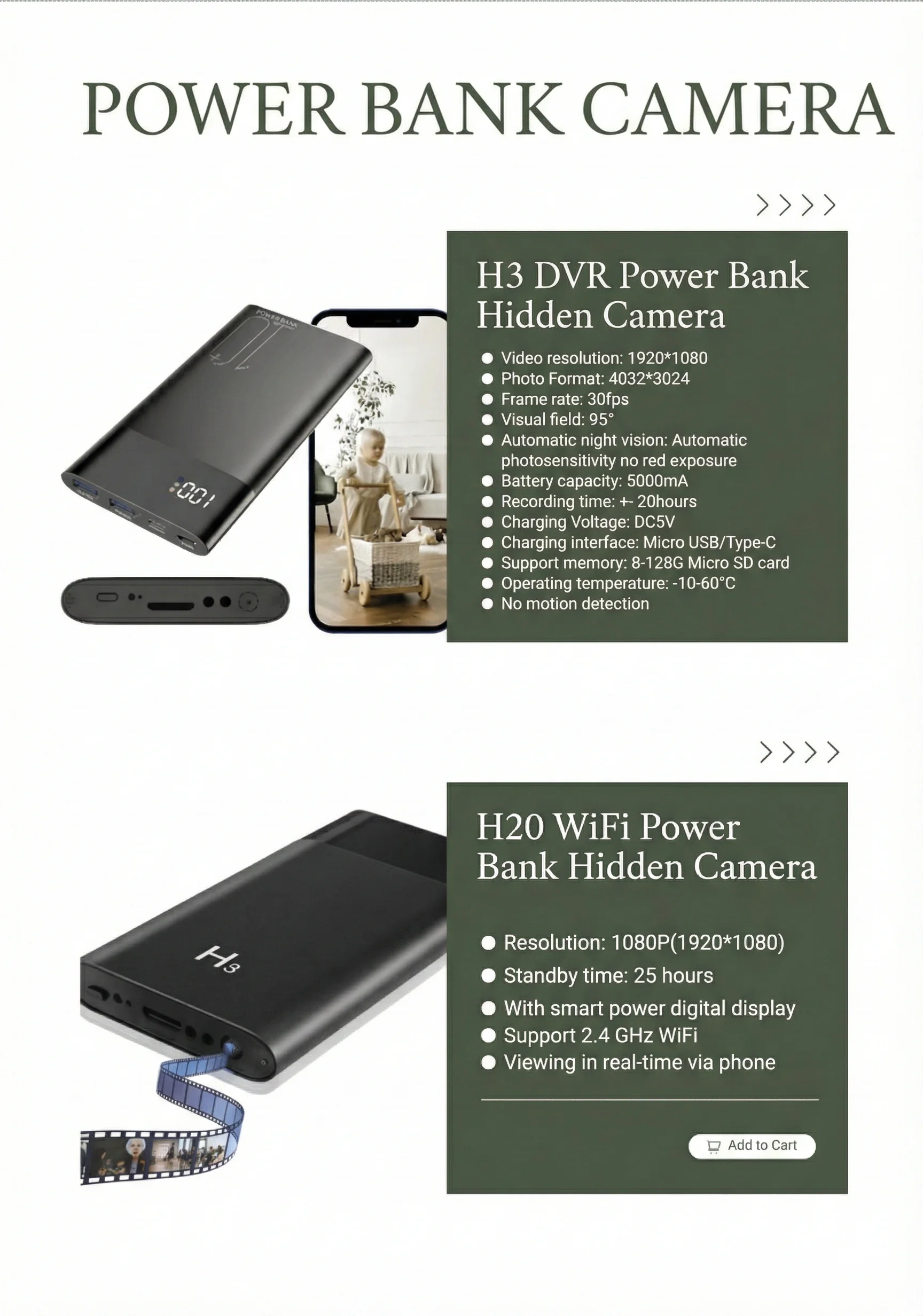
QZT Security (https://www.qztsecurity.com/) is a direct manufacturer of CE-certified covert cameras covering socket cameras, clock cameras, voice recorders, pen cameras, and modular DIY boards. Their product portfolio spans:
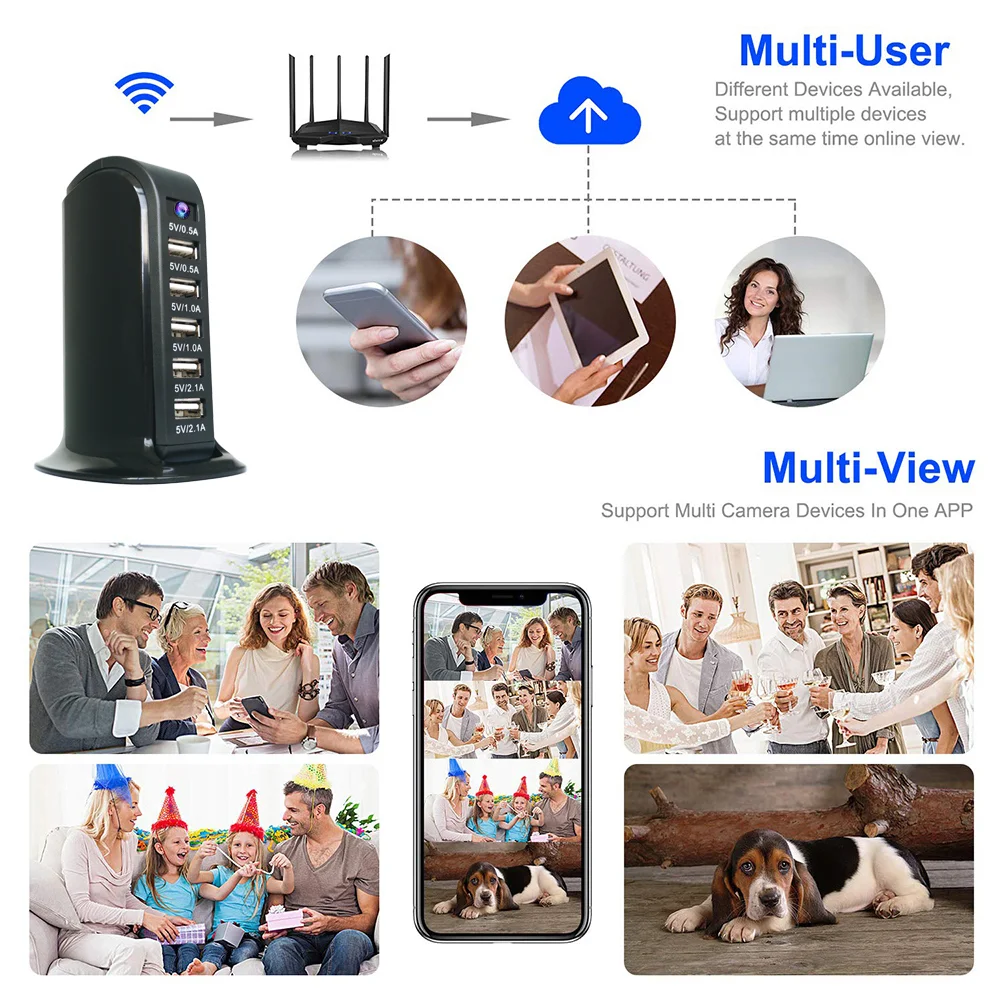
– Telecamera Nascosta in Presa EU WiFi 1080P — Tuya-connected, EU-plug form factor, motion detection, 24/7 live view
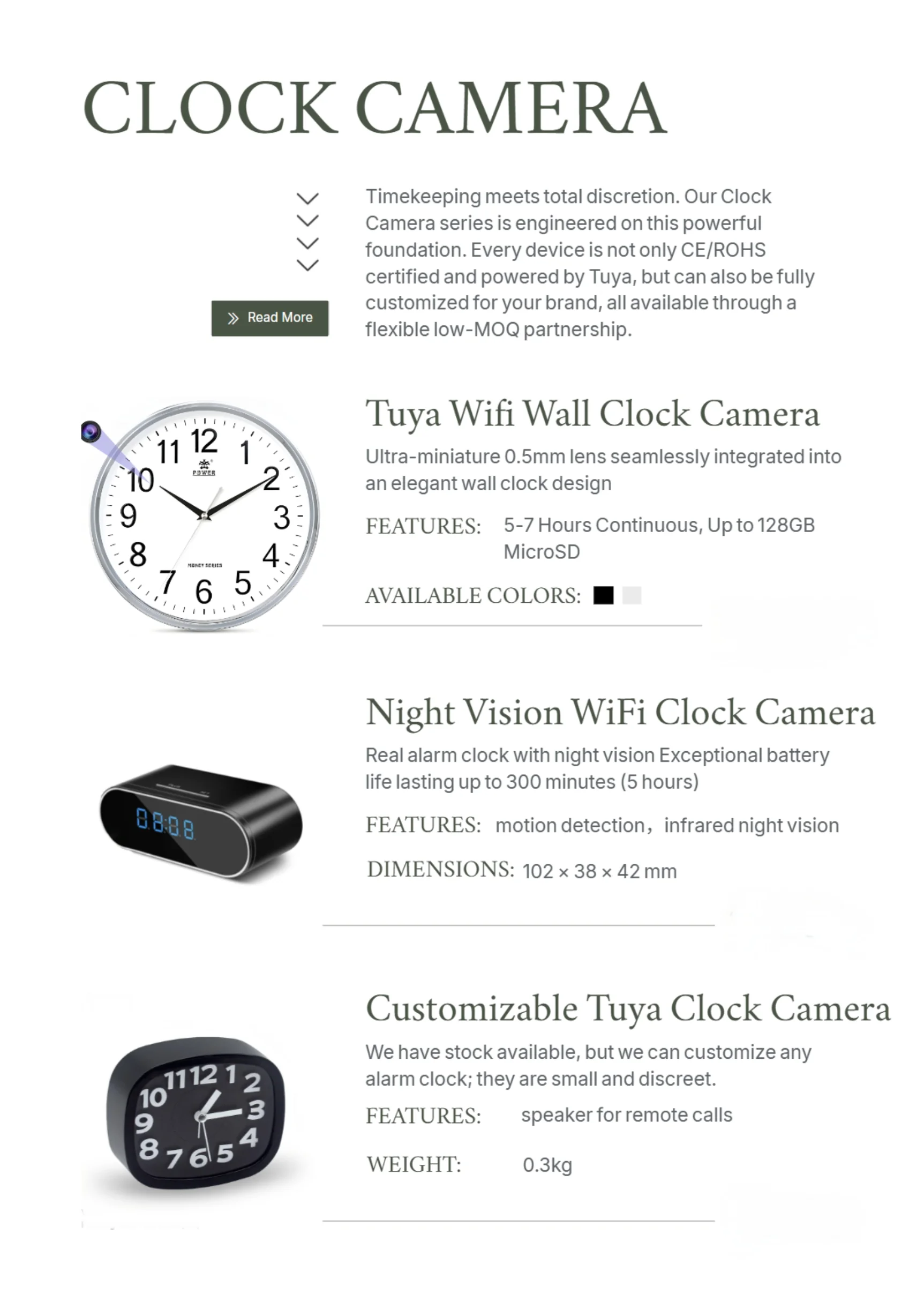
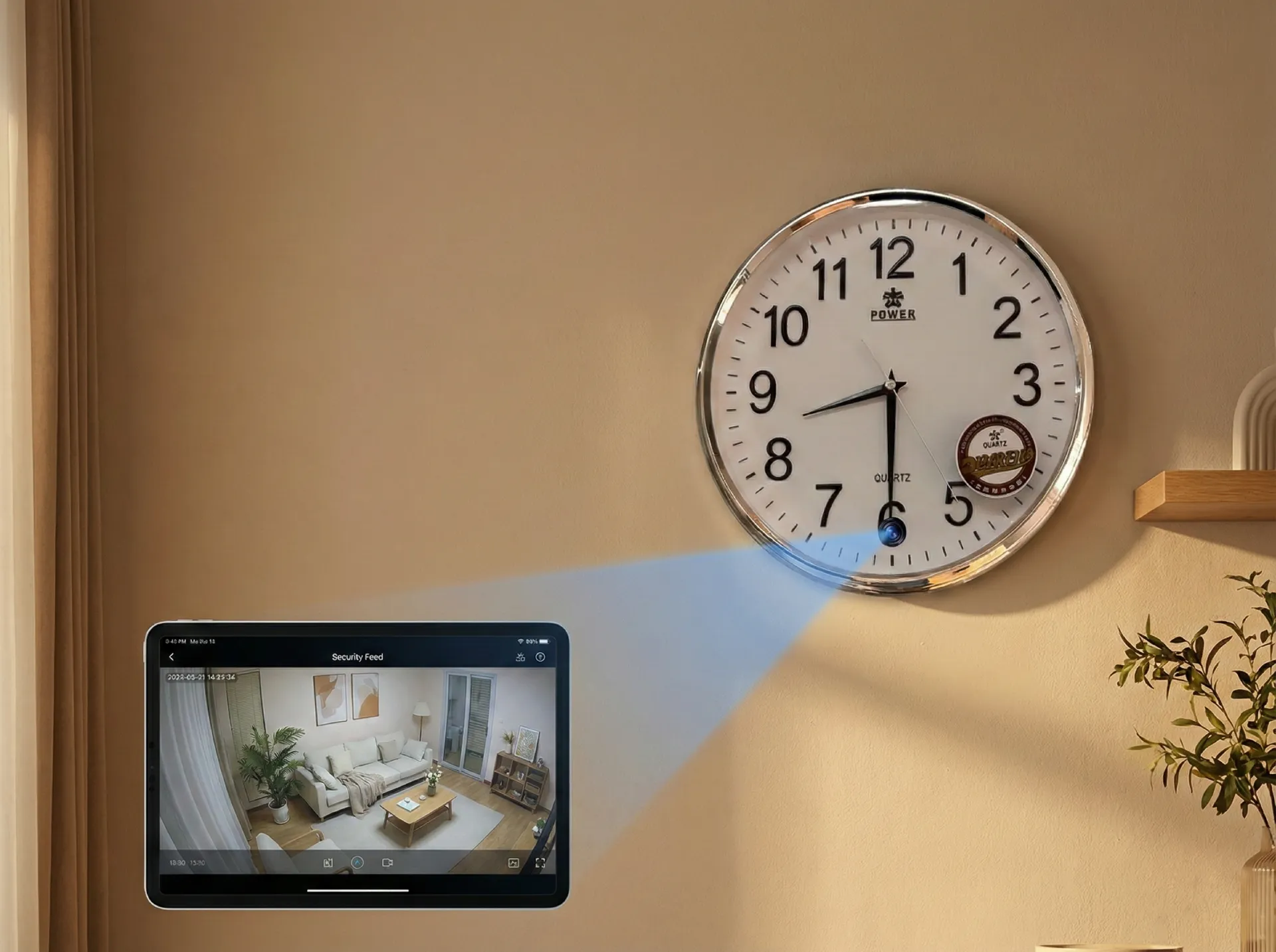
– Z10 WiFi Wall Clock Camera — 1080p, PIR motion detection, infrared night vision
– Smoke Detector Hidden WiFi Camera — ceiling-mount form factor, wide-angle lens, Tuya app
– WiFi Tissue Box Hidden Camera 4K — 4K sensor, Tuya, desktop placement
– Tuya DIY Camera Module — bare PCB for OEM integration into custom housings
– Q97 Mini Voice Recorder — VOR-activated, 3,500 mAh, 280-hour standby
Direct factory pricing typically runs 40–60 % below equivalent retail prices. Payment terms for established B2B accounts can include NET30 or T/T after first order.
Canale 5 — Fiere Commerciali e Sourcing in Persona
IL Fiera di Canton (Guangzhou, April and October) and Shenzhen Security Exhibition (CPSE) are the two most important annual events for in-person sourcing of covert camera hardware. Face-to-face contact with factory representatives enables hands-on product evaluation, direct negotiation of MOQ and pricing, and faster relationship development for OEM projects.
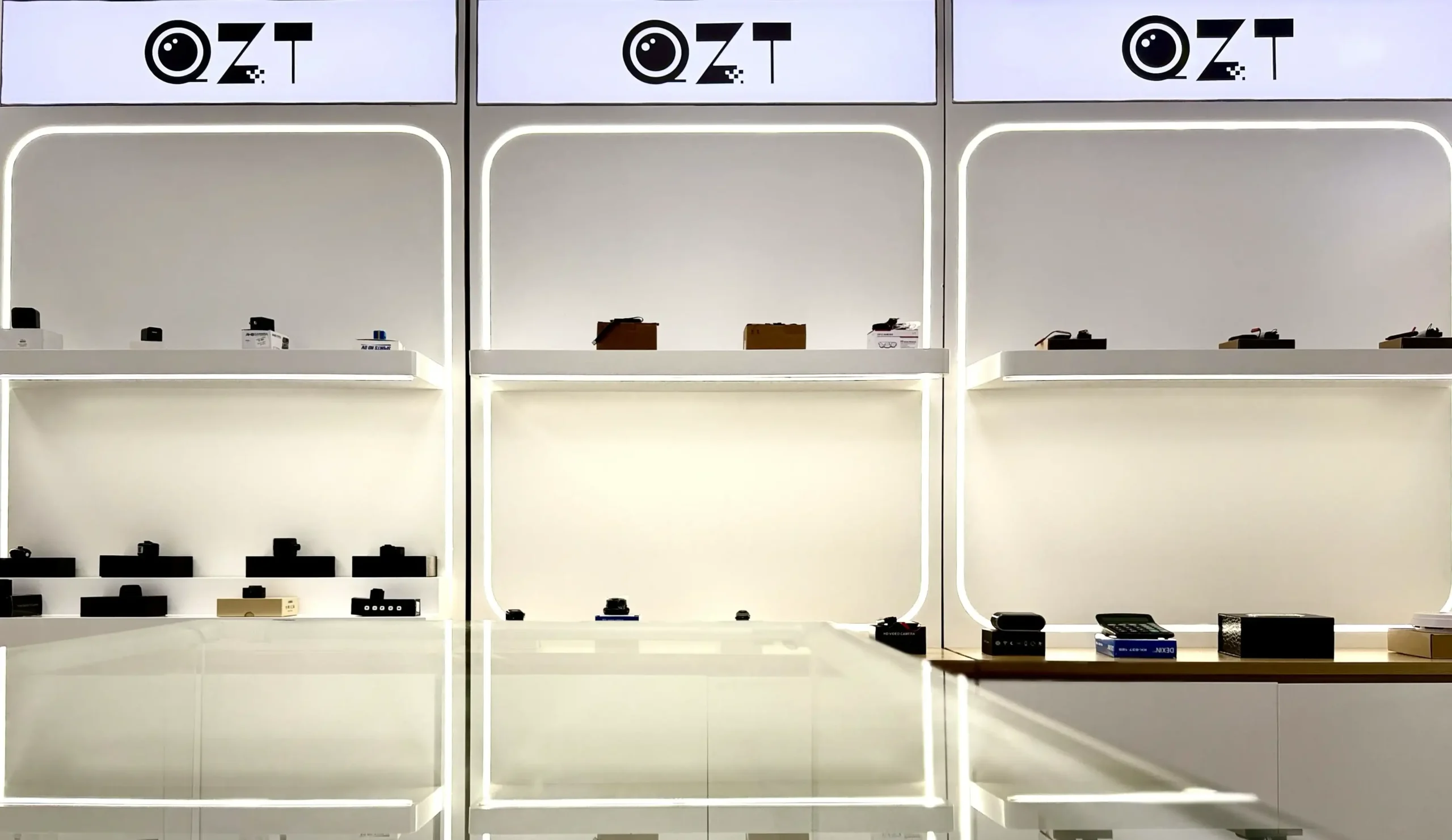
European trade shows — Intersec (Dubai, January) and Security Essen (Germany, September, biennial) — attract EU-focused distributors and manufacturers, and are better suited to buyers who want to source from EU-warehouse suppliers.
Considerazioni Legali Prima dell'Acquisto
Before purchasing, confirm that your intended use is lawful in your jurisdiction. In the EU, the GDPR (Regulation 2016/679) applies to any covert camera that records personal data. Article 6 requires a lawful basis — legitimate interest is the most commonly applicable basis for security monitoring on private premises, but it requires a documented Legitimate Interests Assessment (LIA).
IL ICO’s guidance on CCTV and covert surveillance is the clearest practical reference for UK buyers. In member states such as Germany (BDSG) and France (CNIL), national supervisory authorities publish supplementary guidance. Recording audio simultaneously with video is subject to stricter rules under wiretapping statutes in most EU member states and is prohibited in some contexts entirely.
Buyers should also confirm that their supplier’s CE certification covers both the RE Directive (radio module) and the LVD (electrical safety) — products with Wi-Fi must hold both declarations.
Benchmark di Prezzo per Tipo di Prodotto
Understanding market pricing prevents overpaying and helps identify suspiciously cheap products that may lack certification:
| Tipo di prodotto | Retail (single unit) | Wholesale (50 units) | Direct factory (100+) |
|---|---|---|---|
| Wi-Fi socket camera (EU plug, 1080p) | €85–€140 | €50–€75 | €28–€45 |
| Clock camera (1080p, night vision) | €70–€120 | €40–€65 | €22–€38 |
| 4K tissue box camera (Tuya) | €110–€180 | €65–€95 | €38–€58 |
| Smoke detector camera (Wi-Fi) | €80–€130 | €48–€72 | €26–€42 |
| Pen camera (1080p, no Wi-Fi) | €35–€60 | €18–€28 | €10–€18 |
| Mini voice recorder (VOR) | €40–€75 | €20–€35 | €12–€22 |
Products priced significantly below the factory column should trigger a documentation audit — they almost certainly lack genuine CE certification or use substandard sensors that degrade in low-light conditions.
Come valutare un supplier prima di ordinare
A structured pre-order supplier evaluation reduces the risk of receiving non-compliant or underperforming hardware:
Step 1 — Request certificates. Ask for the CE Declaration of Conformity and test report. Verify the notified body number against the NANDO database. A valid CE marking on the DoC must match the product model number exactly.
Step 2 — Request samples. Any credible supplier will ship 1–3 samples (usually at cost) before a bulk order. Test night-vision performance, motion-detection latency, Wi-Fi stability at 10 metres, and loop-recording reliability over 72 hours.
Step 3 — Verify the Tuya integration (for Wi-Fi models). Open the Tuya Smart or Smart Life app, add the device, and confirm live-view latency is under 3 seconds on a standard home network. Confirm that cloud storage, local SD recording, and motion alerts all function independently.
Step 4 — Check the EU authorised representative. For products sold in the EU, the DoC must name an EU-based authorised representative (AR) with a physical address. This AR is legally liable for compliance. Absence of an EU AR means the product cannot be legally placed on the EU market.
Step 5 — Clarify firmware update policy. Ask whether the factory provides over-the-air (OTA) firmware updates for Tuya models and what the support window is. For long-term deployments, a supplier who abandons firmware after 12 months exposes buyers to security vulnerabilities.
Opzioni OEM e Private-Label
For distributors and resellers who want to build their own brand, direct factory relationships enable full private-label programmes. Typical OEM options include:
– Housing customisation — colour, material finish (ABS vs. PC), logo embossing or pad printing
– Branding del firmware — nome app personalizzato in App Store/Play Store, schermata iniziale personalizzata, server cloud personalizzato
– Imballaggio — scatola retail personalizzata, manuale multilingua, blister pack per mercato europeo
– Trasferimento della certificazione — il supplier applica CE/FCC sotto il tuo marchio (aggiunge 6–10 settimane e costo €2,000–€5,000 per famiglia di prodotto)
Le quantità minime di ordine OEM sono tipicamente 500–1,000 unità per SKU. Il lead time per un progetto custom completo (nuovo housing + firmware + packaging) è di 60–90 giorni dai file di design confermati.
Domande frequenti
Posso importare legalmente telecamere nascoste nell'UE?
Sì, purché presentano una marcatura CE autentica e rispettano le direttive applicabili. La capacità di registrazione audio aggiunge complessità legale; verificare le norme specifiche per paese sull'intercettazione prima dell'importazione.
Qual è il metodo di pagamento più sicuro per ordini B2B?
Per i primi ordini con un nuovo supplier, utilizzare Alibaba Trade Assurance o una Lettera di Credito (L/C) confermata. Per relazioni consolidate, T/T (trasferimento bancario) con 30% di deposito e 70% su B/L è standard.
Le telecamere nascoste richiedono una dichiarazione doganale specifica?
La maggior parte è classificata sotto HS 8525.89 (telecamere) o 8525.80 (sensori di immagini). Dichiararle erroneamente come “giocattoli” o “articoli domestici” per ridurre i dazi è una frode doganale e può comportare responsabilità penale.
Come verificare che i certificati CE siano autentici?
Richiedere il DoC completo e il report di test, poi verificare il numero dell'organismo notificato contro il database della Commissione Europea NANDO database. Un report di test legittimo includerà il numero di accredito del laboratorio e le specifiche norme testate.
Quale MOQ dovrei aspettarmi per telecamere Wi-Fi a forma di orologio?
Modelli in stock da una fabbrica consolidata: minimo 10–20 unità. OEM custom: minimo 500–1,000 unità.
Conclusione
Il canale appropriato per acquistare telecamere nascoste dipende dal volume, dalla tempistica e dai requisiti di conformità. Gli acquirenti retail di singoli unità possono utilizzare Amazon con una verifica accurata dei certificati. Gli integratori e i professionisti della sicurezza che acquistano 10–500 unità dovrebbero valutare piattaforme wholesale B2B o distributori specializzati in sicurezza. Gli acquirenti di grandi volumi e i distributori che costruiscono il proprio catalogo dovrebbero perseguire una relazione diretta con la fabbrica per efficienza di prezzo e flessibilità OEM. In tutti i casi, la certificazione CE sotto la Direttiva Radio Equipment e RoHS è non negoziabile per operare nel mercato UE, e la conformità GDPR deve essere pianificata prima del deployment, non dopo.

 English
  Italiano
  Deutsch
  Français
  Español
  Polski