
Where to Buy Secret Cameras: A Complete Sourcing Guide
Knowing where to buy secret cameras separates buyers who get quality, compliant hardware from those who receive underspec’d units or, worse, seizures at customs. Whether you are a private investigator sourcing a single discreet device, a facilities manager procuring for a site network, or a wholesale distributor building a catalogue, the channel you choose determines product quality, price, warranty, and regulatory risk. This guide maps every major sourcing channel, explains what distinguishes them, and provides a framework for selecting the right supplier based on your use case.
What Counts as a Secret Camera
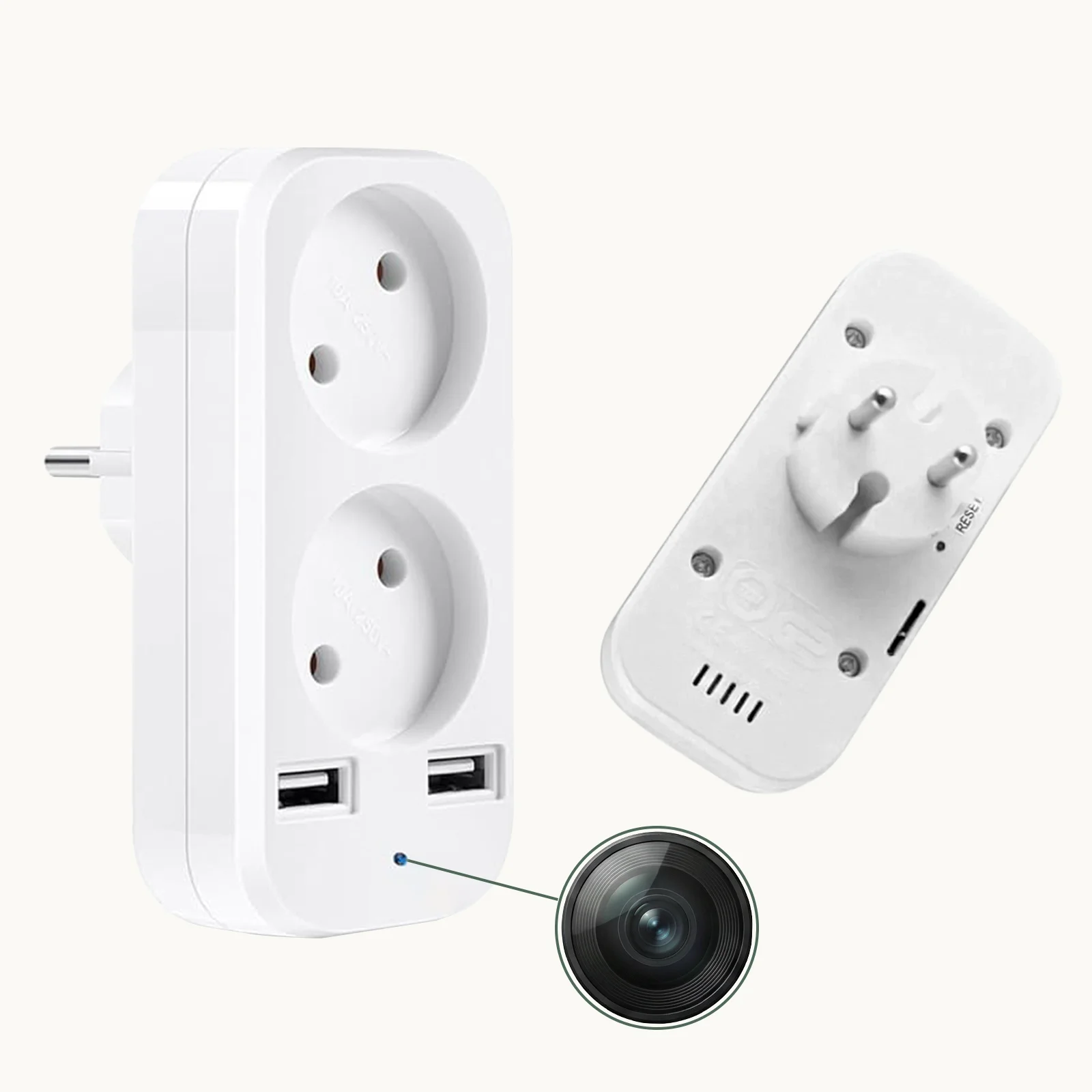
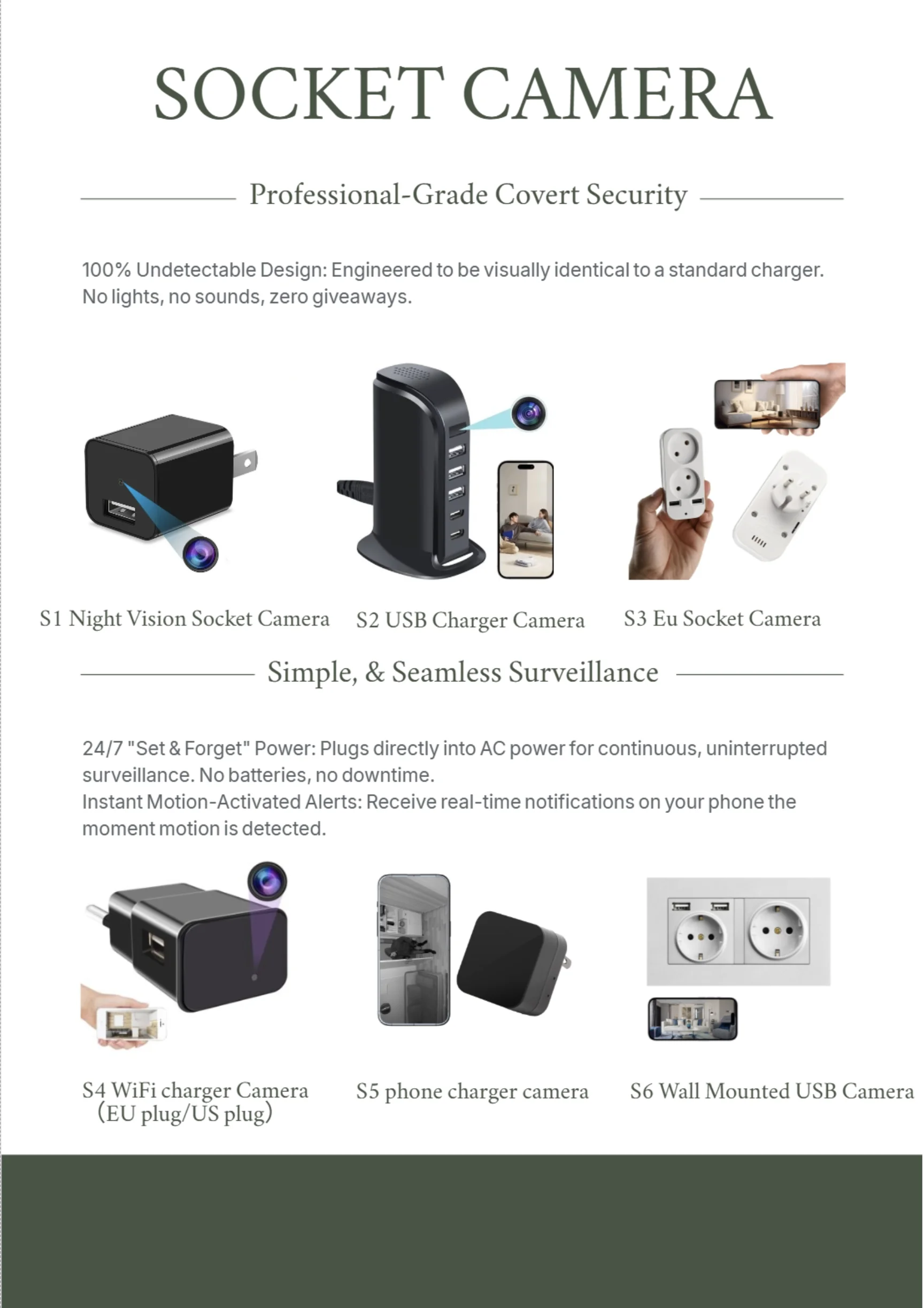
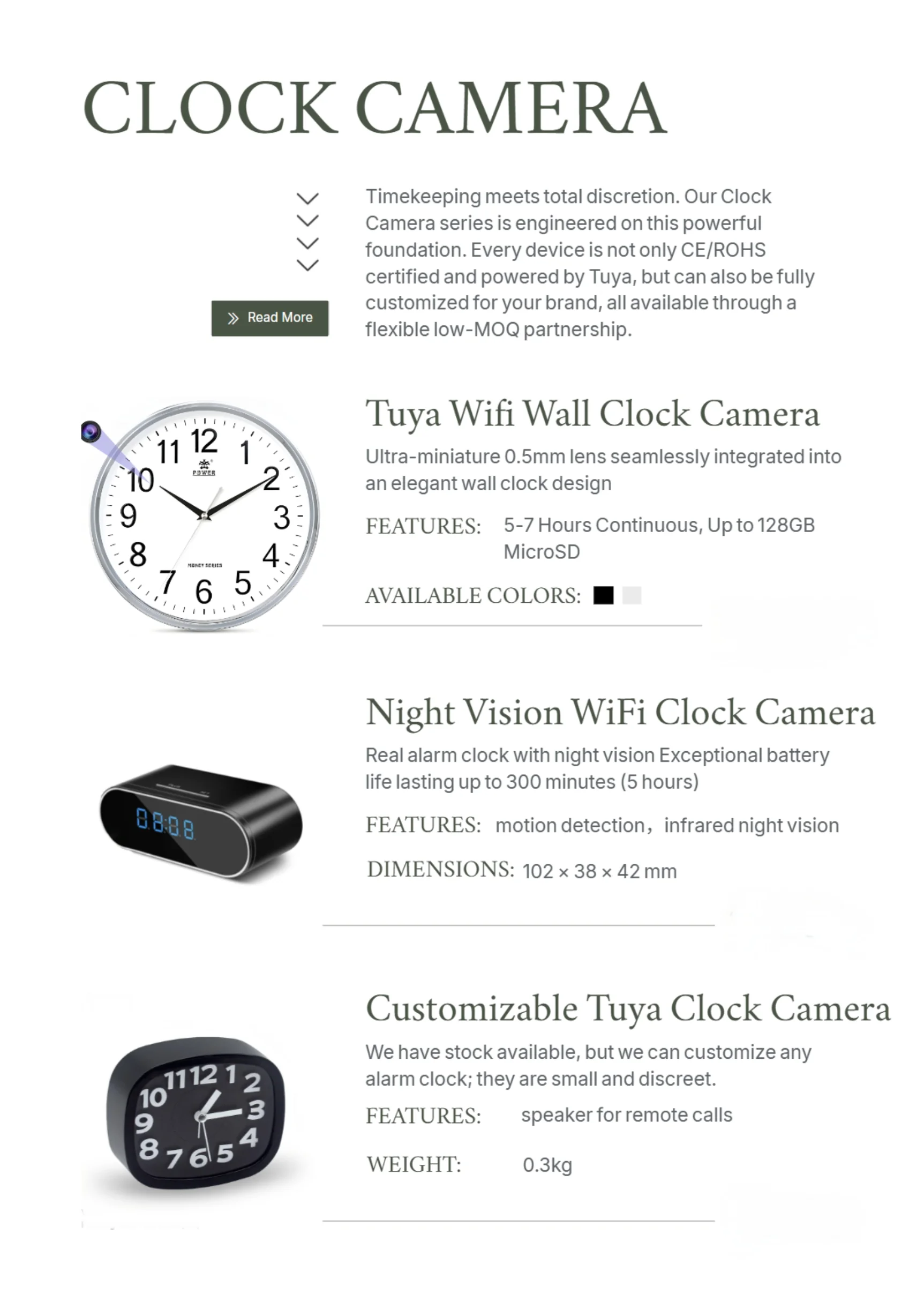
A secret camera, also called a covert or hidden camera, is any imaging device whose housing is designed to blend into an everyday object — power sockets, clock faces, pen bodies, smoke detectors, tissue boxes, or vases — so that the lens is not immediately visible to the people in the monitored area. The core electronics — CMOS sensor, ISP, Wi-Fi or local storage module — are the same as in conventional CCTV, but the industrial design is purpose-built for concealment.
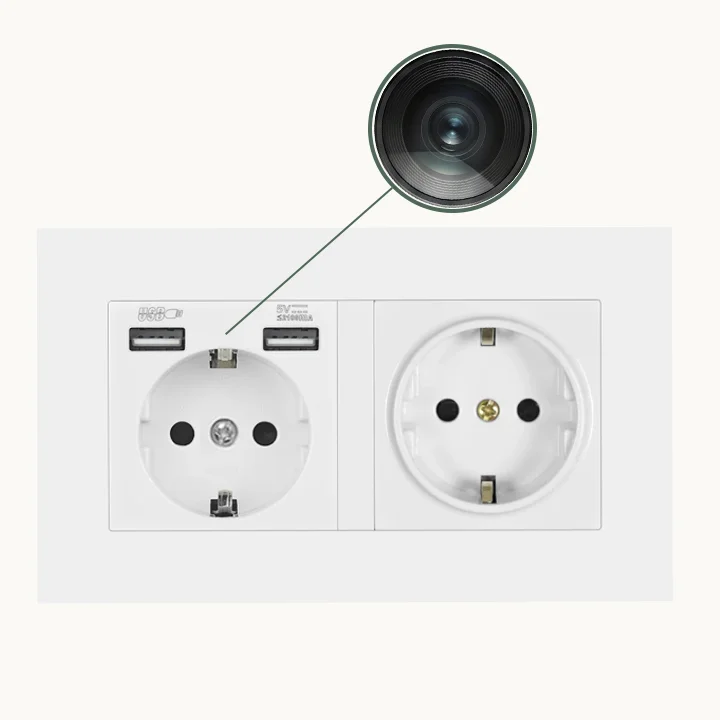
Buyers need to understand three sub-categories before they choose a channel:
1. Wired / SD-card-only models — no Wi-Fi, record locally to micro-SD; simpler, harder to detect by RF scanners.
2. Wi-Fi / Tuya-connected models — remote live view via app, cloud-storage option; broader appeal but require network setup.
3. 4K / Ultra-HD models — higher bandwidth, larger files; preferred for evidentiary use.
Each sub-category has a different wholesale price band and different import tariff classification. The EU classifies most under HS 8525.89 (television cameras), carrying a 4.9 % MFN duty; check the TARIC database for your exact variant.
Why Channel Choice Matters More Than Price
Price per unit is the obvious metric, but channel choice affects six dimensions that matter equally or more:
| Dimension | Retail / Amazon | Grey-market aggregator | Direct factory / OEM supplier |
|---|---|---|---|
| CE / RoHS certifications | Usually present | Often missing | Available on request, verify before order |
| Minimum order quantity | 1 | 1–10 | 10–1,000 depending on model |
| Unit price at 100 units | €120–€200 | €40–€80 | €25–€60 |
| After-sales support | Platform guarantee | Minimal | Direct RMA, firmware updates |
| Customs risk | Zero | Medium–High | Low with proper documentation |
| Customisation / OEM | No | No | Yes (PCB, housing, firmware, branding) |

The grey-market aggregator tier is particularly risky for professional buyers. Products often lack legitimate CE marking under the Radio Equipment Directive 2014/53/EU or the Low Voltage Directive 2014/35/EU. EU customs authorities flag non-compliant devices on the RAPEX rapid-alert database, and detained shipments can result in full destruction of goods.
Channel 1 — Online Retail Marketplaces
Amazon EU, eBay, and Cdiscount carry a broad range of secret cameras, primarily from third-party sellers. For a buyer who needs a single unit quickly and wants the platform’s buyer-protection mechanism, this is the fastest route.
Advantages: Same-day or next-day dispatch in Western Europe; easy returns under EU Distance Selling rules. Disadvantages: Higher unit prices; no MOQ flexibility; seller documentation quality is inconsistent; counterfeit products exist in this channel. For professional buyers the margin economics rarely work at retail prices.
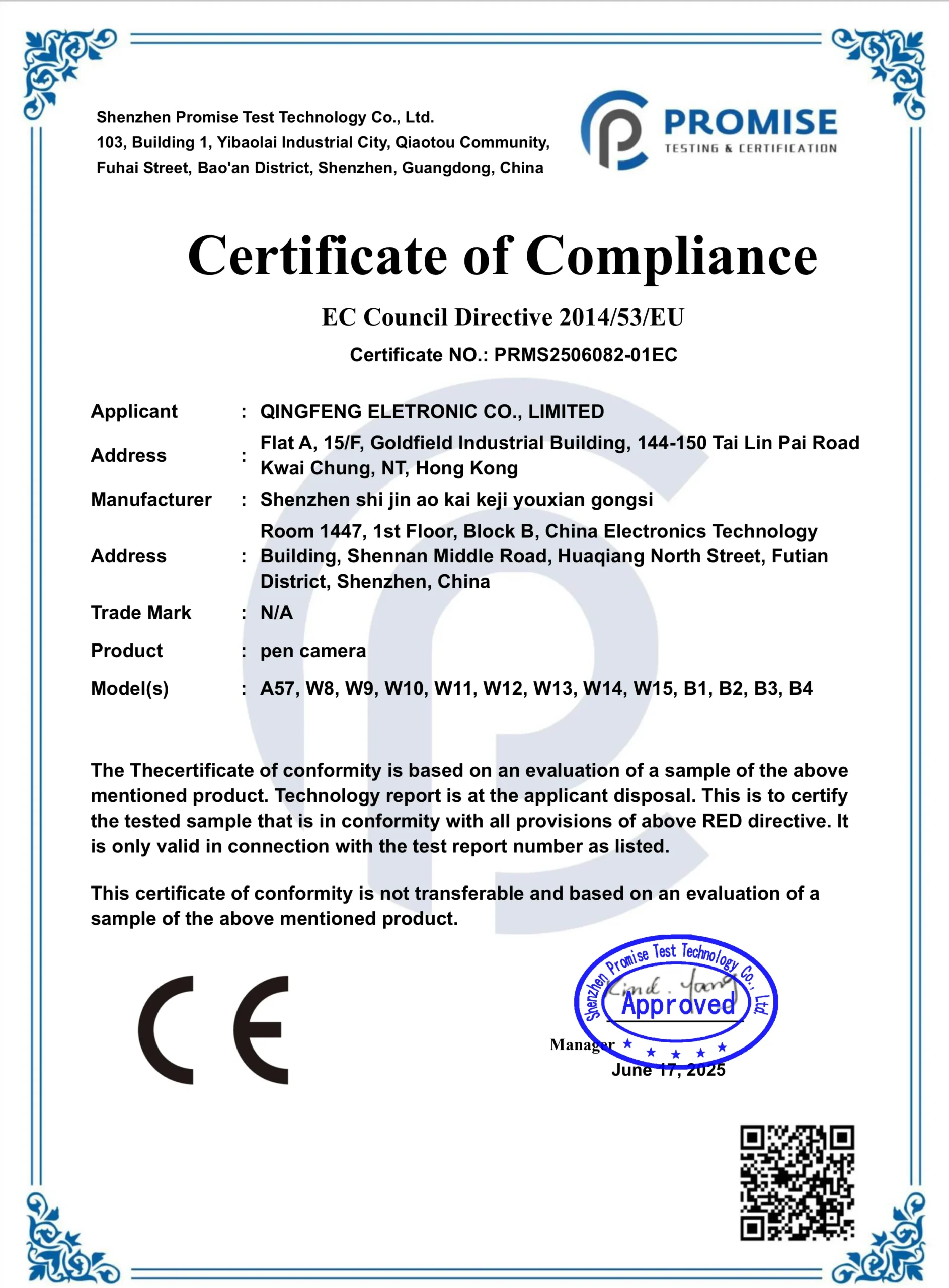
A reliable filtering tactic on Amazon is to search for the CE marking in the product listing images rather than relying on the text description. Legitimate sellers will include a scanned CE certificate. Request the Declaration of Conformity (DoC) from the seller before purchase — they are legally obliged to provide it under EU Regulation 765/2008.
Channel 2 — B2B Wholesale Platforms
Alibaba, Made-in-China, and Global Sources are the three dominant platforms for connecting buyers with factories in China, which manufactures the overwhelming majority of covert camera hardware globally.
On Alibaba, search filter for Trade Assurance suppliers and Verified Manufacturer status. Both labels imply a higher baseline of accountability, though they are not substitutes for requesting actual certification documents. Key documents to request before placing an order:
– CE Declaration of Conformity (DoC), signed by an EU-authorised representative
– CE test report from a notified body (e.g. TÜV SÜD, SGS, Intertek)
– RoHS compliance certificate covering the PCB and housing materials
– FCC ID (if products will also ship to North America)
Minimum order quantities on B2B platforms typically start at 10 units for standard models and 100+ units for OEM/custom projects. Lead times for stocked models run 7–15 days ex-factory; custom builds take 30–60 days.
Channel 3 — Specialist Security Distributors
Regional security distributors — companies that import, warehouse, and resell security hardware to integrators and installers — sit between the factory and the end-user. They carry stock in-country, reducing lead time and customs complexity, and typically employ technical sales staff who can advise on product selection.
For professional installers and integrators in Europe, a regional distributor is often the best default channel: pricing is competitive at low-to-mid volumes (50–500 units), all import duties are paid, and return logistics are local. The trade-off is that product range is narrower than a direct factory relationship, and the distributor margin (typically 15–30 %) is embedded in the price.
Distributors to evaluate in the EU security sector include Ingram Micro Security, Norbain, and AD Group, though local national distributors often offer faster lead times.
Channel 4 — Direct Factory / Manufacturer
Buying directly from the manufacturing facility is the most cost-efficient channel at volume (100+ units) and the only channel that enables true OEM customisation — custom housing colours, logo printing, firmware white-labelling, and modified packaging for retail or B2B resale.
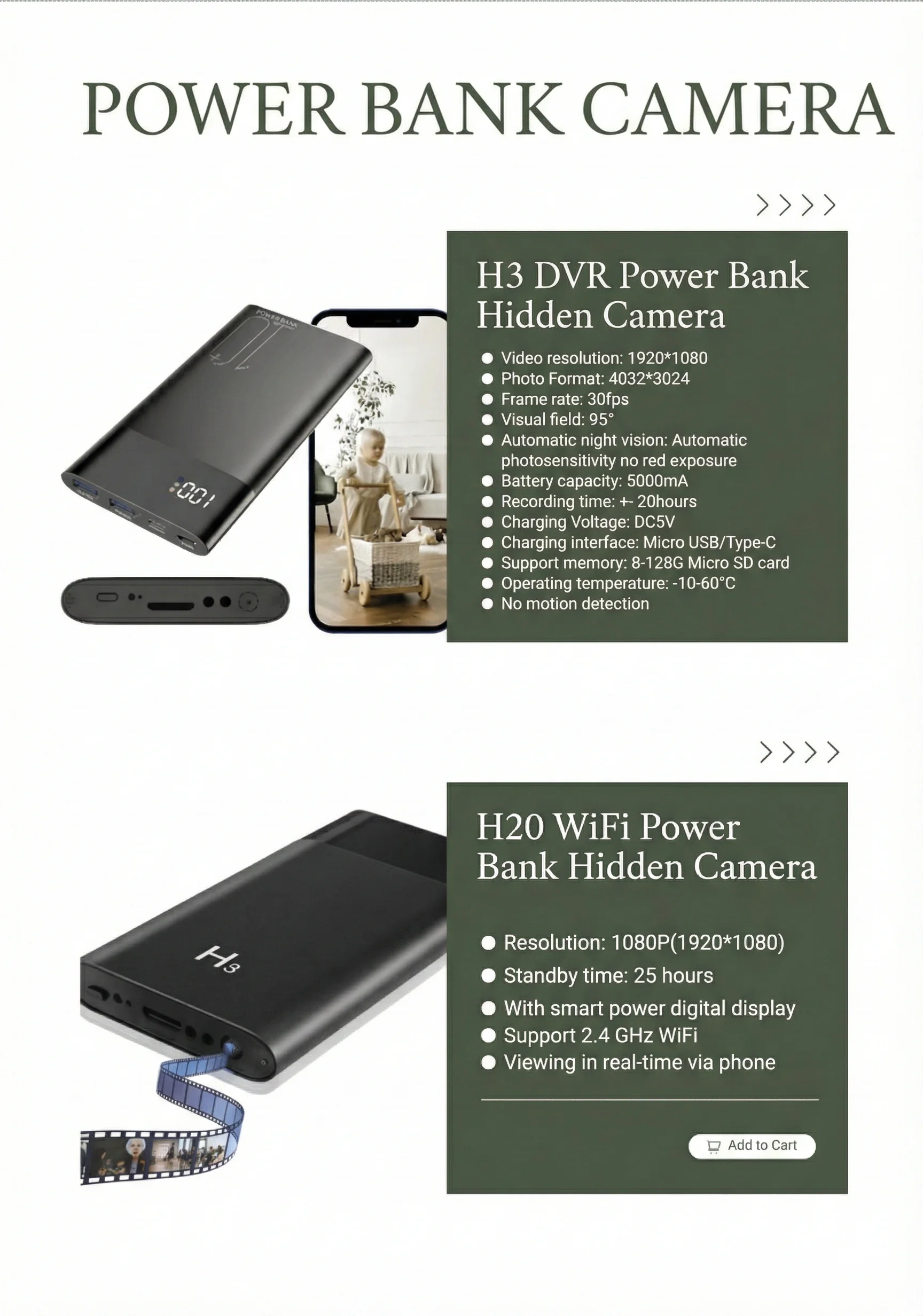
QZT Security (https://www.qztsecurity.com/) is a direct manufacturer of CE-certified covert cameras covering socket cameras, clock cameras, voice recorders, pen cameras, and modular DIY boards. Their product portfolio spans:
– WiFi 1080P Hidden EU Socket Camera — Tuya-connected, EU-plug form factor, motion detection, 24/7 live view
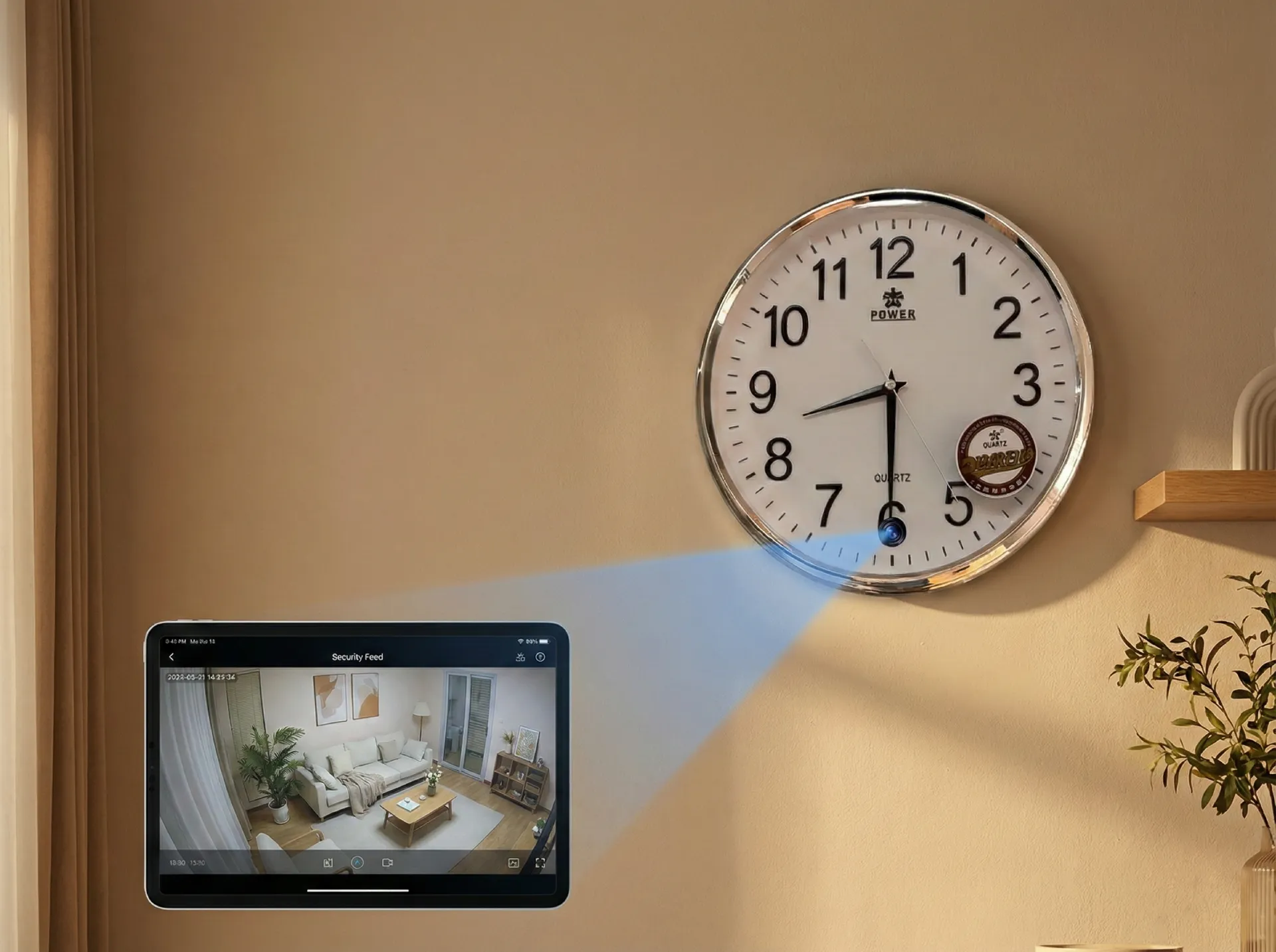
– Z10 WiFi Wall Clock Camera — 1080p, PIR motion detection, infrared night vision
– Smoke Detector Hidden WiFi Camera — ceiling-mount form factor, wide-angle lens, Tuya app
– WiFi Tissue Box Hidden Camera 4K — 4K sensor, Tuya, desktop placement
– Tuya DIY Camera Module — bare PCB for OEM integration into custom housings
– Q97 Mini Voice Recorder — VOR-activated, 3,500 mAh, 280-hour standby
Direct factory pricing typically runs 40–60 % below equivalent retail prices. Payment terms for established B2B accounts can include NET30 or T/T after first order.
Channel 5 — Trade Fairs and In-Person Sourcing
The Canton Fair (Guangzhou, April and October) and Shenzhen Security Exhibition (CPSE) are the two most important annual events for in-person sourcing of covert camera hardware. Face-to-face contact with factory representatives enables hands-on product evaluation, direct negotiation of MOQ and pricing, and faster relationship development for OEM projects.
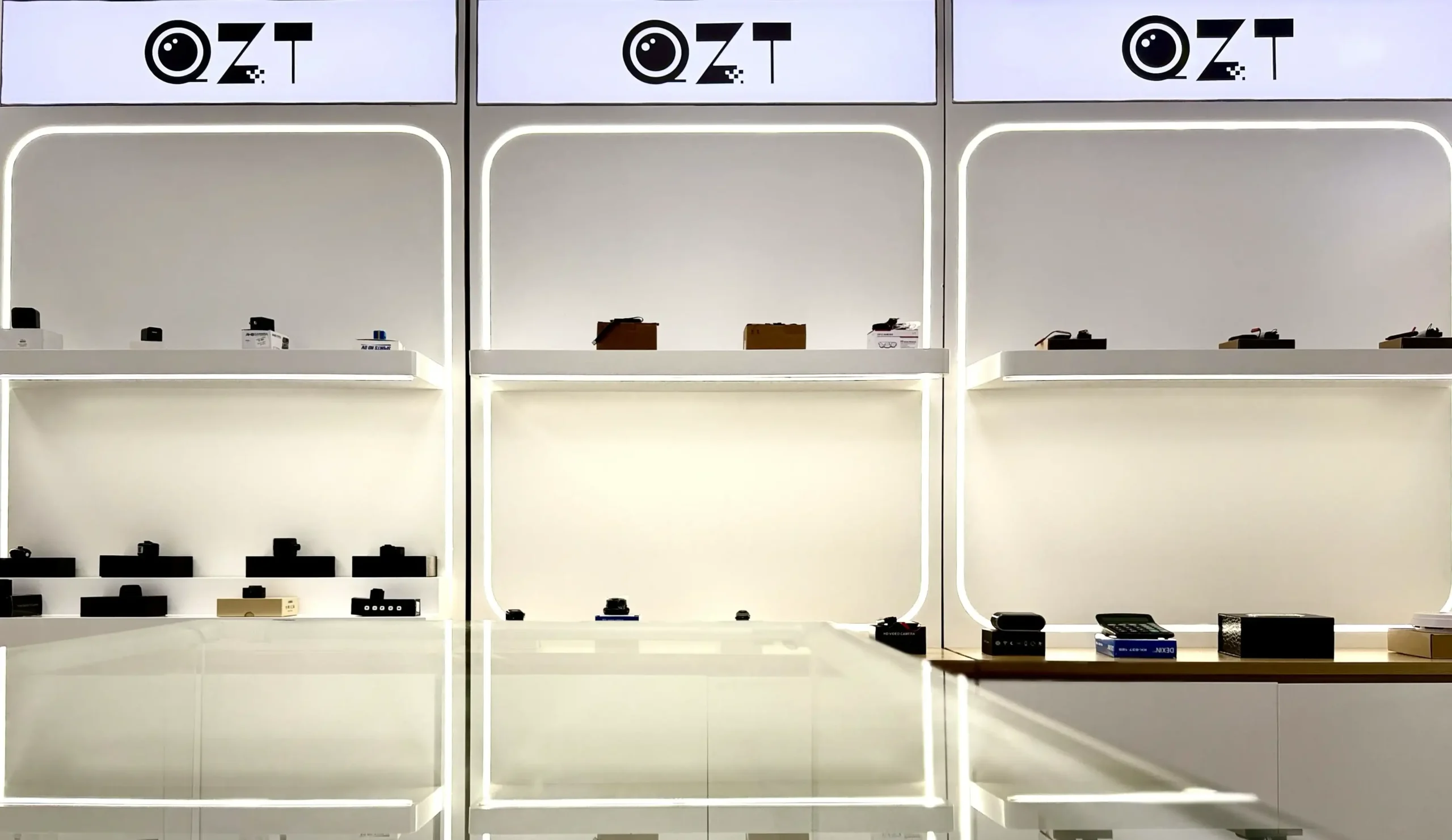
European trade shows — Intersec (Dubai, January) and Security Essen (Germany, September, biennial) — attract EU-focused distributors and manufacturers, and are better suited to buyers who want to source from EU-warehouse suppliers.
Legal Considerations Before You Buy
Before purchasing, confirm that your intended use is lawful in your jurisdiction. In the EU, the GDPR (Regulation 2016/679) applies to any covert camera that records personal data. Article 6 requires a lawful basis — legitimate interest is the most commonly applicable basis for security monitoring on private premises, but it requires a documented Legitimate Interests Assessment (LIA).
The ICO’s guidance on CCTV and covert surveillance is the clearest practical reference for UK buyers. In member states such as Germany (BDSG) and France (CNIL), national supervisory authorities publish supplementary guidance. Recording audio simultaneously with video is subject to stricter rules under wiretapping statutes in most EU member states and is prohibited in some contexts entirely.
Buyers should also confirm that their supplier’s CE certification covers both the RE Directive (radio module) and the LVD (electrical safety) — products with Wi-Fi must hold both declarations.
Price Benchmarks by Product Type
Understanding market pricing prevents overpaying and helps identify suspiciously cheap products that may lack certification:
| Product Type | Retail (single unit) | Wholesale (50 units) | Direct factory (100+) |
|---|---|---|---|
| Wi-Fi socket camera (EU plug, 1080p) | €85–€140 | €50–€75 | €28–€45 |
| Clock camera (1080p, night vision) | €70–€120 | €40–€65 | €22–€38 |
| 4K tissue box camera (Tuya) | €110–€180 | €65–€95 | €38–€58 |
| Smoke detector camera (Wi-Fi) | €80–€130 | €48–€72 | €26–€42 |
| Pen camera (1080p, no Wi-Fi) | €35–€60 | €18–€28 | €10–€18 |
| Mini voice recorder (VOR) | €40–€75 | €20–€35 | €12–€22 |
Products priced significantly below the factory column should trigger a documentation audit — they almost certainly lack genuine CE certification or use substandard sensors that degrade in low-light conditions.
How to Evaluate a Supplier Before Ordering
A structured pre-order supplier evaluation reduces the risk of receiving non-compliant or underperforming hardware:
Step 1 — Request certificates. Ask for the CE Declaration of Conformity and test report. Verify the notified body number against the NANDO database. A valid CE marking on the DoC must match the product model number exactly.
Step 2 — Request samples. Any credible supplier will ship 1–3 samples (usually at cost) before a bulk order. Test night-vision performance, motion-detection latency, Wi-Fi stability at 10 metres, and loop-recording reliability over 72 hours.
Step 3 — Verify the Tuya integration (for Wi-Fi models). Open the Tuya Smart or Smart Life app, add the device, and confirm live-view latency is under 3 seconds on a standard home network. Confirm that cloud storage, local SD recording, and motion alerts all function independently.
Step 4 — Check the EU authorised representative. For products sold in the EU, the DoC must name an EU-based authorised representative (AR) with a physical address. This AR is legally liable for compliance. Absence of an EU AR means the product cannot be legally placed on the EU market.
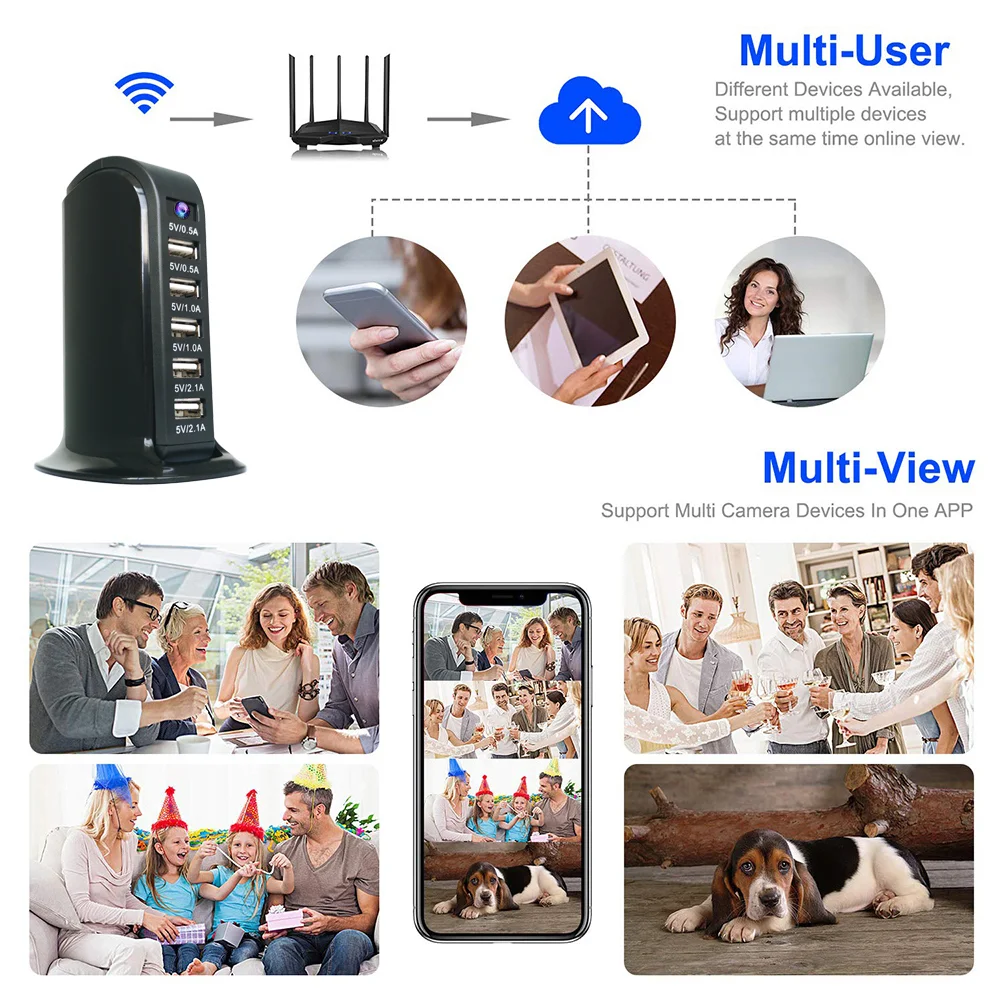
Step 5 — Clarify firmware update policy. Ask whether the factory provides over-the-air (OTA) firmware updates for Tuya models and what the support window is. For long-term deployments, a supplier who abandons firmware after 12 months exposes buyers to security vulnerabilities.
OEM and Private-Label Options
For distributors and resellers who want to build their own brand, direct factory relationships enable full private-label programmes. Typical OEM options include:
– Housing customisation — colour, material finish (ABS vs. PC), logo embossing or pad printing
– Firmware branding — custom app name in App Store/Play Store, branded splash screen, custom cloud server
– Packaging — custom retail box, multi-language manual, European-market blister pack
– Certification transfer — supplier applies for CE/FCC under your brand name (add 6–10 weeks and cost €2,000–€5,000 per product family)
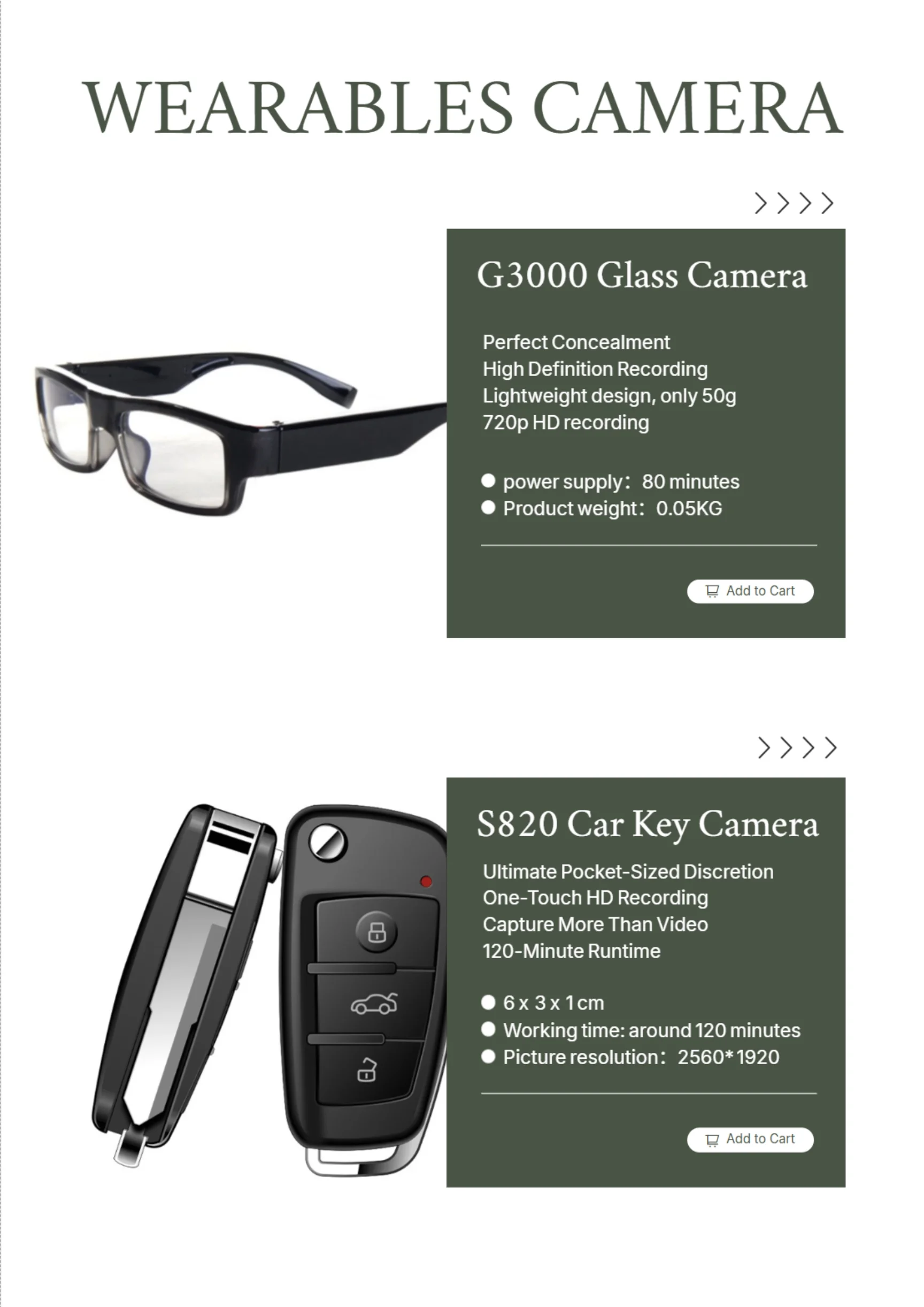
Minimum OEM order quantities are typically 500–1,000 units per SKU. Lead time for a full custom project (new housing + firmware + packaging) runs 60–90 days from confirmed design files.
FAQ
Can I legally import secret cameras into the EU?
Yes, provided they carry genuine CE marking and meet applicable directives. Audio-recording capability adds legal complexity; confirm country-specific wiretapping rules before import.
What is the safest payment method for B2B orders?
For first orders with a new supplier, use Alibaba Trade Assurance or a confirmed Letter of Credit (L/C). For established relationships, T/T (bank transfer) with 30 % deposit and 70 % on B/L is standard.
Do secret cameras require a specific customs declaration?
Most fall under HS 8525.89 (television cameras) or 8525.80 (image sensors). Mis-declaring as “toys” or “household items” to reduce duty is customs fraud and can result in criminal liability.
How do I verify CE certificates are genuine?
Request the full DoC and test report, then cross-check the notified body number against the European Commission’s NANDO database. A legitimate test report will include the lab’s accreditation number and the specific standards tested.
What MOQ should I expect for Wi-Fi clock cameras?
Stocked models from an established factory: 10–20 units minimum. Custom OEM: 500–1,000 units minimum.
Conclusion
The right channel for buying secret cameras depends on volume, timeline, and compliance requirements. Single-unit retail buyers can use Amazon with careful certificate verification. Integrators and security professionals sourcing 10–500 units should evaluate B2B wholesale platforms or specialist security distributors. High-volume buyers and distributors building their own catalogue should pursue a direct factory relationship for price efficiency and OEM flexibility. In all cases, CE certification under the Radio Equipment Directive and RoHS is non-negotiable for EU market operation, and GDPR compliance must be planned before deployment, not after.

 English
  Italiano
  Deutsch
  Français
  Español
  Polski