
Gdzie kupować ukryte kamery: Kompletny przewodnik sourcingowy
Wiedza o tym, gdzie kupować kamery ukryte, oddziela nabywców, którzy otrzymują wysokiej jakości, zgodny sprzęt, od tych, którzy otrzymują jednostki o niewystarczających parametrach lub, co gorsza, których przesyłki zostaną zatrzymane na granicy. Niezależnie od tego, czy jesteś prywatnym detektywem pozyskującym pojedyncze dyskretne urządzenie, czy menedżerem obiektów zaopatrującym sieć obiektów, czy hurtownikiem budującym katalog, wybrany kanał determinuje jakość produktu, cenę, gwarancję i ryzyko regulacyjne. Ten przewodnik mapuje każdy główny kanał zaopatrzenia, wyjaśnia, co je odróżnia, i dostarcza ramy do wyboru odpowiedniego dostawcy na podstawie Twojego przypadku użycia.
Co się liczy jako kamera ukryta
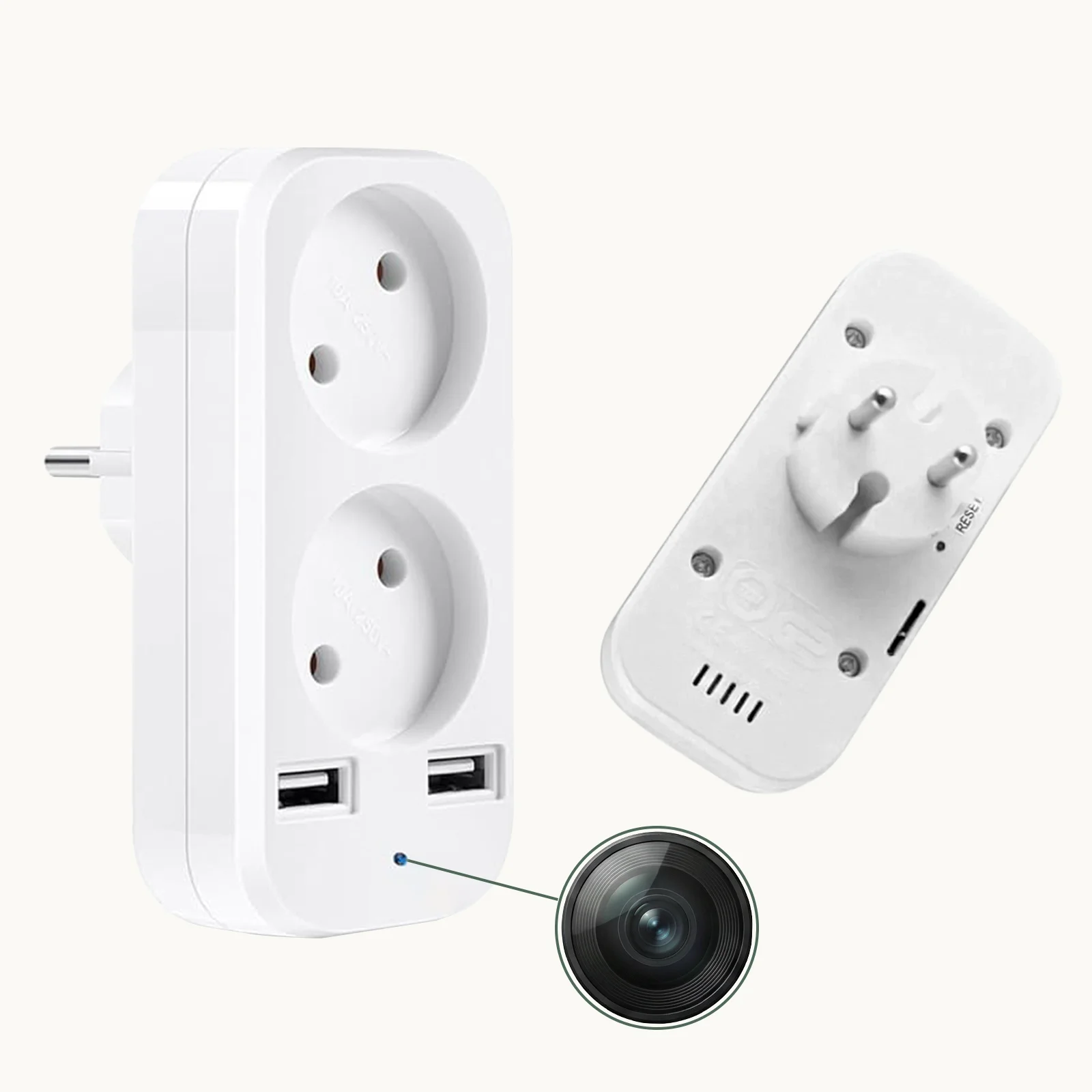
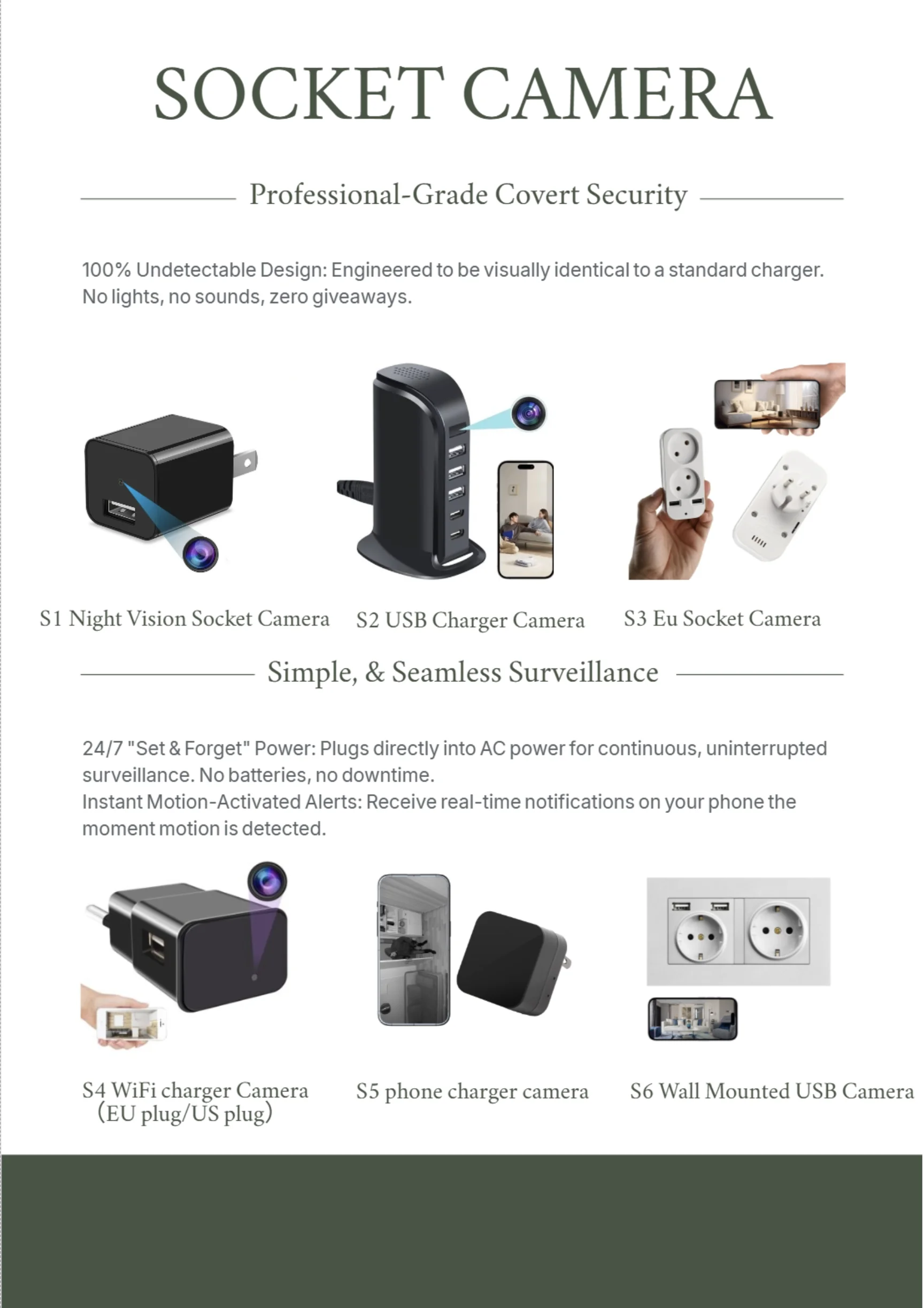
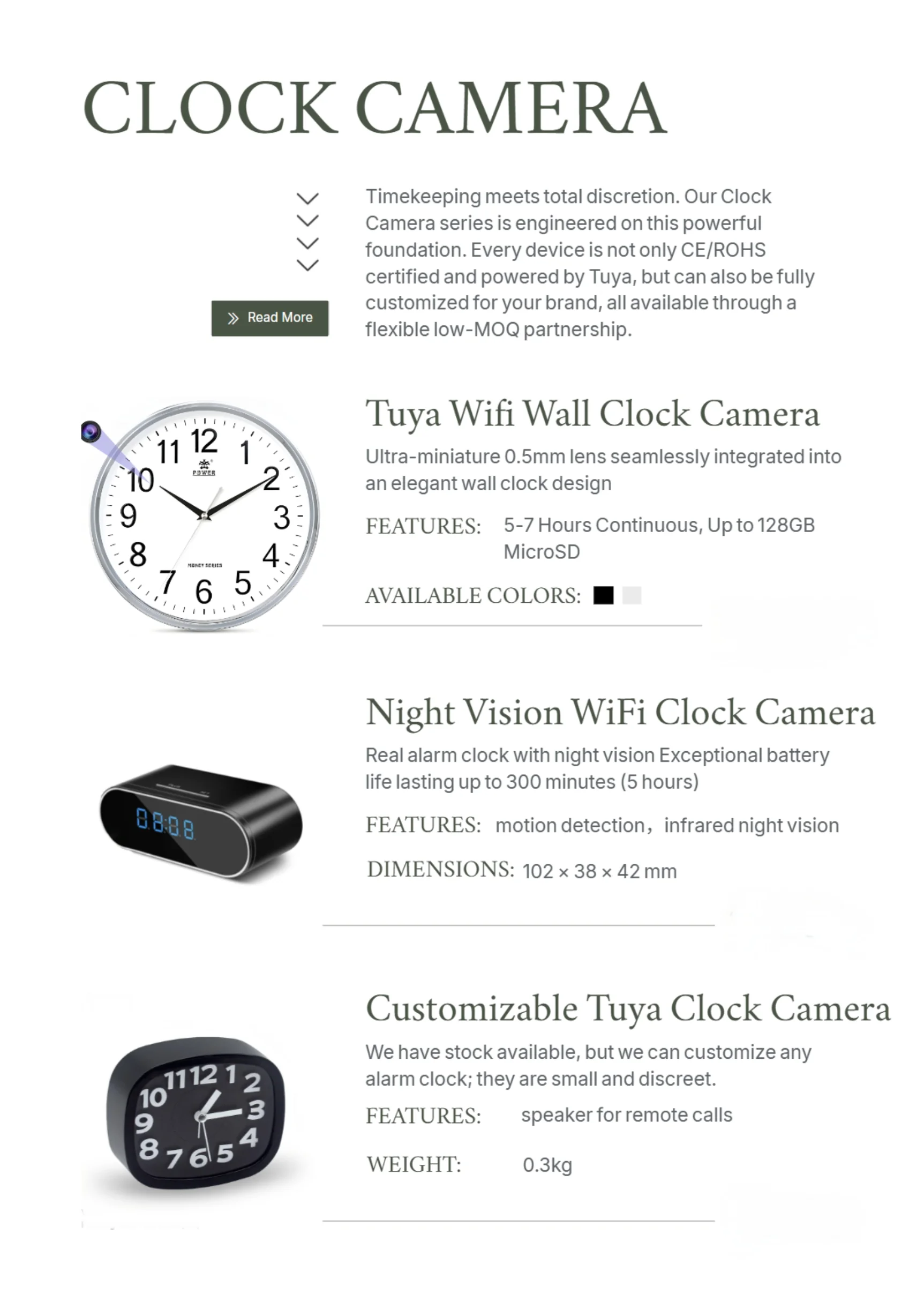
Kamera ukryta, zwana również kamerą skrytą lub ukrytą, to dowolne urządzenie obrazujące, którego obudowa jest zaprojektowana tak, aby wtapiać się w codzienny przedmiot — gniazdka elektryczne, tarcze zegarów, korpusy długopisów, czujniki dymu, pudełka na chusteczki lub wazony — tak aby obiektyw nie był natychmiast widoczny dla osób w monitorowanym obszarze. Podstawowa elektronika — czujnik CMOS, ISP, moduł Wi-Fi lub lokalnej pamięci — jest taka sama jak w konwencjonalnym CCTV, ale design przemysłowy jest specjalnie zaprojektowany do ukrycia.
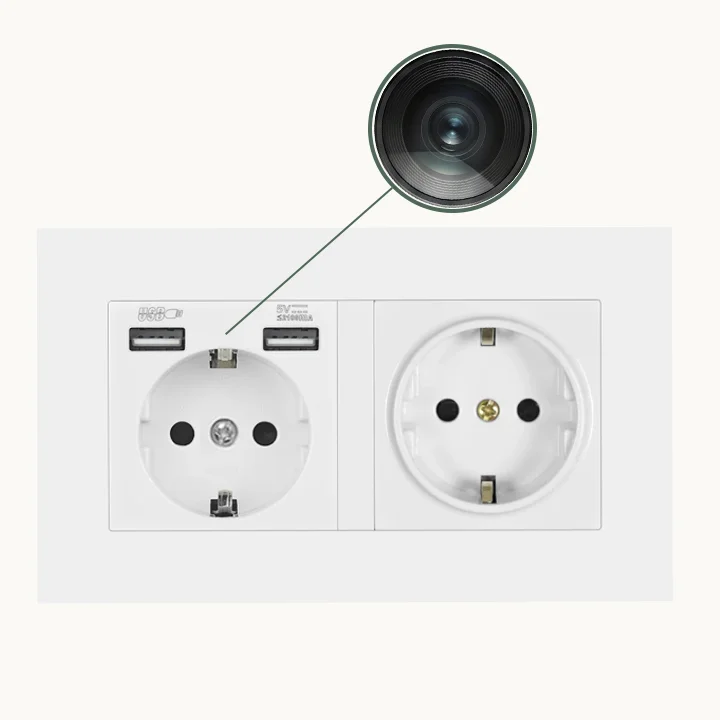
Kupujący muszą zrozumieć trzy podkategorie, zanim wybiorą kanał:
1. Modele przewodowe / tylko z kartą SD — brak Wi-Fi, nagrywanie lokalnie na karcie micro-SD; prostsze, trudniejsze do wykrycia przez skanery RF.
2. Modele z Wi-Fi / Tuya — zdalny podgląd na żywo za pośrednictwem aplikacji, opcja przechowywania w chmurze; szersza atrakcyjność, ale wymagają konfiguracji sieci.
3. Modele 4K / Ultra-HD — większa przepustowość, większe pliki; preferowane do celów dowodowych.
Każda podkategoria ma inną przedział cenowy hurtowy i inną klasyfikację taryfową importu. UE klasyfikuje większość pod kodem HS 8525.89 (kamery telewizyjne), z obowiązkiem celnym MFN 4,9 %; sprawdź bazę danych TARIC dla Twojej dokładnej wersji.
Dlaczego wybór kanału jest ważniejszy niż cena
Cena za jednostkę jest oczywistym wskaźnikiem, ale wybór kanału wpływa na sześć wymiarów, które są równie ważne lub ważniejsze:
| Wymiar | Sprzedaż detaliczna / Amazon | Agregator szarej strefy | Bezpośrednio z fabryki / dostawca OEM |
|---|---|---|---|
| Certyfikaty CE / RoHS | Zwykle obecny | Często brakuje | Dostępne na życzenie, zweryfikuj przed zamówieniem |
| Minimalna ilość zamówienia | 1 | 1–10 | 10–1000 w zależności od modelu |
| Cena jednostkowa przy 100 sztukach | 120–200 € | 40–80 € | 25–60 € |
| Wsparcie posprzedażowe | Gwarancja platformy | Minimalny | Bezpośredni RMA, aktualizacje oprogramowania |
| Ryzyko celne | Zero | Średnie–Wysokie | Niskie przy odpowiedniej dokumentacji |
| Personalizacja / OEM | NIE | NIE | Tak (PCB, obudowa, oprogramowanie układowe, branding) |

Poziom agregatora szarej strefy jest szczególnie ryzykowny dla profesjonalnych nabywców. Produkty często nie posiadają legalnego oznakowania CE zgodnie z Dyrektywą o urządzeniach radiowych 2014/53/UE lub Dyrektywa niskonapięciowa 2014/35/UE. Władze celne UE oznaczają niezgodne urządzenia w Baza danych szybkich alertów RAPEX, a zatrzymane przesyłki mogą skutkować całkowitym zniszczeniem towaru.
Kanał 1 — Rynki sprzedaży online
Amazon EU, eBay i Cdiscount oferują szeroki wybór ukrytych kamer, głównie od sprzedawców zewnętrznych. Dla kupującego, który potrzebuje jednej sztuki szybko i chce skorzystać z mechanizmu ochrony kupującego platformy, jest to najszybsza droga.
Zalety: Wysyłka tego samego lub następnego dnia w Europie Zachodniej; łatwe zwroty zgodnie z unijnymi przepisami o sprzedaży na odległość. Wady: Wyższe ceny jednostkowe; brak elastyczności minimalnej wielkości zamówienia; jakość dokumentacji sprzedawcy jest niespójna; w tym kanale istnieją podrobione produkty. Dla profesjonalnych nabywców ekonomika marży rzadko działa przy cenach detalicznych.
A reliable filtering tactic on Amazon is to search for the CE marking in the product listing images rather than relying on the text description. Legitimate sellers will include a scanned CE certificate. Request the Declaration of Conformity (DoC) from the seller before purchase — they are legally obliged to provide it under EU Regulation 765/2008.
Channel 2 — B2B Wholesale Platforms
Alibaba, Made-in-China, and Global Sources are the three dominant platforms for connecting buyers with factories in China, which manufactures the overwhelming majority of covert camera hardware globally.
On Alibaba, search filter for Trade Assurance suppliers oraz Verified Manufacturer status. Both labels imply a higher baseline of accountability, though they are not substitutes for requesting actual certification documents. Key documents to request before placing an order:
– CE Declaration of Conformity (DoC), signed by an EU-authorised representative
– CE test report from a notified body (e.g. TÜV SÜD, SGS, Intertek)
– RoHS compliance certificate covering the PCB and housing materials
– FCC ID (if products will also ship to North America)
Minimum order quantities on B2B platforms typically start at 10 units for standard models and 100+ units for OEM/custom projects. Lead times for stocked models run 7–15 days ex-factory; custom builds take 30–60 days.
Channel 3 — Specialist Security Distributors
Regional security distributors — companies that import, warehouse, and resell security hardware to integrators and installers — sit between the factory and the end-user. They carry stock in-country, reducing lead time and customs complexity, and typically employ technical sales staff who can advise on product selection.
For professional installers and integrators in Europe, a regional distributor is often the best default channel: pricing is competitive at low-to-mid volumes (50–500 units), all import duties are paid, and return logistics are local. The trade-off is that product range is narrower than a direct factory relationship, and the distributor margin (typically 15–30 %) is embedded in the price.
Distributors to evaluate in the EU security sector include Ingram Micro Security, Norbain, and AD Group, though local national distributors often offer faster lead times.
Channel 4 — Direct Factory / Manufacturer
Buying directly from the manufacturing facility is the most cost-efficient channel at volume (100+ units) and the only channel that enables true OEM customisation — custom housing colours, logo printing, firmware white-labelling, and modified packaging for retail or B2B resale.
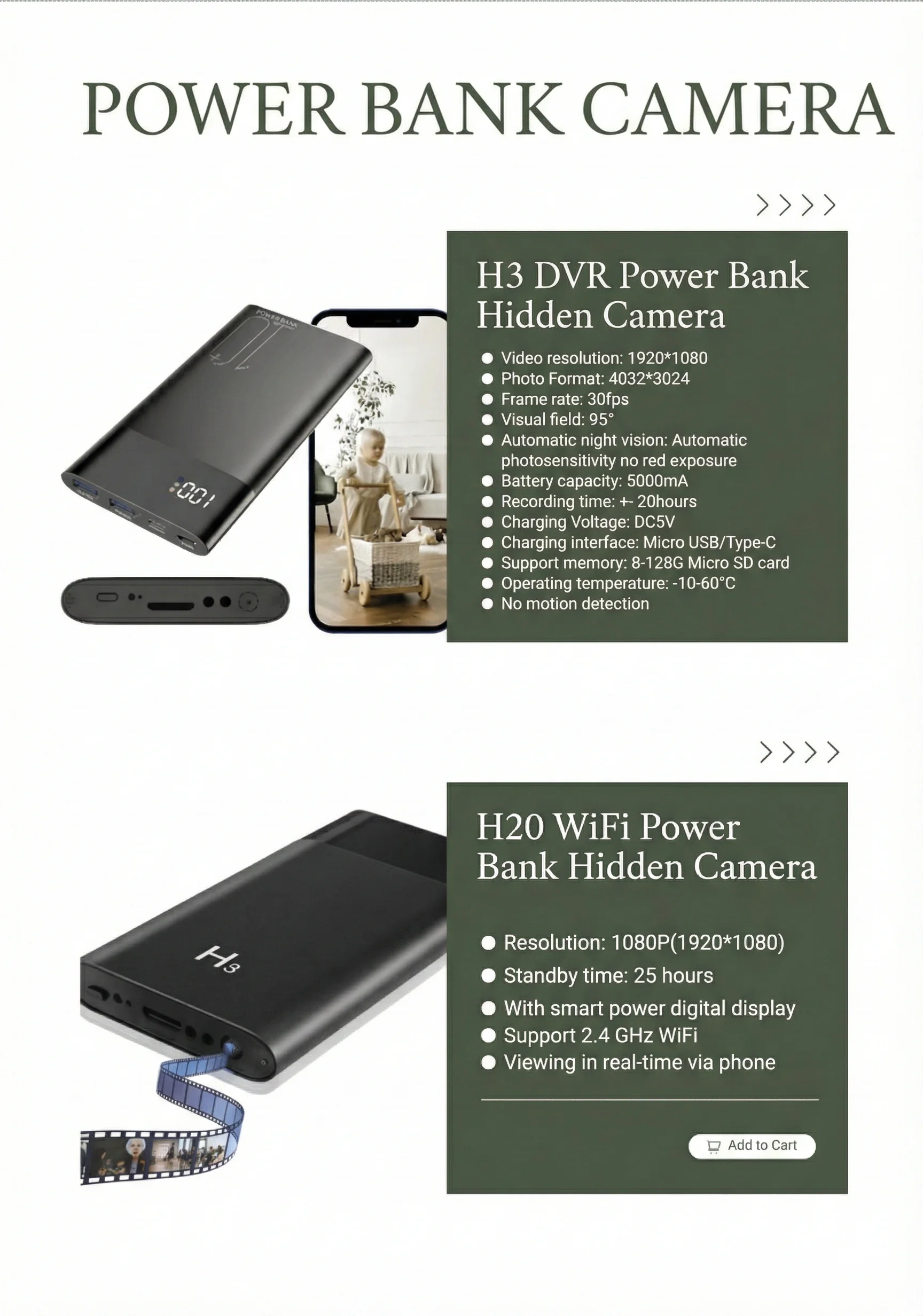
QZT Security (https://www.qztsecurity.com/) is a direct manufacturer of CE-certified covert cameras covering socket cameras, clock cameras, voice recorders, pen cameras, and modular DIY boards. Their product portfolio spans:
– Ukryta kamera WiFi 1080P w gniazdku EU — Tuya-connected, EU-plug form factor, motion detection, 24/7 live view
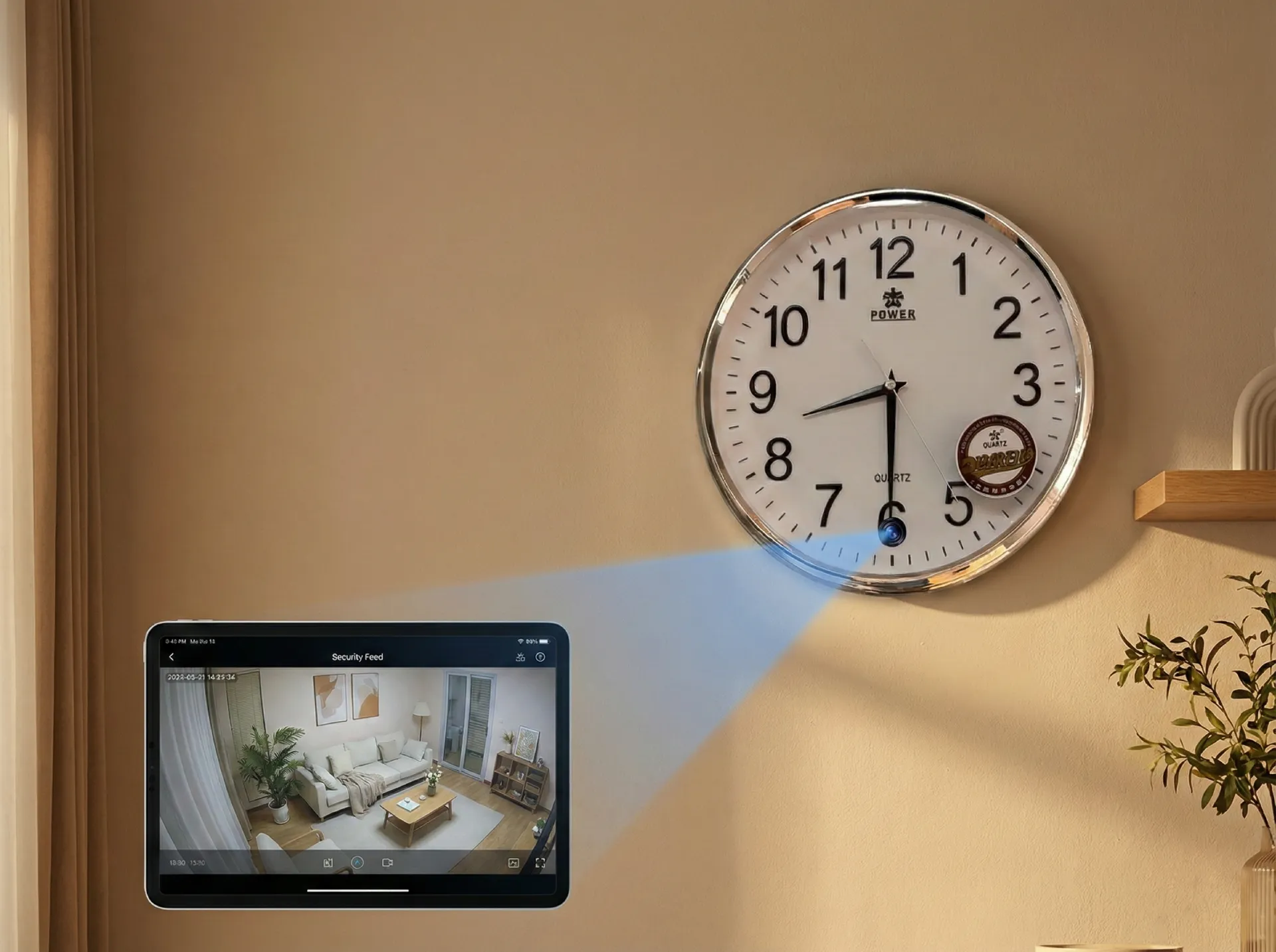
– Kamera WiFi Z10 w zegarze ściennym — 1080p, PIR motion detection, infrared night vision
– Ukryta kamera WiFi w czujce dymu — ceiling-mount form factor, wide-angle lens, Tuya app
– Ukryta kamera WiFi w pudełku na chusteczki 4K — 4K sensor, Tuya, desktop placement
– Tuya DIY Camera Module — bare PCB for OEM integration into custom housings
– Q97 Mini Voice Recorder — VOR-activated, 3,500 mAh, 280-hour standby
Direct factory pricing typically runs 40–60 % below equivalent retail prices. Payment terms for established B2B accounts can include NET30 or T/T after first order.
Channel 5 — Trade Fairs and In-Person Sourcing
The Canton Fair (Guangzhou, April and October) and Shenzhen Security Exhibition (CPSE) are the two most important annual events for in-person sourcing of covert camera hardware. Face-to-face contact with factory representatives enables hands-on product evaluation, direct negotiation of MOQ and pricing, and faster relationship development for OEM projects.
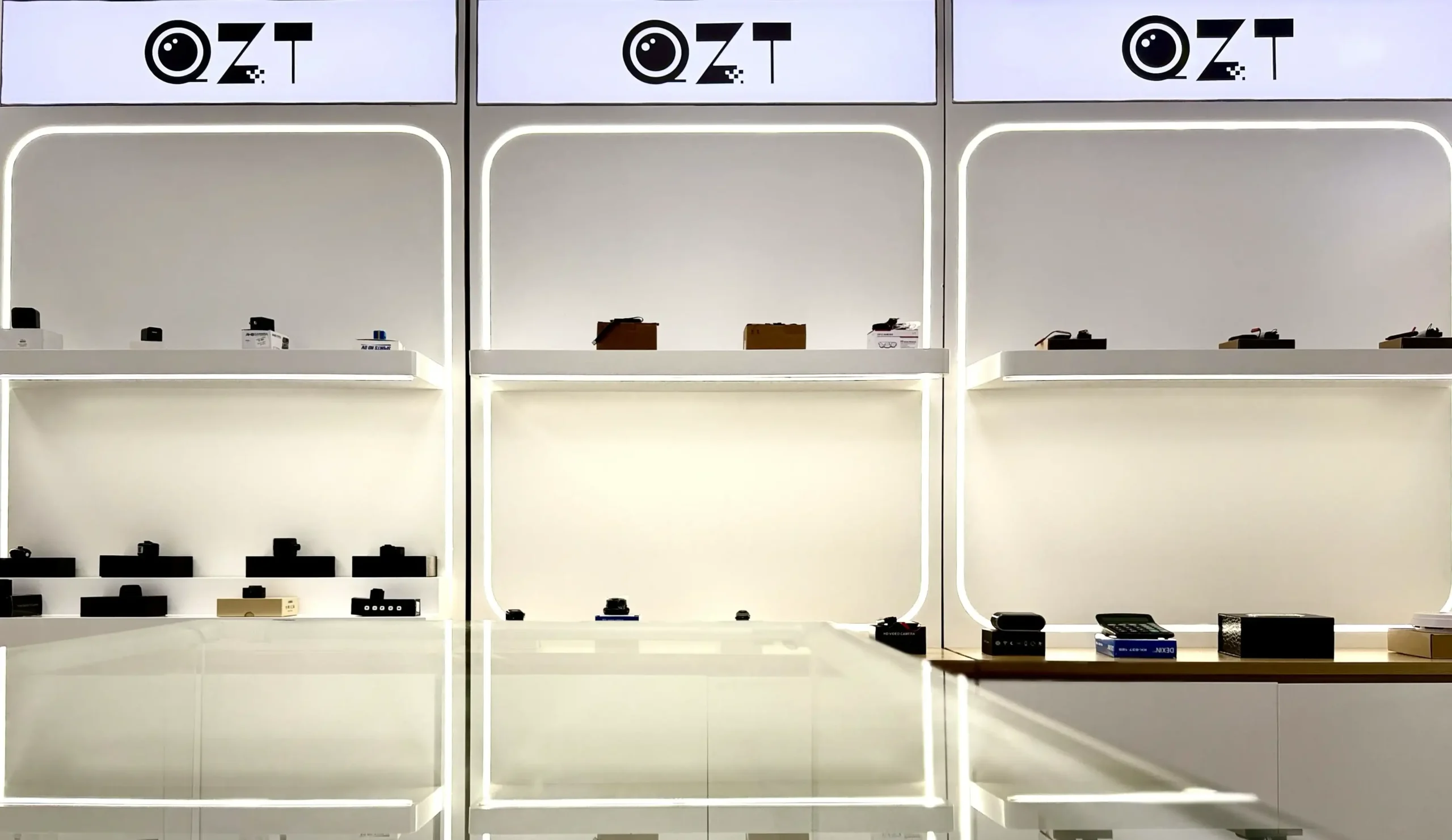
European trade shows — Intersec (Dubai, January) and Security Essen (Germany, September, biennial) — attract EU-focused distributors and manufacturers, and are better suited to buyers who want to source from EU-warehouse suppliers.
Legal Considerations Before You Buy
Before purchasing, confirm that your intended use is lawful in your jurisdiction. In the EU, the GDPR (Regulation 2016/679) applies to any covert camera that records personal data. Article 6 requires a lawful basis — legitimate interest is the most commonly applicable basis for security monitoring on private premises, but it requires a documented Legitimate Interests Assessment (LIA).
The ICO’s guidance on CCTV and covert surveillance is the clearest practical reference for UK buyers. In member states such as Germany (BDSG) and France (CNIL), national supervisory authorities publish supplementary guidance. Recording audio simultaneously with video is subject to stricter rules under wiretapping statutes in most EU member states and is prohibited in some contexts entirely.
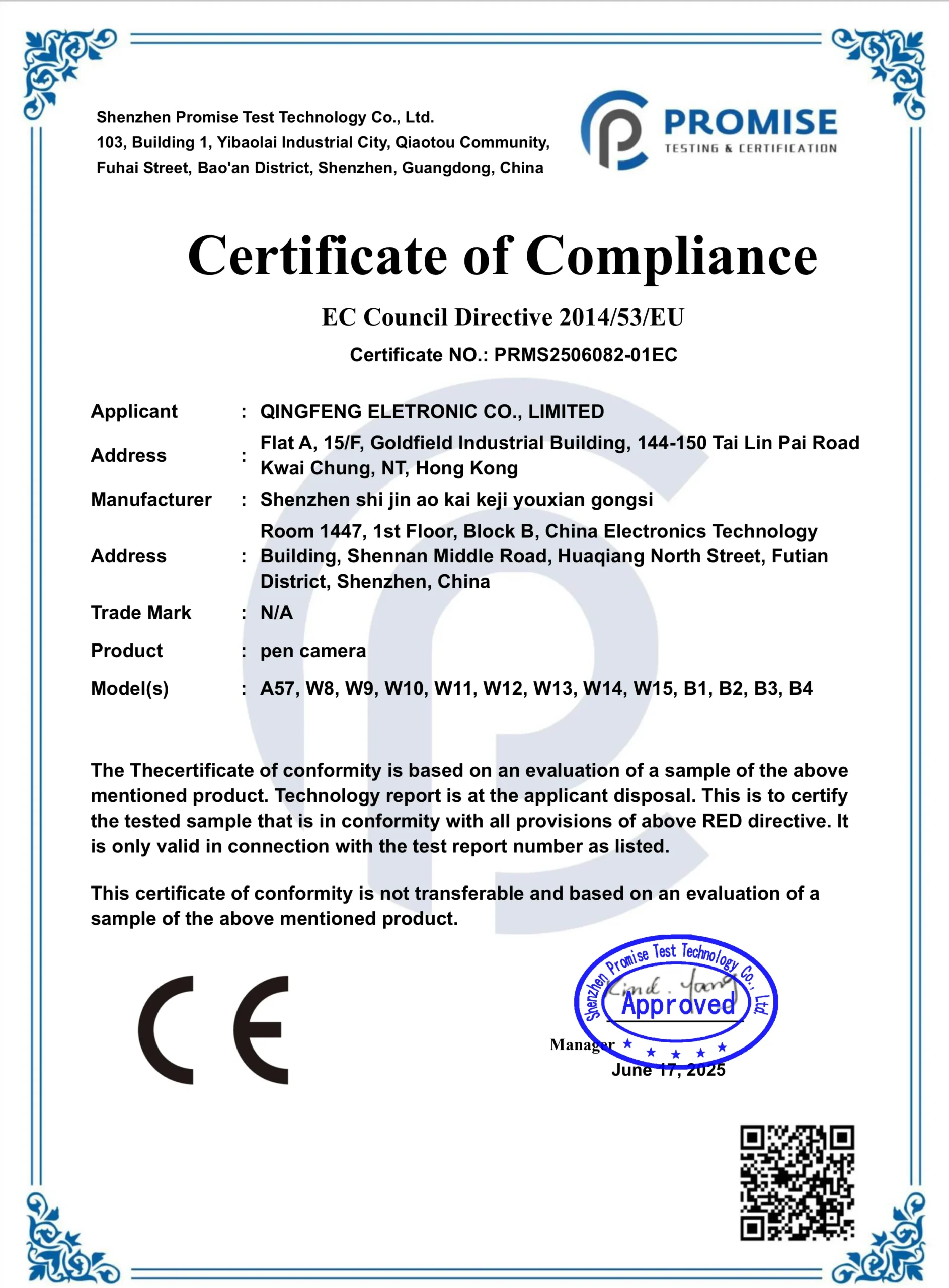
Buyers should also confirm that their supplier’s CE certification covers both the RE Directive (radio module) and the LVD (electrical safety) — products with Wi-Fi must hold both declarations.
Price Benchmarks by Product Type
Understanding market pricing prevents overpaying and helps identify suspiciously cheap products that may lack certification:
| Typ produktu | Detaliczna (pojedyncza sztuka) | Hurt (50 sztuk) | Bezpośrednio z fabryki (100+) |
|---|---|---|---|
| Gniazdko Wi-Fi z kamerą (wtyczka UE, 1080p) | 85–140 € | 50–75 € | 28–45 € |
| Zegar z ukrytą kamerą (1080p, noktowizja) | 70–120 € | 40–65 € | 22–38 € |
| Kamera w pudełku na chusteczki 4K (Tuya) | 110–180 € | 65–95 € | 38–58 € |
| Kamera w czujce dymu (Wi-Fi) | 80–130 € | 48–72 € | 26–42 € |
| Kamera w długopisie (1080p, bez Wi-Fi) | 35–60 € | 18–28 € | 10–18 € |
| Mini dyktafon głosowy (VOR) | 40–75 € | 20–35 € | 12–22 € |
Produkty wycenione znacznie poniżej kolumny fabrycznej powinny wywołać audyt dokumentacji — niemal na pewno brakuje im autentycznej certyfikacji CE lub wykorzystują podstandardowe czujniki, które pogarszają się w warunkach słabego oświetlenia.
Jak ocenić dostawcę przed złożeniem zamówienia
Strukturalna ocena dostawcy przed zamówieniem zmniejsza ryzyko otrzymania niespełniającego wymagań lub słabo działającego sprzętu:
Krok 1 — Złóż zapotrzebowanie na certyfikaty. Poproś o Deklarację Zgodności CE i raport z badań. Zweryfikuj numer jednostki notyfikowanej w Baza danych NANDO. Ważne oznakowanie CE na DoC musi dokładnie odpowiadać numerowi modelu produktu.
Krok 2 — Zamów próbki. Każdy wiarygodny dostawca wyśle 1–3 próbki (zwykle po koszcie) przed zamówieniem hurtowym. Przetestuj wydajność nocnego widzenia, opóźnienie wykrywania ruchu, stabilność Wi-Fi na odległość 10 metrów oraz niezawodność nagrywania w pętli przez 72 godziny.
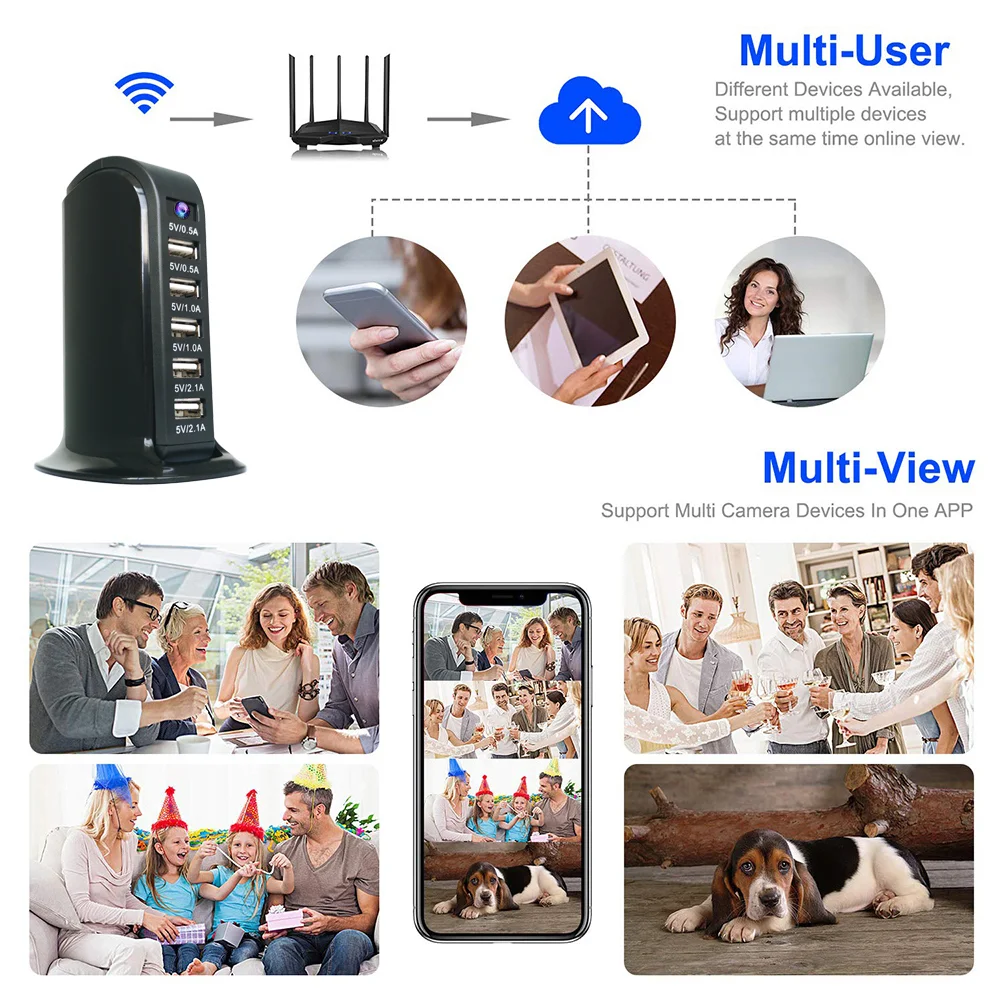
Krok 3 — Zweryfikuj integrację Tuya (dla modeli Wi-Fi). Otwórz aplikację Tuya Smart lub Smart Life, dodaj urządzenie i potwierdź, że opóźnienie transmisji na żywo jest poniżej 3 sekund w standardowej sieci domowej. Potwierdź, że przechowywanie w chmurze, lokalne nagrywanie na kartę SD i alerty ruchu działają niezależnie.
Krok 4 — Sprawdź upoważnionego przedstawiciela w UE. Dla produktów sprzedawanych w UE, DoC musi wymieniać upoważnionego przedstawiciela (AR) z siedzibą w UE, z fizycznym adresem. Ten AR ponosi odpowiedzialność prawną za zgodność. Brak unijnego AR oznacza, że produkt nie może być legalnie wprowadzony na rynek UE.
Krok 5 — Wyjaśnij politykę aktualizacji oprogramowania sprzętowego. Zapytaj, czy fabryka zapewnia aktualizacje firmware przez powietrze (OTA) dla modeli Tuya i jaki jest okres wsparcia. W przypadku długoterminowych wdrożeń, dostawca, który porzuca firmware po 12 miesiącach, naraża kupujących na luki w zabezpieczeniach.
Opcje OEM i Private-Label
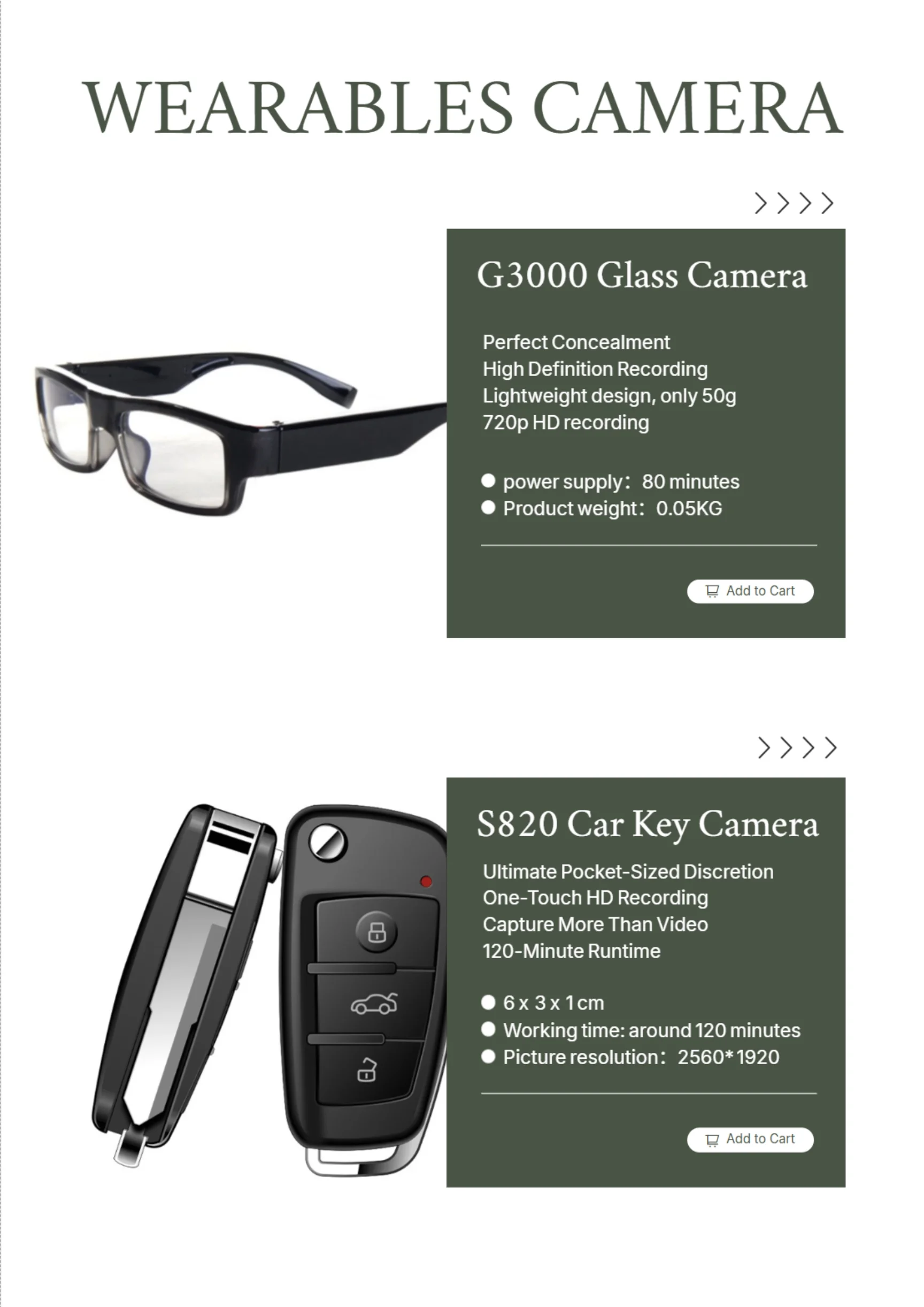
Dla dystrybutorów i sprzedawców detalicznych, którzy chcą budować własną markę, bezpośrednie relacje z fabryką umożliwiają pełne programy private-label. Typowe opcje OEM obejmują:
– Personalizacja obudowy — kolor, wykończenie materiału (ABS vs. PC), tłoczenie logo lub nadruk tamponowy
– Oznaczenie oprogramowania sprzętowego — niestandardowa nazwa aplikacji w App Store/Play Store, ekran startowy z brandingiem, niestandardowy serwer w chmurze
– Opakowanie — niestandardowe opakowanie detaliczne, instrukcja wielojęzyczna, blister pack na rynek europejski
– Przeniesienie certyfikacji — dostawca ubiega się o CE/FCC pod Twoją marką (dodaj 6–10 tygodni i koszt 2000–5000 € na rodzinę produktów)
Minimalne wielkości zamówień OEM to zazwyczaj 500–1000 sztuk na SKU. Czas realizacji pełnego projektu niestandardowego (nowa obudowa + oprogramowanie + opakowanie) wynosi 60–90 dni od potwierdzenia plików projektowych.
Często zadawane pytania
Czy mogę legalnie importować ukryte kamery do UE?
Tak, pod warunkiem, że posiadają autentyczne oznakowanie CE i spełniają odpowiednie dyrektywy. Możliwość nagrywania dźwięku dodaje złożoności prawnej; przed importem potwierdź krajowe przepisy dotyczące podsłuchu.
Jaka jest najbezpieczniejsza metoda płatności dla zamówień B2B?
W przypadku pierwszych zamówień u nowego dostawcy użyj Alibaba Trade Assurance lub potwierdzonego akredytywu (L/C). W przypadku ustalonych relacji standardem jest przelew T/T z zaliczką 30% i 70% na podstawie konosamentu.
Czy ukryte kamery wymagają szczególnego zgłoszenia celnego?
Większość podlega pozycji HS 8525.89 (kamery telewizyjne) lub 8525.80 (czujniki obrazu). Błędne zgłaszanie jako “zabawki” lub “artykuły gospodarstwa domowego” w celu obniżenia cła to oszustwo celne i może skutkować odpowiedzialnością karną.
Jak sprawdzić autentyczność certyfikatów CE?
Zażądaj pełnej Deklaracji Zgodności i raportu z badań, a następnie zweryfikuj numer jednostki notyfikowanej w bazie Komisji Europejskiej. Baza danych NANDO. Prawidłowy raport z badań będzie zawierał numer akredytacji laboratorium oraz konkretne testowane normy.
Jakiego MOQ mogę się spodziewać dla kamer Wi-Fi w zegarach?
Modele magazynowane z uznanej fabryki: minimum 10–20 sztuk. Custom OEM: minimum 500–1000 sztuk.
Wnioski
Właściwy kanał zakupu ukrytych kamer zależy od wolumenu, harmonogramu i wymogów zgodności. Kupujący detaliczni pojedynczych sztuk mogą używać Amazon z ostrożną weryfikacją certyfikatów. Integratorzy i specjaliści ds. bezpieczeństwa pozyskujący 10–500 sztuk powinni ocenić platformy hurtowe B2B lub specjalistycznych dystrybutorów bezpieczeństwa. Kupujący hurtowi i dystrybutorzy budujący własny katalog powinni dążyć do bezpośredniej relacji z fabryką dla efektywności cenowej i elastyczności OEM. We wszystkich przypadkach certyfikacja CE zgodnie z Dyrektywą o urządzeniach radiowych i RoHS jest niezbędna do działania na rynku UE, a zgodność z RODO musi być zaplanowana przed wdrożeniem, a nie po nim.

 English
  Italiano
  Deutsch
  Français
  Español
  Polski