
A technical guide to detection methods, equipment selection, and response protocols for hotel operators, security professionals, and distributors supplying the hospitality sector.
Why Hotel Room Surveillance Is a Growing Threat
The hospitality industry faces a surveillance threat that most hotel operators underestimate. The cameras are smaller, cheaper, and more accessible than ever before.
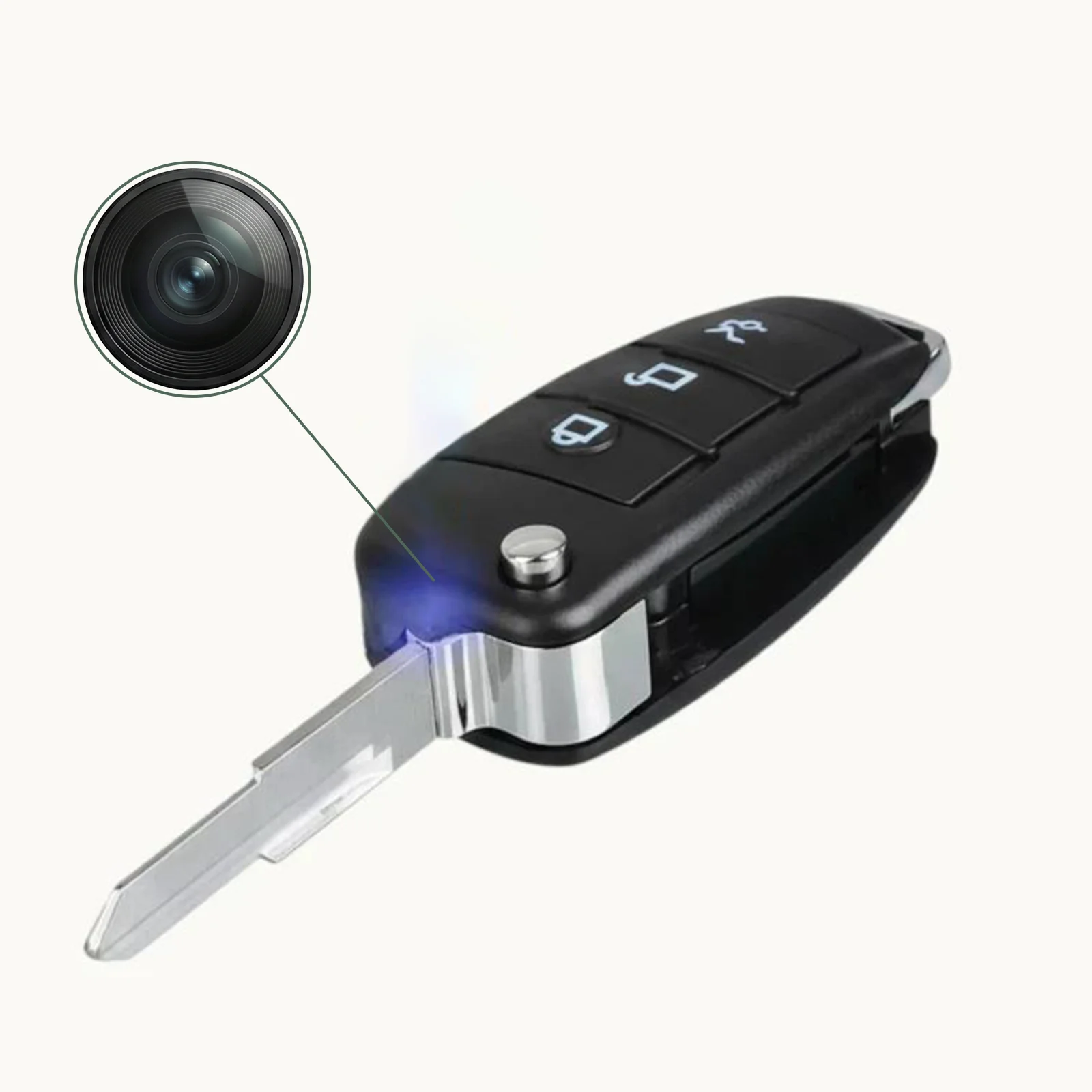
A professional-grade hidden camera can be purchased for under $40, installed in under 60 seconds, and remain undetected for weeks. Modern devices stream 1080p footage over WiFi, store 128GB locally, and draw power from standard USB chargers — making them invisible to guests conducting casual inspections.
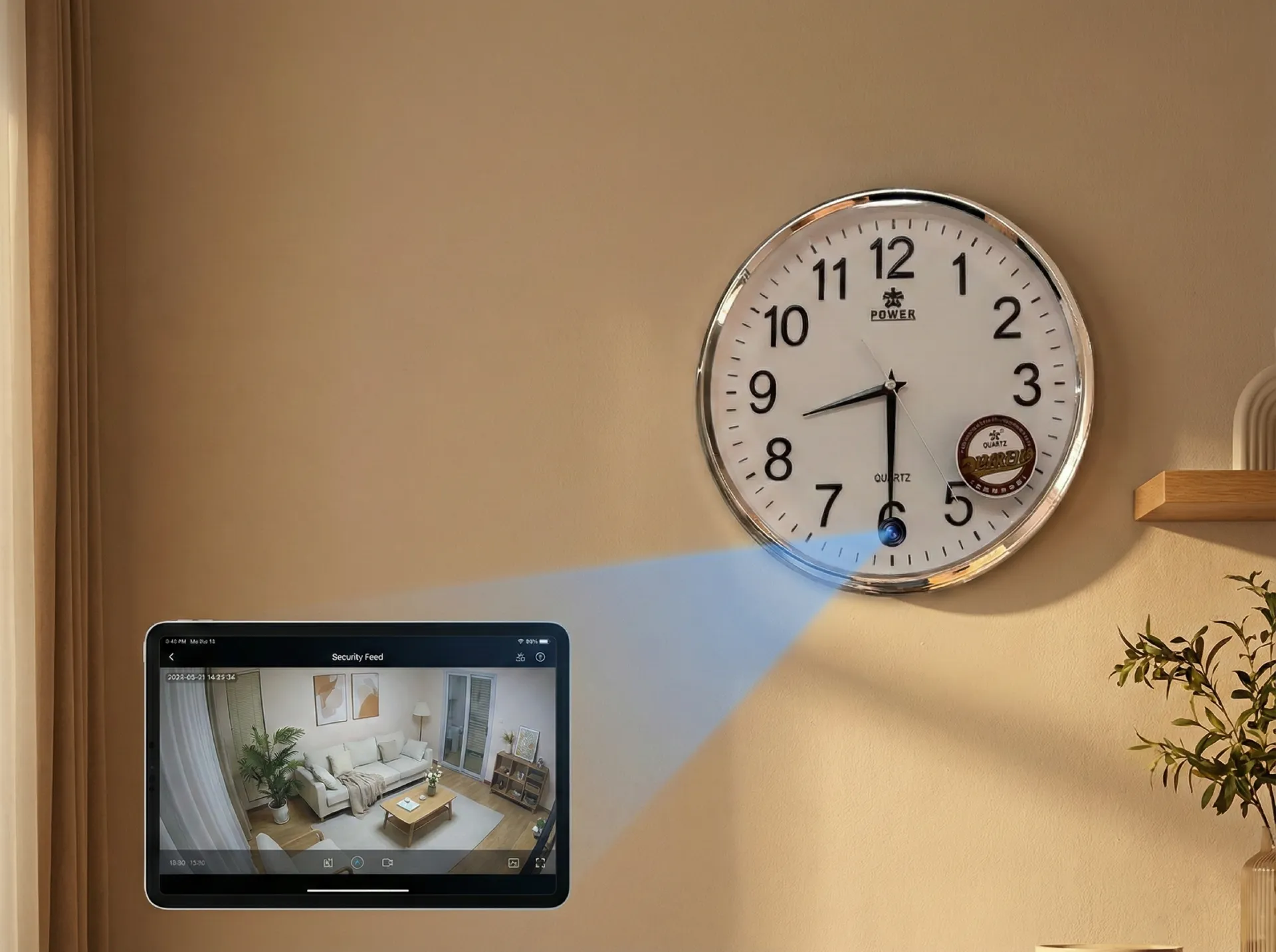
The statistics are sobering. A 2024 survey by the UK’s Surveillance Camera Commissioner found that 8% of Airbnb guests and 3% of hotel guests reported discovering or suspecting unauthorised recording devices in their accommodation. Those figures almost certainly understate the problem — most guests never check, and many who suspect surveillance dismiss their concerns as paranoia.
For hotel operators, the risk is not merely reputational. Under GDPR, a hotel that fails to protect guest privacy faces fines up to EUR 20 million or 4% of global turnover. Under the UK’s Voyeurism Act 2019, installing a hidden camera in a private space carries a maximum sentence of two years’ imprisonment. The hotel itself may face civil liability if a guest proves the operator knew or should have known about the device.
For distributors, the hotel detection market represents a growing revenue stream. Business travellers, high-net-worth individuals, and corporate security teams increasingly carry portable detection equipment. Hotels in major European cities — London, Paris, Frankfurt, Milan — are beginning to offer “swept rooms” as a premium service, employing TSCM (Technical Surveillance Counter-Measures) technicians to inspect rooms before VIP arrivals.
| Threat Statistic | Source | Year |
|---|---|---|
| 8% of Airbnb guests suspect hidden cameras | UK Surveillance Camera Commissioner | 2024 |
| 3% of hotel guests report concerns | UK Surveillance Camera Commissioner | 2024 |
| Hidden camera sales grew 340% 2020-2024 | Industry analyst estimates | 2024 |
| Average device cost: $25-80 | Amazon/AliExpress pricing | 2025 |
| Detection equipment market: $180M annually | Grand View Research | 2024 |
Key Takeaway: Hotel surveillance is a real, measurable threat with legal consequences for operators and commercial opportunities for detection equipment distributors.
The Four-Phase Detection Protocol
Professional TSCM technicians follow a systematic four-phase protocol. Amateur guests typically attempt only Phase 1 — and miss 60-70% of devices.
Complete detection requires four phases: logical/physical inspection, optical detection, electronic detection, and network analysis. Each phase catches devices the previous phase misses.
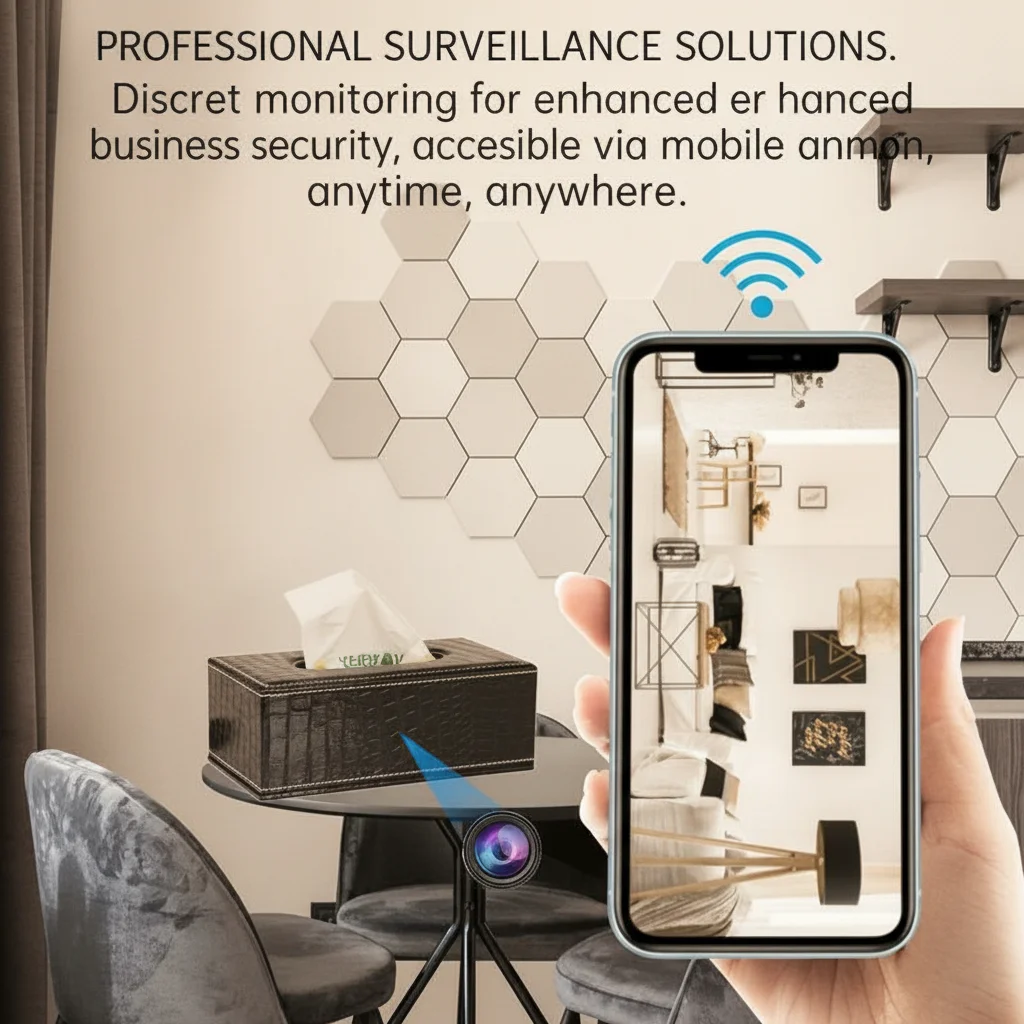
Phase 1 — Logical/Physical Inspection — is the foundation. The technician thinks like an attacker: “If I wanted to record this bed, this shower, or this desk, where would I place the camera for the best angle?” This mindset shift is more valuable than any equipment. High-risk zones include smoke detectors (statistically the most common concealment location), alarm clocks positioned on bedside tables, USB chargers plugged into convenient outlets, and ventilation grilles with clear sightlines to beds.
The physical inspection goes beyond visual scanning. The technician touches suspicious objects — smoke detectors, alarm clocks, power outlets — checking for warmth. A camera in continuous recording mode generates heat from the image processor and WiFi chipset. A device that is noticeably warmer than ambient temperature warrants closer inspection. Screws with fresh tool marks, seams that do not align perfectly, or plastic that feels thinner than expected are all warning signs.
Phase 2 — Optical Detection — exploits a physical property of camera lenses. Glass lenses reflect light differently from matte surfaces. In a darkened room, a bright flashlight swept across walls and objects will produce a sharp, pinpoint reflection from any lens surface — typically appearing as a blue, purple, or silver dot. This technique, known as retro-reflection detection, requires practice but costs nothing beyond a high-lumen flashlight.
The protocol is specific: darken the room completely, hold the flashlight at eye level, and sweep slowly — approximately one foot per second. The light source must be aligned with the observer’s line of sight because camera lenses reflect light directly back toward the source. A flashlight held at waist level will miss lenses positioned above or below that plane.
Phase 3 — Electronic Detection — uses RF (radio frequency) detectors to identify wireless transmissions. Cameras that stream over WiFi emit RF energy in the 2.4GHz and 5GHz bands. A quality RF detector scans these frequencies and alerts when it detects a transmission. The technician moves the detector closer to suspicious objects, using signal strength to narrow the source location.
The limitation is significant: RF detectors cannot find cameras that record to local SD card without wireless transmission. Nor can they detect devices that are powered off or in deep sleep mode. This is why Phase 3 is never sufficient on its own.
Phase 4 — Network Analysis — identifies WiFi cameras by scanning the room’s wireless network. Free applications like Fing and WiFiman display every connected device, revealing cameras with generic names like “IP_CAM” or “Espressif” (the Chinese chip manufacturer used in most budget IoT cameras). A device count that exceeds the number of visible electronics — one “IP_CAM” among three phones and a laptop — is a clear indicator.
| Phase | Method | Cost | Detects | Misses |
|---|---|---|---|---|
| 1 | Logical/physical inspection | Free | Wired devices, SD-card cameras | Tiny pinholes, professional installs |
| 2 | Optical (flashlight) | $10-30 | All lens-based cameras | Lensless sensors, obscured lenses |
| 3 | RF detection | $30-150 | WiFi/streaming cameras | Offline SD-card cameras |
| 4 | Network scanning | Free | WiFi cameras on network | Hidden SSIDs, offline cameras |
Key Takeaway: No single detection method is sufficient. Professional sweeps combine all four phases, with each phase catching devices the others miss.
Equipment Selection: What Distributors Should Stock
The detection equipment market has fragmented into three tiers. Distributors need to understand which tier serves which customer.
Entry-level detection ($20-40) serves individual travellers. Mid-range equipment ($50-150) serves corporate security teams and frequent business travellers. Professional TSCM kits ($500-2,000) serve hotel operators and executive protection teams.
The entry-level tier includes smartphone apps and basic RF detectors. Fing and WiFiman (both free) perform network scanning. Basic RF detectors ($25-40) scan 1-6.5GHz and alert on signal presence. These tools catch approximately 60% of consumer-grade hidden cameras — sufficient for a cautious traveller conducting a 5-minute self-inspection, but inadequate for professional sweeps.
The mid-range tier adds lens detection and magnetic field sensing. Multi-function detectors ($60-120) combine RF scanning, infrared laser lens detection, and magnetic anomaly detection in a single handheld device. The lens detection function projects an infrared beam that reflects off camera lenses with a distinctive red glow visible through the detector’s viewfinder. This catches SD-card cameras that RF scanning misses.
The professional tier includes spectrum analysers, non-linear junction detectors (NLJDs), and thermal imagers. Spectrum analysers ($800-1,500) display the full RF spectrum, identifying burst-transmission devices that basic RF detectors miss. NLJDs ($1,000-3,000) detect semiconductor junctions — the silicon chips inside all electronic cameras — regardless of whether the device is powered on. Thermal imagers ($500-2,000) identify heat signatures from powered devices even when visually concealed.
For distributors, the commercial sweet spot is the mid-range tier. Corporate security departments, executive protection agencies, and premium hotels purchase these units in volumes of 10-50 at a time. Entry-level devices have margins below 20% and high return rates from customers disappointed by their limitations. Professional TSCM equipment requires technical training that most distributors cannot provide.
| Tier | Price Range | Key Features | Target Customer | Distributor Margin |
|---|---|---|---|---|
| Entry | $20-40 | Basic RF, phone apps | Individual travellers | 15-25% |
| Mid-range | $60-120 | RF + lens + magnetic | Corporate security, hotels | 35-50% |
| Professional | $500-2,000 | Spectrum analyser, NLJD, thermal | TSCM technicians, gov | 20-35% |
Key Takeaway: The mid-range detection tier ($60-120) offers the best balance of capability, margin, and addressable market for most distributors.
Common Concealment Locations: The Checklist
Professional TSCM technicians do not guess where to look. They follow a checklist developed from thousands of confirmed discoveries.
The most common hotel room concealment locations are: smoke detectors (23% of discoveries), alarm clocks (18%), USB chargers (15%), ventilation grilles (12%), and decorative items like picture frames or tissue boxes (11%). Bathroom fixtures — towel hooks, shampoo bottles, exhaust fans — account for the remaining 21%.
Smoke detectors are the single most common concealment location because they are ceiling-mounted with a wide field of view, mains-powered (eliminating battery concerns), and present in every room. The concealment is straightforward: the camera lens is positioned behind the detector’s grille, invisible from below but with a clear view of the entire room. A technician should check whether the smoke detector is slightly misaligned, has tool marks on the mounting screws, or feels warm to the touch.
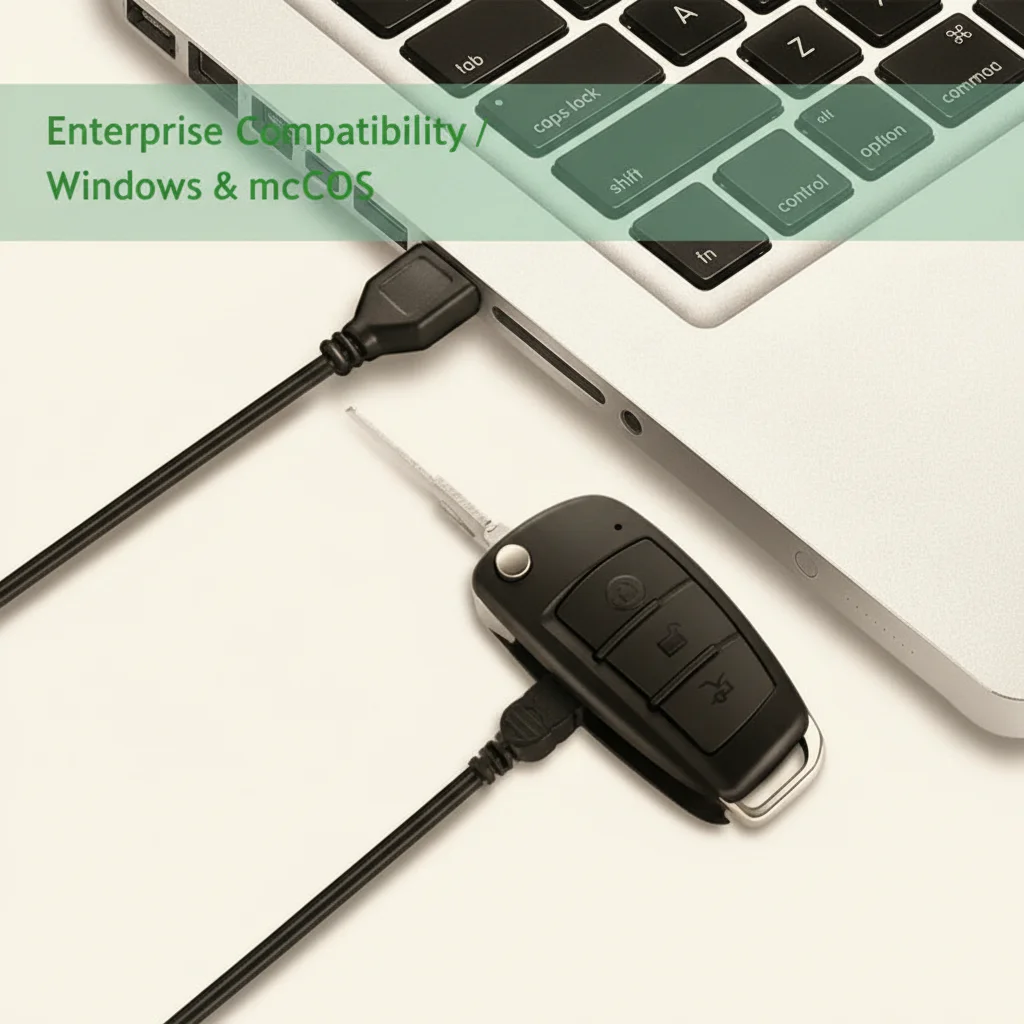
Alarm clocks and charging docks sit on bedside tables with direct sightlines to beds. Modern concealment devices are functionally identical to legitimate products — a USB charger camera provides real charging while recording. The only reliable detection method is disassembly or network scanning. A guest who plugs their phone into a charger camera will charge successfully, confirming the device’s legitimacy while remaining unaware of the secondary function.
Ventilation grilles and exhaust fans offer concealment in bathrooms, where privacy expectations are highest. Camera modules are small enough to fit inside standard 100mm ducting. The grille provides both concealment and a sightline. Detection requires flashlight inspection of the grille interior — looking for lens reflections or wiring that does not match the ventilation system’s routing.
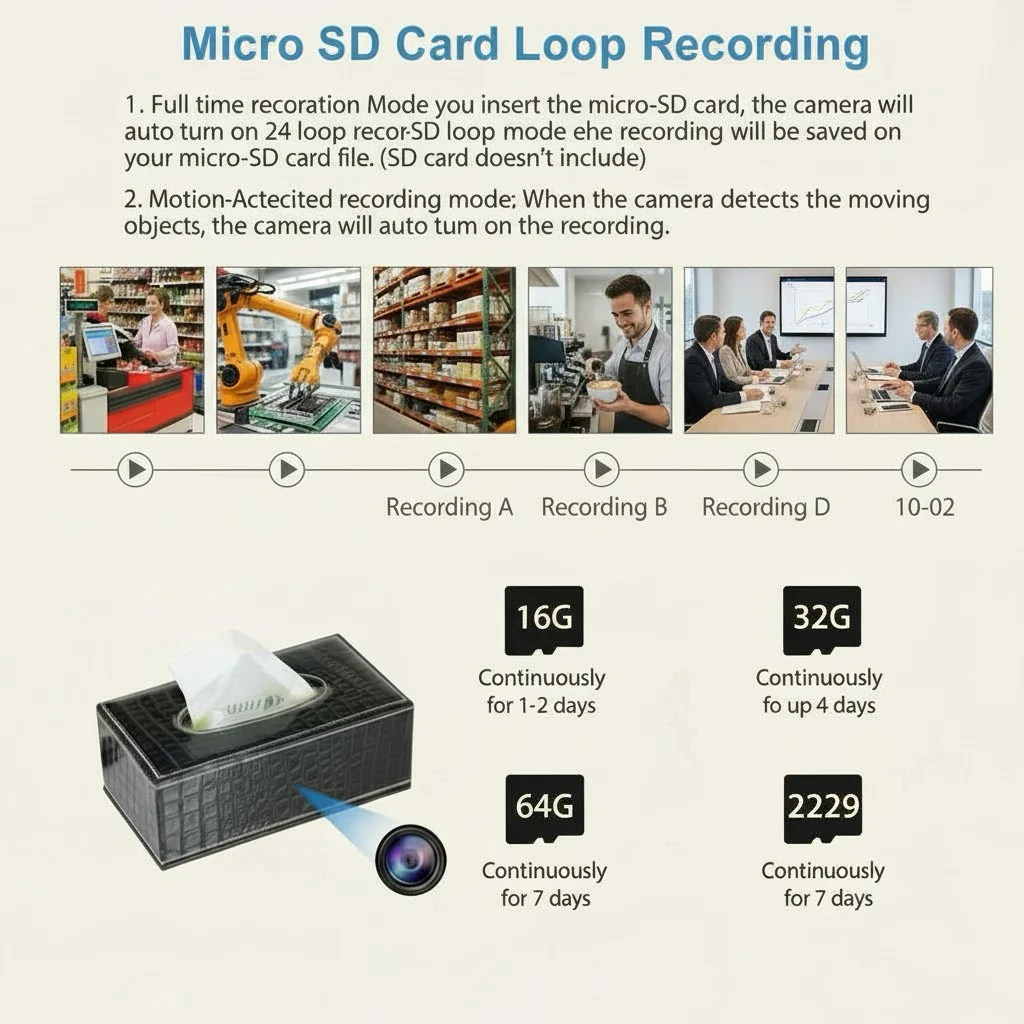
Decorative items — picture frames, tissue boxes, books, stuffed animals — are common in Airbnb and short-term rentals where the host has furnished the space. These items can be positioned for optimal camera angles and replaced between guests. The “why here?” test is effective: if a tissue box is positioned facing the bed rather than the seating area, or if a picture frame is hung at an unusual height, further inspection is warranted.
| Location | Discovery Rate | Detection Method | Difficulty |
|---|---|---|---|
| Smoke detectors | 23% | Physical inspection, temperature check | Easy |
| Alarm clocks / chargers | 18% | Network scan, physical inspection | Easy |
| USB chargers | 15% | Network scan, disassembly | Moderate |
| Ventilation grilles | 12% | Flashlight inspection | Moderate |
| Decorative items | 11% | “Why here?” test, optical sweep | Moderate |
| Bathroom fixtures | 21% | Physical inspection, mirror test | Easy-Moderate |
Key Takeaway: Smoke detectors, alarm clocks, and chargers are the “big three” — responsible for 56% of confirmed discoveries and detectable with basic equipment.
What to Do When You Find a Hidden Camera
Discovery protocol matters as much as detection protocol. Mishandling evidence can destroy prosecutions and expose the discoverer to liability.
Upon discovering a hidden camera: do not touch the device, document its position with photographs from multiple angles, cover the lens without moving the housing, leave the premises immediately, and contact law enforcement. Do not confront the property owner or manager directly.

The instinct to grab the device and examine it is natural but dangerous. Fingerprints contaminate evidence. Moving the device destroys the chain of custody. Disconnecting power may trigger anti-tamper mechanisms that erase stored footage. The correct response is hands-off documentation.
Photographic documentation should capture: the device in its original position, the device’s field of view (what it was recording), the surrounding environment for context, and any visible serial numbers or manufacturer markings. Wide-angle shots establish location; macro shots capture detail. The timestamp function on the camera should be enabled to create a forensic timeline.
Covering the lens stops ongoing recording without disturbing evidence. A towel, piece of clothing, or sticky note placed over the lens is sufficient. If the device is mains-powered and safely accessible, unplugging it from the wall is acceptable — but only after photography is complete.
Leaving the premises is a safety consideration, not merely a privacy one. The person who installed the camera may be monitoring the feed in real time. Confrontation can escalate to physical confrontation. Law enforcement, not the victim, should handle suspect interviews.
For hotel operators discovering a device in a guest room, the protocol is similar with one addition: secure the room immediately. Change the locks, deny access to housekeeping staff, and preserve the scene for police forensic examination. Notify the guest who occupied the room — they have a legal right to know. Document all actions in an incident report for insurance and regulatory purposes.
| Step | Action | Why It Matters |
|---|---|---|
| 1 | Do not touch | Preserves fingerprints and chain of custody |
| 2 | Photograph from multiple angles | Creates forensic evidence for prosecution |
| 3 | Cover lens without moving | Stops ongoing recording, preserves evidence |
| 4 | Leave premises | Safety — perpetrator may be watching live feed |
| 5 | Contact law enforcement | Proper investigation, legal protection |
| 6 | Notify platform (Airbnb/Booking) | Triggers host investigation, guest protection |
| 7 | Preserve room (for hotels) | Secures scene for forensic examination |
Key Takeaway: Discovery protocol prioritises evidence preservation and personal safety over confrontation or curiosity.
The B2B Opportunity: Detection Equipment for Hotels
For distributors, hotel detection represents a new vertical with recurring revenue potential.
European hotels are beginning to offer “swept rooms” and “privacy-certified” accommodations as premium services. Corporate travel managers are mandating detection equipment for executive travel. Detection equipment sales to the hospitality sector grew 180% between 2022 and 2024.
The business model is straightforward. Hotels purchase mid-range detection equipment ($80-120 per unit) for housekeeping supervisors to conduct weekly spot checks on random rooms. Premium hotels employ TSCM technicians for pre-arrival sweeps of VIP suites, charging guests EUR 150-300 per sweep as an add-on service. Corporate travel departments purchase portable detectors for security teams accompanying executives on international travel.
The distributor’s role extends beyond hardware sales. Hotels need training — how to conduct a four-phase sweep, what documentation to maintain, how to respond to discoveries. They need legal guidance — GDPR notification requirements, insurance implications, guest communication templates. They need ongoing support — firmware updates for detection equipment, replacement parts, access to TSCM consultant networks.
QZT Security supplies both surveillance cameras and counter-surveillance detection equipment to the hospitality sector. Our detection product line includes entry-level RF detectors for traveller self-inspection, mid-range multi-function units for hotel housekeeping, and professional-grade spectrum analysers for TSCM contractors.
| Market Segment | Equipment Need | Price Point | Purchase Frequency |
|---|---|---|---|
| Individual travellers | Entry-level RF detector | $25-40 | One-time |
| Hotel housekeeping | Mid-range multi-function | $80-120 | Annual replacement |
| Premium hotel TSCM | Professional spectrum analyser | $800-1,500 | 3-5 year lifecycle |
| Corporate security | Mid-range portable kit | $100-150 | Per traveller |
| Executive protection | Professional full kit | $1,500-3,000 | Per team |
Key Takeaway: Hotel detection is a recurring-revenue vertical — hotels need equipment, training, and ongoing support that extends far beyond the initial hardware sale.
Frequently Asked Questions
Can my smartphone detect hidden cameras reliably?
Partially. Smartphones can detect infrared LEDs (using the camera app in a dark room) and scan WiFi networks (using Fing or WiFiman). However, they cannot detect SD-card-only cameras, RF-quiet devices, or professional installations with hidden SSIDs. A smartphone is better than nothing but inadequate for professional sweeps.
How much does professional TSCM equipment cost?
Entry-level RF detectors cost $25-40. Mid-range multi-function units cost $60-120. Professional spectrum analysers cost $800-1,500. Non-linear junction detectors cost $1,000-3,000. Thermal imagers cost $500-2,000. A complete professional kit runs $3,000-5,000.
Are RF detectors legal to carry through airport security?
Yes. RF detectors are passive receiving devices with no transmission capability. They are legal in all jurisdictions and pose no security threat. However, professional-grade equipment with multiple antennas may attract additional screening. Carrying the manufacturer’s documentation expedites inspection.
How often should hotels sweep rooms for hidden cameras?
Best practice is weekly random spot checks on 5-10% of rooms, plus full sweeps of VIP suites before arrival. After any confirmed discovery, all rooms on the same floor should be swept immediately. Hotels in high-risk locations (near conference centres, airports, or business districts) should increase frequency.
Can hidden cameras be completely undetectable?
No device is completely undetectable. However, professional installations using hardwired power, local storage, and no wireless transmission are extremely difficult to find without professional TSCM equipment. These installations are rare in hotels because they require advance access and technical expertise that most perpetrators do not possess.
Ready to Supply the Hotel Detection Market?
Hotel surveillance is not a niche concern. It is a measurable risk with legal consequences for operators, safety implications for guests, and commercial opportunities for distributors.
QZT Security supplies detection equipment across all tiers — from entry-level RF detectors for individual travellers to professional spectrum analysers for TSCM contractors. We provide hotel-specific training programmes, legal compliance documentation, and ongoing technical support.
Contact us today for detection equipment catalogues, hotel training programmes, and volume pricing for the hospitality sector.

 English
  Italiano
  Deutsch
  Français
  Español
  Polski