
Standby vs. Continuous Recording: Hacking the Specs to Reduce Customer Returns on Portable Audio Gear
Returns are the biggest nightmare for any electronics seller. You sell a device, you pay for shipping, and then the customer sends it back because they did not understand how the battery works. This hurts your profits and ruins your store's rating.
The difference between standby and continuous recording is the most common reason for customer confusion. Continuous recording means the device is awake and saving audio every second, which drains power quickly. Standby mode, or voice activation, means the device sleeps until it hears a sound, allowing the battery to last much longer.

If you think you already know everything about battery life and specifications, you might want to stop reading here. But if you want to save your money and stop angry emails from customers, you must understand the details below.
Why does storage need its own calculation?
Digital audio quality, battery runtime, standby time and storage capacity are different specifications. Do not use one as a shortcut for the others.
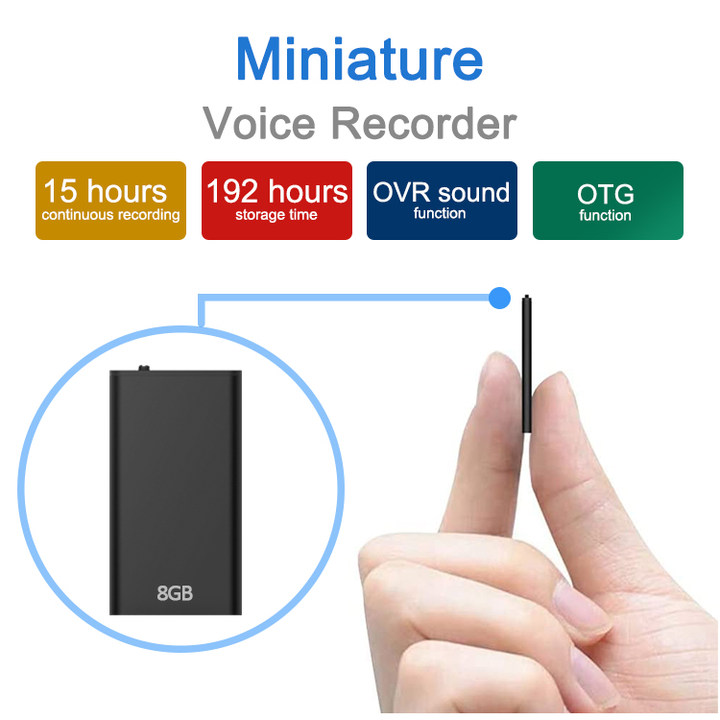
The current QZT Q1 product page lists WAV recording at 192Kbps, 8GB / 16GB / 32GB storage options, about 96 hours for 8GB and 192 hours for 16GB, plus a listed 15–18 hour recording time.
Treat those as current Q1 product-page specifications, not as a universal voice-recorder formula and not as a new endurance/storage test performed for this article. A WAV container by itself also does not prove that every file is uncompressed or lossless; use the exact encoder/bitrate and inspect a sample file.
For planning, measure one real sample file for a known duration and calculate from the actual bytes:
estimated storage hours = available bytes ÷ measured bytes per hour
That method also catches firmware/file-format differences that a generic “GB = hours” table can miss.
| Q1 field | Current page wording | How to verify |
|---|---|---|
| Audio | WAV, 192Kbps | Inspect a real sample file / metadata |
| Storage | 8GB / 16GB / 32GB | Confirm delivered memory version |
| Listed capacity examples | ~96h for 8GB; ~192h for 16GB | Compare against measured file size |
| Listed recording time | 15–18h | Timed sample test on the approved unit |
For long-runtime magnetic recorders, use Magnetic Voice Recorders: 500-Hour Runtime Is Not Storage Capacity. That owner separates battery runtime, standby and storage instead of merging them.
How should continuous recording time be presented?
There is no model-independent “best professional battery life.” Body size, battery capacity, codec, firmware and recording mode all change the result.
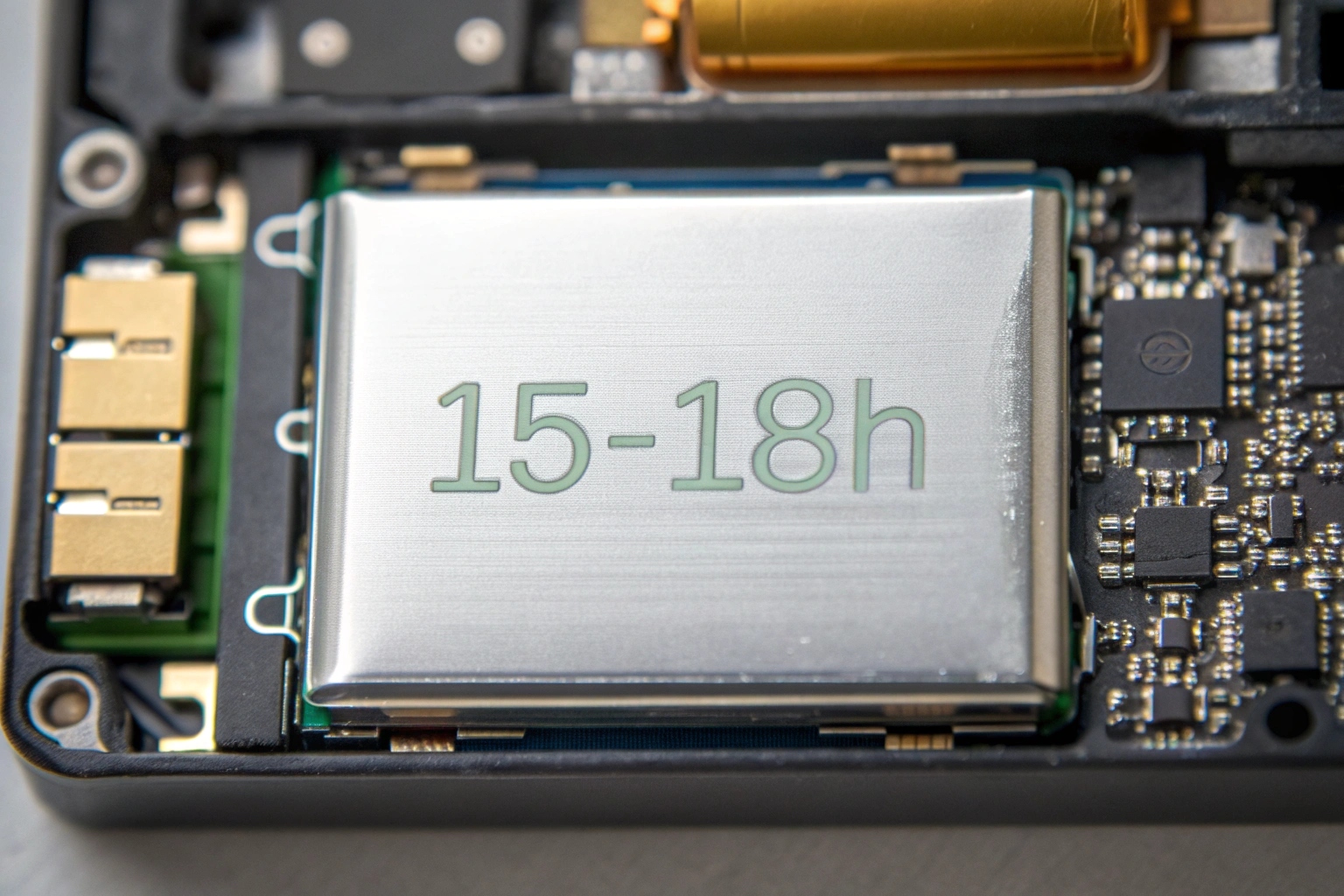
For Q1 specifically, the current Q1 product page lists a built-in polymer lithium battery, 15–18 hours of recording time, and about 1–1.5 hours charging through computer USB. Keep those numbers attached to Q1 and the current product-page version.
Do not turn them into claims such as:
- every professional recorder should last 15–18 hours;
- 15–18 hours is an industry “Goldilocks zone”;
- a different battery size automatically produces a predictable runtime;
- a short charging session always restores a full working day.
For a reseller-facing specification, label the operating mode and evidence source:
| Field | Better wording |
|---|---|
| Q1 recording time | Current product page lists 15–18h; sample-test the approved unit |
| Charge time | Current product page lists about 1–1.5h by computer USB |
| Standby | Do not substitute a standby number for continuous recording |
| Voice activation | Test separately from continuous mode |
The safest return-reduction tactic is not a bigger headline number. It is naming the exact mode and keeping the listed figure tied to the exact model/version.
How should voice activation be explained?
Voice Activated Recording (VOR) is not implemented identically on every recorder. The exact model/firmware decides the trigger, sensitivity controls, hold behavior and what happens around quiet speech or short pauses.
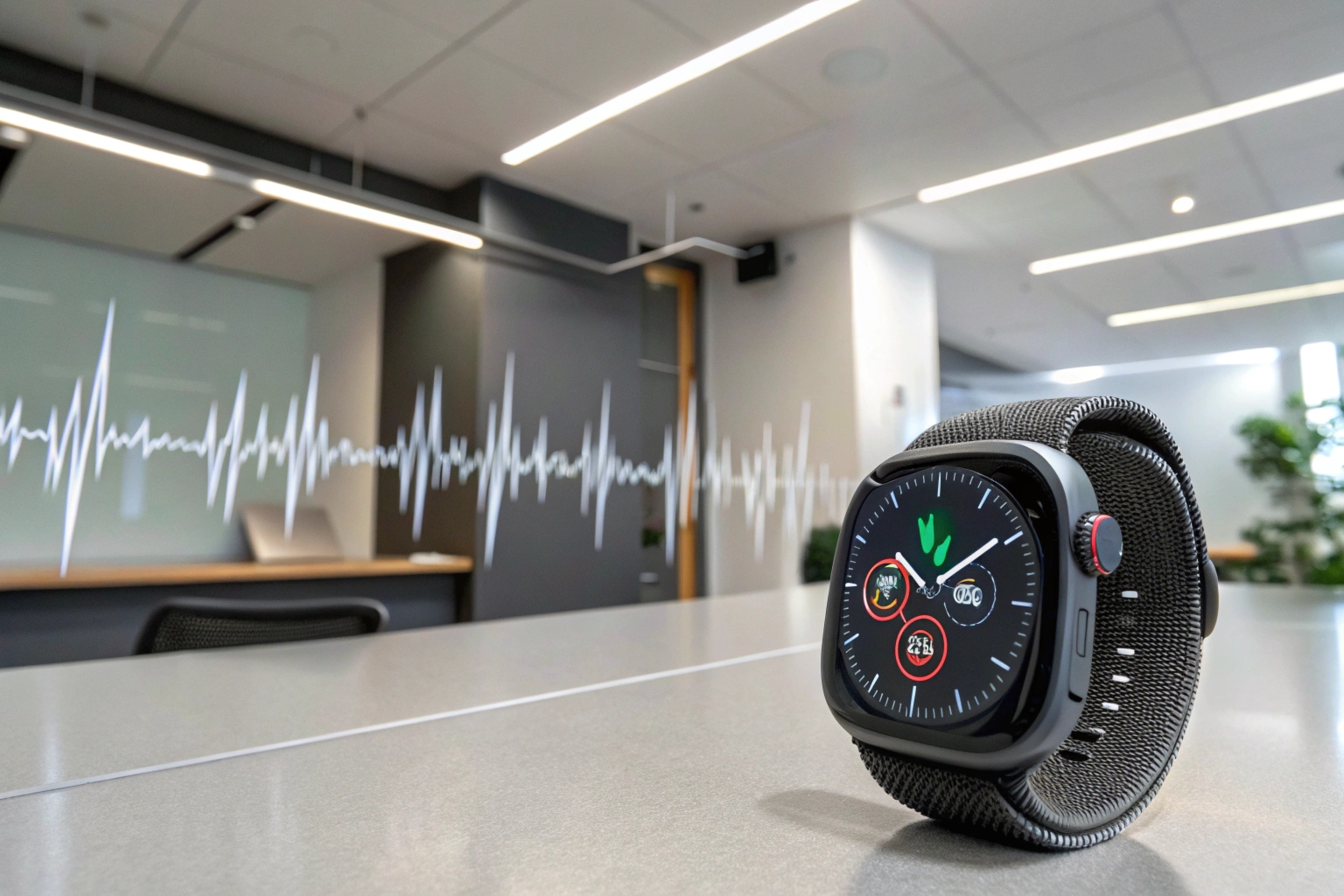
Do not universally describe VOR as “the device powers down, sleeps until it hears a voice, then wakes and records.” Some products may behave that way internally, but that is not a safe generic specification.
For the QZT Q1, the current manual documents Voice Activated ON/OFF, a 0–7 VOR sensitivity range, and separate microphone GAIN settings. The detailed Q1 troubleshooting owner is Voice Recorder Missing Quiet Words? Check VOR Settings First.
A safer comparison is:
| Function | Continuous recording | Voice-activated mode |
|---|---|---|
| When audio is saved | Continuously while recording mode is active | Depends on the exact model's trigger behavior |
| Quiet speech / short pauses | Preserved if the recorder continues operating normally | Must be sample-tested for trigger/hold behavior |
| Storage use | Includes silence | May reduce stored silence depending on implementation |
| Battery effect | Measure on the approved sample | Do not assume a fixed multiplier |
| Best use | When every part of the session must be retained | When the exact trigger behavior is acceptable for the task |
For any recorder, compare continuous and VOR files under the same distance, speech level and room noise before publishing a battery or storage benefit.
How can you stop customers from sending items back?
The best way to reduce returns is to provide totally accurate information and sell high-quality goods. If you hide the limitations of a product, the customer will find out later and ask for a refund.
You must display every specification, like battery hours, storage limits, and audio formats, on your B2C website before the sale. Also, you must maximize your supply chain quality.

I have been in this industry for many years, and I see many buyers try to find the absolute lowest price. There is a famous Chinese saying: "One price, one goods" (一分钱一分货). It is the absolute truth. If you squeeze the price too low, the factory must use bad batteries or cheap chips. This leads to devices that break in a week.
To avoid this, you need a reliable partner. My company, QZT, has a warehouse in Italy. This is a massive advantage for you if you are in Europe. We can ship fast. If a customer has a problem, we can handle the return or exchange quickly within the EU. You do not need to wait for shipping from Asia.
Also, certifications are critical. I know that in Poland, France, and Italy, customs are very strict. We ensure our products have CE and ROHS certificates. This proves the product is safe and legal to sell. If you sell uncertified products, you risk having your goods seized or your store shut down.
Do not be greedy for a cheap procurement price. It will kill your long-term business because your reputation will spread. Investing in quality products like our Q1 or the voice-activated watch model ensures your customers are happy. Happy customers do not make returns.
Conclusion
Understanding the difference between standby and continuous recording, choosing quality devices like the Q1, and working with a certified local supplier in Italy will secure your profits and lower your return rates significantly.

 English
  Italiano
  Deutsch
  Français
  Español
  Polski