
Worried about losing your pet? The stress and potential cost of an accident are huge. Next-gen GPS collars offer affordable, real-time tracking, giving you complete peace of mind.
A pet GPS tracker uses a GPS receiver to get its location from satellites. It then uses a cellular connection, like a tiny phone, to send that location to your smartphone app. This lets you see your pet's exact position on a map in real-time.
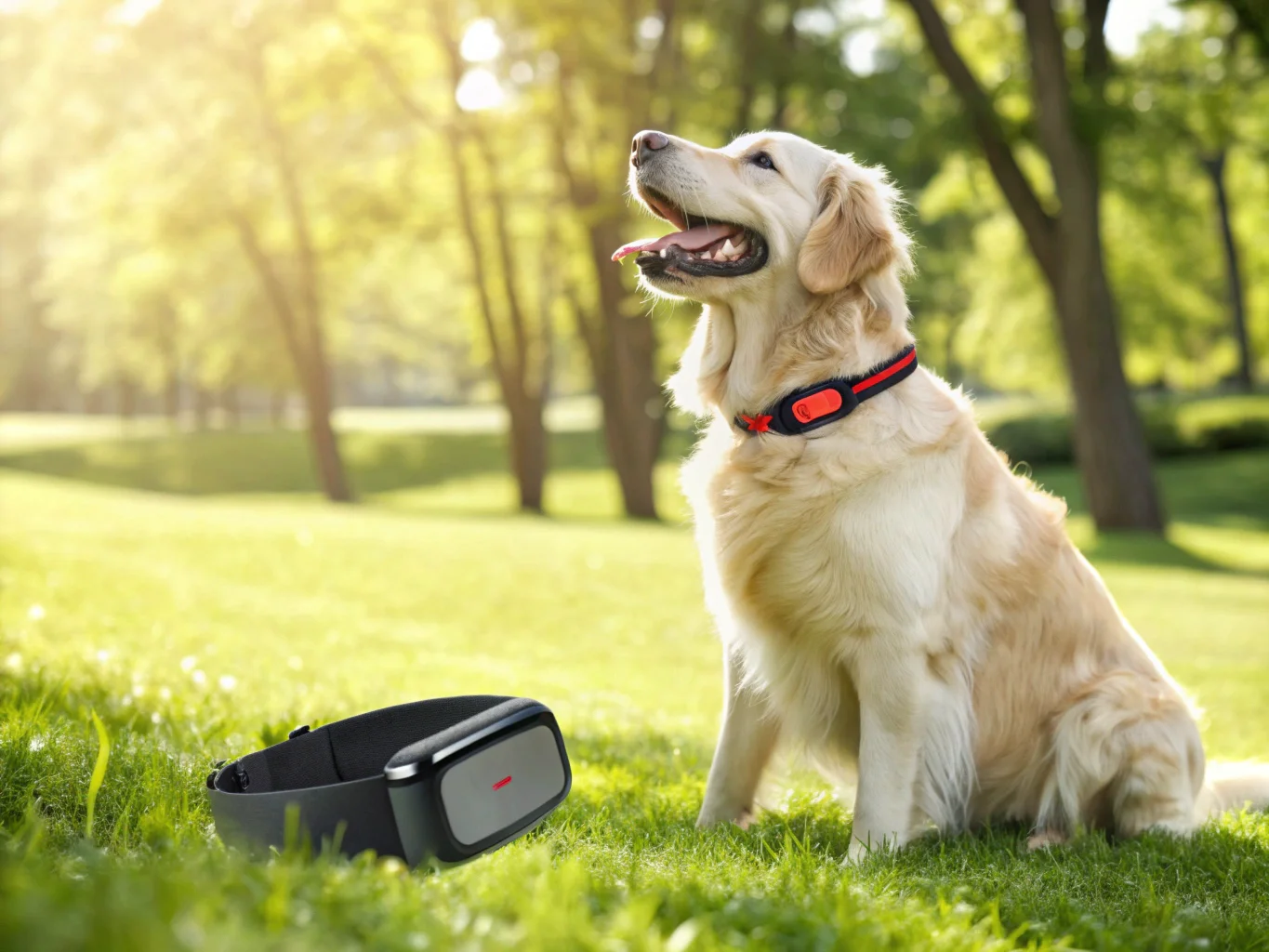
It's a terrifying moment for any pet owner when you realize your furry companion is missing. I remember a time with my first dog, Buster, who slipped out the gate. The panic was overwhelming. Thankfully, technology today has made that fear much more manageable. Understanding how these devices work is the first step to feeling secure. It’s much simpler than it seems, and it can make all the difference. Let's explore the key questions you might have.
How does a pet GPS tracker work?
Feeling confused by all the tech talk about GPS? It can sound complicated with satellites and signals. I’ll break it down for you, showing how a small device keeps you connected.
A pet GPS tracker uses a GPS receiver to pinpoint its location from satellite signals. It then uses a built-in cellular radio (like a tiny phone) to send that location data to your smartphone app over the mobile network, showing you your pet's position on a map.
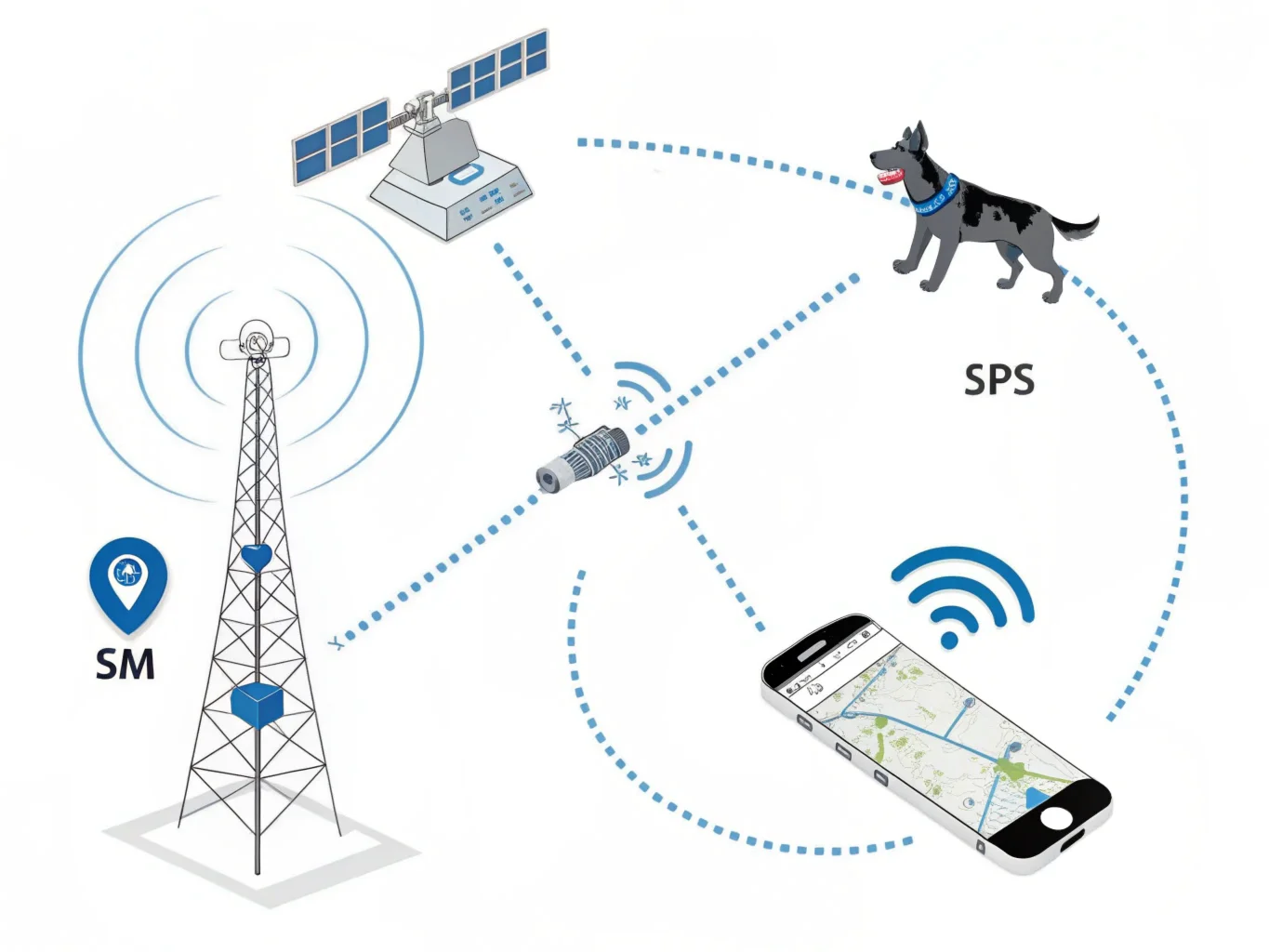
Let's dive a little deeper into how this amazing technology works. It really comes down to two key components working together. For me, as someone who deals with security electronics, I see a parallel in how different technologies combine to create a reliable product. For my clients in Poland and France, reliability is everything.
The Core Components
First, you have the Global Positioning System (GPS) module inside the collar. This part is a receiver that constantly listens for signals from a network of satellites orbiting the Earth. By calculating the time it takes to receive signals from at least four different satellites, it can determine its precise location—latitude and longitude.
Second, there's the cellular communication module. This is what separates a true GPS tracker from other devices. Once the GPS module knows its location, the cellular module acts like a mini-cell phone to send that information over the mobile network to the company's servers, and then to your smartphone app. This is why a subscription is usually required. For me, having this technology is about security, just like having reliable hidden cameras at my business premises in Italy.
| Technology | Function | Key Requirement |
|---|---|---|
| GPS | Pinpoints location via satellites | Clear view of the sky |
| Cellular | Transmits location data to you | Cellular network coverage |
| App | Displays the location on a map | Internet on your phone |
What is the range of a GPS tracker?
Do you worry your pet will run too far for a tracker to work? Many people assume GPS has a limited range. The truth is, its reach is practically unlimited, and I’ll explain why.
A true GPS tracker has a virtually unlimited range. As long as the device can receive satellite signals and has a cellular connection to transmit its location, you can track your pet from anywhere in the world, even if you're hundreds of miles away.
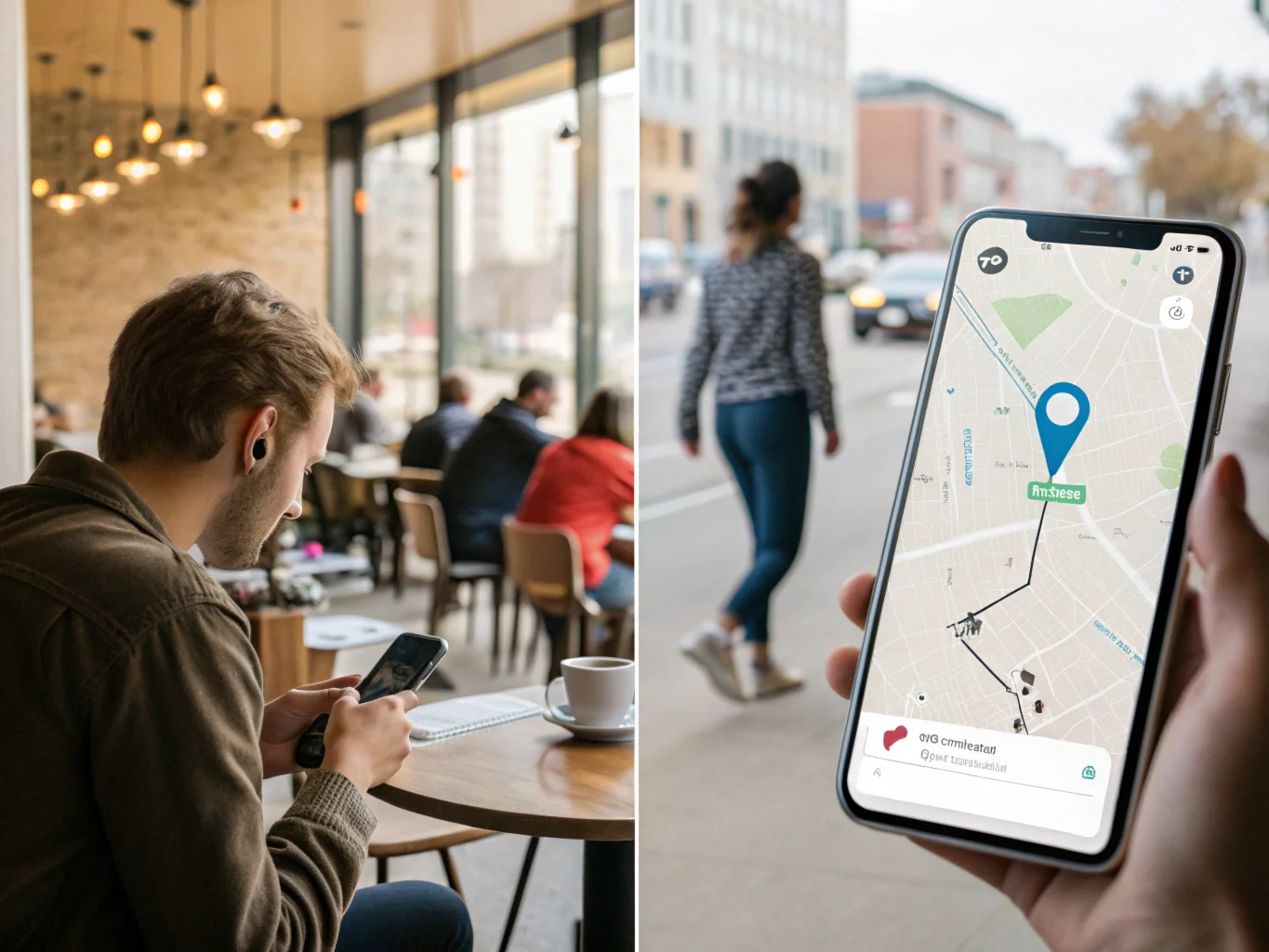
This is a point of confusion I often see. People mix up GPS trackers with Bluetooth trackers. When I first looked into this, I almost made the same mistake. The difference is massive and crucial for a pet that might genuinely run off. A client of mine, Daniel, who runs an e-commerce store in Italy, once told me he values clarity above all else in product specs, and this is a perfect example.
GPS vs. Bluetooth Trackers
Bluetooth trackers, like AirTags or Tiles, are fantastic for finding your keys in the house. They work by connecting directly to your phone within a very short range, usually around 30 to 100 feet. If your item is further away, they rely on a "crowd network," meaning they can only be located if someone else with the same app passes near them. This is not reliable for a scared, fast-moving pet.
A GPS tracker, however, doesn't rely on your phone's proximity. It uses the global cellular network. The tracker's "range" is simply the extent of cellular coverage. If your pet is in an area with a cell signal, you can be on a different continent and still see their location. It’s a different kind of discreet tracking than what we offer with our pen cameras, but the principle of using technology for security is the same.
| Feature | GPS Tracker | Bluetooth Tracker |
|---|---|---|
| Range | Unlimited (requires cell signal) | Limited (30-100 ft) |
| Technology | GPS & Cellular Network | Bluetooth & Crowd Network |
| Best For | Lost pets, vehicles | Keys, wallets |
| Subscription | Usually required | None |
What are the errors and limitations of GPS?
Is GPS always perfectly accurate? Sometimes the dot on the map isn't exactly where your pet is. This inaccuracy can be frustrating, but understanding its causes helps you use the tracker effectively.
GPS accuracy can be affected by physical obstructions like tall buildings, dense forests, or being indoors, which block satellite signals. This can cause a location error of a few meters. Atmospheric conditions and satellite geometry can also introduce small inaccuracies in the reported position.
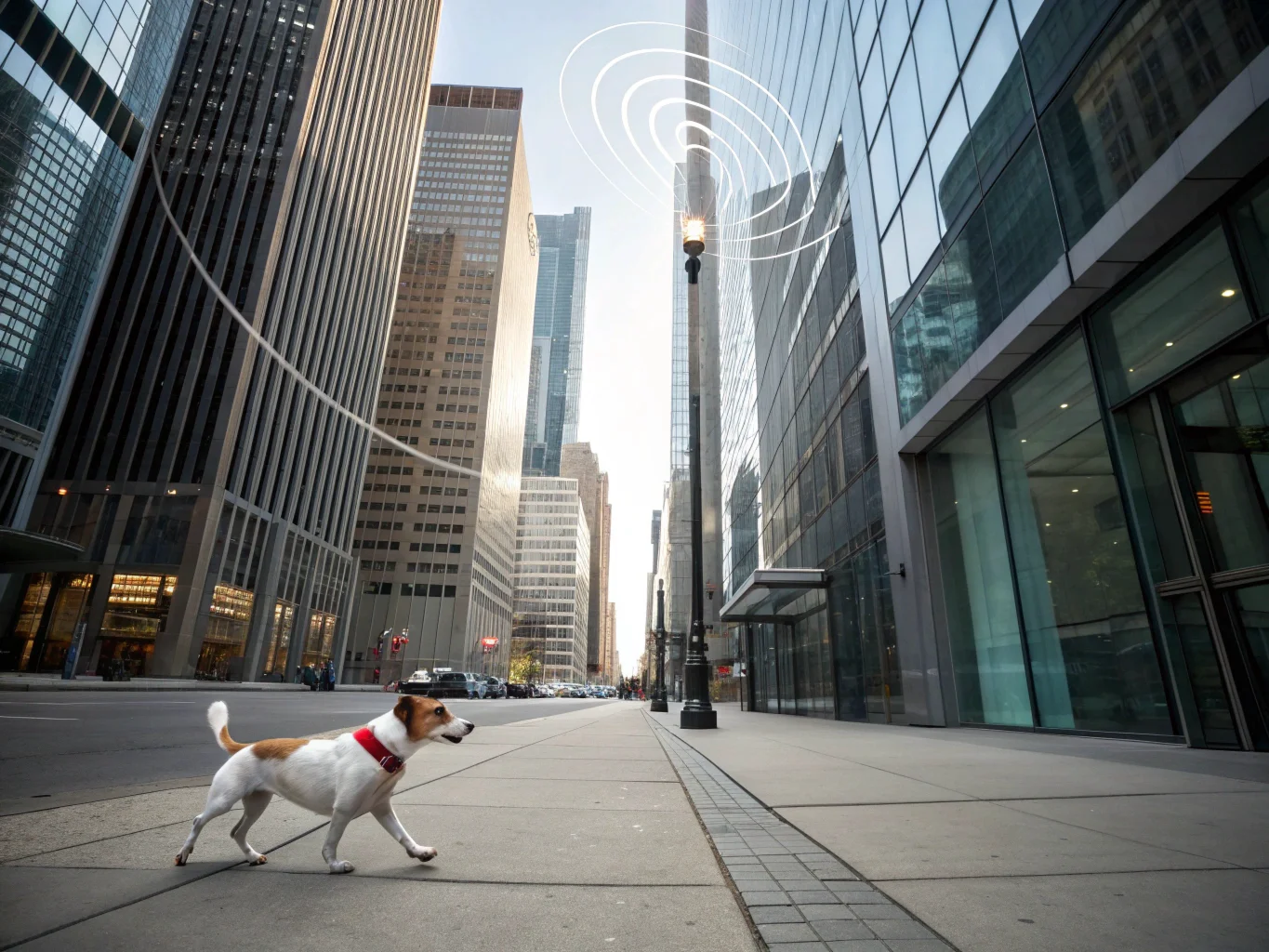
No technology is perfect, and GPS is no exception. As a supplier, I always make sure my customers, like Agnieszka from Poland, understand the product's capabilities and its limits. Trust is built on honesty. The biggest limitation for a pet tracker is signal interference.
Main Causes of GPS Inaccuracy
- Signal Blockage: This is the most common issue. GPS signals need a clear line of sight from the satellite to the tracker. When a pet goes indoors, under a concrete bridge, or into a dense "urban canyon" between skyscrapers, the signal can be lost or weakened, leading to an inaccurate or outdated location.
- Multipath Error: This happens when GPS signals bounce off surfaces like buildings or cliffs before reaching the tracker. The receiver gets a delayed signal, which makes it calculate its position incorrectly. This might show your pet is a few yards away from where they actually are.
- Atmospheric Delays: The signals travel through the Earth's atmosphere, which can slow them down slightly and introduce small errors.
To overcome these issues, many modern trackers also use Wi-Fi positioning or cell tower triangulation as a backup. When your pet is near a known Wi-Fi network, it can report a very accurate indoor location. For critical indoor monitoring, where GPS fails, a device like a charger camera is more suitable because it uses a stable indoor Wi-Fi connection.
How long does a battery last in a GPS tracker?
A dead tracker is a useless tracker. I know that battery life is a huge concern for pet owners. I’ll show you what affects battery life and how to maximize it for your pet's safety.
GPS tracker battery life varies widely, from 24 hours to several weeks. It depends on the device's size, battery capacity, tracking frequency (how often it updates), and signal strength. Live tracking modes drain the battery much faster than standard location updates every few minutes.
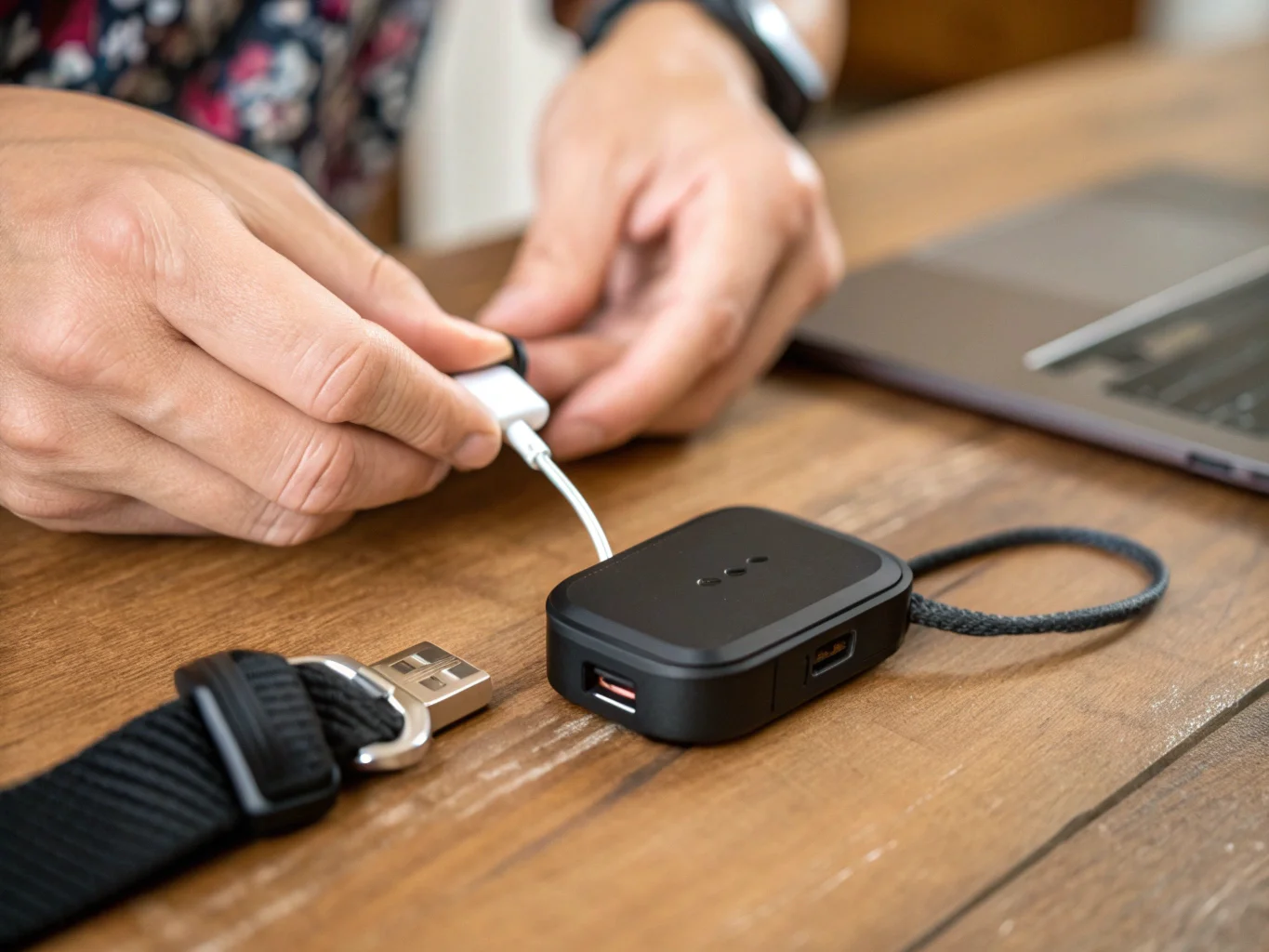
This is probably the most practical question of all. A feature-packed tracker is no good if it dies when you need it most. When I was developing a product for a client, battery performance was the top priority. We spent weeks testing and optimizing. The same principles apply here. Several key factors determine how long your pet's tracker will last on a single charge.
Factors That Impact Battery Life
- Update Frequency: This is the number one drain. A tracker set to "live mode" might update the location every 2-5 seconds, which is great for an active search but will drain the battery in a few hours. A standard mode that updates every 5-10 minutes will last for days.
- Signal Strength: In an area with poor GPS or cellular reception, the tracker's modem has to work much harder to find and maintain a connection, consuming more power.
- Power-Saving Zones: Many modern trackers have a brilliant feature where you can set up a "safe zone" using your home Wi-Fi. When the tracker detects it's connected to this Wi-Fi network, it knows the pet is safe and turns off the power-hungry GPS and cellular modules, dramatically extending battery life.
This focus on long battery life is something we also prioritize in our portable devices, like our popular mini voice recorders.
| Mode | Update Interval | Typical Battery Life |
|---|---|---|
| Live Tracking | Every 2-5 seconds | 2-5 hours |
| Standard Mode | Every 5-10 minutes | 2-5 days |
| Power Saving | Once per hour | 1-3 weeks |
Conclusion
In short, modern GPS collars are essential tools for pet safety. They offer peace of mind through technology. If you have questions about tracking solutions, talk to our specialists.

 English
  Italiano
  Deutsch
  Français
  Español
  Polski