
On current QZT source records, “500 hours” is a supplier-listed recording-runtime figure for specific long-battery magnetic recorder models. It is not the same thing as standby time, and it is not the same thing as storage capacity.
For the Q70 / Q73 / Q79 source records:
– continuous recording is listed separately from standby;
– standby is listed separately as up to 365 days;
– memory capacity is listed separately;
– the audio bitrate is listed as ADPCM at 192Kbit/s;
– loop overwrite / file splitting are separate file-handling behaviors.
That distinction matters because a recorder can have enough battery to stay active longer than its selected memory can retain at one time.
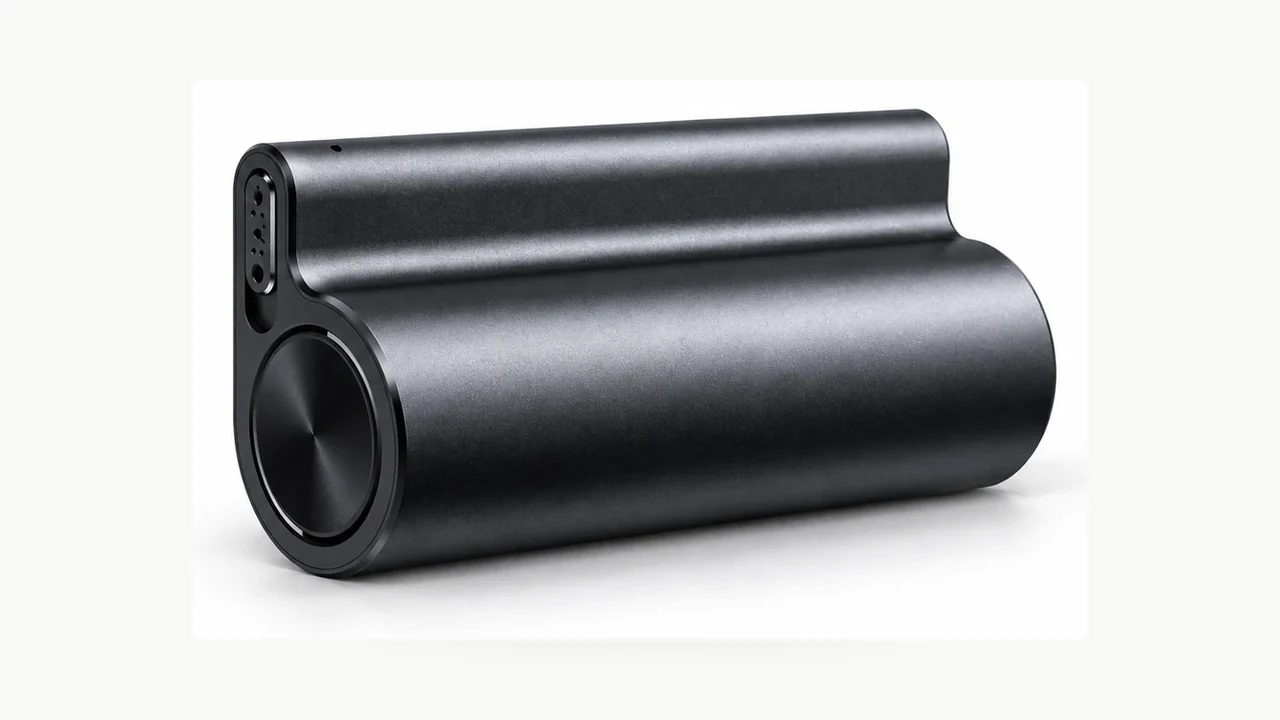
Real QZT Q79 product photograph. The supplier source lists a long recording-runtime claim, but this image is not an independent 500-hour endurance test.
What does “500H” mean on the current QZT source records?
The older QZT article on this URL treated “500H” as if it meant 500 hours of stored audio accumulated across charge cycles. That interpretation does not match the current source records.
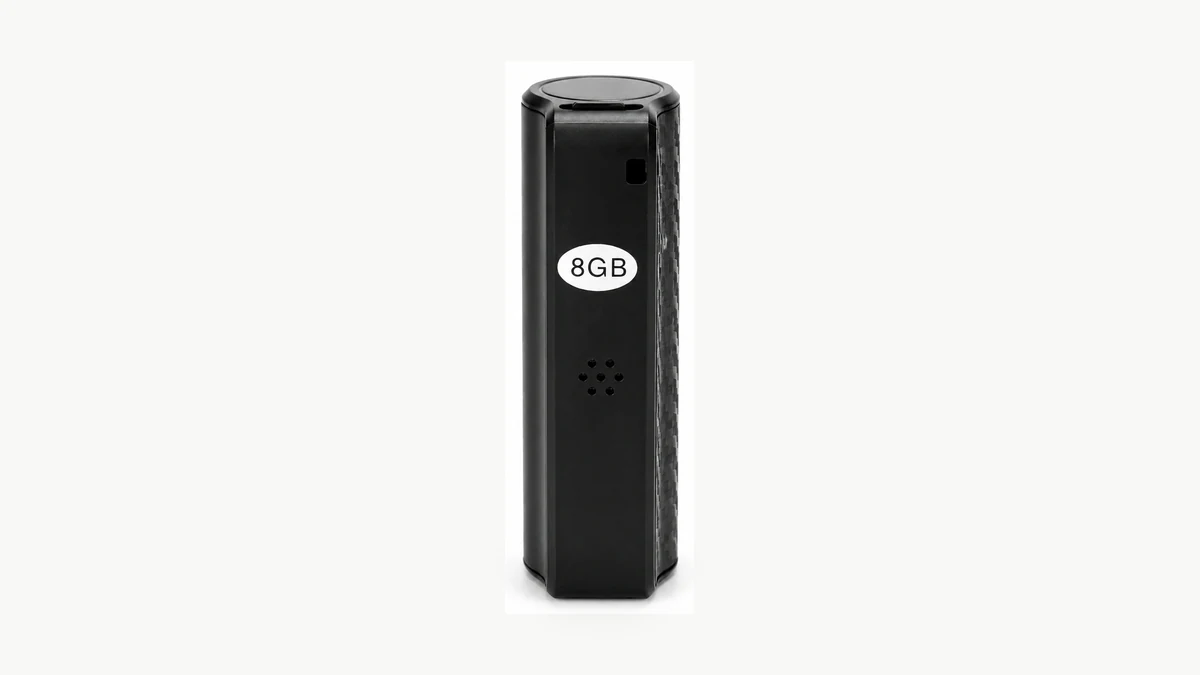
Real QZT Q70 product image. Current source records separate continuous recording, standby and storage.
Current source data says:
| Model | Supplier-listed recording time | Supplier-listed standby | Storage options / note |
|---|---|---|---|
| Q70 | Up to 500 hours continuous | Up to 365 days | 8GB / 16GB / 32GB; source record says 8GB stores about 90 hours |
| Q73 | Up to 500 hours continuous | Up to 365 days | 8GB / 16GB / 32GB / 64GB |
| Q79 | Up to 500 hours continuous | Up to 365 days | 8GB–64GB listed; current priced version is 32GB |
Those are supplier-listed specifications, not a new 500-hour QZT endurance test performed for this article.
The safe wording is therefore:
> The exact Q70/Q73/Q79 source records list up to 500 hours of continuous recording from a 3000mAh battery configuration. Verify the approved sample, mode, memory size and actual file output before repeating that runtime to a customer.
Do not rewrite that as “500 hours of storage” or “500 hours of audio fit on 32GB.”
Runtime, standby and storage answer three different questions
Battery runtime asks how long the electronics can operate in a given mode. Standby asks how long the device can remain ready under its standby condition. Storage asks how much audio data can be retained before memory fills or loop overwrite removes older files.
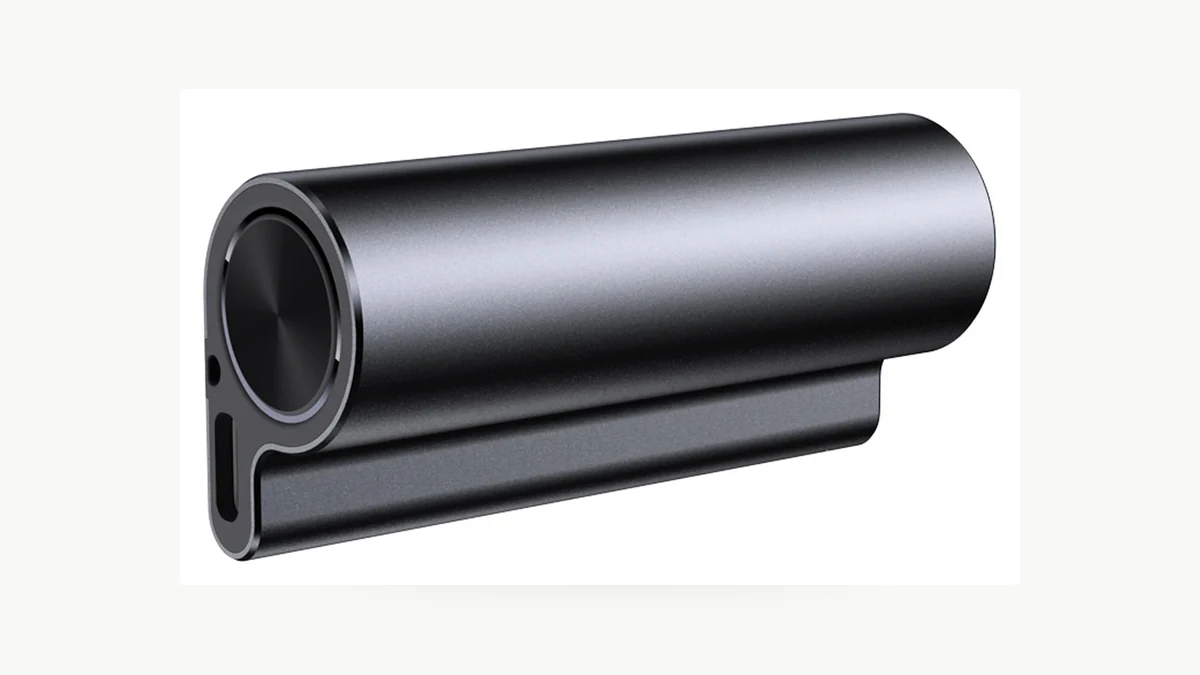
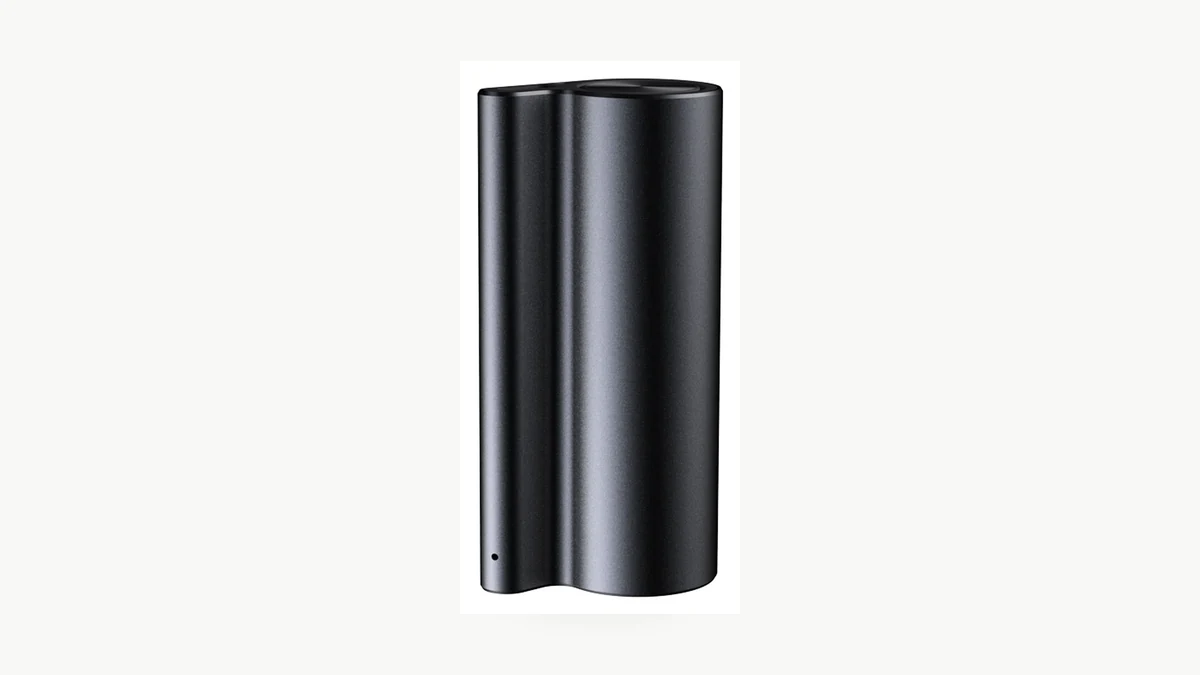
Real QZT Q79 side view. Housing size does not tell you whether battery runtime or storage will become the limiting factor first.
Keep these fields separate in a quotation:
| Field | Question it answers |
|---|---|
| Continuous recording runtime | How long can the charged recorder remain in continuous recording under the stated test condition? |
| Voice-activated/VOR behavior | When does the recorder save audio, and what speech can be missed around the trigger? |
| Standby time | How long can the device remain ready under the supplier’s standby condition? |
| Storage capacity | How many bytes of audio can remain in memory at the selected encoding? |
| Loop overwrite | What happens when storage fills? |
| File splitting | How are long sessions divided into files? |
A 365-day standby claim does not mean 365 days of continuous recording.
A 500-hour runtime claim does not mean every memory version can retain 500 hours of files.
A 64GB option does not prove the battery can record until all 64GB is filled.
How much storage does 192Kbit/s audio need?
The current Q70/Q73/Q79 source records list ADPCM at 192Kbit/s. That lets you do a simple planning calculation.
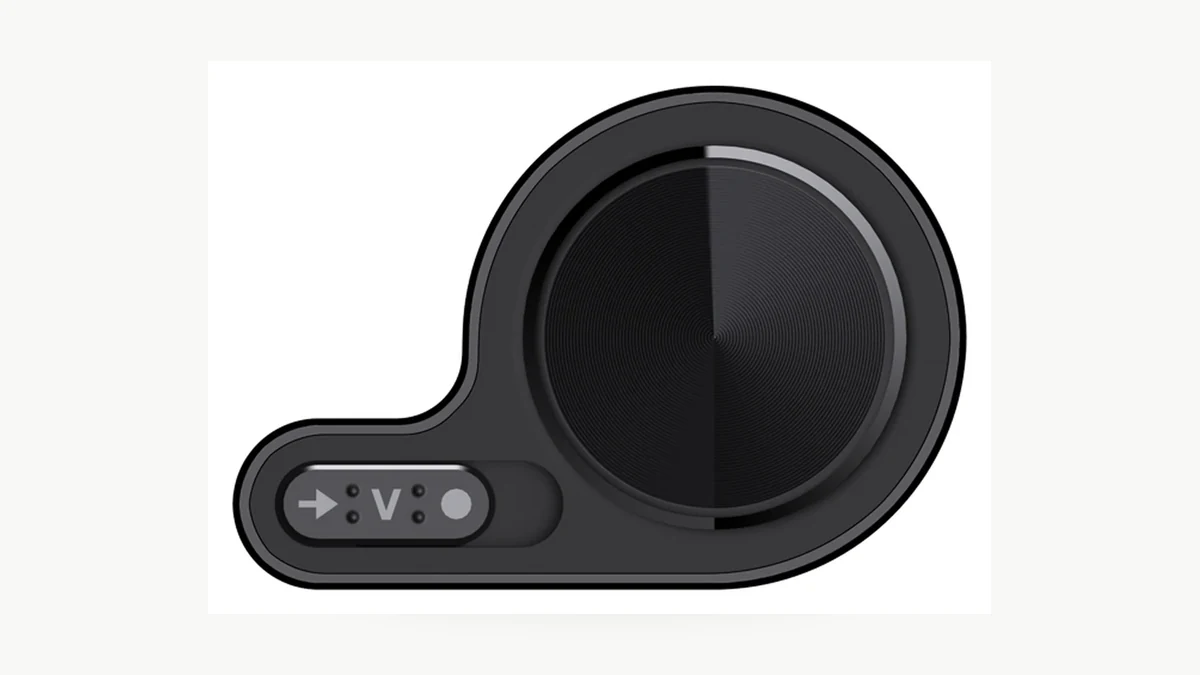
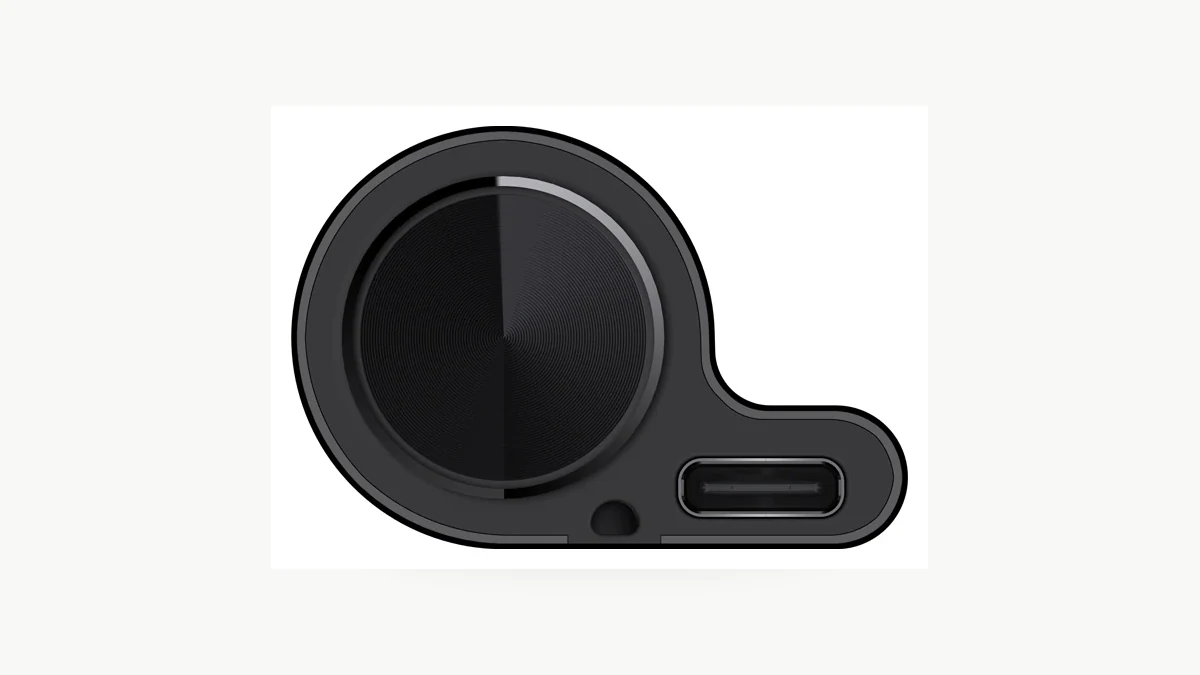
Real QZT Q79 control-end image. Storage planning should use the actual encoded file size from the approved sample, not the body appearance.
At 192Kbit/s:
bytes per hour ≈ 192,000 ÷ 8 × 3,600 = 86.4 MB/hour
Ignoring filesystem/container overhead:
– 8GB holds about 92.6 hours;
– 16GB holds about 185 hours;
– 32GB holds about 370 hours;
– 500 hours of audio needs about 43.2GB.
The Q70 source record says 8GB stores about 90 hours, which is consistent with that order of magnitude.
This calculation also exposes why runtime and capacity cannot be merged. A 32GB version recording near 192Kbit/s cannot retain 500 hours of unique audio at once without another behavior such as loop overwrite, a different actual encoded bitrate, or deleted/transferred files.
Use the arithmetic only as a planning check. The final storage figure should come from real sample files because container overhead, actual bitrate behavior and firmware file handling can change the result.
For a sample, record:
1. memory size reported by the device;
2. recording mode;
3. actual file format;
4. file size after a known number of minutes;
5. timestamp/file splitting behavior;
6. what happens when memory approaches full capacity.
Does voice activation make the recorder a “500-hour recorder”?
Voice activation changes when audio is written. It does not turn battery runtime, standby and storage into one number.
Real QZT Q79 control detail. Test voice activation with the actual speaking distance and background noise before relying on it.
Current Q70/Q73/Q79 source records list optional voice-activated recording. But a voice-activated mode can have its own trigger behavior.
The QZT VOR troubleshooting owner explains the safer test method: keep the original audio, identify the exact recorder, then compare continuous and voice-activated recordings under the same conditions.
Do not assume VOR means:
– the microphone fully powers down in silence;
– battery life increases by a fixed multiplier;
– every quiet word will trigger recording;
– pauses are always preserved;
– the supplier’s continuous-runtime figure becomes a longer guaranteed runtime.
For a magnetic long-battery recorder, test quiet speech, normal speech and short pauses before using voice activation for a long session.
What does the magnetic body change?
The magnet changes how the recorder can be positioned. It does not change the distinction between runtime and storage.
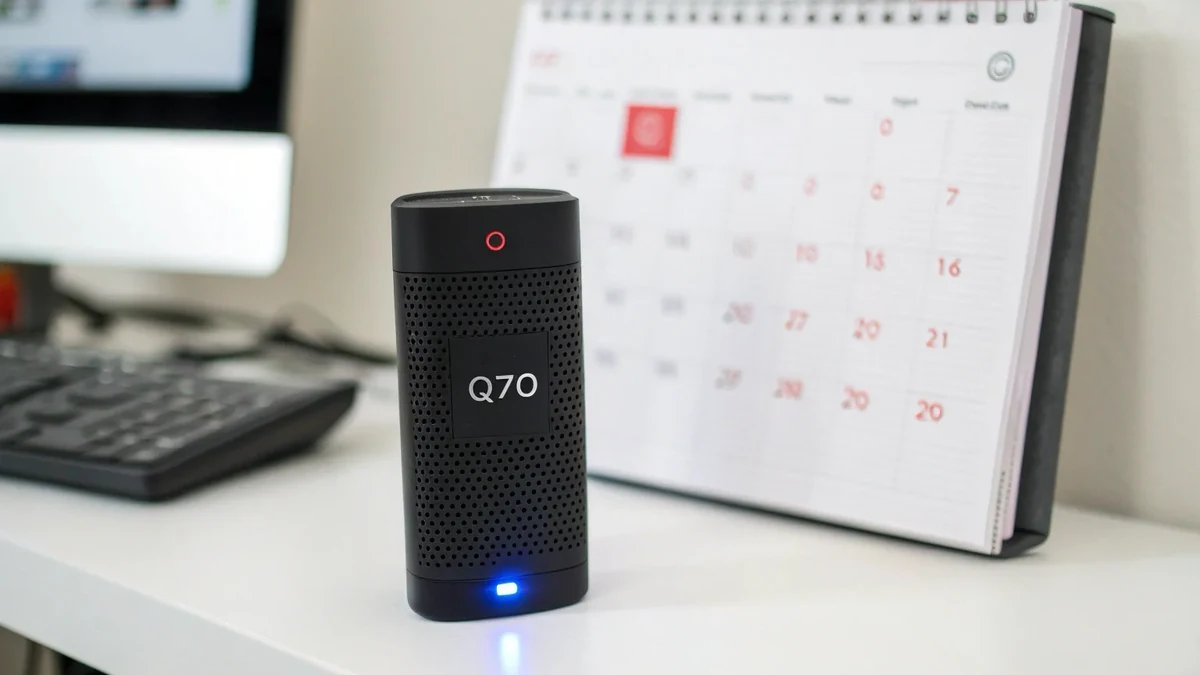
Real QZT Q70 product image. Use magnetic mounting only where recording is lawful and authorized, and test the actual surface and audio quality.
For an authorized recording setup, check:
– whether the surface is actually ferromagnetic;
– whether the recorder remains secure;
– whether the microphone opening is blocked;
– whether the hard surface transfers vibration or contact noise;
– whether the recorder can be retrieved for charging and file transfer;
– whether the chosen position changes speech clarity.
A strong magnetic hold does not prove useful audio. Make a short sample recording from the planned position and listen to the original file, not only a transcript.
Do not use a generic “best hiding place” list. The useful requirement is a lawful, authorized position that produces usable audio and can be serviced safely.
How should you verify a 500-hour supplier claim?
A long-runtime claim should be treated like any other endurance specification: define the condition, then measure the approved sample.
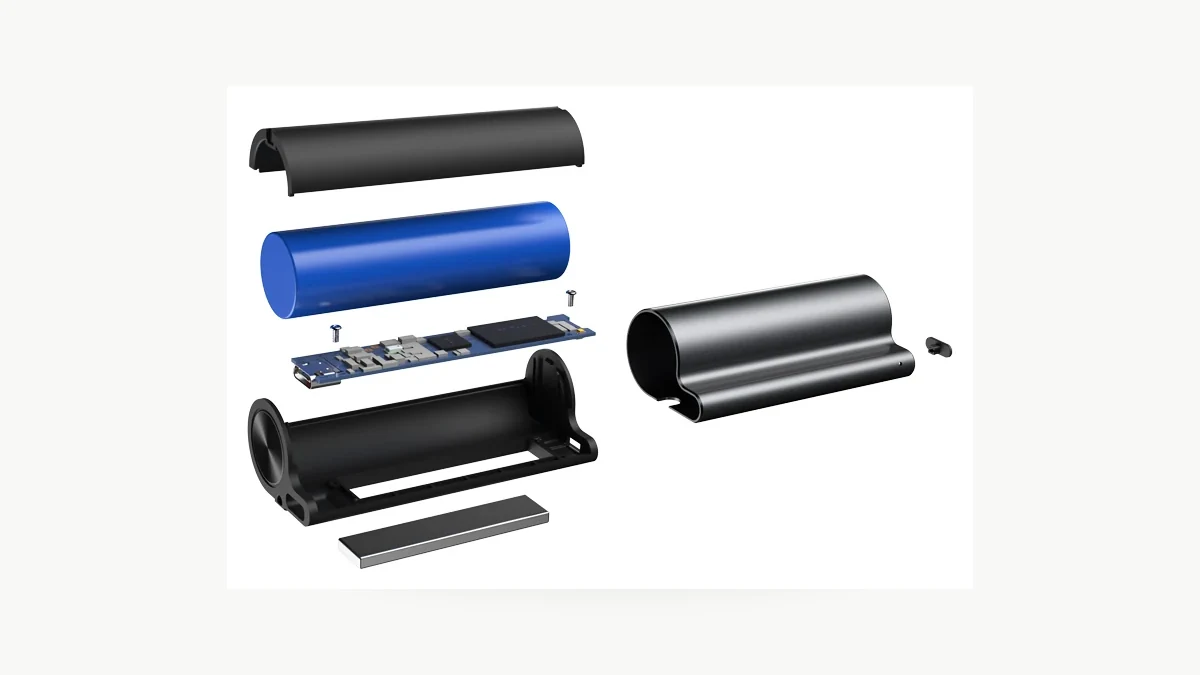
Real QZT Q79 supplier construction image. Use the delivered sample and its actual firmware/storage configuration for any endurance claim.
For a continuous-recording endurance check:
1. identify model, hardware/firmware and memory version;
2. fully charge the recorder using the approved method;
3. confirm continuous mode rather than VOR;
4. confirm actual bitrate/file format from the produced file;
5. note test start time;
6. keep the recorder in a controlled, authorized environment;
7. inspect file splitting and timestamps without deleting evidence;
8. record when the device stops, loops, overwrites or reaches a low-power condition;
9. compare retained file duration with total operating duration;
10. repeat if the result will be used as a customer-facing specification.
Record battery runtime and storage outcome separately:
| Test field | Result |
|---|---|
| Model / firmware | |
| Memory size | |
| Recording mode | Continuous / VOR |
| Listed bitrate | |
| Actual sample file size per hour | |
| Start charge condition | |
| Start time | |
| Stop / low-power time | |
| Total operating time | |
| Oldest retained file | |
| Newest retained file | |
| Loop overwrite occurred? | Yes / No |
| Missing/corrupt files? | Yes / No |
| Temperature / test environment | |
| Evidence | File list / timestamps / log |
Until that test exists, publish the number as supplier-listed, not as an independently verified QZT 500-hour endurance result.
Which current magnetic recorder fits which verification job?
Different QZT magnetic recorders should not inherit Q70/Q73/Q79 claims just because they also have a magnet.
Real QZT Q79 product photograph. Compare exact model specifications instead of applying one model’s 500-hour claim to every magnetic recorder.
Current examples:
| Model | Current page / source emphasis | Runtime wording |
|---|---|---|
| Q70 | 3000mAh, magnetic, 8/16/32GB | Supplier-listed up to 500h continuous; 365d standby |
| Q73 | 3000mAh, magnetic, up to 64GB | Supplier-listed up to 500h continuous; 365d standby |
| Q79 | 3000mAh, magnetic, 8–64GB source options | Supplier-listed up to 500h continuous; 365d standby |
| M2 | 380mAh, 4.5mm-thin magnetic body | Supplier-listed up to 60h continuous |
| Q95 | 2400mAh magnetic recorder + USB power output | Current page intentionally tells buyers to request a timed sample result rather than publishing a fixed runtime |
That last example is useful. “Magnetic recorder” is a form factor, not one battery specification.
Choose the exact model first, then verify its battery and storage independently.
Frequently asked questions
Does “500H” mean 500 hours of storage?
Not on the current Q70/Q73/Q79 source records. They list continuous recording time, standby and memory capacity as separate fields. Storage still has to be calculated and verified from the actual audio files.
Can 32GB store 500 hours at 192Kbit/s?
Not as 500 hours of unique audio at a constant 192Kbit/s. The theoretical audio payload is about 43.2GB for 500 hours before filesystem/container overhead. A 32GB version would need a different actual bitrate, file deletion/transfer, or loop overwrite before that point. Verify the real sample files.
Is 365-day standby the same as one year of recording?
No. Standby and continuous recording are different operating conditions.
Does VOR guarantee longer battery life?
No fixed multiplier should be assumed. Voice activation changes trigger behavior and may reduce stored silence, but actual battery use depends on the model/firmware and sound environment. Test continuous and VOR modes separately.
Are Q70, Q73 and Q79 independently tested by QZT for 500 hours?
This article treats 500 hours as a supplier-listed specification from the current source records. Do not present it as a QZT 500-hour endurance test unless a documented same-condition test is completed and retained.
Does every magnetic QZT recorder have 500-hour runtime?
No. Current magnetic models have different batteries and listed runtimes. M2, Q95, A1A and other magnetic products have their own specifications and should be quoted model by model.
The practical rule is: runtime tells you how long the recorder can operate; standby tells you how long it can remain ready; storage tells you how much audio can remain. Keep all three separate, then verify the approved sample.

 English
  Italiano
  Deutsch
  Français
  Español
  Polski