
SpyFocus appears repeatedly in social media ads targeting home users in the UK, Australia, and Europe. It promises 1080p night vision, wireless freedom, and no monthly subscription. But Reddit threads and forum discussions show a pattern of users who cannot find independent test results, returns contact details, or a verifiable company address behind the brand.
This review examines what SpyFocus camera reviews actually tell you — and what they leave out — by comparing its advertised claims against the real hardware benchmarks that matter for home and small office security.
What is SpyFocus and what kind of camera is it?
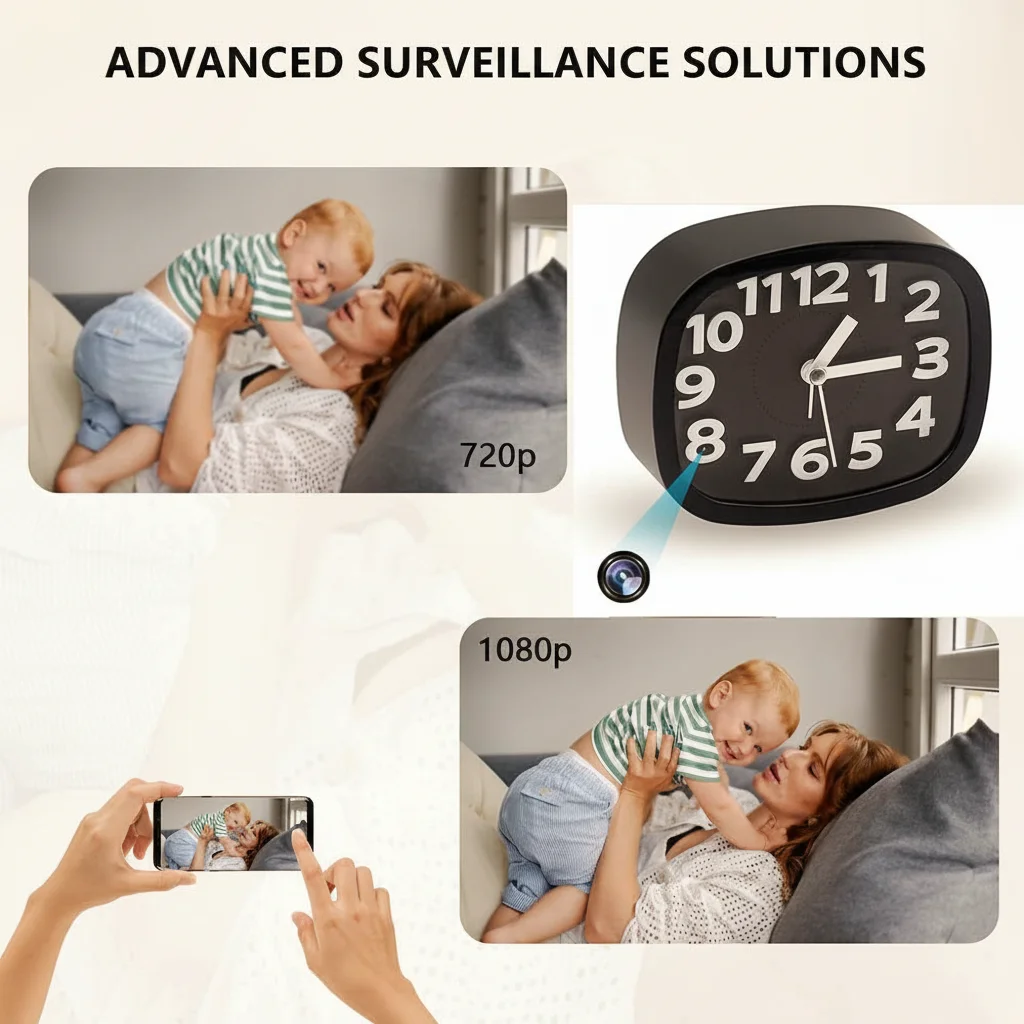
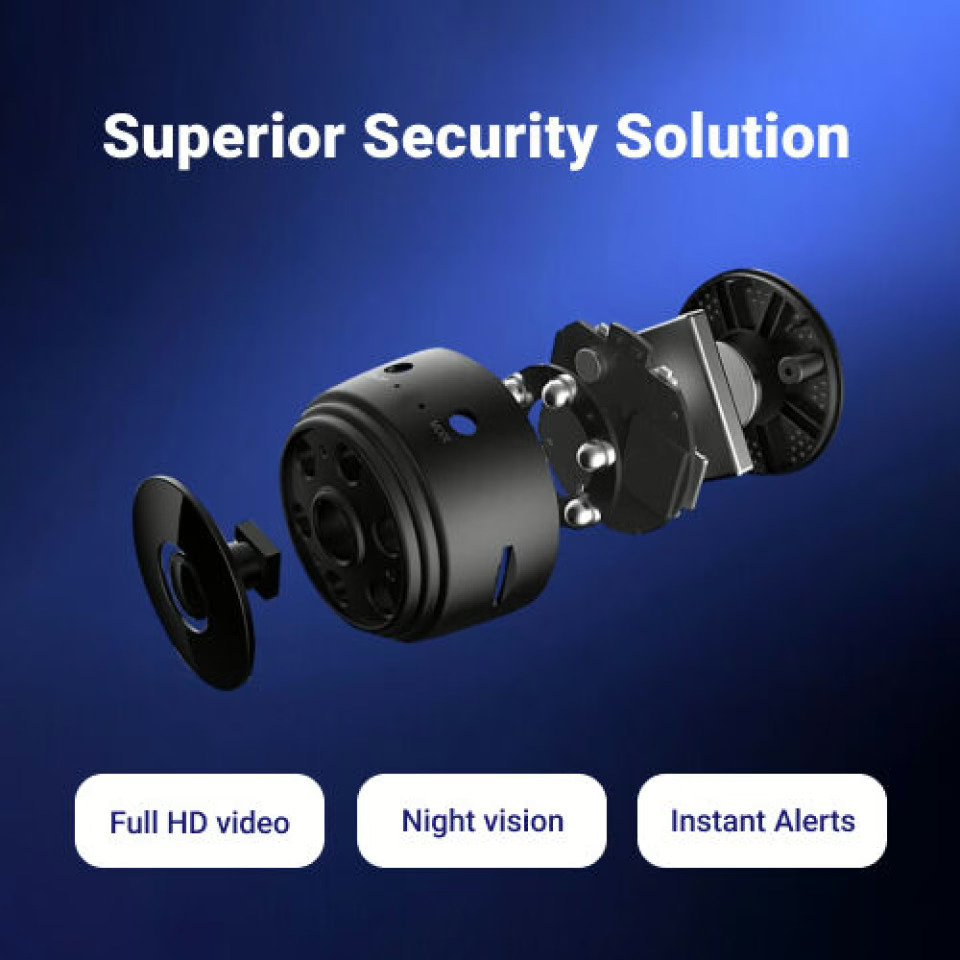
SpyFocus is marketed as a compact magnetic wireless security camera with 1080p video, auto night vision, motion detection, and two-way audio. Based on the product images and its advertised feature set, it sits in the category of cube-style P2P WiFi cameras — a type manufactured in large quantities and sold under dozens of different brand names.
The core concern raised across SpyFocus reviews is that the brand itself is difficult to verify. There is no manufacturer address, no FCC or CE certification number linked to a specific model, and the checkout redirects to a third-party affiliate fulfillment page. These are consistent signals of a drop-shipped generic product with a branded wrapper.
Is 1080p night vision on a wireless cube camera actually reliable?
1080p is the baseline for this category, not a differentiator. The real question is whether the night vision uses 850nm or 940nm IR LEDs, and what the actual usable range is in darkness. SpyFocus advertising does not specify the IR wavelength — which almost always means 850nm, producing a faint red glow visible to anyone looking at the camera in the dark.
For a camera claiming covert home security use, 850nm IR defeats the point. At 940nm, the illumination is truly invisible but limited to 3–5 meters. At 850nm, the range extends to 8–10 meters but the red dot is visible from several meters away. No reviewed SpyFocus camera review on record specifies the actual IR wavelength or provides effective range measurements in lux.
| Spec claim | What to verify | Why it matters |
|---|---|---|
| 1080p HD | Sensor size and compression bitrate | Low bitrate 1080p looks worse than high-bitrate 720p |
| Night vision | IR wavelength: 850nm vs 940nm | 850nm emits a red glow visible in the dark |
| Motion detection | PIR vs pixel-based | Pixel-based triggers from shadows and curtain movement |
| No subscription | Where is footage stored? | Cloud-only cameras stop working if the service ends |
How does motion detection actually work on cameras like this?

There are two types of motion detection in consumer hidden cameras: pixel-change detection (comparing frame differences) and PIR (passive infrared, which detects body heat). Cube-style WiFi cameras at this price point — including SpyFocus — almost always use pixel-change detection. This means the camera triggers when light changes, shadows move, or a curtain shifts.
In a busy household, pixel-change detection generates dozens of false alerts per hour. PIR-based detection, which filters for human body heat signatures, produces far fewer false triggers and is available in higher-quality hidden cameras. If you rely on motion alerts for real security notifications, you will start ignoring constant false alerts — which defeats the purpose.
What happens to your footage if the app or server goes offline?
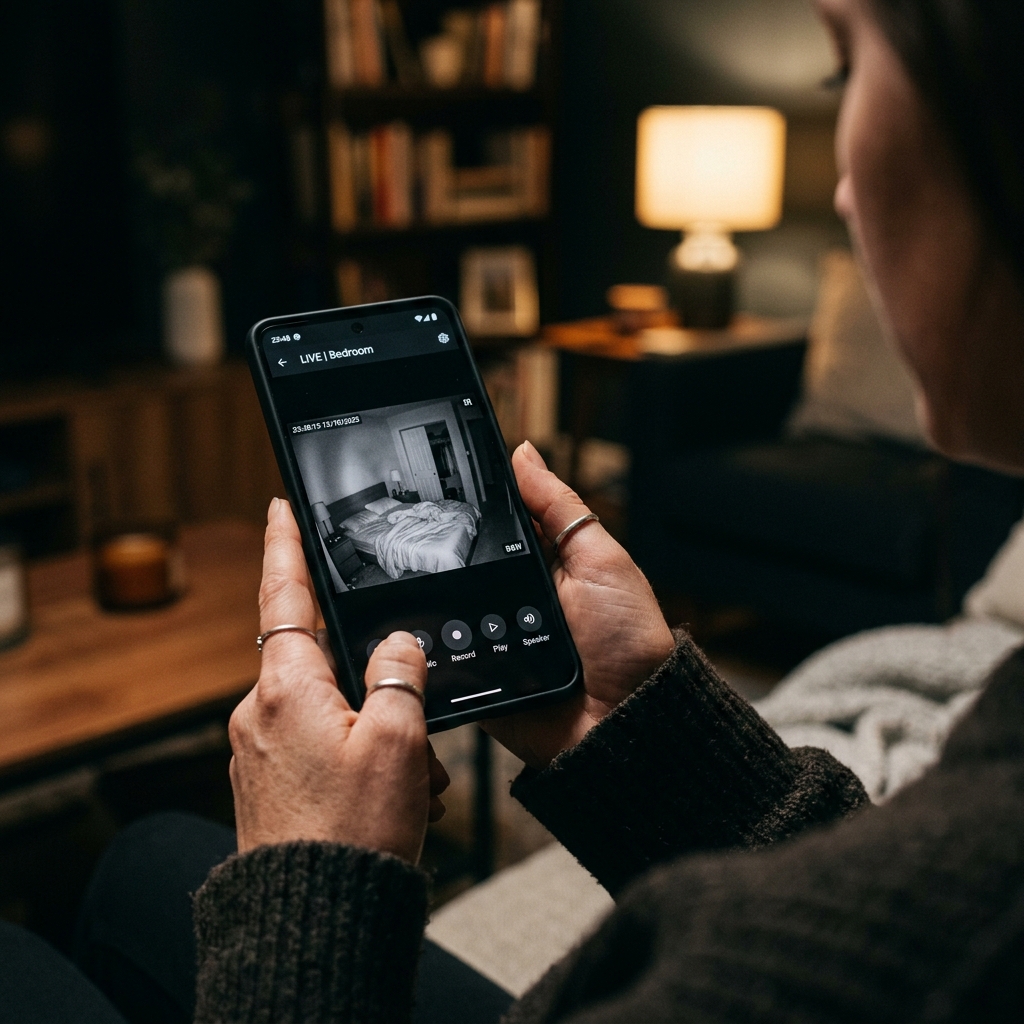
SpyFocus and similar P2P cube cameras connect through a cloud relay server. When you view footage remotely, your phone pings the manufacturer’s server, which bridges the connection to the camera. If the company stops maintaining those servers — a realistic outcome for a brand with no verifiable company registration — remote viewing stops working entirely.
Any camera without local MicroSD recording and direct LAN access becomes non-functional for remote monitoring when the P2P service is discontinued. Before buying any camera in this category, confirm: does it record locally to MicroSD without a WiFi connection? Can you access footage directly over your local network without a third-party server?
Which form factors give you better long-term value than a generic cube camera?
The magnetic cube format has a real limitation: battery life. A hand-sized cube camera typically has a 500–1,200mAh battery. With WiFi active and 1080p recording, that runs 60–90 minutes before charging is needed. This makes 24/7 unattended monitoring impossible without a permanent external power source.
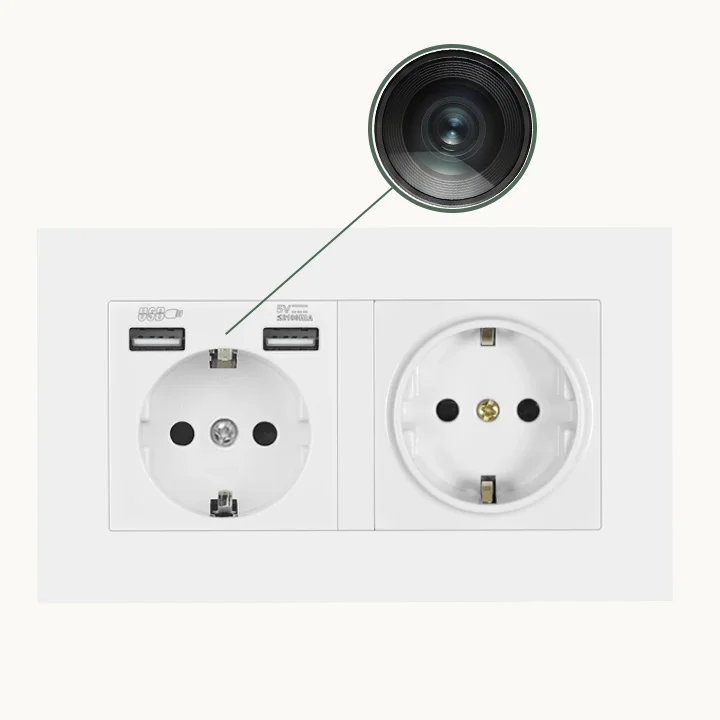
For continuous monitoring without battery management, a camera built into a functional object with direct power is significantly more practical:
- Clock-style hidden cameras plug into USB power and blend into any room without attracting attention.
- Socket cameras draw power directly from the wall — no battery management at all.
- DIY camera modules allow integration into custom housings with verified IR specifications and EU-compliant components.
Unlike generic drop-shipped products, CE-certified cameras come with actual test reports against which you can check the specific model number, not just a logo on packaging.
What should SpyFocus camera reviews have told you?
Honest SpyFocus reviews would confirm: the exact IR LED wavelength and verified night range in lux, the server infrastructure and what happens when the service ends, whether MicroSD recording works without WiFi, and the returns process and contact details for after-sales support. None of the affiliate-based SpyFocus security camera reviews currently ranking address these points — they repeat marketing claims without testing them.
FAQ
Is SpyFocus a legitimate security camera brand?
SpyFocus is marketed through paid ads and affiliate review sites but does not have a verifiable manufacturer registration, CE certification with a model-specific test report, or a traceable company address. The product images show a cube-style P2P WiFi camera available under multiple brand names. Verify the returns policy and server terms of service before purchasing.
What is the actual battery life of a SpyFocus camera during continuous recording?
SpyFocus advertising does not specify battery capacity or confirmed continuous recording time. Cameras in this form factor with similar hardware typically run 60 to 90 minutes on continuous 1080p recording with WiFi active. Motion-detection standby extends field time but does not enable true 24/7 monitoring without an external USB power source.
Can SpyFocus cameras record without WiFi?
This is not confirmed in SpyFocus marketing materials. P2P cube cameras in this category may record locally to a MicroSD card without a network connection, but remote viewing requires WiFi and an active P2P relay server. Confirm this specific capability before purchase — losing WiFi access should not mean losing your recorded footage.
What is a better alternative to a generic magnetic cube camera for home monitoring?
For fixed indoor locations, a WiFi clock camera or socket camera with direct AC power solves the battery limitation entirely. For buyers who need verifiable specs and CE documentation, sourcing from a manufacturer with traceable certification is more reliable than buying a branded generic product.
For verified hidden camera specifications, CE documentation, and after-sales support for EU and UK buyers, visit the QZT Security product range or contact us directly.

 English
  Italiano
  Deutsch
  Français
  Español
  Polski