
Una telecamera può rilevare il movimento senza registrare in continuo. Può anche inviare una notifica senza salvare la clip che ti aspettavi.
Considera queste come funzioni separate:
1. Rilevamento — la telecamera stabilisce che si è verificato un evento.
2. Notifica — l'app invia un avviso.
3. Registrazione eventi — la telecamera salva un clip attorno all'evento.
4. Registrazione continua — la telecamera registra per l'intero periodo programmato, comprese le pause tranquille tra un evento e l'altro.
Se la registrazione senza interruzioni è importante, non acquistare basandoti solo sulla dicitura “rilevamento del movimento”. Verifica che l'hardware e il firmware specifici supportino la registrazione continua sul percorso di archiviazione che intendi utilizzare.
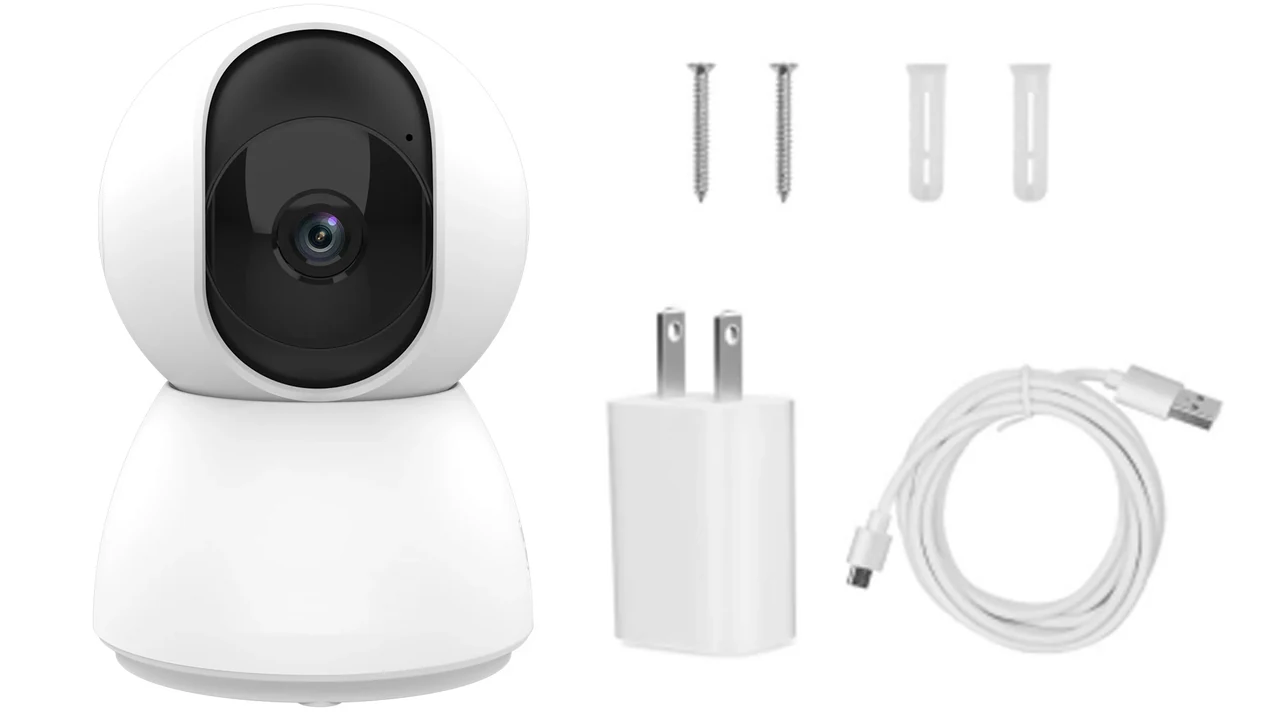
Scena reale del prodotto QZT C23B. La sua pagina attuale elenca le funzioni di rilevamento e archiviazione locale; questa immagine non prova la registrazione continua 24/7.
Rilevamento, notifica, clip dell'evento e archiviazione sono quattro risultati diversi
Un evento di movimento può superare una fase e fallirne un'altra.
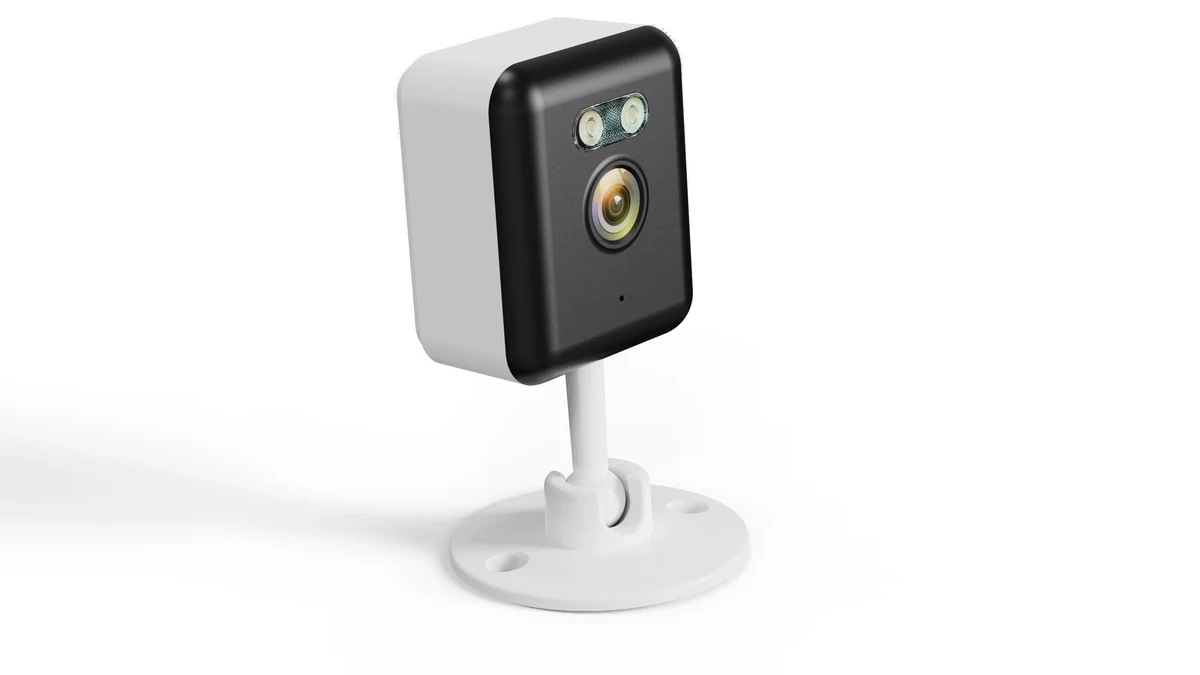
Immagine reale dell'applicazione QZT C12. Testa le quattro uscite separatamente invece di considerare un singolo avviso di movimento come prova che tutte le funzioni di registrazione hanno funzionato.
Ad esempio:
| What happened | Cosa dimostra | What it does non prove |
|---|---|---|
| L'icona del movimento appare nell'app | Il sistema ha rilevato un evento | A clip was saved |
| Phone receives a push notification | Alert delivery worked | Registrazione locale o cloud funzionante |
| Event clip is present | Quell'evento è stato registrato | Quiet periods were recorded |
| Timeline has uninterrupted footage | La registrazione continua ha funzionato per quel periodo | Every alert rule worked |
Questa separazione non è esclusiva di un solo marchio. La documentazione Tapo attuale di TP-Link, ad esempio, consente agli utenti di configurare rilevamento, notifiche e registrazione in modo indipendente. Anche la sua guida alla registrazione continua distingue registrazione continua da Registrazione su rilevamento. See Tapo detection settings E registrazione continua.
Quelle pagine sono esempi di come un moderno sistema di telecamere separa le funzioni. Non sono prova che un modello QZT utilizzi gli stessi menu.
La registrazione su movimento ha comunque regole di temporizzazione che devi testare
“Attivazione tramite movimento” non indica quanto video viene salvato attorno all'evento.
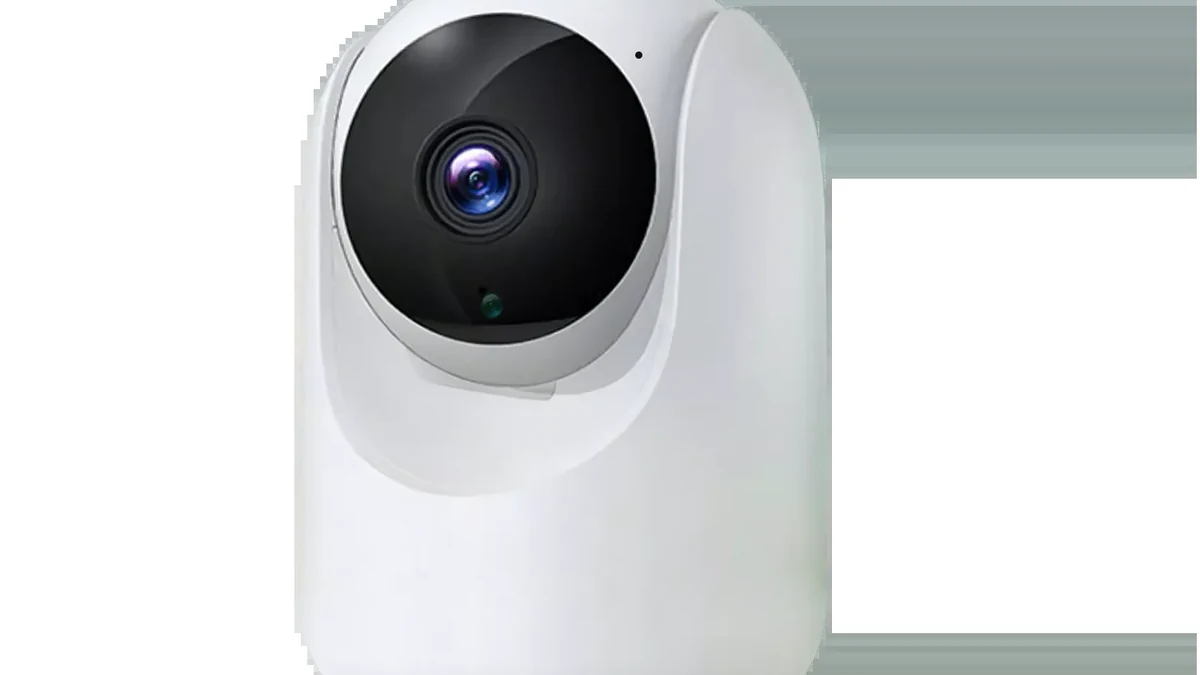
Scena reale del prodotto QZT C26. La temporizzazione degli eventi, il retrigger e il comportamento dei clip devono essere verificati sul firmware esatto anziché presunti dal fattore di forma del prodotto.
Per la telecamera esatta, registra:
– what starts an event: pixel change, person detection, PIR, sound, another trigger or a combination;
– se la telecamera dispone di un buffer pre-evento;
– per quanto tempo il clip salvato continua dopo l'evento;
– se un nuovo evento può estendere lo stesso clip;
– se esiste un tempo di attesa prima che un altro evento possa registrare;
– dove viene salvato il clip: microSD, hub, NVR, cloud o più di una posizione;
– se una notifica può arrivare anche quando la fase di registrazione fallisce;
– come si comporta la telecamera quando la scheda è piena o la rete non è disponibile.
Non pubblicare un generico “clip di 30 secondi” o “cooldown di cinque minuti” a meno che la documentazione esatta del modello o un test su campione supporti quel dato.
Un test di rilevamento del movimento utile dovrebbe includere movimento breve, movimento prolungato, due eventi ravvicinati e un evento che si verifica immediatamente dopo la fine del primo clip.
La registrazione continua deve essere esplicitamente supportata
Una telecamera alimentata con slot microSD non è automaticamente un registratore 24/7.
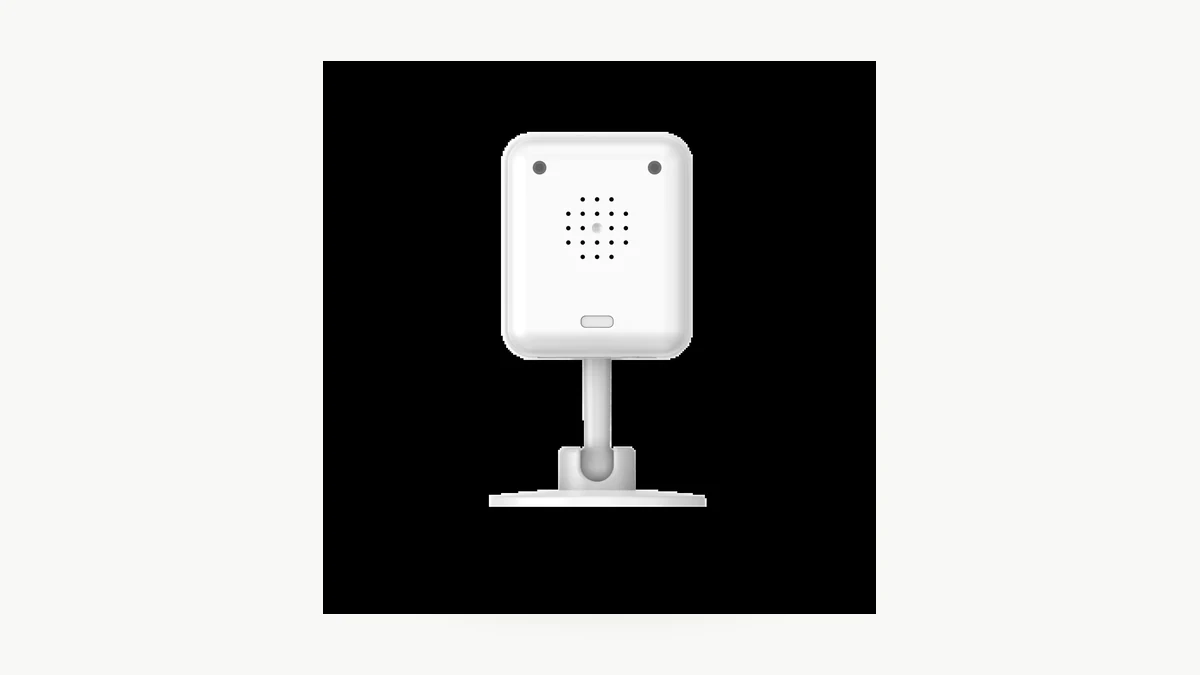
Immagine reale del prodotto QZT C12. La pagina attuale elenca l'archiviazione su microSD; questo articolo non la trasforma in un'affermazione di registrazione 24/7 non verificata.
La registrazione continua normalmente richiede che tutte queste condizioni siano soddisfatte:
– il firmware della telecamera supporta una modalità di registrazione continua o programmata;
– il percorso di archiviazione selezionato supporta quella modalità;
– power remains available;
– la scheda, l'hub o l'NVR ha sufficiente resistenza in scrittura e capacità;
– overwrite / loop behavior is configured as intended;
– la telecamera si ripristina correttamente dopo un'interruzione di alimentazione o di archiviazione.
Un esempio attuale di fornitore mostra ancora una volta perché la verifica a livello di modello è importante. La guida alla registrazione continua di Tapo del 26 giugno 2026 afferma che la registrazione continua deve essere supportata dal dispositivo e abilitata nelle impostazioni; dichiara inoltre che le sue telecamere e citofoni a batteria non supportano la registrazione continua. Quella documentazione è specifica del fornitore, ma l'abitudine alla verifica è ampiamente utile: il supporto deve essere confermato, non dedotto dal rilevamento del movimento o da uno slot per schede.
Se il tuo progetto richiede filmati 24/7, scrivi esplicitamente tale requisito nel test di accettazione del campione.
What current QZT indoor pages actually establish
Le attuali pagine QZT delle telecamere da interno forniscono specifiche iniziali utili, ma non tutte pubblicano un risultato verificato di registrazione continua.
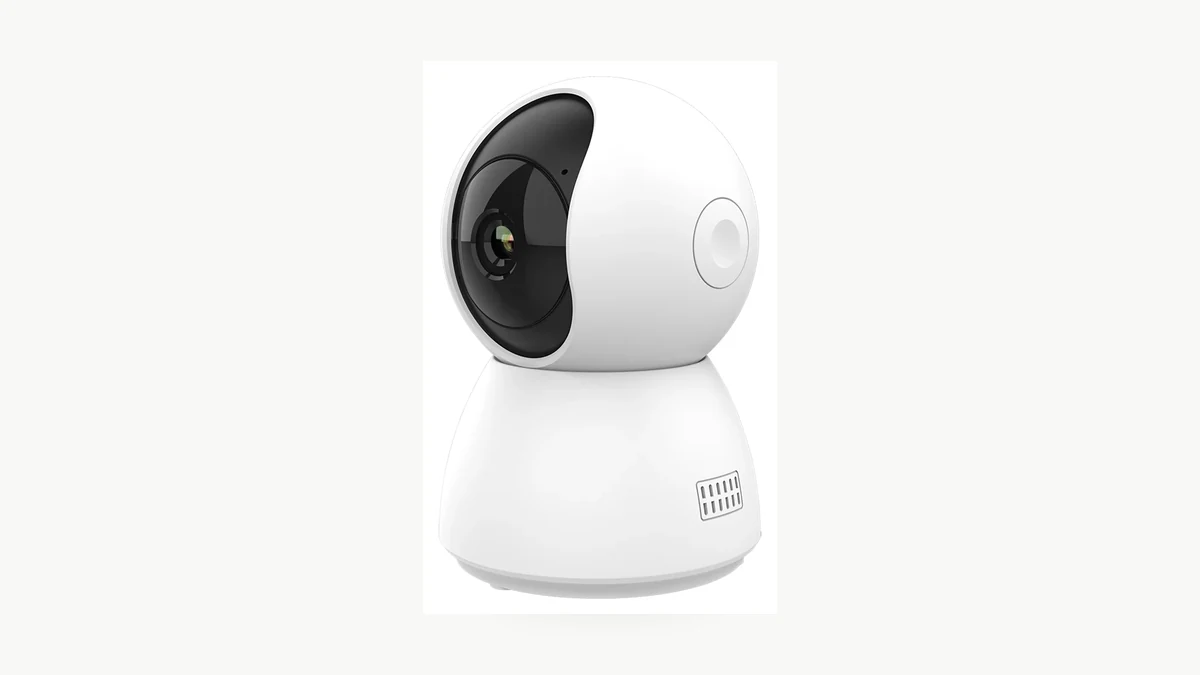
Fotografia reale del prodotto QZT C23B. La tabella seguente separa le specifiche pubbliche attuali dal comportamento di registrazione che necessita ancora di un test su campione.
| Modello QZT | Current page lists | Archiviazione locale | Stato di registrazione continua 24/7 in questo articolo |
|---|---|---|---|
| C12 | Rilevamento umano, di movimento e sonoro; avvisi; Tuya/Smart Life | MicroSD fino a 256GB | Not established on current public page |
| C23B | Rilevamento umano, di movimento e sonoro; avvisi; Tuya Smart | MicroSD fino a 256GB | Not established on current public page |
| C26 | Avvisi umani, di movimento e sonori; Tuya/Smart Life | MicroSD fino a 256GB | Not established on current public page |
Quella formulazione è importante.
Le pagine stabiliscono che questi modelli dispongono di funzioni di rilevamento e di un'opzione di archiviazione locale. Esse non, by themselves, establish:
– registrazione continua per ogni ora della settimana;
– pre-event buffer duration;
– event clip duration;
– cooldown behavior;
– comportamento di sovrascrittura in loop con la scheda selezionata;
– recovery after power loss;
– se le notifiche dell'app e le clip salvate utilizzano sempre la stessa politica di attivazione.
Finché il firmware/il manuale esatto o un test su un campione non conferma questi punti, manteneteli Non testato invece di ricavarli da un'altra famiglia di prodotti.
Verificate il filmato salvato, non solo l'avviso di movimento
Un test affidabile su un campione crea eventi riproducibili e poi verifica l'archivio effettivo.
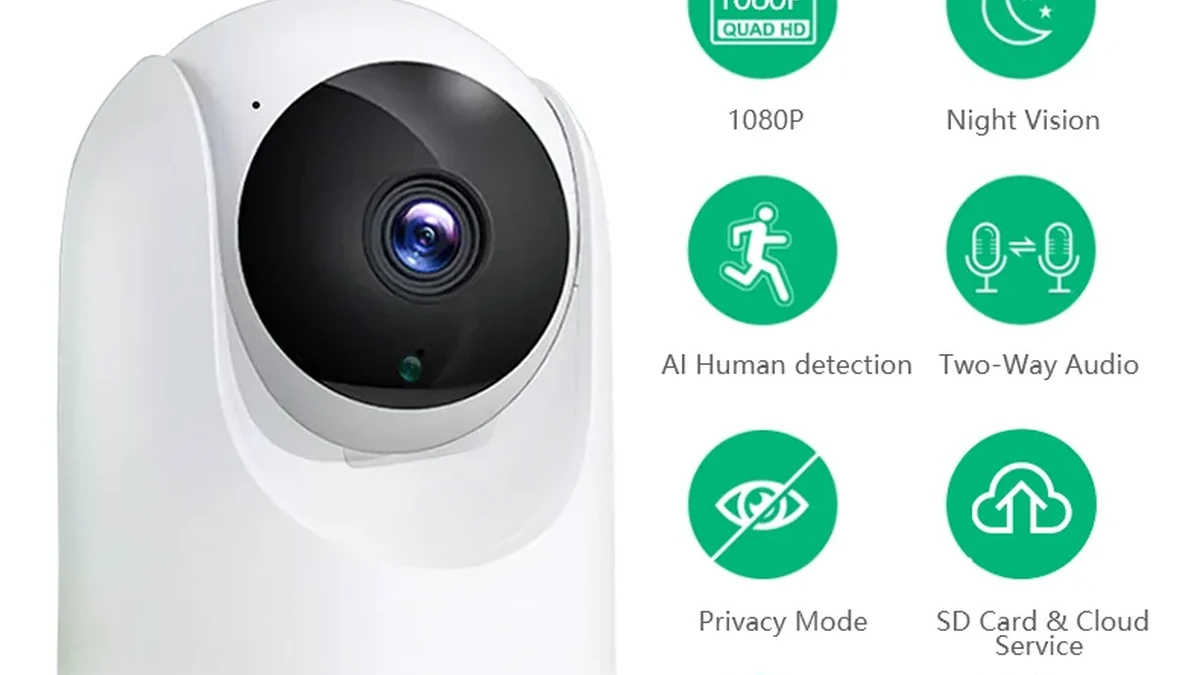
Immagine reale della confezione/prodotto QZT C26. Utilizzate l'hardware e il firmware approvati esatti per il test di accettazione della registrazione.
Per un'installazione di proprietà o autorizzata:
Test 1 — registrazione di base
1. confirm card / hub / NVR storage is recognized;
2. annotate firmware, pianificazione della registrazione e impostazioni di rilevamento;
3. create one known event;
4. confermate l'avviso;
5. confermate che il video previsto sia effettivamente salvato.
Test 2 — due eventi ravvicinati
Crea un evento, fai una breve pausa, poi crea un secondo evento. Verifica se ricevi:
– one long clip;
– two separate clips;
– one clip plus a missing second event;
– a notification without a saved second clip.
Test 3 — pianificazione continua, se il modello la supporta
Attivate la modalità continua documentata per una breve finestra di test. Dopo il test, ispezionate la timeline e confermate se sono presenti periodi di quiete tra gli eventi noti.
Test 4 — interruzione dell'archiviazione
Utilizzate il metodo supportato dal produttore per testare il comportamento in caso di scheda piena, archiviazione non disponibile o riavvio. Non rimuovete il supporto mentre il dispositivo sta scrivendo, a meno che il manuale lo consenta.
Registra i risultati:
| Campo | Risultato |
|---|---|
| Model / hardware / firmware | |
| Storage device / capacity / format | |
| Tipo di rilevamento e sensibilità | |
| Notifica | Superato / Non superato |
| Event clip saved | Superato / Non superato |
| Second close event saved | Superato / Non superato |
| Pre-event footage | Present / Absent / Not tested |
| Post-event duration | Observed value |
| Cooldown / retrigger | Observed behavior |
| Continuous mode available | Sì / No / Non testato |
| Finestra di test continuo completata | Superato / Non superato / Non testato |
| Loop / overwrite | Superato / Non superato / Non testato |
| Power-restart recovery | Superato / Non superato / Non testato |
| Prove | Clip / screenshot / log ID |
“Not tested” is better than a guessed capability.
Scegli la modalità in base alle prove di cui hai bisogno
La registrazione su movimento e la registrazione continua risolvono problemi diversi.
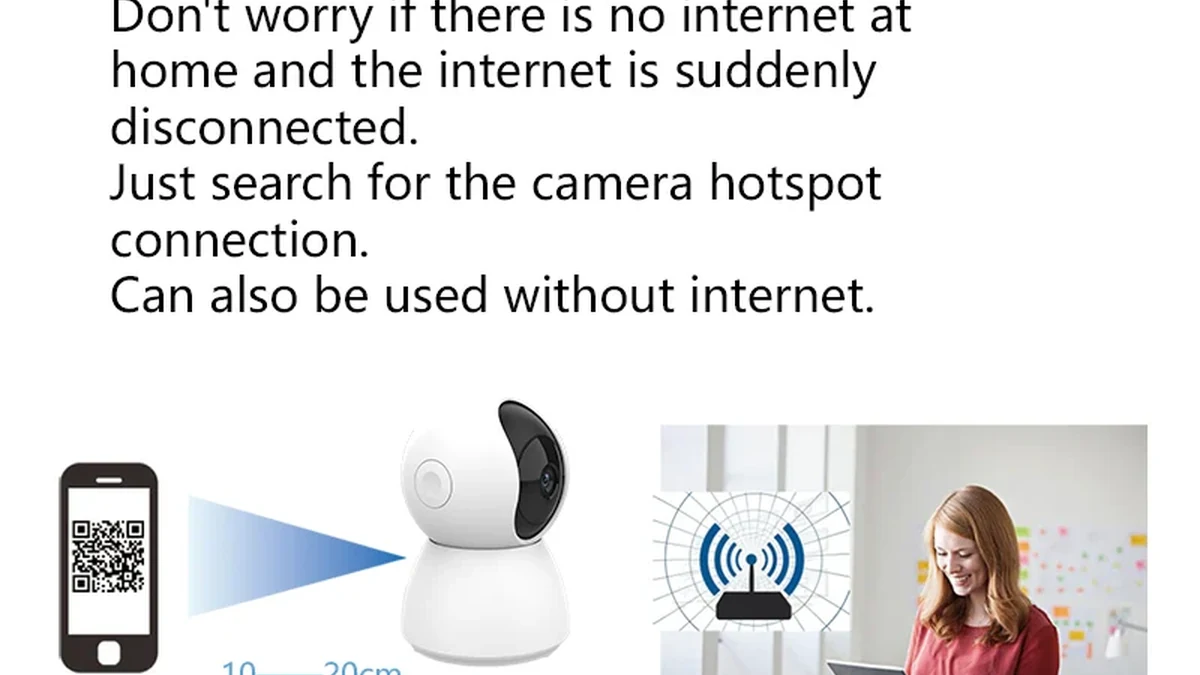
Immagine reale della confezione QZT C23B. Seleziona la modalità di registrazione in base alle prove richieste, non da un'etichetta generica di "smart camera".
Usa la registrazione su movimento/evento quando:
– you only need activity windows;
– l'efficienza di archiviazione e larghezza di banda è importante;
– gaps between events are acceptable;
– il trigger dell'evento è stato testato per la scena target.
Usa la registrazione continua quando:
– hai bisogno dei periodi di quiete tra gli eventi;
– missed triggers are unacceptable;
– il modello/percorso di archiviazione esatto supporta esplicitamente la modalità;
– alimentazione, resistenza della scheda e conservazione sono state pianificate.
Alcuni progetti richiedono entrambe le funzioni: registrazione locale continua più marcatori di eventi o notifiche per una revisione più rapida.
Se l'obiettivo di ricerca è "quale telecamera per interni registra 24/7", la risposta dovrebbe derivare da una funzionalità verificata e da un test di archiviazione, non dal fatto che la telecamera è collegata alla corrente. Una telecamera collegata può rimanere alimentata indefinitamente e avere comunque un firmware che salva solo clip di eventi.
Per le domande su batteria e autonomia complessiva, tienile separate da questa decisione sulla modalità di registrazione. La guida precedente sull'autonomia QZT dovrebbe occuparsi della questione della durata della batteria; questa pagina si occupa di cosa viene salvato e quando.
Domande frequenti
Il rilevamento del movimento significa che la telecamera registra il movimento?
Non sempre. Il rilevamento può essere utilizzato per notifiche, allarmi, tracciamento o registrazione a seconda del modello e delle impostazioni. Verifica che l'evento produca la clip salvata di cui hai bisogno.
Una scheda microSD significa che la telecamera può registrare 24/7?
No. Uno slot per scheda o una specifica di archiviazione locale non dimostra che la registrazione continua sia supportata. Controlla il modello esatto, il firmware e le opzioni di pianificazione della registrazione.
La registrazione continua è la stessa cosa del rilevamento di movimento senza tempo di attesa?
No. La registrazione continua salva l'intero periodo programmato. La registrazione su evento dipende comunque dalla logica di attivazione, anche se gli eventi possono riattivarsi rapidamente.
Una telecamera può inviare una notifica ma non salvare il filmato?
Sì, queste funzioni possono essere separate. Errori di archiviazione, configurazione del servizio o policy di registrazione possono produrre un avviso senza l'archivio previsto. Verificare entrambi.
Le telecamere a batteria registrano in modo continuo?
Non dare per scontato che lo facciano. Il supporto dipende dal modello. Come esempio attuale, TP-Link dichiara che le sue telecamere a batteria Tapo e i campanelli non supportano la registrazione continua. Verifica il tuo modello esatto invece di generalizzare da un'altra marca.
Quanto spazio di archiviazione richiede la registrazione 24/7?
Calcola dal bitrate effettivo o da un file campione misurato per la telecamera e la modalità selezionate. La sola risoluzione non basta. La guida QZT How Much SD Card Storage Does a 1080p Spy Camera Need? tratta il metodo basato sul bitrate.
La regola pratica è: il rilevamento di movimento ti dice che qualcosa potrebbe essere accaduto; l'archivio ti dice cosa è stato effettivamente salvato. Verifica entrambi prima di fare affidamento sull'installazione.

 English
  Italiano
  Deutsch
  Français
  Español
  Polski