
Eine Kamera kann Bewegung erkennen, ohne kontinuierlich aufzuzeichnen. Sie kann auch eine Benachrichtigung senden, ohne den erwarteten Clip zu speichern.
Behandeln Sie diese als separate Funktionen:
1. Erkennung — die Kamera entscheidet, dass ein Ereignis stattgefunden hat.
2. Benachrichtigung — die App sendet eine Benachrichtigung.
3. Ereignisaufzeichnung — die Kamera speichert einen Clip rund um das Ereignis.
4. Kontinuierliche Aufnahme — die Kamera zeichnet während des gesamten geplanten Zeitraums auf, einschließlich der ruhigen Lücken zwischen Ereignissen.
Wenn unterbrechungsfreies Material wichtig ist, kaufen Sie nicht allein aufgrund des Begriffs „Bewegungserkennung“. Bestätigen Sie, dass die genaue Hardware und Firmware die kontinuierliche Aufzeichnung auf den von Ihnen geplanten Speicherpfad unterstützen.
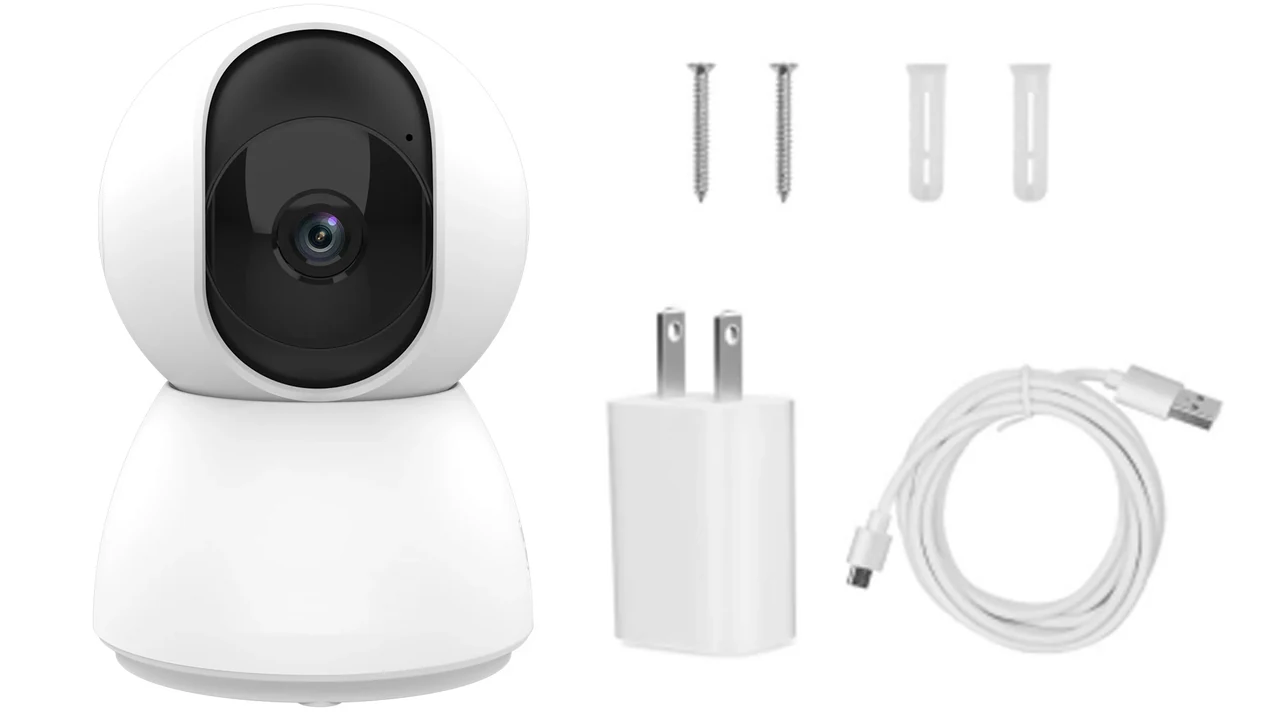
Echte QZT C23B Produktszene. Die aktuelle Seite listet Erkennungs- und lokale Speicherfunktionen auf; dieses Bild beweist keine kontinuierliche 24/7-Aufzeichnung.
Erkennung, Benachrichtigung, Ereignisclip und Archiv sind vier verschiedene Ergebnisse
Ein Bewegungsereignis kann einen Schritt bestehen und bei einem anderen fehlschlagen.
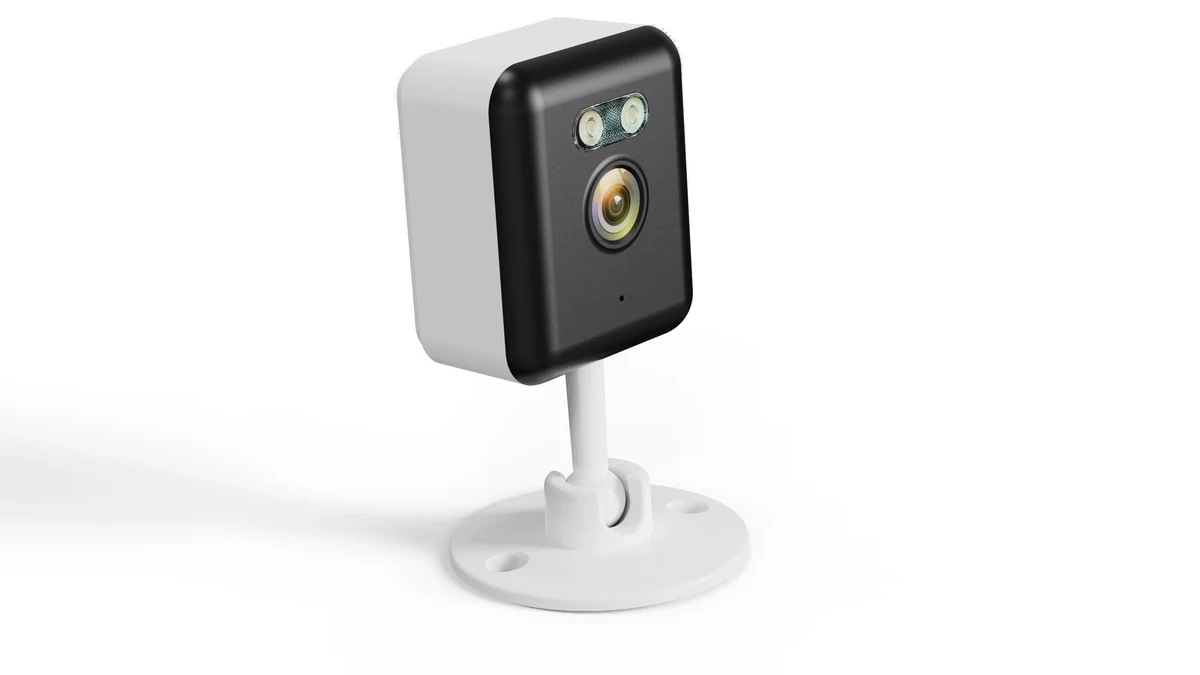
Echtes QZT C12 Anwendungsbild. Testen Sie die vier Ausgaben separat, anstatt eine Bewegungsmeldung als Beweis dafür zu behandeln, dass jede Aufzeichnungsfunktion funktioniert hat.
Zum Beispiel:
| What happened | Was es belegt | What it does nicht prove |
|---|---|---|
| Bewegungssymbol erscheint in der App | Das System hat ein Ereignis erkannt | A clip was saved |
| Phone receives a push notification | Alert delivery worked | Lokale oder Cloud-Aufnahme funktionierte |
| Event clip is present | Dieses Ereignis wurde aufgezeichnet | Quiet periods were recorded |
| Timeline has uninterrupted footage | Kontinuierliche Aufzeichnung funktionierte für diesen Zeitraum | Every alert rule worked |
Diese Trennung ist nicht einzigartig für eine Marke. Die aktuelle Tapo-Dokumentation von TP-Link beispielsweise ermöglicht es Benutzern, Erkennung, Benachrichtigungen und Aufzeichnung unabhängig zu konfigurieren. Ihr Leitfaden zur kontinuierlichen Aufzeichnung unterscheidet auch kontinuierliche Aufzeichnung von Erkennungsaufnahme. See Tapo detection settings Und Kontinuierliche Aufnahme.
Diese Seiten sind Beispiele dafür, wie ein modernes Kamerasystem die Funktionen trennt. Sie sind kein Beweis dafür, dass ein QZT-Modell dieselben Menüs verwendet.
Bewegungsaufzeichnung hat immer noch Zeitregeln, die Sie testen müssen
„Bewegungsaktiviert“ sagt Ihnen nicht, wie viel Video rund um das Ereignis gespeichert wird.
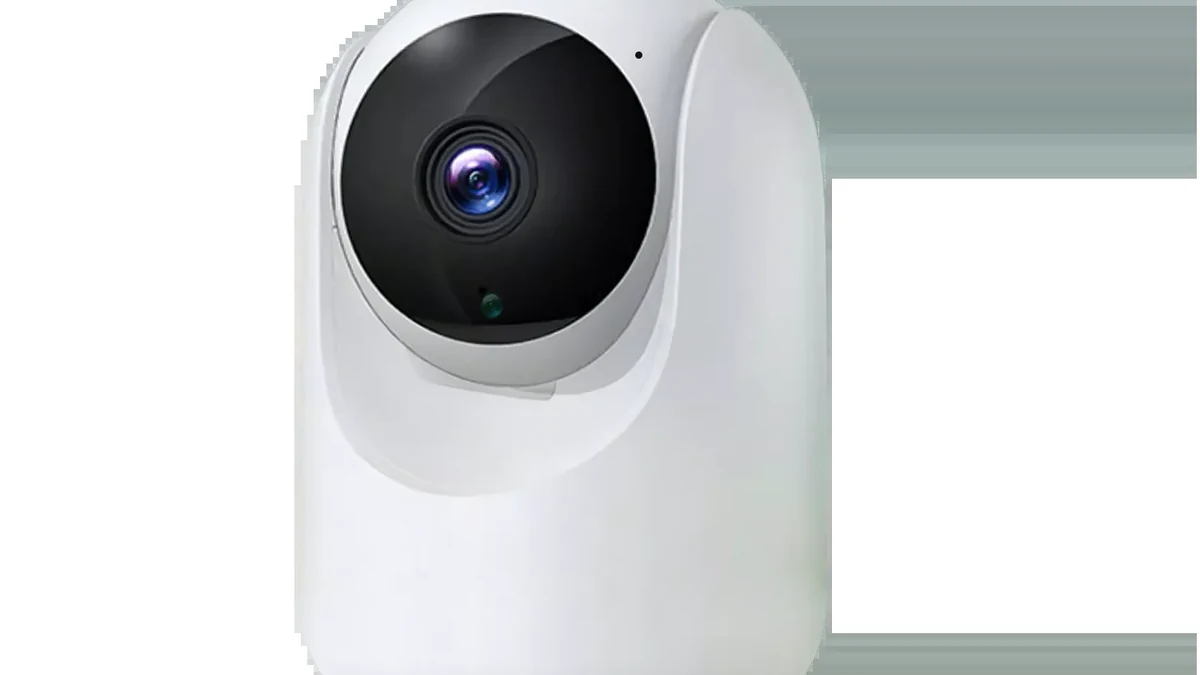
Echte QZT C26 Produktszene. Ereignis-Timing, Retrigger und Clip-Verhalten müssen auf der genauen Firmware überprüft werden, anstatt vom Produktformfaktor angenommen zu werden.
Für die genaue Kamera aufzeichnen:
– what starts an event: pixel change, person detection, PIR, sound, another trigger or a combination;
– ob die Kamera einen Pre-Event-Puffer hat;
– wie lange der gespeicherte Clip nach dem Ereignis weiterläuft;
– ob ein neues Ereignis denselben Clip verlängern kann;
– ob es eine Abklingzeit gibt, bevor ein weiteres Ereignis aufgezeichnet werden kann;
– wo der Clip gespeichert wird: microSD, Hub, NVR, Cloud oder mehr als ein Ort;
– ob eine Benachrichtigung eintreffen kann, selbst wenn der Aufzeichnungsschritt fehlschlägt;
– wie sich die Kamera verhält, wenn die Karte voll ist oder das Netzwerk nicht verfügbar ist.
Veröffentlichen Sie keine allgemeinen Angaben wie „30-Sekunden-Clip“ oder „fünf Minuten Abklingzeit“, es sei denn, die genaue Modelldokumentation oder ein Mustertest belegt diese Zahl.
Ein aussagekräftiger Bewegungstest sollte kurze Bewegung, anhaltende Bewegung, zwei dicht aufeinanderfolgende Ereignisse und ein Ereignis unmittelbar nach Ende des ersten Clips umfassen.
Kontinuierliche Aufnahme muss ausdrücklich unterstützt werden
Eine mit Strom versorgte Kamera mit microSD-Steckplatz ist nicht automatisch ein 24/7-Rekorder.
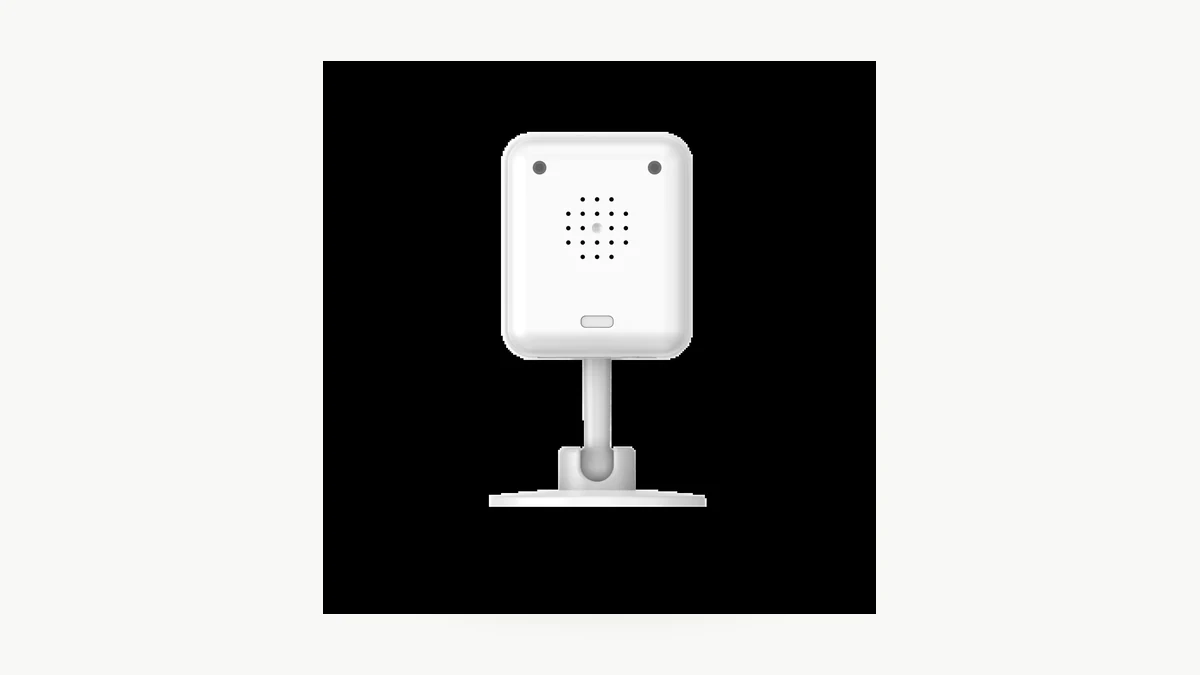
Echtes Produktbild der QZT C12. Die aktuelle Seite listet microSD-Speicher auf; dieser Artikel macht daraus keine unbestätigte 24/7-Aufzeichnungsaussage.
Kontinuierliche Aufnahme erfordert normalerweise, dass all dies zusammenpasst:
– die Kamera-Firmware unterstützt einen kontinuierlichen oder geplanten Aufnahmemodus;
– der gewählte Speicherpfad diesen Modus unterstützt;
– power remains available;
– die Karte, der Hub oder der NVR über ausreichende Schreibausdauer und Kapazität verfügt;
– overwrite / loop behavior is configured as intended;
– die Kamera sich nach einer Strom- oder Speicherunterbrechung korrekt wiederherstellt.
Ein aktuelles Herstellerbeispiel zeigt erneut, warum die Überprüfung auf Modellebene wichtig ist. Der Leitfaden von Tapo vom 26. Juni 2026 zur kontinuierlichen Aufzeichnung besagt, dass die kontinuierliche Aufzeichnung vom Gerät unterstützt und in den Einstellungen aktiviert werden muss; außerdem wird darin festgestellt, dass die batteriebetriebenen Kameras und Türklingeln von Tapo die kontinuierliche Aufzeichnung nicht unterstützen. Diese Dokumentation ist herstellerspezifisch, aber die Überprüfungsgewohnheit ist allgemein nützlich: Die Unterstützung muss bestätigt werden und darf nicht aus der Bewegungs erkennung oder einem Kartensteckplatz abgeleitet werden.
Wenn Ihr Projekt 24/7-Aufnahmen erfordert, schreiben Sie diese Anforderung ausdrücklich in den Muster-Abnahmetest.
What current QZT indoor pages actually establish
Die aktuellen QZT-Innenkamera-Seiten liefern nützliche Ausgangsspezifikationen, aber nicht alle veröffentlichen ein verifiziertes Ergebnis zur kontinuierlichen Aufnahme.
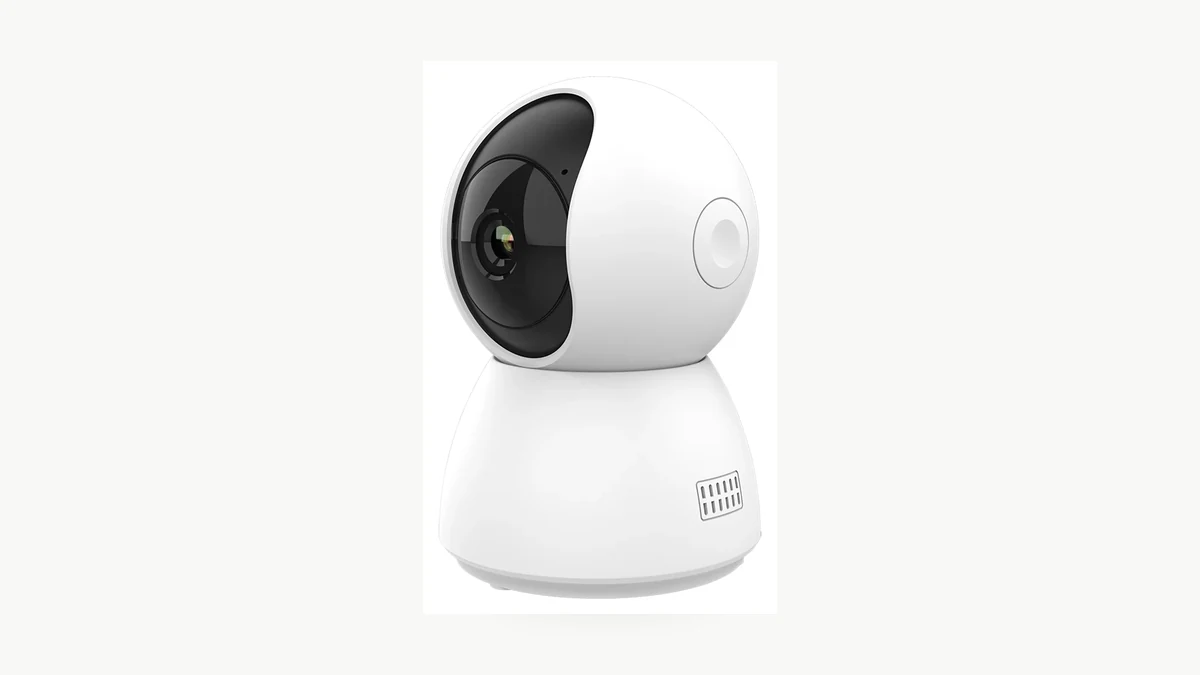
Echtes Produktfoto der QZT C23B. Die folgende Tabelle trennt aktuelle öffentliche Spezifikationen von Aufzeichnungsverhalten, das noch einen Mustertest erfordert.
| QZT-Modell | Current page lists | Lokaler Speicher | Status der kontinuierlichen 24/7-Aufzeichnung in diesem Artikel |
|---|---|---|---|
| C12 | Personen-, Bewegungs- und Tonerkennung; Benachrichtigungen; Tuya/Smart Life | MicroSD bis zu 256 GB | Not established on current public page |
| C23B | Personen-, Bewegungs- und Tonerkennung; Benachrichtigungen; Tuya Smart | MicroSD bis zu 256 GB | Not established on current public page |
| C26 | Personen-, Bewegungs- und Tonbenachrichtigungen; Tuya/Smart Life | MicroSD bis zu 256 GB | Not established on current public page |
Diese Formulierung ist wichtig.
Die Seiten belegen, dass diese Modelle über Erkennungsfunktionen und eine Option zur lokalen Speicherung verfügen. Sie nicht, by themselves, establish:
– kontinuierliche Aufzeichnung für jede Stunde der Woche;
– pre-event buffer duration;
– event clip duration;
– cooldown behavior;
– Loop-Überschreibungsverhalten bei Ihrer ausgewählten Speicherkarte;
– recovery after power loss;
– ob App-Benachrichtigungen und gespeicherte Clips stets dieselbe Auslöserichtlinie verwenden.
Bis die genaue Firmware/das Handbuch oder ein Mustertest diese Punkte bestätigt, halten Sie sie Nicht getestet anstatt sie aus einer anderen Produktfamilie zu übernehmen.
Testen Sie das gespeicherte Material, nicht nur den Bewegungsalarm
Ein zuverlässiger Mustertest erzeugt reproduzierbare Ereignisse und überprüft anschließend das tatsächliche Archiv.
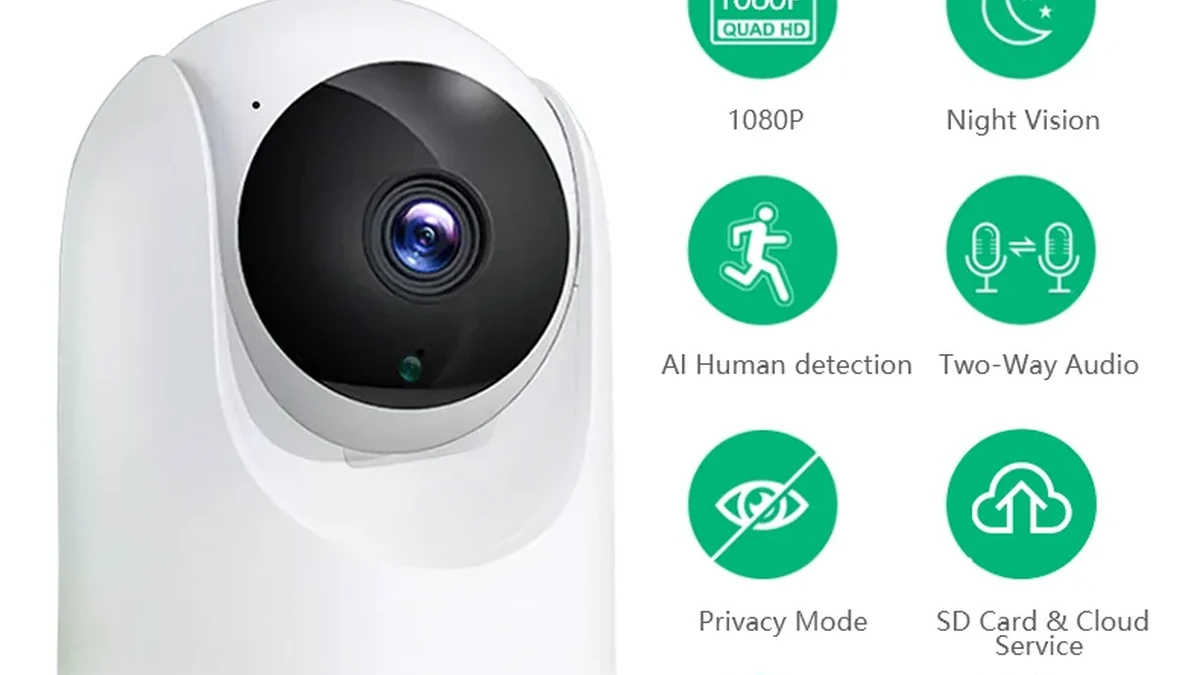
Echtes QZT C26 Verpackungs-/Produktbild. Verwenden Sie für den Aufnahme-Abnahmetest die exakt freigegebene Hardware und Firmware.
Für eine eigene oder autorisierte Installation:
Test 1 — Basisaufzeichnung
1. confirm card / hub / NVR storage is recognized;
2. Firmware, Aufnahmezeitplan und Erkennungseinstellungen notieren;
3. create one known event;
4. den Alarm bestätigen;
5. bestätigen, dass das erwartete Video tatsächlich gespeichert wird.
Test 2 — zwei dicht aufeinanderfolgende Ereignisse
Erstellen Sie ein Ereignis, pausieren Sie kurz und erstellen Sie dann ein zweites Ereignis. Prüfen Sie, ob Sie Folgendes erhalten:
– one long clip;
– two separate clips;
– one clip plus a missing second event;
– a notification without a saved second clip.
Test 3 — kontinuierlicher Zeitplan, sofern das Modell dies unterstützt
Aktivieren Sie den dokumentierten kontinuierlichen Modus für ein kurzes Testfenster. Überprüfen Sie nach dem Test die Zeitleiste und bestätigen Sie, ob zwischen den bekannten Ereignissen Ruhephasen vorhanden sind.
Test 4 — Speicherunterbrechung
Verwenden Sie die vom Hersteller unterstützte Methode, um das Verhalten bei voller Speicherkarte, nicht verfügbarem Speicher oder Neustart zu testen. Entfernen Sie das Speichermedium nicht, während das Gerät schreibt, es sei denn, das Handbuch erlaubt dies.
Ergebnisse protokollieren:
| Field | Ergebnis |
|---|---|
| Model / hardware / firmware | |
| Storage device / capacity / format | |
| Erkennungstyp und Empfindlichkeit | |
| Benachrichtigung | Bestanden / Nicht bestanden |
| Event clip saved | Bestanden / Nicht bestanden |
| Second close event saved | Bestanden / Nicht bestanden |
| Pre-event footage | Present / Absent / Not tested |
| Post-event duration | Observed value |
| Cooldown / retrigger | Observed behavior |
| Continuous mode available | Ja / Nein / Nicht getestet |
| Kontinuierliches Testfenster abgeschlossen | Bestanden / Nicht bestanden / Nicht getestet |
| Loop / overwrite | Bestanden / Nicht bestanden / Nicht getestet |
| Power-restart recovery | Bestanden / Nicht bestanden / Nicht getestet |
| Nachweise | Clip / screenshot / log ID |
“Not tested” is better than a guessed capability.
Wählen Sie den Modus anhand der benötigten Beweise
Bewegungsaufzeichnung und kontinuierliche Aufzeichnung lösen unterschiedliche Probleme.
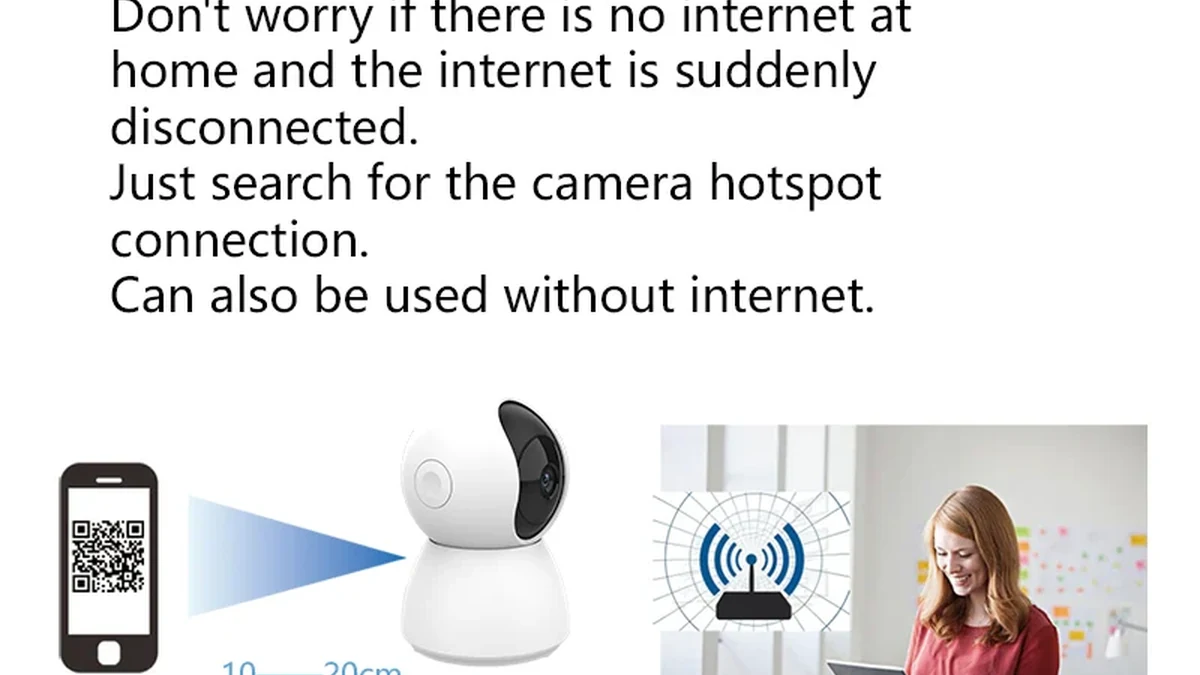
Echtes QZT C23B Verpackungsbild. Wählen Sie den Aufzeichnungsmodus anhand der erforderlichen Beweise, nicht anhand eines allgemeinen „Smart Camera“-Labels.
Verwenden Sie Bewegungs-/Ereignisaufzeichnung, wenn:
– you only need activity windows;
– Speicher- und Bandbreiteneffizienz wichtig sind;
– gaps between events are acceptable;
– der Ereignisauslöser für die Zielszene getestet wurde.
Verwenden Sie kontinuierliche Aufzeichnung, wenn:
– Sie die Ruhephasen zwischen Ereignissen benötigen;
– missed triggers are unacceptable;
– das genaue Modell/der Speicherpfad den Modus explizit unterstützt;
– Stromversorgung, Kartenausdauer und Aufbewahrung geplant wurden.
Manche Projekte benötigen beides: kontinuierliche lokale Aufnahme plus Ereignismarker oder Benachrichtigungen für eine schnellere Überprüfung.
Wenn die Suchaufgabe „Welche Innenkamera zeichnet 24/7 auf“ lautet, sollte die Antwort auf einem verifizierten Funktions- und Speichertest basieren, nicht darauf, dass die Kamera eingesteckt ist. Eine eingesteckte Kamera kann unbegrenzt mit Strom versorgt werden und dennoch eine Firmware haben, die nur Ereignisclips speichert.
Bei Fragen zur Batterie und zur Gesamtlaufzeit halten Sie diese getrennt von dieser Entscheidung zum Aufzeichnungsmodus. Der ältere QZT-Laufzeitratgeber sollte die Frage zur Batterielaufzeit behandeln; diese Seite behandelt was gespeichert wird und wann.
Häufig gestellte Fragen
Bedeutet Bewegungs erkennung, dass die Kamera Bewegungen aufzeichnet?
Nicht immer. Die Erkennung kann je nach Modell und Einstellungen für Benachrichtigungen, Alarme, Tracking oder Aufzeichnung verwendet werden. Bestätigen Sie, dass das Ereignis den benötigten gespeicherten Clip erzeugt.
Bedeutet eine microSD-Karte, dass die Kamera 24/7 aufzeichnen kann?
Nein. Ein Kartensteckplatz oder eine Spezifikation für lokalen Speicher beweist nicht, dass kontinuierliche Aufzeichnung unterstützt wird. Überprüfen Sie das genaue Modell, die Firmware und die Optionen für den Aufzeichnungsplan.
Ist kontinuierliche Aufzeichnung dasselbe wie Bewegungs erkennung ohne Abklingzeit?
Nein. Die kontinuierliche Aufzeichnung speichert den gesamten geplanten Zeitraum. Die Ereignisaufzeichnung hängt weiterhin von der Auslöselogik ab, auch wenn Ereignisse schnell erneut ausgelöst werden können.
Kann eine Kamera eine Benachrichtigung senden, aber den Clip nicht speichern?
Ja, diese Funktionen können getrennt sein. Speicherfehler, Dienstkonfiguration oder Aufzeichnungsrichtlinie können einen Alarm ohne das erwartete Archiv erzeugen. Überprüfen Sie beides.
Zeichnen Akku-Kameras kontinuierlich auf?
Gehen Sie nicht davon aus. Die Unterstützung ist modellspezifisch. Als aktuelles Beispiel gibt TP-Link an, dass seine Tapo-Akku-Kameras und Türklingeln keine kontinuierliche Aufnahme unterstützen. Prüfen Sie Ihr genaues Modell, statt von einer anderen Marke zu verallgemeinern.
Wie viel Speicher benötigt eine 24/7-Aufzeichnung?
Berechnen Sie anhand der tatsächlichen Bitrate oder einer gemessenen Beispieldatei für die ausgewählte Kamera und den Modus. Die Auflösung allein reicht nicht aus. Der QZT-Leitfaden How Much SD Card Storage Does a 1080p Spy Camera Need? behandelt die bitratenbasierte Methode.
Die praktische Regel lautet: Die Bewegungs erkennung sagt Ihnen, dass etwas passiert sein könnte; das Archiv sagt Ihnen, was tatsächlich gespeichert wurde. Überprüfen Sie beides, bevor Sie sich auf die Installation verlassen.

 English
  Italiano
  Deutsch
  Français
  Español
  Polski