
Per un veicolo di proprietà o autorizzato, un localizzatore GPS magnetico è il formato di installazione più portatile: non richiede un cablaggio permanente del veicolo, ma la batteria, la forza di montaggio e il posizionamento necessitano comunque di manutenzione e test.
A localizzatore GPS cablato è il formato più permanente: si alimenta dalla batteria del veicolo e può supportare un'installazione fissa su flotta, ma il cablaggio esatto, l'ingresso di alimentazione, gli accessori opzionali e il lavoro di installazione devono corrispondere al localizzatore e al veicolo.
Nessuno dei due formati risponde automaticamente alle domande su SIM, piattaforma, servizio mensile o frequenza di trasmissione. Sono decisioni separate.
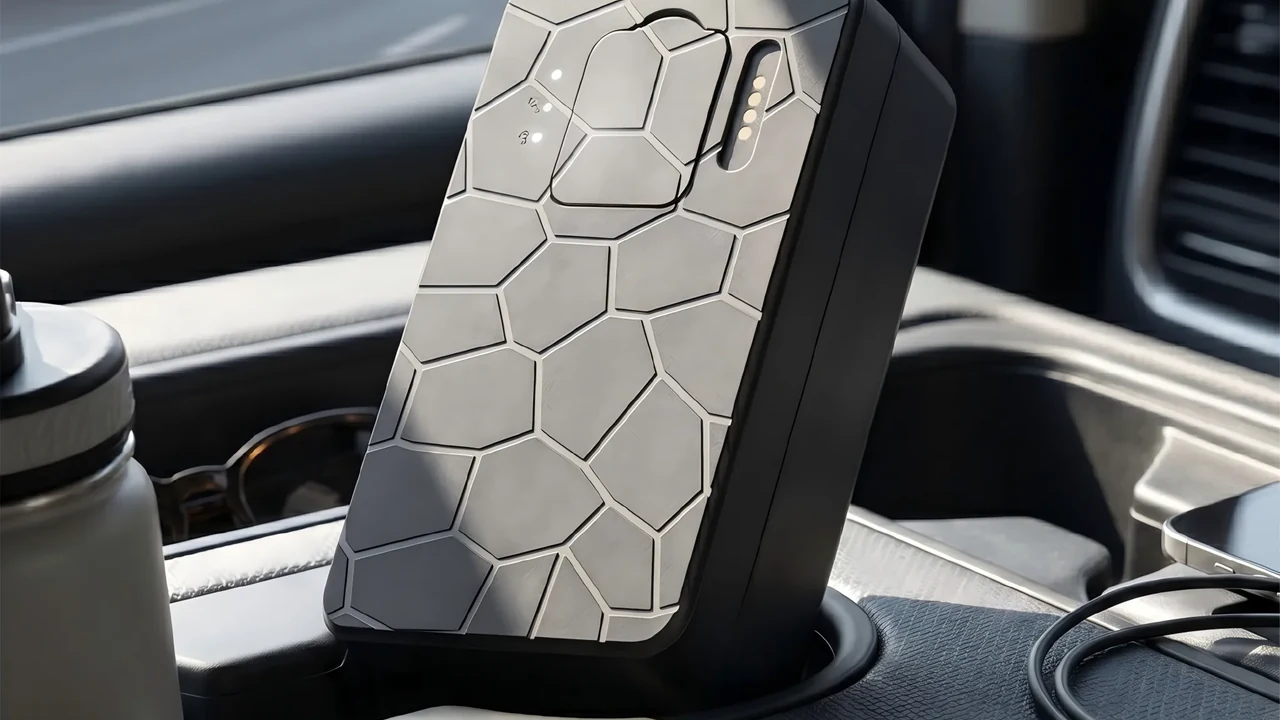
Scena reale del prodotto QZT G50. Utilizzare il modello esatto fornito e un veicolo autorizzato per il posizionamento e il test del segnale; la fotografia non è un test di autonomia o di forza di montaggio.
Cosa cambia quando si sceglie un localizzatore GPS magnetico?
Un localizzatore magnetico sposta il lavoro di installazione dal cablaggio del veicolo verso controlli di batteria, montaggio e posizionamento.
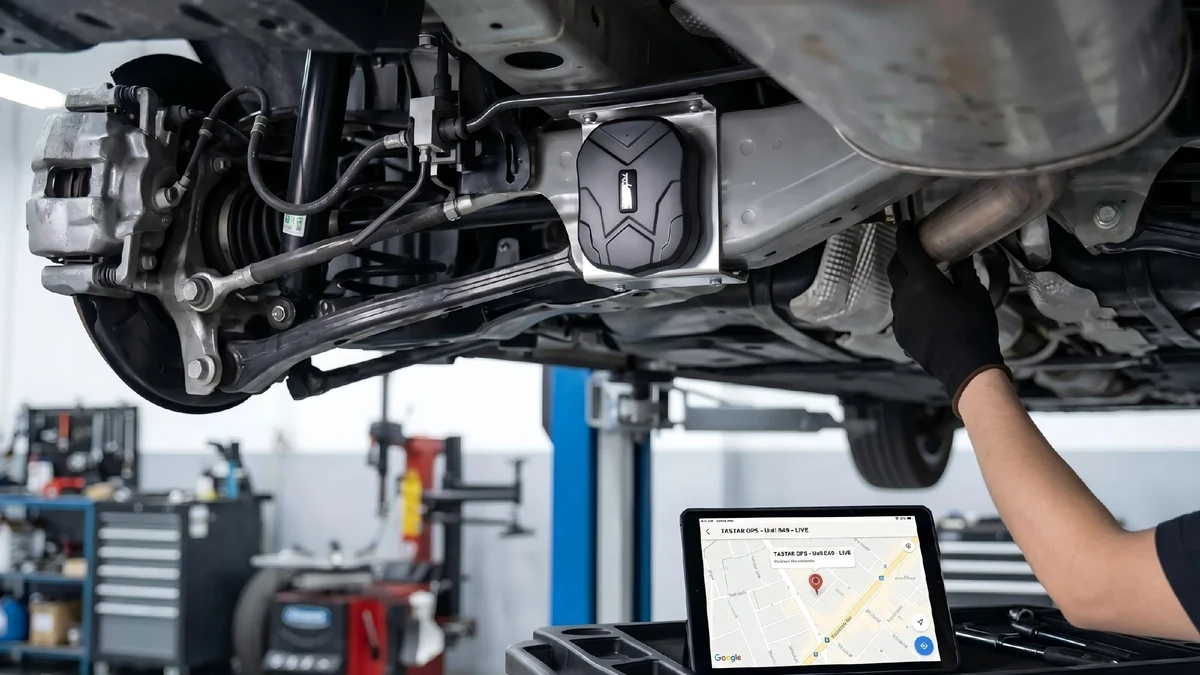
Scenario reale QZT TK905. La pagina attuale elenca il montaggio magnetico su veicolo o bene e invita gli acquirenti a confermare la forza di montaggio finale su un campione.
Gli attuali esempi magnetici QZT includono:
– TK905: localizzatore GPS magnetico; la pagina attuale riporta 90 × 72 × 22mm e indica che la forza di montaggio magnetica finale deve essere confermata su un campione.
– TK913: formato magnetico/portatile più piccolo; la pagina attuale riporta 54 × 35 × 22mm e indica agli acquirenti di confermare la configurazione di posizionamento e l'autonomia per il progetto.
– G50: localizzatore magnetico 4G con diverse versioni di dimensioni; la pagina attuale indica agli acquirenti di confermare la versione selezionata, il requisito SIM/rete, la piattaforma app, la forza di montaggio e l'autonomia prevista della batteria.
Il vantaggio di installazione è chiaro: per questi formati a batteria non è necessario far passare un cablaggio di alimentazione permanente nel veicolo.
Il compromesso sulla manutenzione è altrettanto importante. Un localizzatore GPS portatile deve rimanere carico e fisicamente sicuro quanto basta per l'uso previsto. Il Guida QZT alla durata della batteria dei localizzatori GPS spiega perché l'intervallo di trasmissione, le condizioni del segnale, il comportamento in movimento, la temperatura e il firmware possono modificare l'autonomia. Non trasformare le dimensioni della batteria in un numero fisso di giorni senza un test su campione nelle stesse condizioni.
Per un campione magnetico, registra:
– modello esatto e versione della scocca;
– superficie di montaggio utilizzata per il test autorizzato;
– se l'unità rimane salda nelle condizioni di test consentite;
– prestazioni GPS e cellulari in quella posizione;
– pianificazione della reportistica;
– routine di ricarica e autonomia effettiva;
– Configurazione SIM / piattaforma.
Cosa cambia quando si sceglie un localizzatore GPS cablato?
Un localizzatore cablato sostituisce la ricarica di routine con un'installazione alimentata dal veicolo, ma aggiunge cablaggio e lavoro elettrico.
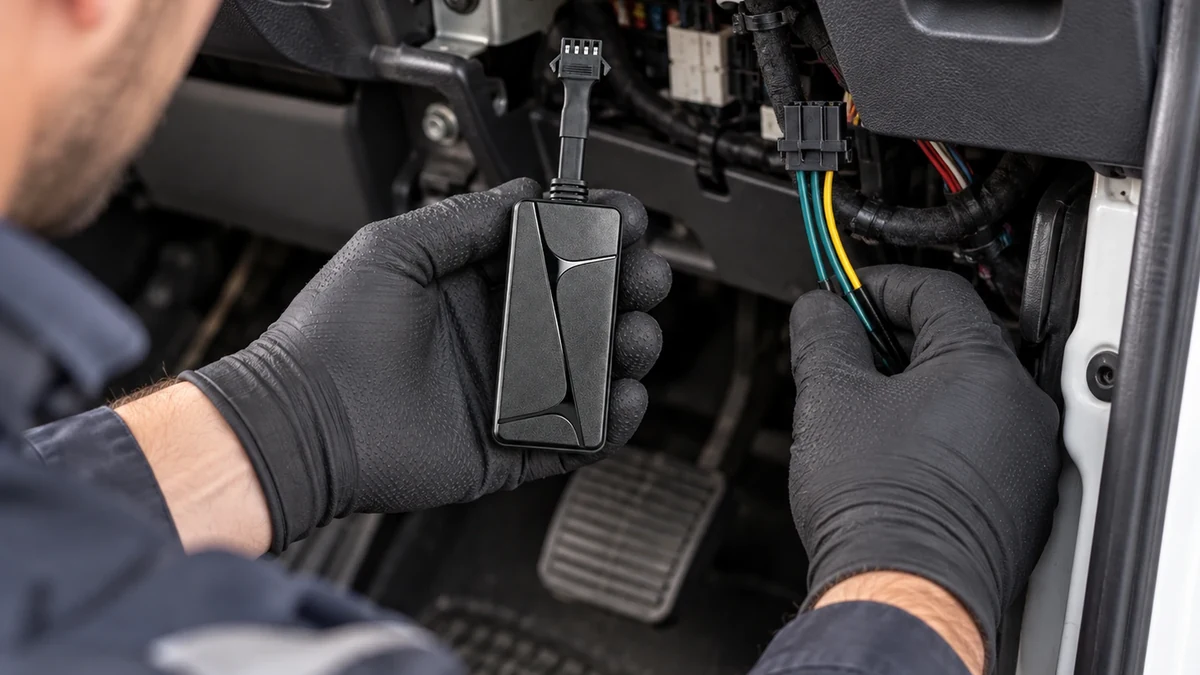
Scena di installazione reale QZT N70. Le attuali linee guida QZT richiedono un installatore qualificato per l'alimentazione, l'ACC e il cablaggio opzionale del relè.
Gli attuali esempi cablati QZT includono:
– N70: la pagina attuale elenca ingresso DC 9–90V, un cablaggio cablato a quattro pin, stato ACC e supporto relè opzionale.
– N80: la pagina attuale elenca DC 9–90V e aggiunge microfono esterno e interfacce SOS, con supporto relè opzionale.
“Cablato” non significa che ogni localizzatore condivida lo stesso codice colore o connettore. N70 e N80 dimostrano già perché il pacchetto esatto è importante.
Prima di un'installazione cablata, conferma:
– modello del localizzatore / revisione hardware;
– intervallo di tensione di ingresso documentato;
– cablaggio e connettore in dotazione;
– assegnazioni alimentazione / massa / ACC dal manuale esatto;
– requisiti opzionali di relè, SOS o audio;
– bande SIM e cellulari;
– configurazione della piattaforma/account;
– informazioni su installatore qualificato e assistenza veicolo.
Per la checklist dettagliata pre-installazione, utilizza la Guida all'installazione del localizzatore GPS cablato QZT. It intentionally avoids a generic wiring diagram.
In cosa differiscono gli attuali esempi QZT magnetici e cablati?
Le pagine prodotto attuali sono sufficienti per confrontare le architettura di installazione, ma non costituiscono un test prestazionale nelle stesse condizioni.
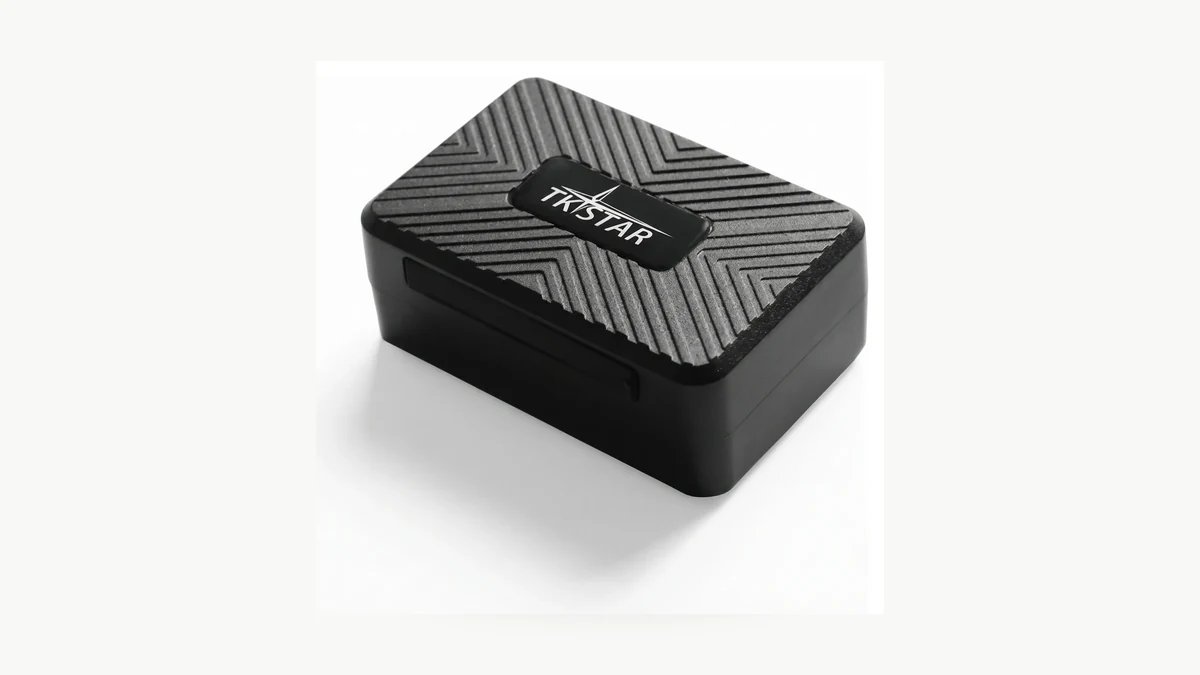
Fotografia reale del prodotto QZT TK913. La tabella confronta i dati attuali delle pagine prodotto pubbliche, non una classifica di quale localizzatore sia il “migliore”.
| Esempio QZT | Formato di installazione / alimentazione | Cosa stabilisce la pagina attuale | Cosa necessita ancora di verifica sul campione |
|---|---|---|---|
| TK905 | Formato magnetico / a batteria | Montaggio magnetico su veicolo o asset; piano SIM/rete e configurazione app/server da confermare | Forza di montaggio, autonomia, segnale nella posizione scelta |
| TK913 | Formato magnetico/portatile compatto | Scocca più piccola da 54 × 35 × 22 mm; piano SIM/rete da confermare | Autonomia, montaggio/posizionamento, comportamento dell'app/server |
| G50 | Formato 4G magnetico / a batteria | Diverse versioni per dimensione del corpo; formato localizzatore 4G | Versione batteria/corpo selezionata, forza di montaggio, autonomia, SIM/piattaforma |
| N70 | Cablaggio fisso / alimentazione del veicolo | DC 9–90V; cablaggio a quattro pin; ACC; relè opzionale; configurazione piattaforma 4G | Cablaggio esatto, installazione, SIM/bande, avvisi, recupero |
| N80 | Cablaggio fisso / alimentazione del veicolo | DC 9–90V; SOS + microfono esterno; relè opzionale | Set esatto di accessori, privacy/consenso per l'audio, installazione e servizio |
Questa tabella non non affermare che TK905, TK913 o G50 abbia un numero particolare di giorni di batteria. Le pagine attuali non pubblicano un confronto di autonomia a parità di condizioni.
Non afferma nemmeno che N70 o N80 sia “esente da manutenzione”. Un localizzatore fisso dipende comunque dall'alimentazione del veicolo, dal servizio di rete, dall'accesso alla piattaforma/account e da un'installazione corretta.
Quali verifiche di posizionamento e segnale sono importanti per un localizzatore magnetico?
Un magnete che tiene in posizione l'involucro è solo una parte dell'installazione.
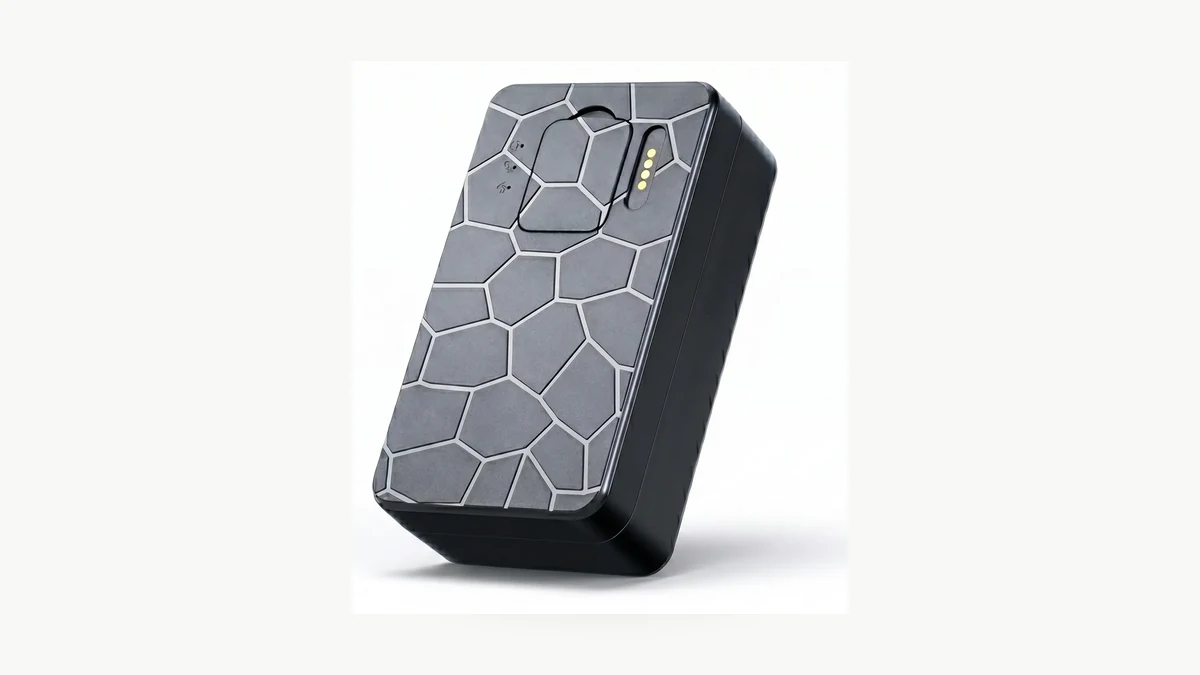
Fotografia reale del prodotto QZT G50. Il posizionamento deve comunque essere verificato per la sicurezza del montaggio, il servizio GNSS/cellulare e l'esposizione ambientale.
Su un veicolo campione autorizzato, verificare:
1. Superficie di montaggio: La superficie è adatta al magnete e consentita dal proprietario del veicolo/progetto?
2. Conservazione: Il localizzatore GPS rimane saldo durante il test su strada/vibrazioni consentito dal progetto?
3. Segnale: L'unità riesce a ottenere un fix GNSS utile e a registrarsi al servizio cellulare da quella posizione?
4. Ambiente: L'involucro è protetto adeguatamente da calore, acqua, urti e abrasione per quel modello esatto?
5. Manutenibilità: Il personale autorizzato può ispezionare, ricaricare e rimuovere il dispositivo quando necessario?
6. Identità account/dispositivo: La piattaforma mostra il localizzatore GPS corretto dopo che è stato spostato o reinstallato?
Non dare per scontato che un magnete più forte risolva una posizione radio scarsa, né che una buona posizione radio dimostri che il supporto sia sicuro.
Evita di copiare le "migliori posizioni di montaggio nascoste" da un altro veicolo o prodotto. Il requisito pratico è un posizione sicura, autorizzata e testata, non il massimo occultamento.
In cosa differiscono manutenzione e costo totale?
Il formato cambia dove avviene il lavoro di manutenzione; non elimina gli altri livelli di servizio.
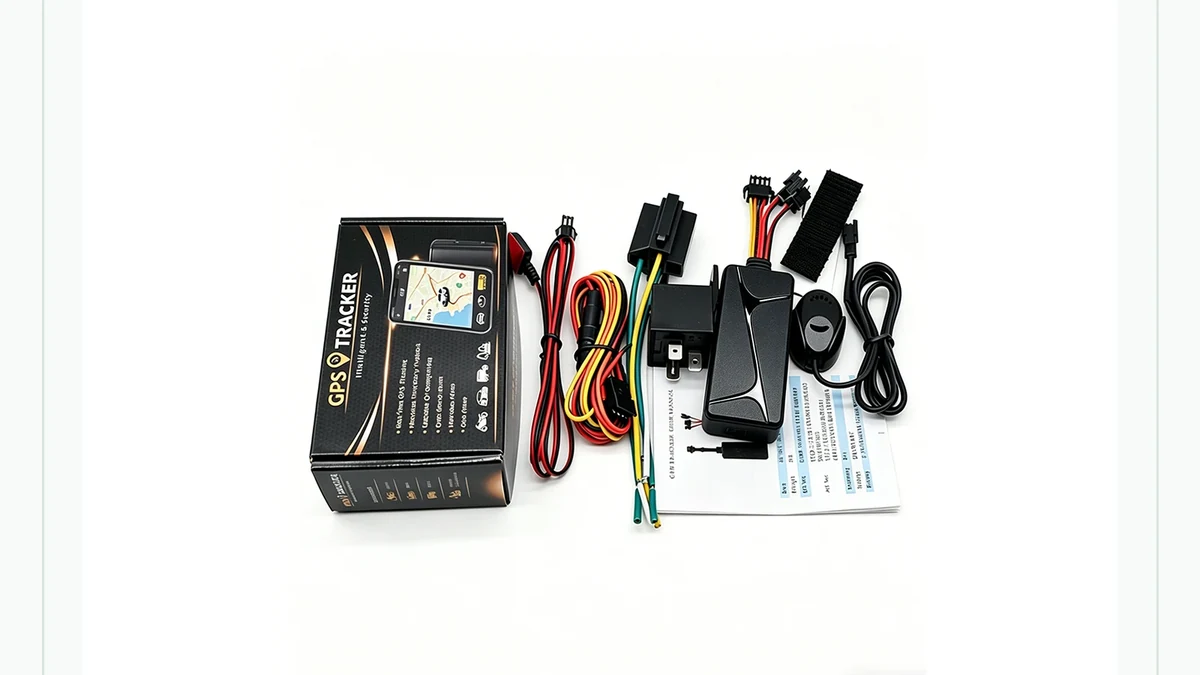
Immagine reale della confezione QZT N80. Un localizzatore cablato scambia la ricarica di routine con il lavoro di installazione/cablaggio e necessita comunque della configurazione di rete/piattaforma.
Per un localizzatore magnetico, pianifica:
– ricarica o sostituzione della batteria, se applicabile;
– ispezione fisica periodica;
– ricontrollo del supporto dopo rimozione/reinstallazione;
– mantenimento del servizio SIM / piattaforma;
– verifica dell'autonomia dopo modifiche alla frequenza di trasmissione o al firmware.
Per un localizzatore cablato, prevedere:
– installazione qualificata;
– ispezione del cablaggio e del connettore;
– comportamento alimentazione veicolo e ACC;
– supporto per accessori opzionali;
– servizio SIM / piattaforma;
– registrazioni di servizio se il localizzatore viene rimosso o il veicolo cambia.
Per i costi ricorrenti, utilizza Localizzatori GPS senza canone mensile: quali costi restano comunque?. Separa hardware, SIM/dati, piattaforma/server, installazione e supporto.
Per l'autonomia della batteria, utilizza Quanto dura la batteria di un localizzatore GPS con il tuo intervallo di segnalazione?. Quel proprietario gestisce l'intervallo di trasmissione, la qualità del segnale, il movimento e la temperatura invece di ripetere generici "giorni" qui.
Il confronto quindi non è:
> magnetico = gratuito / cablato = costoso
È:
> il magnetico sposta lo sforzo verso la batteria e il montaggio portatile; il cablato sposta lo sforzo verso l'installazione professionale e l'integrazione con l'alimentazione del veicolo.
Cosa dovresti campionare prima di scegliere il formato?
Non approvare una SKU per flotte o rivendita basandosi solo sulla forma del prodotto.
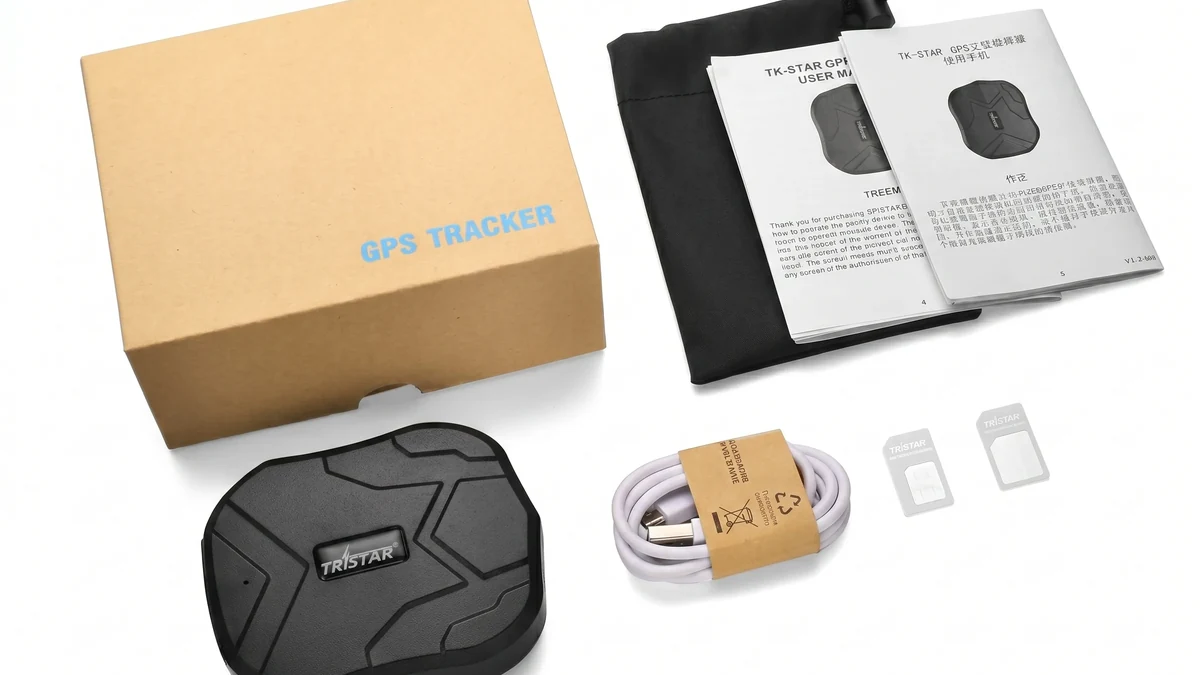
Immagine reale della confezione QZT TK905. Utilizza il campione consegnato e i termini di servizio attuali per completare il verbale di accettazione.
Usa lo stesso registro decisionale per entrambi i formati:
| Verifica | Campione magnetico | Campione cablato |
|---|---|---|
| Modello esatto / hardware / firmware | Registra | Registra |
| Fonte di alimentazione | Configurazione interna/ricaricabile | Alimentazione del veicolo + eventuale configurazione di backup |
| Installazione fisica | Posizionamento magnetico / portatile | Cablaggio esatto / installazione fissa |
| versione SIM / rete | Verifica | Verifica |
| Piattaforma / account | Verifica | Verifica |
| Fix GNSS nella posizione prevista | Superato / Non superato | Superato / Non superato |
| Registrazione cellulare | Superato / Non superato | Superato / Non superato |
| Aggiornamento del percorso in movimento | Superato / Non superato | Superato / Non superato |
| Perdita di copertura + ripristino | Superato / Non superato / Non testato | Superato / Non superato / Non testato |
| Riavvio / riconnessione | Superato / Non superato | Superato / Non superato |
| Ritenzione fisica / sicurezza dei cablaggi | Superato / Non superato | Superato / Non superato |
| Comportamento in esecuzione / alimentazione | Misurare con il programma di report pianificato | Verificare il comportamento alimentazione veicolo / ACC |
| Prove | Screenshot / log / record di ispezione | Screenshot / log / registro di installazione |
Se l'installazione richiede un localizzatore alimentato in modo permanente e il veicolo può essere modificato professionalmente, un formato cablato può adattarsi meglio al modello operativo.
Se l'installazione richiede un'unità portatile che possa essere rimossa e ricaricata senza un intervento di cablaggio, un formato magnetico potrebbe essere più adatto.
Il campione decide se quel vantaggio teorico sopravvive al veicolo reale, alla rete, al programma di trasmissione e al processo operativo.
Domande frequenti
Un localizzatore GPS magnetico è meglio di un localizzatore cablato per un'auto?
Non in modo universale. Un localizzatore magnetico è più facile da installare senza cablaggi permanenti e può essere più portatile. Un localizzatore cablato utilizza l'alimentazione del veicolo ed è più adatto a un'installazione fissa quando il proprietario del veicolo autorizza un cablaggio professionale. Scegli in base ai requisiti operativi, poi testa il modello esatto su un campione.
Un localizzatore GPS magnetico necessita di una SIM o di un abbonamento?
Per esempi attuali in tempo reale QZT, le pagine prodotto invitano gli acquirenti a confermare il piano SIM/rete e la configurazione dell'app/server. Il supporto magnetico non elimina il percorso di comunicazione. Vedi la Guida QZT ai localizzatori GPS senza canone mensile per gli strati di costo.
Quanto dura la batteria di un localizzatore GPS magnetico?
Non esiste una risposta utile indipendente dal modello. Le attuali pagine TK905, TK913 e G50 non pubblicano un confronto della durata di funzionamento a parità di condizioni. Verifica l'esatto intervallo di segnalazione e le condizioni del segnale; il Guida alla durata della batteria QZT copre quelle variabili.
Posso spostare un localizzatore magnetico tra veicoli?
Solo su veicoli/beni di tua proprietà o per i quali sei autorizzato al tracciamento. Se sposti l'unità, ricontrolla il fissaggio fisico, le prestazioni GNSS/cellulari, l'identità del dispositivo/account e il processo operativo per la nuova posizione.
Un localizzatore GPS cablato ha ancora bisogno di una SIM?
Per gli attuali esempi QZT N70/N80 4G in tempo reale, sì: le pagine pubbliche invitano gli acquirenti a testare la configurazione SIM/rete e piattaforma. Il filo di alimentazione del veicolo non sostituisce il percorso di comunicazione cellulare.
Il cablaggio fisso significa che posso usare qualsiasi filo del veicolo?
No. Utilizza la documentazione esatta del manuale/cablaggio del localizzatore e le informazioni di servizio del produttore del veicolo. N70/N80 elencano un ampio intervallo di ingresso, ma ciò non identifica il punto di connessione corretto in ogni veicolo.
La regola decisionale è semplice: scegli il magnetico quando un'installazione portatile e non permanente si adatta al processo operativo e puoi mantenere la batteria; scegli il cablato quando un'installazione permanente autorizzata e l'alimentazione del veicolo si adattano al progetto. Poi verifica la scelta su un campione.

 English
  Italiano
  Deutsch
  Français
  Español
  Polski