
Come scoprire i furti dei dipendenti con https://qztsecurity.com/wp-content/uploads/2026/05/Hidden-Cameras-7.webp: guida per il piccolo imprenditore
I furti dei dipendenti costano alle piccole imprese nel Regno Unito e in tutta Europa circa 3,3 miliardi di sterline ogni anno — e la maggior parte di queste perdite passa completamente inosservata fino a quando è troppo tardi. Se gestite un negozio, un magazzino, un caffè o qualsiasi attività in cui denaro contante, scorte o attrezzature passano di mano, siete un potenziale bersaglio. La sfida è semplice: non potete sorvegliare ogni angolo dei vostri locali tutto il tempo. Una telecamera nascosta vi dà occhi dove non potete essere.
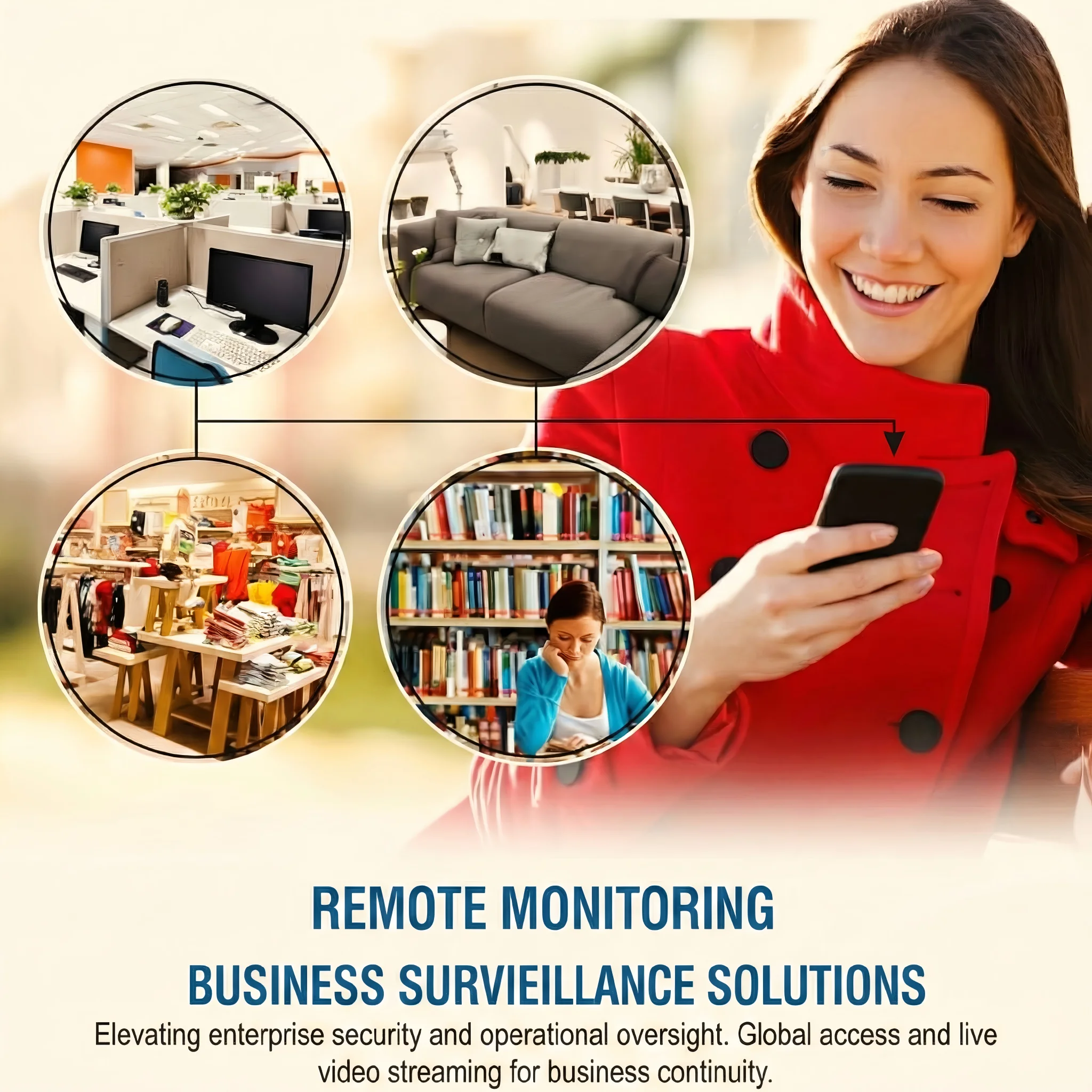
Questa guida ti accompagna passo dopo passo su come catturare i furti dei dipendenti con telecamere nascoste, dalla scelta del dispositivo giusto e della strategia di posizionamento ai confini legali che devi comprendere prima di premere registra.
Perché il furto dei dipendenti è una minaccia più grande di quanto la maggior parte dei titolari realizzi
La maggior parte dei piccoli imprenditori presume che i furti siano un problema delle grandi aziende. I dati dicono il contrario. La ricerca pubblicata nel Journal of Financial Crime rileva costantemente che le piccole imprese subiscono perdite per singolo episodio più elevate in proporzione al fatturato rispetto alle loro controparti aziendali — semplicemente perché non esiste un team dedicato alla prevenzione delle perdite, né una sala di controllo CCTV, né un'architettura di sicurezza a più livelli per individuare precocemente un malintenzionato.
Il furto interno non ha sempre un aspetto drammatico. Raramente comporta un drammatico confronto alla cassa. Più spesso è incrementale: merce che esce in piccole quantità, discrepanze di cassa che in un mese sommano centinaia di sterline, o attrezzature che si “rompono” poco dopo essere state portate fuori dai locali. Quando la maggior parte dei titolari se ne accorge, la perdita totale potrebbe già aver superato lo stipendio annuale di un dipendente part-time.

> Punto chiave: Le piccole imprese sono colpite in modo sproporzionato dai furti interni perché i criminali sanno che la supervisione è scarsa. Un singolo dipendente disonesto che costa 200–500 sterline al mese può prosciugare dalla vostra attività 2.400–6.000 sterline in un anno — senza far scattare un solo allarme.
| Vettore di minaccia | Perdita tipica per episodio | Difficoltà di rilevamento |
|---|---|---|
| Sottrazione di contanti | £200–£1.500/mese | Alto (nessuna prova fisica) |
| Stock shrinkage | £50–£300/week | Medio |
| Rimozione delle attrezzature | £100–£2,000 per item | Medio |
| Furto di tempo / straordinari falsi | £150–£800/mese | Molto alto |
| Frode (rimborsi, annullamenti) | £300–£2,000/month | Medio |
Segnali d'allarme che indicano un possibile problema di furti
Prima di investire in sorveglianza occulta, verifica se i segnali d'allarme sono già presenti nella tua azienda. Questi schemi non provano il furto — ma sono statisticamente correlati a perdite interne e dovrebbero spingere a ulteriori indagini.
Discrepanze di inventario che superano i tassi di errore dei fornitori. Se il vostro inventario mostra costantemente una contrazione superiore all'1,5% per il commercio al dettaglio o al 2% per il settore alimentare e delle bevande, e i vostri fornitori confermano l'accuratezza degli ordini, la sottrazione interna è un'ipotesi ragionevole.
Modalità insolite di gestione del contante. Carenze di cassa insieme a eccedenze di cassa possono indicare che un dipendente sta sottraendo denaro — prelevando contanti da una transazione e gonfiandone un'altra per bilanciare la cassa. Questa è una delle forme più comuni di furto da parte dei dipendenti nelle attività ad alto uso di contante.
Dipendenti misteriosamente presenti quando non dovrebbero esserlo. Il personale che si attarda prima dell'apertura, dopo la chiusura o durante i periodi di scarsa affluenza senza una giustificazione chiara crea opportunità di furto. Le telecamere nascoste possono confermare o escludere attività sospette.
Richieste di accesso esclusivo ai magazzini o agli uffici di cassa. Qualsiasi dipendente che rifiuta costantemente di farsi accompagnare da altri in aree riservate potrebbe sfruttare tale isolamento.
> Punto chiave: Questi segnali giustificano un'indagine — non un'accusa. Le telecamere nascoste sono uno strumento per confermare o smentire un'ipotesi, non un sostituto di una conversazione.
Ciò che distingue https://qztsecurity.com/wp-content/uploads/2026/05/Hidden-Cameras-7.webp dai sistemi di sicurezza standard
Avete già un sistema di videosorveglianza. Potreste chiedervi perché una telecamera nascosta sia importante quando avete già telecamere visibili che coprono i vostri locali. Ecco la differenza fondamentale: le telecamere visibili dissuadono i furti opportunistici, ma non fermano i furti premeditati.
Una telecamera visibile montata all'ingresso di un negozio al dettaglio dice a un potenziale ladro di intascare gli articoli con discrezione o di angolare il corpo lontano dall'obiettivo. Una telecamera visibile puntata sulla cassa dice a un abile ladro di contanti di adattare la propria tecnica. Il ladro si adatta. La telecamera no.
Le telecamere nascoste risolvono questo problema attraverso osservazione non rilevata. Poiché il soggetto non sa che viene registrato, il suo comportamento rimane naturale e senza filtri. Catturi esattamente ciò che farebbe se nessuno lo osservasse — che è precisamente il comportamento che devi documentare.
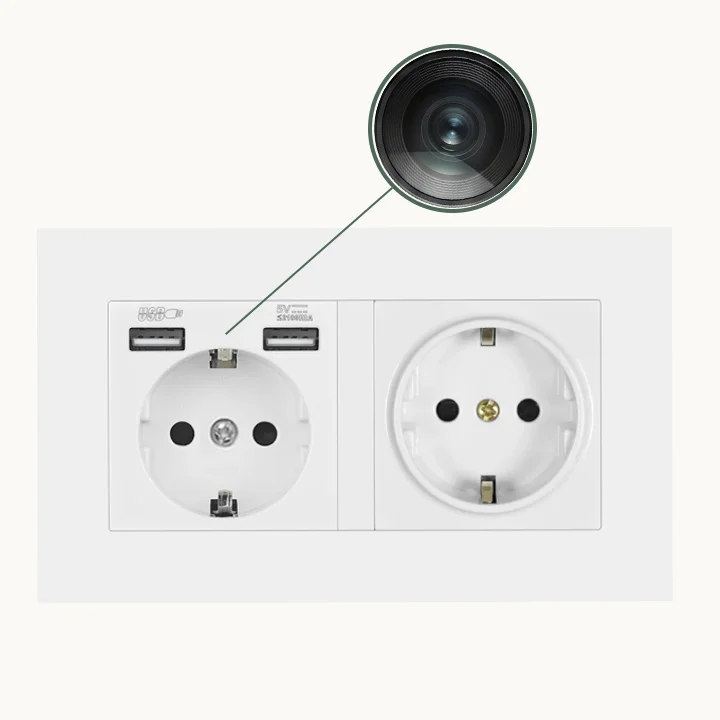
La differenza pratica principale è la flessibilità di posizionamento. Le telecamere CCTV standard richiedono punti di montaggio spesso visibili per design. Le telecamere nascoste possono essere posizionate ovunque: dentro a Caricabatterie USB da parete, dentro a orologio a parete sul muro del magazzino, dentro a housing del detector di fumo vicino al registratore di cassa. Questo rende molto più efficace la copertura di punti ciechi che il sistema principale ha mancato.
| Caratteristica | Telecamere CCTV standard | Telecamera nascosta |
|---|---|---|
| Visibilità | Sempre visibile | Nascosti in oggetti quotidiani |
| Effetto deterrente | Elevato (previene il furto opportunistico) | Basso (il soggetto non sa che è osservato) |
| Qualità delle prove | Variabile (spesso granulosa, grandangolo) | Può essere a corto raggio, con risoluzione più alta |
| Flessibilità di posizionamento | Punti di montaggio fissi | Portabile, capace su molte superfici |
| Costo | £150–£1,000+ per telecamera installata | £30–£120 per unità |
| Visualizzazione remota | Comune sui sistemi moderni | Disponibile sui modelli con Wi-Fi |
Quale tipo di telecamera nascosta funziona meglio per cogliere sul fatto il furto dei dipendenti
La risposta dipende completamente da dove si trova la vulnerabilità alle perdite. Ecco una panoramica delle forme più efficaci per la sorveglianza discreta delle piccole imprese.
Telecamere Caricabatterie USB da Parete
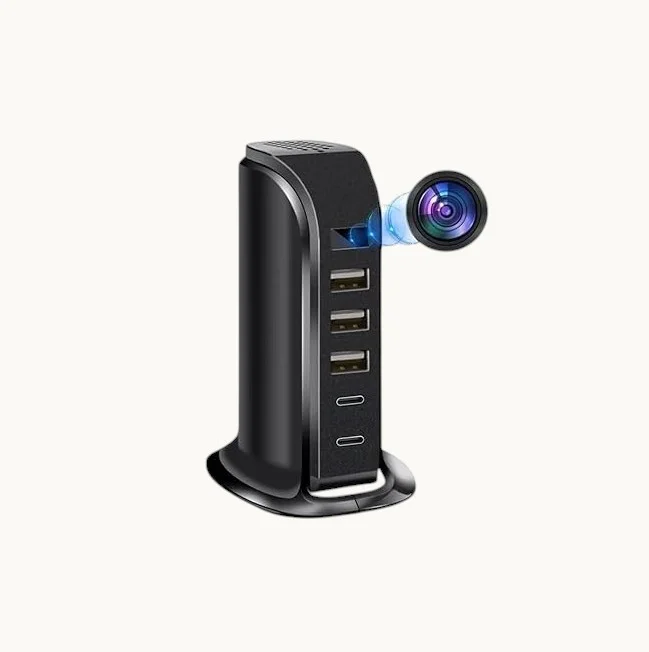
IL Caricabatterie USB con telecamera spia WiFi 1080P si inserisce in una presa standard EU da parete e è completamente indistinguibile da un normale punto di ricarica. Prende energia direttamente dalla rete elettrica, quindi non ha batterie che si scaricano. Posizionarlo vicino a un registratore di cassa, in un angolo del magazzino, o in qualsiasi presa elettrica dove è stata segnalata attività sospetta. Poiché è sempre acceso e sempre alimentato, non perderà il momento critico.
Ideale per: Zone di gestione del contante, magazzini con prese di corrente accessibili, monitoraggio dietro il bancone in saloni, pub e cafè.
Smoke Detector Cameras
A Telecamera Nascosta in Rilevatore di Fumo WiFi si monta sul soffitto nella posizione standard — esattamente dove sarebbe un vero rilevatore di fumo. Questo lo rende ideale per spazi retail open-plan, magazzini e cucine dove un rilevatore di fumo non suscita sospetti. Il suo punto di osservazione elevato offre un ampio campo visivo che copre una grande area dall'alto.
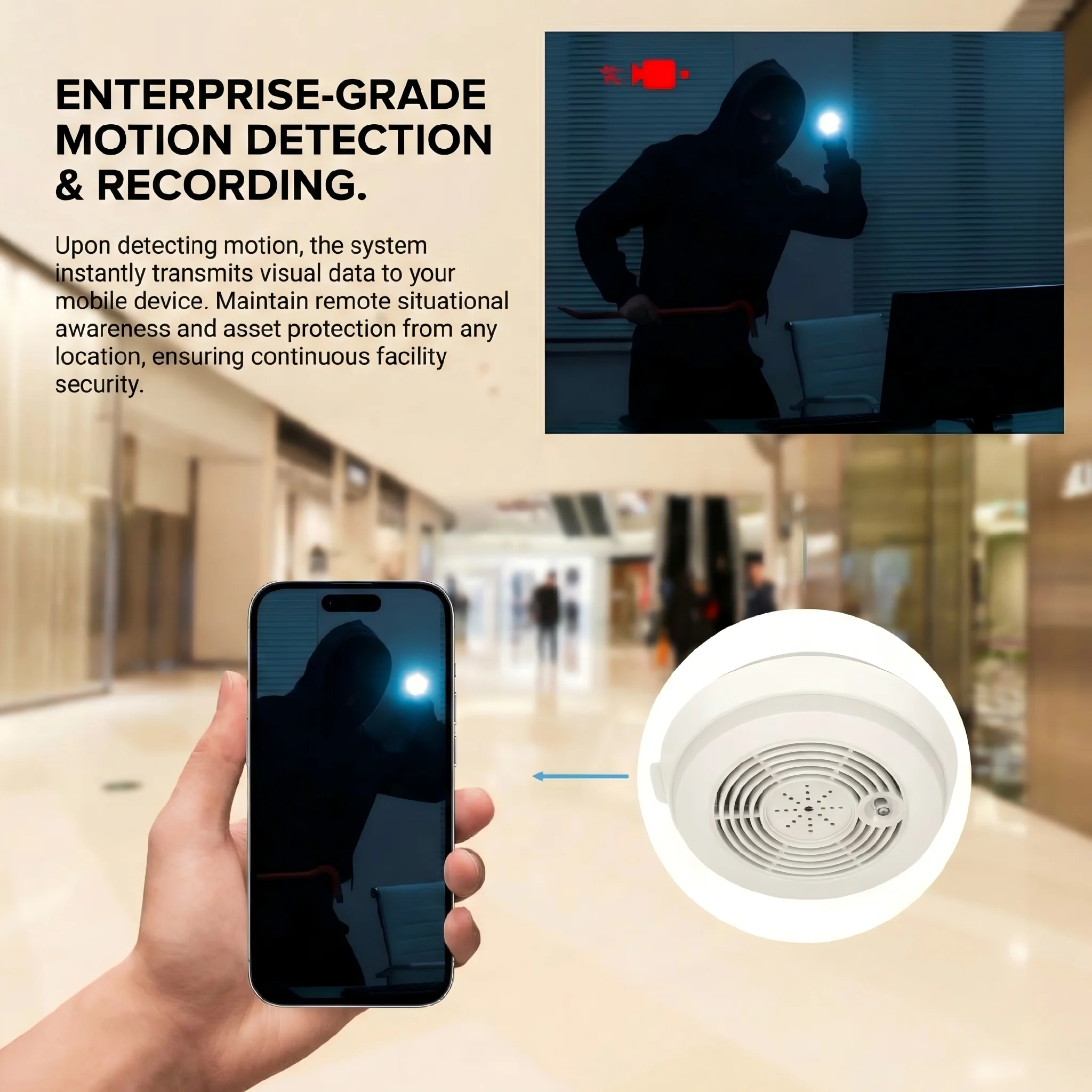
Ideale per: Negozi open-plan, magazzini, cucine commerciali, qualsiasi stanza dove un detector di fumo è un elemento naturale.
Telecamere ad orologio
IL Z10 Telecamera spia WiFi a sveglia è una delle opzioni più versatili per ambienti di ufficio e retail. Gli orologi a parete sono omnipresenti nelle sale di riposo, negli uffici di magazzino e nelle aree di reception — e nessuno mette in discussione la loro presenza. Il quadrante dell'orologio offre un punto di osservazione naturale a livello degli occhi, catturando dettagli facciali chiari.
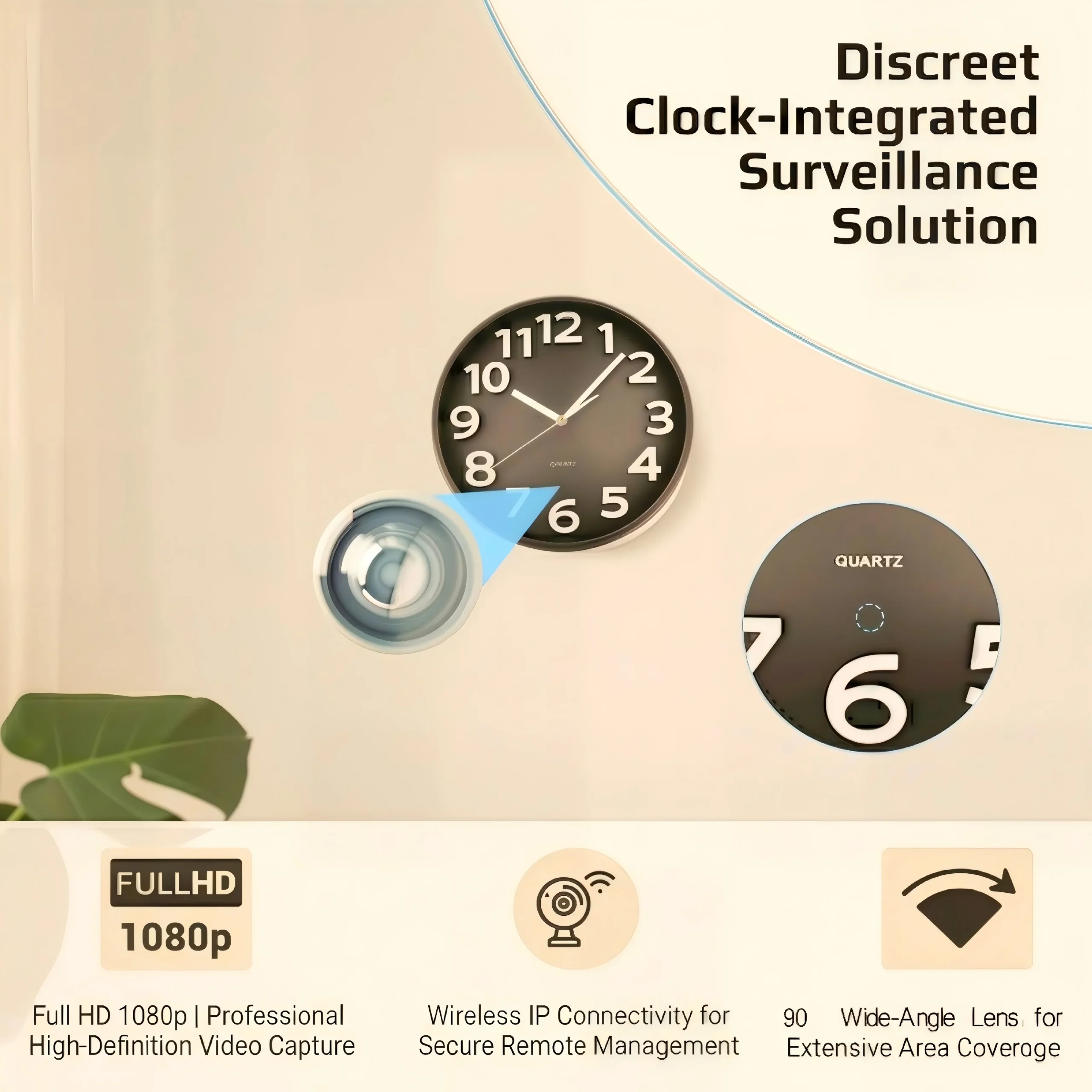
Ideale per: Sale di riposo, uffici del manager, magazzini con orologi a parete, qualsiasi spazio dove un dipendente potrebbe trascorrere tempo da solo.
Fotocamere con power bank
Per installazioni mobili o luoghi senza prese di corrente accessibili, un Power Bank Nascosta WiFi 1080P può essere posizionato su una mensola, sotto un bancone o dentro un cassetto. Funziona a batteria per 4–8 ore secondo il modo di registrazione, e alcuni modelli supportano la registrazione durante la ricarica tramite USB.
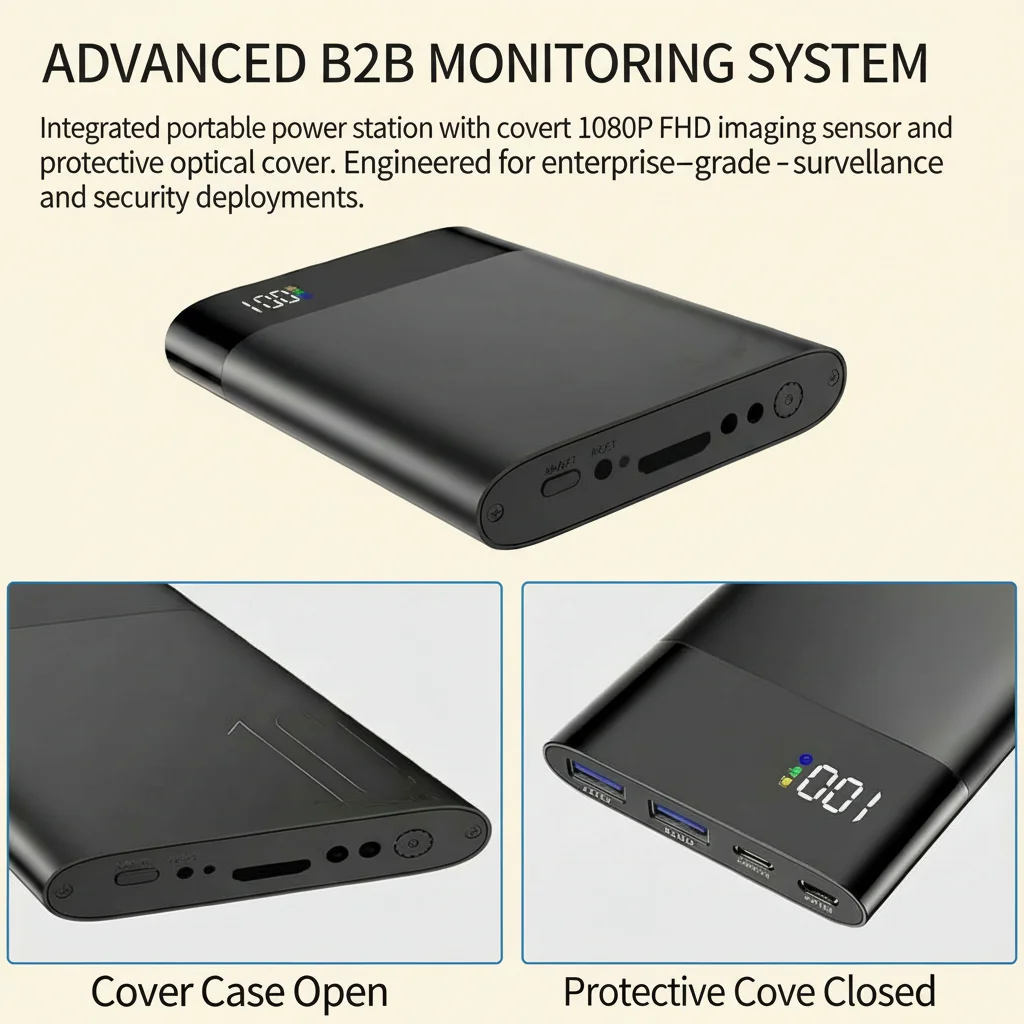
Ideale per: Sorveglianza mobile, imprese senza alimentazione elettrica fissa vicino alle aree di furto, posizionamenti temporanei e nascosti durante le investigazioni.
Dove posizionare le telecamere per la massima copertura
Il posizionamento delle telecamere è dove molti proprietari di piccole imprese si sbagliano. Non vuoi la copertura massima — vuoi copertura mirata delle aree dove l'opportunità di furto è maggiore.

Zone di posizionamento prioritario per le piccole imprese:
1. Dietro il bancone / zona di vendita. Questa è la zona a rischio più elevato in qualsiasi attività retail o di hospitality. Qui cambia il denaro, qui vengono processati annullamenti e rimborsi, e qui il dipendente è spesso solo. Un caricatore USB con telecamera o un orologio con telecamera a livello degli occhi dietro il registratore di cassa cattura dettagli facciali chiari e il comportamento durante le transazioni.
2. Entrata del magazzino e corridoi delle scaffalature. La riduzione dell'inventario è la seconda forma più comune di furto nelle piccole imprese. Una telecamera nascosta in un detector di fumo che copre l'entrata del magazzino cattura chi entra, quando e cosa porta.
3. Sale di riposo e aree di cambio (con caveat legali — vedi sotto). Le sale di riposo possono essere punti critici per furto di tempo, prestito di attrezzature e scambio informale di beni tra il personale. Un orologio con telecamera in una sala di riposo può documentare se i dipendenti stanno effettivamente prendendo le pause assegnate o se svolgano commissioni personali durante l'orario di lavoro.
4. Zone di carico e ingressi posteriori. Accomplice esterni talvolta coordinano con dipendenti interni per passare merci attraverso porte secondarie. Una telecamera nascosta che copre il dock di carico documenta entrata e uscita con o senza autorizzazione.
> Punto chiave: Meno è meglio. Due o tre telecamere ben posizionate che coprono le zone a rischio più elevato forniranno prove migliori rispetto a sei telecamere sparse su un grande spazio con angoli deboli e scarsa illuminazione.
Requisiti legali: puoi davvero usare https://qztsecurity.com/wp-content/uploads/2026/05/Hidden-Cameras-7.webp sul lavoro?
Questa è la domanda che impedisce a molti proprietari di piccole imprese di agire. La risposta breve è: sì, con condizioni.
Nel Regno Unito, le linee guida dell'Information Commissioner's Office (ICO) sulla sorveglianza nascosta distinguono tra palese E occulta registrazione. La registrazione occulta — registrare qualcuno a sua insaputa — è consentita in circostanze limitate, in particolare quando:
– Hai motivi ragionevoli per sospettare attività criminale
– Hai notificato l'autorità di controllo competente (l'ICO) prima di iniziare la sorveglianza
– La sorveglianza è necessaria e proporzionata al problema che stai indagando
Per attività a conduzione familiare (piccoli negozi, pub a gestione familiare, attività di imprenditori individuali) in cui il datore di lavoro ha un rapporto di lavoro diretto con i dipendenti, i tribunali tendono ad applicare uno standard di informativa inferiore rispetto ai grandi ambienti aziendali. Tuttavia, dovete comunque avere una politica scritta su videosorveglianza e sorveglianza occulta in atto, e i dipendenti dovrebbero generalmente essere informati tramite il loro contratto di lavoro o un manuale del personale che la sorveglianza avviene in determinate aree.
In Germania, la registrazione sul luogo di lavoro è soggetta ai diritti di cogestione del consiglio di fabbrica e ai severi requisiti di minimizzazione dei dati previsti dal BDSG. In Francia, la CNIL richiede l'informazione preventiva dei dipendenti e limita la registrazione occulta ai casi di illeciti gravi e flagranti. In Italia e Spagna, similar data protection frameworks apply under GDPR Article 6 legal obligation basis.
> Punto chiave: Non installate telecamere nascoste senza prima consultare un avvocato specializzato in diritto del lavoro o la vostra autorità nazionale per la protezione dei dati. Le prove che raccogliete sono senza valore — o peggio, legalmente azionabili contro di voi — se la sorveglianza stessa è stata condotta illegalmente.
Regole ferree che si applicano nella maggior parte delle giurisdizioni UE e nel Regno Unito:
– Non registrare mai in bagni, toilette, spogliatoi o in qualsiasi area in cui i dipendenti hanno una ragionevole aspettativa di privacy
– La registrazione audio è significativamente più limitata rispetto alla registrazione video in ogni Stato membro dell'UE e nel Regno Unito
– Se i dipendenti sono rappresentati da un sindacato, tale organismo può avere diritti di consultazione sull'implementazione della sorveglianza
– Le registrazioni devono essere archiviate in modo sicuro, con accesso controllato, ed eliminate entro 30 giorni (raccomandazione ICO del Regno Unito)
Come assicurarsi che le vostre riprese siano valide come prova
Catturare filmati sfocati e senza timestamp di un episodio inconcludente non ti aiuterà in un tribunale del lavoro o in una denuncia alla polizia. Ecco come si presenta una registrazione occulta di qualità probatoria:
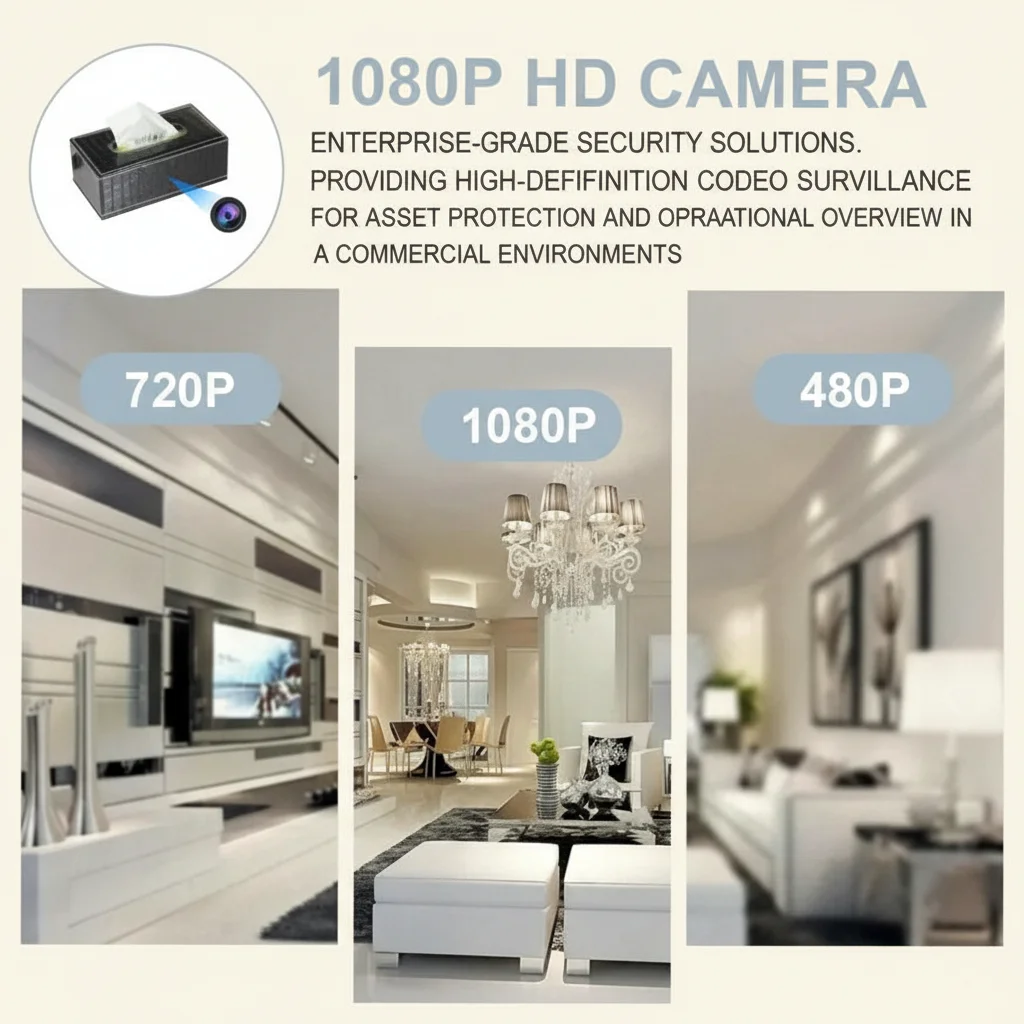
Risoluzione: minimo 1080P. Dovete identificare una persona, e ciò richiede dettagli facciali chiari alla distanza a cui la vostra telecamera si troverà dal soggetto. La maggior parte delle moderne telecamere nascoste offre registrazione 1080P (1920×1080). Evitate le telecamere che pubblicizzano “4K” o “Ultra HD” senza verifica indipendente — i chipset nelle telecamere nascoste economiche tipicamente interpolano sensori a risoluzione inferiore a una risoluzione di output superiore.
Filigrana con marca temporale. Ogni fotogramma della vostra registrazione deve avere un timestamp incorporato e non modificabile. Questo prova quando le riprese sono state registrate ed esclude qualsiasi suggerimento che le prove siano state fabbricate o modificate. La maggior parte delle telecamere occulte di qualità include questa funzione di default.
Registrazione continua o ciclica. Il furto non si annuncia. La registrazione attivata dal movimento è efficiente ma rischia di perdere il momento se la soglia di movimento è mal calibrata. Se la vostra telecamera supporta entrambe le modalità, impostate l'attivazione dal movimento per le aree a basso passaggio e la registrazione continua per le zone ad alto rischio come l'area della cassa.
Archiviazione sicura. Le schede SD devono essere conservate in un cassetto chiuso a chiave, non lasciate all'interno della telecamera. Cambiare e rivedere la scheda con cadenza regolare. Le telecamere connesse al cloud consentono il recupero remoto delle registrazioni, ma l'archiviazione cloud aggiunge costi di abbonamento e introduce una potenziale superficie di violazione dei dati — una considerazione ai sensi del GDPR se le registrazioni catturano individui identificabili.
Passo dopo passo: cosa fare dopo aver colto un dipendente a rubare
È qui che la compostezza conta più di ogni altra cosa. La tua reazione nelle prime 24 ore dalla scoperta delle prove può determinare il successo o il fallimento del caso.
Passo 1 — Mettere immediatamente al sicuro le registrazioni. Copiare i clip rilevanti su un dispositivo separato protetto da password. Non condividerli ancora con nessuno. Etichettare chiaramente la fonte con data, ora e posizione della telecamera.
Fase 2 — Esamina senza saltare a conclusioni affrettate. Guardare l'intera registrazione. Verificare che la persona nel video sia effettivamente chi si ritiene che sia. Cercare prove di riscontro: registri delle vendite, registri di inventario o registri degli accessi che coincidano con quanto si vede nella telecamera. Un singolo episodio potrebbe non essere sufficiente per il licenziamento; un pattern di episodi è molto più utilizzabile.
Passo 3 — Consulta il tuo avvocato o consulente del personale prima di intraprendere qualsiasi azione. Nel Regno Unito, i tribunali del lavoro esaminano l'equità procedurale delle decisioni di licenziamento. Se si licenzia un dipendente per furto sulla base di prove ottenute con telecamere nascoste senza seguire una procedura adeguata, si rischia un ricorso per licenziamento ingiustificato anche se il furto è provato. Il proprio avvocato consiglierà se coinvolgere la polizia, come condurre un'indagine e come strutturare un colloquio disciplinare.
Fase 4 — Conduci un colloquio disciplinare formale. Presentare le prove. Seguire la procedura disciplinare standard. Il dipendente ha il diritto di essere accompagnato da un collega o da un rappresentante sindacale. Documentare tutto.
Step 5 — Report to police if appropriate. Per furti superiori a £200 in Inghilterra e Galles, è possibile sporgere denuncia alla polizia. Fornire le registrazioni, eventuali documenti di riscontro e una cronologia. La decisione di procedere penalmente spetta a voi — i procedimenti presso il tribunale del lavoro e i procedimenti penali sono percorsi separati.
Errori comuni dei piccoli imprenditori con le telecamere occulte
Anche i titolari in buona fede compromettono le proprie indagini commettendo errori evitabili.
Installing cameras without a written policy. Questo è l'errore più comune e più grave. Senza una politica di videosorveglianza documentata, si può essere ritenuti responsabili di aver condotto una sorveglianza illecita — e qualsiasi prova raccolta di conseguenza potrebbe essere inammissibile nei procedimenti del tribunale. Espone inoltre a reclami dei dipendenti relativi al GDPR.
Informare altri dipendenti sulle telecamere. Se si sospetta un dipendente specifico, resistere alla tentazione di condividere i sospetti con i suoi colleghi. Le voci circolano rapidamente nelle piccole imprese. Se il soggetto viene a sapere di essere sotto sorveglianza prima che siano state raccolte prove sufficienti, cambierà comportamento — o distruggerà le prove — e l'indagine finisce.
Posizionare telecamere in zone legalmente protette. Bagni, spogliatoi e qualsiasi area in cui i dipendenti hanno una ragionevole aspettativa di privacy sono assolutamente off-limits. Un'indagine legittima sul furto non autorizza a registrare in questi spazi. Le conseguenze legali di tale comportamento — incluse potenziali accuse penali — superano di gran lunga il beneficio investigativo.
Affidarsi a telecamere economiche con scarsa visione notturna. Molti dei furti che cerchi di scoprire — accesso al magazzino dopo l'orario di lavoro, attività nell'area di carico — si verificano in condizioni di scarsa luminosità. Molte telecamere nascoste sotto £30 utilizzano LED IR basici che producono una luce rossa visibile, avvisando il soggetto che è registrato. Investi in LED IR a 940nm senza luce per registrazioni notturne in ambienti oscuri.
Non revisionare le registrazioni regolarmente. Stabilisci una revisione settimanale. Le investigazioni sui furti hanno una durata limitata. Se scopri video di un incidente avvenuto sei settimane prima e non hai agito, potresti avere un caso più forte per licenziamento immediato, ma hai anche perso l'opportunità per un intervento tempestivo.
Domande frequenti
Posso usare legalmente una telecamera nascosta per scoprire furti dei dipendenti nel UK?
Sì, ma con condizioni. Secondo le linee guida dell'ICO, la sorveglianza covert nel luogo di lavoro è permessa quando esistono motivi ragionevoli per sospettare attività criminale e la sorveglianza è necessaria e proporzionata. Devi avere una politica di sorveglianza scritta, e dovresti informare i dipendenti (generalmente tramite un manuale del personale o un contratto di lavoro) che il monitoraggio avviene in certe aree. Non registrare mai nei bagni, nelle cabine per cambiarsi, o in qualsiasi area dove c'è una ragionevole aspettativa di privacy.
Qual è la migliore telecamera nascosta per scoprire furti alla cassa?
Una telecamera nascosta a forma di caricatore USB da parete posizionata dietro o vicino alla zona della cassa è l'opzione più efficace per monitorare la cassa. È sempre alimentata, sempre registrando, e completamente indistinguibile da un punto di ricarica USB standard. Il Caricabatterie USB con telecamera spia WiFi 1080P supporta anche la visione remota via app, così puoi revisionare i video in tempo reale da qualsiasi luogo.
Le registrazioni di telecamere nascoste saranno accettate come prova in un tribunale del lavoro?
Sì, purché la sorveglianza sia stata condotta legalmente — con una policy in vigore, nei limiti delle linee guida GDPR e ICO, e in aree senza una ragionevole aspettativa di privacy. I video ottenuti attraverso sorveglianza illegale (per esempio, registrando in un bagno) saranno inadmissibili e possono causare responsabilità legale per il datore di lavoro. Consulta sempre un legale prima di usare video nascosti come prova.
Per quanto tempo dovrei conservare i video di telecamere nascoste prima di cancellarli?
L'ICO raccomanda un periodo massimo di conservazione di 30 giorni per video CCTV di routine e sorveglianza nascosta nel luogo di lavoro. Tuttavia, se i video contengono prove di un incidente specifico sotto investigazione, conservali fino che la questione disciplinare e qualsiasi procedimento legale correlato siano completamente risolti — tipicamente 3–6 mesi dopo la conclusione del caso. Conserva i video in modo sicuro con controlli di accesso durante questo periodo.
Posso usare telecamere nascoste senza Wi-Fi?
Sì. Molte telecamere nascoste operano completamente offline usando memoria locale su SD card. Il Allarme Antifumo WiFi Camera Nascosta 1080P E Z10 Telecamera spia WiFi a sveglia supportano la registrazione locale su microSD card, quindi non è necessaria una connessione internet. Questo elimina anche il rischio che i video siano accessibili attraverso una rete compromessa e aggiunge un livello di sicurezza dei dati conforme al GDPR.
Il furto interno non si risolve da sé. Più continua senza essere scoperto, più costa — e diventa più difficile affrontarlo senza creare disagio per il tuo team e la tua attività. Una telecamera nascosta posizionata correttamente ti dà le prove che ti servono per agire in modo decisivo, proporzionato e legale.
Se sei pronto a esplorare opzioni di sorveglianza nascosta per la tua attività, Contattaci oggi per una consultazione. Offriamo una vasta gamma di telecamere nascoste per il deployment in piccole attività nel UK, EU e mercati internazionali, con guida esperta su compliance legale e selezione del prodotto.

 English
  Italiano
  Deutsch
  Français
  Español
  Polski