
How to Catch Employee Theft with https://qztsecurity.com/wp-content/uploads/2026/05/Hidden-Cameras-7.webp: A Small Business Owner’s Guide
Employee theft costs small businesses in the UK and across Europe an estimated £3.3 billion every year — and the majority of those losses go completely unnoticed until it’s too late. If you run a shop, a warehouse, a café, or any business where cash, stock, or equipment changes hands, you are a potential target. The challenge is simple: you cannot watch every corner of your premises all the time. A hidden camera gives you eyes where you cannot be.
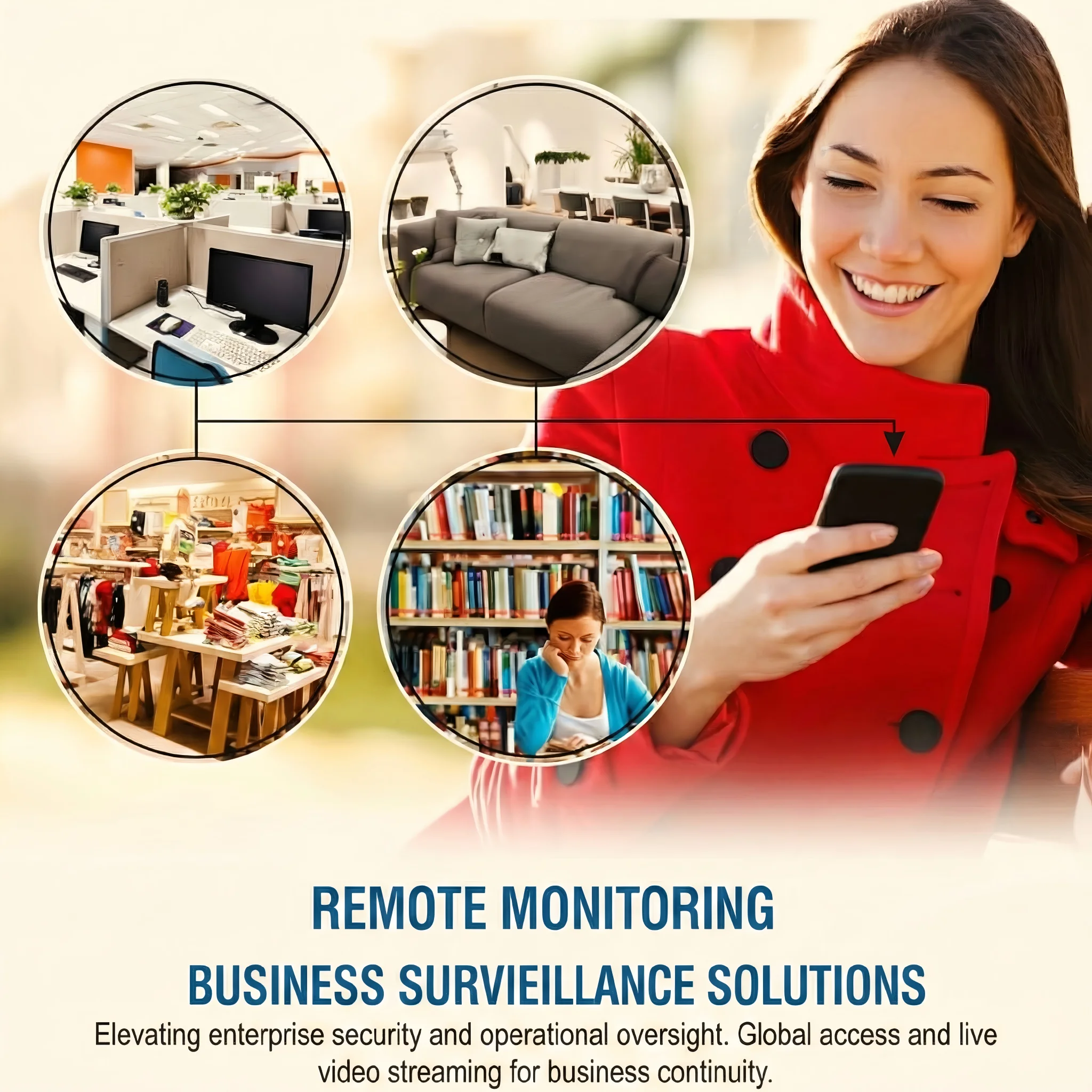
This guide walks you through how to catch employee theft with hidden cameras, from choosing the right device and placement strategy to the legal boundaries you need to understand before you press record.
Why Employee Theft Is a Bigger Threat Than Most Owners Realize
Most small business owners assume theft is a large-corporation problem. The data says otherwise. Research published in the Journal of Financial Crime consistently finds that small businesses experience higher per-incident losses as a proportion of revenue than their enterprise counterparts — simply because there is no dedicated loss-prevention team, no CCTV control room, and no layered security architecture to catch a bad actor early.
Internal theft does not always look dramatic. It rarely involves a dramatic confrontation at the till. More often, it is incremental: stock that walks out in small quantities, cash register discrepancies that add up to hundreds of pounds over a month, or equipment that “breaks” shortly after being removed from the premises. By the time most owners notice, the total loss may have already exceeded the annual salary of a part-time employee.

> Key Takeaway: Small businesses are disproportionately targeted for internal theft because criminals know the oversight is thin. A single dishonest employee costing £200–£500 per month can drain £2,400–£6,000 from your business over a year — without triggering a single alarm.
| Threat Vector | Typical Loss per Incident | Detection Difficulty |
|---|---|---|
| Cash skimming | £200–£1,500/month | High (no physical evidence) |
| Stock shrinkage | £50–£300/week | Medium |
| Equipment removal | £100–£2,000 per item | Medium |
| Time theft / false overtime | £150–£800/month | Very High |
| Fraud (refunds, voids) | £300–£2,000/month | Medium |
Red Flags That Signal You May Have a Theft Problem
Before investing in covert surveillance, check whether the warning signs are already present in your business. These patterns do not prove theft — but they are statistically correlated with internal loss and should prompt further investigation.
Inventory discrepancies that outpace supplier error rates. If your stock-take consistently shows shrinkage above 1.5% for retail or 2% for food and beverage, and your suppliers confirm order accuracy, internal removal is a reasonable hypothesis.
Unusual cash handling patterns. Register shortages alongside register overages can indicate an employee is skimming — removing cash from one transaction and padding another to balance the till. This is one of the most common forms of employee theft in cash-heavy businesses.
Employees who are mysteriously present when they should not be. Staff who linger before opening, after closing, or during low-traffic periods without clear justification create opportunity for theft. Hidden cameras can confirm or rule out suspicious activity.
Requests for sole access to stock rooms or cash offices. Any employee who consistently declines to let others accompany them into restricted areas may be exploiting that isolation.
> Key Takeaway: These signs warrant investigation — not accusation. Hidden cameras are a tool to confirm or dismiss a hypothesis, not a substitute for a conversation.
What Sets https://qztsecurity.com/wp-content/uploads/2026/05/Hidden-Cameras-7.webp Apart from Standard Security Systems
You already have a CCTV system. You may be wondering why a hidden camera matters when you already have visible cameras covering your premises. Here is the fundamental difference: visible cameras deter opportunistic theft, but they do not catch planned theft.
A visible camera mounted at the entrance of a retail store tells a would-be thief to pocket items discreetly or angle their body away from the lens. A visible camera pointed at the till tells a clever cash skimmer to adjust their technique. The thief adapts. The camera does not.
Hidden cameras solve this problem through undetected observation. Because the subject does not know they are being recorded, their behaviour remains natural and unfiltered. You capture exactly what they would do if no one were watching — which is precisely the behaviour you need to document.
The other practical difference is placement flexibility. Standard CCTV requires mounting positions that are often visible by design. Hidden cameras can go anywhere: inside a USB wall charger, inside a wall clock on the stockroom wall, inside a smoke detector housing near the till. This makes them far more effective at covering blind spots that your main system missed.
| Feature | Standard CCTV | Hidden Camera |
|---|---|---|
| Visibility | Always visible | Concealed in everyday objects |
| Deterrent effect | High (prevents opportunistic theft) | Low (subject doesn’t know they’re watched) |
| Evidence quality | Variable (often grainy, wide-angle) | Can be close-range, higher resolution |
| Placement flexibility | Fixed mount points | Portable, multi-surface capable |
| Cost | £150–£1,000+ per camera installed | £30–£120 per unit |
| Remote viewing | Common on modern systems | Available on Wi-Fi-enabled models |
Which Hidden Camera Type Works Best for Catching Employee Theft
The answer depends entirely on where your theft vulnerability lies. Here is a breakdown of the most effective form factors for small business covert surveillance.
USB Wall Charger Cameras
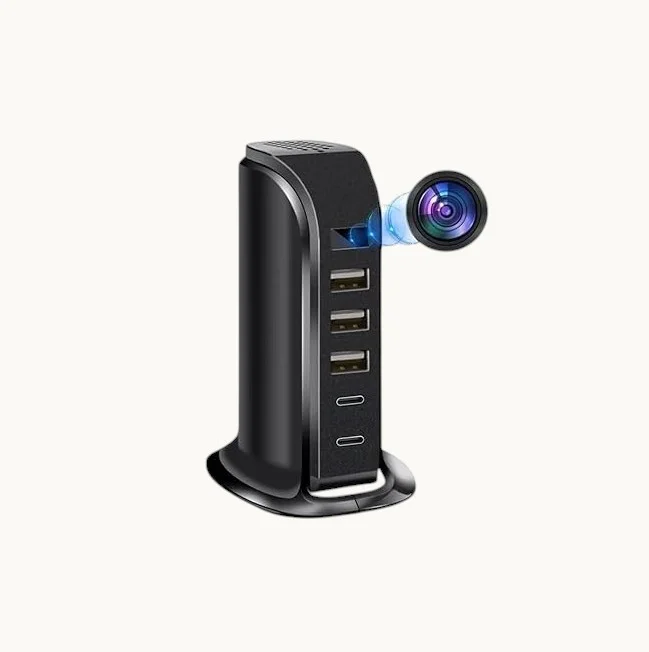
The WiFi Spy Camera USB Charger 1080P sits in a standard EU wall socket and is completely indistinguishable from a normal charging point. It draws power directly from the mains, so there is no battery to run flat. Place it near a cash register, in a stockroom corner, or at any power outlet where suspicious activity has been reported. Because it is always on and always powered, it will not miss the critical moment.
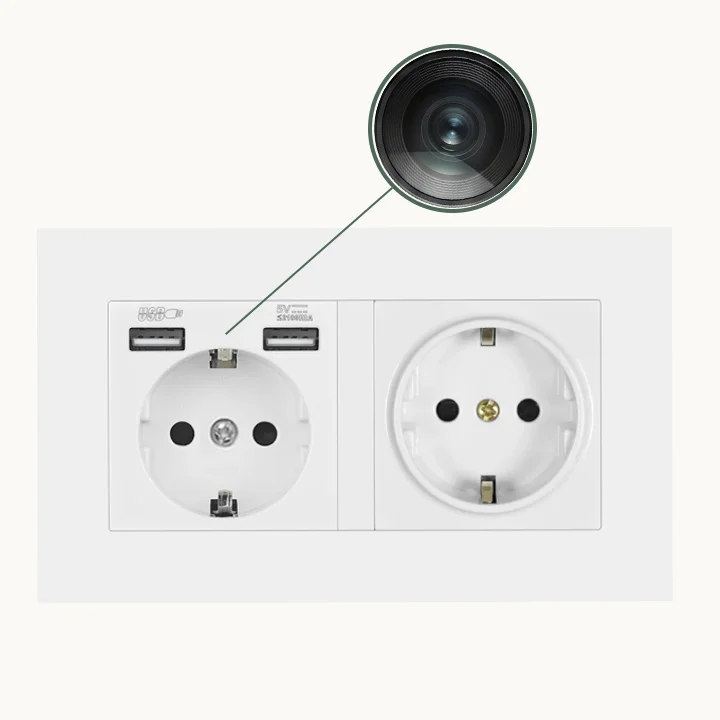
Best for: Cash handling areas, stockrooms with accessible power outlets, behind-the-counter monitoring in salons, pubs, and cafés.
Smoke Detector Cameras
A WiFi Smoke Detector Hidden Camera mounts on the ceiling in the standard position — exactly where a real smoke detector would go. This makes it ideal for open-plan retail spaces, warehouses, and kitchens where a smoke detector would not raise suspicion. Its elevated vantage point provides a wide field of view covering a large area from above.
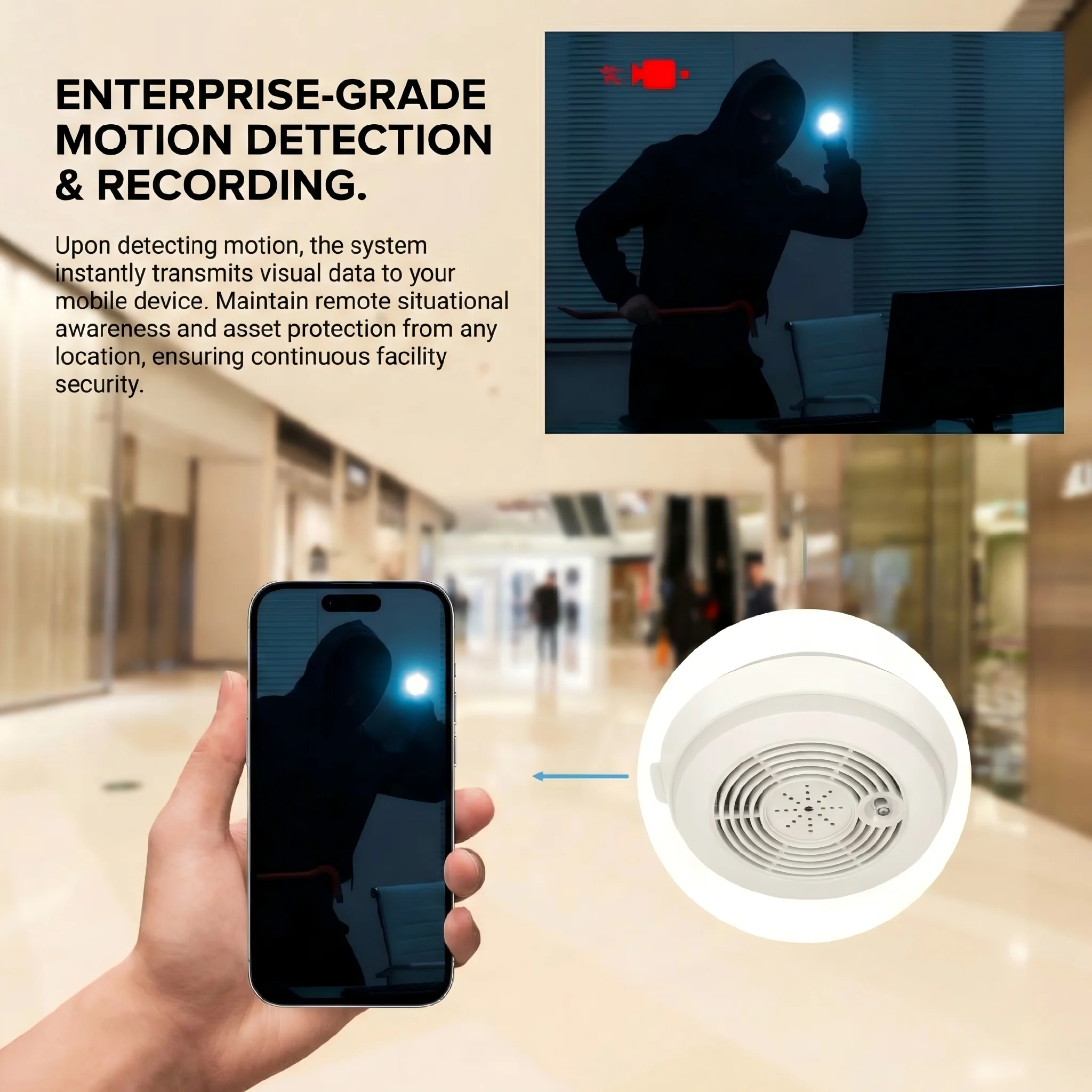
Best for: Open-plan shops, warehouses, commercial kitchens, any room where a smoke detector is a natural fixture.
Clock Cameras
The Z10 WiFi Spy Clock Camera is one of the most versatile covert options for office and retail environments. Wall clocks are ubiquitous in break rooms, stock offices, and reception areas — and nobody questions their presence. The clock face provides a natural vantage point at eye level, capturing clear facial details.
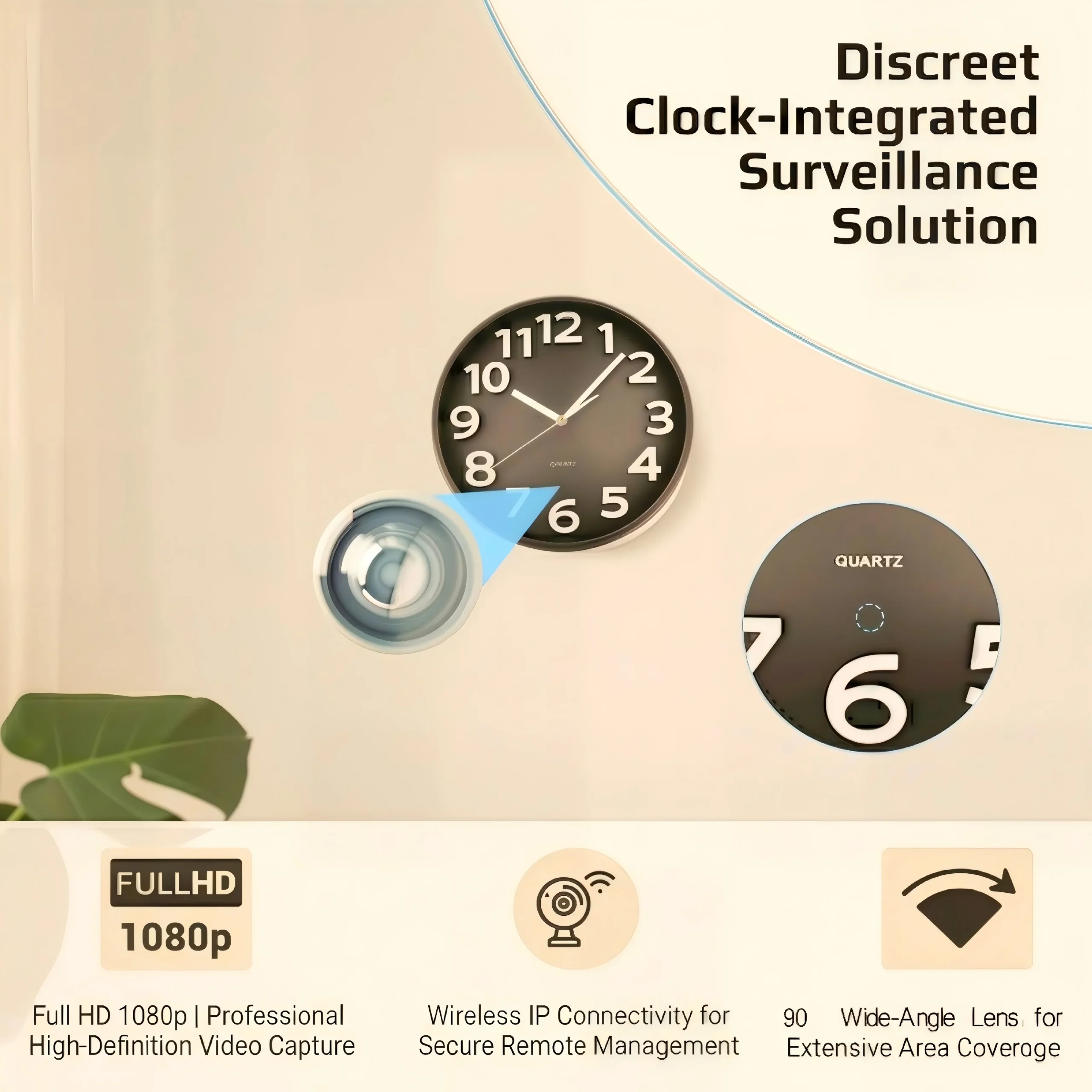
Best for: Break rooms, manager’s offices, stockrooms with wall clocks, any space where an employee might spend time alone.
Power Bank Cameras
For mobile deployment or locations without accessible power outlets, a WiFi 1080P Power Bank Hidden Camera can be placed on a shelf, under a counter, or inside a drawer. It runs on battery for 4–8 hours depending on recording mode, and some models support recording while charging via USB.
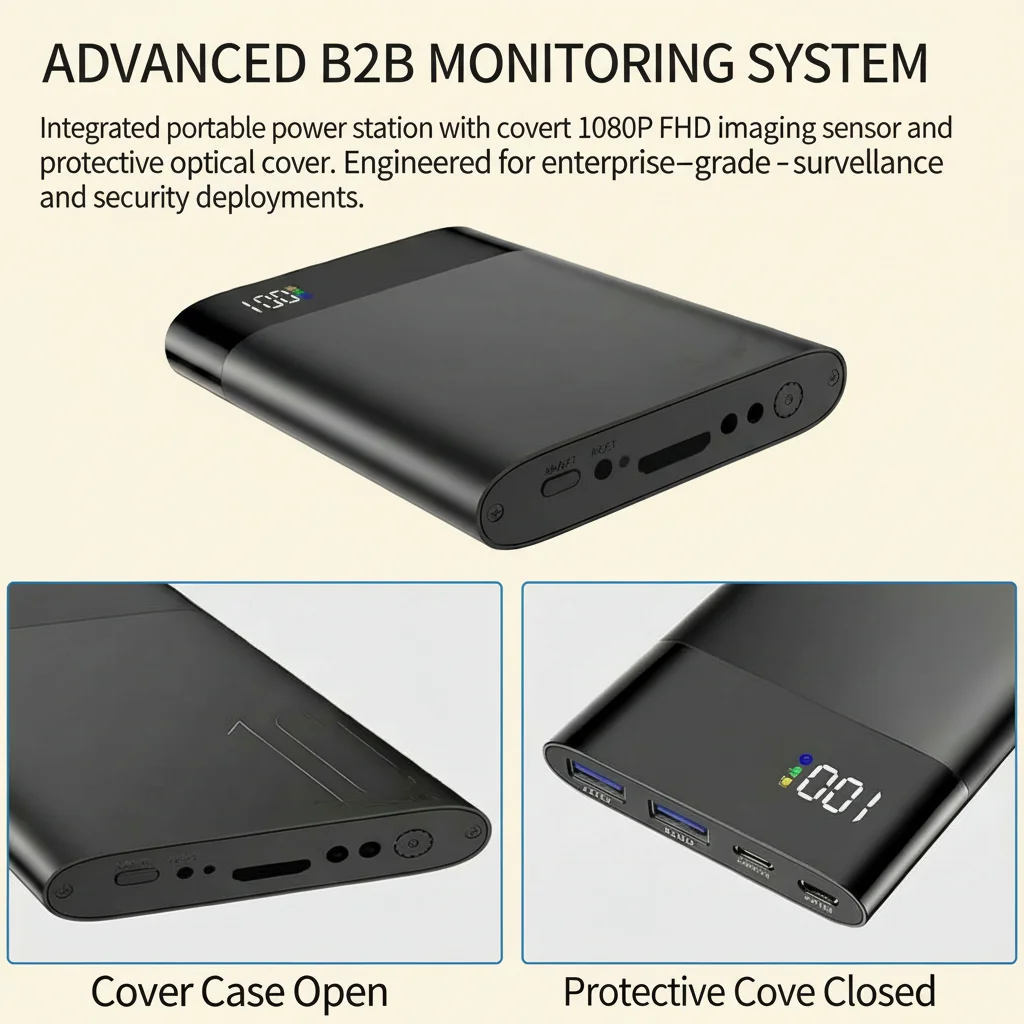
Best for: Mobile surveillance, businesses without fixed power near theft areas, temporary covert placements during investigations.
Where to Position Your Cameras for Maximum Coverage
Camera placement is where most small business owners get it wrong. You do not want maximum coverage — you want targeted coverage of the areas where theft opportunity is highest.

Priority placement zones for small businesses:
1. Behind the counter / point of sale area. This is the highest-risk zone in any retail or hospitality business. Cash changes hands here, voids and refunds are processed here, and the employee is often alone here. A USB charger camera or clock camera at eye level behind the till captures clear facial detail and transaction behaviour.
2. Stockroom entrance and shelving aisles. Inventory shrinkage is the second most common form of small business theft. A smoke detector camera covering the stockroom entrance captures who enters, when, and what they carry.
3. Break rooms and changing areas (with legal caveats — see below). Break rooms can be hotspots for time theft, equipment borrowing, and informal goods exchange between staff. A clock camera in a break room can document whether employees are actually taking their allotted breaks or running personal errands on company time.
4. Loading docks and back entrances. External accomplices sometimes coordinate with inside employees to pass goods through back doors. A covert camera covering the loading dock documents entry and exit with or without authorisation.
> Key Takeaway: Less is more. Two or three well-placed cameras covering your highest-risk zones will yield better evidence than six cameras spread thin across a large space with weak angles and poor lighting.
Legal Requirements: Can You Even Use https://qztsecurity.com/wp-content/uploads/2026/05/Hidden-Cameras-7.webp at Work?
This is the question that stops many small business owners from acting. The short answer is: yes, with conditions.
In the United Kingdom, the Information Commissioner’s Office (ICO) guidance on covert surveillance makes a distinction between overt and covert recording. Covert recording — recording someone without their knowledge — is permitted in limited circumstances, specifically where:
– You have reasonable grounds to suspect criminal activity
– You have notified the relevant supervisory authority (the ICO) before beginning surveillance
– The surveillance is necessary and proportionate to the problem you are investigating
For domestic-style businesses (small shops, family-run pubs, sole-trader operations) where the employer has a direct working relationship with employees, courts tend to apply a lower standard of disclosure than in large corporate environments. However, you must still have a written CCTV and covert surveillance policy in place, and employees should generally be informed through their employment contract or a staff handbook that monitoring occurs in certain areas.
In Germany, recording in the workplace is subject to works council co-determination rights and strict data minimisation requirements under the BDSG. In France, the CNIL requires prior employee information and limits covert recording to cases of serious and flagrant misconduct. In Italy and Spain, similar data protection frameworks apply under GDPR Article 6 legal obligation basis.
> Key Takeaway: Do not install hidden cameras without first consulting an employment law solicitor or your national data protection authority. The evidence you gather is worthless — or worse, legally actionable against you — if the surveillance itself was conducted unlawfully.
Hard rules that apply across most EU jurisdictions and the UK:
– Never record in bathrooms, toilets, changing rooms, or any area where employees have a reasonable expectation of privacy
– Audio recording is significantly more restricted than video recording in every EU member state and the UK
– If employees are represented by a trade union, that body may have consultation rights over surveillance implementation
– Footage must be stored securely, access-controlled, and deleted within 30 days (UK ICO recommendation)
How to Ensure Your Footage Holds Up as Evidence
Capturing blurry, timestamp-free footage of an inconclusive incident will not help you in an employment tribunal or police report. Here is what evidence-grade covert recording looks like:
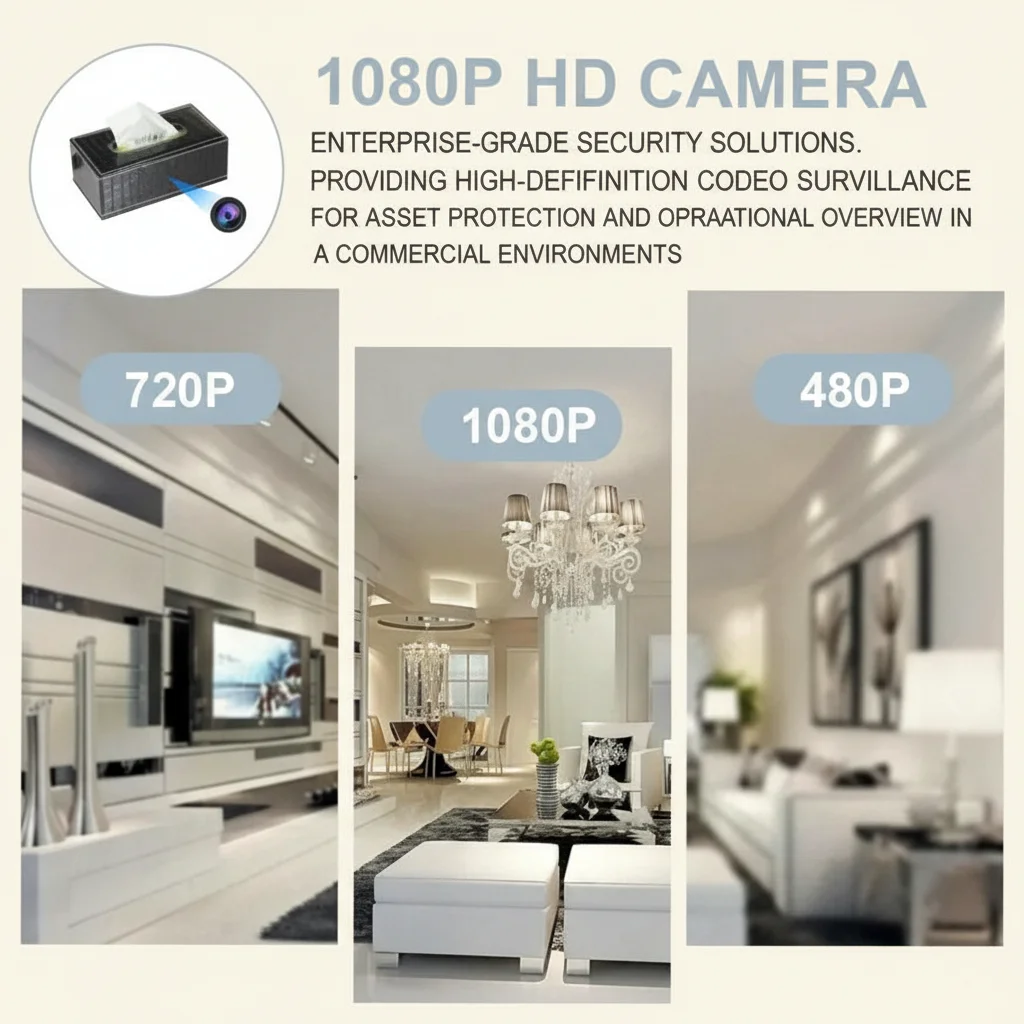
Resolution: 1080P minimum. You need to identify a person, and that requires clear facial detail at the distance your camera will be from the subject. Most modern hidden cameras offer 1080P (1920×1080) recording. Avoid cameras that market “4K” or “Ultra HD” without independent verification — the chipsets in budget hidden cameras typically interpolated lower-resolution sensors to a higher output resolution.
Timestamp watermarking. Every frame of your recording must carry an embedded, non-editable timestamp. This proves when the footage was recorded and rules out any suggestion that the evidence was fabricated or edited. Most quality covert cameras include this feature by default.
Continuous or loop recording. Theft does not announce itself. Motion-triggered recording is efficient but risks missing the moment if the movement threshold is poorly calibrated. If your camera supports both modes, set motion-triggered for areas with low traffic and continuous recording for high-risk zones like the till area.
Secure storage. SD cards should be kept in a locked drawer, not left inside the camera. Change and review the card on a regular schedule. Cloud-connected cameras allow remote footage retrieval, but cloud storage adds subscription costs and introduces a potential data breach surface — a consideration under GDPR if your footage captures identifiable individuals.
Step-by-Step: What to Do After You Catch an Employee Stealing
This is where composure matters more than anything else. Your reaction in the first 24 hours after discovering evidence can determine whether the case succeeds or falls apart.
Step 1 — Secure the footage immediately. Copy the relevant clips to a separate, password-protected device. Do not share them with anyone yet. Label the source clearly with date, time, and camera location.
Step 2 — Review without jumping to conclusions. Watch the full footage. Verify that the person in the recording is who you believe it to be. Look for corroborating evidence: point-of-sale records, inventory logs, or access logs that align with what you see on camera. One incident may not be enough for dismissal; a pattern of incidents is far more actionable.
Step 3 — Consult your solicitor or HR advisor before taking any action. In the UK, employment tribunals scrutinise the procedural fairness of dismissal decisions. If you dismiss an employee for theft based on hidden camera evidence without following a proper process, you risk an unfair dismissal claim even if the theft is proven. Your solicitor will advise on whether to involve the police, how to conduct an investigation, and how to structure a disciplinary meeting.
Step 4 — Conduct a formal disciplinary meeting. Present the evidence. Follow your standard disciplinary procedure. The employee has the right to be accompanied by a colleague or trade union representative. Document everything.
Step 5 — Report to police if appropriate. For theft over £200 in England and Wales, you can report to the police. Provide the footage, any corroborating documentation, and a timeline. Whether to pursue criminal charges is your decision — employment tribunal proceedings and criminal proceedings are separate tracks.
Common Mistakes Small Business Owners Make with Covert Cameras
Even well-intentioned owners undermine their own investigations by making preventable errors.
Installing cameras without a written policy. This is the most common and most consequential mistake. Without a documented surveillance policy, you may be found to have conducted unlawful surveillance — and any evidence gathered as a result may be inadmissible in tribunal proceedings. It also exposes you to GDPR-related complaints from employees.
Telling other employees about the cameras. If you suspect a specific employee, resist the urge to share your suspicions with their colleagues. Word travels fast in small businesses. If the subject learns they are under surveillance before you have gathered sufficient evidence, they will change their behaviour — or destroy evidence — and your investigation ends.
Placing cameras in legally protected zones. Bathrooms, changing rooms, and any area where employees have a reasonable expectation of privacy are absolutely off-limits. A legitimate investigation into theft does not authorise you to record in these spaces. The legal consequences of doing so — including potential criminal charges — far outweigh the investigative benefit.
Relying on budget cameras with poor night vision. Much of the theft you are trying to catch — after-hours stockroom access, loading dock activity — occurs in low-light conditions. Most sub-£30 hidden cameras use basic IR LEDs that produce a visible red glow, alerting the subject that they are being recorded. Invest in no-glow 940nm IR LEDs for night recording in dark environments.
Not reviewing footage regularly. Set a weekly review schedule. Theft investigations have a shelf life. If you discover footage from an incident that occurred six weeks ago and failed to act on it, you may have a stronger case for summary dismissal, but you have also lost the opportunity for early intervention.
FAQ
Can I legally use a hidden camera to catch employee theft in the UK?
Yes, but with conditions. Under ICO guidance, covert surveillance in the workplace is permitted where there are reasonable grounds to suspect criminal activity and the surveillance is necessary and proportionate. You must have a written surveillance policy, and you should inform employees (generally through a staff handbook or employment contract) that monitoring occurs in certain areas. Never record in bathrooms, changing rooms, or any area with a reasonable expectation of privacy.
What is the best hidden camera for catching cash register theft?
A USB wall charger camera placed behind or adjacent to the till area is the most effective option for cash register monitoring. It is always powered, always recording, and completely indistinguishable from a standard USB charging point. The WiFi Spy Camera USB Charger 1080P also supports remote viewing via app, so you can review footage in real time from any location.
Will hidden camera footage be accepted as evidence in an employment tribunal?
Yes, provided the surveillance was conducted lawfully — with a policy in place, within the bounds of GDPR and ICO guidance, and in areas without a reasonable expectation of privacy. Footage that was obtained through unlawful surveillance (for example, recording in a bathroom) will be inadmissible and may result in legal liability for the employer. Always seek legal advice before using covert footage as evidence.
How long should I keep hidden camera footage before deleting it?
The ICO recommends a maximum retention period of 30 days for routine CCTV and covert surveillance footage in the workplace. However, if footage contains evidence of a specific incident under investigation, retain it until the disciplinary matter and any related legal proceedings are fully resolved — typically 3–6 months after the case closes. Store footage securely with access controls throughout this period.
Can I use hidden cameras without Wi-Fi?
Yes. Many hidden cameras operate completely offline using local SD card storage. The WiFi Smoke Detector Hidden Camera 1080P and Z10 WiFi Spy Clock Camera both support local recording to microSD card, meaning no internet connection is required. This also eliminates the risk of footage being accessed through a compromised network and adds a layer of GDPR-aligned data security.
Internal theft does not fix itself. The longer it continues undetected, the more it costs — and the harder it becomes to address without creating disruption to your team and your business. A properly placed hidden camera gives you the evidence you need to act decisively, proportionately, and legally.
If you are ready to explore covert surveillance options for your business, contact us today for a consultation. We supply a wide range of hidden cameras for small business deployment across the UK, EU, and international markets, with expert guidance on legal compliance and product selection.

 English
  Italiano
  Deutsch
  Français
  Español
  Polski