
Come scegliere il formato corretto della telecamera nascosta per la tua attività
Walk into any covert surveillance equipment catalogue and the number of form factors can feel overwhelming. There are USB charger cameras. Smoke detector cameras. Wall clock cameras. Pen cameras. Key fob cameras. Power bank cameras. Button cameras. Glasses cameras. Each one has a sales page that says it is the best, the most discreet, the most versatile. The truth is simpler: none of them is universally best. The right hidden camera for your business is the one that matches your specific surveillance environment, your placement constraints, and the behaviour you are trying to document.
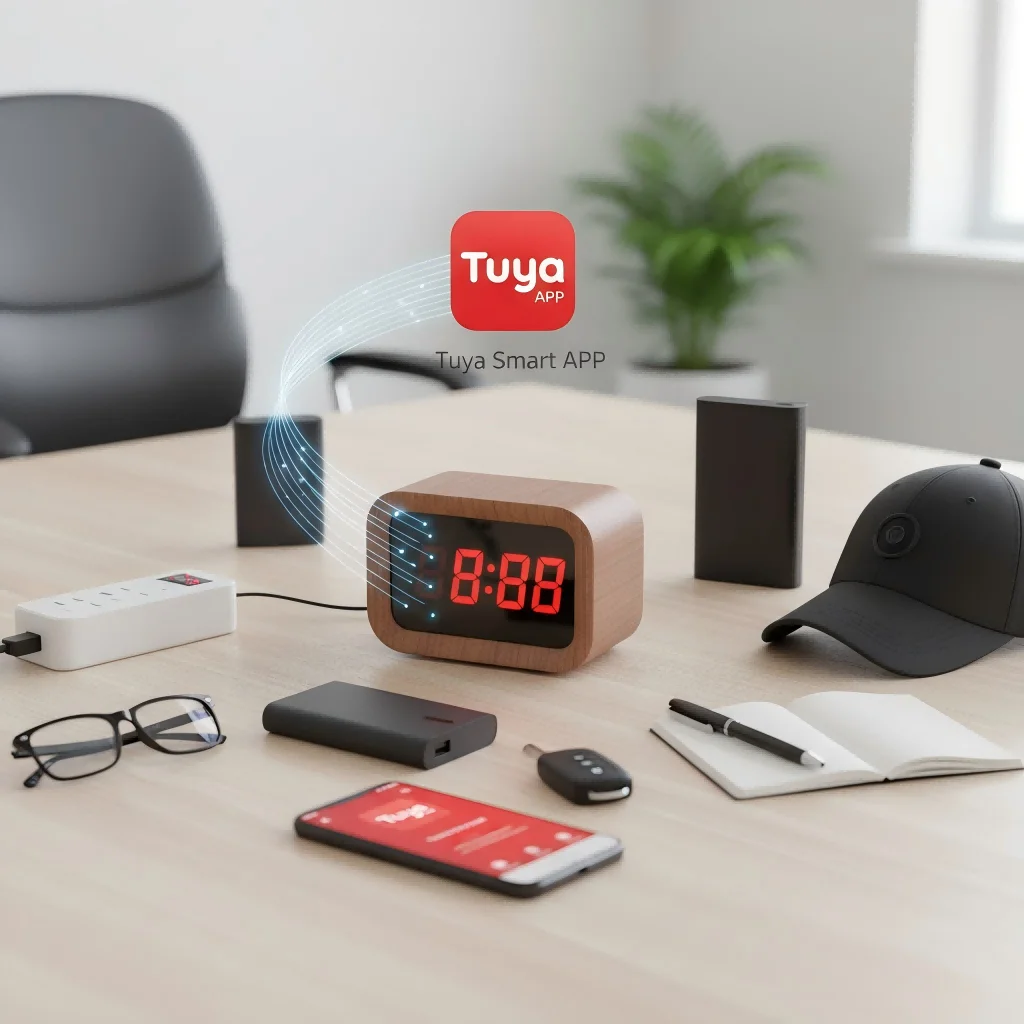
This guide cuts through the noise and gives you a practical framework for choosing between the most common hidden camera form factors.
Why the Form Factor Matters More Than the Spec Sheet
It is tempting to start with resolution, night vision range, or battery life. These specs matter — but they are secondary to a more fundamental question: will the camera go unnoticed in exactly the spot where you need it?
A 4K camera with perfect night vision is worthless if its placement draws attention. A camera that looks out of place in a professional environment — a toy-shaped camera in a retail store, a conspicuous device in a manager’s office — fails its primary mission before it captures a single frame. The form factor is the camera’s camouflage, and camouflage is the only spec that directly determines whether your surveillance succeeds or fails.
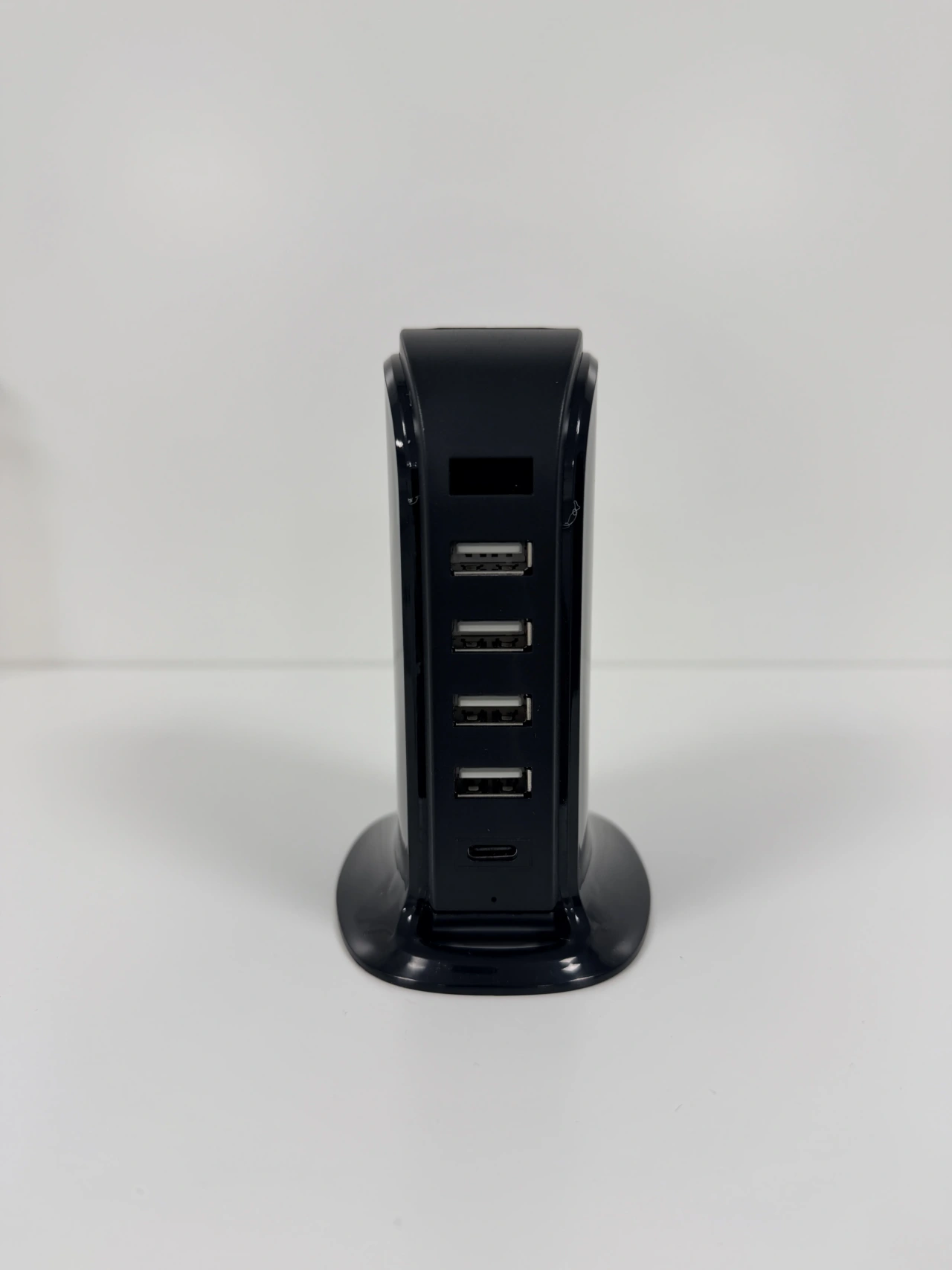
Beyond discretion, form factor determines practical constraints:
– Power availability: A USB charger camera needs a wall socket; a power bank camera needs to be recharged periodically
– Campo visivo: Ceiling-mounted smoke detectors give a top-down wide view; a pen camera gives a close frontal angle
– Portabilità: Some situations require mobile surveillance; others demand fixed, forgettable placement
Get the form factor right, and the other specs become optimisation problems rather than fundamental choices.
USB Charger Cameras: When to Use Them
A Caricabatterie USB con telecamera spia WiFi 1080P looks exactly like a standard USB wall charger — the kind you see in every home and commercial building across Europe. It sits in a wall socket and never needs battery charging, never needs to be moved, and never looks out of place.
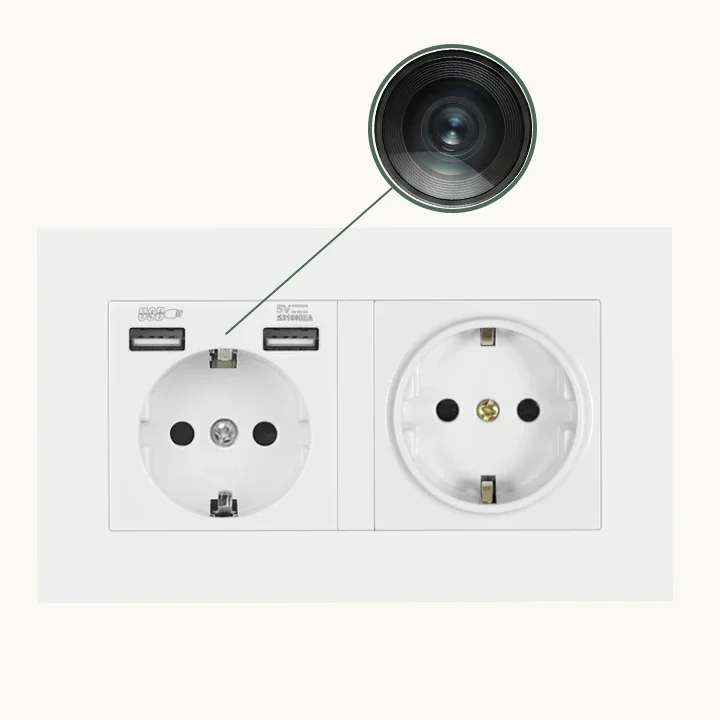
The permanent power connection is the decisive advantage. Unlike battery-powered cameras that can run flat at the worst possible moment, a charger camera draws directly from the mains and will not miss the incident you set out to capture. This makes it the most reliable form factor for continuous surveillance in a fixed location.
Use a USB charger camera when:
– You have a wall socket in your target area — behind the till, in the stockroom corner, in a manager’s office, along a corridor
– You need 24/7 continuous recording without maintenance
– You want a camera that will blend into a professional environment without looking unusual
– You are covering a cash handling or transaction area where the evidence must be uninterrupted
Limitations to consider:
– Fixed position — if the socket is in the wrong place, the camera angle will be wrong too
– Not suitable for locations without accessible wall sockets
– Cannot be moved quickly between locations without leaving a conspicuous empty socket
Best placement scenarios: Behind or adjacent to till areas in retail shops and pharmacies; in stockrooms with socket access near shelving; in manager’s offices; in beauty salons and barbershops where a charging point is expected.
Smoke Detector Cameras: When to Use Them
A Allarme Antifumo WiFi Camera Nascosta 1080P mounts on the ceiling in the same position as a standard smoke alarm. This is its primary advantage: in any commercial building, a ceiling-mounted smoke detector is completely unremarkable. It belongs there. No employee, customer, or visitor will look at it twice.
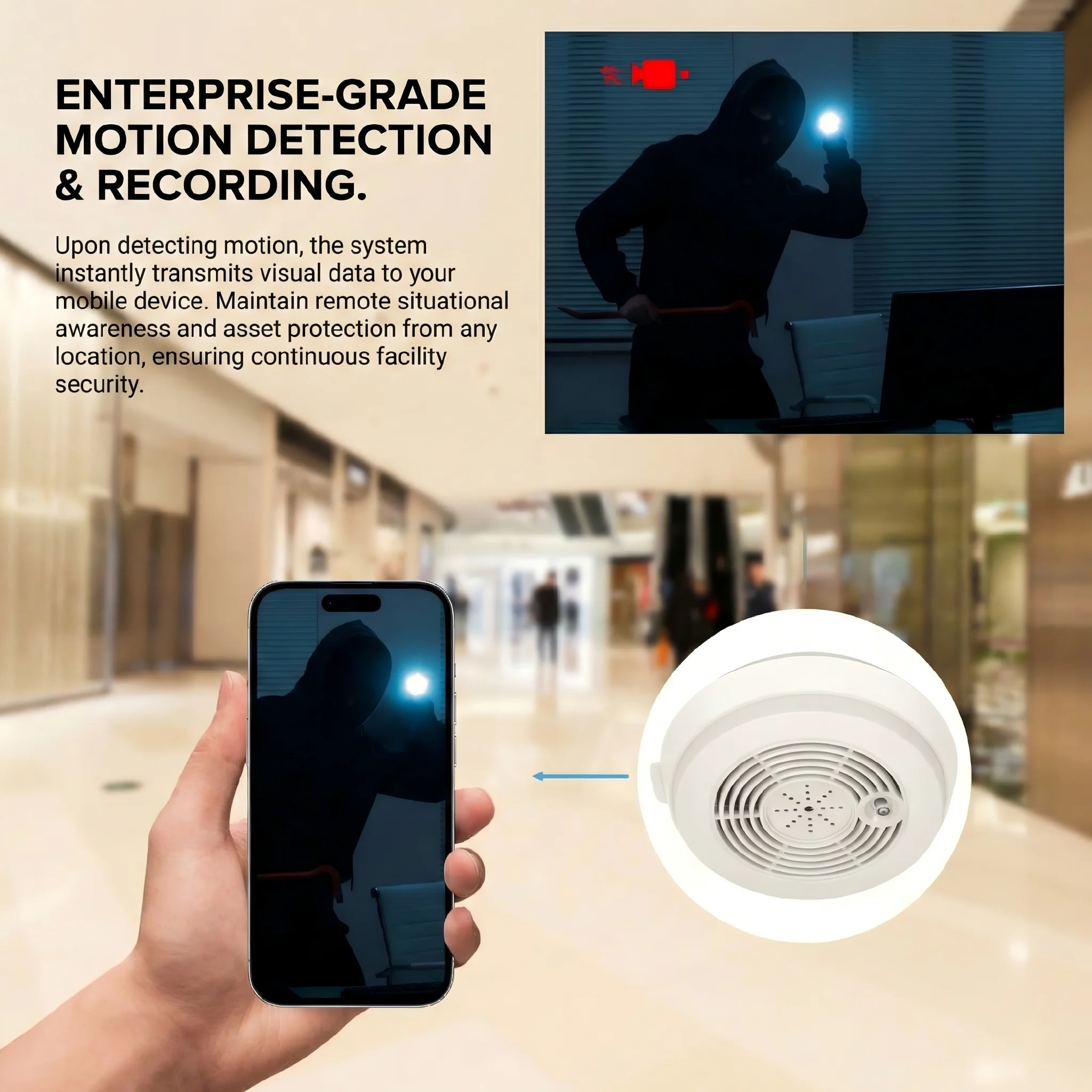
The elevated mounting position gives smoke detector cameras the widest field of view of any fixed-form-factor hidden camera. Mounted at 2.4–3 metres (standard commercial ceiling height), a smoke detector camera can cover a large open-plan area — an entire shop floor, a warehouse aisle, a kitchen — from a single vantage point.
Use a smoke detector camera when:
– You need to cover a large open area from above
– Your building already has smoke detectors — meaning one more is completely unremarkable
– You want a wide-angle view rather than a close-range shot
– You need to cover areas where wall sockets are not conveniently positioned
– The area has normal-to-good ambient lighting (ceiling-mounted devices often have less optimal lighting than eye-level positions)
Limitations to consider:
– Ceiling installation requires the right type of ceiling and mounting hardware
– Camera angle is fixed — you cannot easily adjust the viewing direction without remounting
– May require professional installation in some commercial premises
– Night vision quality may be reduced at the angles typical of ceiling-mounted units
Best placement scenarios: Retail shop floors; warehouse aisles and storage areas; commercial kitchens; offices with open-plan layouts; anywhere a smoke detector is a natural and expected fixture.
Clock Cameras: When to Use Them
IL Z10 Orologio Spia con Fotocamera WiFi 1080P looks exactly like a standard wall clock — the kind found in virtually every break room, manager’s office, reception area, and stockroom in the country. Wall clocks are so ordinary that no one thinks about them. That ordinariness is the camouflage.
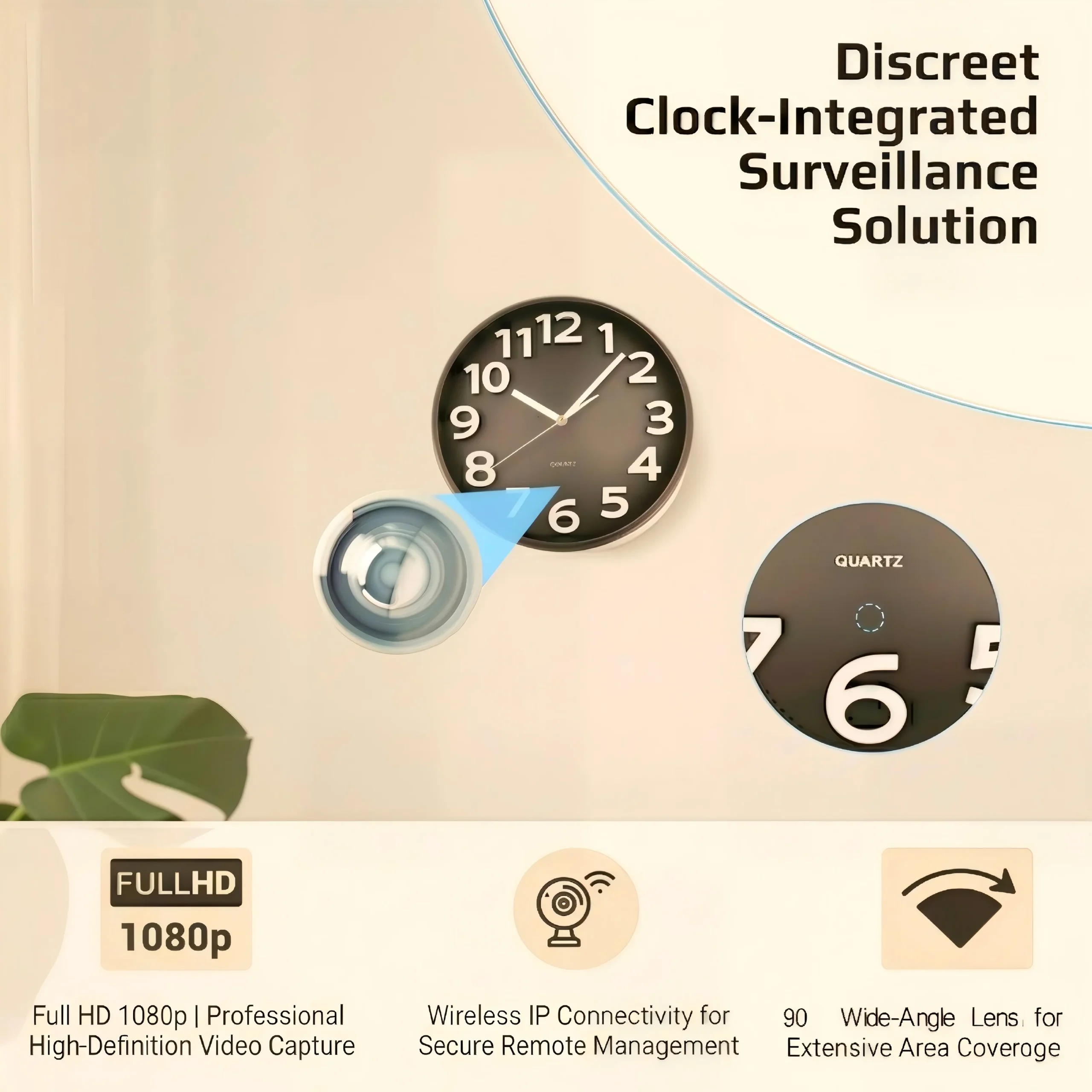
Clock cameras occupy eye level, which gives them a distinct advantage over ceiling-mounted options: they capture facial detail more effectively. At a distance of 2–4 metres, a clock camera pointed at a desk or counter will record clear images of the people in front of it — better suited for identifying an individual than a wide-angle ceiling view from 3 metres up.
Clock cameras are also the most flexible fixed-form-factor option for desk and counter placement. They can be positioned on a shelf, a cabinet, or a desk surface without looking unusual — as long as the space is one where a wall clock or desk clock would naturally be found.
Use a clock camera when:
– You need eye-level placement for clearer facial identification
– Your target space is a manager’s office, reception desk, or break room
– You want the ability to reposition the camera relatively easily between investigations
– You are covering a counter or desk area where the subject will be facing the camera
Limitations to consider:
– Clock cameras typically need to be plugged in or periodically recharged (unless the model includes a large internal battery)
– Il quadrante dell'orologio limita le dimensioni dell'obiettivo e quindi il campo visivo
– Meno adatto per aree in cui un orologio sembrerebbe fuori posto (banchine di carico, aree esterne, piccoli magazzini)
Best placement scenarios: Uffici dei dirigenti e banchi della reception; sale pause in ambienti di vendita al dettaglio, ospitalità e uffici; uffici dei magazzini con una scrivania o un armadio dove un orologio si troverebbe naturalmente.
Telecamere Power Bank: Quando Utilizzarle
A Power Bank Nascosta WiFi 1080P sembra un power bank portatile standard. Può essere posizionata su uno scaffale, dentro un cassetto, sotto un bancone, sopra un armadio — ovunque. Il fattore di forma è così ordinario e così ubiquo che non suscita alcun sospetto in praticamente qualsiasi ambiente.
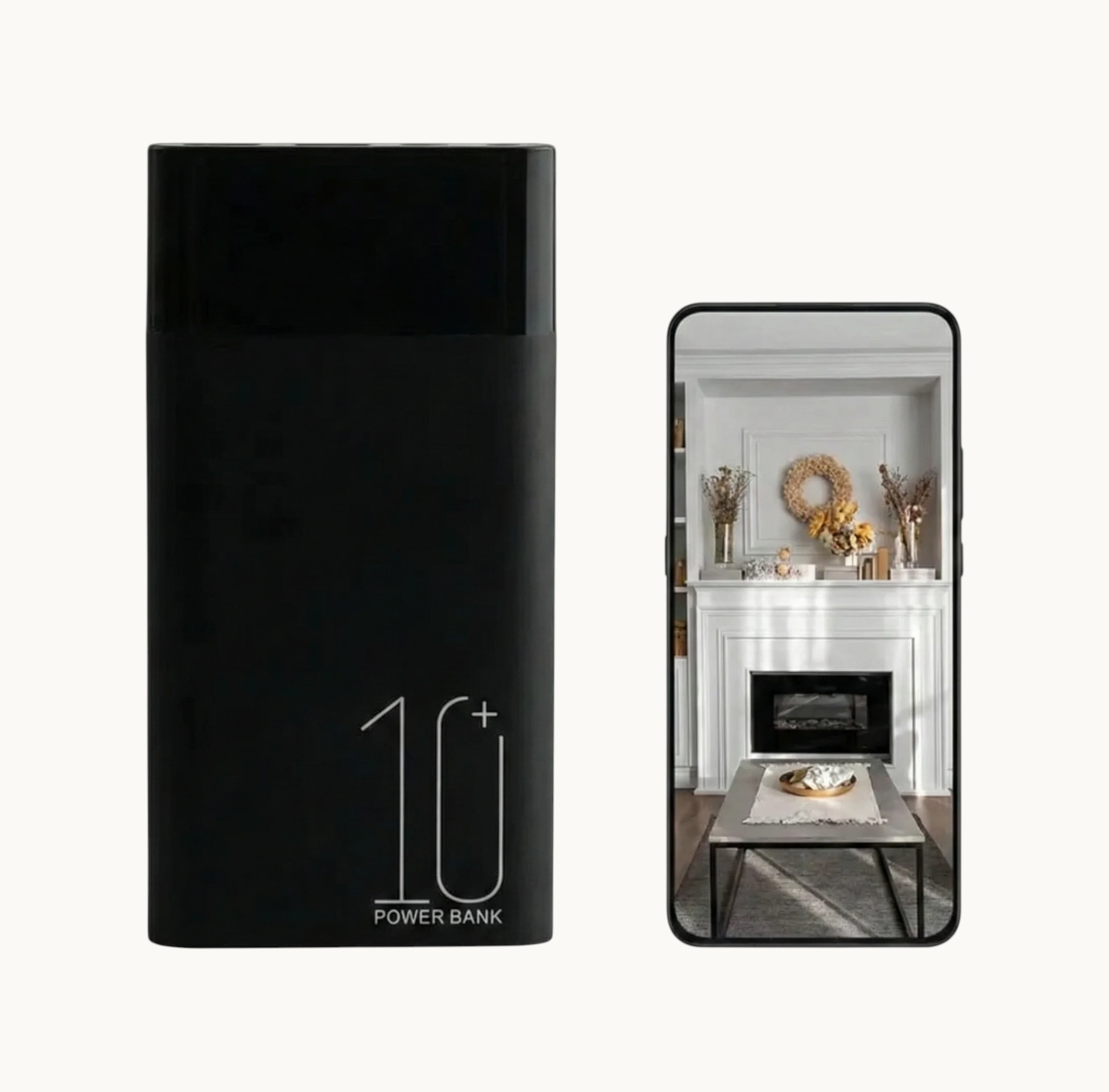
Il vantaggio principale del fattore di forma del power bank è portabilità. A differenza delle telecamere caricabatterie (fissate a una presa) o dei rilevatori di fumo (montati sul soffitto), una telecamera power bank può essere spostata tra le posizioni senza lasciare tracce del suo posizionamento precedente. Puoi usarla oggi nel magazzino, riposizionarla al molo di carico domani e portarla a una fiera commerciale la prossima settimana.
Questa caratteristica rende le telecamere power bank l'opzione più versatile per i piccoli imprenditori che necessitano di una copertura flessibile o che stanno conducendo indagini a breve termine in più sedi.
Usa una telecamera power bank quando:
– Hai bisogno di sorveglianza mobile o riposizionabile
– L'area di interesse è priva di prese a muro o opzioni di montaggio a soffitto convenienti
– Stai conducendo un'indagine temporanea e devi poter spostare rapidamente la telecamera
– Vuoi una telecamera che possa essere posizionata discretamente per un breve periodo
Limitations to consider:
– L'autonomia della batteria limita la registrazione continua — tipicamente 4–8 ore a seconda della risoluzione e della modalità di registrazione
– Richiede una ricarica regolare, il che crea un compito di manutenzione
– Non adatta per una sorveglianza permanente 24/7 a meno che non sia mantenuta continuamente alimentata
– Se posizionata all'interno di un cassetto o di uno spazio chiuso, la visione notturna e il campo visivo potrebbero essere compromessi
Best placement scenarios: Schieramento mobile in più sedi aziendali; moli di carico e ingressi posteriori senza alimentazione conveniente; indagini coperte temporanee; sorveglianza di veicoli e trasporti.
Penne Spia: Quando Utilizzarle
A Telecamera spia WiFi a penna con audio è una penna a sfera completamente funzionale con una telecamera nascosta all'interno. Il fattore di forma è progettato per sorveglianza personale indossabile — registrano mentre sei fisicamente presente in un'interazione.
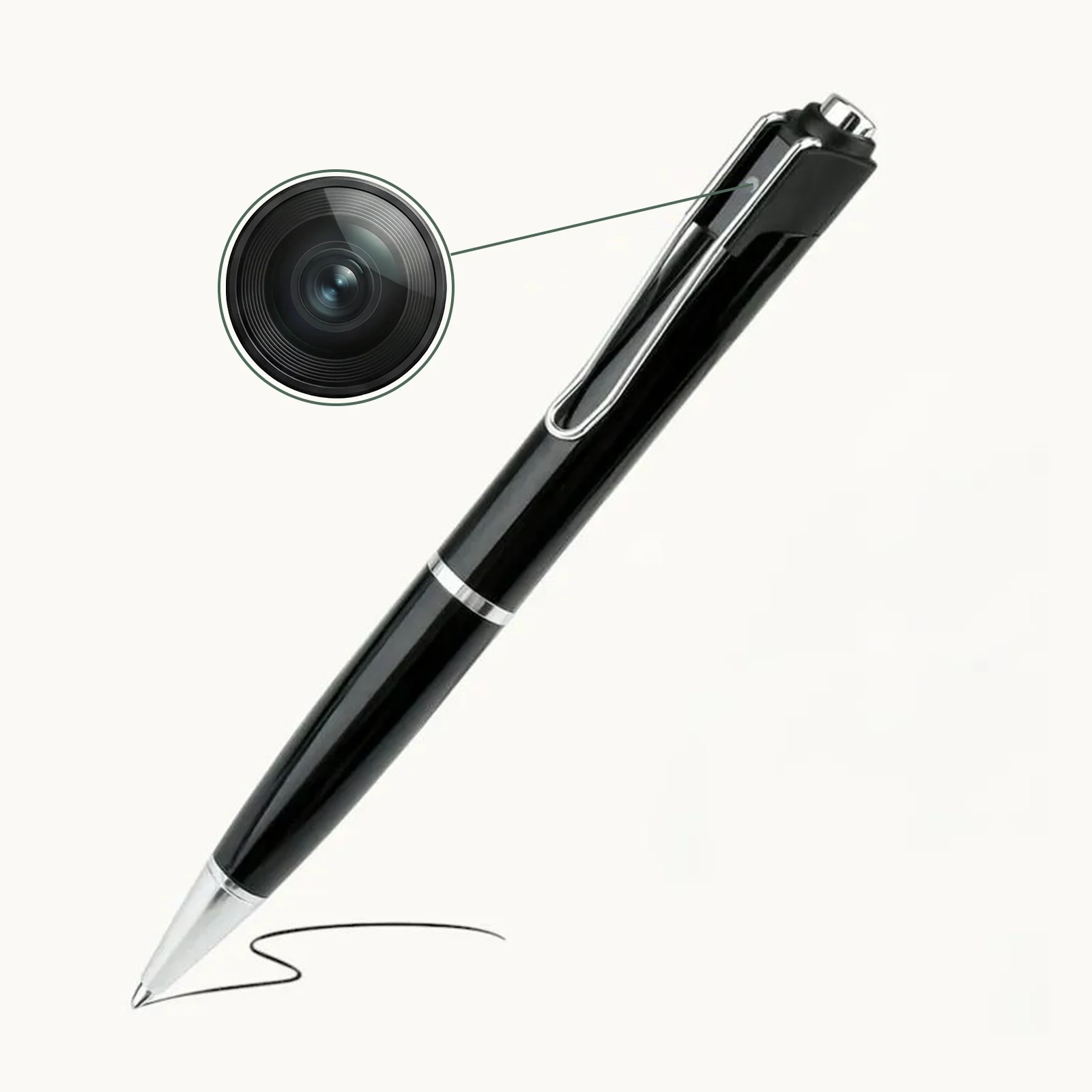
Ciò rende le penne spia categoricamente diverse da ogni altra forma in questa lista. Le telecamere fisse (caricabatterie, rilevatore di fumo, orologio, power bank) osservano uno spazio. Le penne spia osservano una conversazione o interazione in cui stai partecipando. Catturano ciò che vedi e senti dalla tua prospettiva.
Per i piccoli imprenditori, il caso d'uso principale non è la sicurezza dell'edificio — è documentazione delle interazioni. Se stai incontrando un fornitore di cui sospetti che stia travisando la qualità del prodotto, conducendo una conversazione disciplinare in cui desideri avere una tua registrazione di ciò che è stato detto, o partecipando a un evento commerciale in cui devi documentare una conversazione, una telecamera penna fornisce quella registrazione.
Usa una telecamera penna quando:
– Devi documentare le tue interazioni e conversazioni
– Stai conducendo una riunione o una negoziazione in cui desideri una registrazione indipendente
– Hai bisogno di cattura audio e video ravvicinata di un'interazione specifica
– Desideri una telecamera che sia sempre con te senza attirare l'attenzione
Limitations to consider:
– Autonomia limitata della batteria (tipicamente 60–90 minuti di registrazione continua)
– Cattura una singola prospettiva — utile per le conversazioni ma non per la sorveglianza dell'area
– La maggior parte dei modelli richiede una scheda microSD poiché non c'è capacità di streaming Wi-Fi sui dispositivi a forma di penna
– Le leggi sulla registrazione audio sono significativamente più restrittive di quelle sulla registrazione video nella maggior parte delle giurisdizioni — ottenere sempre il consenso prima di registrare le conversazioni
Best placement scenarios: Registrazione sulla persona durante riunioni con fornitori, conversazioni con clienti o riunioni disciplinari; documentazione mobile in qualsiasi situazione in cui devi catturare sia audio che video di un'interazione dalla tua prospettiva.
Telecamere Portachiavi e Indossabili: Quando Utilizzarle
Le telecamere portachiavi — come la Telecamera Spia per Chiavi dell'Auto 1080P — sono progettati per il trasporto personale e la registrazione rapida. Assomigliano a un telecomando standard per auto o a un telecomando e possono essere attivati con la pressione di un singolo pulsante.
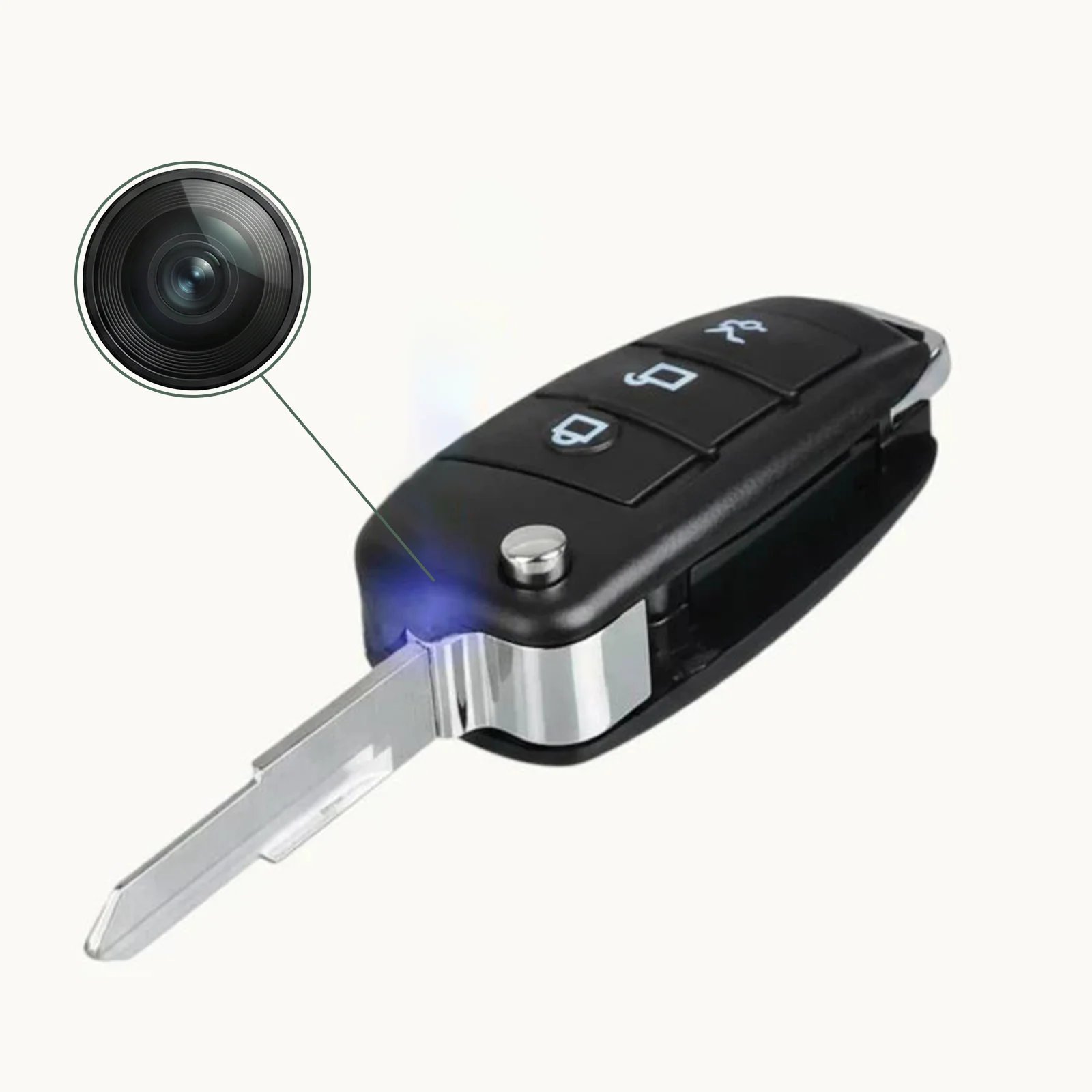
Per i piccoli imprenditori, le telecamere portachiavi svolgono una funzione simile alle penne spia: documentano le interazioni personali e forniscono una registrazione segreta di conversazioni, riunioni o osservazioni mentre sei in movimento. La forma portachiavi è particolarmente adatta per:
– Imprenditori che si spostano frequentemente tra diverse sedi
– Registrare conversazioni informali che sorgono durante le visite in sito
– Catturare prove di attività insolite in un attimo senza attirare l'attenzione
Telecamere occhiali — come la Occhiali Spia HD 12MP — sono progettati per la registrazione in prima persona. Vengono utilizzati principalmente in contesti all'aperto, fiere o investigativi dove è necessaria una registrazione senza mani dalla prospettiva di chi li indossa.
Confronto delle Forme: Quale è Giusta per la Tua Azienda
| Fattore di forma | Ideale per | Fonte di alimentazione | Portabilità | Campo visivo |
|---|---|---|---|---|
| Caricabatterie USB | Aree di cassa, magazzini, posizioni fisse | Always-on (mains) | Fixed | Medium (eye level) |
| Rivelatore di fumo | Open-plan floors, warehouses, kitchens | Hardwired or battery | Fixed | Wide (top-down) |
| Orologio da parete | Offices, break rooms, reception desks | Batteria o USB | Semi-portable | Medium (eye level) |
| Banca di potere | Mobile, temporary, multi-location use | Rechargeable battery | Fully portable | Medio |
| Penna fotografica | Personal interaction recording | Internal battery (60–90 min) | Fully portable | Narrow (close range) |
| Key Fob | Quick-capture mobile recording | Internal battery | Fully portable | Narrow (close range) |
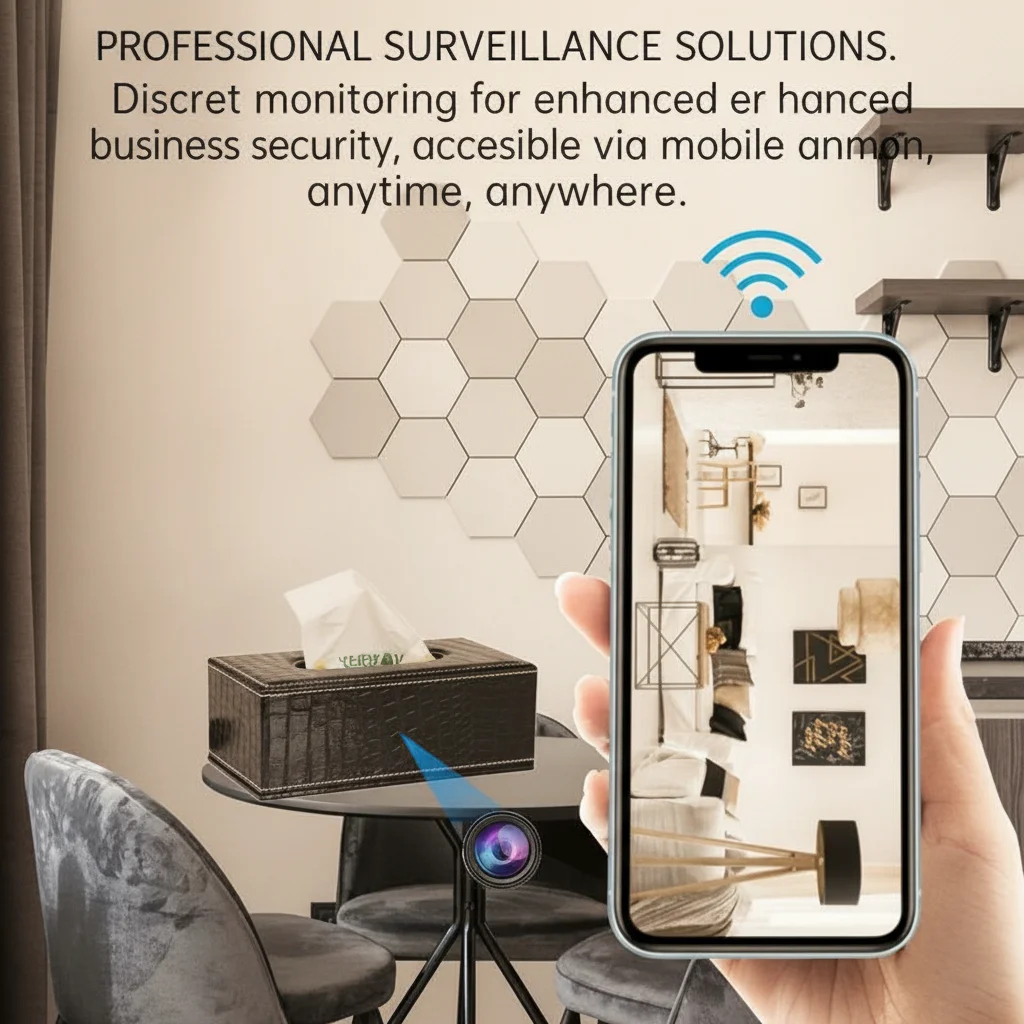
The most effective small business surveillance strategies combine two or more form factors: a permanently placed charger or smoke detector camera for continuous coverage of your highest-risk zones, supplemented by a portable power bank camera for flexible deployment when needed.
Common Mistakes When Choosing a Hidden Camera Form Factor
Choosing based on price rather than placement fit. The cheapest camera is rarely the right camera. A £25 charger camera placed in the perfect position will outperform a £120 smoke detector camera in the wrong location every time.
Ignoring the lighting conditions of the target area. Stockrooms, loading docks, and back corridors are often dimly lit. Not all hidden cameras perform equally in low light. Check the night vision specifications — specifically whether the IR LEDs are 940nm no-glow (invisible) or 850nm (faint visible red glow).
Buying Wi-Fi cameras without verifying router compatibility. Many modern routers — particularly those supplied by internet service providers — have the 2.4GHz band disabled or poorly configured. Hidden cameras that rely on Wi-Fi streaming will not connect if your router does not broadcast 2.4GHz. If in doubt, test with a local-only (SD card) model first.
Failing to account for maintenance. Battery-powered cameras require periodic recharging and SD card management. If you install cameras in hard-to-reach locations (ceiling-mounted smoke detectors, behind fixed furniture) and then neglect the maintenance schedule, you will have surveillance gaps exactly when you need coverage most.
Choosing form factors that look wrong for the environment. A smoke detector in a hair salon is unusual — salons rarely have ceiling-mounted smoke detectors. A USB charger camera in a stockroom without a power outlet at the right height is useless. Before purchasing, observe the physical environment and identify what form factors would be natural and unremarkable in that space.
Domande frequenti
What is the best hidden camera for a small shop with limited wall sockets?
For shops with limited socket access, a Allarme Antifumo WiFi Camera Nascosta 1080P is the most practical option. It mounts on the ceiling without requiring a wall socket, covers a wide area from an elevated position, and is completely unremarkable in any commercial building. Pair it with a Telecamera nascosta con power bank for portable coverage of high-risk spots like loading docks.
Can I use a hidden camera in a room without any accessible power source?
Yes — use a battery-powered camera like the Power Bank Nascosta WiFi 1080P. With a fully charged power bank, you get 4–8 hours of continuous recording, which is sufficient for most investigation sessions. For longer deployments, some power bank cameras support recording while charging via USB power bank passthrough.
What hidden camera captures the clearest facial detail?
Eye-level placement generally captures clearer facial detail than ceiling-mounted options because the camera is closer to face height. Clock cameras (like the Z10 Telecamera spia WiFi a sveglia) positioned at a counter or desk at 2–3 metres typically produce the clearest identifiable facial footage in small business environments. USB charger cameras placed behind a till area at eye level are equally effective for transaction documentation.
Which hidden camera is easiest to install and move between locations?
Power bank cameras are the easiest to redeploy — they require no installation, no mounting, and no socket access. Simply place the device and start recording. For permanent fixed surveillance, USB charger cameras are the simplest: plug into a socket and insert a microSD card. No mounting hardware, no drilling, no professional installation required.
Are Wi-Fi enabled hidden cameras secure?
Wi-Fi enabled hidden cameras stream footage over your local network, which means the security of that footage depends on your router’s security configuration. Use a strong Wi-Fi password, ensure your router’s firmware is updated, and — where possible — choose cameras that support local SD card storage as well as streaming. Local storage means footage never leaves your premises, which is the most GDPR-aligned approach for small businesses handling personal data.
Choosing the right hidden camera form factor is less about finding the most advanced device and more about matching the camera’s physical characteristics to the specific environment and objective you are trying to achieve. A USB charger camera in the right socket is worth more than a 4K smoke detector in the wrong position. Think about where your vulnerability is, what the physical space allows, and which camera will genuinely go unnoticed — and build your surveillance strategy from that foundation.
Need help selecting the right covert surveillance setup for your specific business environment? Contattaci oggi for a no-obligation consultation. We supply businesses across the UK, EU, and internationally with expert guidance on product selection, legal compliance, and deployment strategy.

 English
  Italiano
  Deutsch
  Français
  Español
  Polski