
How to Choose a Mini Spy Camera with Audio and Night Vision
A mini spy camera with audio and night vision can record clear footage in total darkness and capture voice-level audio — but only if the IR wavelength, microphone placement, and power source match your actual setup. The wrong model leaves you with either a visible red glow at night, muffled audio through a wall, or a flat battery after 90 minutes.
This guide covers the four decisions that determine whether a mini spy camera will work for you: IR type, audio range, power option, and legal boundary.
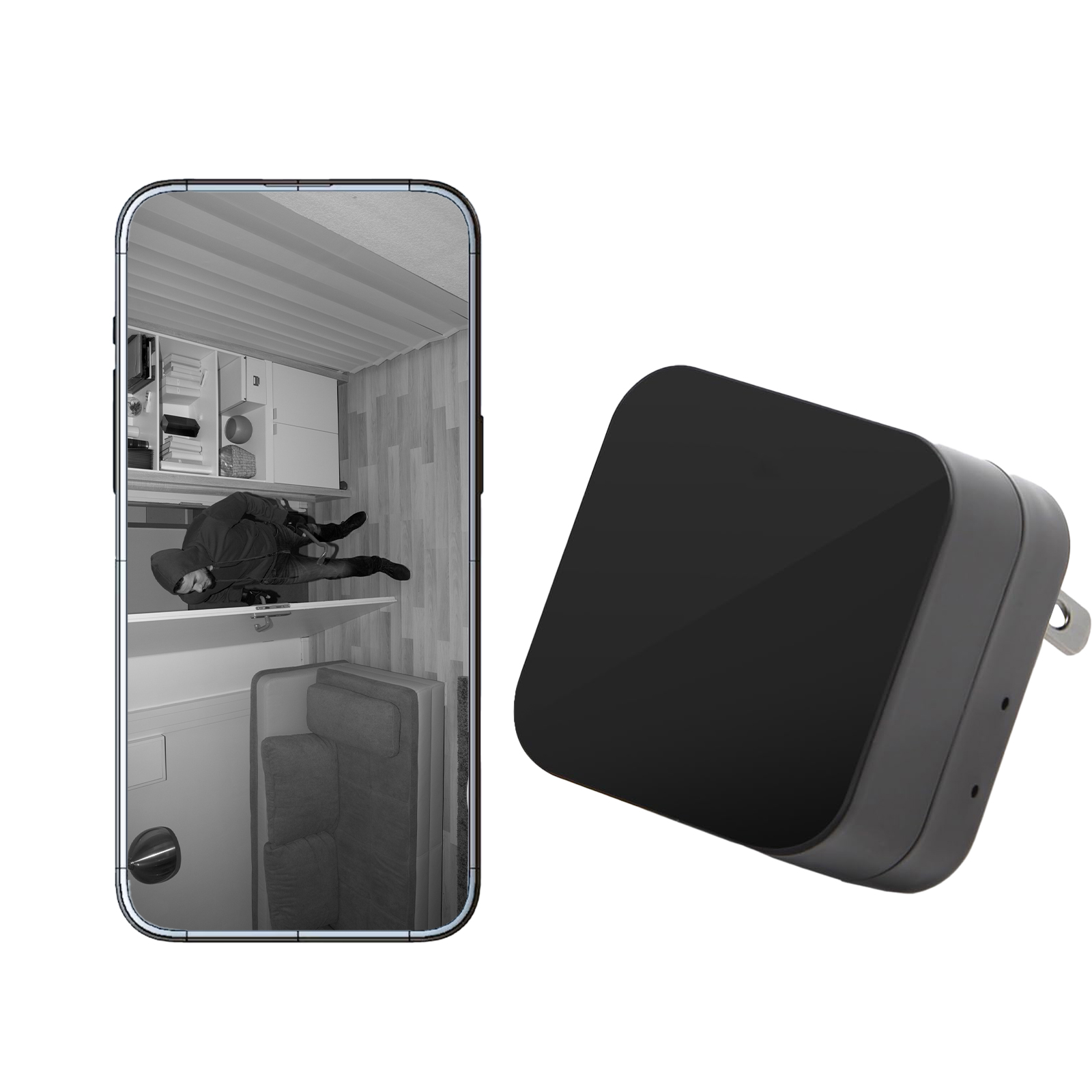
940nm or 850nm IR — does it matter for hidden use?
Yes. This is the single most important spec to check before buying.
850nm IR LEDs are brighter and reach farther — up to 10 meters in some models — but they emit a faint red glow visible in dark rooms. If someone looks directly at the camera in the dark, they will see a red dot. That defeats the point of a covert setup.
940nm IR LEDs produce zero visible light. The trade-off is a shorter effective range, typically 3 to 6 meters. For a desk, bookshelf, or standard office room, that range covers the full space. For a large warehouse corridor, it does not.
| IR Type | Visible Glow | Effective Night Range | Best For |
|---|---|---|---|
| 850nm | Faint red dot visible | 8–15 meters | Outdoor or low-sensitivity covert use |
| 940nm | Completely invisible | 3–6 meters | Indoor hidden placement where glow would expose the camera |
Check the product spec sheet for the exact wavelength. “Infrared night vision” alone does not tell you which type.
How far can a mini spy camera microphone actually pick up audio?
In a quiet room, a standard omnidirectional electret microphone inside a mini spy camera reliably captures conversation at 2 to 3 meters. At 4 to 5 meters with normal speech, the recording becomes usable but not clean.
The housing matters as much as the microphone. If the camera is embedded inside a clock body, power bank, or USB charger, the microphone hole position determines pickup range. A pinhole mic covered by decorative mesh loses 30 to 50% of its sensitivity compared to an exposed mic port.
Before committing to a model, look for:
- A visible mic pinhole on the front or side panel
- No thick plastic covering the mic entry point
- Spec claiming minimum 3-meter pickup range for speech, not just ambient sound
Audio quality also drops significantly near HVAC vents, fans, or open windows. If the camera will sit within 1 meter of background noise, consider a separate hidden spy voice recorder for dedicated audio capture.
Which form factor fits your situation?
“Mini spy camera” covers a wide range of actual shapes. Choose the form factor based on where the camera has to sit, not based on which one is smallest.
| Form Factor | Power Source | Night Vision | Best Placement | Not Ideal For |
|---|---|---|---|---|
| Standalone cube / clip-on | Internal battery | Often 850nm | Temporary setup, travel | 24/7 fixed monitoring |
| Clock hidden camera | AC or USB | 940nm common | Desk, office, bedroom shelf | Moving locations |
| Socket / outlet camera | Continuous AC | 940nm | Fixed rooms, permanent install | Locations without nearby sockets |
| Power bank camera | Built-in battery | Varies | Portable, event-based use | Long unattended operation |
| DIY camera module | External power | Available | Custom furniture or object integration | Plug-and-play users |
If you need the camera to run unattended for more than 4 hours without anyone checking on it, battery-only options are not practical. A clock or socket form factor with a direct power connection solves that problem completely.
How long does the battery last — and what are the real numbers?
Battery-powered mini spy cameras typically run between 60 and 150 minutes on continuous recording with WiFi active. That number drops by around 30% when night vision IR LEDs are running simultaneously.
Motion-detection mode extends usable field time significantly. A camera set to record only when it detects movement can run for 8 to 20 hours of standby on a 1,000mAh battery — but actual recording time is still capped at 60 to 90 minutes total.
What to confirm before buying:
- Is the battery rating quoted for continuous recording or standby?
- Does the night vision draw from the same battery as WiFi streaming?
- Can the camera charge while recording from a USB power bank?
If your use case requires overnight or multi-day operation, a camera with direct AC power is the only realistic solution. Using a large external power bank (10,000mAh) extends runtime to roughly 8 to 12 hours of continuous recording for most 1080p WiFi models.
Does the WiFi connection require an internet connection?
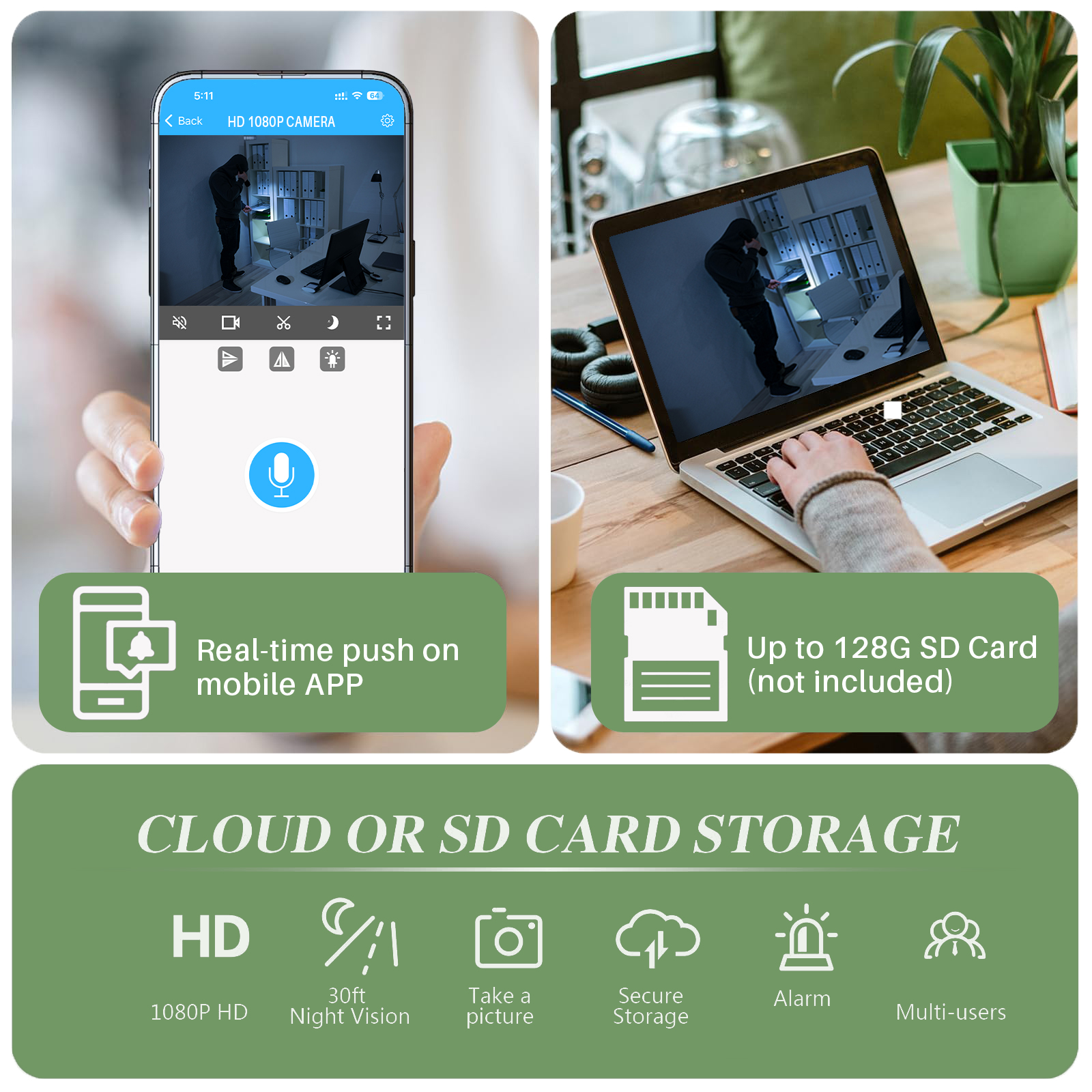
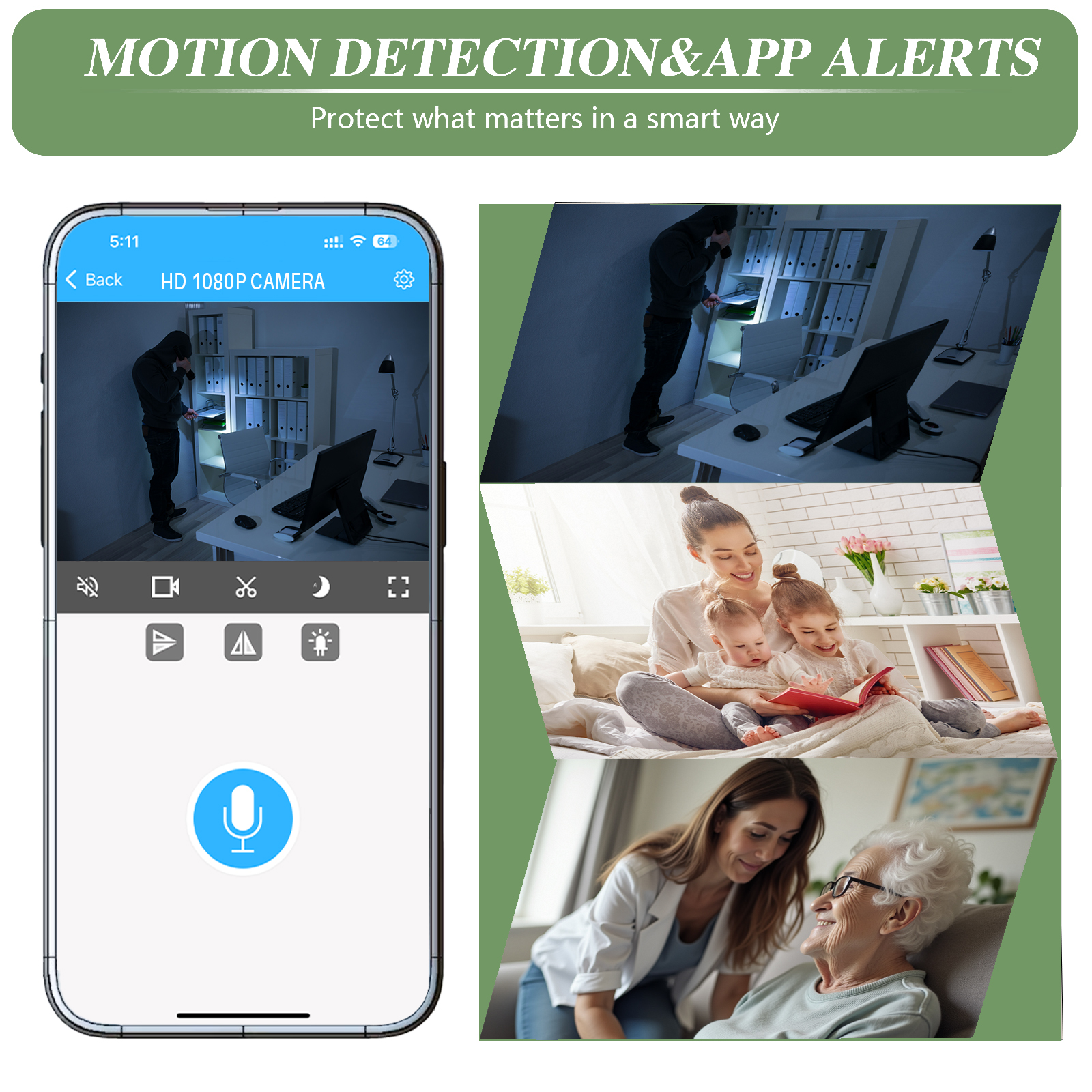
WiFi is for live remote viewing and push notifications — not for recording. Most mini spy cameras with a MicroSD card slot can record locally without any network connection at all.
The common setup confusion: buyers assume WiFi means the camera requires internet to function. It does not. Local recording to a MicroSD card works offline. WiFi only comes into play when you want to view live footage on a phone.
For WiFi live viewing, confirm:
- The camera supports 2.4GHz WiFi (most mini cameras do not support 5GHz)
- The app works in your country (some P2P apps use servers in specific regions)
- Remote viewing outside your home network requires port forwarding or a cloud relay
If you only need recorded footage and not live monitoring, skip WiFi entirely and use a simple SD-card-only model. It is simpler, cheaper, and does not depend on any server staying operational.
Is it legal to record audio and video with a hidden camera in the UK?
In the UK, recording video in your own home or private property is generally permitted under the domestic purposes exemption. Audio recording adds legal complexity.
The UK Information Commissioner’s Office (ICO) confirms that home users recording within their own property are typically exempt from formal GDPR registration. However, this exemption does not automatically extend to audio.
Key limits to check before use:
- Private property, self only: Generally legal for both video and audio without consent
- Shared household: Legally unclear when recording other residents without consent
- Workplace or office: The European Data Protection Board requires clear notification signage for employee monitoring
- Any private space (bathrooms, changing rooms): Prohibited across all UK and EU jurisdictions without exception
Audio recording in commercial or semi-public settings typically requires either signage or consent in the UK. Rules vary by EU country. If the footage may be used as evidence, get legal advice before installation.
How much does a spy camera with audio and night vision cost — and what does the price actually buy you?
The market runs from under $30 to over $200, but the meaningful price breaks do not align with resolution claims. A camera labelled “4K” at $25 almost always uses a compressed, low-bitrate output that looks worse than a genuine 1080p recording at $60–80.
| Price range | Typical form factor | Night vision | Battery life | What you actually get |
|---|---|---|---|---|
| $25–$40 | Bare cube / magnetic clip | 850nm (visible red glow) | 45–75 min continuous | Short-term placement, outdoor use where IR glow is acceptable |
| $50–$90 | USB charger, clock, or power bank disguise | 850nm or 940nm | AC-powered = unlimited; battery = 90–150 min | Working functional object, longer recording, better audio placement |
| $100–$200+ | Full functional device (clock, socket, vase) | 940nm invisible IR | Continuous when AC-powered | CE-certified hardware, verified IR spec, manufacturer support |
The most useful budget rule: if you need more than 2 hours of uninterrupted recording, spending less than $60 on a battery-only camera will result in a device that cannot meet that requirement regardless of spec sheet claims.
MicroSD local recording vs Wi-Fi cloud streaming — which do you actually need?
This is the most practically important decision in choosing any spy camera with audio and night vision, and it is rarely explained clearly by sellers.
- Local MicroSD recording: The camera records directly to the card inside it. No internet connection required. Footage is reviewed by physically removing the card or connecting via USB. Cards up to 128GB (and sometimes 256GB) are supported depending on firmware. No subscription. No server dependency. Works even in locations with no WiFi.
- Wi-Fi cloud streaming: The camera connects to your home network and streams live footage to your phone via an app. Requires active WiFi at the camera location, a working P2P relay server, and the manufacturer’s app staying maintained. If the company shuts down or the server goes offline, remote viewing stops working permanently.
The right choice depends on your use case:
| Your situation | Best option |
|---|---|
| I want to check footage on my phone from another location | Wi-Fi streaming — confirm the app platform (Tuya, Hikam, or similar established platform) rather than a proprietary app |
| I want recordings stored securely without any cloud service | MicroSD local recording only, no Wi-Fi model |
| I need 24/7 continuous recording without touching the device | AC-powered camera with MicroSD loop recording and no cloud dependency |
| I only need occasional motion-triggered clips | Battery model with motion detection and MicroSD, check to 128GB support |
The safest configuration for most users: an AC-powered disguised camera with local MicroSD recording as primary storage and Wi-Fi streaming as an optional secondary — so the footage is always captured even if the network goes down.
What to check before you buy: a practical checklist
Use this list when comparing mini spy cameras:
- [ ] IR wavelength: is it 940nm (invisible) or 850nm (faint glow)?
- [ ] Battery life spec: continuous recording time, not standby
- [ ] Mic port: visible pinhole or covered by housing?
- [ ] Storage: does it support 64GB or 128GB MicroSD in FAT32?
- [ ] WiFi band: 2.4GHz only, or dual-band?
- [ ] Can it record locally without WiFi?
- [ ] Does the night vision draw IR power while streaming WiFi simultaneously?
- [ ] Is the form factor appropriate for your mounting location and power access?
FAQ
Can a mini spy camera with night vision see through glass windows at night?
No. Placing a 940nm or 850nm IR camera behind glass causes the infrared light to reflect off the glass surface back into the lens. The result is a completely white or washed-out image. The camera lens must be positioned outside or flush against the glass for night recording to work.
What MicroSD card size works best in a mini spy camera?
Most mini spy cameras support cards up to 64GB or 128GB formatted in FAT32. A 32GB card holds approximately 8 to 10 hours of 1080p footage before loop recording overwrites the oldest files. Use a Class 10 or UHS-I rated card to prevent dropped frames during continuous recording.
Do I need WiFi for a mini spy camera to record?
No. Most mini spy cameras record locally to a MicroSD card with no WiFi connection required. WiFi is only needed for live remote viewing on a smartphone. If the local network goes down, the camera continues recording to the SD card uninterrupted.
How do I know if the audio recording is picking up clear speech?
Request a sample video clip from the supplier or test a returned unit in a quiet room at your normal speaking distance. Clear speech at 2 meters is the minimum standard. If the microphone is recessed inside a thick housing, actual pickup range may be under 1 meter despite spec claims.
Can I use a mini spy camera in a rental property or hotel room?
Recording in a rental property or hotel room where other people have a reasonable expectation of privacy is illegal in the UK and across the EU, regardless of who pays for the room. This applies to both covert video and audio recording.
For mini spy cameras with audio and night vision, including clock-style, socket, and DIY module options, visit the QZT hidden camera range or contact QZT to discuss specific requirements.

 English
  Italiano
  Deutsch
  Français
  Español
  Polski