
A hidden camera detector is the difference between guessing and knowing. Hotels, Airbnb hosts, corporate offices, and property managers across the UK and EU now face real liability if guests or employees discover covert recording devices on their premises. The right detector shortens response time, cuts legal exposure, and protects your brand.
This guide explains how hidden camera detectors work, what accuracy you can honestly expect, and how B2B buyers should evaluate a device before placing a bulk order.
What Is a Hidden Camera Detector and Who Needs One?
Every rental property and corporate meeting room carries a hidden-camera risk. One incident can trigger GDPR complaints, negative reviews, and police involvement.
A hidden camera detector is a handheld screening tool that hunts for the physical or electronic traces left by covert recording devices. It does not “see through walls.” It points you toward suspicious signals, lenses, or electronic components so a human can confirm what is actually there.

Buyers who order detectors in bulk usually fall into four groups: hospitality operators checking guest rooms, facility managers auditing meeting rooms, landlords inspecting short-term rentals, and security resellers building a privacy-protection product line. Each group needs the same core truth: detectors reduce search time, but they still require trained use.
| Buyer Type | Primary Use | Typical Quantity |
|---|---|---|
| Hotels / Airbnb managers | Guest-room sweeps | 5–20 units per property |
| Corporate facilities | Meeting-room audits | 2–5 units per building |
| Security resellers | Retail or B2B resale | 50–500 units per order |
| Landlords / property managers | Turnover inspections | 1–3 units per portfolio |
Key Takeaway: Detectors are screening tools, not proof devices.
How Does RF Signal Detection Find Hidden Cameras?
Wireless hidden cameras must transmit somehow. RF detection scans the radio spectrum for that transmission.
An RF detector listens for activity on common wireless bands — typically 1 MHz up to 6.5 GHz or 8 GHz on consumer units, and far higher on professional equipment. When the device senses a signal, it alerts the operator through sound, vibration, LED bars, or a signal-strength display. The operator then moves closer to the source to judge whether the signal is coming from a router, a phone, a Bluetooth speaker, or a covert camera.
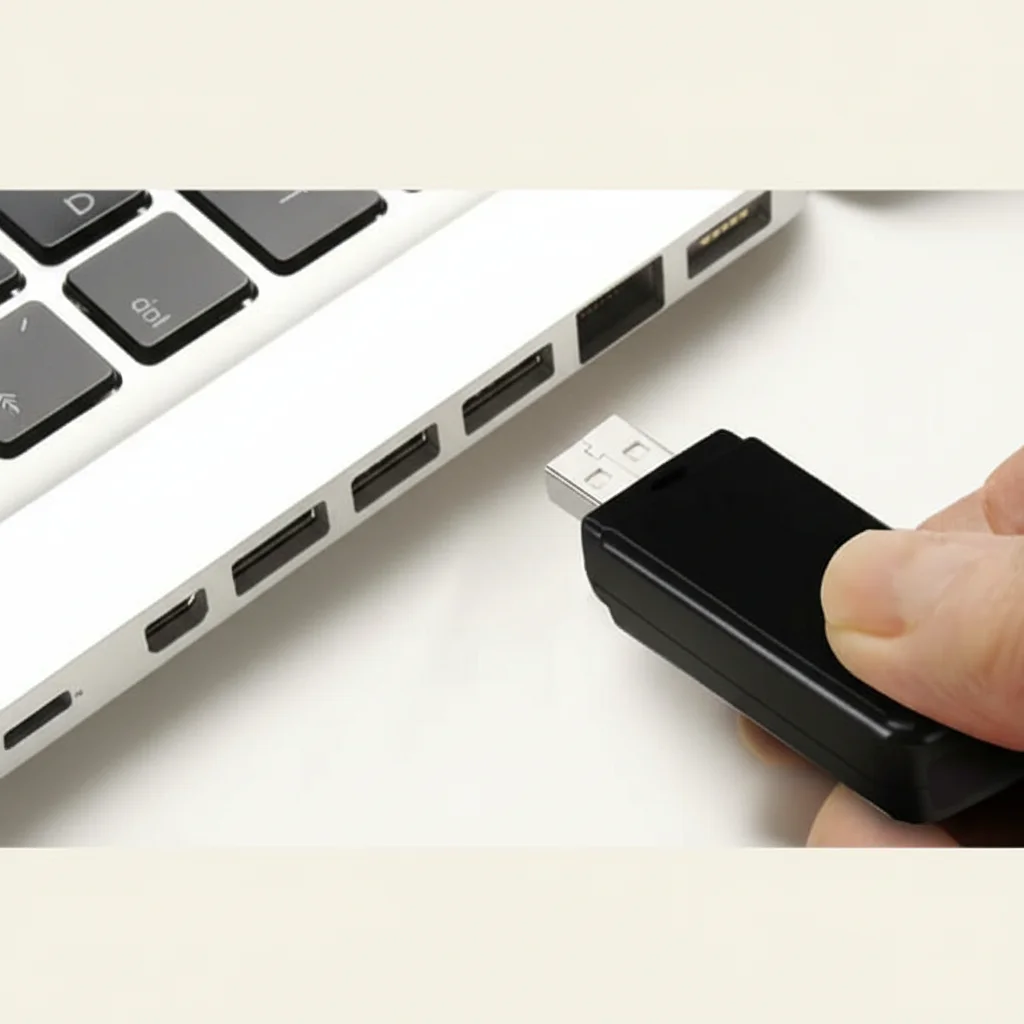
But here is the catch: RF detection only works when the camera is powered on and actively transmitting. A camera that records to a microSD card and never connects to Wi-Fi will stay silent. A camera in sleep mode may also stay quiet until motion wakes it. That is why RF detection is best used together with other methods, not alone.
| RF Detector Spec | Why It Matters for B2B |
|---|---|
| Frequency range | Wider range catches more transmission types |
| Adjustable sensitivity | Reduces false alarms in busy Wi-Fi environments |
| Signal-strength indicator | Lets the operator triangulate the source |
| Filtered band selection | Helps ignore routers and known devices |
Key Takeaway: RF detection finds live wireless cameras, not offline ones.
How Does Lens Reflection Detection Work?
Lens-reflection mode looks for an optical clue instead of a radio transmission. A red-light or similar viewing system illuminates a suspected area and the operator looks for a return from an exposed camera lens.
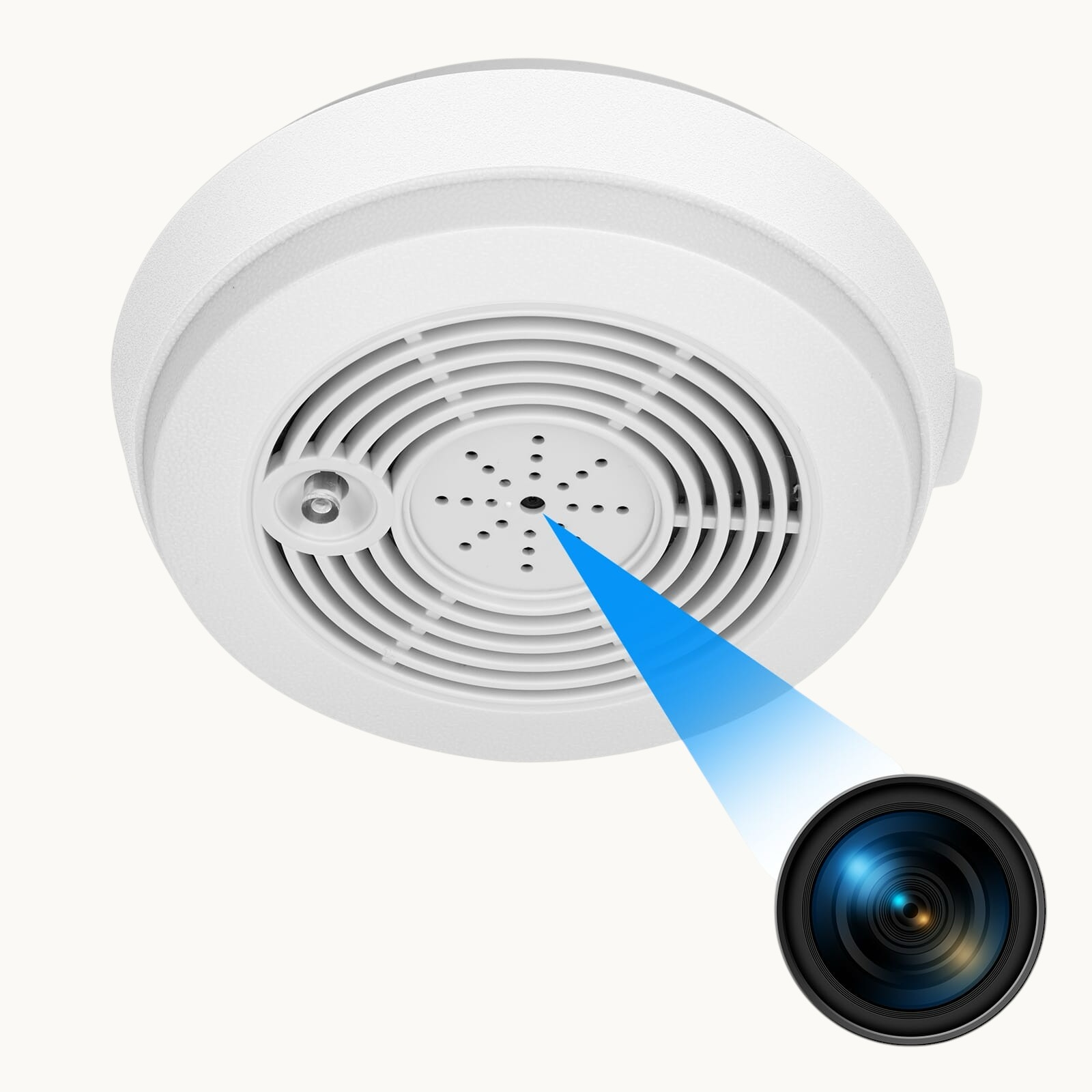
Because the method does not depend on wireless transmission, it can still help with a wired or local-storage camera if the lens is visible from the search angle. Covers, dark material, a deeply recessed pinhole and an obstructed sightline can hide the reflection. Shiny screws, glass and polished surfaces can also return light and create a false clue.
| Condition | What it means for lens mode |
|---|---|
| Camera not transmitting | Lens mode can still be useful if the lens is optically exposed |
| Lens covered or deeply recessed | Reflection may be weak or invisible from the search position |
| Shiny decorative surface | Can create a false reflection that needs physical confirmation |
| Different viewing angle | May reveal or remove the reflection; sweep from more than one angle |
Key Takeaway: Lens reflection can work without RF, but it is not a universal camera finder and a glint is not proof by itself. See the technical limits in RF or Lens Detection: What Can a Hidden Camera Detector Actually Find?.
What Is Infrared and Magnetic Detection Used For?
Extra detector modes look for different physical clues and should not be treated as interchangeable.
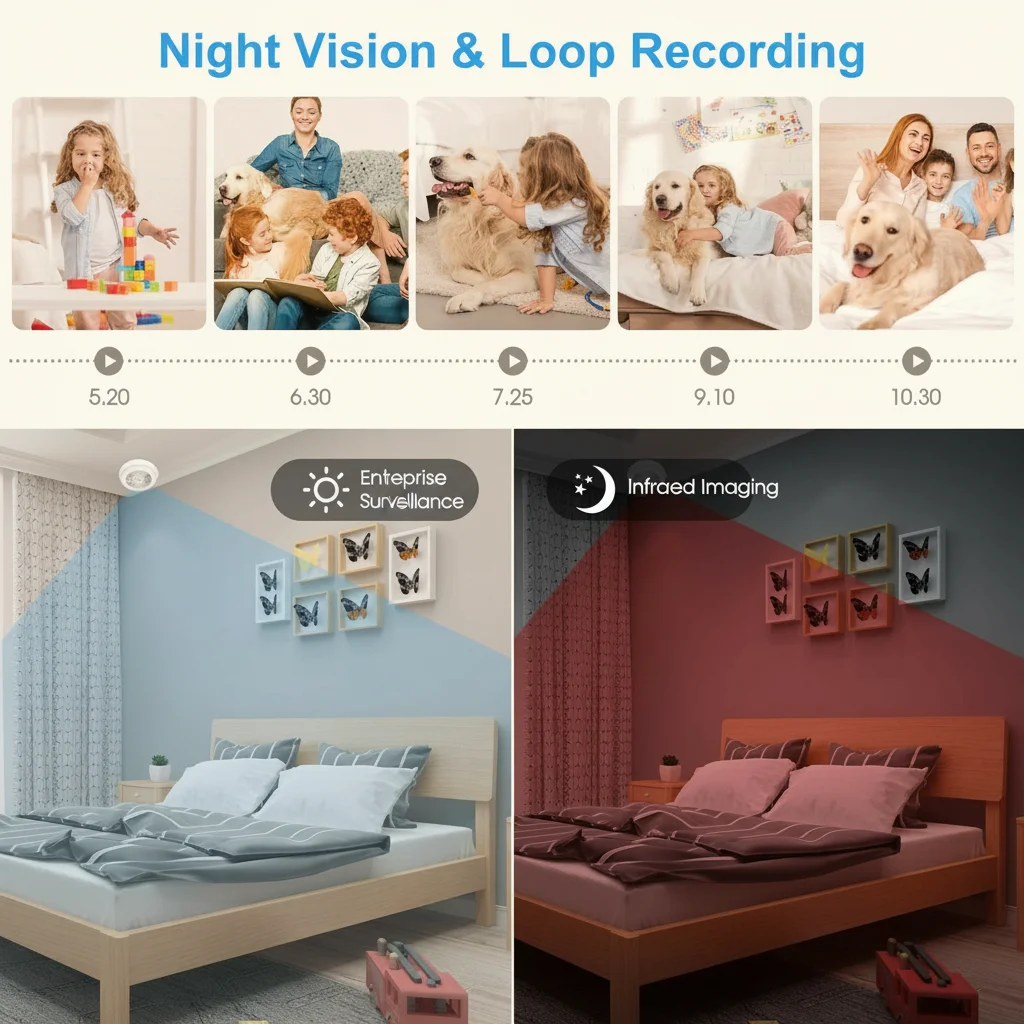
Infrared viewing can help when a camera’s IR emitters are active and visible to the detector. It does not help if the camera has no IR illumination, the emitters are off, or the relevant light path is blocked.
Magnetic mode looks for a magnetic field or a magnet-mounted object at close range. It can be useful when inspecting likely tracker mounting points, but a magnetic response does not identify the object as a camera or GPS tracker. Speakers, magnetic mounts and other ordinary hardware can also affect the reading.
| Extra mode | Useful clue | Main limit |
|---|---|---|
| IR viewing | Active infrared illumination | Only useful when the relevant IR source is on and visible |
| Magnetic check | Strong magnet or magnetic mounting point | Does not identify the object; unrelated magnets can trigger it |
| Physical inspection | Confirms what the suspicious object actually is | Requires access to the location or object |
Key Takeaway: Treat IR and magnetic modes as additional inspection clues, not automatic device identification.
What Detection Range Should You Expect?
Do not turn a general detector category into one fixed distance claim. Effective search distance depends on the target’s transmission power, antenna orientation, duty cycle, room RF background, detector sensitivity and operator technique. Lens reflection also changes with target size, viewing angle, covers and ambient light.
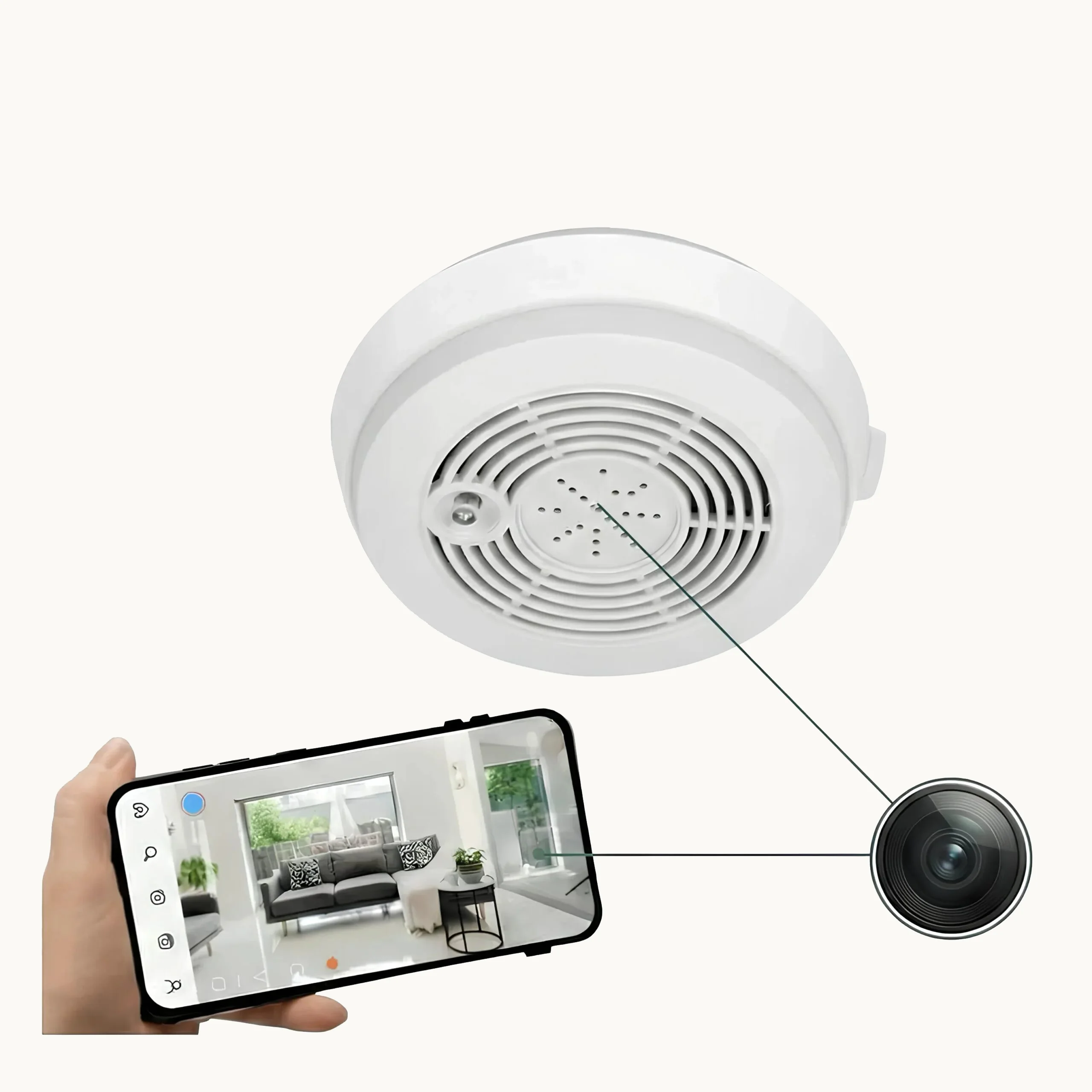
Product specifications can still be useful when they are labeled correctly. For example, current QZT product pages list 1MHz–12GHz RF frequency coverage for M8000 and P7000, and 50MHz–6.5GHz for Card007. Those are frequency-coverage specifications, not detection-distance guarantees. DT01 currently omits a numerical RF range because its source material contained a conflicting upper-frequency claim; projects that depend on a specific band should request the current tested batch specification.
| Record this in a sample test | Why it matters |
|---|---|
| Target device and transmit state | A sleeping or local-recording device may behave differently from an active stream |
| Distance and orientation | Makes repeated sweeps comparable |
| Known background transmitters | Shows how much RF clutter the operator must separate |
| Sensitivity setting | Affects both weak readings and false alerts |
| Lens visibility and viewing angle | Determines whether an optical reflection can be seen |
Key Takeaway: Publish the conditions and the observed result. Do not convert a frequency specification or one demonstration into a universal meter range.
How Accurate Are Hidden Camera Detectors in Real Tests?
There is no useful model-independent accuracy percentage without a defined test set. A percentage only means something when the targets, distances, device states, background RF, sensitivity settings, number of trials and definition of a “hit” are documented.

For procurement, record actual hits, misses and false alerts on the approved sample instead of copying a generic 70%, 90% or “professional” accuracy number. Include known benign transmitters and reflective decoys, not only an easy target chosen to make the detector look good.
| Test record | Example value |
|---|---|
| Target and state | WiFi camera actively streaming / local recording / sleep |
| Detection mode | RF / lens / magnetic |
| Distance and angle | Measured and recorded |
| Result | Hit / miss / false alert |
| Background sources | Router, phone, Bluetooth device, reflective decoy |
| Repeat count | Enough repeated trials to support any later percentage |
Key Takeaway: A detector can be evaluated, but the accuracy number must come from a documented test protocol and the actual data. For method limits and a current QZT mode matrix, see RF or Lens Detection: What Can a Hidden Camera Detector Actually Find?.
What Features Matter Most in a Professional Detector?
B2B buyers should ignore flashy LED counts and focus on operational features.
A professional detector needs wide frequency coverage, adjustable sensitivity, a clear signal-strength display, and selectable bands. It should run long enough to sweep multiple rooms on one charge — at least 8–10 hours of practical use. Build quality matters because housekeeping and security staff are not gentle with equipment. Finally, the unit should come with clear documentation and training guidance, because even the best detector fails in untrained hands.
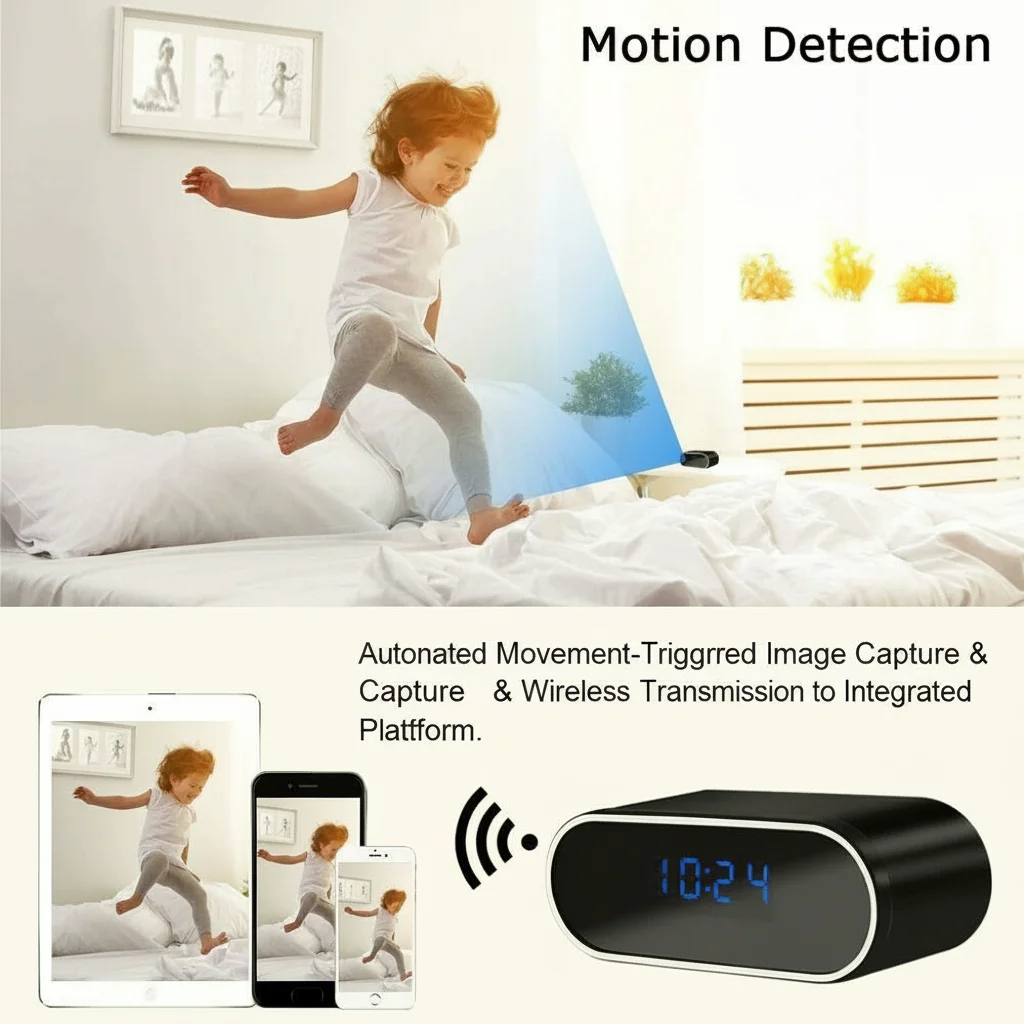
For resellers, private-label packaging and firmware customization are also worth negotiating. Many hospitality buyers want a branded detector supplied alongside their other security equipment.
| Feature | Minimum B2B Standard | Why It Matters |
|---|---|---|
| Frequency coverage | 1 MHz – 6.5 GHz | Covers Wi-Fi, Bluetooth, and common analog bands |
| Sensitivity levels | At least 5 steps | Reduces false alarms in busy environments |
| Display | Signal-strength bars or numeric | Lets operators triangulate faster |
| Battery | 8+ hours practical use | Supports multi-room sweeps |
| Bands | Selectable | Lets operators ignore known routers |
| Build | ABS or aluminum housing | Survives daily staff use |
Key Takeaway: Frequency coverage and sensitivity control matter more than LED count.
How Do You Use a Hidden Camera Detector Properly?
Operator technique determines whether a detector helps or wastes time.
Start by reducing the electronic noise in the room. Turn off unnecessary Wi-Fi devices, unplug unused chargers, and ask occupants to disable Bluetooth on phones and watches. Close curtains and switch off lights if you are using lens reflection or IR detection. Then sweep slowly. Most false negatives happen because operators move too fast. Move the detector in overlapping arcs, watch the signal-strength indicator, and revisit any area where the reading jumps.
When the detector alerts, inspect the object physically. Look for tiny lenses, pinholes, seams that do not match the original product design, or LED indicators that stay on in the dark. A detector tells you where to look; your eyes and hands confirm what is there.
| Step | Action | Purpose |
|---|---|---|
| 1. Reduce noise | Turn off unnecessary electronics | Cuts false RF positives |
| 2. Darken room | Close curtains, switch off lights | Makes lens and IR reflections visible |
| 3. Sweep slowly | Overlapping arcs, 1–2 m/s | Improves detection rate |
| 4. Triangulate | Follow signal-strength changes | Narrows source location |
| 5. Physically inspect | Check seams, pinholes, LEDs | Confirms or rules out a device |
Key Takeaway: Slow, systematic sweeps beat fast waving.
What Legal Rules Apply When Scanning for Cameras?
Privacy law cuts both ways. You have the right to protect your own property, but you must not invade someone else’s reasonable expectation of privacy.
In the UK, the Surveillance Camera Code of Practice applies mainly to cameras you install yourself. For hidden-camera sweeps, the key issue is proportionality: scan spaces you own or manage, do not record guests without consent, and document why the sweep was carried out. In the EU, GDPR Article 32 and Recital 18 focus on protecting personal data from unlawful processing. A hidden camera in a guest room or changing area is generally illegal regardless of who installed it.

Germany’s “Recht am eigenen Bild” adds another layer: recording someone without consent can lead to criminal penalties. France and Italy have similar rules under their penal codes. For B2B buyers, the safest approach is to post clear notices, train staff, and keep sweep logs. If a device is found, preserve it and contact police rather than deleting footage yourself.
| Region | Key Rule | Penalty Risk |
|---|---|---|
| UK | Proportionate checks; no guest recording without consent | Fines, license issues |
| EU / GDPR | Cameras in private spaces usually unlawful | Up to 4% global turnover |
| Germany | Recht am eigenen Bild | Criminal liability possible |
| France / Italy | Privacy and image rights protections | Fines and imprisonment |
Key Takeaway: Scan your own spaces, document the process, and involve police if you find a device.
Which Hidden Camera Detector Should B2B Buyers Choose?
The choice depends on who will use the detector and how often.
For hotels and Airbnb managers, a compact multi-function detector with RF, lens, and IR modes covers the most common threats. Staff can sweep a room in under five minutes. For corporate security teams, a wider-frequency professional unit with better filtering and logging makes more sense. For security resellers, the F12S Multi-Band Signal Detection Tool from QZT offers a professional-grade platform with multi-antenna design, configurable channel plans, and OEM-ready packaging for bulk buyers.

The F12S is not a pocket toy. It is a 15.5 × 11.5 × 4.6 cm professional tool with 19.5 cm antennas, designed for privacy inspection, RF checking, and controlled-site security projects. Because channel plans and local RF rules vary, buyers should confirm the frequency version and operating permissions before placing a bulk order. QZT ships from an Italy warehouse with 2–5 day EU delivery and supports private-label packaging.
| Use Case | Recommended Approach | QZT Fit |
|---|---|---|
| Hotel / Airbnb room sweeps | Compact RF + lens + IR detector | F12S for larger portfolios |
| Corporate meeting-room audits | Wide-frequency professional unit | F12S multi-band platform |
| Reseller / distributor | OEM-ready multi-band detector | F12S private-label option |
| Vehicle inspections | Compact detector + physical inspection | F12S with vehicle power cable |
Key Takeaway: Match the detector to the user’s skill level and sweep frequency.
FAQ
Can a hidden camera detector find all cameras?
No. Detectors find most actively transmitting or optically exposed cameras, but a powered-off, SD-card-only, or professionally shielded camera can still be missed. A detector is a screening tool, not a guarantee.
What’s the difference between RF and lens detection?
RF detection finds wireless signals from cameras that are transmitting. Lens reflection detection finds the camera lens itself, regardless of whether the camera is powered on. The two methods complement each other.
Do I need a professional detector or a phone app?
Phone apps can scan Wi-Fi networks and sometimes detect IR glow, but they lack RF hardware and precise lens-finding optics. For commercial use, a dedicated detector is far more reliable.
Can hidden camera detectors find SD-card-only cameras?
Only if the lens is exposed enough to reflect light or the device emits a detectable electromagnetic field when powered. A completely offline, unpowered camera is almost impossible to detect electronically.
How often should hotels scan rooms for hidden cameras?
High-turnover properties should sweep after every checkout or at least weekly. Corporate meeting rooms benefit from a pre-event sweep and a monthly audit cycle.
Ready to add professional hidden-camera detection to your security offering? Browse the QZT F12S Multi-Band Signal Detection Tool or contact QZT today for bulk pricing, OEM options, and EU warehouse delivery.

 English
  Italiano
  Deutsch
  Français
  Español
  Polski