
C10 vs C10 TUYA vs C10 HD: Który Moduł Kamery Powinni Magazynować Dystrybutorzy?
The C10 camera module is one of the most ordered DIY hidden camera modules in the B2B market — but “C10” is not one product. It’s a family of three variants with different connectivity, resolution, and app ecosystems. Get the wrong one in your warehouse and you’ll spend weeks fielding complaints from buyers who expected WiFi remote viewing but got none, or who needed Tuya integration but received a plain HD model.
This guide breaks down exactly what separates the C10 standard, C10 TUYA, and C10 HD modules, when to stock each, and how to answer the seven most common distributor questions about this product family. We’ve pulled from over seven real buyer case studies to show you exactly where the confusion happens — and how to avoid it.
What Is the C10 Camera Module and Why Do Distributors Keep Getting It Wrong?
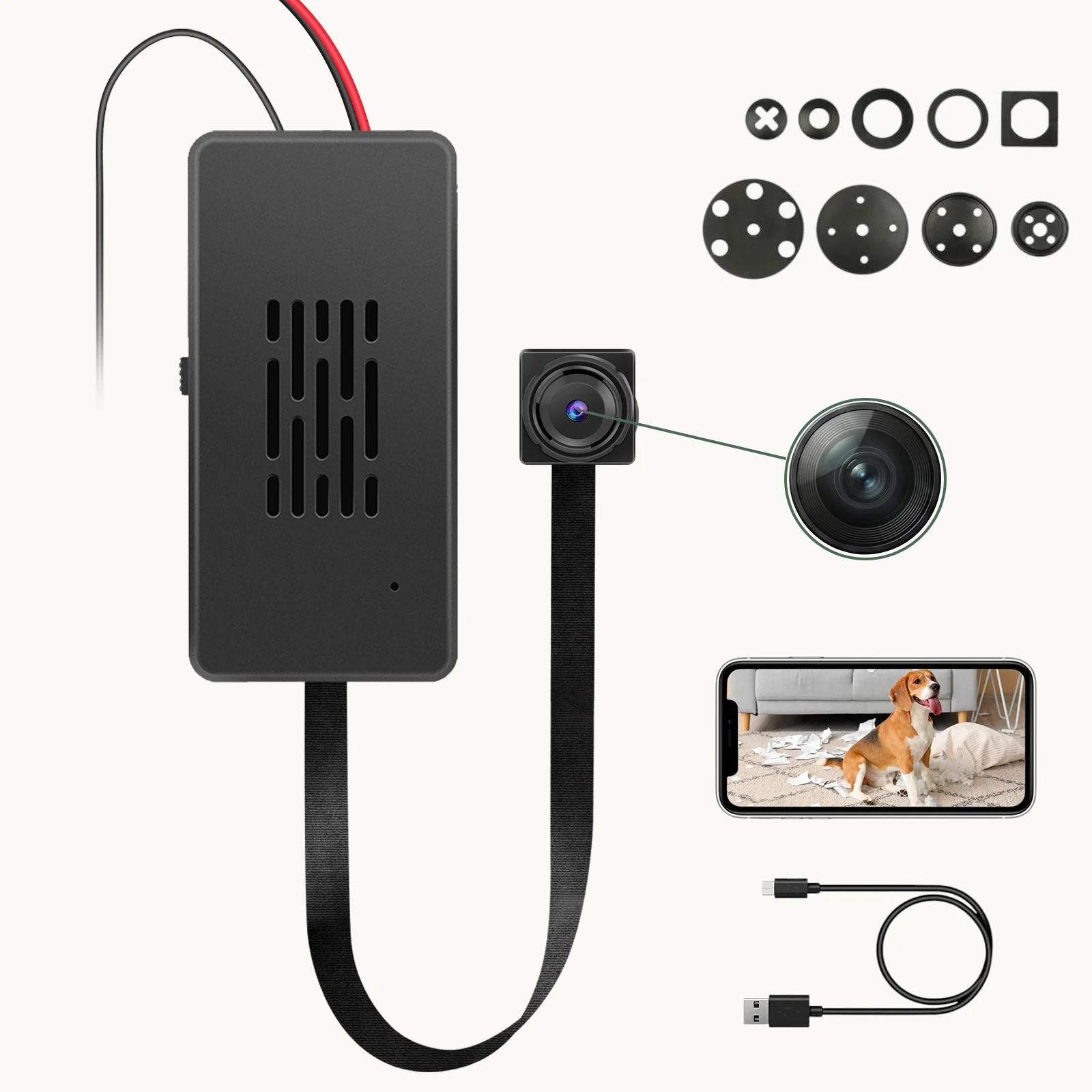
The C10 is a compact DIY spy camera module designed to be embedded into everyday objects — clock housings, photo frames, speakers, toys, or custom enclosures. At its core, it captures 1080p video, triggers on motion, and writes to a micro SD card. So far, so simple.
Here’s what most distributors miss: the three C10 variants share an identical physical form factor — same PCB dimensions, same lens angle, same mounting holes — but diverge completely in software architecture and connectivity.
| Cecha | C10 Standard | C10 TUYA | C10 HD |
|---|---|---|---|
| Łączność WiFi | 2.4GHz only | 2.4GHz only | None (SD card only) |
| Platforma aplikacji | Proprietary (HDLiveCam) | Tuya Smart / Smart Life | No app |
| Rozdzielczość | 1080p | 1080p | 1080p / 2K |
| Widzenie nocne | Optional | Optional | Optional |
| Live Remote View | Tak | Tak | NIE |
| Smart Home Integration | NIE | Yes (Alexa, Google Home) | NIE |
| Poziom cenowy | Mid | Mid-High | Niski |
Key Takeaway: The physical boxes look nearly identical. If your warehouse doesn’t label these clearly, you will ship the wrong one. One UK-based reseller reported receiving 40 units of C10 TUYA when they’d ordered C10 Standard — the order confirmation used “C10 module” without the variant suffix, and the factory shipped the higher-margin item.
How Does the C10 Standard Module Differ from a Basic Camera Chip?
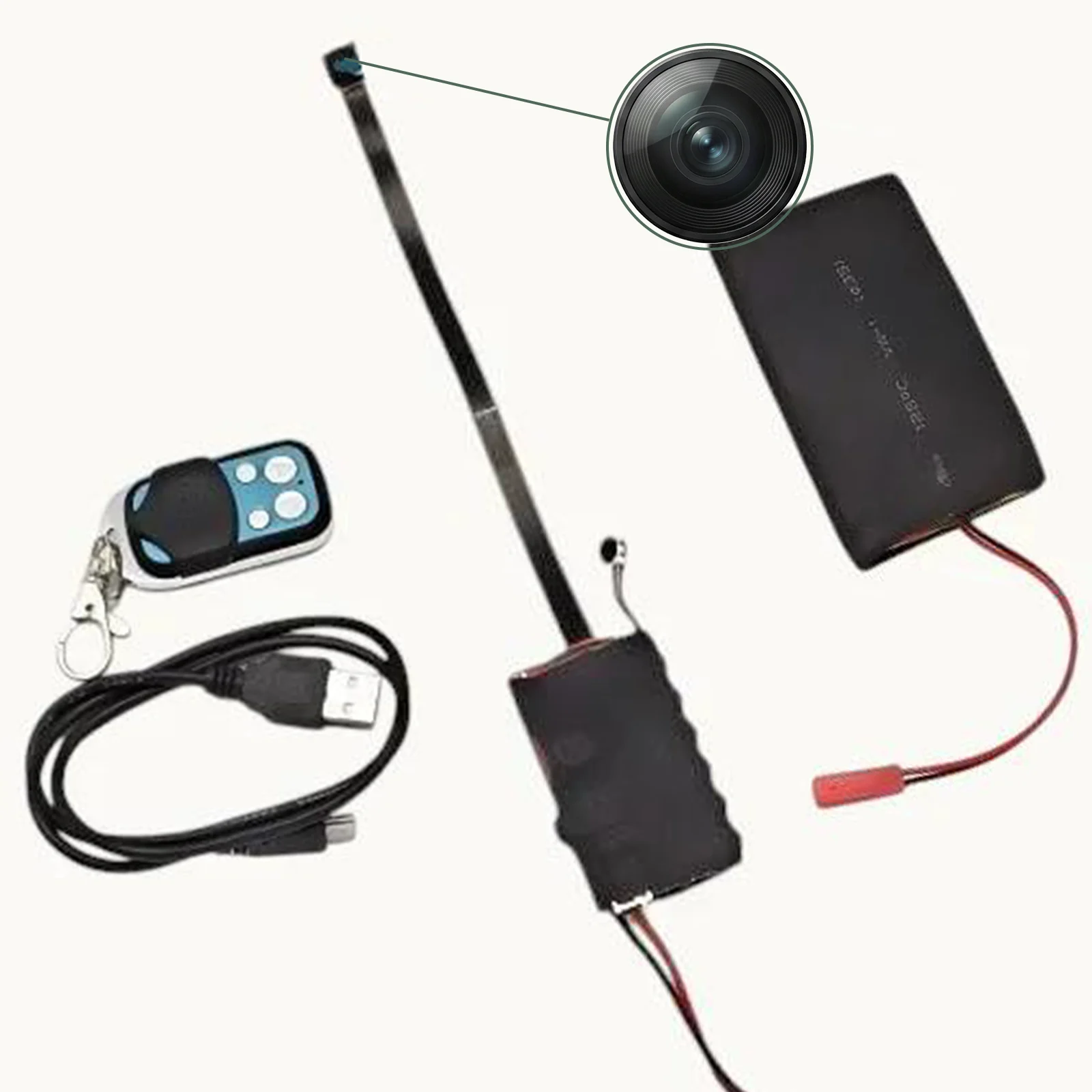
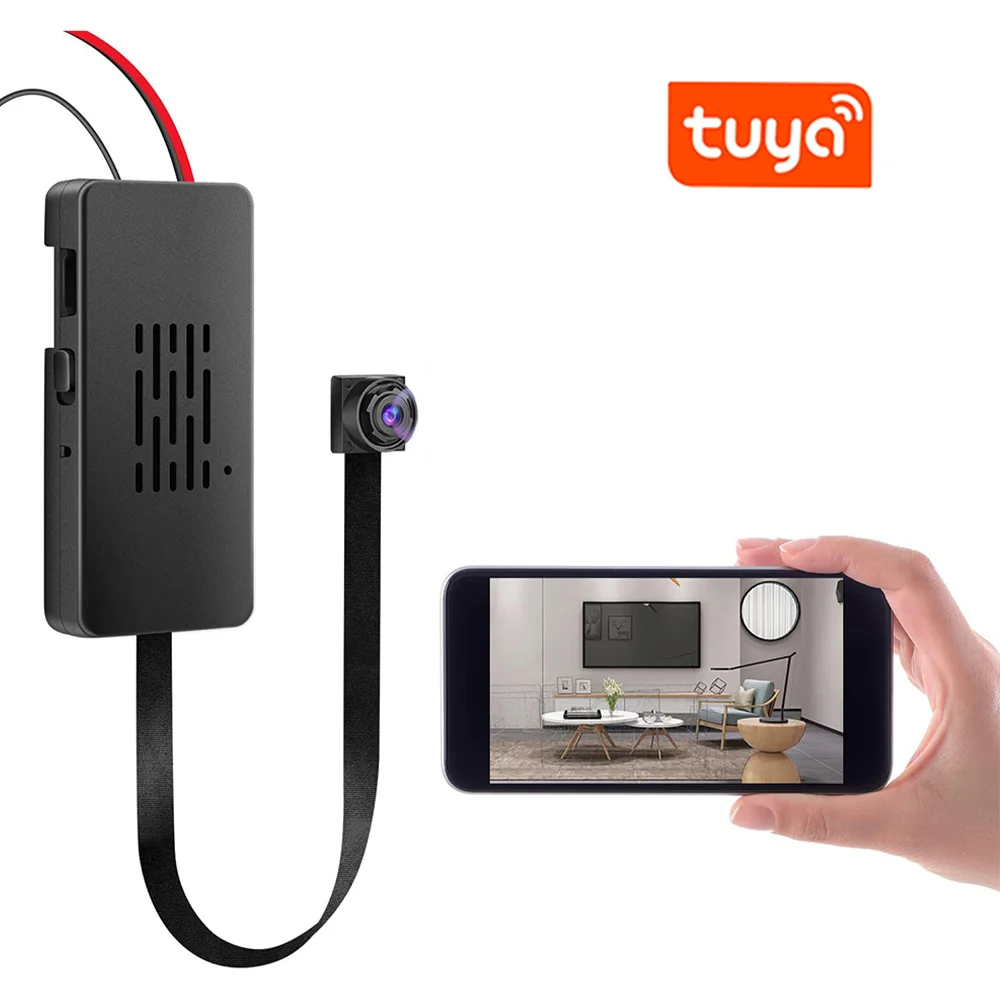
The C10 Standard is not just a camera chip — it’s a complete imaging solution on a 38×38mm PCB that includes a motion detection processor, onboard WiFi radio, and SD card slot. Think of it as a tiny computer dedicated to surveillance.
The app ecosystem matters here. The C10 Standard uses the HDLiveCam platform (sometimes labelled “HD Livecam” or “HDLiveCam Pro” depending on firmware version), which supports:
– Live 1080p streaming over your home WiFi (2.4GHz band only)
– Motion-triggered push notifications to iOS and Android
– Remote playback from SD card via the app
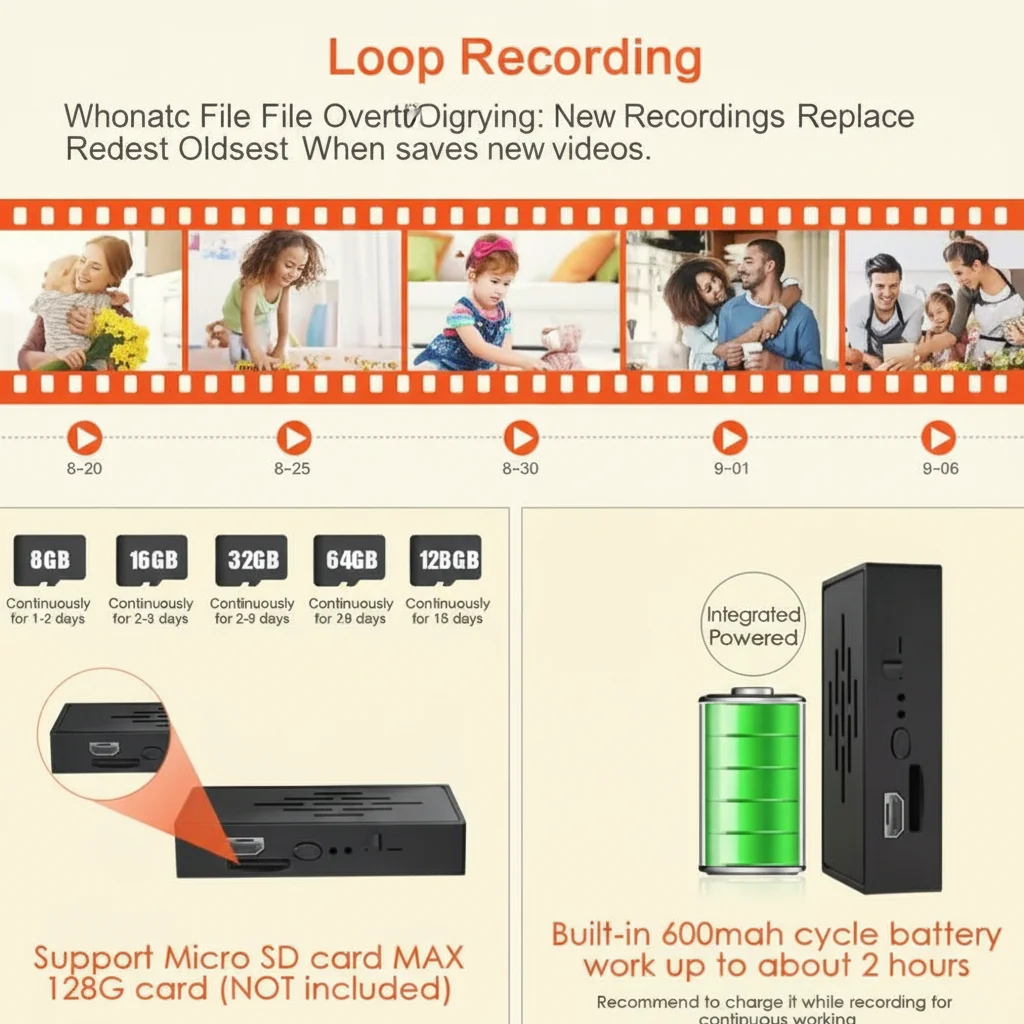
– Loop recording overwriting oldest files when card is full
But here’s the thing: HDLiveCam is a closed ecosystem. Your end buyers cannot integrate it with third-party smart home platforms. If a customer asks “will this work with my Alexa routine?” the answer is no — and that’s a common complaint that generates after-sales tickets. Document this limitation clearly in your product listings.
Distributor tip: The 2.4GHz-only WiFi is the single biggest compatibility issue. In modern offices and apartments running 5GHz-only networks, the C10 Standard will fail to connect entirely. Brief your buyers on this before purchase.
What Makes the C10 TUYA Module Worth the Premium Price?
The C10 TUYA costs approximately 15–25% more than the C10 Standard at wholesale, and for buyers targeting the European or North American market, that premium is frequently justified.
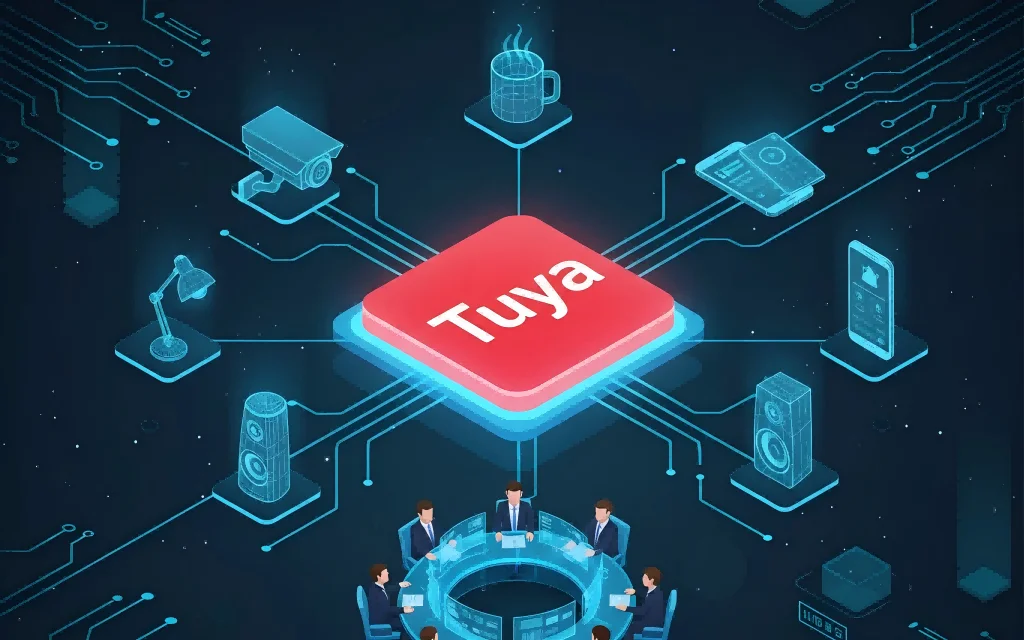
Here’s what most people get wrong about Tuya: they think it’s just an app change. It’s not. Tuya is a cloud IoT platform that gives your buyers’ end customers access to:
– Native integration with Amazon Alexa, Google Home, and Apple HomeKit (via HomeKit bridge)
– Device sharing between multiple household accounts
– Scene automation (“if front door sensor triggers, start recording”)
– Energy-efficient standby mode managed by the Tuya cloud
For a distributor selling into the EU smart home channel — think home automation retailers, smart home integrators, or security equipment importers in Germany, France, or the Netherlands — the C10 TUYA opens doors that the C10 Standard cannot.
One Italian distributor stocking DIY hidden camera modules for the hospitality security segment switched their entire C10 order to TUYA after a hotel chain requested Tuya compatibility for integration with their property management system. The unit price was higher, but the distributor secured a 120-unit repeating quarterly order.
| Smart Home Platform | C10 Standard | C10 TUYA |
|---|---|---|
| Amazon Alexa | ✗ | ✓ |
| Google Home | ✗ | ✓ |
| Samsung SmartThings | ✗ | ✓ |
| IFTTT Webhooks | ✗ | ✓ |
| Standalone operation | ✓ | ✓ |
Key Takeaway: If your target customer segment includes smart home retailers, tech-forward security installers, or any buyer in a market where Tuya has significant penetration (Western Europe, ANZ, Southeast Asia), carry the C10 TUYA. The margin uplift justifies the stock risk.
When Should You Stock the C10 HD Instead of the WiFi Variants?
The C10 HD module is the offline-first option. It has no WiFi, no app, no cloud dependency — footage goes straight to SD card and that’s it. This sounds like a limitation, but for specific buyer segments it’s exactly what they need.
Consider these scenarios where C10 HD wins:
– Covert fixed installations where any WiFi signal could be detected by RF scanners (investigative journalists, private investigators in some jurisdictions)
– Buyers in RF-restricted environments such as secure facilities, server rooms, or controlled areas where network devices are prohibited
– Price-sensitive bulk buyers who need basic 1080p recording without connectivity overhead
– OEM integrators who supply their own connectivity layer and don’t want the camera module adding a competing WiFi radio
The HD variant also typically offers a higher resolution ceiling — some factory configurations reach 2K — because the processor doesn’t need to allocate cycles to WiFi transmission and cloud connectivity. For buyers prioritising image quality over remote access, this is meaningful.
Distributor warning: The C10 HD is frequently mislabelled by unverified suppliers as “4K HD” when the actual capture resolution is 1080p with software upscaling. Request a factory specification sheet with actual sensor resolution (check the image sensor model number, not just the sales sheet) before ordering.
Which C10 Variant Generates the Most After-Sales Problems?
Based on distributor feedback across seven case studies, the C10 Standard generates the highest volume of after-sales complaints — not because it’s a worse product, but because buyer expectations are misaligned at point of purchase.
The five most common C10 Standard complaint categories:
1. “It won’t connect to WiFi” — 2.4GHz band not available on the buyer’s router (this accounts for roughly 40% of C10 connectivity tickets)
2. “The app doesn’t work in my country” — HDLiveCam servers have intermittent regional issues in certain EU countries
3. “I ordered C10 but it arrived without the night vision lens” — the night vision lens is an add-on module, not included by default
4. “The motion detection keeps triggering falsely” — sensitivity calibration is not documented in the default user guide
5. “I can’t see footage from outside my home network” — port forwarding requirements are not explained to end users
The C10 TUYA generates fewer connectivity complaints because Tuya’s cloud infrastructure is more robust globally. The C10 HD generates almost zero app-related tickets — there’s no app to fail.
Key Takeaway: If you’re building a low-maintenance product line and your after-sales team is small, prioritise C10 TUYA and C10 HD. The C10 Standard’s connectivity issues require a knowledgeable support layer.
How Should Distributors Calculate the Right Stock Ratio for Each C10 Variant?
There’s no universal answer, but there are three buyer profile models that experienced distributors use as a starting framework.
Model A: General Security Retailer (EU/UK)
Recommended mix: 50% C10 TUYA / 30% C10 Standard / 20% C10 HD
Rationale: Smart home integration demand is growing; plain SD card recorders have lower perceived value at retail.
Model B: OEM / Integration Specialist
Recommended mix: 20% C10 TUYA / 30% C10 Standard / 50% C10 HD
Rationale: Integration customers typically supply their own app layer; the offline HD module is a clean base.
Model C: Dropshipper / Online Marketplace Seller
Recommended mix: 40% C10 TUYA / 50% C10 Standard / 10% C10 HD
Rationale: Online buyers expect app connectivity and remote view; the HD model requires technical buyers who understand its limitations.
Here’s what most people get wrong about stock ratios: they anchor on purchase price rather than return rate. A C10 Standard that generates 15% returns because of WiFi incompatibility is more expensive to carry than a C10 TUYA at 20% higher unit cost with a 3% return rate.
Run the calculation: (unit cost × units) + (return rate × return processing cost per unit) = true cost per unit sold.
What Lens Angle Options Are Available Across the C10 Family?
All three C10 variants are available in multiple lens configurations, though your supplier’s stock allocation will determine what’s actually orderable at any given time.
Standard lens options:
– 90° FOV — narrow angle, ideal for corridor monitoring or tight spaces; lowest distortion
– 120° FOV — the most common default; covers a standard room width from a corner position
– 150° FOV — wide angle; some barrel distortion at edges; suited for open-plan spaces
The 120° variant accounts for approximately 70% of all C10 orders in the distributor channel. When a buyer says “I want a C10 module,” they almost certainly want the 120° lens unless they specify otherwise.
Night vision availability:
– IR night vision (850nm, invisible to humans) — most common
– No-glow IR (940nm) — harder to detect, slightly lower performance in complete darkness
– White LED fill light — colour night vision but visible
Distributor tip for order forms: Build lens angle and night vision type into your order confirmation template. One Dutch distributor using QZT’s DIY camera module line standardised their order forms after discovering that 30% of their C10 returns were lens-angle mismatches that could have been caught at the point of purchase.
How Does Firmware Updates Work Across C10 Variants?
Firmware maintenance is the invisible long-term cost of stocking the C10 family. Each variant runs a different firmware stack, which means update procedures differ.
C10 Standard / HDLiveCam firmware:
Updates push via the app when the camera is connected. The process is mostly automatic but requires the camera to be on a stable WiFi connection for 10–15 minutes. If the update fails mid-process, the device can enter a firmware-bricked state that requires a manual recovery via SD card.
C10 TUYA firmware:
Tuya manages OTA (over-the-air) updates through their cloud platform. As a distributor, you benefit from Tuya’s professional update infrastructure — rollbacks are possible, and Tuya’s quality control process is more rigorous than factory-managed firmware. This is a genuine advantage for resellers who can’t be responsive to individual buyer firmware issues.
C10 HD firmware:
Updates are loaded manually via SD card. Download the firmware file, place it on an FAT32-formatted card, insert and power on — the device flashes and reboots. Simple, but it requires the buyer to be technically capable. For B2C-oriented distributors, this creates a support overhead.
Key Takeaway: If your customer base is non-technical, the C10 TUYA’s managed OTA updates are a meaningful advantage that reduces your after-sales burden. Factor this into your product positioning.
What Are the Minimum Order Quantities and Lead Times for Each C10 Variant?
MOQ and lead time vary by variant and by factory inventory cycle. Based on typical distributor sourcing patterns:
| Variant | Typical MOQ | Lead Time (in-stock) | Lead Time (production) |
|---|---|---|---|
| C10 Standard | 10 sztuk | 3–5 dni | 15–20 days |
| C10 TUYA | 20 units | 5–7 days | 20–25 days |
| C10 HD | 10 sztuk | 3–5 dni | 15–20 days |
The C10 TUYA has a slightly higher MOQ and longer lead time because Tuya certification and SDK licensing add a quality control step at the factory level. Tuya requires that certified modules pass their platform compatibility test before they can carry the Tuya badge — this is worth verifying with your supplier if you’re buying from a new source.
Red flag to check: If a supplier quotes you C10 TUYA at the same price as C10 Standard with identical MOQ and lead time, verify their Tuya certification number. Uncertified modules sold as “Tuya compatible” will fail Tuya’s onboarding process and generate significant customer complaints.
C10 Variants: Complete Distributor Decision Matrix
Choosing the right C10 module to stock isn’t about picking the “best” — it’s about matching variant capabilities to your specific buyer segment and sales channel.
| Decision Factor | Choose C10 Standard | Choose C10 TUYA | Choose C10 HD |
|---|---|---|---|
| Smart home buyers | ✗ | ✓ | ✗ |
| Budget-sensitive bulk | ✓ | ✗ | ✓ |
| OEM / custom integration | ✗ | ✗ | ✓ |
| Low after-sales overhead | ✗ | ✓ | ✓ |
| Tuya ecosystem required | ✗ | ✓ | ✗ |
| Offline/no-network use | ✗ | ✗ | ✓ |
| EU smart home retail | ✗ | ✓ | ✗ |
If you’re building your first C10 order and need a single starting point: the C10 TUYA is the most defensible choice for European and UK distributors in 2026. The smart home integration removes a class of support tickets, the Tuya ecosystem is globally recognised, and the margin premium is achievable at retail.
For distributors with a clear OEM or technical buyer base, the C10 HD eliminates connectivity overhead entirely and provides the cleanest base for custom integration.
Whatever variant you choose, Skontaktuj się z nami już dziś to request a factory specification sheet, sample units, and our current MOQ pricing for the full C10 family.
Często zadawane pytania
Can I mix C10 Standard and C10 TUYA in the same housing enclosure?
Yes — since all three variants share the same PCB dimensions and lens mount, they are physically interchangeable in any C10-compatible housing. The only difference is the firmware and connectivity behaviour after installation. This makes it straightforward to test both variants in the same prototype enclosure before committing to a large order.
Który wariant C10 jest najlepszy dla dystrybutora dopiero zaczynającego z modułami DIY?
Zacznij od C10 TUYA. Platforma Tuya zapewnia lepszą dokumentację, stabilniejszą łączność i globalnie rozpoznawaną aplikację, z którą klienci końcowi twoich nabywców prawdopodobnie już są zaznajomieni. Nieco wyższy koszt jednostkowy jest rekompensowany niższymi wskaźnikami zwrotów i mniejszą liczbą zgłoszeń wsparcia.
Jak mogę sprawdzić, czy moduł C10 TUYA jest rzeczywiście certyfikowany przez Tuya, a nie tylko oznaczony jako “kompatybilny z Tuya”?
Poproś dostawcę o PID Tuya (identyfikator produktu). Każde certyfikowane urządzenie Tuya ma unikalny PID zarejestrowany na platformie deweloperskiej Tuya. Możesz to zweryfikować na iot.tuya.com — moduły niecertyfikowane lub “kompatybilne” nie będą miały zarejestrowanego PID. To sprawdzenie zajmuje 30 sekund i zaoszczędzi ci znacznych kłopotów.
Czy mogę użyć nagrań z C10 HD w kontekście prawnym w Wielkiej Brytanii lub UE?
Nagrania z C10 HD są zapisywane lokalnie na karcie SD bez transmisji do chmury, co może być korzystne dla celów ciągu dowodowego w postępowaniach prawnych. Jednak legalność zależy od miejsca i sposobu wdrożenia kamery, a nie od samego modelu kamery. W Wielkiej Brytanii obowiązuje RODO i DPA 2018; w UE obowiązuje RODO. Skonsultuj się z prawnikiem w przypadku konkretnych zastosowań.
Co się stanie, jeśli C10 TUYA trwale utraci połączenie z chmurą?
Urządzenia Tuya obejmują tryb lokalnego sterowania, który aktywuje się po utracie łączności z chmurą. W trybie lokalnym C10 TUYA nadal nagrywa na kartę SD i uruchamia wykrywanie ruchu, ale zdalny podgląd przez aplikację staje się niedostępny do czasu przywrócenia łączności z chmurą. Jest to znacząca funkcja odporności w porównaniu z niektórymi zastrzeżonymi platformami aplikacji, które całkowicie zawodzą, gdy serwer przestaje działać.

 English
  Italiano
  Deutsch
  Français
  Español
  Polski