
C10 vs C10 TUYA vs C10 HD: ¿Qué Módulo de Cámara Deben Stockear los Distribuidores?
The C10 camera module is one of the most ordered DIY hidden camera modules in the B2B market — but “C10” is not one product. It’s a family of three variants with different connectivity, resolution, and app ecosystems. Get the wrong one in your warehouse and you’ll spend weeks fielding complaints from buyers who expected WiFi remote viewing but got none, or who needed Tuya integration but received a plain HD model.
This guide breaks down exactly what separates the C10 standard, C10 TUYA, and C10 HD modules, when to stock each, and how to answer the seven most common distributor questions about this product family. We’ve pulled from over seven real buyer case studies to show you exactly where the confusion happens — and how to avoid it.
What Is the C10 Camera Module and Why Do Distributors Keep Getting It Wrong?
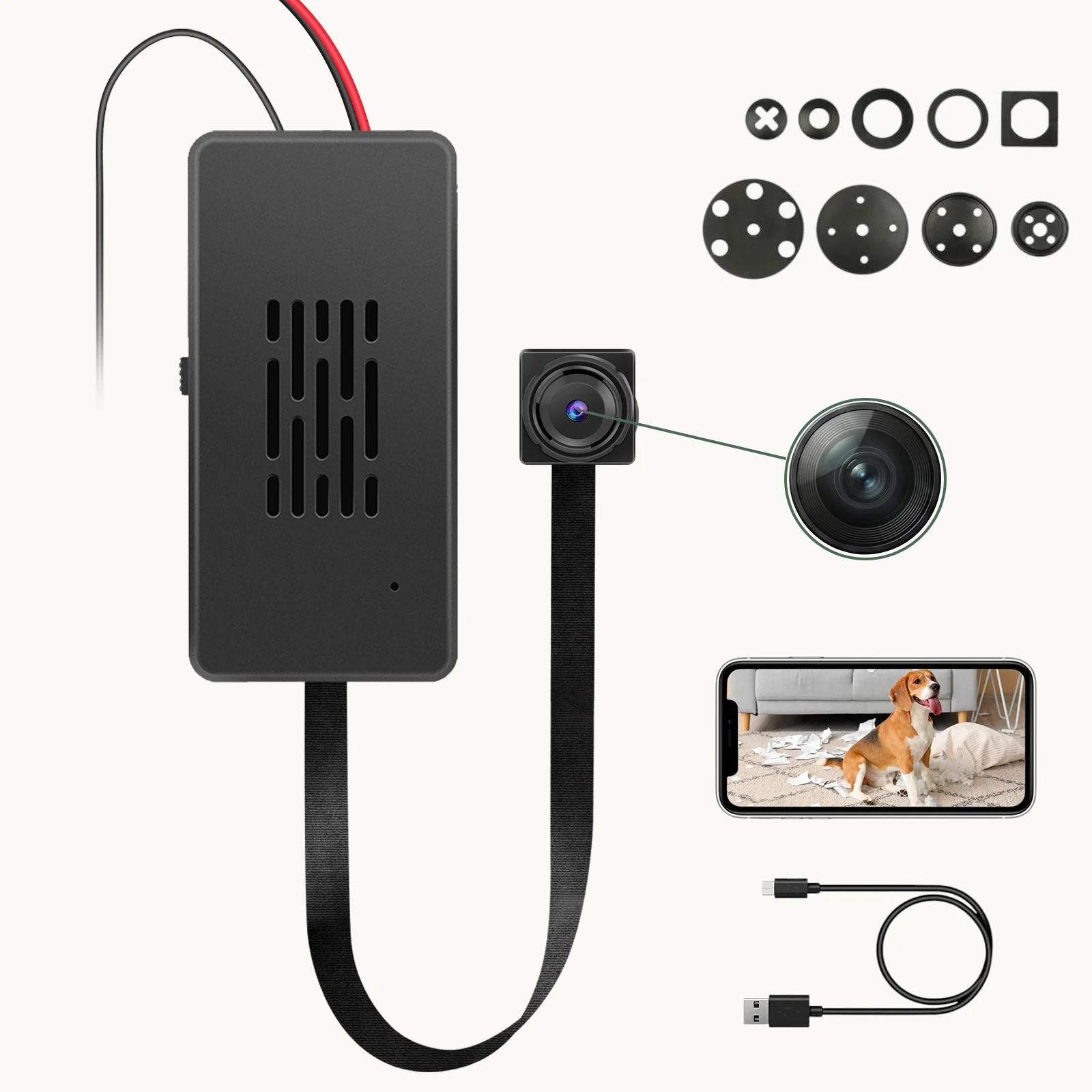
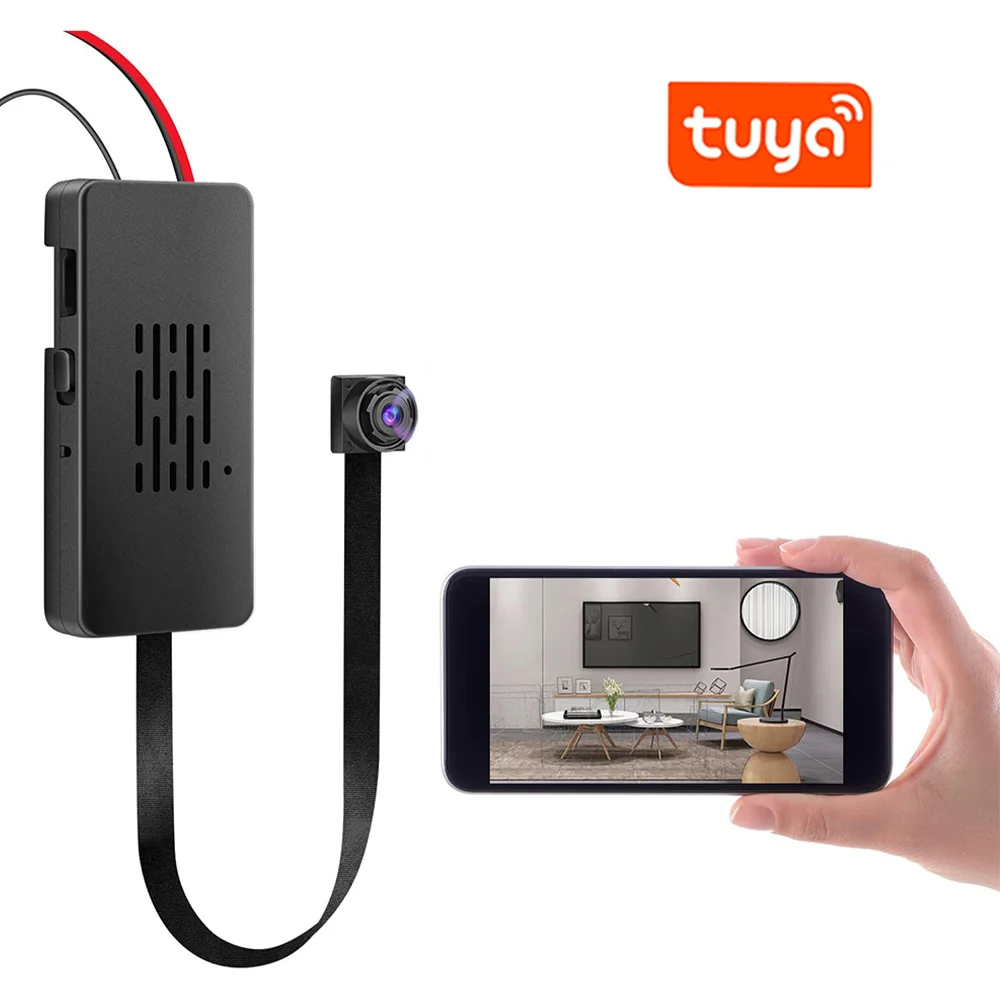
The C10 is a compact DIY spy camera module designed to be embedded into everyday objects — clock housings, photo frames, speakers, toys, or custom enclosures. At its core, it captures 1080p video, triggers on motion, and writes to a micro SD card. So far, so simple.
Here’s what most distributors miss: the three C10 variants share an identical physical form factor — same PCB dimensions, same lens angle, same mounting holes — but diverge completely in software architecture and connectivity.
| Característica | C10 Standard | C10 TUYA | C10 HD |
|---|---|---|---|
| Conectividad WiFi | 2.4GHz only | 2.4GHz only | None (SD card only) |
| Plataforma de aplicaciones | Proprietary (HDLiveCam) | Tuya Smart / Vida inteligente | No app |
| Resolución | 1080p | 1080p | 1080p / 2K |
| Visión nocturna | Opcional | Opcional | Opcional |
| Live Remote View | Sí | Sí | No |
| Smart Home Integration | No | Yes (Alexa, Google Home) | No |
| Nivel de precios | Medio | Gama media-alta | Bajo |
Conclusión clave: The physical boxes look nearly identical. If your warehouse doesn’t label these clearly, you will ship the wrong one. One UK-based reseller reported receiving 40 units of C10 TUYA when they’d ordered C10 Standard — the order confirmation used “C10 module” without the variant suffix, and the factory shipped the higher-margin item.
How Does the C10 Standard Module Differ from a Basic Camera Chip?
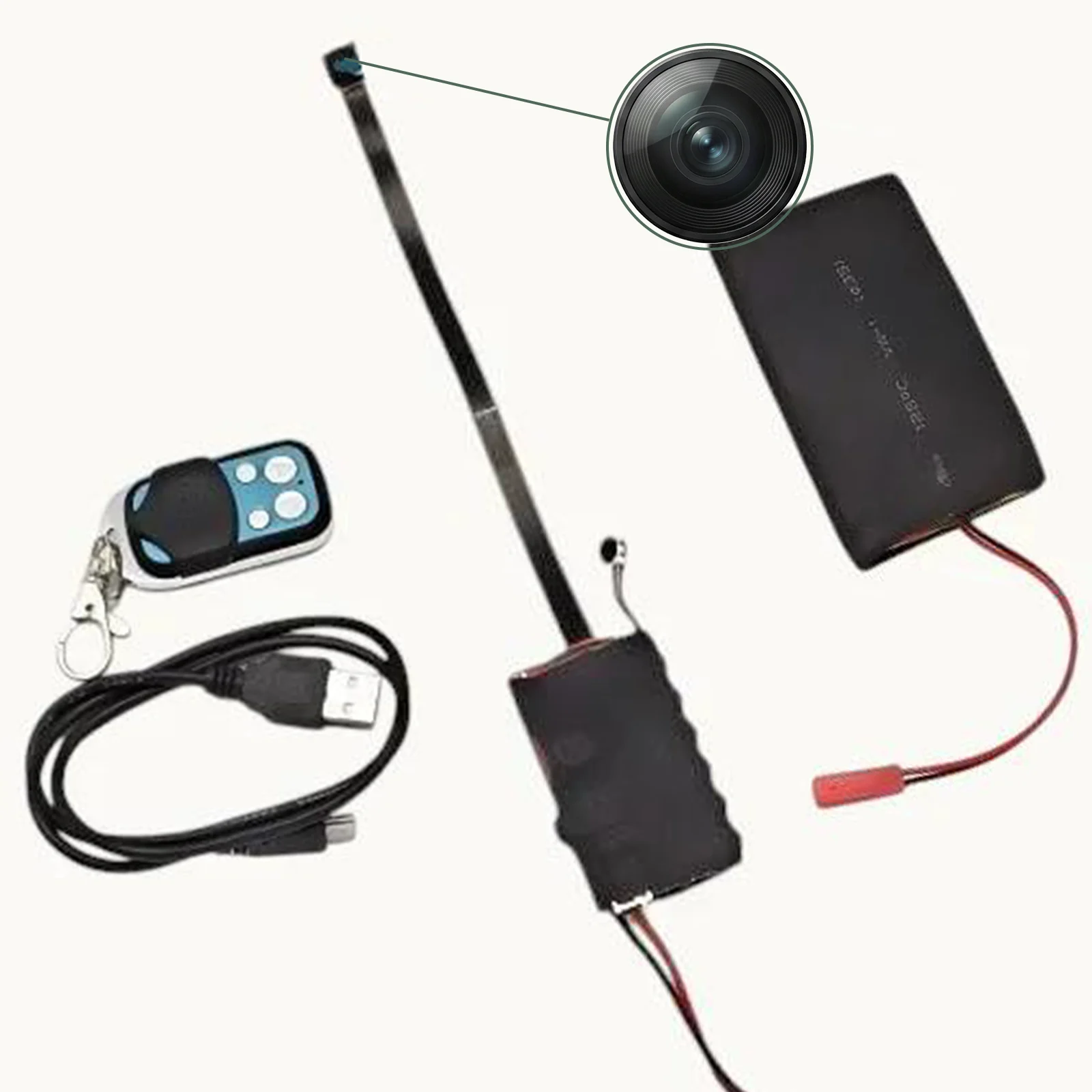
The C10 Standard is not just a camera chip — it’s a complete imaging solution on a 38×38mm PCB that includes a motion detection processor, onboard WiFi radio, and SD card slot. Think of it as a tiny computer dedicated to surveillance.
The app ecosystem matters here. The C10 Standard uses the HDLiveCam platform (sometimes labelled “HD Livecam” or “HDLiveCam Pro” depending on firmware version), which supports:
– Live 1080p streaming over your home WiFi (2.4GHz band only)
– Motion-triggered push notifications to iOS and Android
– Remote playback from SD card via the app
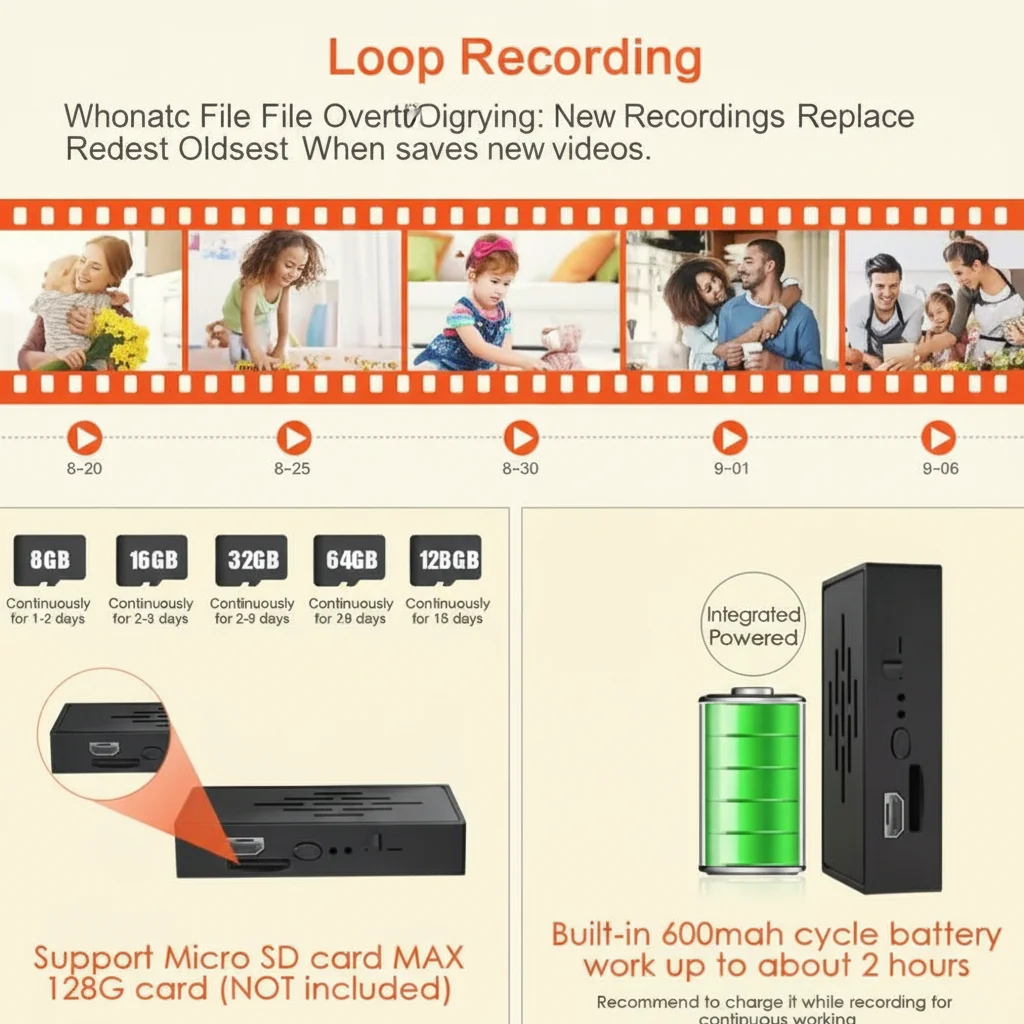
– Loop recording overwriting oldest files when card is full
But here’s the thing: HDLiveCam is a closed ecosystem. Your end buyers cannot integrate it with third-party smart home platforms. If a customer asks “will this work with my Alexa routine?” the answer is no — and that’s a common complaint that generates after-sales tickets. Document this limitation clearly in your product listings.
Consejo del distribuidor: The 2.4GHz-only WiFi is the single biggest compatibility issue. In modern offices and apartments running 5GHz-only networks, the C10 Standard will fail to connect entirely. Brief your buyers on this before purchase.
What Makes the C10 TUYA Module Worth the Premium Price?
The C10 TUYA costs approximately 15–25% more than the C10 Standard at wholesale, and for buyers targeting the European or North American market, that premium is frequently justified.
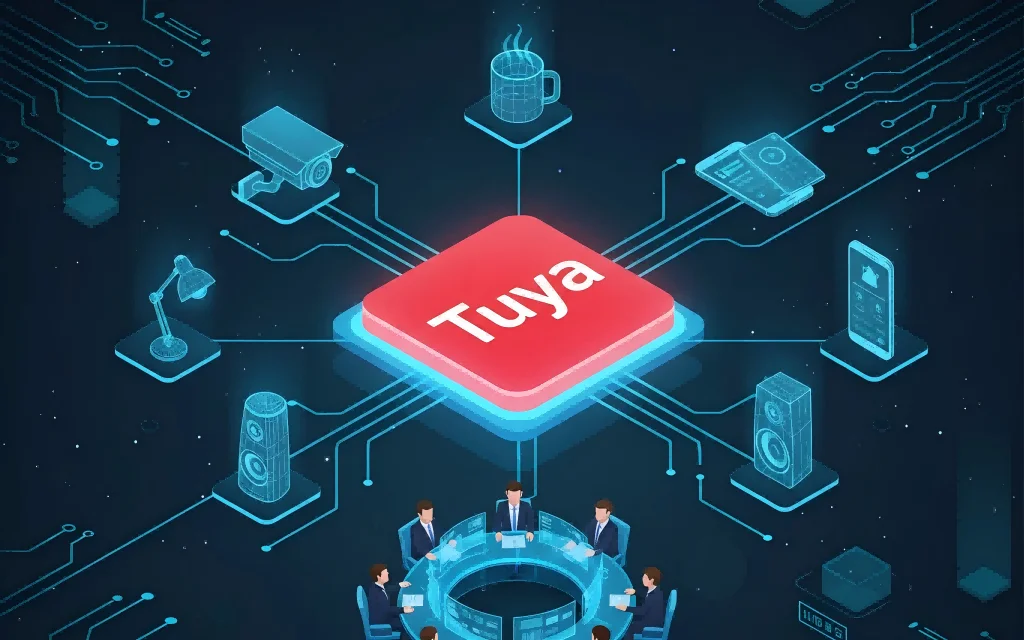
Here’s what most people get wrong about Tuya: they think it’s just an app change. It’s not. Tuya is a cloud IoT platform that gives your buyers’ end customers access to:
– Native integration with Amazon Alexa, Google Home, and Apple HomeKit (via HomeKit bridge)
– Device sharing between multiple household accounts
– Scene automation (“if front door sensor triggers, start recording”)
– Energy-efficient standby mode managed by the Tuya cloud
For a distributor selling into the EU smart home channel — think home automation retailers, smart home integrators, or security equipment importers in Germany, France, or the Netherlands — the C10 TUYA opens doors that the C10 Standard cannot.
One Italian distributor stocking DIY hidden camera modules for the hospitality security segment switched their entire C10 order to TUYA after a hotel chain requested Tuya compatibility for integration with their property management system. The unit price was higher, but the distributor secured a 120-unit repeating quarterly order.
| Smart Home Platform | C10 Standard | C10 TUYA |
|---|---|---|
| Amazon Alexa | ✗ | ✓ |
| Google Home | ✗ | ✓ |
| Samsung SmartThings | ✗ | ✓ |
| IFTTT Webhooks | ✗ | ✓ |
| Standalone operation | ✓ | ✓ |
Conclusión clave: If your target customer segment includes smart home retailers, tech-forward security installers, or any buyer in a market where Tuya has significant penetration (Western Europe, ANZ, Southeast Asia), carry the C10 TUYA. The margin uplift justifies the stock risk.
When Should You Stock the C10 HD Instead of the WiFi Variants?
The C10 HD module is the offline-first option. It has no WiFi, no app, no cloud dependency — footage goes straight to SD card and that’s it. This sounds like a limitation, but for specific buyer segments it’s exactly what they need.
Consider these scenarios where C10 HD wins:
– Covert fixed installations where any WiFi signal could be detected by RF scanners (investigative journalists, private investigators in some jurisdictions)
– Buyers in RF-restricted environments such as secure facilities, server rooms, or controlled areas where network devices are prohibited
– Price-sensitive bulk buyers who need basic 1080p recording without connectivity overhead
– OEM integrators who supply their own connectivity layer and don’t want the camera module adding a competing WiFi radio
The HD variant also typically offers a higher resolution ceiling — some factory configurations reach 2K — because the processor doesn’t need to allocate cycles to WiFi transmission and cloud connectivity. For buyers prioritising image quality over remote access, this is meaningful.
Distributor warning: The C10 HD is frequently mislabelled by unverified suppliers as “4K HD” when the actual capture resolution is 1080p with software upscaling. Request a factory specification sheet with actual sensor resolution (check the image sensor model number, not just the sales sheet) before ordering.
Which C10 Variant Generates the Most After-Sales Problems?
Based on distributor feedback across seven case studies, the C10 Standard generates the highest volume of after-sales complaints — not because it’s a worse product, but because buyer expectations are misaligned at point of purchase.
The five most common C10 Standard complaint categories:
1. “It won’t connect to WiFi” — 2.4GHz band not available on the buyer’s router (this accounts for roughly 40% of C10 connectivity tickets)
2. “The app doesn’t work in my country” — HDLiveCam servers have intermittent regional issues in certain EU countries
3. “I ordered C10 but it arrived without the night vision lens” — the night vision lens is an add-on module, not included by default
4. “The motion detection keeps triggering falsely” — sensitivity calibration is not documented in the default user guide
5. “I can’t see footage from outside my home network” — port forwarding requirements are not explained to end users
The C10 TUYA generates fewer connectivity complaints because Tuya’s cloud infrastructure is more robust globally. The C10 HD generates almost zero app-related tickets — there’s no app to fail.
Conclusión clave: If you’re building a low-maintenance product line and your after-sales team is small, prioritise C10 TUYA and C10 HD. The C10 Standard’s connectivity issues require a knowledgeable support layer.
How Should Distributors Calculate the Right Stock Ratio for Each C10 Variant?
There’s no universal answer, but there are three buyer profile models that experienced distributors use as a starting framework.
Model A: General Security Retailer (EU/UK)
Recommended mix: 50% C10 TUYA / 30% C10 Standard / 20% C10 HD
Rationale: Smart home integration demand is growing; plain SD card recorders have lower perceived value at retail.
Model B: OEM / Integration Specialist
Recommended mix: 20% C10 TUYA / 30% C10 Standard / 50% C10 HD
Rationale: Integration customers typically supply their own app layer; the offline HD module is a clean base.
Model C: Dropshipper / Online Marketplace Seller
Recommended mix: 40% C10 TUYA / 50% C10 Standard / 10% C10 HD
Rationale: Online buyers expect app connectivity and remote view; the HD model requires technical buyers who understand its limitations.
Here’s what most people get wrong about stock ratios: they anchor on purchase price rather than return rate. A C10 Standard that generates 15% returns because of WiFi incompatibility is more expensive to carry than a C10 TUYA at 20% higher unit cost with a 3% return rate.
Run the calculation: (unit cost × units) + (return rate × return processing cost per unit) = true cost per unit sold.
What Lens Angle Options Are Available Across the C10 Family?
All three C10 variants are available in multiple lens configurations, though your supplier’s stock allocation will determine what’s actually orderable at any given time.
Standard lens options:
– 90° FOV — ángulo estrecho, ideal para vigilancia de pasillos o espacios reducidos; distorsión mínima
– 120° FOV — el predeterminado más común; cubre el ancho de una habitación estándar desde una posición en esquina
– 150° FOV — ángulo amplio; algo de distorsión de barril en los bordes; adecuado para espacios de planta abierta
La variante de 120° representa aproximadamente el 70% de todos los pedidos de C10 en el canal de distribuidores. Cuando un comprador dice “Quiero un módulo C10”, casi seguro que quiere la lente de 120° a menos que especifique lo contrario.
Disponibilidad de visión nocturna:
– Visión nocturna por infrarrojos (850 nm, invisible para humanos) — la más común
– IR sin brillo (940 nm): más difícil de detectar, rendimiento ligeramente inferior en completa oscuridad
– Luz de relleno LED blanca — visión nocturna en color pero visible
Consejo para distribuidores en formularios de pedido: Incorpora el ángulo de la lente y el tipo de visión nocturna en tu plantilla de confirmación de pedido. Un distribuidor holandés que usa Línea de módulos de cámara DIY de QZT estandarizaron sus formularios de pedido después de descubrir que el 30% de sus devoluciones de C10 eran desajustes de ángulo de lente que podrían haberse detectado en el momento de la compra.
¿Cómo Funcionan las Actualizaciones de Firmware en las Variantes C10?
El mantenimiento del firmware es el costo invisible a largo plazo de almacenar la familia C10. Cada variante ejecuta una pila de firmware diferente, lo que significa que los procedimientos de actualización difieren.
Firmware C10 Standard / HDLiveCam:
Las actualizaciones se envían a través de la aplicación cuando la cámara está conectada. El proceso es mayormente automático pero requiere que la cámara esté en una conexión WiFi estable durante 10–15 minutos. Si la actualización falla a mitad del proceso, el dispositivo puede entrar en un estado de firmware bloqueado que requiere una recuperación manual mediante tarjeta SD.
Firmware C10 TUYA:
Tuya gestiona las actualizaciones OTA (over-the-air) a través de su plataforma en la nube. Como distribuidor, te beneficias de la infraestructura profesional de actualizaciones de Tuya — las reversiones son posibles, y el proceso de control de calidad de Tuya es más riguroso que el firmware gestionado por la fábrica. Esta es una ventaja genuina para los revendedores que no pueden responder a problemas de firmware individuales de los compradores.
Firmware C10 HD:
Las actualizaciones se cargan manualmente mediante tarjeta SD. Descargue el archivo de firmware, colóquelo en una tarjeta formateada en FAT32, insértela y encienda el dispositivo: este se actualiza y se reinicia. Sencillo, pero requiere que el comprador tenga conocimientos técnicos. Para los distribuidores orientados a B2C, esto genera una sobrecarga de soporte.
Conclusión clave: Si tu base de clientes no es técnica, las actualizaciones OTA gestionadas de C10 TUYA son una ventaja significativa que reduce tu carga postventa. Ten esto en cuenta en el posicionamiento de tu producto.
¿Cuáles son las Cantidades Mínimas de Pedido y los Plazos de Entrega para Cada Variante C10?
El MOQ y el tiempo de entrega varían según la variante y el ciclo de inventario de la fábrica. Basado en patrones típicos de abastecimiento de distribuidores:
| Variante | MOQ típico | Tiempo de Entrega (en stock) | Tiempo de entrega (producción) |
|---|---|---|---|
| C10 Standard | 10 unidades | 3–5 días | 15–20 días |
| C10 TUYA | 20 unidades | 5–7 días | 20–25 días |
| C10 HD | 10 unidades | 3–5 días | 15–20 días |
El C10 TUYA tiene un MOQ ligeramente mayor y un tiempo de entrega más largo porque la certificación Tuya y la licencia SDK añaden un paso de control de calidad a nivel de fábrica. Tuya requiere que los módulos certificados pasen su prueba de compatibilidad de plataforma antes de poder llevar el distintivo Tuya — esto vale la pena verificarlo con tu proveedor si estás comprando de una nueva fuente.
Bandera roja a verificar: Si un proveedor le cotiza C10 TUYA al mismo precio que C10 Standard con MOQ y plazo de entrega idénticos, verifique su número de certificación Tuya. Los módulos no certificados vendidos como “compatibles con Tuya” fallarán en el proceso de incorporación de Tuya y generarán quejas significativas de los clientes.
Variantes C10: Matriz de Decisión Completa del Distribuidor
Elegir el módulo C10 correcto para almacenar no se trata de elegir el “mejor”, sino de adaptar las capacidades de la variante a su segmento de compradores específico y canal de ventas.
| Factor de decisión | Elija C10 Standard | Elija C10 TUYA | Elige C10 HD |
|---|---|---|---|
| Compradores de hogar inteligente | ✗ | ✓ | ✗ |
| Compra masiva sensible al presupuesto | ✓ | ✗ | ✓ |
| Integración OEM / personalizada | ✗ | ✗ | ✓ |
| Baja sobrecarga postventa | ✗ | ✓ | ✓ |
| Se requiere ecosistema Tuya | ✗ | ✓ | ✗ |
| Uso sin conexión/sin red | ✗ | ✗ | ✓ |
| Venta minorista de hogar inteligente en la UE | ✗ | ✓ | ✗ |
Si estás construyendo tu primer pedido de C10 y necesitas un único punto de partida: el C10 TUYA es la opción más defendible para distribuidores europeos y del Reino Unido en 2026. La integración con el hogar inteligente elimina una clase de tickets de soporte, el ecosistema Tuya es reconocido globalmente, y el margen de prima es alcanzable al por menor.
Para distribuidores con una base clara de compradores OEM o técnicos, el C10 HD elimina por completo la sobrecarga de conectividad y proporciona la base más limpia para integraciones personalizadas.
Cualquier variante que elija, Contáctenos hoy para solicitar una hoja de especificaciones de fábrica, unidades de muestra y nuestro precio actual de MOQ para toda la familia C10.
Preguntas frecuentes
¿Puedo mezclar C10 Estándar y C10 TUYA en la misma carcasa?
Sí — dado que las tres variantes comparten las mismas dimensiones de PCB y montura de lente, son físicamente intercambiables en cualquier carcasa compatible con C10. La única diferencia es el firmware y el comportamiento de conectividad después de la instalación. Esto facilita probar ambas variantes en el mismo prototipo de carcasa antes de comprometerse con un pedido grande.
¿Cuál es la mejor variante de C10 para un distribuidor que recién comienza con módulos DIY?
Comience con el C10 TUYA. La plataforma Tuya ofrece mejor documentación, conectividad más estable y una aplicación reconocida globalmente con la que es probable que los clientes finales de sus compradores ya estén familiarizados. El costo unitario ligeramente superior se compensa con tasas de devolución más bajas y menos tickets de soporte.
¿Cómo sé si un módulo C10 TUYA está realmente certificado por Tuya o simplemente etiquetado como “compatible con Tuya”?
Solicite el PID (ID de producto) de Tuya al proveedor. Cada dispositivo Tuya certificado tiene un PID único registrado en la plataforma de desarrolladores de Tuya. Puede verificarlo en iot.tuya.com — los módulos no certificados o “compatibles” no tendrán un PID registrado. Esta verificación toma 30 segundos y le ahorrará problemas importantes.
¿Puedo usar grabaciones del C10 HD en un contexto legal en el Reino Unido o la UE?
Las grabaciones del C10 HD se registran localmente en la tarjeta SD sin transmisión en la nube, lo que puede ser ventajoso para fines de cadena de custodia en procedimientos legales. Sin embargo, la legalidad depende de dónde y cómo se despliegue la cámara, no del modelo de cámara en sí. En el Reino Unido, se aplican el GDPR y la DPA 2018; en la UE, se aplica el GDPR. Consulte a un profesional legal para casos de uso específicos.
¿Qué sucede si el C10 TUYA pierde su conexión en la nube permanentemente?
Los dispositivos Tuya incluyen un modo de control local que se activa cuando se pierde la conectividad en la nube. En modo local, el C10 TUYA continúa grabando en la tarjeta SD y activa la detección de movimiento, pero la visualización remota a través de la aplicación no estará disponible hasta que se restaure la conectividad en la nube. Esta es una característica de resiliencia significativa en comparación con algunas plataformas de aplicaciones propietarias que fallan por completo cuando el servidor se desconecta.

 English
  Italiano
  Deutsch
  Français
  Español
  Polski