
Jak wybrać odpowiedni cyfrowy rejestrator głosu do zastosowań biznesowych i hurtowych
A digital voice recorder captures audio using a built-in microphone, converts it into a digital file, and stores it on internal memory or a removable card. For business professionals, journalists, and wholesale buyers across the UK and EU, the right device eliminates missed details, reduces note-taking fatigue, and creates verifiable records of meetings, interviews, and field observations.
But here’s the thing. Most buying guides online target consumers shopping on Amazon. They talk about “best sound” and “easy buttons.” They do not tell a B2B buyer in Germany how to evaluate voice activation sensitivity for a 14-day deployment. They do not explain why a distributor in France needs CE and RoHS documentation before customs clearance. This guide closes that gap.
What Is a Digital Voice Recorder and How Does It Work?
Many buyers confuse a voice recorder with a smartphone app. The difference matters for reliability.
A digital voice recorder is a dedicated hardware device with a microphone, analog-to-digital converter (ADC), storage chip, and battery. It records audio independently of Wi-Fi, mobile signal, or operating system updates. Files are saved in formats such as MP3, WAV, or WMA.
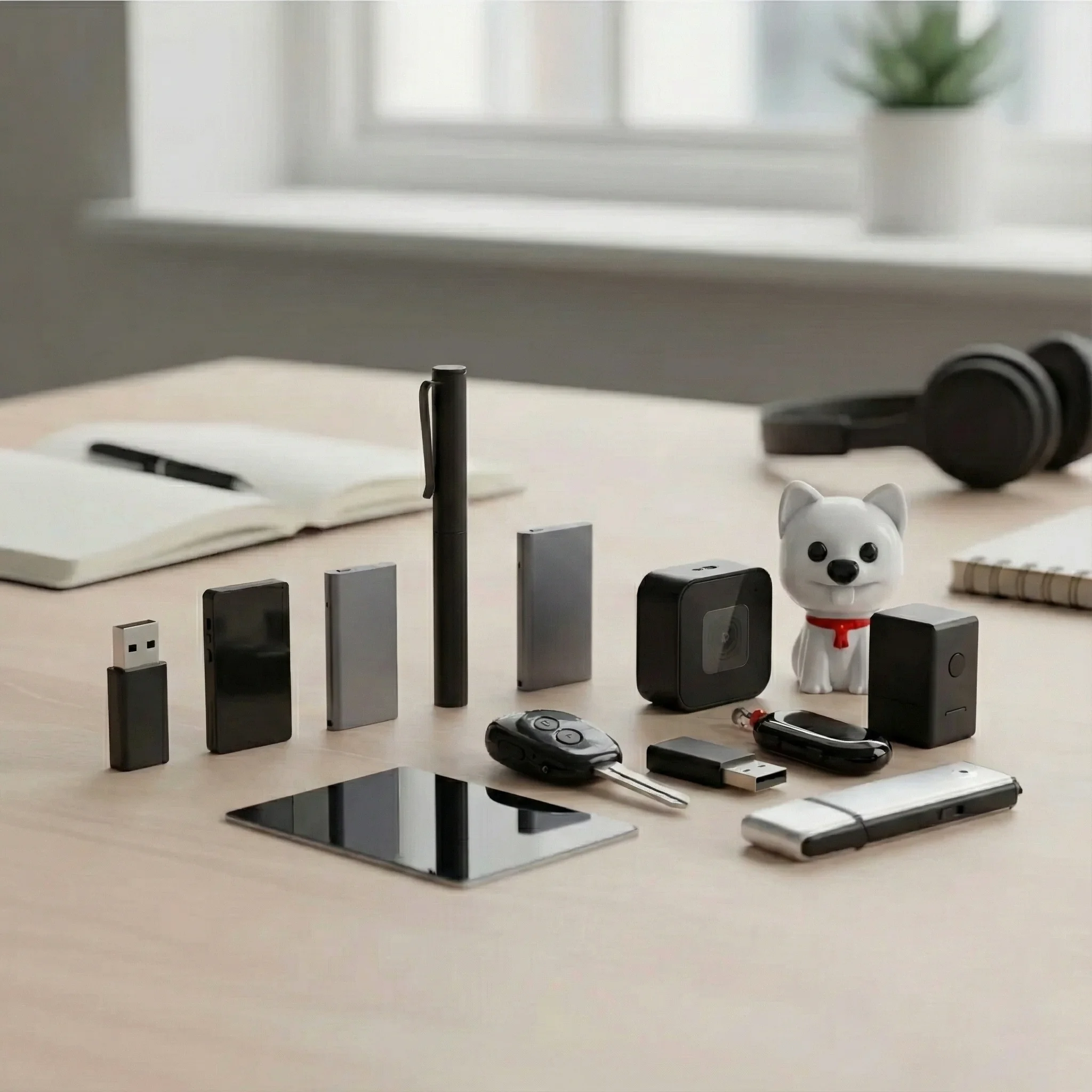
The ADC samples sound waves at rates between 8 kHz (low-quality voice memos) and 48 kHz (broadcast-grade interviews). Bit depth, typically 16-bit or 24-bit, determines dynamic range. For business meetings, 44.1 kHz at 16-bit or 192 kbps MP3 delivers clarity without bloating file sizes. Higher sampling rates matter for music or forensic analysis, not for conference rooms.
Dedicated hardware wins over phones for three reasons. First, microphones on recorders are directional or dual-mic noise-canceling designs, not the omnidirectional pinholes found on smartphones. Second, battery life is measured in days, not hours. Third, a recorder does not interrupt recording when a call, notification, or OS update arrives.
For wholesale buyers, understanding this architecture helps you answer customer questions about compatibility, file handling, and longevity.
| Komponent | Consumer-Grade | Professional/B2B Grade |
|---|---|---|
| Częstotliwość próbkowania ADC | 8–22 kHz | 44.1–48 kHz |
| Bit Depth | 16-bit | 16–24-bit |
| Składowanie | 4–8 GB internal | 32–128 GB + microSD |
| Bateria | 10–20 godzin | 200–500 hours (VOR mode) |
| Mikrofon | Pojedynczy dookólny | Dual directional + DSP |
Kluczowy wniosek: A digital voice recorder is standalone hardware with dedicated ADC, storage, and power. It outperforms smartphones for reliability and runtime.
How Long Can a Digital Voice Recorder Record?
Battery anxiety ruins deployments. Know the real numbers before you quote a project.
Continuous recording time ranges from 12 hours on budget units to over 70 hours on professional models. But that metric misleads most buyers. The figure that matters is Voice Activated Recording (VOR) standby time, which can stretch from 14 days to 150 days on devices like the Magnetyczny Szpiegowski Dyktafon 500H.
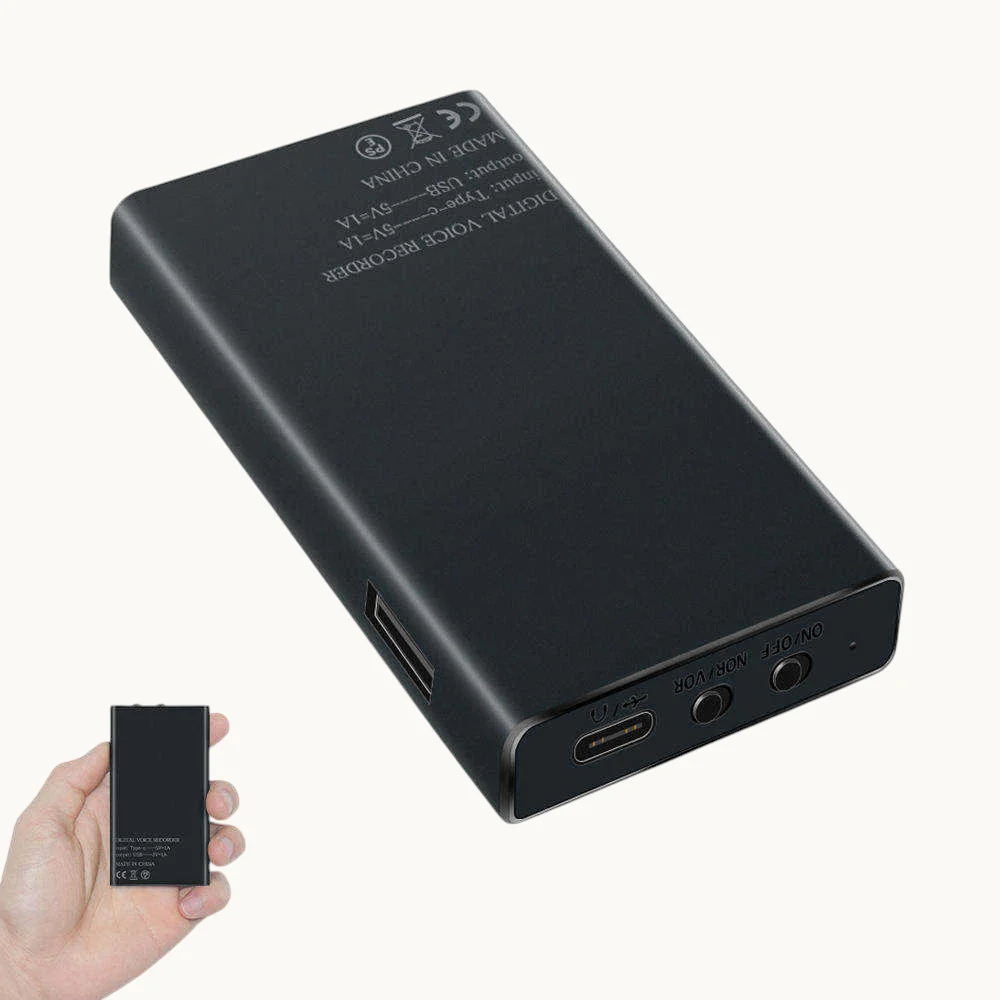
Here’s what most people get wrong. They look at “battery life” on a product page and assume it means continuous use. In reality, 90 percent of business recordings are intermittent: a 45-minute meeting, a two-hour interview, a 10-minute dictation. VOR detects sound above a set threshold, records, then sleeps. The sleep current is measured in microamps. The result is weeks of deployment on a single charge.
For B2B buyers sourcing for security firms or legal practices, ask your supplier for the quiescent current spec. If they cannot provide it, the device likely uses a generic chip without power management.
| Tryb nagrywania | Typical Runtime | Najlepsze dla |
|---|---|---|
| Ciągły | 12–72 hours | Lectures, all-day conferences |
| VOR Aktywny | 14–30 dni | Intermittent meetings, field monitoring |
| Czuwanie VOR | 60–150 days | Long-term security, evidence gathering |
| Power Bank Hybrid | Unlimited (USB powered) | Fixed installations, vehicle use |
Kluczowy wniosek: VOR standby time, not continuous recording, determines real-world battery performance for business use.
What Audio Quality and File Formats Matter for Business Use?
Not all recordings are equal. A lecture needs intelligibility. A legal deposition needs fidelity. A security log just needs presence detection.
For meetings and interviews, 192 kbps MP3 at 44.1 kHz strikes the best balance. File size runs approximately 1.4 MB per minute. A 32 GB device stores over 380 hours at this rate. WAV (uncompressed PCM) at 44.1 kHz/16-bit produces larger files, roughly 10 MB per minute, but preserves every nuance for transcription services and court admissibility.
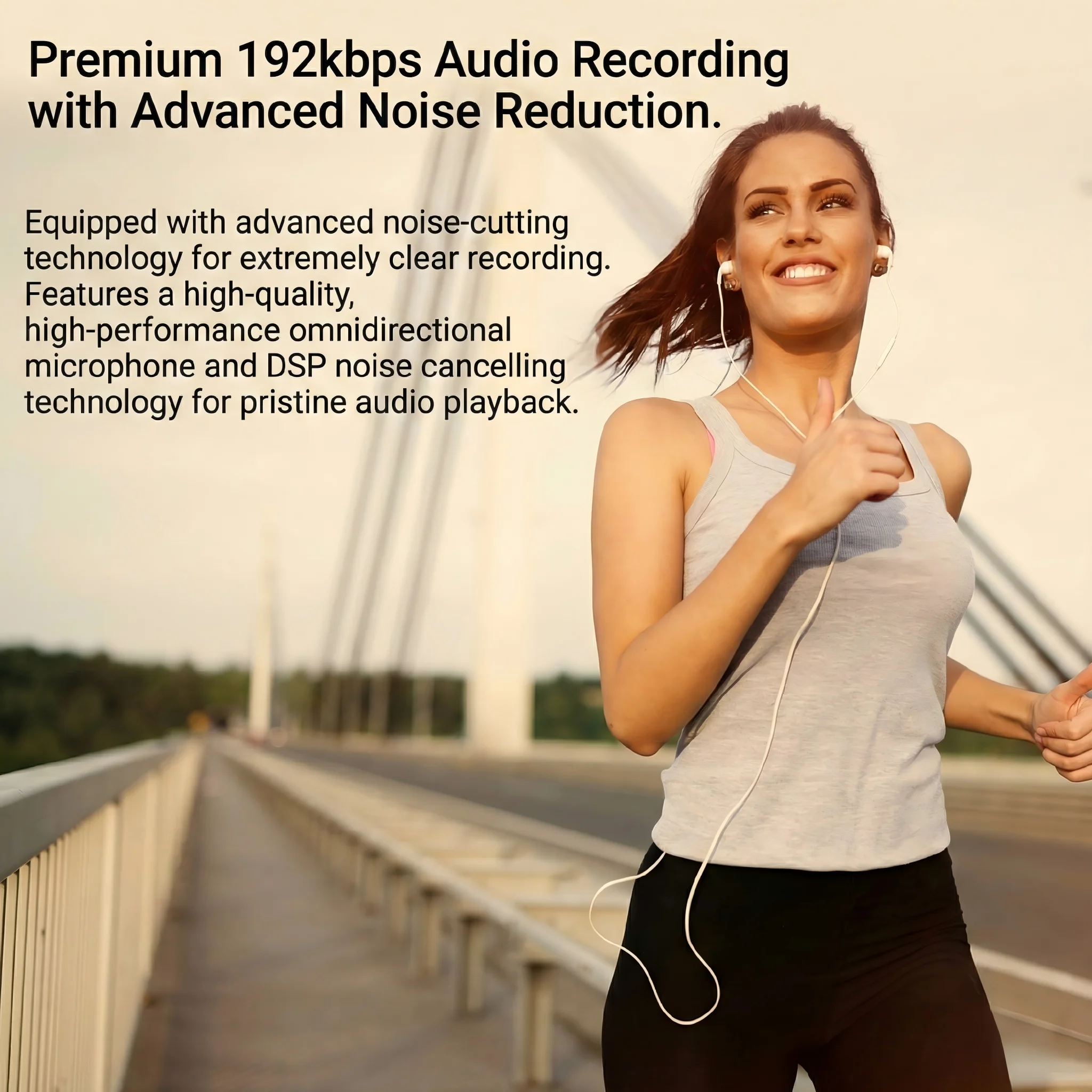
The poradnik zaopatrzeniowy wybór odpowiedniej kamery w długopisie do użytku korporacyjnego uses DSP (Digital Signal Processing) to suppress background hum from HVAC systems and keyboard clicks. This is not marketing fluff. DSP applies adaptive filtering algorithms that identify stationary noise patterns and subtract them from the signal in real time. Without it, a recording in a typical office sounds like someone speaking inside a washing machine.
For wholesale buyers, ask whether the DSP is hardware-accelerated or software-emulated. Hardware DSP runs on a dedicated audio chip and adds zero CPU load. Software DSP drains battery and can skip during high-complexity audio scenes.
| Format | Przepływność/Częstotliwość próbkowania | Rozmiar pliku (1 godzina) | Najlepszy przypadek użycia |
|---|---|---|---|
| MP3 | 128 kbps / 44,1 kHz | ~56 MB | General notes, long archives |
| MP3 | 192 kbps / 44.1 kHz | ~84 MB | Wywiady, spotkania, transkrypcja |
| Fala | 16-bit / 44,1 kHz | ~606 MB | Dowody sądowe, transmisja, muzyka |
| Fala | 24 bity / 48 kHz | ~1,04 GB | Profesjonalna produkcja dźwięku |
Kluczowy wniosek: MP3 192 kbps odpowiada większości zastosowań biznesowych. Wybierz WAV tylko w scenariuszach prawnych lub nadawczych, gdzie wierność dźwięku przeważa nad kosztem przechowywania.
Czym jest aktywacja głosu i dlaczego wydłuża żywotność baterii?
Aktywacja głosu (VOR) to najbardziej niezrozumiana funkcja w cyfrowych dyktafonach. Kupujący uważają ją za udogodnienie. W rzeczywistości jest to strategia zarządzania energią.
VOR działa poprzez próbkowanie wejścia mikrofonu z niską częstotliwością w stanie bezczynności. Gdy amplituda przekroczy programowalny próg, urządzenie budzi pełny łańcuch nagrywania (ADC, enkoder, pamięć) w czasie poniżej 50 milisekund. Po powrocie ciszy przez ustalony czas (zwykle 1–5 sekund) urządzenie wraca do trybu uśpienia.
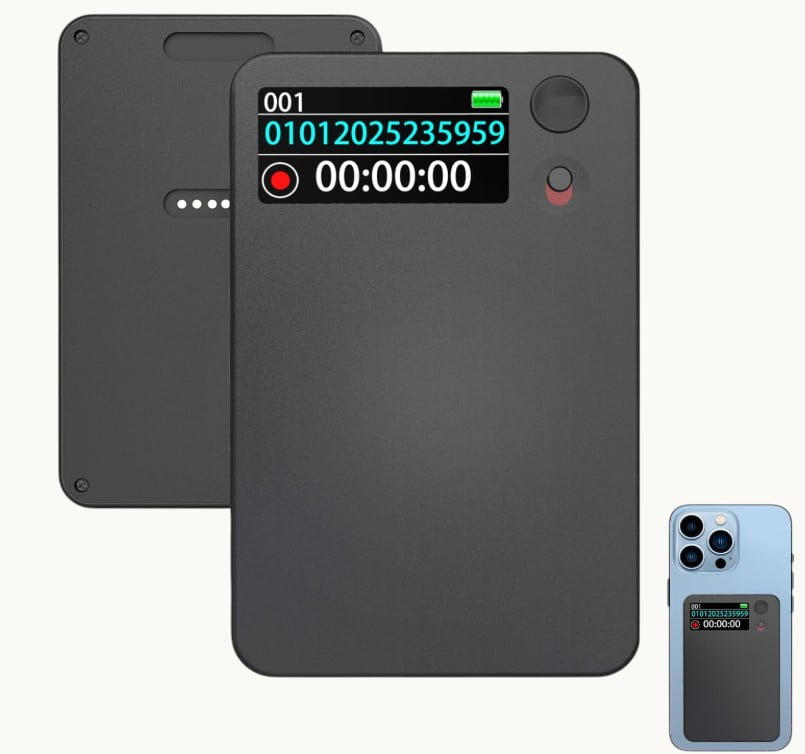
The Q97 Professional Voice Recorder Type C oferuje regulowaną czułość VOR. To ma znaczenie, ponieważ zbyt niskie progi przechwytują każdy krok i cykl klimatyzacji. Zbyt wysokie progi pomijają cicho mówiących uczestników spotkań. Jednostki profesjonalne pozwalają na kalibrację w terenie przy użyciu nagrania testowego.
Ale oto rzecz. Tanie implementacje VOR wykorzystują proste bramkowanie amplitudy. Wyzwalają się na każdy głośny dźwięk. Zaawansowane jednostki stosują analizę częstotliwości, aby odróżnić wzorce ludzkiego głosu (zwykle 85 Hz–255 Hz częstotliwości podstawowej dla mężczyzn, 165 Hz–500 Hz dla kobiet) od hałasu mechanicznego. Zmniejsza to fałszywe wyzwolenia o 60–80 procent.
Dla dystrybutorów VOR jest argumentem sprzedażowym dla firm ochroniarskich, prywatnych detektywów i inspektorów ds. zgodności, którzy potrzebują nagrywania bezobsługowego.
| Technologia VOR | Metoda wyzwalania | Wskaźnik fałszywych wyzwalaczy | Typowy zakres cen |
|---|---|---|---|
| Bramkowanie amplitudy | Tylko próg głośności | Wysoki (20–40%) | $15–$40 |
| Analiza częstotliwości | Wykrywanie pasma głosowego | Średni (5–15%) | $40–$80 |
| Klasyfikacja AI/ML | Neuronowe wykrywanie głosu | Niski (1–5%) | $80–$200+ |
Kluczowy wniosek: Prawdziwe VOR wykorzystuje częstotliwość lub detekcję głosu opartą na sztucznej inteligencji, a nie tylko bramkowanie głośności. To decyduje o żywotności baterii i jakości nagrania w hałaśliwym otoczeniu.
Jaką pojemność pamięci potrzebujesz do profesjonalnego nagrywania?
Obliczenia dotyczące pamięci są proste, ale kupujący konsekwentnie przeszacowują swoje potrzeby.
Rejestrator 32 GB przy 192 kbps MP3 przechowuje około 570 godzin dźwięku. To 71 ośmiogodzinnych dni roboczych ciągłego nagrywania. Większość użytkowników biznesowych nagrywa 2–4 godziny tygodniowo. Przy takim tempie 32 GB wystarcza na trzy lata, zanim zajdzie potrzeba archiwizacji.
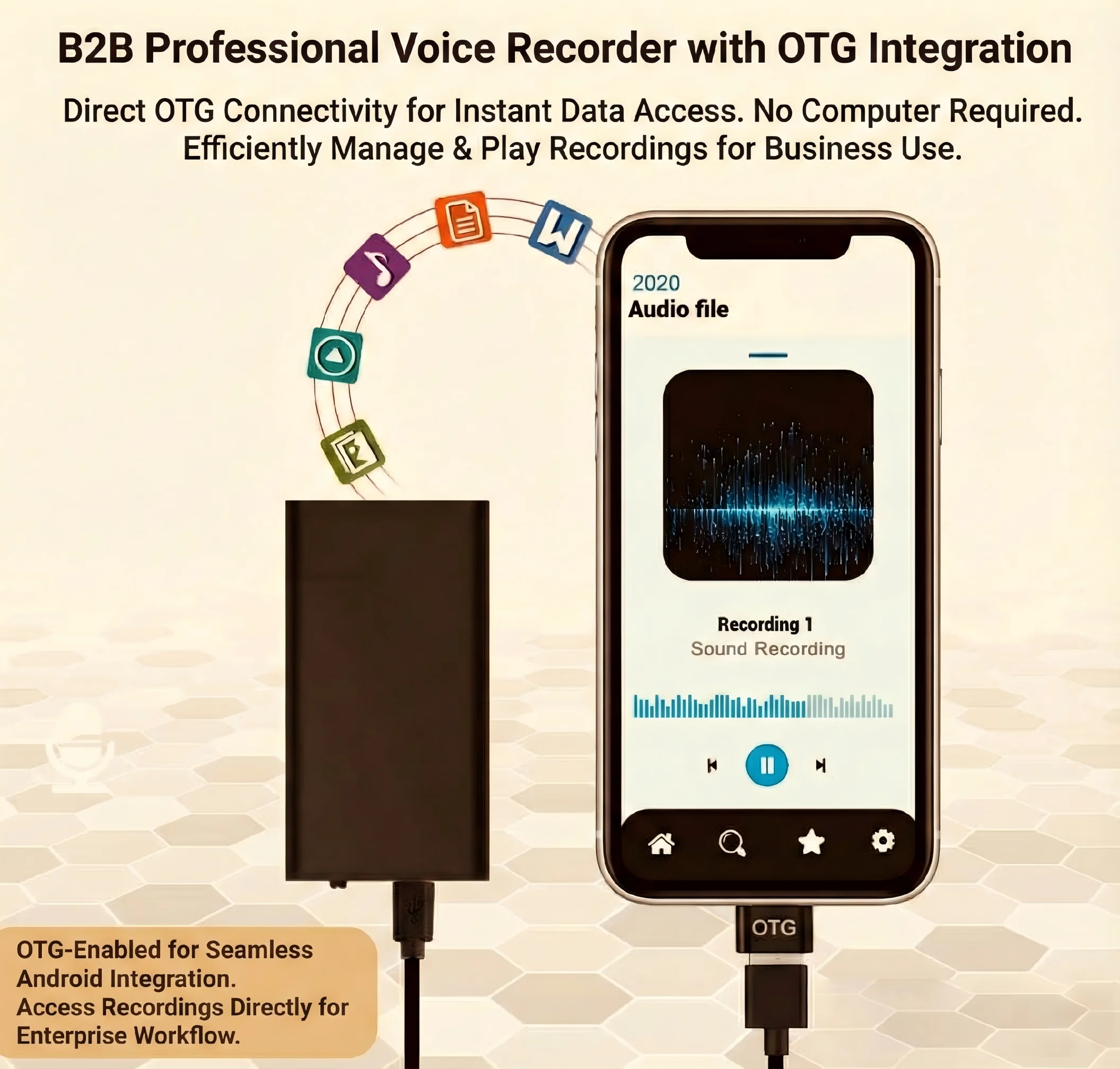
Prawdziwe pytanie nie dotyczy pojemności, lecz szybkości dostępu i zarządzania plikami. Profesjonalne urządzenia automatycznie dzielą nagrania na pliki ze znacznikami czasu co 30 lub 60 minut. Zapobiega to uszkodzeniom (pojedynczy 10-godzinny plik jest delikatny) i przyspiesza wyszukiwanie. Ukryty szpiegowski rejestrator dźwięku obsługuje segmentację ze znacznikami czasu i umożliwia odtwarzanie bezpośrednio przez słuchawki lub połączenie OTG z urządzeniami Android.
Dla kupujących hurtowych rozszerzalność microSD ma większe znaczenie niż wbudowana pojemność. Urządzenie z 8 GB pamięci wewnętrznej + slotem microSD 128 GB zabezpiecza przyszłość twojego asortymentu. Kupujący mogą ulepszyć pamięć bez wymiany sprzętu.
| Pojemność | Godziny MP3 192 kbps | Godziny WAV 44,1 kHz | Typowy profil użytkownika |
|---|---|---|---|
| 8 GB | ~142 godziny | ~13 godzin | Lekkie użytkowanie osobiste |
| 16 GB | ~285 godzin | ~26 godzin | Studenci, okazjonalne spotkania |
| 32 GB | ~570 godzin | ~53 godziny | Business professionals |
| 64 GB | ~1140 godzin | ~106 godzin | Bezpieczeństwo, prawo, praca w terenie |
| 128 GB | ~2 280 godzin | ~212 godzin | Długoterminowy nadzór |
Kluczowy wniosek: 32 GB obsługuje prawie wszystkie przypadki użycia w biznesie. Priorytetem jest rozszerzalność microSD i automatyczna segmentacja, a nie surowa pojemność.
Jaki typ baterii i opcje zasilania sprawdzają się najlepiej w terenie?
Chemia baterii decyduje o żywotności, tolerancji temperaturowej i zgodności z przepisami bezpieczeństwa.
Litowo-jonowe (Li-ion) i litowo-polimerowe (Li-Po) dominują na rynku. Li-ion oferuje większą gęstość energii i niższe samorozładowanie (2–3% miesięcznie). Li-Po umożliwia elastyczne formy, dlatego Kamera szpiegowska w długopisie WiFi z dźwiękiem mieści się w funkcjonalnej obudowie długopisu. Oba rodzaje chemii wytrzymują 300–500 cykli ładowania, zanim pojemność spadnie do 80 procent.
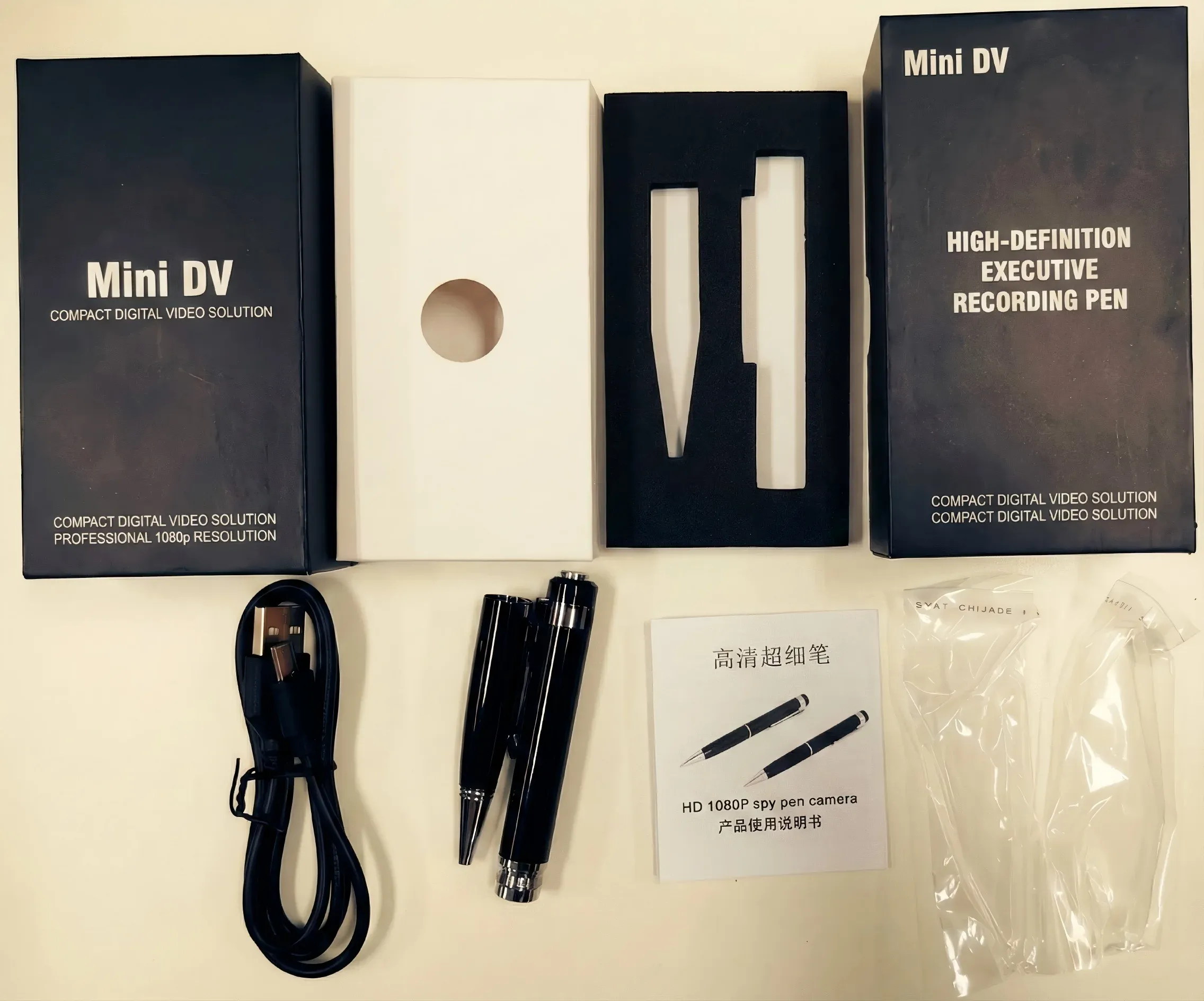
W przypadku hurtowej sprzedaży w UE przepisy dotyczące baterii zaostrzają się. Rozporządzenie UE w sprawie baterii (2023/1542) wymaga wymiennych baterii w elektronice użytkowej do 2027 roku. Dystrybutorzy powinni priorytetowo traktować urządzenia z dostępnymi przedziałami na baterie lub standardowymi formatami ogniw (AAA, 18650 Li-ion). Zabezpiecza to zapasy przed zmianami regulacyjnymi.
Temperatura również ma znaczenie. Wydajność standardowego akumulatora Li-ion spada poniżej 0°C i powyżej 45°C. Do pracy terenowej na zewnątrz w Skandynawii lub południowej Europie należy stosować ogniwa przemysłowe przystosowane do zakresu od -20°C do 60°C.
| Typ akumulatora | Pojemność | Cykle | Zakres temperatur | Wymienny? |
|---|---|---|---|---|
| AAA Alkaline | ~1,000 mAh | Jednorazowe | -18°C do 55°C | Tak |
| Li-ion 18650 | 2,000–3,500 mAh | 500+ | 0°C do 45°C | Tak |
| Li-Po (wewnętrzny) | 200–800 mAh | 300–500 | 0°C do 45°C | NIE |
| Przemysłowy Li-Po | 400–1,000 mAh | 500+ | -20°C do 60°C | NIE |
Kluczowy wniosek: Akumulatory Li-ion 18650 lub AAA wymienne oferują najlepszą równowagę między pojemnością, trwałością a zgodnością z przepisami dla dystrybucji w UE.
Cyfrowy dyktafon kontra smartfon: co jest lepsze dla biznesu?
Smartfon w twojej kieszeni nagrywa dźwięk. Więc po co kupować dedykowany sprzęt?
Trzy powody: niezawodność, bateria i dyskrecja. Smartfon polega na systemie operacyjnym w zarządzaniu procesami w tle. Zarówno iOS, jak i Android ograniczają aplikacje działające w tle, aby oszczędzać baterię. 3-godzinne nagranie może zostać przerwane przez ostrzeżenie o niskim poziomie baterii, przychodzące połączenie lub aktualizację systemu. Dedykowany rejestrator nie ma żadnego z tych trybów awarii.
Porównanie baterii jest wyraźne. Nagrywanie dźwięku na smartfonie zużywa 15–25% baterii na godzinę. Profesjonalny rejestrator głosu zużywa 1–3% na godzinę w trybie ciągłym i 0,1% dziennie w trybie czuwania VOR. W przypadku trzydniowej konferencji, gdzie gniazdka elektryczne są rzadkie, wybór jest oczywisty.
Dyskrecja ma znaczenie w kontekstach prawnych i dziennikarskich. Wyciągnięcie smartfona do nagrywania sygnalizuje intencję. Dyktafon w postaci długopisu lub breloczka nie. Kamera szpiegowska w długopisie 1080P, zdjęcia 30MP, 128GB W10 funkcjonuje jako normalne narzędzie do pisania, jednocześnie rejestrując dźwięk i wideo w jakości HD.
Dla nabywców B2B debata smartfon kontra rejestrator to narzędzie wspierające sprzedaż. Przedstawiaj dedykowany sprzęt jako zabezpieczenie przed trzema powyższymi trybami awarii.
| Czynnik | Dedykowany dyktafon | Smartfon |
|---|---|---|
| Niezawodność nagrywania | 99%+ nieprzerwane | Przerwane przez połączenia, aktualizacje, baterię |
| Bateria (3-godzinne spotkanie) | ~5% pobór | ~45% pobór |
| Jakość mikrofonu | Kierunkowy, z redukcją szumów | Dookólny, bez DSP |
| Dyskrecja | Wysoka (długopis, brelok, formy USB) | Niska (widoczne urządzenie) |
| Eksport plików | USB, OTG, microSD | Zależne od chmury, ograniczone formaty |
| Koszt na jednostkę | $25–$150 | $0 (już posiadane) |
Kluczowy wniosek: Smartphones suffice for casual notes. Dedicated recorders are essential for reliability, battery endurance, and discreet professional use.
What Certifications Should B2B Buyers Look for in the EU and UK?
Certifications are not stickers. They are legal shields.
CE marking is mandatory for electronics sold in the European Economic Area. It indicates compliance with the Low Voltage Directive (2014/35/EU), EMC Directive (2014/30/EU), and Radio Equipment Directive (2014/53/EU) for Wi-Fi-enabled devices. RoHS (2011/65/EU) restricts hazardous substances like lead and cadmium in circuit boards and solder.
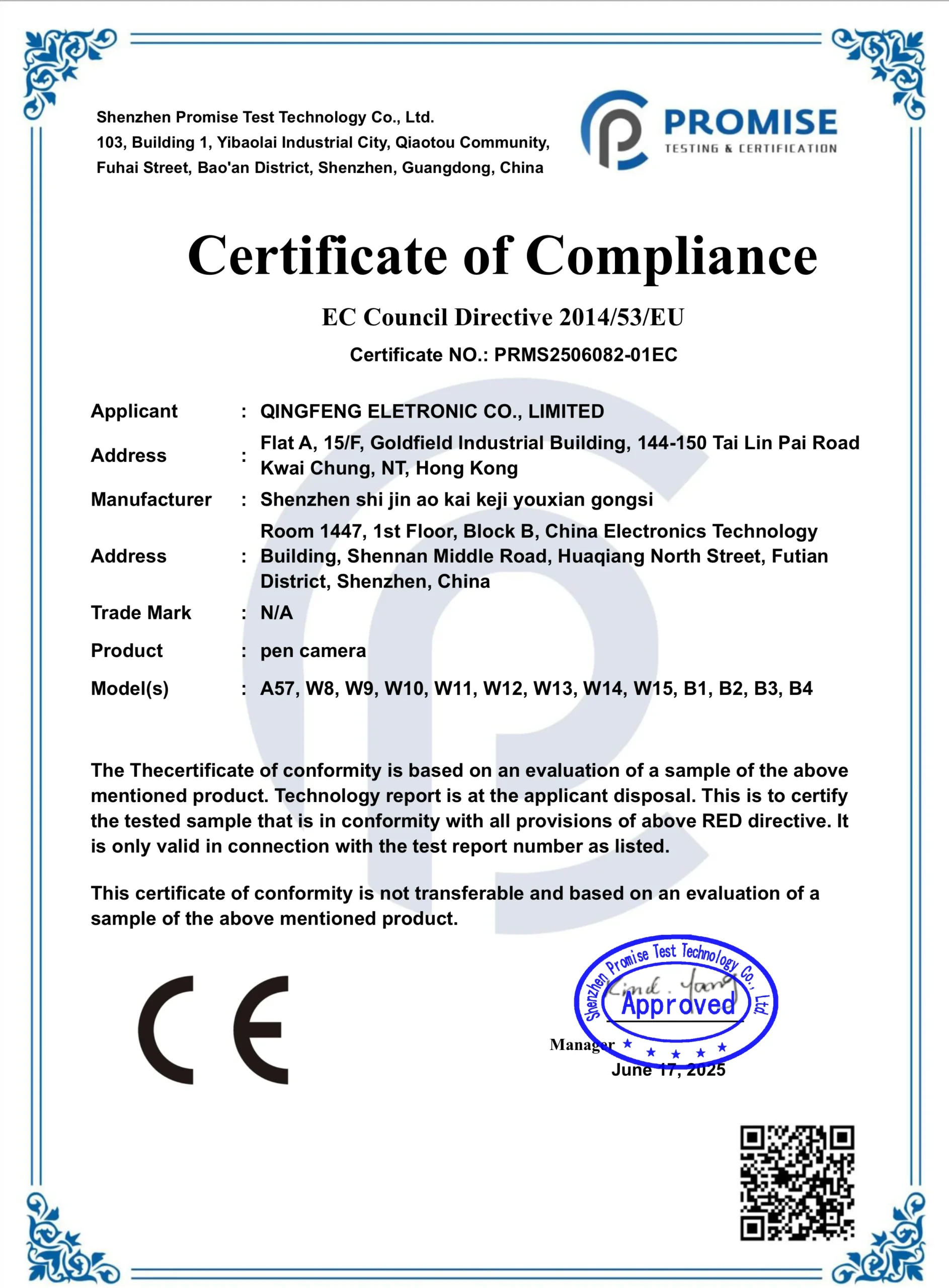
Dla rynku brytyjskiego po brexicie oznakowanie UKCA zastępuje CE dla produktów wprowadzanych na rynek Wielkiej Brytanii. Irlandia Północna nadal akceptuje CE w ramach Ram Windsorskich. Dystrybutorzy obsługujący oba rynki powinni zweryfikować podwójne oznakowanie lub oddzielną dokumentację zgodności.
GDPR adds a layer of complexity for recording devices. Article 6 requires a lawful basis for processing personal data, including audio recordings. Article 32 mandates encryption and access controls. While these obligations fall on the end user (the employer or data controller), wholesalers should provide documentation explaining how their devices support compliance: encrypted storage, password protection, and tamper-evident file hashing.
The ICO (UK Information Commissioner’s Office) guidance on workplace monitoring confirms that covert recording is generally unlawful without explicit justification. Distributors should educate customers on transparency requirements, not just sell hardware.
| Orzecznictwo | Region | Zakres | Podstawa prawna |
|---|---|---|---|
| CE | UE + EOG | Bezpieczeństwo, EMC, radio | Dyrektywy UE 2014/30, 2014/35, 2014/53 |
| UKCA | Wielka Brytania | Bezpieczeństwo, EMC, radio | Brytyjskie instrumenty ustawowe |
| RoHS | UE + Wielka Brytania | Limity substancji niebezpiecznych | Dyrektywa 2011/65/UE |
| REACH | UE + Wielka Brytania | Rejestracja chemiczna | Rozporządzenie WE 1907/2006 |
| FCC | USA | Zakłócenia elektromagnetyczne | 47 CFR Część 15 |
Kluczowy wniosek: CE + RoHS są obowiązkowe przy wprowadzaniu na rynek UE. UKCA jest wymagane dla Wielkiej Brytanii. Dokumentacja zgodności z RODO zwiększa wartość konkurencyjną w sprzedaży korporacyjnej.
Which Industries Use Digital Voice Recorders Most?
Zrozumienie rynków pionowych pomaga dystrybutorom pozycjonować zapasy i tworzyć ukierunkowany marketing.
The legal sector is the largest professional buyer. Solicitors, barristers, and paralegals record client consultations, witness interviews, and dictation. Requirements: long battery, WAV format for court admissibility, and timestamped files. The UK Legal Services Board estimates that 78% of law firms use digital recording for matter documentation.
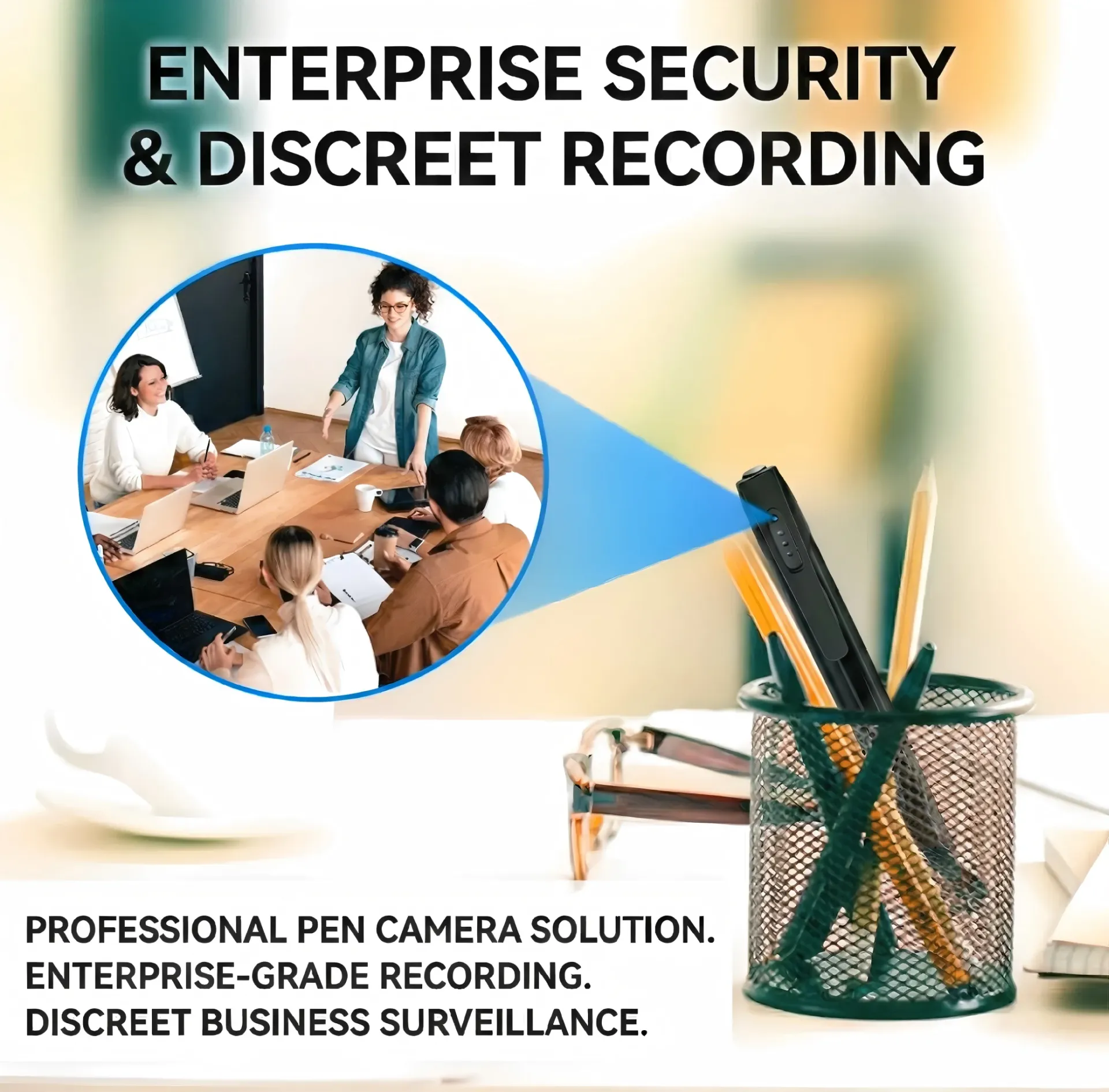
Journalism and media production are secondary markets. Reporters need compact devices for field interviews. Podcasters use recorders as backup audio sources. Key spec: 48 kHz/24-bit WAV, XLR or 3.5 mm mic input, and low self-noise (below -120 dBV).
Security and private investigation represent a growing B2B segment. VOR devices monitor unattended properties, vehicles, or hotel rooms. The EU private security market grew 4.2% annually from 2020–2024, per the European Confederation of Security Services (CoESS). These buyers prioritize standby time, magnetic mounting, and inconspicuous form factors.
Ochrona zdrowia i edukacja to rynki regulowane. Trusty NHS w Wielkiej Brytanii używają rejestratorów głosu do dyktowania klinicznego. Uniwersytety nagrywają wykłady w celu zapewnienia dostępności. Oba sektory wymagają obsługi zgodnej z RODO i często preferują przechowywanie lokalne zamiast przesyłania do chmury.
| Przemysł | Kluczowe wymagania | Preferowana specyfikacja | Wrażliwość cenowa |
|---|---|---|---|
| Legalne | Dopuszczalność w sądzie | WAV, timestamp, >30 hr battery | Niski |
| Dziennikarstwo | Przenośność + jakość | <100g, 48 kHz, mic input | Średni |
| Bezpieczeństwo | Praca bezobsługowa | VOR, >14 days standby, magnetic | Średni |
| Ochrona zdrowia | Zgodność z RODO | Szyfrowanie, hasło, bez chmury | Niski |
| Edukacja | Długie archiwum | MP3, 32 GB+, automatyczny podział | Wysoki |
Kluczowy wniosek: Legal and security sectors drive premium demand. Education is volume-driven but price-sensitive. Match product tiers to vertical markets.
How Do You Choose a Digital Voice Recorder Supplier for Wholesale?
Specyfikacje produktu nic nie znaczą, jeśli dostawca nie może dostarczać konsekwentnie.
Najpierw zweryfikuj referencje produkcyjne. Legalny OEM posiada certyfikat zarządzania jakością ISO 9001 i certyfikat środowiskowy ISO 14001. Poproś o raporty z audytu fabryki. Jeśli dostawca się waha, prawdopodobnie jest firmą handlową, a nie producentem.
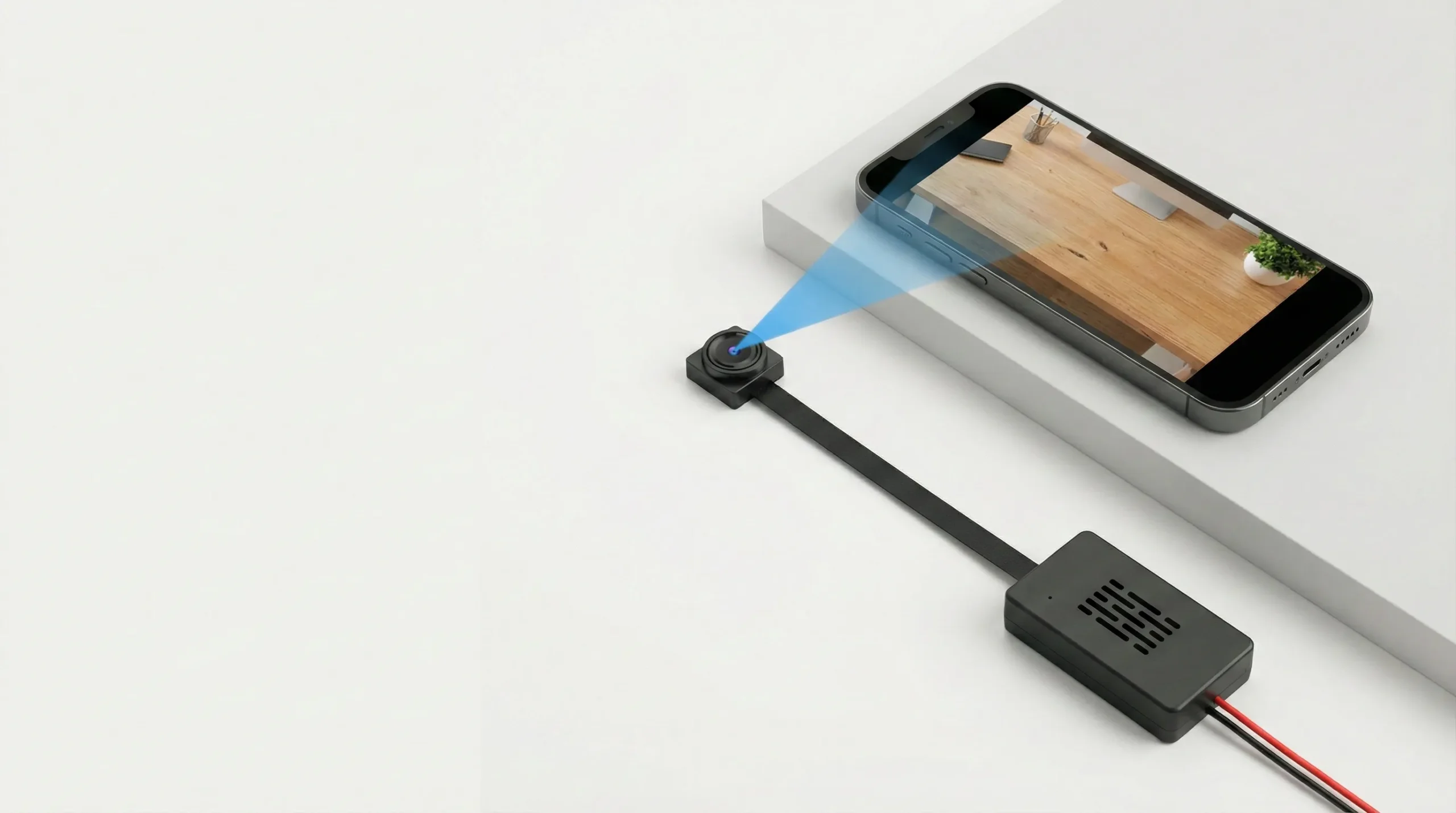
Po drugie, potwierdź dokumentację certyfikacyjną. Certyfikaty CE i RoHS powinny wskazywać konkretny model produktu i laboratorium badawcze. Ogólne certyfikaty są bezwartościowe. TÜV, SGS i Intertek to uznane jednostki. Samodzielnie zadeklarowane CE z nieznanego laboratorium wzbudza zastrzeżenia na unijnej odprawie celnej.
Third, evaluate sample quality before committing to MOQ. Order three units: test one for 72-hour continuous recording, disassemble one to inspect PCB soldering and battery labeling, and ship one to your target market to verify customs clearance. This $200 investment prevents a $20,000 inventory mistake.
Fourth, negotiate warranty and RMA terms. A 12-month warranty is standard. Ask about the RMA process: who pays return shipping? What is the repair turnaround? Do they maintain spare parts inventory for discontinued models? A supplier with no spare parts stock cannot honor long-term warranties.
Fifth, request packaging and branding options. EU retailers often require multi-language manuals (EN, DE, FR, ES, IT). Distributors may want private-label packaging. Confirm whether the supplier supports ODM firmware customization, such as splash screens or feature locks, and what the NRE (non-recurring engineering) cost is.
| Krok oceny | Co zweryfikować | Czerwona flaga |
|---|---|---|
| Audyt fabryczny | ISO 9001, zdolność produkcyjna | Brak raportu z audytu, odmawia wizyty |
| Orzecznictwo | CE/RoHS dla modelu, uznane laboratorium | Ogólny lub przeterminowany certyfikat |
| Testowanie próbki | 72-godzinny burn-in, teardown, test celny | Próbki różnią się od karty katalogowej |
| Warunki gwarancji | 12 miesięcy, proces RMA, części zamienne | Nieprecyzyjne warunki, brak pisemnej polityki |
| Personalizacja | ODM, opakowanie, firmware | Wysokie MOQ przy drobnych zmianach |
Kluczowy wniosek: Supplier verification beats price negotiation. A cheap unit stuck in customs or returned under warranty destroys margin faster than a 10% higher unit cost.
Często zadawane pytania
Can I use a digital voice recorder for legal evidence in UK courts?
Yes, if the recording is authentic, unedited, and obtained lawfully. The Criminal Procedure Rules 2020 (Part 33) admit digital recordings as hearsay evidence if the device is shown to be reliable. Use WAV format, maintain a chain of custody, and avoid voice enhancement that alters the original content.
What’s the best recording format for meeting transcription services?
192 kbps MP3 at 44.1 kHz. This format balances clarity with file size. Most transcription APIs (Otter.ai, Rev, Trint) accept MP3 and process it faster than uncompressed WAV. If the transcription service requires lossless audio, export to WAV after recording in MP3.
How do I know if a voice recorder’s VOR actually works?
Przetestuj go w docelowym środowisku. Umieść rejestrator w pomieszczeniu, w którym będzie używany. Przeprowadź 24-godzinny test przy normalnym szumie otoczenia. Sprawdź liczbę plików i całkowity czas nagrywania. Działający VOR tworzy wiele krótkich plików o łącznym czasie znacznie krótszym niż 24 godziny. Jeśli plik jest jednym ciągłym 24-godzinnym nagraniem, VOR jest wyłączony lub nie działa.
Can digital voice recorders be detected by RF scanners or bug detectors?
Most standalone recorders emit no radio frequency signal during recording. They are passive devices. Wi-Fi-enabled models, however, transmit on 2.4 GHz or 5 GHz bands and are detectable by RF scanners when actively uploading. For covert operations, choose non-Wi-Fi models or disable wireless transmission.
What’s the typical MOQ for wholesale voice recorder orders from China?
MOQ różni się w zależności od dostawcy i poziomu personalizacji. Modele standardowe bez brandingu: 50–100 sztuk. Opakowania private label: 200–500 sztuk. Zmiany firmware lub hardware w modelu ODM: 1000+ sztuk. Niektóre fabryki oferują zamówienia próbne 10 sztuk w cenach hurtowych dla nowych nabywców. Zawsze negocjuj ceny progowe przy 100, 500 i 1000 sztuk.
Wnioski
Choosing the right digital voice recorder for business or wholesale is not about finding the “best” product. It is about matching technical specifications to real-world use cases, verifying supplier credentials, and ensuring compliance with EU and UK regulations.
Whether you are a security firm in Germany deploying VOR devices for property monitoring, a legal practice in London recording client consultations, or a distributor sourcing inventory for European retailers, the principles remain the same. Test samples, verify certifications, and negotiate terms before you commit to bulk orders.
Skontaktuj się z nami już dziś to discuss wholesale pricing, OEM customization, and certification documentation for your market. QZT Security supplies CE and RoHS-compliant recording devices with dedicated B2B support for distributors across the UK and EU.

 English
  Italiano
  Deutsch
  Français
  Español
  Polski