
How to Choose Spy Camera Glasses That Actually Work
Most spy camera glasses look great in product photos but deliver blurry footage, die in 45 minutes, or feel like wearing bricks on your face. The videography community on Reddit summed it up bluntly: “Are there any hidden camera glasses that don’t suck?” The answer is yes — but you need to know what separates professional-grade wearable cameras from cheap knockoffs before you spend money or recommend products to your clients.
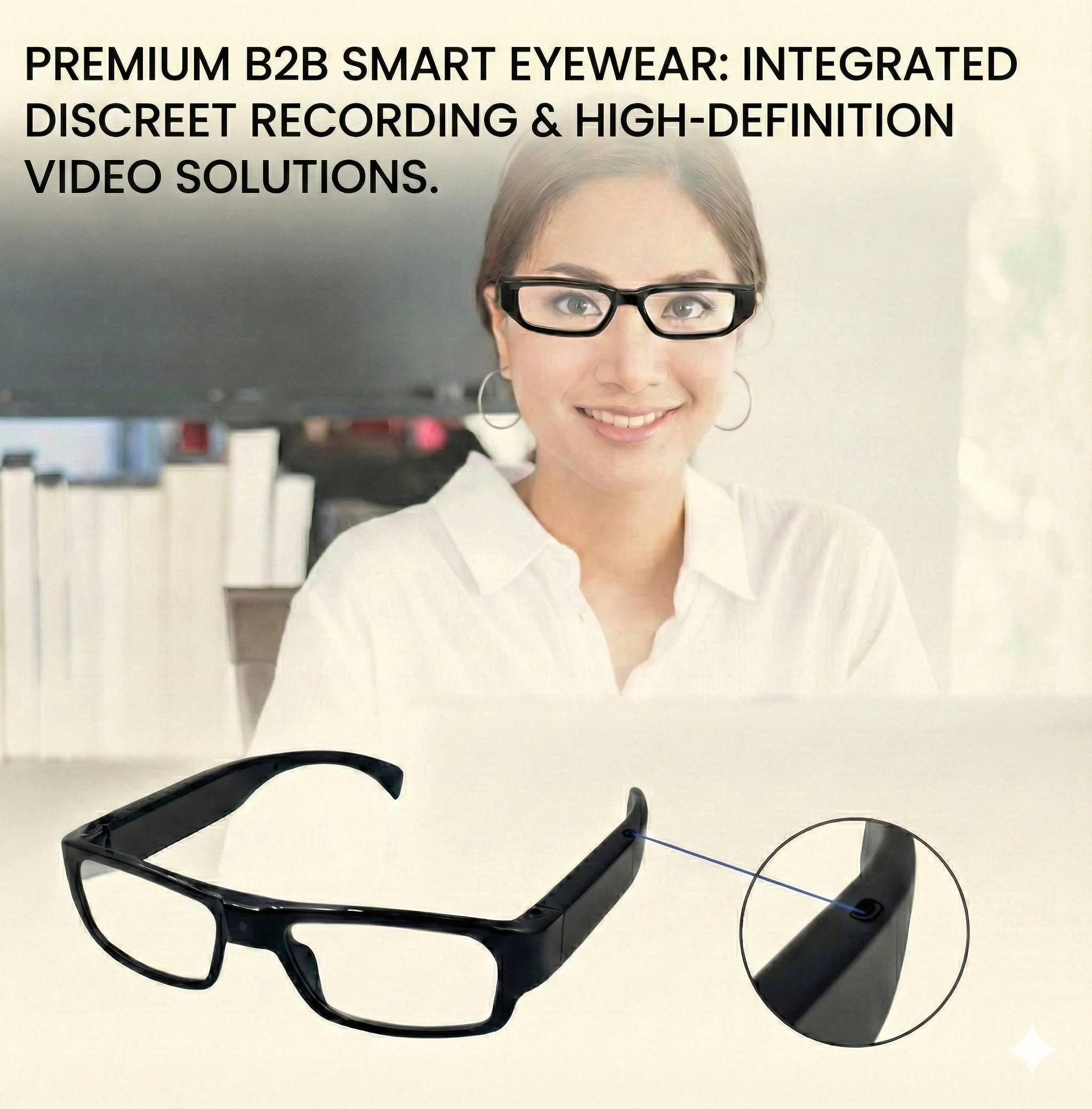
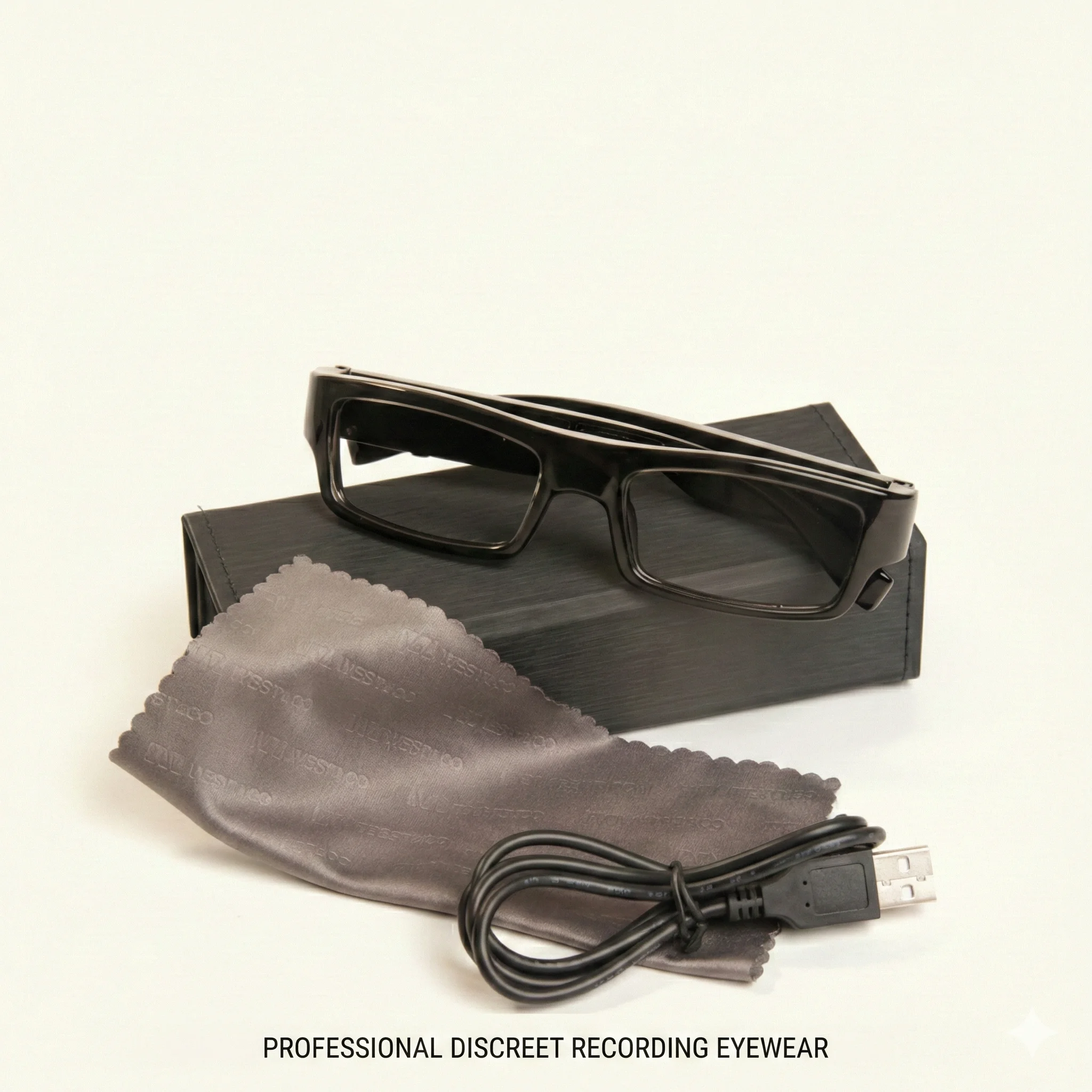
Spy camera glasses capture hands-free, eye-level video through a lens embedded in ordinary eyewear frames. The Okulary z ukrytą kamerą HD from QZT Security record 1080P video with a 12MP photo sensor while looking like standard sunglasses — no visible camera housing, no blinking LED, no giveaway thickness. For B2B buyers sourcing wearable surveillance equipment for security firms, law enforcement support units, or investigative agencies across the UK and EU, understanding the technical and legal landscape around these devices is essential before committing to a wholesale order.
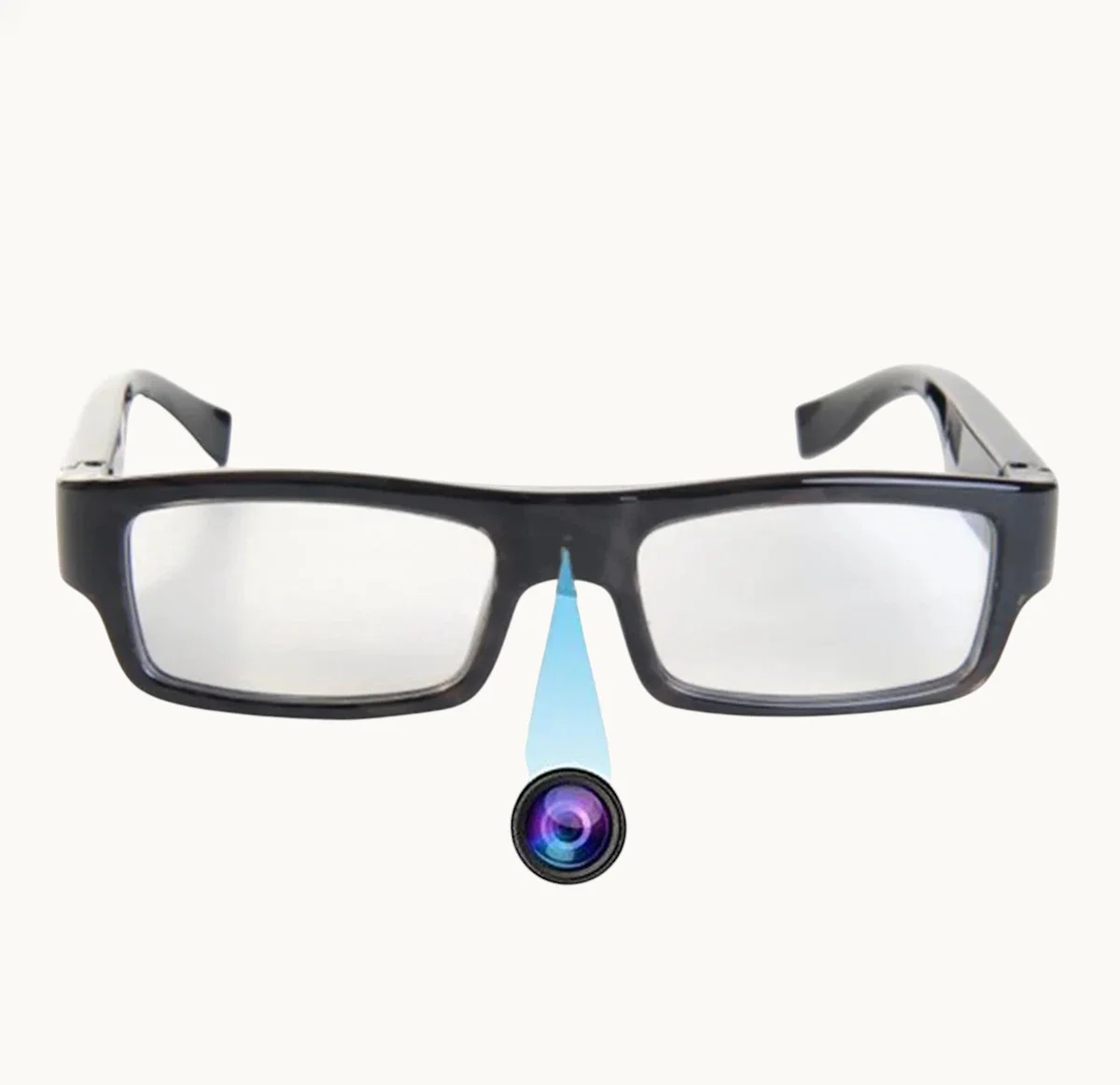
But here’s the thing most buyers miss: the gap between “listed as 1080P” and “actually delivers watchable 1080P footage” is enormous. Sensor quality, lens coating, frame ergonomics, battery chemistry, and EU GDPR compliance all determine whether camera glasses perform reliably in real deployments — or end up in a drawer after one disappointing test.
How Do Spy Camera Glasses Work Inside?
You see sunglasses on a shelf. You don’t see the miniaturised imaging pipeline hidden inside the temple arm.
Spy camera glasses integrate a complete video capture system — CMOS image sensor, lens assembly, video processor, storage module, battery, and microphone — into a single eyewear frame. The sensor sits behind a pinhole lens (typically 1-2mm diameter) on the front temple, capturing light through a custom optical path. A video processing chip encodes the raw sensor output into H.264 or HEVC format, writing compressed video files to internal flash memory or a microSD card. Power comes from a lithium-polymer cell tucked into the opposite temple arm, with USB charging through a concealed port.
The key engineering challenge is thermal management. A CMOS sensor generating 1080P at 30fps produces significant heat in a confined plastic frame with no ventilation. Professional-grade units use low-power sensors (like OmniVision OV9734 or similar 1/4-inch sensors drawing <80mW) and spread heat across the full temple arm. Cheap units cram a high-draw sensor into a thin frame — the result is thermal throttling that drops frame rates after 15 minutes, or permanent sensor degradation from repeated overheating.
Kluczowy wniosek: Professional spy camera glasses use low-power CMOS sensors with thermal spread across the temple; cheap units overheat and throttle.
Why Do Most Spy Camera Glasses Produce Blurry Footage?
“1080P” on a product listing means the output file resolution is 1920×1080 pixels. It does NOT mean the sensor actually resolves that detail.
Three factors determine real image clarity, and most cheap camera glasses fail on all three:
| Czynnik | Professional Grade | Budget Knockoff |
|---|---|---|
| Czujnik | True 1/4″ CMOS, native 1920×1080 pixels | Software-interpolated from 640×480 or 720×480 native |
| obiektyw | Multi-element coated glass, f/2.4 aperture | Single-element uncoated plastic, f/3.0+ |
| Przetwarzanie | Hardware ISP with real-time noise reduction | Software interpolation upscales low-res output |
Interpolated resolution is the biggest deception in the spy camera glasses market. A sensor with 640×480 native pixels outputs a file tagged as “1080P” — but each pixel in the output is just a mathematical guess between two real pixels. The result looks like footage shot through fog: edges smear, text becomes unreadable, faces lose distinguishing features. For evidence-grade recording — the primary use case for B2B clients — interpolated footage is worthless.
Lens quality matters equally. A single-element plastic lens with no anti-reflective coating produces chromatic aberration (colour fringing on edges) and flare in bright light. Multi-element glass lenses with AR coating maintain edge sharpness and colour fidelity. The Okulary z ukrytą kamerą HD use a coated glass lens assembly that resolves fine detail — licence plate text at 5 metres, facial features at 3 metres — far beyond what a plastic lens can capture.
Here’s what most people get wrong: they check the resolution number and ignore the sensor specification. Ask your supplier for the native sensor resolution, not the output file resolution. If the native resolution is below 1080P, the footage will never be sharp regardless of what the listing claims.
Kluczowy wniosek: Always verify native sensor resolution — interpolated “1080P” from a 480P sensor produces unusable footage.
How Long Do Spy Camera Glasses Record on One Charge?
Battery life is where cheap camera glasses fail hardest. The Reddit videography thread’s most common complaint: “records for 30-40 minutes then dies.”
Recording duration depends on three variables: battery capacity (mAh), sensor power draw, and codec efficiency. Most consumer-grade spy camera glasses use 200-300mAh lithium-polymer cells that deliver 45-60 minutes of continuous 1080P recording. Professional units pack 400-600mAh cells with low-power sensors, extending to 90-120 minutes.
| Battery Spec | Profesjonalny | Budget |
|---|---|---|
| Pojemność | 400-600mAh Li-Po | 200-300mAh Li-Po |
| Continuous 1080P | 90-120 minutes | 45-60 minutes |
| Standby (no recording) | Up to 5 hours | 1-2 godziny |
| Czas ładowania | 60-90 min via USB-C | 2+ hours via micro-USB |
| Żywotność cykliczna | 500+ charge cycles | 200-300 cycles |
But here’s a critical detail for fleet deployments: battery degradation accelerates in hot environments. Security teams operating in Middle Eastern or South Asian markets report 30-40% capacity loss within 6 months when glasses sit in vehicle dashboards at 40°C+. For UK/EU temperate conditions, cycle life is more predictable. Specify Li-Po cells with overcharge/over-discharge protection ICs — this extends cycle life from ~300 to ~500 charges and prevents safety incidents in wholesale inventory.
Kluczowy wniosek: Professional units record 90-120 min continuous; budget models die in 45 min. Demand >400mAh cells with protection ICs.
What Field of View Do Spy Camera Glasses Actually Capture?
Field of view (FOV) determines what your footage contains — too narrow and you miss context, too wide and faces become unrecognisable.
Most spy camera glasses advertise 110-120° FOV. The reality: wide-angle lenses at this FOV compress the centre and stretch edges, producing barrel distortion that makes subjects at 3+ metres appear smaller than they actually are. For evidence recording — where you need to identify faces and read text — a narrower 80-90° FOV with less distortion is more practical.
| FOV Range | Najlepszy przypadek użycia | Distortion Level |
|---|---|---|
| 80-90° | Evidence collection, facial ID, meeting recording | Minimal barrel distortion |
| 100-110° | General surveillance, outdoor activity, balance of context + detail | Moderate edge distortion |
| 120°+ | Adventure/sports vlogging, maximum scene capture | Heavy barrel distortion |
For B2B security and investigative applications, the 100-110° range offers the best compromise. The Okulary z ukrytą kamerą HD deliver approximately 100° with moderate distortion — sufficient to capture a full meeting room while keeping facial features identifiable across a table. If your clients specifically need courtroom-admissible footage, consider pairing camera glasses with a narrower FOV pen camera like the 1080P Spy Pen Camera W10 for close-range detail capture.
Kluczowy wniosek: For evidence-grade footage, 100-110° FOV balances context and facial identification; avoid 120°+ for investigative use.
Can Spy Camera Glasses Record Audio Clearly?
Audio quality in spy camera glasses is consistently poor — and most product listings ignore it entirely.
The physical constraint is obvious: a microphone embedded in a sunglasses temple arm sits inches from the wearer’s temple, not near the sound source. Wind noise hits the mic directly during outdoor use. Internal circuitry generates electromagnetic interference that cheap mics pick up as background hum.
Professional-grade units solve this with dual-microphone arrays and hardware DSP noise cancellation. Two mics on opposite temples capture spatial audio data; the DSP chip uses beamforming algorithms to amplify sound from the direction the wearer faces while suppressing ambient noise and wind. Budget units use a single omnidirectional mic with no processing — resulting in audio that sounds like it was recorded inside a washing machine.
| Audio Feature | Profesjonalny | Budget |
|---|---|---|
| Microphones | Dual-array, beamforming | Pojedynczy dookólny |
| DSP | Hardware noise cancellation (AKM/Cirrus) | None or software-only |
| Indoor clarity | Clear speech at 3m radius | Muffled, hum present |
| Outdoor wind | 70-80% noise suppression | Audio unusable above 15km/h wind |
| Częstotliwość próbkowania | 48kHz/16-bit | 16kHz/8-bit |
For B2B clients who need both video and audio evidence — private investigators, corporate security teams, journalists — audio clarity is non-negotiable. Insist on dual-mic hardware DSP. If audio is secondary, a dedicated Ukryty szpiegowski rejestrator dźwięku deployed alongside camera glasses provides far better audio quality than any glasses can deliver.
Kluczowy wniosek: Single-mic glasses produce unusable audio; demand dual-mic hardware DSP for evidence-grade sound capture.
How Do You Operate Spy Camera Glasses Discreetly?
The whole point of spy camera glasses is that nobody knows you’re recording. But many models betray themselves with visible LED indicators, loud button clicks, or awkward tactile controls.
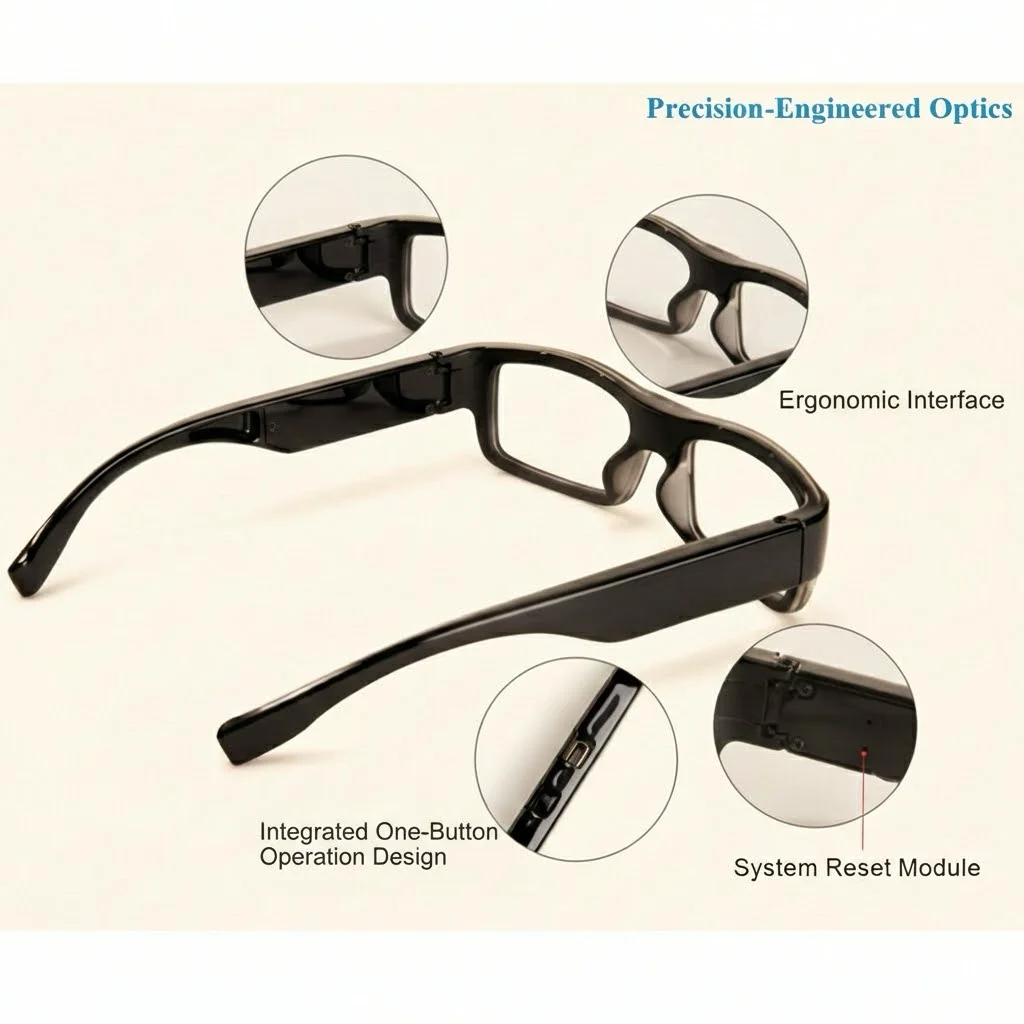
One-button operation is the professional standard. A single tactile button on the temple arm handles power-on, recording start/stop, and power-off through different press durations (1 second = start/stop, 3 seconds = power toggle). Vibration feedback confirms state changes silently — you feel a short pulse when recording starts, a double pulse when it stops. No LED. No beep. No visual giveaway.
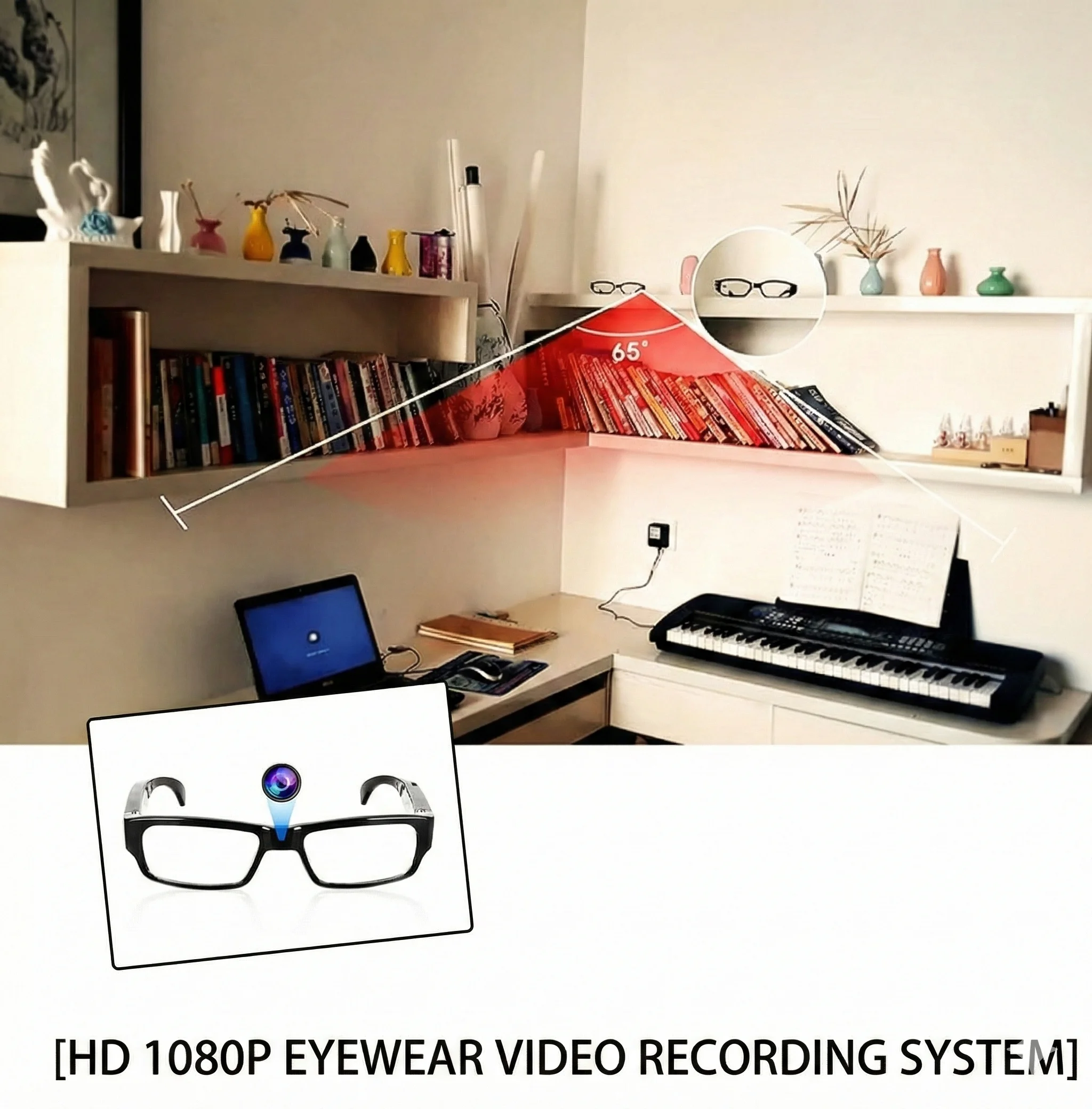
Budget models often feature a bright recording LED that flashes or glows during capture — visible to anyone standing nearby. Their buttons produce audible clicks. Some have separate power and record buttons requiring two-handed operation, which is impractical during covert deployment. These design failures turn “spy glasses” into “obviously-recording glasses.”
For wholesale buyers, request the operation protocol documentation from your supplier before committing. Verify: single-button control, vibration-only feedback, no visible LED during recording, and a minimum 3-second press to prevent accidental activation. The Kamera szpiegowska w kluczyku samochodowym follows the same one-button vibration-feedback design philosophy — a useful cross-reference when evaluating supplier consistency across product lines.
Kluczowy wniosek: Professional spy glasses use one-button vibration feedback with no visible LED; budget models flash lights and click loudly.
Are Spy Camera Glasses Legal to Use in the UK and EU?
Legal compliance is the single most important consideration for B2B buyers distributing camera glasses in European markets — and it’s where most suppliers provide zero guidance.
In the UK, covert recording by individuals for personal use falls under the ICO’s guidance on domestic surveillance. The ICO Body Worn Video (BWV) guidance establishes that organisations using body-worn cameras must have a documented lawful basis under UK GDPR Article 6, conduct a DPIA, and provide notice to individuals being recorded. For camera glasses specifically — which are designed to be covert — the “notice” requirement creates a fundamental tension.
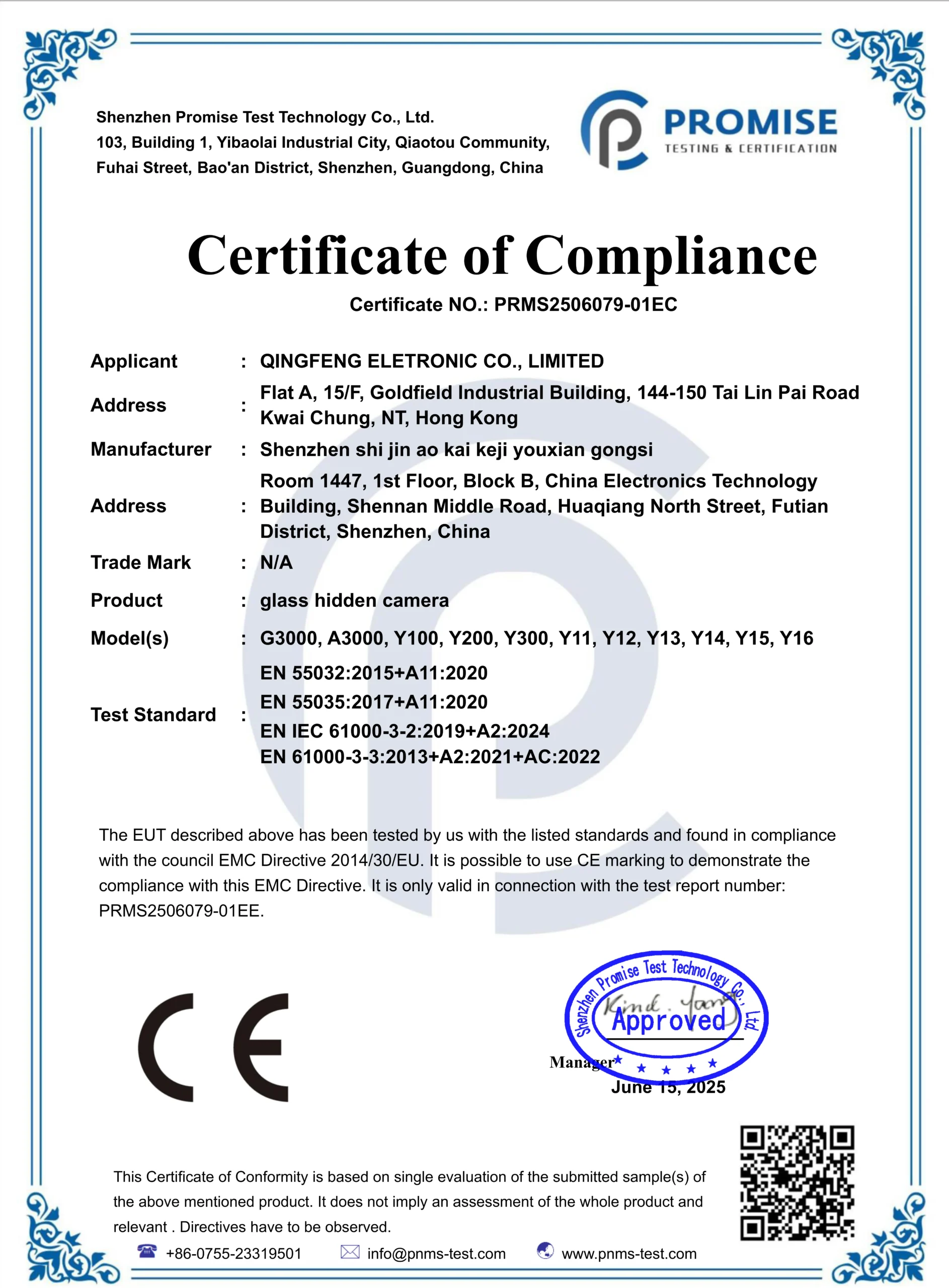
In the EU, the EDPB guidance on body worn cameras and the emerging 2026 smart glasses scrutiny (France’s CNIL issued a public warning in May 2026) make this even stricter. Key requirements for B2B distributors:
– GDPR Article 6 lawful basis: Consent or legitimate interest with documented LIA
– DPIA mandatory: For any deployment that systematically monitors public areas
– Data retention limits: Maximum 30 days unless ongoing investigation requires extension
– Subject access rights: Individuals recorded can request footage deletion
– CE/RED certification: Required for electronic devices sold in EU markets (EMC + radio compliance)
As a distributor, you are not the data controller — your clients are. But you must provide compliance documentation and guidance. The CE/RED certification for your products (see the G3000 CE Certificate documentation) proves hardware compliance. Your product documentation must include GDPR usage guidance for end-user compliance.
Kluczowy wniosek: Distributing spy camera glasses in UK/EU requires CE/RED certification plus GDPR compliance guidance; provide both to clients.
What Certifications Should Spy Camera Glasses Have for EU Markets?
CE marking is the minimum legal requirement for selling electronic products in the EU. For spy camera glasses with WiFi or Bluetooth connectivity, two specific directives apply.
| Orzecznictwo | Directive | What It Tests | Cost Range |
|---|---|---|---|
| CE/RED | 2014/53/UE | Radio equipment, EMC compliance, electromagnetic safety | £3,000-8,000 per model |
| RoHS | 2011/65/EU | Restricted substances (lead, mercury, cadmium) in materials | £500-2,000 per model |
| UKCA | UK-specific | Same tests as CE/RED, for UK market post-Brexit | £3,000-8,000 per model |
| FCC | US market | EMC compliance for US sales | £2,000-5,000 per model |
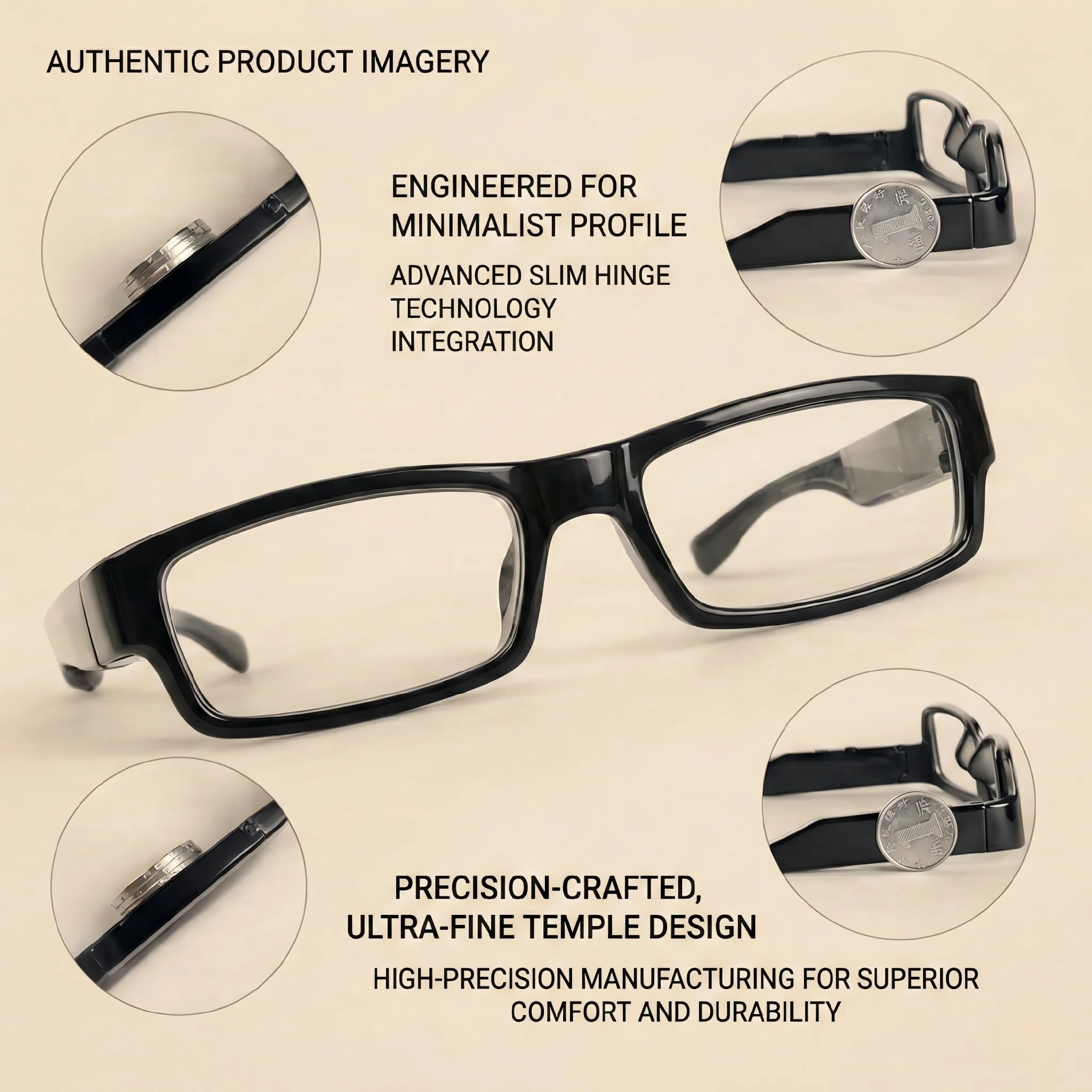
Many budget suppliers skip RED testing, claiming CE compliance with only EMC testing. This is illegal for any device with WiFi or Bluetooth. The RED directive requires specific radio spectrum testing that EMC alone does not cover. If your glasses include WiFi streaming capability, demand full RED compliance documentation — not just a CE logo sticker.
For UK distributors post-Brexit, UKCA marking is required alongside CE. Products carrying CE-only marking can no longer be sold in the UK without UKCA certification. QZT Security provides both CE/RED and UKCA documentation for all wearable camera products, eliminating compliance risk for UK-based resellers.
Kluczowy wniosek: WiFi-equipped spy camera glasses need full CE/RED (not just EMC) plus UKCA for UK market; demand test reports, not just logos.
Who Uses Spy Camera Glasses in Professional Settings?
The B2B market for spy camera glasses extends far beyond individual consumers — and understanding professional use cases drives better product selection for wholesale inventory.
| Professional User | Primary Need | Required Specs |
|---|---|---|
| Detektywi prywatni | Evidence collection, covert meeting documentation | 1080P native, 90+ min battery, no visible LED |
| Security consultants | Site assessment, incident documentation | Wide FOV, durable frame, loop recording |
| Journalists | Interview documentation, on-scene reporting | Clear audio, 4K preferred, vibration feedback |
| Mystery shoppers | Retail experience documentation | Discreet design, simple operation, 60+ min battery |
| Law enforcement support | Supplementary BWV for plainclothes operations | Evidence-grade, timestamp metadata, secure storage |
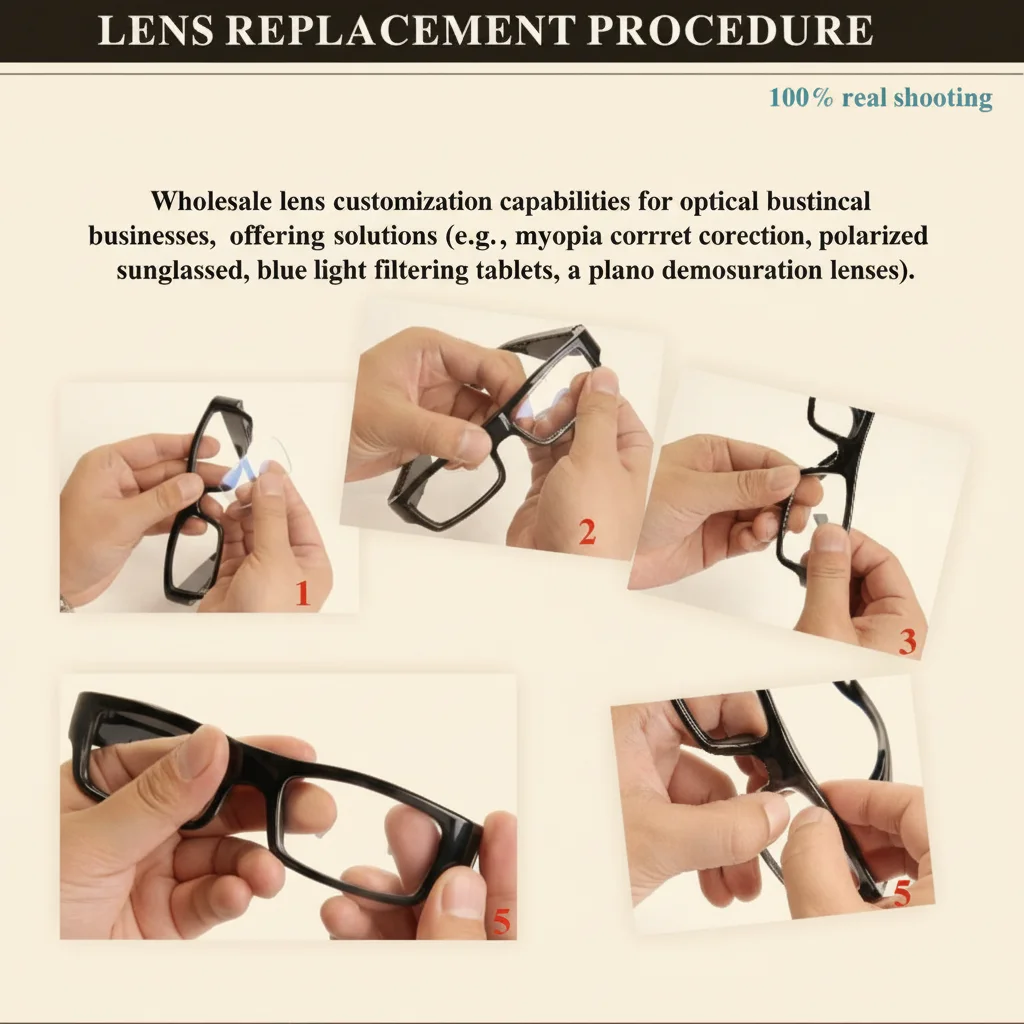
Each use case demands different specifications. Private investigators need courtroom-admissible footage — native 1080P with timestamp metadata is essential. Journalists prioritise audio quality and resolution for broadcast standards. Security consultants need durability and all-weather performance. Building your wholesale catalogue around these distinct requirements — rather than offering one generic model — separates professional distributors from commodity sellers.
The UK private security industry employs over 400,000 SIA-licensed operatives, many of whom require body-worn surveillance for plainclothes assignments. The EU investigative services market exceeds €2 billion annually. These are your primary B2B customers, and they buy from suppliers who understand their technical and legal requirements — not from generic electronics wholesalers who can’t explain native vs interpolated resolution.
Kluczowy wniosek: Professional users have distinct spec requirements; tailor wholesale catalogue to investigators, security, journalists, and law enforcement.
How Do You Verify a Spy Camera Glasses Supplier Before a Wholesale Order?
Supplier verification for spy camera glasses follows the same framework as any B2B security equipment — but with specific tests for optical and electronic quality that generic factory audits miss.
Manufacturing verification: Request a factory audit report (ISO 9001 preferred). Visit the production line if ordering >500 units. Verify sensor sourcing — legitimate suppliers specify sensor brand and model (e.g., OmniVision OV9734); shady suppliers claim “1080P” without naming the component.
Optical quality test: Order a 3-unit sample batch. Record the same controlled scene (text chart at 3 metres, face at 5 metres, outdoor scene at 10 metres) with all three units. Compare footage sharpness, colour accuracy, and distortion on a calibrated monitor. Interpolated sensors will reveal themselves immediately — text becomes illegible, edges smear, faces lose definition.
Certification audit: Demand full test reports, not certificates. A test report includes lab name, test date, specific equipment used, and measured results. A certificate with only a logo and model number is worthless — any supplier can buy fake CE labels online for £0.50 each.
Warranty and after-sales: Professional suppliers offer 12-month warranty with defined defect categories (sensor failure, battery degradation, frame breakage). Budget suppliers offer 3-month warranty with vague “quality problem” language that leaves you holding dead inventory.
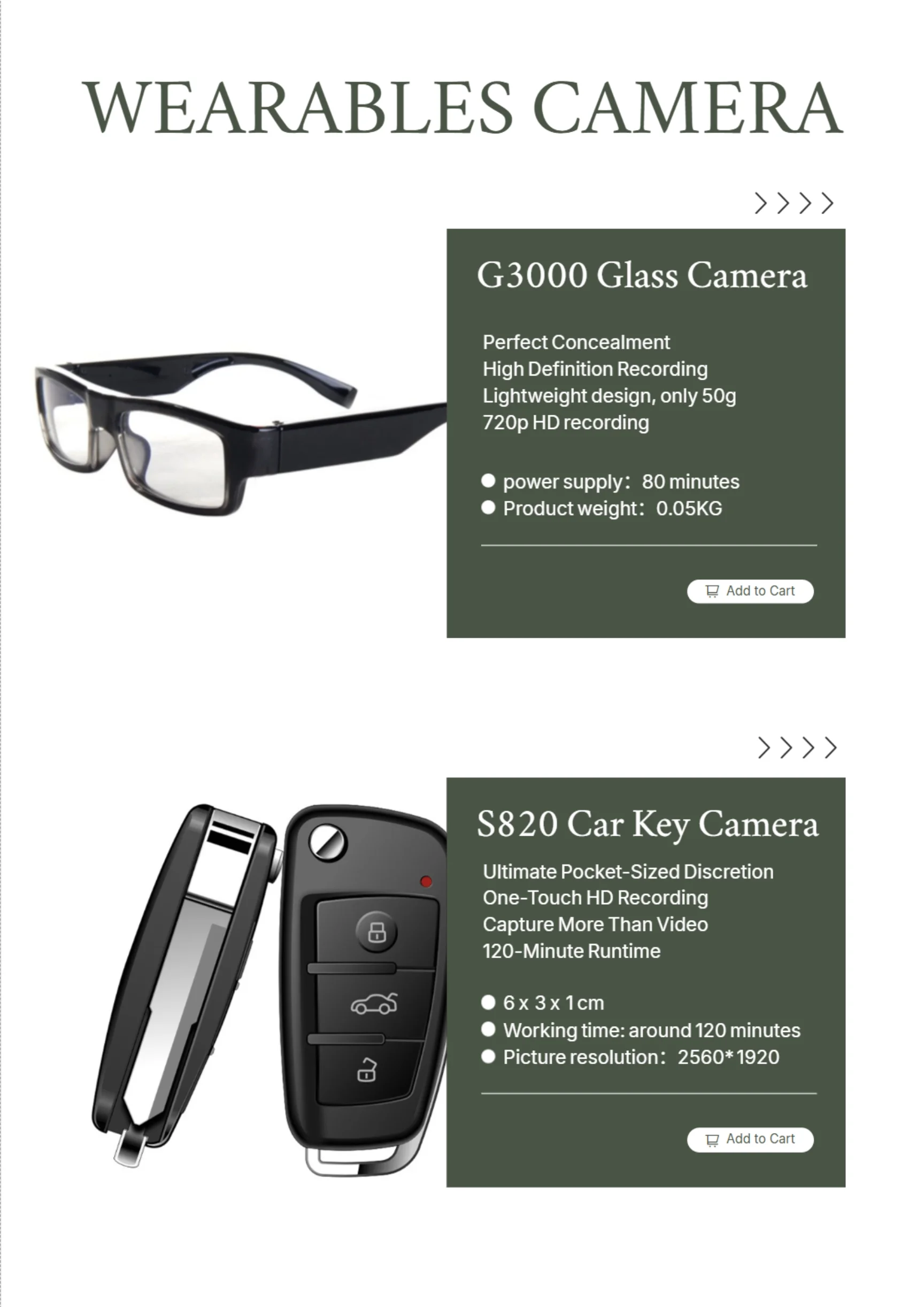
For your first wholesale order, start with 50-100 units. This is large enough to test batch consistency but small enough to limit risk. Run the optical quality test on 5 randomly selected units from the batch. If all 5 produce consistent footage quality, the batch is likely uniform. If results vary significantly, the factory has no process control — find another supplier.
Kluczowy wniosek: Verify suppliers with factory audit + optical quality test + certification audit; start with 50-100 unit test orders.
FAQ: Spy Camera Glasses
Can I use spy camera glasses footage as evidence in UK courts?
Footage from native 1080P camera glasses with timestamp metadata is generally admissible in UK civil proceedings. For criminal cases, the prosecution must prove the footage’s provenance — chain of custody, device identification, and unedited file integrity. Interpolated or edited footage faces admissibility challenges. Always retain original files with metadata intact.
What’s the best spy camera glasses resolution for facial identification?
Native 1080P (1920×1080 sensor pixels) with a 100° FOV resolves facial features reliably at 3-5 metres. 720P native sensors can identify faces only at 1-2 metres. 4K sensors improve identification distance to 8+ metres but add weight and reduce battery life. For most investigative applications, native 1080P is the practical sweet spot.
How do I know if a supplier is listing interpolated resolution?
Ask the supplier directly for the sensor model number and native pixel count. If they refuse to provide this, the resolution is almost certainly interpolated. You can also test: record a printed text chart at 3 metres. If the text is readable in the footage, the sensor is likely native 1080P. If text is illegible, the sensor is interpolating from a lower native resolution.
Are spy camera glasses with WiFi streaming legal in the EU?
The glasses themselves require CE/RED certification (radio + EMC testing) to be legally sold. Using WiFi streaming in real-time raises additional GDPR considerations — live transmission of surveillance footage to a remote device constitutes data processing that requires a lawful basis and DPIA. The ICO CCTV guidance oraz EDPB BWV guidance both address this scenario.
What minimum MOQ should I expect for spy camera glasses wholesale orders?
Most Shenzhen-based factories set MOQ at 50-100 units for standard models with existing certifications. Custom frame designs, logo printing, or specification changes push MOQ to 200-500 units. Initial test orders of 20-30 units are commonly available at near-wholesale pricing from suppliers who understand B2B verification workflows.
For professional-grade spy camera glasses backed by CE/RED and UKCA certification, skontaktuj się z QZT Security today. Our wearable surveillance catalogue includes the G3000 covert camera glasses, pen cameras, voice recorders, and body-worn monitoring equipment — all tested, certified, and documented for UK and EU distribution.

 English
  Italiano
  Deutsch
  Français
  Español
  Polski