
Qual è la migliore telecamera nascosta per la sicurezza dell'auto nel 2026?
Car theft and break-ins have risen sharply in UK cities over the past two years, and standard dash cams don’t cover every scenario. A hidden camera inside your vehicle gives you continuous coverage when the car is parked, records incidents that a forward-facing dash cam misses, and provides evidence that insurance companies actually act on. Here’s what to look for and which devices are worth installing in 2026.
A visible dash cam deters some thieves, but it also tells them exactly where to look if they’re determined. A hidden camera, properly positioned, records what happens when you’re not there and the visible deterrent isn’t enough.
Parking-lot bumps and hit-and-runs are the most common triggers. You come back to your car, there’s a fresh scratch or dent, and there’s no note. A discreet camera that records on impact or motion gives you the license plate and, sometimes, the driver’s face.
Then there’s interior monitoring. If you leave tools, electronics, or inventory in your vehicle, a hidden camera aimed at the cabin lets you check remotely whether something’s been disturbed — provided you’ve got a mobile connection to the device.
For company fleets, hidden cabin cameras serve a dual purpose: they record theft attempts and they provide a record if there’s a dispute about what happened during a delivery or passenger interaction.
Here’s what most people get wrong: they think any cheap mini camera will do. It won’t. The difference between a device that gives you usable evidence and one that gives you a blurry, dark, unwatchable clip comes down to three things — sensor quality, night vision, and how the device is powered.
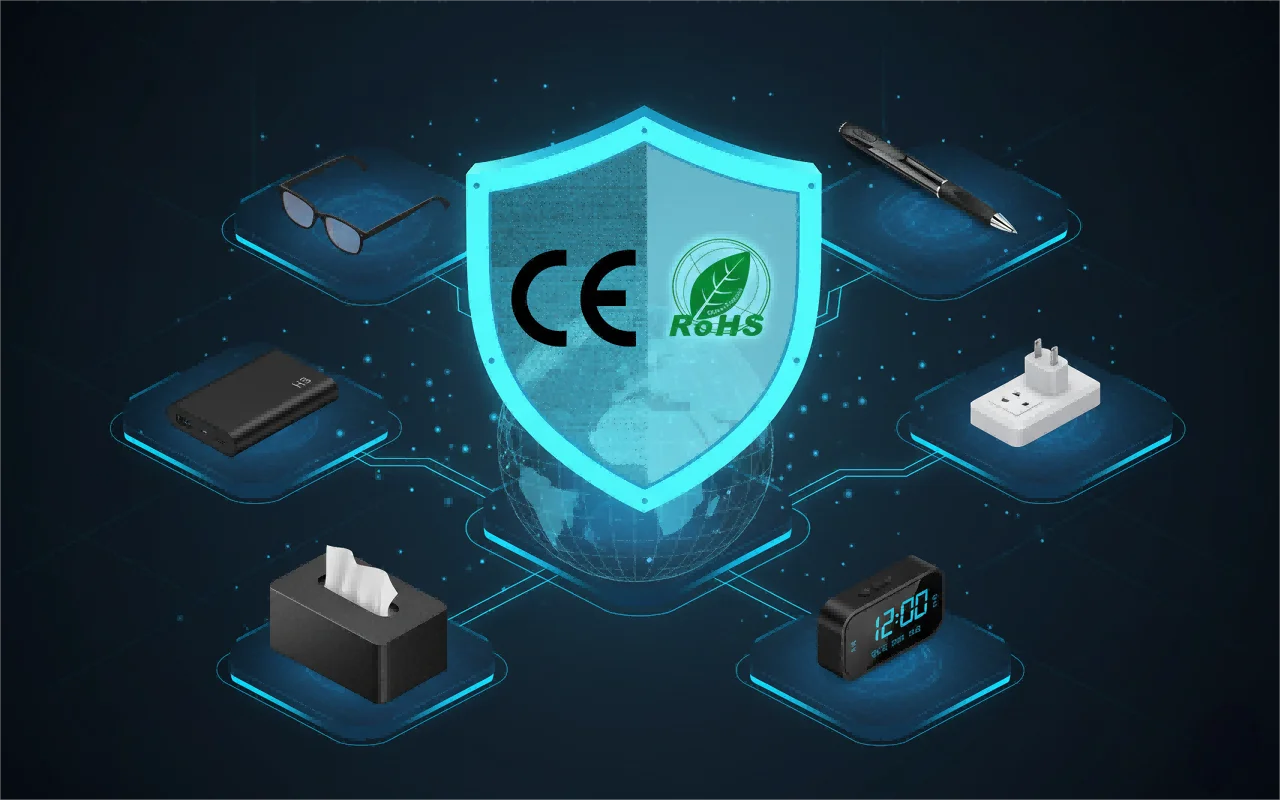
If you’re sourcing equipment to resell or install for customers, QZT Security carries CE-certified hidden cameras suitable for vehicle deployment, with the documentation your customers need for UK and EU compliance.
Three specifications determine whether a camera is actually useful or just a waste of space.
Risoluzione is the obvious one. 1080p is the practical minimum for reading a license plate from a parked position. 2K (1440p) gives you meaningful extra detail, particularly at distances beyond 20 feet. 4K is overkill for most users but valuable if you’re covering a wide parking area or need to identify faces as well as plates.
Night vision is where most budget cameras fail. Look for sensors with large apertures (F1.8 or better) and infrared LEDs that don’t produce a red glow visible to the human eye. “Starlight” sensors (Sony Starvis and equivalents) capture usable colour video in urban lighting — not just monochrome — which helps with identifying vehicle colours and clothing.
Energia is the hardest problem in a car installation. A built-in battery will die in 4–8 hours unless the camera is very low-power, which most aren’t. A hardwire connection to the car’s fuse box gives you continuous coverage but requires professional installation. A plug-in to a permanent 12V socket is the compromise most users choose.
| Caratteristica | Minimum Acceptable | Recommended | Perché è importante |
|---|---|---|---|
| Risoluzione | 1080p | 2K (1440p) | Plate reading at distance |
| Night vision | LED IR | Starlight sensor (F1.8 or better) | Most incidents happen at night |
| Energia | 8hr battery | Hardwire to fuse box | Continuous coverage |
| Immagazzinamento | 32GB MicroSD | 128GB+ MicroSD | Loop recording for 3–7 days |
| Connettività | None (SD only) | 4G LTE or WiFi | Remote viewing and alerts |
Punto chiave: Resolution, night vision, and power are the three make-or-break specs. A camera that can’t see at night or dies after 6 hours isn’t protecting your car.
The “hidden” part of the brief matters. A camera that’s obviously a camera isn’t what most people are looking for.
Fotocamere con caricabatterie USB sit in the 12V socket and record through a small lens on the face. They’re discreet because every car has a charger in the socket anyway. The drawback: the view is limited to what the charger faces, and the power is dependent on the socket staying live when the ignition is off.
Rear-view mirror cameras replace or clip over the existing mirror. They’re discreet from outside the vehicle — the camera looks like part of the mirror assembly — but they’re visible from inside. Good for recording the cabin and the road ahead simultaneously.
OBD-II port cameras plug into the diagnostic port, which stays powered even when the car is off on most modern vehicles. They’re genuinely hidden and have continuous power, but the view is fixed by where the port is located.
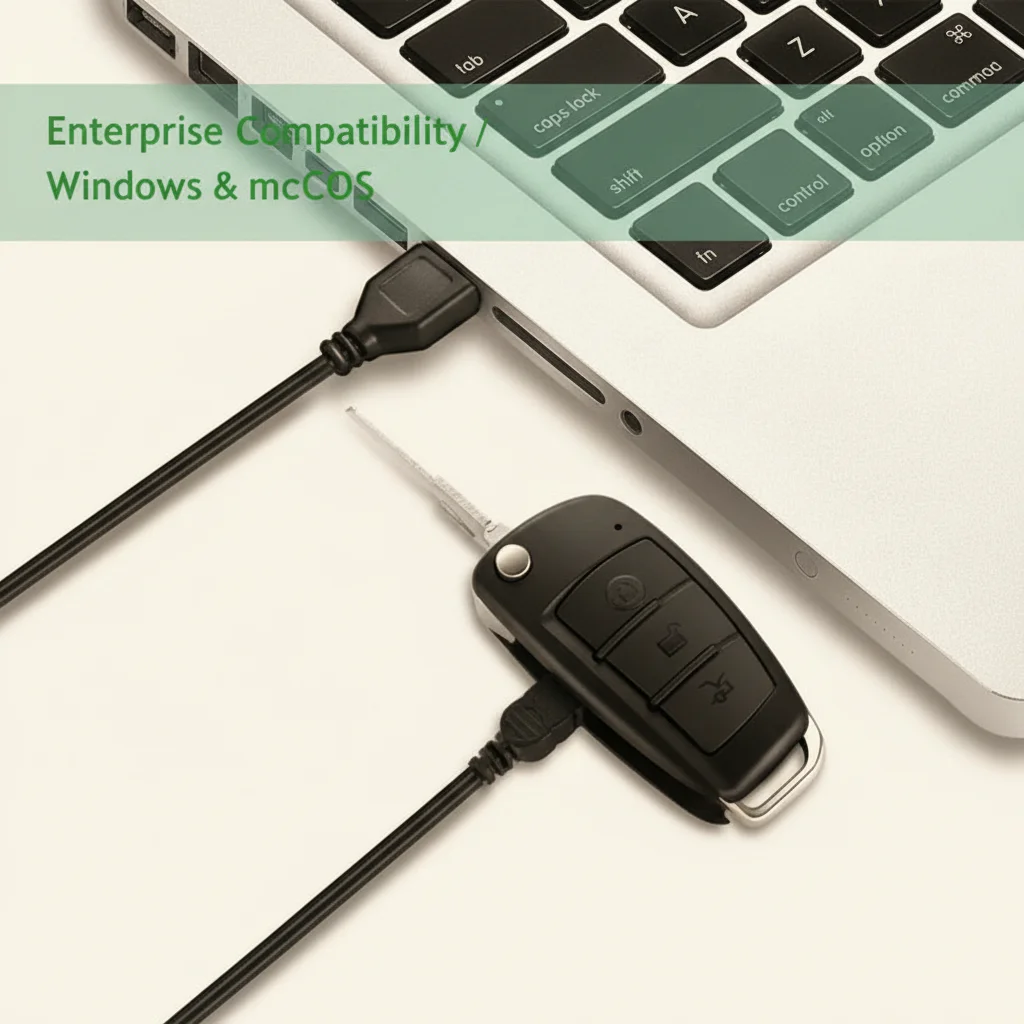
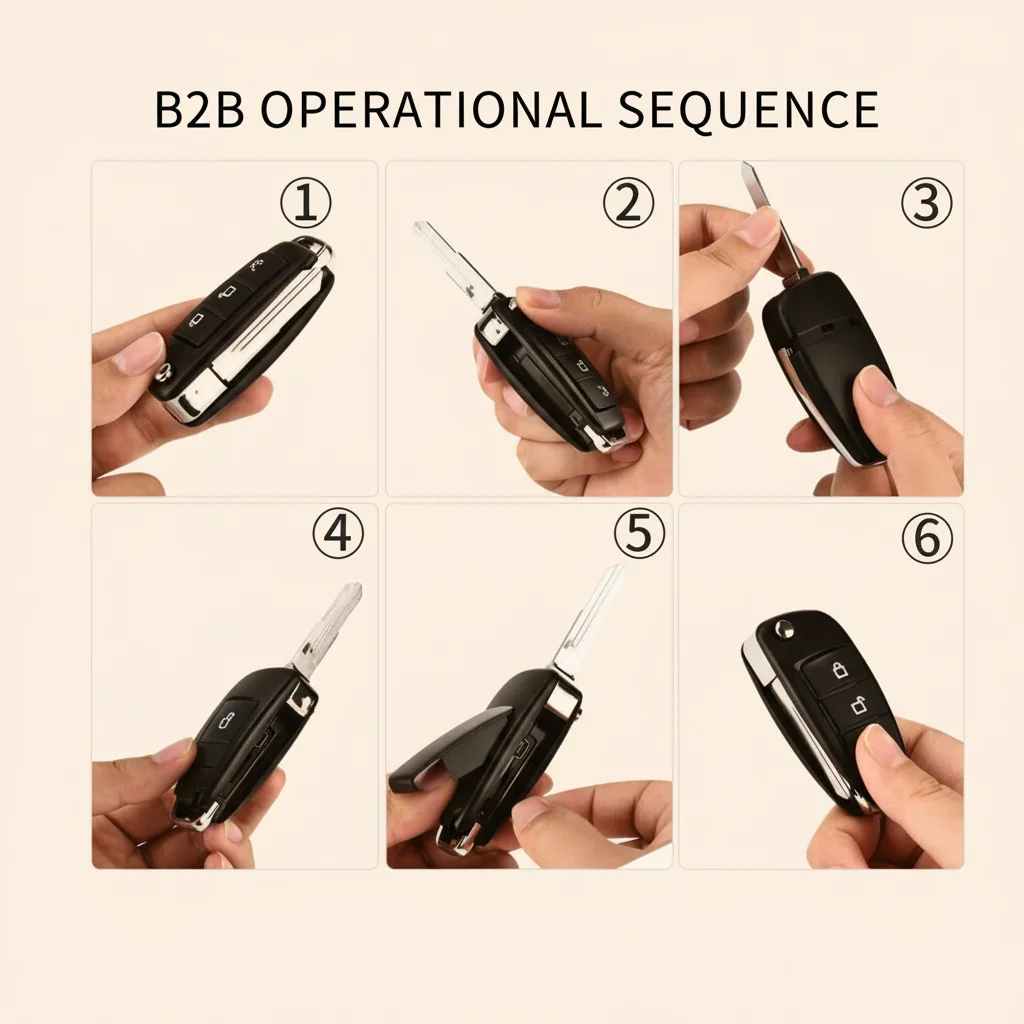
Key fob cameras are small enough to leave on the dashboard or visor. They look like a car key and record through a pinhole lens. The form factor is clever, but battery life remains the limiting factor.
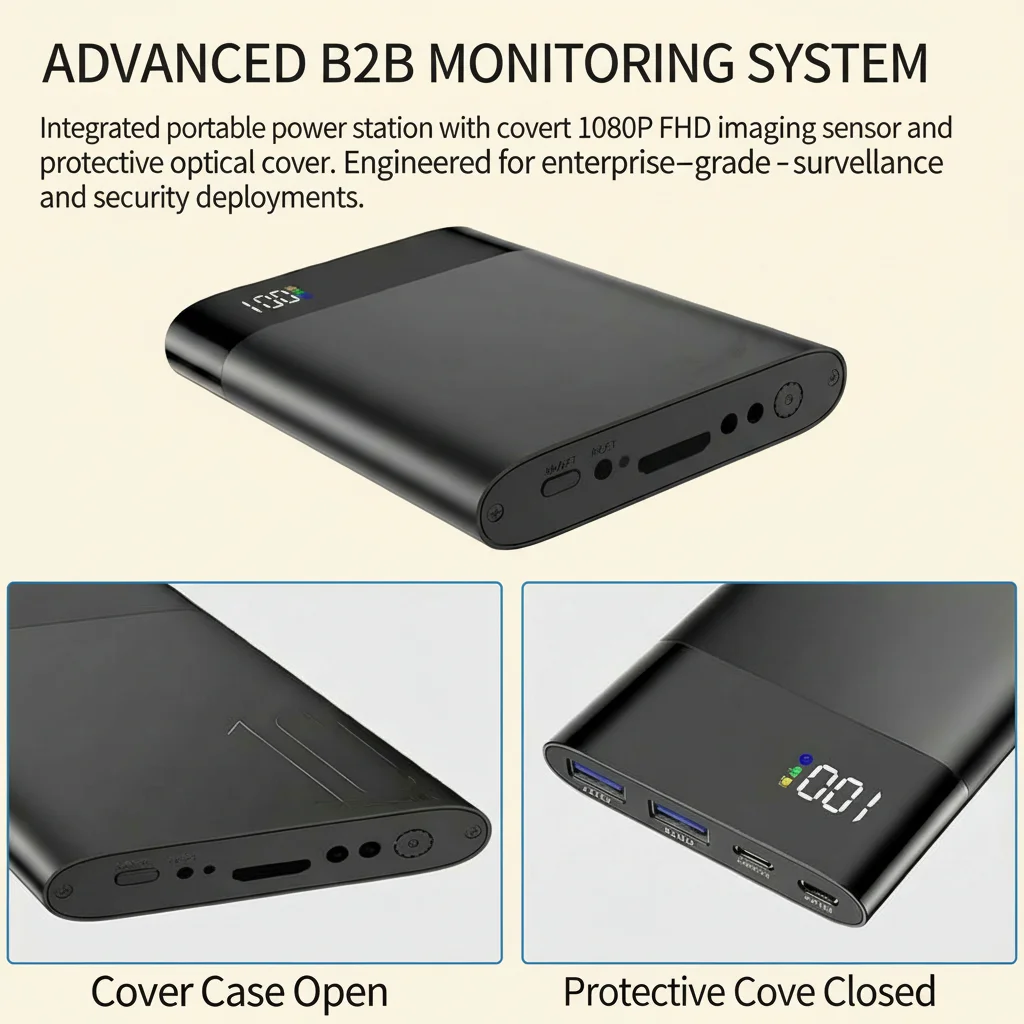
Telecamere con power bank — a concealed camera inside what looks like a portable charger — can be placed anywhere in the cabin and moved between vehicles. They’re popular with rideshare drivers and delivery fleets because they’re portable and don’t require installation.
IL C10 WiFi Camera Module from QZT Security uses a similar discrete form factor: compact, WiFi-connected, and suitable for custom installation inside a vehicle interior. For wholesalers supplying the UK and European markets, devices like this hit the sweet spot of discreet, certified, and installable without permanent modification.
Punto chiave: USB charger and power bank form factors are the most practical for most users — they’re discreet, portable, and don’t require drilling or wiring.
| Fattore di forma | Discrezione | Energia | Installazione |
|---|---|---|---|
| Fotocamera con caricabatterie USB | High — looks like a phone charger | Socket-dependent; may cut when ignition off | Plug and play |
| Camera del retrovisore | Media — visibile dall'interno | Cablaggio diretto consigliato | Installazione professionale preferita |
| Camera con presa OBD-II | Alta — completamente nascosta | Continua (la presa rimane alimentata) | Collegare alla porta OBD |
| Camera con telecomando | Elevata — sembra un chiave dell'auto | Limitata dalla batteria (4–8 ore) | Posiziona e vai |
| Power bank camera | Alta — sembra un caricatore portatile | Batteria (8–12 ore) o ricarica USB | Portatile; nessuna installazione |
Questa è la parte più difficile di un'installazione veicolo. Una telecamera che si spegne dopo che la batteria si esaurisce non è molto utile per la prevenzione dei furti.
Cablaggio diretto alla scatola dei fusibili è la soluzione corretta. Un kit di cablaggio diretto connette la camera a un fusibile che è sempre alimentato o controllato dall'ignizione, dipendendo se desideri la modalità parcheggio. Il kit include un dispositivo di interruzione a bassa tensione che disconnette la camera prima che scarichi la batteria dell'auto — essenziale, o tornerai a un'auto che non si avvia.
L'approccio con la presa 12V funziona solo se la tua presa rimane alimentata con l'ignizione spenta. Molte auto interrompono l'alimentazione alla presa quando la chiave è fuori; altre (in particolare veicoli più vecchi) la mantengono sempre alimentata. Verifica la tua prima di optare per questo approccio.
Un power bank dedicato con una capacità di 10.000 mAh o più può alimentare una camera a basso consumo per 24–48 ore consecutive. Lo svantaggio è che necessita di ricarica, quindi non è una soluzione “installata e dimenticata”.
Alimentazione OBD-II è elegante: la porta è già presente, è già alimentata, e non è necessario cablaggio. La limitazione è che sei vincolato dalla posizione della porta nel tuo veicolo, che potrebbe non essere la posizione ideale per la camera.
Per distributori e installatori, offrire un kit di cablaggio diretto come parte del pacchetto prodotto rende la vendita più facile — il cliente ottiene tutto ciò che necessita in un acquisto, e non ricevi chiamate di supporto sul perché la camera continua a spegnersi.
Punto chiave: Il collegamento diretto con interruzione a bassa tensione è l'unico modo per ottenere una copertura vera 24/7. Tutto il resto implica un compromesso sulla durata della batteria o sulla disponibilità della presa.
| Power Method | Copertura Continua | Difficoltà di Installazione | Costo |
|---|---|---|---|
| Hardwire to fuse box | Sì (con interruzione a bassa tensione) | Moderata — necessaria conoscenza elettrica | £50–£100 (installazione professionale) |
| Presa 12V (sempre alimentata) | SÌ | Nessuna — collegare | £0–£10 (adattatore) |
| Presa 12V (controllata dall'ignizione) | No — si disattiva quando l'auto è spenta | Nessuno | £0 |
| Batteria portatile (10,000mAh) | 24–48 ore | Nessuna — posiziona e carica | £15–£30 |
| Presa OBD-II | Sì (molti veicoli) | Nessuna — collegare | £0–£20 (cavo adattatore) |
What are the legal rules for in-car cameras in the UK and Europe?
Considerazioni legali si dividono in due categorie: registrazione video e registrazione audio.
Registrazione video di ciò che accade fuori dalla tua auto è legale nel Regno Unito e in tutta l'UE. Le dash cam hanno stabilizzato questo precedente — registri da un luogo pubblico, e non c'è una ragionevole aspettativa di privacy su una strada pubblica.
Audio recording è dove si incontrano problemi. Nel Regno Unito, registrare conversazioni senza consenso può violare il Regulation of Investigatory Powers Act (RIPA) in alcune circostanze. Molte dashcam e camere nascoste registrano audio di default, e vale la pena disabilitarlo se non si è certi della posizione legale.
Registrazione interna — una telecamera che filma all'interno dell'abitacolo — è più sensibile. Se sei un driver di rideshare o hai passeggeri, queste persone hanno una ragionevole aspettativa di privacy. Informarle (un adesivo sulla porta, una linea nelle condizioni di servizio) è il minimo; ottenere un consenso esplicito è più sicuro.
GDPR e protezione dei dati apply if the footage captures identifiable people (which it will). The legal basis is usually “legitimate interests” — protecting your property — but you should have a simple policy that explains to anyone who asks what you do with the footage and how long you keep it.
In Germania, le regole sono più severe. Le dash cam sono legali ma soggette a una rigorosa minimizzazione dei dati — non dovresti conservare i filmati più a lungo del necessario, e non dovresti filmare oltre quanto necessario per le prove assicurative. Le telecamere nascoste all'interno di un veicolo privato sono un'area più grigia e potrebbero richiedere una giustificazione più forte.
Per i grossisti che distribuiscono nell'UE, queste variazioni legali contano. I tuoi clienti devono sapere che ciò che è legale nel Regno Unito potrebbe non esserlo in Germania o Francia. Fornire un dispositivo con una chiara dichiarazione di non responsabilità legale e documentazione di orientamento aggiunge un reale valore.
Punto chiave: Il video dell'esterno è legale; la registrazione audio e le riprese interne sono dove si concentra il rischio legale. Disabilita l'audio a meno che non sia certo delle regole nella tua giurisdizione.
| Jurisdiction | Video esterno | Video interno | Registrazione audio | Vincolo chiave |
|---|---|---|---|---|
| UK | Legale | Comunicare ai passeggeri | Rischioso — disattiva a meno che non sia certo | Il GDPR si applica ai filmati identificabili |
| Germany | Legale (con minimizzazione dei dati) | Più rigoroso — necessità di uno scopo giustificato | Generalmente da evitare | Minimizzazione dei dati fortemente applicata |
| France | Legale | Comunicare agli occupanti | Richiede il consenso delle parti registrate | Si applicano le linee guida CNIL |
| Italia | Legale | Notificare le persone registrate | Consenso raccomandato | Attività di enforcement del Garante attiva |
La connettività determina cosa puoi fare con i filmati quando sei lontano dall'auto.
Fotocamere WiFi connettersi a uno smartphone nel raggio d'azione (tipicamente 10–30 metri). Vanno bene per rivedere i filmati quando si torna all'auto, ma non permettono di controllare da remoto. Se qualcuno entra nell'auto mentre sei a casa, non lo saprai finché non torni.
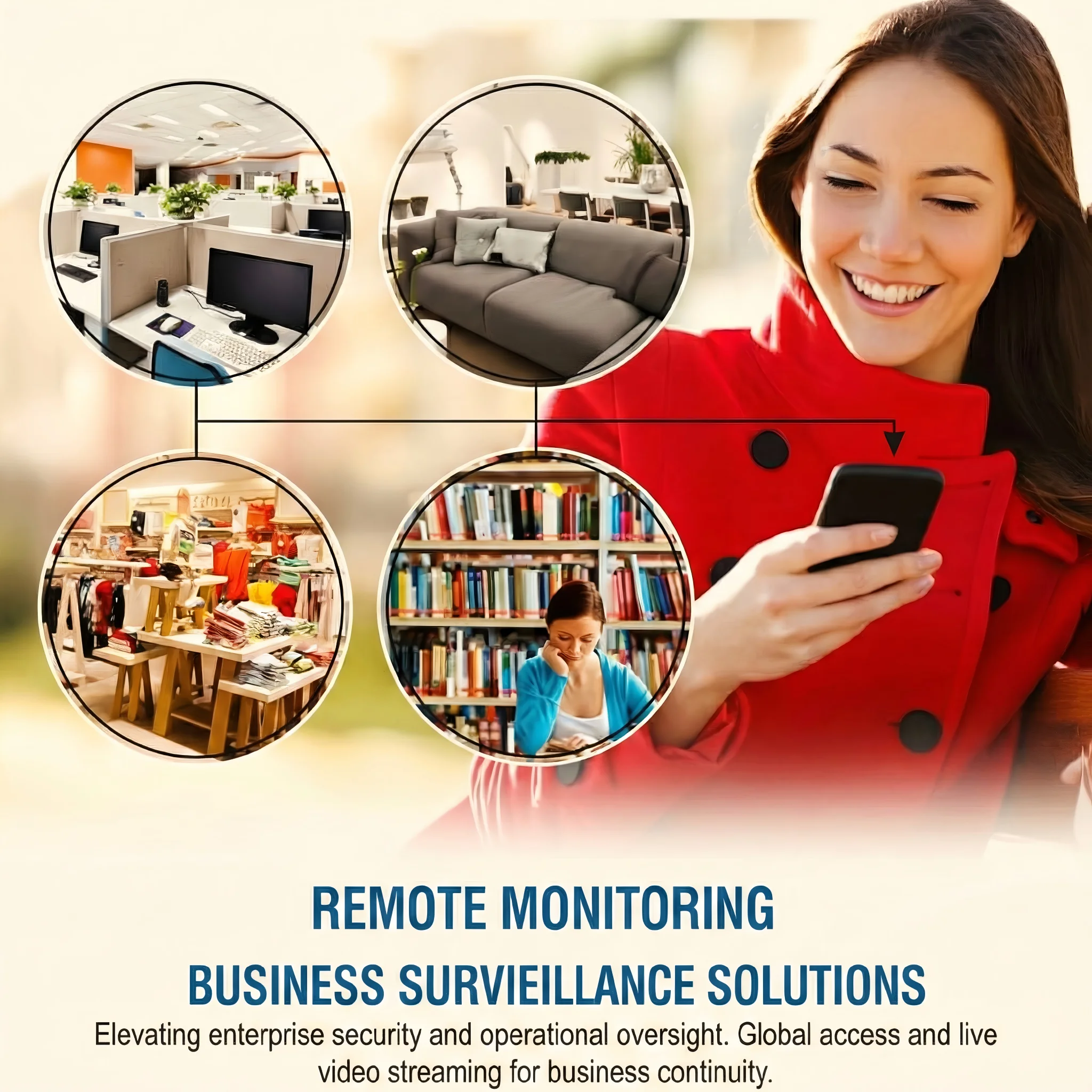
Telecamere 4G LTE utilizzare una scheda SIM e un piano dati (tipicamente 10–20 sterline al mese). Inviano avvisi al telefono quando viene rilevato movimento, consentono di visualizzare un feed in diretta da qualsiasi luogo e possono caricare automaticamente i filmati sullo storage cloud.
Il compromesso è il costo continuo e il fatto che la SIM necessita di segnale nella posizione di parcheggio dell'auto. Un parcheggio sotterraneo o una località remota non avranno segnale, e una telecamera 4G diventa solo una costosa telecamera con scheda SD.
Per la maggior parte dei proprietari di auto private, il WiFi è sufficiente — si rivedono i filmati dopo il fatto, non si monitora l'auto in tempo reale. Per gli operatori di flotte, le società di consegna e chiunque parcheggi in aree ad alto rischio, la connettività 4G fa la differenza tra sapere di un incidente ora e scoprirlo tre giorni dopo.
In QZT Security, forniamo dispositivi con entrambe le opzioni di connettività in modo che i grossisti possano abbinare il prodotto giusto al caso d'uso del cliente. Non tutti hanno bisogno del 4G, e venderlo a qualcuno che non ne ha bisogno creerà solo un mal di testa di supporto quando si renderà conto di pagare per dati che non utilizza.
Punto chiave: Il WiFi va bene per rivedere i filmati dopo il fatto. Il 4G LTE consente di rispondere in tempo reale — ma costa 10–20 sterline al mese e necessita di segnale dove si parcheggia.
| Caratteristica | Telecamera WiFi | Fotocamera 4G LTE |
|---|---|---|
| Visualizzazione in diretta remota | No — solo a portata | Sì — ovunque ci sia segnale |
| Avvisi di movimento sul telefono | No | SÌ |
| Caricamento su cloud | No — solo scheda SD | Sì (utilizzando dati mobili) |
| Costo continuo | Nessuno | 10–20 £/mese |
| Requisito di segnale | Nessuna (WiFi locale) | Segnale mobile nella posizione di parcheggio |
| Best for | Proprietari di auto private | Flotta, parcheggio ad alto rischio, uso commerciale |
In base alle specifiche che contano — non alle affermazioni di marketing — ecco i dispositivi che resistono.
Per la maggior parte degli utenti: una telecamera con caricatore USB a risoluzione 1080p, visione notturna a infrarossi e registrazione in loop su una scheda MicroSD da 64 GB. È discreta, alimentata continuamente se la presa di corrente rimane attiva, e copre l'abitacolo e la strada attraverso il parabrezza.
Per aree ad alto rischio: una fotocamera abilitata 4G LTE con rilevamento di movimento e caricamento su cloud. La possibilità di ricevere un avviso quando qualcuno si avvicina alla tua auto e di visualizzare il feed in diretta immediatamente cambia il risultato — puoi chiamare la polizia mentre l'incidente è in corso piuttosto che rivedere il filmato di un furto già completato.
Per uso flotte e commerciale: una telecamera cablata con un interruttore di bassa tensione e registrazione 24/7. L'installazione professionale garantisce che l'alimentazione sia affidabile, e il filmato continuo fornisce un registro completo della giornata di ogni veicolo.
For occasional use / multi-vehicle: a power bank camera that can be moved between cars. It’s not a permanent solution, but for someone who wants coverage in different vehicles on different days, portability matters.
The products in the QZT Security range include several models suitable for these scenarios, all with CE certification and the technical documentation required for UK and EU resale. For wholesalers, the combination of certification, UK/EU shipping, and technical support makes the difference between a one-off sale and a recurring supply relationship.
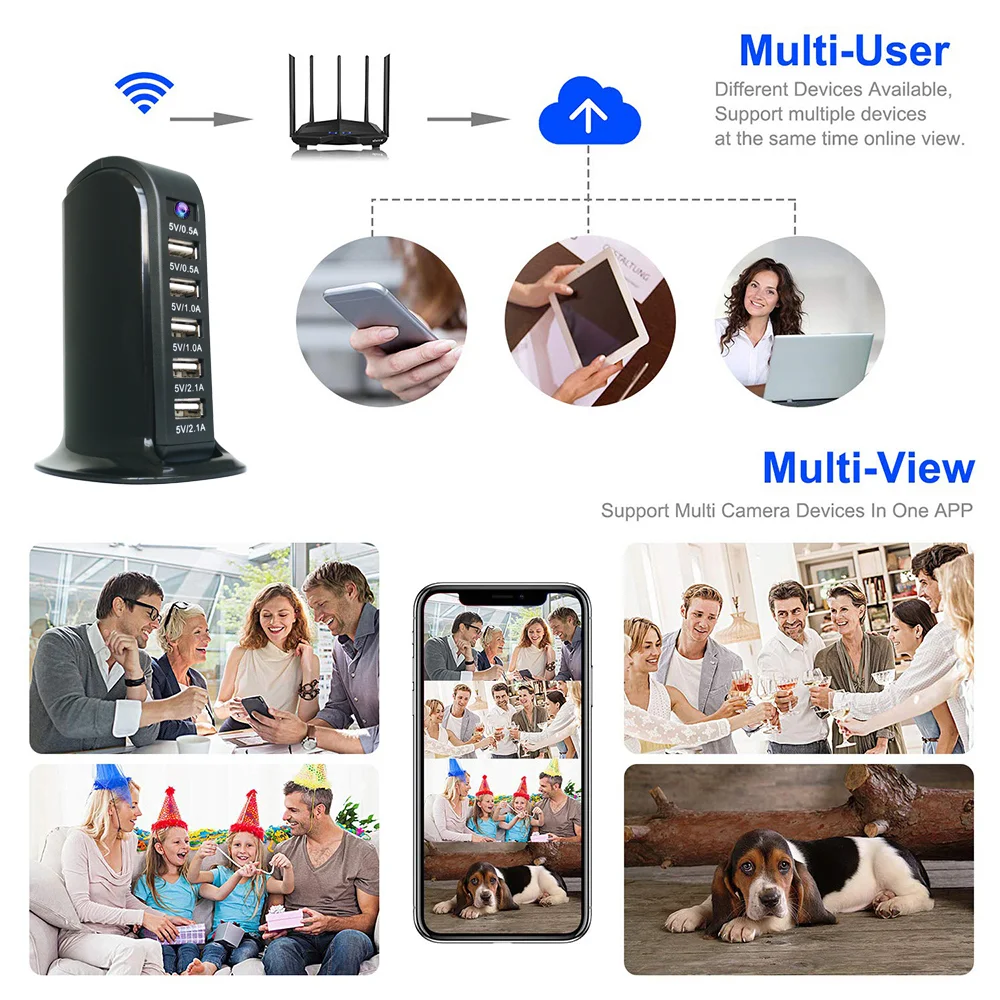
Punto chiave: Match the camera to the use case. A USB charger camera for basic coverage, 4G LTE for real-time alerts, hardwired for commercial fleets, and power bank for portability.
| Caso d'uso | Recommended Type | Key Specs | Approx. Cost |
|---|---|---|---|
| Basic theft deterrence | Fotocamera con caricabatterie USB | 1080p, IR night vision, 64GB SD | £30–£60 |
| High-risk parking | 4G LTE camera | 1080p, motion alerts, cloud upload | £80–£150 + £15/month |
| Commercial fleet | Hardwired camera | 24/7 recording, low-voltage cutoff | £100–£200 + install |
| Multi-vehicle / portable | Power bank camera | 1080p, 10,000mAh battery | £40–£80 |
| Cabin + exterior | Mirror or dual-lens | 1080p front + 1080p cabin | £60–£120 |
The level of installation complexity depends on the form factor you’ve chosen.
Plug-and-play devices (USB charger, power bank, OBD-II) require no modification to the vehicle. They’re the right choice for leased vehicles, company cars, and anyone who wants to remove the camera when they sell the car.
Hardwired installations require tapping into the fuse box. A hardwire kit includes a fuse tap that goes into an existing fuse slot, a voltage cutoff module, and cable routing to the camera position. In most vehicles, this takes 1–2 hours for someone with basic electrical knowledge. Professional installation is recommended if you’re not confident with automotive electrics.
Route the cables carefully. Running cable along the windscreen edge, tucking it behind the headliner and A-pillar trim, keeps the installation discreet and prevents the cable from dangling where it distracts the driver.
Don’t obstruct the driver’s view. In the UK, mounting anything in the swept area of the windscreen wipers is an MOT failure and can result in a fine. Position the camera behind the rearview mirror — it’s the discreetest position and it’s legal.
For wholesalers, offering an installation guide or a recommended installer network in your market adds genuine value. Your customer gets the product and a clear path to a professional installation; you get fewer support calls and a higher likelihood of a repeat order.
Domande frequenti
Can a hidden car camera record when the engine is off?
Only if it has an independent power source — either a battery, a power bank, or a connection to a fuse that stays live with the ignition off. Many hidden cameras are designed for exactly this scenario, but you need to check the power specification before buying.
Is it legal to record audio inside my car without telling passengers?
In the UK, it’s legally risky. Audio recording without consent can breach privacy laws, and the safest approach is to disable audio recording unless you have a specific and lawful reason. For rideshare and commercial passenger transport, informing passengers with a visible sticker is the minimum.
Will a hidden camera drain my car battery?
Not if it’s properly installed with a low-voltage cutoff. The cutoff disconnects the camera when the car battery falls below a set threshold (typically 11.8V), preserving enough charge to start the engine. Without a cutoff, yes — a continuously powered camera will drain the battery over several days.
What’s the best hiding spot for a car camera?
Behind the rearview mirror (for exterior view) or inside a USB charger in the 12V socket (for cabin view). Both are discreet, don’t obstruct the driver’s view, and don’t require drilling or permanent modification.
Do I need to tell my insurance company about a hidden car camera?
Generally, no — but if you’re making a claim and the footage is part of your evidence, you’ll need to provide it. Some insurers offer a discount for vehicles with security cameras; it’s worth asking.
If you’re a wholesaler or distributor supplying the UK or European market with in-car security and hidden camera equipment, contatta oggi QZT Security. Forniamo dispositivi certificati CE, documentazione tecnica e fornitura affidabile — così i tuoi clienti ricevono attrezzature che possono installare con sicurezza e legalità.

 English
  Italiano
  Deutsch
  Français
  Español
  Polski