
Hidden Camera Detector Market: B2B Opportunities in 2026
The hidden camera market is growing fast, but another category is growing right behind it. Hidden camera detectors—devices that find covert lenses, RF signals, and infrared leaks—are moving from niche spy shops into mainstream security distribution.
For B2B sellers already stocking WiFi cameras and voice recorders, detectors are a logical add-on. They answer the same privacy anxiety that drives camera sales, and they open doors to corporate clients, hotel chains, and property managers. This guide explains the market size, the main technologies, and how distributors can add this category without rebuilding their supply chain.
What Is Driving the Hidden Camera Detector Market?
Privacy scandals keep making headlines, and buyers want tools that protect them.
Hidden camera detectors are in demand because covert cameras have become smaller, cheaper, and easier to hide in everyday objects.
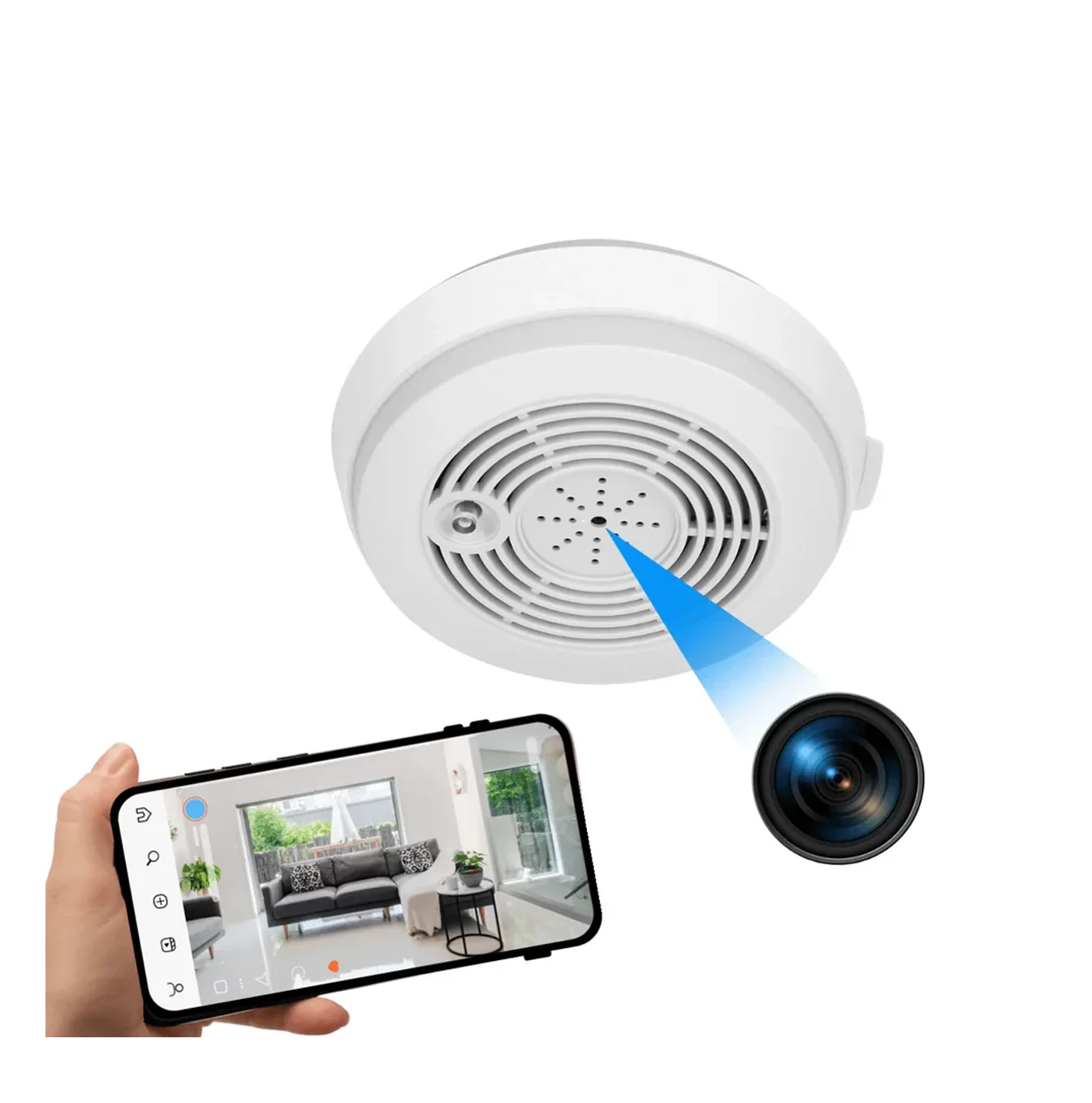
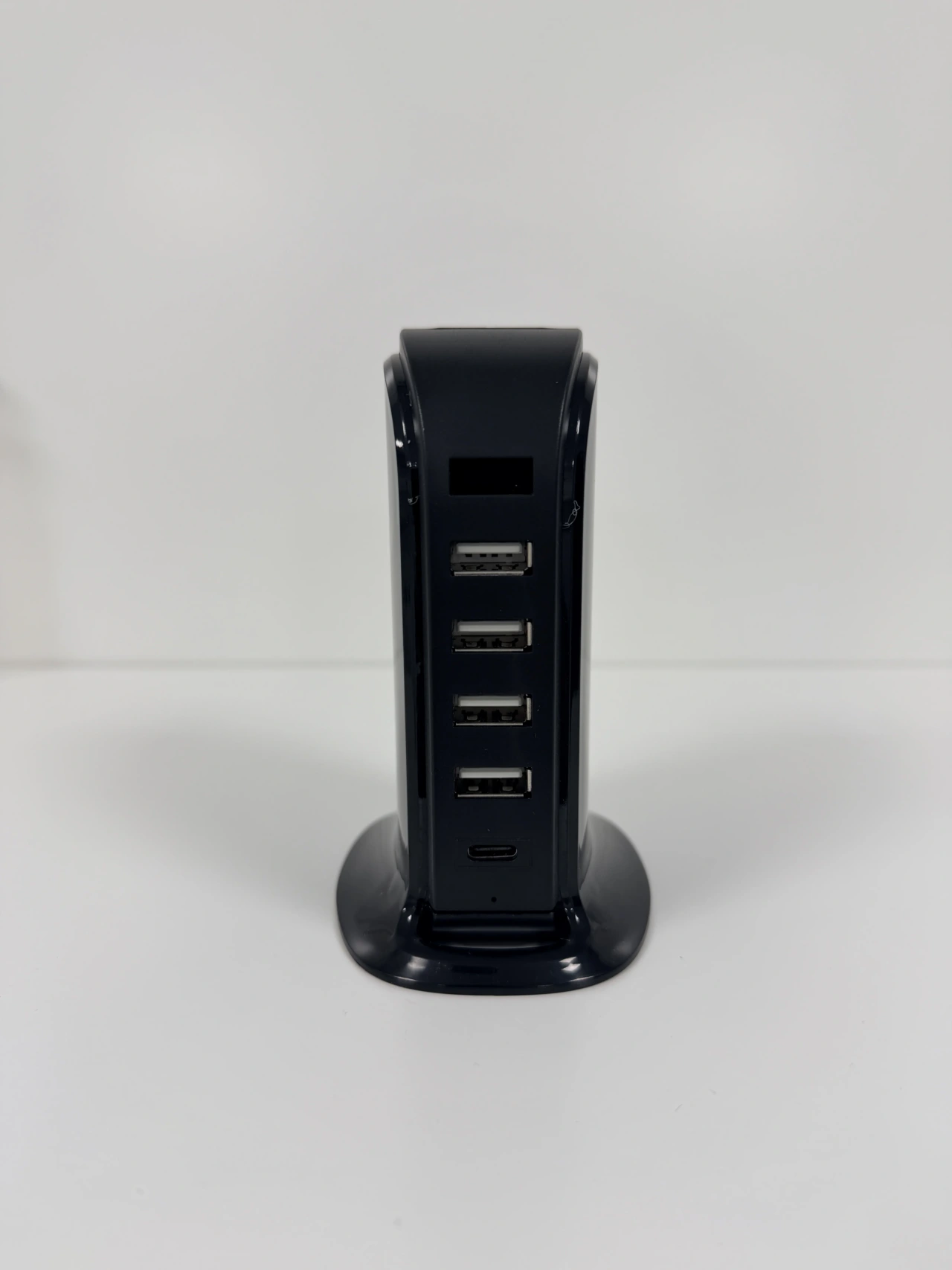
A quick look at the QZT catalog shows why customers worry. Fotocamere con caricabatterie USB, smoke detector cameras, E fotocamere con power bank all look like normal objects. That disguise makes them useful for legitimate security, but it also attracts bad actors. The result is a parallel market: devices that find hidden cameras.
Three forces are pushing growth. Privacy regulations like GDPR and CCPA make businesses responsible for preventing unauthorized surveillance on their premises. Hotels and corporate offices face reputational damage if a guest or employee finds a hidden device. At the same time, detector technology has improved. Modern units combine RF scanning, lens detection, and infrared sensing in one handheld tool.
Punto chiave: Detector sales grow because camera sales grow.
| Growth Driver | Why It Matters for B2B |
|---|---|
| Privacy regulations | Businesses need documented prevention measures. |
| Miniaturization of cameras | More hiding places mean more demand for detection. |
| Better detector tech | Multi-function units justify higher wholesale prices. |
| Corporate duty of care | Employers must protect staff and visitors from spying. |
How Big Is the Hidden Camera Detector Market in 2026?
The numbers are large enough to matter for wholesale distributors.
The global hidden camera detector market was valued at $3.8 billion in 2025 and is forecast to reach $7.9 billion by 2033, growing at a CAGR of 8.5%.

To put that in context, the hidden camera market itself is projected to grow from $3.1 billion to $6.04 billion over a similar period. Detectors are keeping pace with the devices they find. That is rare in accessories markets, where growth usually lags behind the core product. Here, fear and regulation are creating a category that moves at the same speed.
Europe is expected to grow at roughly 9.2% CAGR, driven by GDPR enforcement and workplace privacy rules. Germany and the UK are the largest European markets. The Asia-Pacific region is growing at around 9.0% CAGR, led by China and South Korea. North America remains the biggest single market, with the United States accounting for about $850 million in 2025.
For B2B distributors, this is not a one-product fad. It is a multi-year category with enough volume to support dedicated SKUs and inventory planning.
Punto chiave: A $3.8B market heading toward $7.9B is worth a distributor’s attention.
| Regione | 2025 Market Size | 2033 Forecast | CAGR |
|---|---|---|---|
| Globale | $3.8 billion | $7.9 billion | 8.5% |
| North America | $1.3 billion | $2.1 billion | 6.2% |
| Europa | $1.1 billion | $2.2 billion | 9.2% |
| Asia-Pacific | $1.0 billion | $2.0 billion | 9.0% |
What Types of Hidden Camera Detectors Do B2B Buyers Want?
Not every buyer wants the same detection method. The market splits into four main technologies.
B2B buyers typically look for RF detectors, lens finders, infrared scanners, and multi-function units that combine all three.
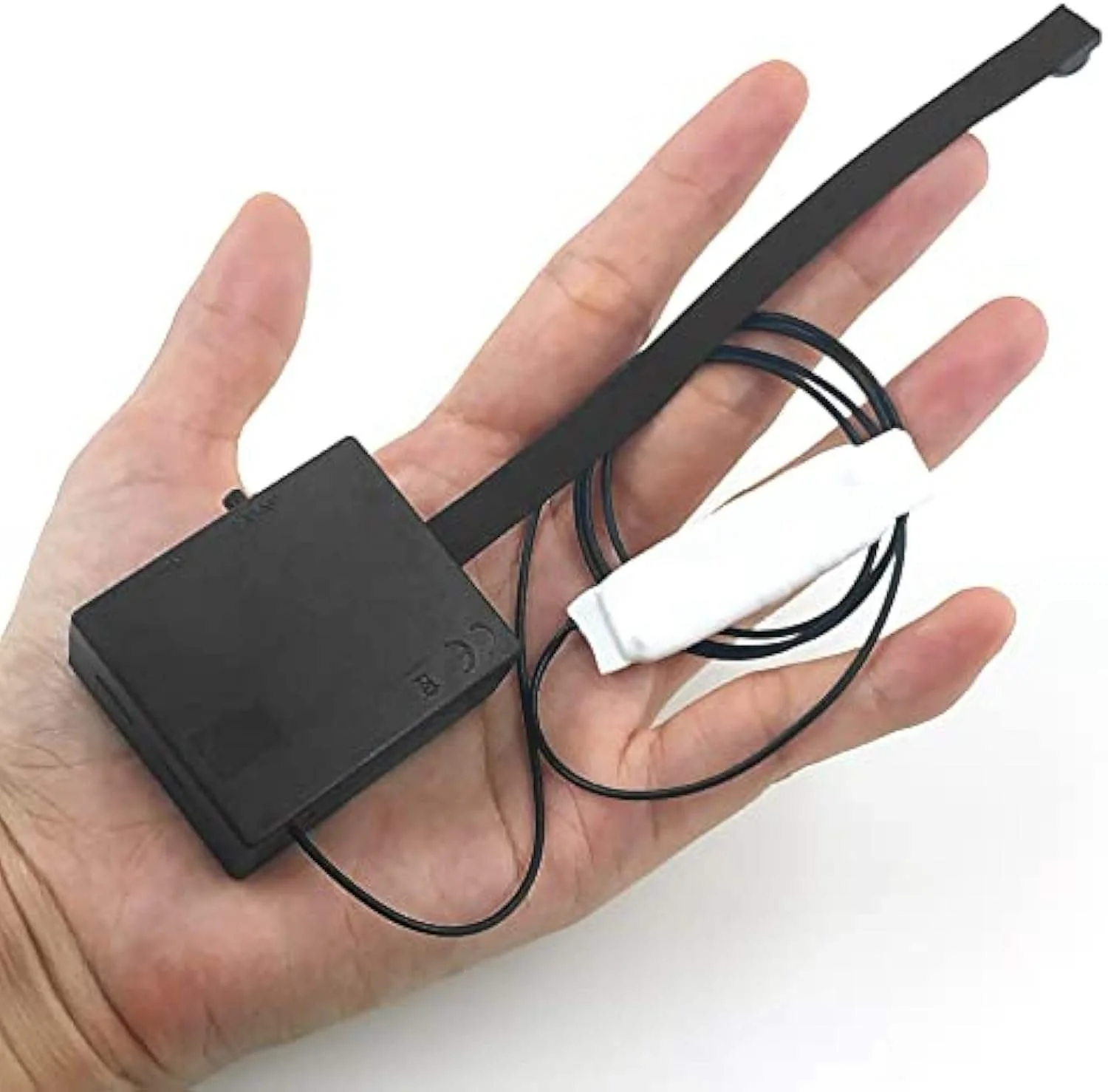
RF signal detectors scan radio frequencies from about 1 MHz to 6 GHz. They pick up wireless transmissions from WiFi, 4G, or Bluetooth cameras. These are the most popular entry-level devices because they are affordable. The limitation is that they do not find cameras that record only to a local SD card.
Lens detectors use a ring of red LEDs and a special viewing filter. A hidden camera lens reflects the red light back as a bright dot. This method works even if the camera is off, but it requires patience and a clear line of sight.
Infrared detectors sense the IR illumination from night-vision cameras. Multi-function units combine RF, lens, and IR detection in one device. These command higher wholesale prices and are the fastest-growing segment for corporate buyers.
Punto chiave: Multi-function detectors are the premium tier B2B buyers prefer.
| Tipo di rilevatore | Cosa trova | Ideale per | Wholesale Price Band |
|---|---|---|---|
| Rivelatore RF | Wireless signals | Hotels, rentals, offices | $8 – $25 |
| Lens finder | Camera lenses | Physical sweeps | $10 – $30 |
| IR detector | Night-vision LEDs | Dark-room checks | $15 – $40 |
| Multi-function | RF + lens + IR | Corporate security | $30 – $100 |
Who Buys Hidden Camera Detectors in Bulk?
The customer base is broader than most distributors assume.
Hotels, corporate security teams, property managers, private investigators, and privacy-conscious retailers all buy detectors in quantity.

Hotels and short-term rental operators are the most visible buyers. A single negative review about a hidden camera can destroy a property’s rating. Many chains now provide handheld detectors to housekeeping supervisors. For a distributor, one hotel group can represent a recurring order of hundreds of units.
Corporate security teams buy detectors for executive travel, boardroom sweeps, and off-site meeting venues. Law firms and financial institutions in London, Frankfurt, and Paris need devices with reliable performance, not cheap gadgets.
Private investigators buy smaller volumes but pay higher prices. Retailers, both online and physical, round out the market. A store that sells registratori vocali spia nascosti can place detector units at the same point of sale.
Punto chiave: Corporate and hospitality buyers drive bulk orders, not just consumers.
| Buyer Segment | Typical Order Size | Sensibilità al prezzo | Requisito chiave |
|---|---|---|---|
| Hotels & rentals | 50 – 500 units | Medio | Easy training, durability |
| Corporate security | 10 – 100 units | Basso | Reliability, documentation |
| Investigatori privati | 1 – 10 units | Basso | Multi-function, portability |
| Retailers | 100 – 1,000 units | Alto | Packaging, margins |
How Do RF Signal Detectors Work?
RF detection is the technology most buyers recognize first.
An RF detector scans a range of radio frequencies and alerts the user when it finds an active wireless transmitter.

Most hidden cameras transmit video over 2.4 GHz WiFi, 5 GHz WiFi, or 4G LTE. The RF detector listens across a wide spectrum—usually from 1 MHz to 6 GHz—and alerts the user when signal strength rises. Higher-end models let the user adjust sensitivity to avoid false positives from routers, phones, and Bluetooth devices.
Modern offices are full of RF noise. A detector that beeps at every smartphone is useless. Good units have a silent-search mode or vibration alert and allow the user to mark known signals as safe. B2B buyers should look for adjustable sensitivity and clear signal-strength indicators.
RF detectors cannot find cameras that store footage locally on an SD card without transmitting. That is why professional sweeps combine RF detection with lens finding and physical inspection.
Punto chiave: RF detectors find wireless cameras but miss purely local-storage devices.
| RF Detector Feature | Perché è importante |
|---|---|
| Frequency range 1 MHz – 6 GHz | Covers WiFi, 4G, and most covert transmitters |
| Adjustable sensitivity | Reduces false alarms in busy offices |
| Vibration mode | Allows discreet sweeps |
| Signal strength meter | Helps locate the exact device |
How Do Lens and Infrared Detectors Work?
Some threats do not broadcast at all. Lens and IR detectors handle those cases.
Lens detectors find camera lenses by bouncing light off their curved glass, while infrared detectors sense the heat or illumination from night-vision modules.
A lens detector works because camera lenses reflect light directly back to the source. The detector emits red or infrared light through a ring of LEDs. The user looks through a filtered viewing port. A hidden lens appears as a bright pinprick of light. This method works whether the camera is on or off, but it requires slow scanning from the right angle.
Infrared detection is useful for night-vision cameras. Many covert cameras use infrared LEDs to illuminate a dark room. These LEDs glow faintly red to the naked eye, but an IR detector makes them obvious. Some smartphone cameras can also see IR light, but dedicated detectors are more sensitive.
No single method catches everything. A professional detection kit needs at least two technologies.
Punto chiave: Lens and IR detectors catch cameras that RF scanners miss.
| Metodo di rilevamento | Finds | Non rileva | Best Used In |
|---|---|---|---|
| Lens finder | Any camera lens | Well-hidden or tiny lenses | Well-lit rooms |
| IR detector | Night-vision LEDs | Non-IR cameras | Dark rooms |
| Rivelatore RF | Active transmitters | Local-storage cameras | RF-quiet spaces |
What Should Distributors Look for When Sourcing Detectors?
Sourcing detectors is similar to sourcing cameras, but the quality signals are different.
The best detector suppliers offer CE or FCC certification, clear frequency ranges, multi-function capability, and durable housings.

Start with certification. European buyers need CE marking. North American buyers often ask for FCC. Without these, the product may be held at customs or rejected by corporate procurement teams.
Next, test the detection range and false-positive rate. A cheap detector that beeps constantly will generate returns. Ask the factory for the exact frequency range, battery life, and operating temperature. Request samples and test them against real hidden cameras in your own office.
Finally, consider packaging and documentation. B2B hospitality buyers want quick-start guides in multiple languages. Corporate buyers want a manual that explains limitations honestly.
Punto chiave: Certifications, sample testing, and documentation matter more than low price.
| Sourcing Check | Question to Ask the Factory |
|---|---|
| Certificazione | Do you have CE, FCC, and RoHS reports? |
| Gamma di frequenza | What is the exact RF scanning range? |
| Durata della batteria | How long does it run on one charge? |
| False positives | Can you provide test data against common devices? |
| Garanzia | What is your defect-rate policy? |
How Can Hidden Camera Sellers Add Detectors to Their Product Line?
If you already sell covert cameras, adding detectors is a low-risk expansion.
Position detectors as a complementary category rather than a replacement for cameras.

The easiest entry point is a bundled offer. A customer buying a Telecamera WiFi a forma di rilevatore di fumo for their rental property may also want a detector to sweep between guests. A corporate buyer ordering telecamere per orologi for office security may need a detector for boardroom sweeps.
For online stores, create a “Privacy & Detection” category. Use the same product photography style and specifications tables as your camera listings. This makes the new line feel like part of the catalog.
In B2B sales, lead with compliance. Hotels can show guests they take privacy seriously. Corporate teams can document sweeps as part of their data protection program. In the United States, avoid claims that suggest interception capability. In Europe, frame detectors as GDPR risk-reduction tools.
Punto chiave: Bundle detectors with cameras and sell them as a privacy-compliance tool.
| Product Pairing | Detector Sold Alongside |
|---|---|
| Rental property cameras | Handheld RF + lens detector |
| Office cameras | Professional multi-function detector |
| Wearable cameras | Pocket RF detector |
| Registratori Vocali | Bug detector kit |
What Is the Future of the Hidden Camera Detector Market?
The category will keep evolving as cameras become smarter and smaller.
AI-powered detection, smartphone integration, and multi-sensor fusion will define the next generation of detectors.
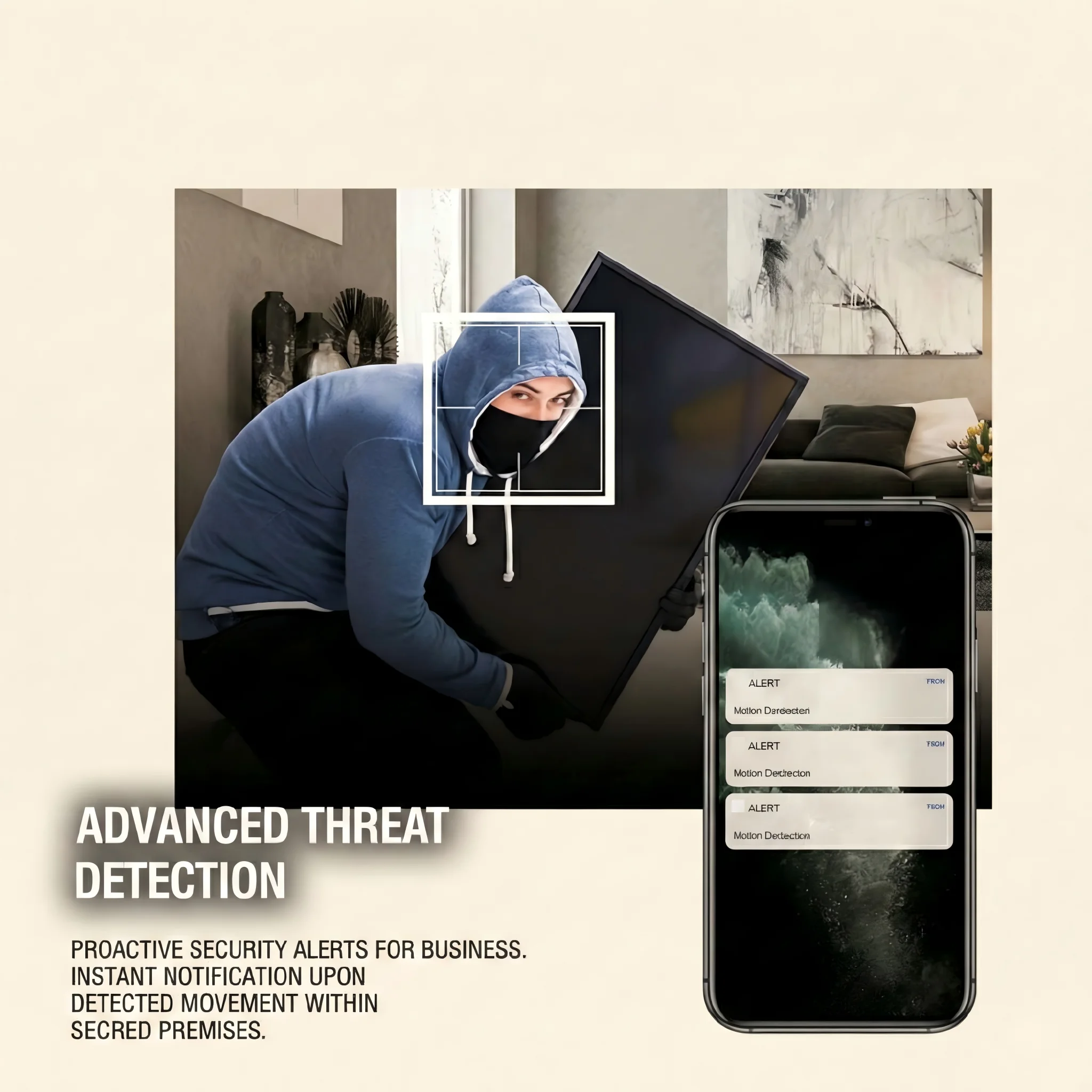
AI is already entering the market. New detectors use machine learning to distinguish between a WiFi router, a Bluetooth speaker, and a hidden camera. This reduces false positives and makes the devices usable by non-technical staff. Some startups are training models to recognize camera lenses from smartphone photos.
Smartphone integration is another trend. Detectors that pair with an app can log sweep locations, timestamp results, and generate compliance reports. This is exactly what corporate security teams need.
For B2B distributors, the opportunity is to move upmarket. Entry-level RF detectors will always face price pressure. Professional multi-function units with AI and reporting features offer better margins.
Punto chiave: AI and reporting features are where detector margins will grow.
| Future Trend | Impact on B2B Sales |
|---|---|
| AI signal classification | Fewer false positives, easier training |
| Smartphone integration | Compliance reporting for corporate buyers |
| Multi-sensor fusion | Premium product positioning |
| Portable professional kits | Higher average order value |
Domande frequenti

Can a hidden camera detector find every type of spy camera?
No. RF detectors miss local-storage cameras with no wireless signal. Lens detectors can miss very small or deeply recessed lenses. A thorough sweep uses multiple methods.
What is the best hidden camera detector for a hotel business?
A multi-function handheld unit with RF scanning, lens detection, and infrared sensing. It should be durable enough for daily housekeeping use and simple enough to operate without technical training.
Are hidden camera detectors legal to sell in the UK and EU?
Yes, selling detectors is legal. Sellers should avoid marketing language that suggests interception or covert surveillance capabilities. Emphasize privacy protection and GDPR compliance instead.
How much does a wholesale hidden camera detector cost?
Entry-level RF detectors wholesale for $8 to $25. Multi-function professional units range from $30 to $100. Retail prices are typically 2.5 to 4 times the wholesale cost.
Should a hidden camera distributor also sell detectors?
Yes. Detectors address the same privacy concerns as cameras, appeal to corporate buyers, and create opportunities for bundles and repeat orders.
Ready to expand your security product line? Contatta QZT Security oggi for CE-certified hidden cameras, voice recorders, and guidance on adding detection devices to your catalog.

 English
  Italiano
  Deutsch
  Français
  Español
  Polski