
Law Enforcement vs. Private Security: Choosing the Right Body Cam
Security professionals face a tough choice today. Police officers need rugged durability, while private security contractors often require discretion. Choosing the wrong device leads to corrupted data, short battery life, and wasted budgets.
The best body camera depends entirely on your mission profile. Law enforcement requires visible, ruggedized units with long battery life for deterrence. Private security often benefits from lightweight, discreet portable cameras that document interactions without escalating tension.
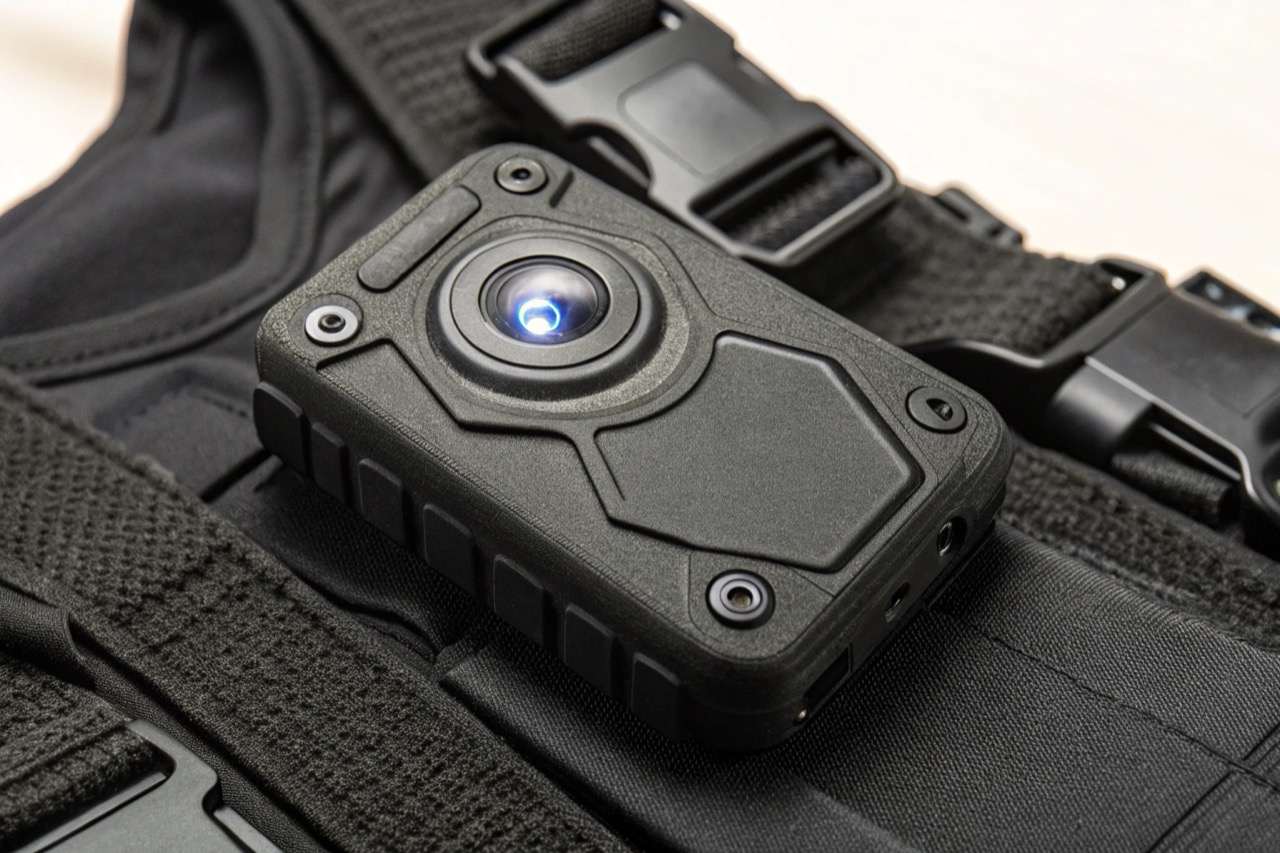
Many European buyers ask me about the differences between these tools. At QZT, we manufacture various recording solutions, and we see how different specifications impact real-world performance. Let’s break down the technical realities.
What is the Best Body Cam on the Market?
There is no single "best" camera for every scenario. For police, the best camera withstands physical altercations. For private investigators or retail security, the best camera is often one that no one notices.
The best body camera balances battery efficiency, storage management, and video clarity. It must record reliable 1080P footage for an entire shift without overheating or corrupting files.
When selecting inventory for your clients, look for these "Must-Have" features rather than brand names:
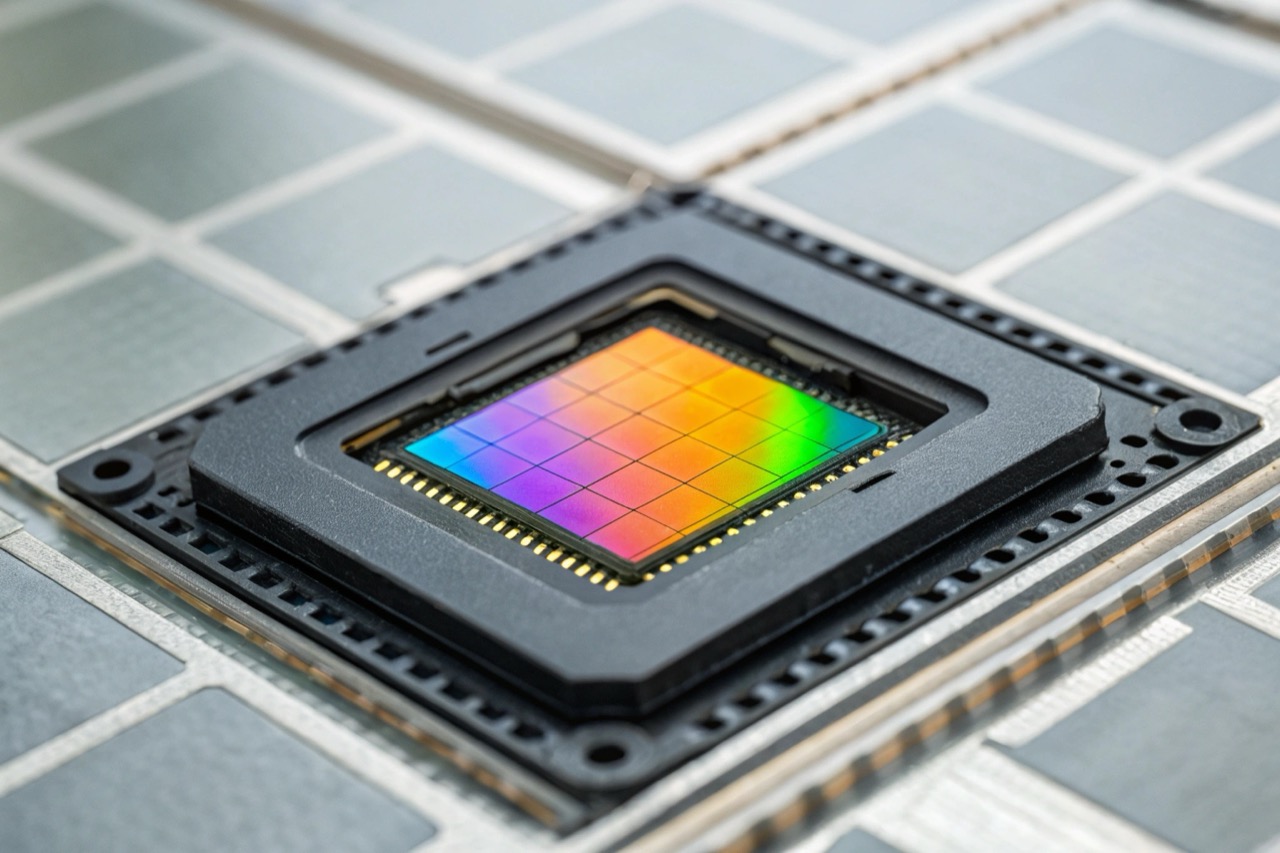
- Stability over Novelty: You need a proven chipset. We often see buyers request new, untested features that fail in the field. Stick to Tuya modules or proven hardware.
- Registrazione ciclica: The device must automatically overwrite old footage when the card is full. This ensures the camera never stops recording during a critical incident.
- Night Vision (IR): Security work happens in the dark. Ensure the unit has automatic IR switching.
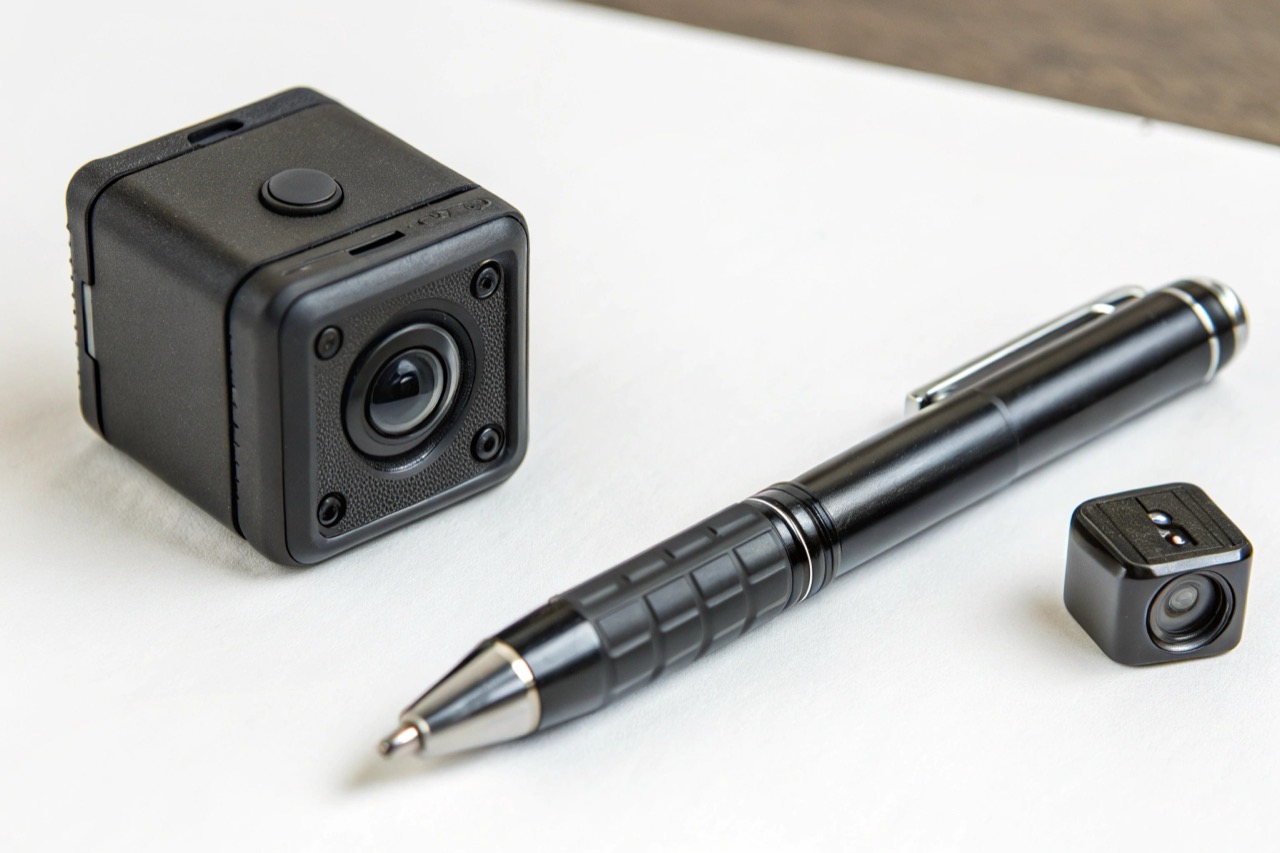
- Form Factor: Police need chest-mounted blocks. Private security often prefers lighter clips or even wearable disguised cameras (like pen cameras) to capture evidence quietly.
If you are sourcing equipment for diverse security teams, you should explore our professional surveillance cameras to see how different form factors fit different roles.
Is a 4K or 8K Camera Better?
This is the most common misconception in the B2B market. Many factories will promise you 4K or 8K resolution. As a manufacturer, I will tell you the truth: often, this is marketing hype, not technical reality.
For body cameras, 1080P is currently the superior choice over 4K or 8K. Higher resolutions drain batteries too quickly and fill storage cards instantly, while 1080P provides clear evidence with stable performance.
Here is why you should be wary of cheap "4K" body cams:
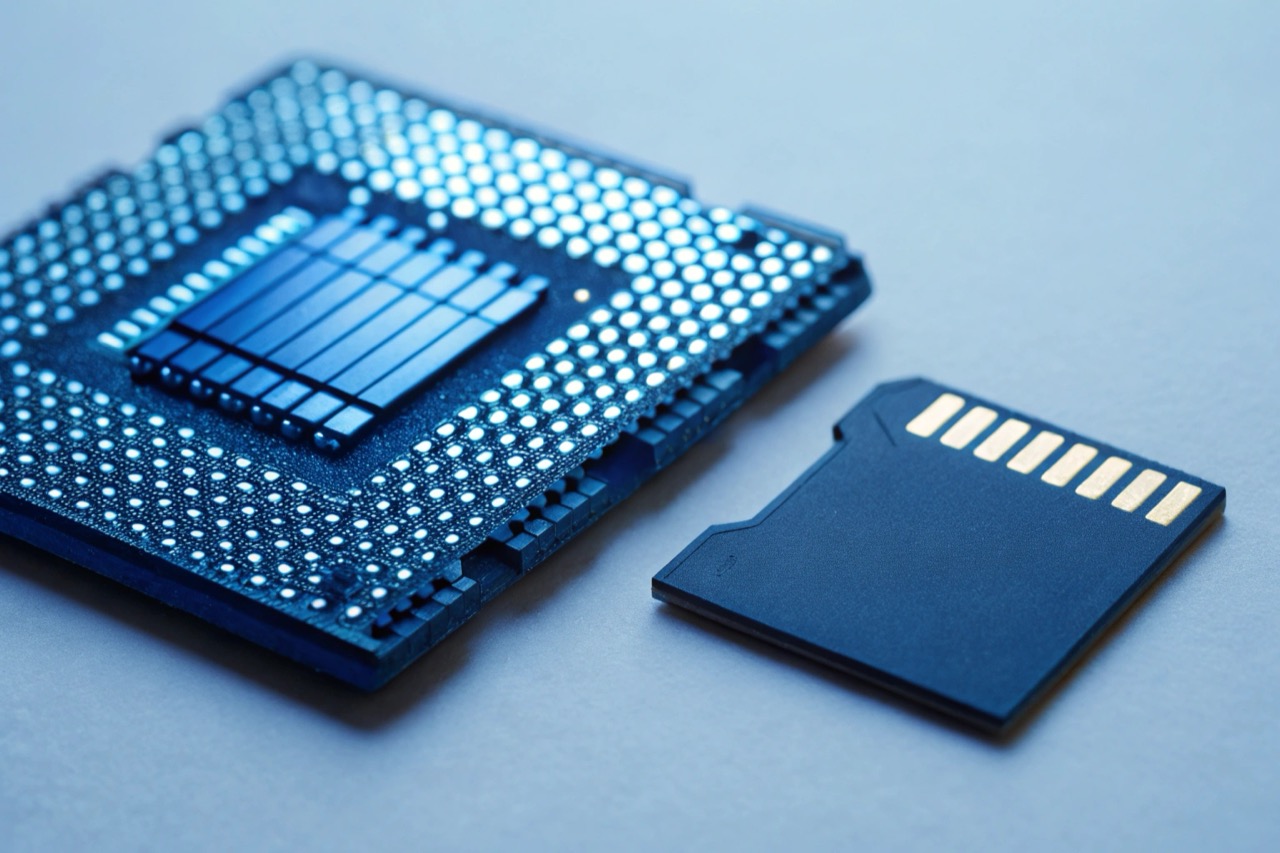
- Fake Pixels: Many suppliers use "interpolation." They take a 1080P image and stretch it digitally to look like 4K. The file size is huge, but the quality is poor.
- Battery Drain: True 4K processing generates high heat. This reduces battery life significantly. A shift lasts 8-12 hours; a 4K camera might only last 2 hours.
- Storage Costs: 4K video requires massive SD cards. This increases your total cost of ownership per unit.
- Technical Limits: Current stable upgrades for mass production focus on 1080P clarity (30fps), not pixel count.
Focus on a high bitrate 1080P sensor. It is the professional standard for a reason.
What Are the Advantages of Body Cameras?
Body cameras protect the wearer just as much as the public. In both law enforcement and private sectors, video evidence cuts through "he said, she said" arguments.
Body cameras provide objective evidence, reduce complaints against officers, and de-escalate aggressive behavior. Knowing they are being recorded makes individuals comply with security protocols faster.

Key Business Advantages:
- Liability Reduction: Clear video proves your security team followed protocol.
- Training Material: Use real footage to train new guards on how to handle confrontation.
- Efficiency: Features like "motion detection" save storage space by only recording when action happens.
- Audio Evidence: Sometimes audio is more important than video. A clear voice recording can prove a verbal threat occurred.
If your clients need devices that prioritize audio clarity alongside video, discover discreet voice recorders and hybrid devices that serve dual purposes.
How to Choose a Body Camera?
Choosing the right unit requires analyzing the specific environment. A visible police unit is a deterrent. A covert private security unit is an evidence gatherer.
Choose based on three factors: Battery capacity (mAh), discreetness level, and compliance certifications. Ensure the device carries CE/ROHS marks for the European market to avoid customs issues.
La Lista di Controllo per la Selezione:
- Durata della batteria: Cerca dati reali, non dichiarazioni sulla confezione. Per body cam standard, desideri 2000mAh+. Per unità discrete (come penne spia W8/W10), 300mAh a 500mAh è standard per durate più brevi.
- Opzioni di Montaggio: Serve una clip robusta (forze dell'ordine) o una clip da tasca (sicurezza privata)?
- Connettività: Hai bisogno di visualizzazione remota Wi-Fi? I moduli supportati da Tuya consentono ai manager di visualizzare i flussi da remoto, essenziale per il monitoraggio della sicurezza privata.
- Conformità: Gli acquirenti europei richiedono strettamente CE/ROHS. L'acquisto di dispositivi non conformi rischia il sequestro alla dogana.
- Visione notturna: Se la guardia lavora turni notturni, i LED IR sono imprescindibili.
Conclusione
Le forze dell'ordine necessitano di visibilità robusta. La sicurezza privata necessita di affidabilità discreta. In entrambi i casi, ignora l'hype del "4K" e concentrati su video 1080P stabile, conformità CE e autonomia della batteria verificata. Come tuo partner nella produzione, QZT garantisce che ogni unità soddisfi questi rigorosi standard professionali.

 English
  Italiano
  Deutsch
  Français
  Español
  Polski