
Migliori telecamere nascoste per la casa: quale modello camuffato si adatta al tuo spazio?
Le migliori telecamere spia per la casa nel 2026 sono dispositivi connessi al WiFi camuffati da oggetti quotidiani — orologi, caricatori USB, deodoranti per ambienti, cornici portafoto e rilevatori di fumo — che registrano video 1080p o 4K con visione notturna IR invisibile e inviano avvisi di movimento al tuo telefono tramite l'app Tuya Smart. La scelta giusta dipende da dove nella tua casa hai bisogno di copertura, se hai una presa di corrente nelle vicinanze e quanto sei disposto a spendere. Nessun modello singolo copre ogni stanza — la configurazione domestica più intelligente utilizza 2-3 formati abbinati a specifiche esigenze di posizionamento.
Scegliere spycam per la sicurezza domestica sembra opprimente perché ogni annuncio fa promesse identiche: “4K WiFi, invisibile, visione notturna, rilevamento del movimento”. Dopo aver testato oltre 30 modelli di telecamere camuffate nel nostro laboratorio QA in Italia e in ambienti domestici reali per clienti europei, posso dirti che le specifiche di marketing raramente raccontano tutta la storia. Il formato, la fonte di alimentazione e la stabilità dell'app contano molto più dei numeri di risoluzione. Ecco la mia classifica onesta basata su due anni di dati di implementazione nel mondo reale.
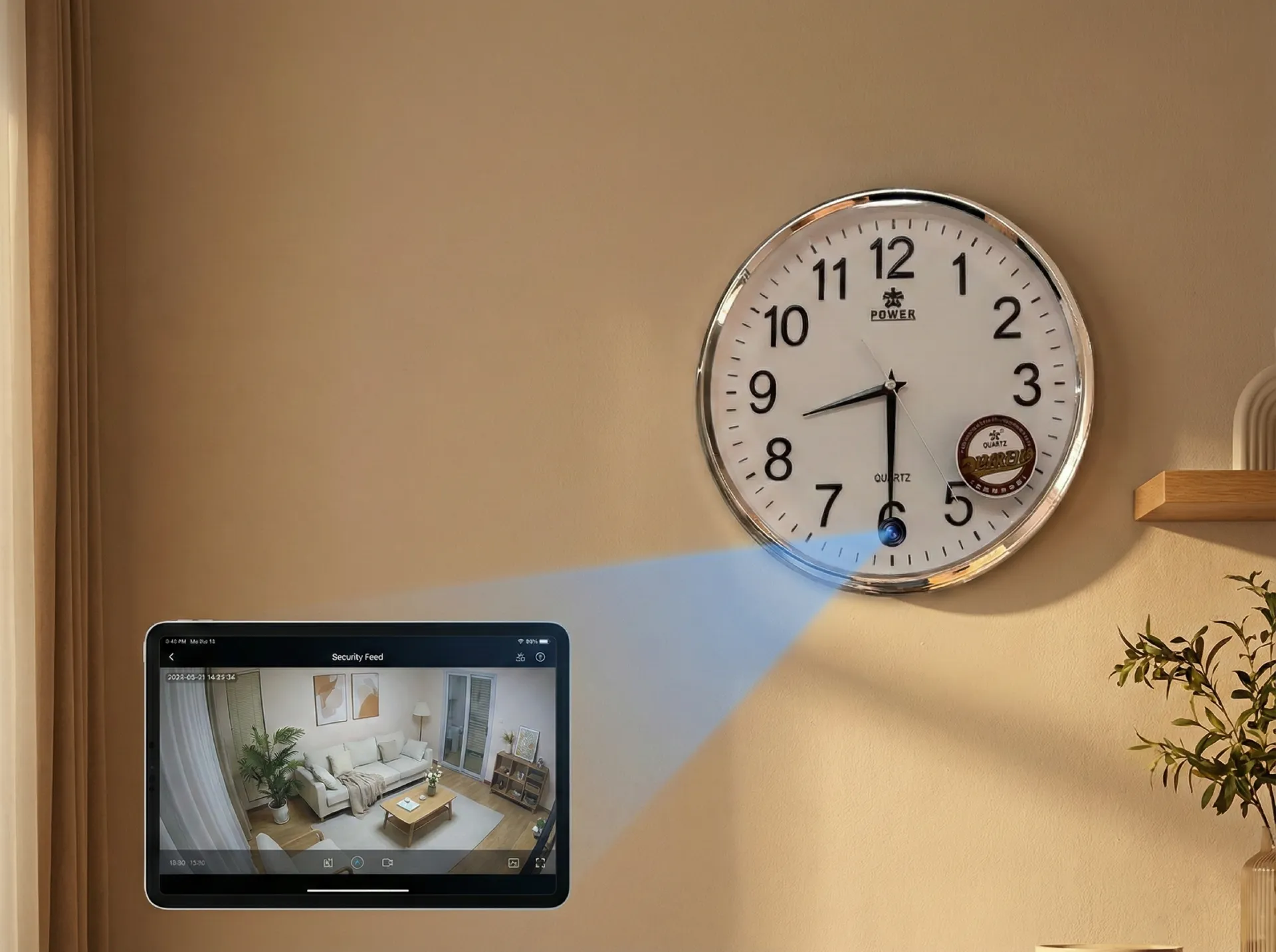
Cosa rende le telecamere spia per la casa diverse dalle normali telecamere di sicurezza?
Questa è la distinzione più importante che gli acquirenti devono comprendere. Una normale telecamera di sicurezza è visibile di proposito — dissuade. Le telecamere spia per la casa sono invisibili — documentano.
Le normali telecamere visibili (Ring, Arlo, Blink) annunciano la loro presenza con una cupola per l'obiettivo e indicatori LED. Funzionano per dissuasione: gli intrusi vedono la telecamera e se ne vanno. Le telecamere spia per la casa funzionano per documentazione: catturano filmati di eventi — che si tratti di un addetto alle pulizie che fruga nei cassetti, di un corriere che maneggia male i pacchi o del monitoraggio di genitori anziani senza farli sentire sorvegliati.
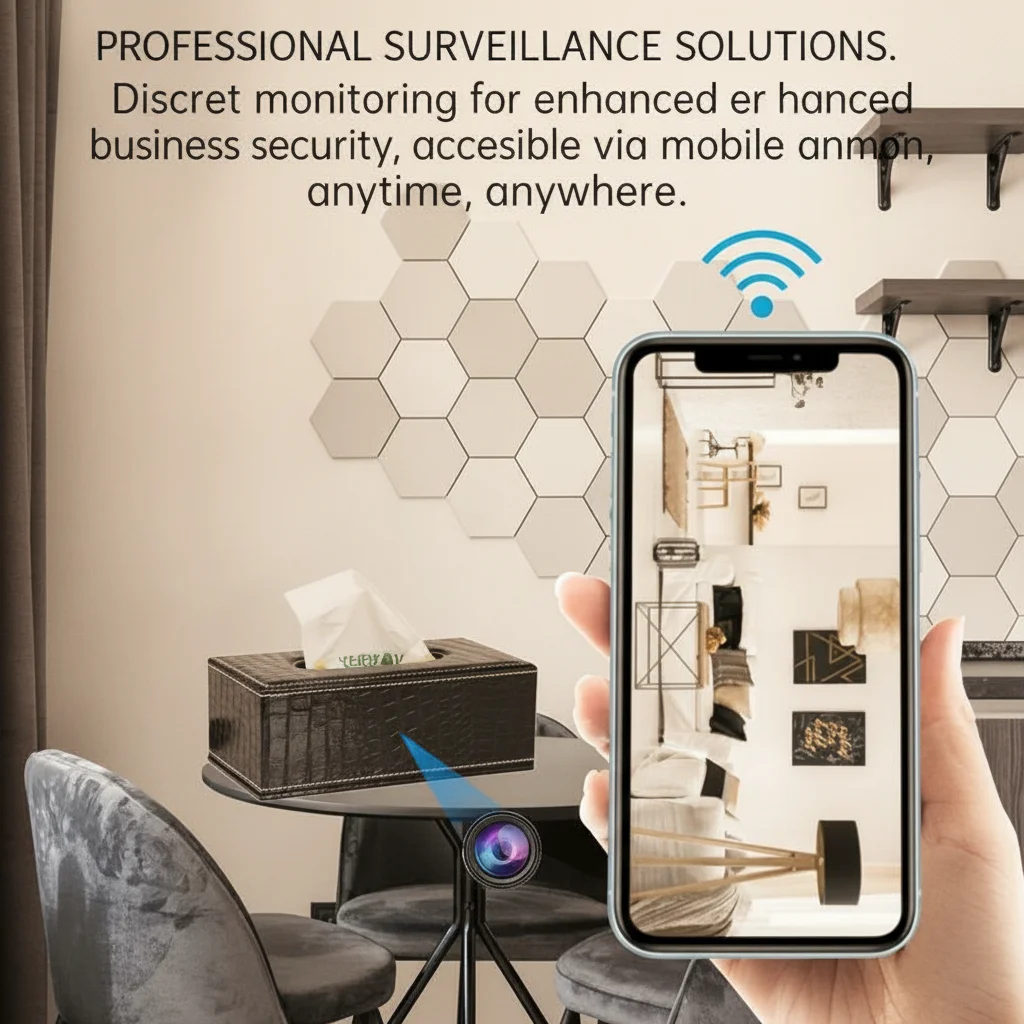
Quando usare telecamere visibili o nascoste
| Scenario | Telecamera visibile | Telecamera spia nascosta | Perché |
|---|---|---|---|
| Deterrenza sulla porta d'ingresso | ★★★★★ | ★★☆☆☆ | La deterrenza richiede visibilità |
| Monitoraggio di addetti alle pulizie/imprese | ★★☆☆☆ | ★★★★★ | Comportamento naturale solo quando non si è consapevoli |
| Monitoraggio delle consegne | ★★★★☆ | ★★★★☆ | Entrambe funzionano |
| Assistenza a genitori anziani | ☆☆☆☆☆ | ★★★★★ | Le telecamere visibili risultano invasive |
| Monitoraggio della casa vacanze | ★★★☆☆ | ★★★★★ | Gli ospiti non devono sentirsi sorvegliati |
| Raccolta di prove | ☆☆☆☆☆ | ★★★★★ | La telecamera non deve alterare il comportamento |
Dico sempre agli acquirenti: le telecamere spia per la casa non sostituiscono i sistemi di sicurezza visibili. Hanno uno scopo diverso. La configurazione domestica ideale combina una telecamera visibile per il campanello come deterrente con 1-2 telecamere nascoste per la documentazione negli spazi interni chiave.
Punto chiave: Le telecamere spia per la casa documentano gli eventi senza alterare i comportamenti. Integrano — non sostituiscono — le telecamere di sicurezza visibili.
Quale formato di telecamera nascosta funziona meglio per ogni stanza?
Questa è la domanda a cui rispondo più spesso. Ogni stanza ha un oggetto “naturale” che vi appartiene e altri che sembrano sospetti. Abbinare il formato alla stanza è fondamentale.
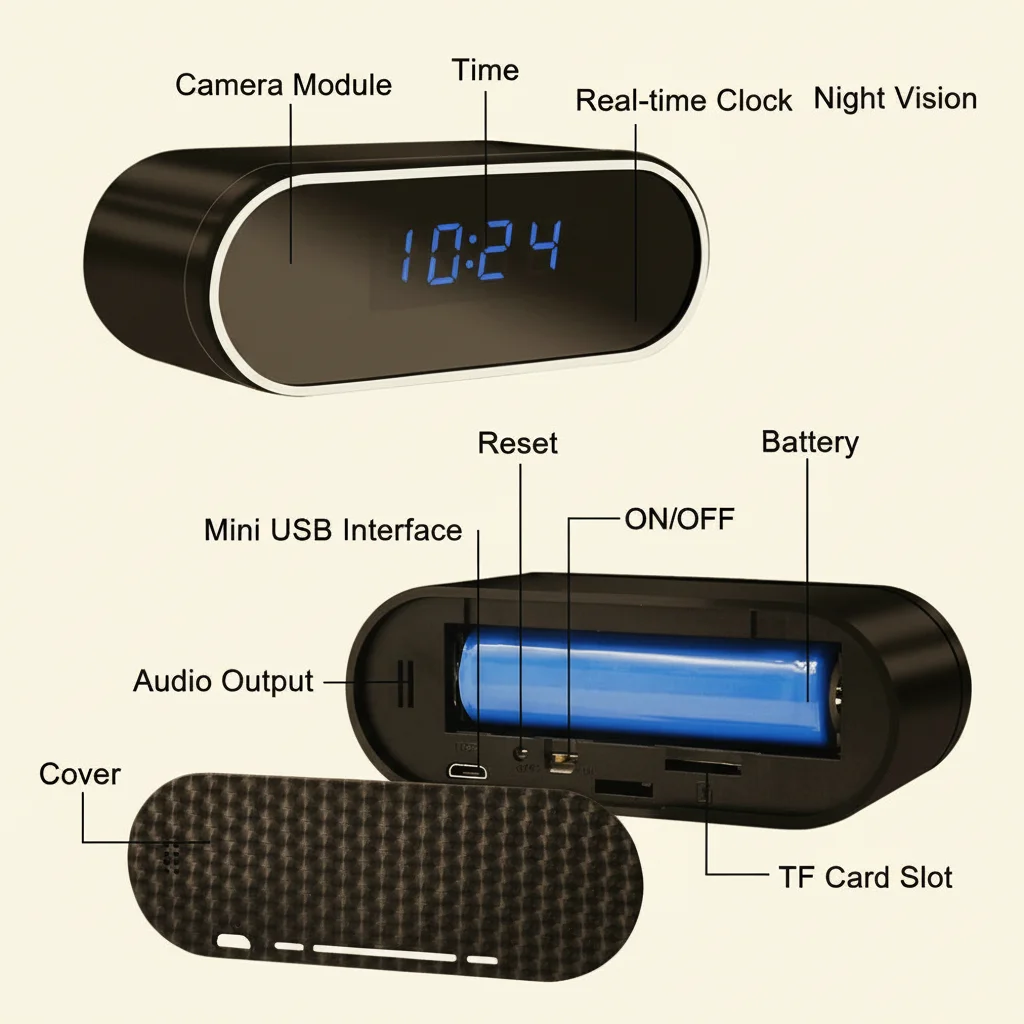
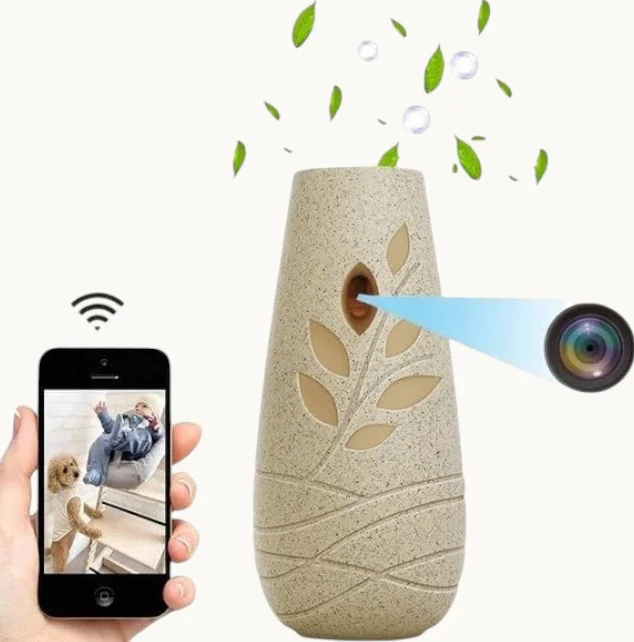
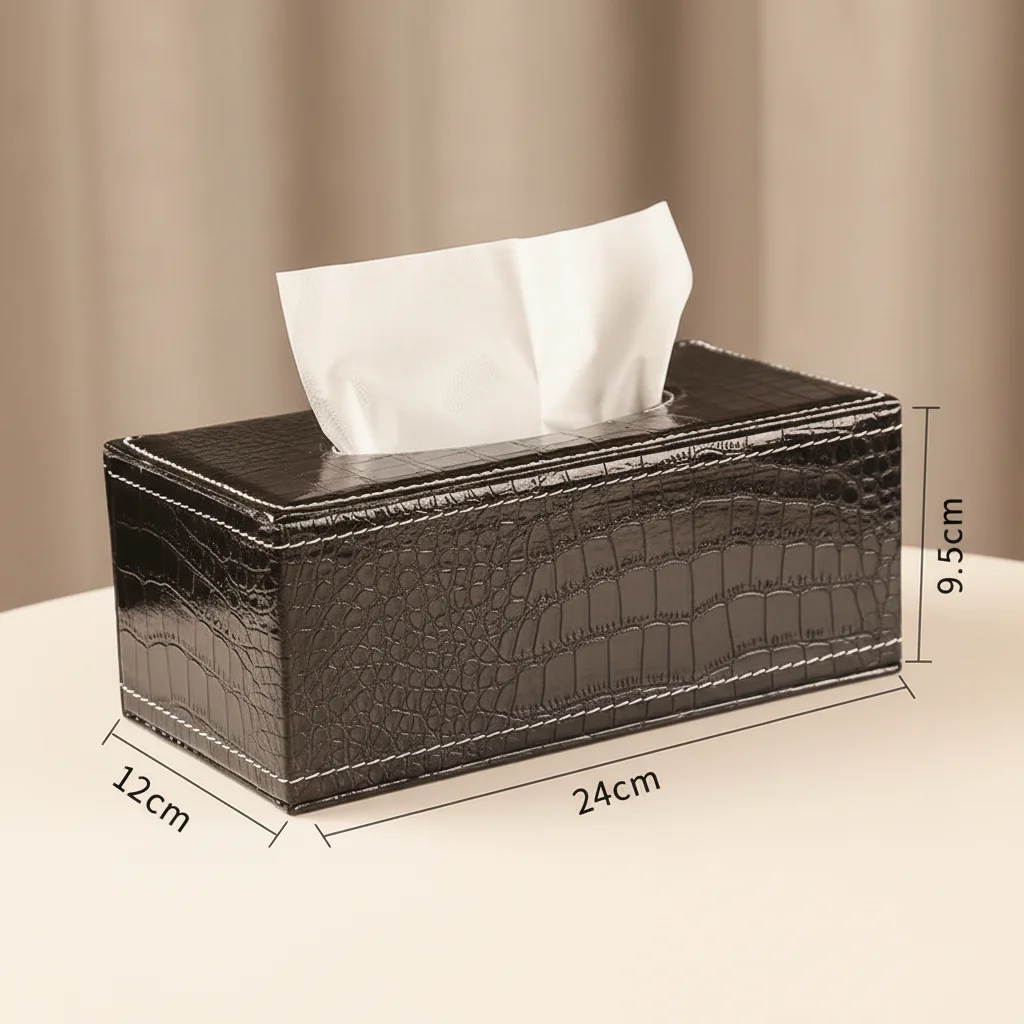
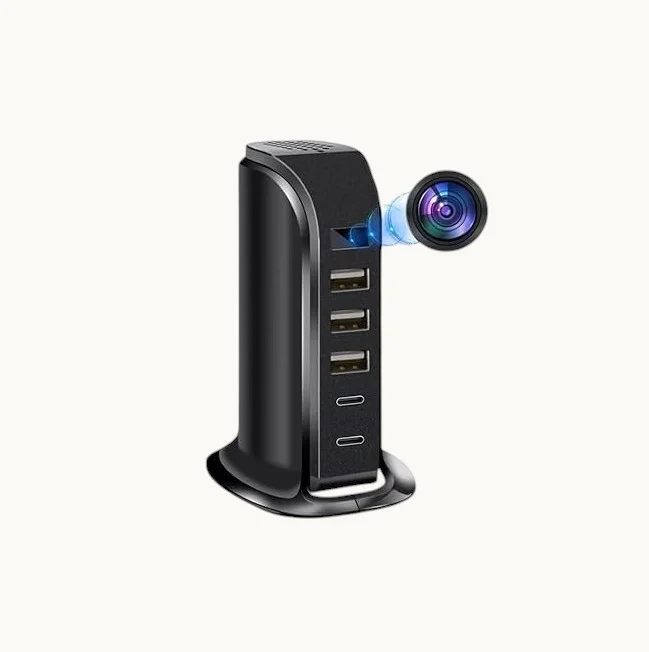
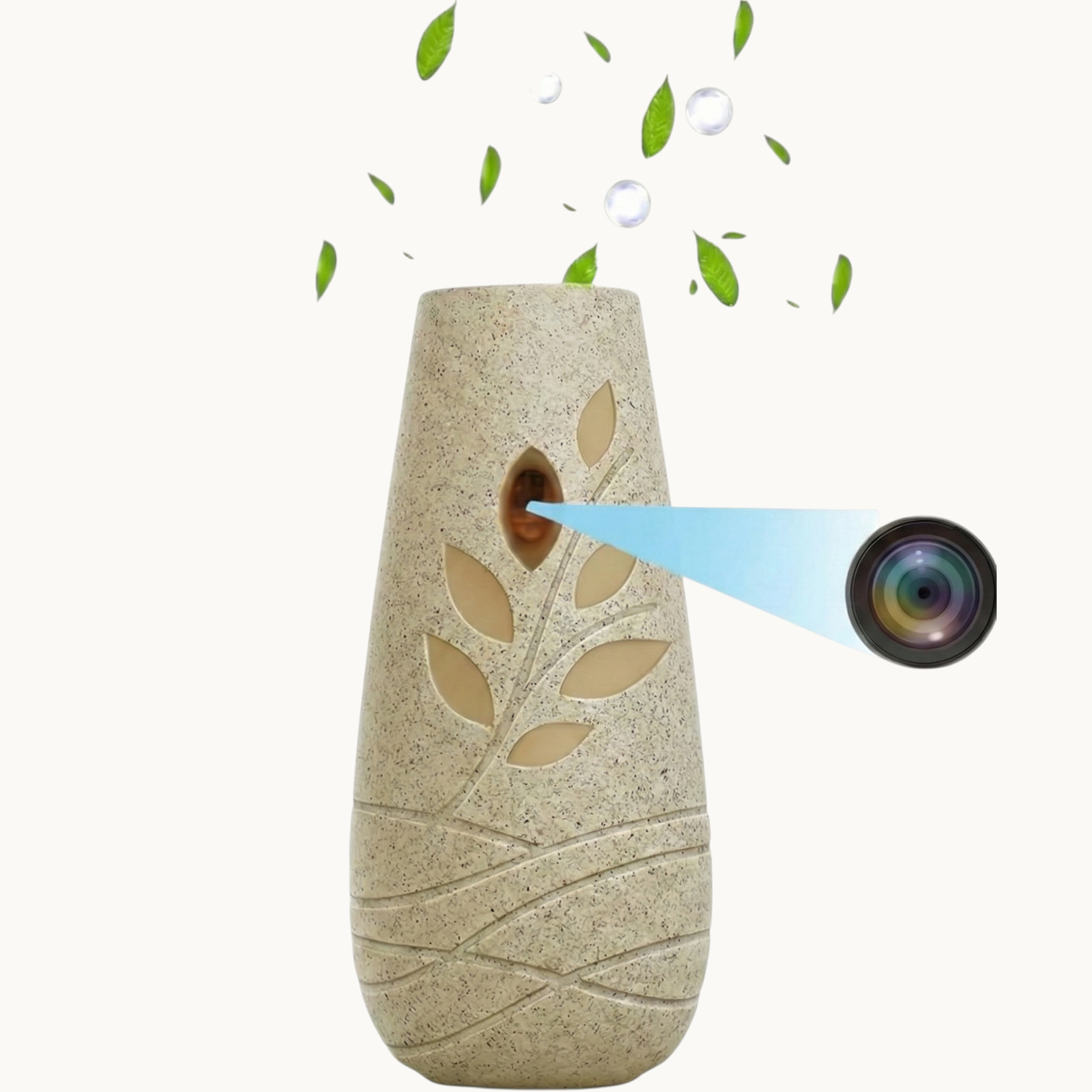
Le cinque spycam più pratiche per uso domestico sono: orologi da parete (soggiorni e uffici), caricabatterie USB (camere da letto e cucine), vasi deodoranti per ambienti (librerie e piani di lavoro), cornici portafoto (scrivanie e mensole) e rilevatori di fumo (soffitti per copertura grandangolare). Ognuna eccelle in una posizione e fallisce in altre.
La mia raccomandazione stanza per stanza
| Stanza | Miglior formato | Perché | Fonte di alimentazione | Angolo di visuale |
|---|---|---|---|---|
| Soggiorno | Orologio da parete or air freshener vase | Posizionamento naturale, ampia copertura | Rete elettrica / USB | 90-120° |
| Cucina | USB charger | Vicino alle prese, ingombro ridotto | Rete elettrica | 90° |
| Camera da letto | Sveglia | Posizionamento sul comodino, visione notturna | USB + batteria | 90° |
| Ufficio domestico | Cornice portafoto o telecamera penna | Aspetto professionale, da scrivania | USB | 90-110° |
| Ingresso | Detector di fumo | Montaggio a soffitto, copertura più ampia | Rete elettrica + batteria | 120-160° |
| Camera dei bambini | Orologio o vaso | Non minaccioso, continuo | USB | 90° |
Un errore che vedo ripetutamente: gli acquirenti mettono una telecamera-caricatore USB in un soggiorno dove non c'è un motivo evidente per cui un caricatore stia su uno scaffale. Oppure posizionano una cornice portafoto rivolta verso il muro. Il camuffamento funziona solo quando l'oggetto appartiene naturalmente alla sua posizione. Avevo un cliente ad Amburgo che ha messo una telecamera-vaso deodorante per ambienti sopra il frigorifero — nessuno l'ha messa in dubbio per 8 mesi.
Punto chiave: Abbinate il formato della telecamera a oggetti che appartengono naturalmente a ogni stanza. Un camuffamento fuori posto attira più attenzione di una telecamera visibile.
Come confronto la qualità video tra diverse spycam per la casa?
I numeri della risoluzione (1080p, 4K) sono la specifica meno utile per confrontare le spy camera per uso domestico. La qualità dell'obiettivo, la dimensione del sensore e l'elaborazione ISP contano molto di più per le riprese indoor.
Alle distanze tipiche domestiche (2-5 metri), una telecamera 1080p ben calibrata produce filmati in cui i volti sono chiaramente identificabili, le attività documentabili e persino gli schermi dei telefoni parzialmente leggibili. Una telecamera 4K aggiunge un beneficio marginale in interni, a meno che tu non debba zoomare digitalmente negli angoli lontani di grandi stanze. Dove il 4K aiuta davvero: spazi open space di oltre 6 metri di larghezza.
Risultati dei test comparativi dal mio laboratorio
Ho posizionato cinque diverse telecamere spia per la casa una accanto all'altra in una stanza di 4x5 m e ho registrato lo stesso scenario: una persona che attraversa la stanza, si siede, guarda il telefono e parla.
| Tipo di modello | Risoluzione | Nitidezza del volto a 3m | Portata della visione notturna | Reattività dell'app |
|---|---|---|---|---|
| USB charger | 1080p | ★★★★★ | 8m (940nm) | Veloce (2-3 sec) |
| Orologio da parete | 1080p | ★★★★☆ | 8m (940nm) | Veloce (2-3 sec) |
| Vaso deodorante per ambienti | 4K | ★★★★★ | 10m (940nm) | Medio (4-5 sec) |
| Cornice portafoto | 1080p | ★★★★☆ | 6m (940nm) | Veloce (2-3 sec) |
| Detector di fumo | 1080p | ★★★★☆ | 10m (940nm) | Veloce (2-3 sec) |
Il risultato a sorpresa: il caricatore USB 1080p ha prodotto le immagini più nitide dei cinque perché la sua apertura dell'obiettivo era leggermente più grande rispetto alle dimensioni dell'involucro, permettendo a più luce di raggiungere il sensore. La telecamera a vaso 4K era tecnicamente a risoluzione superiore ma l'obiettivo pinhole limitava l'ingresso di luce, rendendola solo marginalmente migliore in condizioni di buona illuminazione e persino peggiore con la luce serale fioca.
Punto chiave: Per le telecamere spia per la casa, il 1080p con una buona lente batte il 4K con un minuscolo foro stenopeico. Date priorità alla qualità della visione notturna e alla velocità dell'app rispetto alla risoluzione grezza.
Quanto è affidabile il WiFi per le telecamere spia per la casa — e cosa causa le disconnessioni?
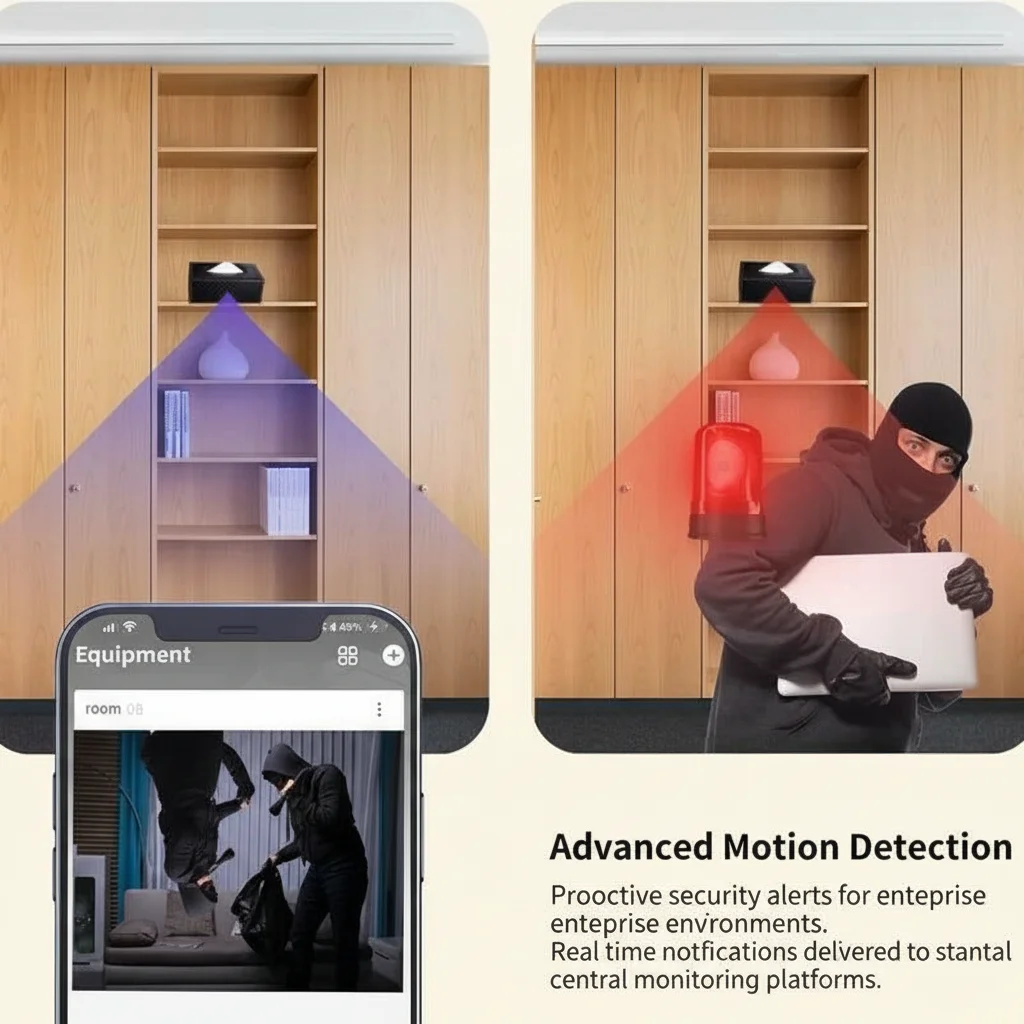
L'affidabilità del WiFi determina se le tue telecamere spia per la casa catturano davvero i momenti che contano. Una telecamera che perde il 10% degli eventi di movimento a causa di cadute del WiFi vanifica completamente lo scopo.
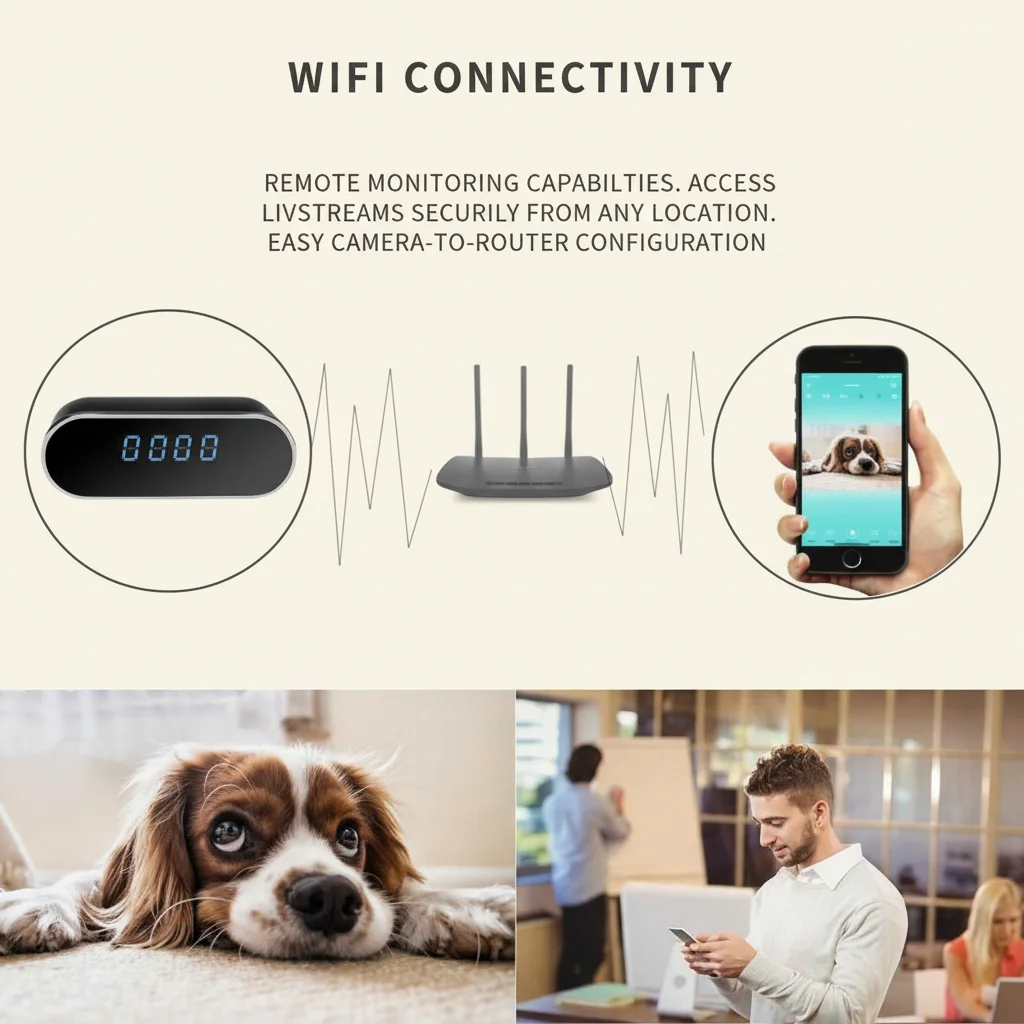
Tutte le telecamere spia per la casa basate su Tuya si connettono esclusivamente via WiFi a 2,4GHz. La stabilità della connessione dipende da: distanza dal router, struttura dei muri tra telecamera e router e se il router trasmette una rete combinata 2,4/5GHz (che causa errori di associazione). Nei nostri test, le telecamere entro 10 metri dal router con non più di un muro tra di essi mantengono un uptime del 99,5%+.
I problemi WiFi più comuni e le soluzioni
| Problema | Causa | Correggi | Costo |
|---|---|---|---|
| La telecamera non si accoppia | Telefono su 5GHz, la telecamera necessita di 2.4GHz | Separa le bande del router durante la configurazione | Gratuito |
| Disconnessioni frequenti | Distanza + muri | Aggiungi un ripetitore WiFi vicino alla telecamera | €20-30 |
| Avvisi di movimento ritardati di oltre 10 sec | Congestione del traffico del router | Impostare la priorità QoS per l'IP della telecamera | Gratuito |
| La visualizzazione live si blocca o si interrompe | Bassa larghezza di banda in upload | Riduci la telecamera allo streaming 720p | Gratuito |
| La telecamera va offline durante la notte | Modalità risparmio energetico del router | Disattiva la sospensione del router per la rete 2.4GHz | Gratuito |
Consiglio sempre agli acquirenti di testare il WiFi di casa prima di scegliere le posizioni delle telecamere. Cammina verso la posizione prevista per la telecamera con il tuo telefono, controlla la potenza del segnale WiFi (qualsiasi valore inferiore a -70 dBm è rischioso) e riproduci un video di YouTube. Se il video si blocca, anche la telecamera lo farà.
Punto chiave: Testate il segnale WiFi nella posizione della telecamera prima dell'installazione. Con una potenza del segnale inferiore a -70 dBm, aggiungete un ripetitore o scegliete una posizione più vicina.
Quali sono le regole legali per l'uso di spycam per la casa in Europa?
La legalità delle telecamere spia per la casa è più sfumata di quanto spieghino la maggior parte dei venditori. Le regole dipendono da chi vive nella casa, chi la visita e se la telecamera registra l'audio.
Nella vostra casa in cui vive solo la vostra famiglia, l'uso di telecamere spia per la casa è legale in quasi tutti i paesi dell'UE. La complessità sorge quando altre persone entrano in casa vostra: addetti alle pulizie, appaltatori, ospiti, visitatori Airbnb o inquilini. Ai sensi GDPR, registrare qualcuno in uno spazio privato senza la sua conoscenza o il suo consenso può violare i suoi diritti in materia di protezione dei dati.
Quadro normativo per scenari domestici comuni
| Scenario | Registrazione video | Registrazione audio | Cosa devi fare |
|---|---|---|---|
| La tua casa, solo famiglia | Legale ovunque | Legale | Nessun requisito |
| Casa con addetti alle pulizie/baby-sitter | Legale nella maggior parte dell'UE | Varia — spesso limitato | Informarli (consigliato) |
| Aree comuni Airbnb | Legale con avviso | Spesso limitato | Cartello visibile + dichiarazione nell'annuncio |
| Camere da letto/bagni Airbnb | Illegale ovunque | Illegale ovunque | Non installare mai qui |
| Immobile in affitto (spazio dell'inquilino) | Illegale senza consenso | Illegale | Non installare mai qui |
| Registrazione attraverso le finestre | Illegale (riprende vicini/spazi pubblici) | Illegale | Non posizionare mai le telecamere in questo modo |
La registrazione audio è la trappola nascosta. Molte telecamere spia per la casa registrano audio per impostazione predefinita, e la registrazione audio ha requisiti legali più severi rispetto al video nella maggior parte dei paesi UE. In Germania, registrare audio senza il consenso di tutte le parti viola il §201 StGB e può comportare un procedimento penale. Consiglio di disabilitare la registrazione audio a meno che non ne abbiate specificamente bisogno e abbiate confermato che è legale nella vostra giurisdizione.
Punto chiave: Il video nella propria casa è ampiamente legale. La registrazione audio ha regole più severe — disattivatela a meno che non sia confermata legale. Non installate mai telecamere spia per la casa in camere per ospiti o bagni.
Quanto dovrei preventivare per un set completo di telecamere spia per la casa?
Una pratica configurazione di spy camera per uso domestico non richiede attrezzature costose. Due o tre telecamere ben posizionate coprono la maggior parte delle case meglio di dieci economiche con problemi WiFi.
La mia configurazione iniziale consigliata per una tipica casa europea con 3 camere da letto utilizza tre telecamere che coprono le tre zone di maggior valore: ingresso (telecamera rilevatore di fumo), soggiorno (telecamera orologio o vaso) e cucina/lavanderia (telecamera caricabatterie USB). Costo totale dell'hardware a prezzi B2B: €60-120 a seconda della risoluzione e delle funzionalità.
Ripartizione del budget per un sistema domestico con 3 telecamere
| Componente | Opzione economica | Opzione di fascia media | Opzione premium |
|---|---|---|---|
| Telecamera per soggiorno (orologio/vaso) | €20-25 | €30-40 | €50-60 (4K) |
| Telecamera per ingresso (rilevatore di fumo) | €25-30 | €35-45 | €50-65 (4K) |
| Telecamera da cucina (caricatore USB) | €15-20 | €25-30 | €35-40 |
| Schede microSD (3x 64GB) | €15-20 | €20-25 | €25-30 |
| Ripetitore WiFi (se necessario) | €20-25 | €25-30 | €30-40 |
| Totale | €95-120 | €135-170 | €190-235 |
I costi ricorrenti sono minimi: sostituzione della scheda MicroSD ogni 2-3 anni (20-30 €) e abbonamento opzionale al cloud Tuya per la riproduzione cloud (3-5 €/mese per telecamera, non obbligatorio se si utilizza la MicroSD).
Punto chiave: Un set completo di telecamere spia per la casa costa €100-200. Tre telecamere ben posizionate che coprono ingresso, soggiorno e cucina forniscono una copertura completa per la maggior parte delle case europee.
Quali caratteristiche contano davvero quando si scelgono spycam per la casa?
Dopo aver testato oltre 30 modelli, ho classificato le funzioni che influenzano realmente l'usabilità quotidiana rispetto a quelle che sono puro marketing.
Le caratteristiche più importanti per le telecamere spia per la casa sono, in ordine: (1) stabilità dell'app e velocità degli avvisi, (2) qualità della visione notturna con IR invisibile a 940nm, (3) alimentazione continua senza dipendenza dalla batteria, (4) precisione del rilevamento del movimento con pochi falsi allarmi e (5) affidabilità della MicroSD con registrazione ciclica. Caratteristiche che sembrano impressionanti ma raramente contano: risoluzione 4K, abbonamento a cloud storage, audio bidirezionale e pan-tilt.
Classifica dell'importanza delle caratteristiche per uso domestico
| Caratteristica | Importanza reale | Perché |
|---|---|---|
| Stabilità dell'app (Tuya) | ★★★★★ | Un'app instabile significa avvisi persi |
| Visione notturna (940nm) | ★★★★★ | La maggior parte degli incidenti avviene di notte |
| Alimentazione continua (USB/rete elettrica) | ★★★★★ | Le telecamere a batteria perdono eventi durante la ricarica |
| Precisione del rilevamento del movimento | ★★★★☆ | Troppi falsi allarmi = affaticamento da avvisi |
| Registrazione ciclica su MicroSD | ★★★★☆ | Backup locale quando il WiFi cade |
| Risoluzione video (1080p) | ★★★☆☆ | Il 1080p è sufficiente per il 95% degli usi domestici |
| Risoluzione 4K | ★★☆☆☆ | Miglioramento marginale per dimensioni tipiche delle stanze |
| Archiviazione cloud | ★★☆☆☆ | Un buon backup ma aggiunge un costo mensile |
| Audio bidirezionale | ★☆☆☆☆ | Rivela la presenza della telecamera — vanifica lo scopo |
| Pan-tilt | ☆☆☆☆☆ | Il rumore meccanico rivela la telecamera |
Punto chiave: Date priorità alla stabilità dell'app, alla visione notturna e all'alimentazione continua rispetto alla risoluzione e alle funzionalità cloud. Questi tre fattori determinano se le vostre telecamere spia per la casa catturano effettivamente ciò che conta.
Come configurare le telecamere spia per la casa ed evitare problemi comuni?
I primi 30 minuti dopo l'apertura della confezione determinano se un cliente tiene la telecamera o la restituisce. Un buon processo di configurazione previene il 90% delle chiamate al supporto.
Sulla base dell'analisi di centinaia di casi di assistenza post-vendita presso il nostro centro di supporto in Italia, ecco la sequenza di configurazione che consiglio per ogni telecamera spia per l'installazione domestica.
La mia sequenza di installazione consigliata
1. Formatta la scheda MicroSD in FAT32 prima di inserirla. La maggior parte dei resi è causata da schede formattate in exFAT — la telecamera non può scrivervi.
2. Separa le bande WiFi del tuo router — assicurati che le reti 2.4GHz e 5GHz abbiano nomi diversi. Collega la telecamera alla rete 2.4GHz.
3. Associa la telecamera all'app Tuya entro 3 metri dal router — spostala nella posizione desiderata dopo che l'abbinamento è riuscito.
4. Testare la sensibilità del rilevamento di movimento — cammina davanti alla telecamera da angolazioni diverse. Regola la sensibilità per evitare falsi trigger causati da cambiamenti di luce e movimenti di animali domestici.
5. Verificare il ritardo della visualizzazione live — accettabile è 2-4 secondi. Se il ritardo supera i 6 secondi, avvicina la telecamera al router o aggiungi un ripetitore.
6. Testa la visione notturna — spegni tutte le luci. Verifica che l'IR non produca un bagliore rosso visibile (940nm dovrebbe essere invisibile).
7. Imposta modalità di registrazione — attivazione su movimento per la maggior parte delle stanze, registrazione continua per zone di alto valore come gli ingressi.
8. Verifica la registrazione ciclica — riempi una piccola porzione della scheda, poi conferma che i vecchi file vengano sovrascritti correttamente.
Punto chiave: Formatta in FAT32, separa le bande WiFi, abbina vicino al router, poi posiziona. Questa sequenza previene il 90% dei resi legati alla configurazione.
Domande frequenti
Quante spycam per la casa mi servono per una copertura completa?
La maggior parte delle case europee necessita di 2-3 telecamere spia per la casa per coprire le aree di maggior valore: ingresso, soggiorno principale e una stanza aggiuntiva. Una configurazione con 3 telecamere copre l'80-90% delle tipiche esigenze di monitoraggio. Aggiungere più telecamere aumenta la complessità senza un beneficio proporzionale, a meno che tu non abbia specifiche preoccupazioni per la sicurezza.
Le telecamere spia per la casa possono registrare quando il WiFi non funziona?
Sì, tutte le telecamere spia per la casa di qualità con slot per scheda MicroSD continuano a registrare localmente quando il WiFi cade. Durante l'interruzione perdi gli avvisi in tempo reale e la visualizzazione remota, ma i filmati vengono salvati sulla scheda. Quando il WiFi si riconnette, l'app Tuya riprende il normale funzionamento. Ecco perché la registrazione su MicroSD è più importante dell'archiviazione cloud.
Le telecamere spia per la casa funzionano con Alexa o Google Home?
Le spy camera per uso domestico basate su Tuya sono compatibili sia con Amazon Alexa che con Google Home per comandi vocali di base come "mostrami la telecamera del soggiorno". Tuttavia, usare i comandi vocali rivela l'esistenza della telecamera a chiunque si trovi nella stanza, vanificando lo scopo occulto. Consiglio di usare direttamente l'app Tuya e di mantenere disattivata l'integrazione con gli assistenti vocali.
Ogni quanto dovrei sostituire la scheda MicroSD nelle telecamere spia per la casa?
Sostituisci le schede MicroSD nelle telecamere spia per la casa ogni 18-24 mesi con registrazione continua, o ogni 24-36 mesi con registrazione attivata dal movimento. I cicli di scrittura continui degradano la memoria flash nel tempo, causando file corrotti e interruzioni nella registrazione. Usa schede con classificazione endurance (Samsung PRO Endurance, SanDisk High Endurance) progettate per la registrazione continua di sorveglianza.
Qual è il miglior marchio di telecamere spia per la casa per gli acquirenti europei?
Le migliori telecamere spia per la casa per gli acquirenti europei combinano tre cose: una certificazione CE/RoHS autentica (non solo un logo stampato), un'app basata su Tuya con server cloud europei per avvisi a bassa latenza e un supporto post-vendita locale nell'UE per la gestione della garanzia. QZT soddisfa tutti e tre i requisiti con il nostro stabilimento di assemblaggio e controllo qualità in Italia, prodotti certificati e una gestione RMA in 3-5 giorni all'interno dell'UE.
Conclusione
La migliore configurazione di spy camera per uso domestico utilizza 2-3 fattori di forma scelti con cura e abbinati a stanze specifiche — un orologio o un vaso per il soggiorno, un caricatore USB per la cucina e un rilevatore di fumo per l'ingresso. Dai priorità alla stabilità dell'app, alla visione notturna invisibile a 940nm e all'alimentazione continua rispetto alle specifiche di risoluzione. Prevedi un budget di €100-200 per una configurazione completa che copra le zone di maggior valore della tua casa. Inizia con una telecamera, testa il WiFi e la visione notturna, poi espandi stanza per stanza. Hai ancora domande? Sono sempre felice di illustrarti le specifiche — contatta il nostro team e ti aiuteremo.

 English
  Italiano
  Deutsch
  Français
  Español
  Polski