
Cosa Sono le Telecamere Spia IP per Bambini e Come Funzionano?
I genitori nel Regno Unito, Germania, Francia e in tutta Europa si rivolgono sempre più a telecamere nascoste basate su IP per monitorare le camere dei loro figli, le tate e gli assistenti. Il fascino è ovvio: puoi controllare da qualsiasi parte del mondo usando il tuo telefono, rivedere le riprese di ciò che è accaduto mentre eri via e avere una registrazione visiva in caso di incidente. Ma le telecamere nascoste IP per l'assistenza all'infanzia sono una categoria di prodotto in cui la tecnologia, la legge sulla privacy e il caso d'uso genitoriale si intersecano in modi che vale la pena comprendere attentamente prima dell'acquisto.
Questa guida spiega come funzionano le telecamere IP spia in un contesto di assistenza all'infanzia, quali caratteristiche contano veramente, come distribuirle legalmente in tutta Europa e quali alternative esistono.
Sommario
1. Come funzionano le telecamere IP: le basi tecniche
2. Perché i Genitori Scegliono Telecamere IP Nascoste per l'Infanzia
3. Caratteristiche chiave da cercare in una telecamera IP per l'assistenza all'infanzia
4. Dove Posizionare le Telecamere IP in un Ambiente per l'Infanzia
5. Privacy e Conformità GDPR per il Monitoraggio dell'Assistenza all'Infanzia
6. Prodotti Telecamera IP Consigliati
1. Come Funzionano le Telecamere IP: Le Basi Tecniche
Una telecamera IP (Internet Protocol) cattura il video e lo trasmette su una rete — sia essa una rete locale o l'internet più ampio. A differenza delle vecchie telecamere CCTV analogiche, che inviano un segnale video grezzo a un dispositivo di registrazione dedicato (DVR), una telecamera IP digitalizza il video internamente e può trasmetterlo ovunque ci sia connettività di rete.
Il Percorso del Segnale
1. L'obiettivo della telecamera cattura la luce → Il sensore CMOS lo converte in un'immagine digitale
2. Il processore integrato comprime l'immagine (codec H.264 o H.265) per ridurre le dimensioni del file
3. Il video compresso viene impacchettato come un flusso e inviato tramite WiFi o Ethernet
4. Il router inoltra lo stream — sia localmente (per la visualizzazione sulla stessa rete) che via internet (per la visualizzazione remota)
5. La tua app del telefono riceve lo stream e lo decomprime per la visualizzazione
Per l'utente, l'intero processo comporta una latenza di 1-3 secondi dalla telecamera allo schermo del telefono, assumendo una connessione internet domestica standard.
Connessioni P2P vs. Connessioni Instradate
La maggior parte delle telecamere IP consumer utilizza Connettività P2P (peer-to-peer) tramite un server di relay. Quando apri l'app, stabilisce una connessione diretta o semi-diretta alla telecamera utilizzando un ID dispositivo univoco — senza richiedere complesse impostazioni di port forwarding sul router. Questa è la tecnologia alla base delle app Tuya Smart e Smart Life utilizzate dalla gamma di prodotti QZT Security.
> Questo è ciò che la maggior parte delle persone non capisce: Presumono che P2P significhi che le loro riprese passino attraverso i server del produttore. Nella maggior parte delle implementazioni, il relay P2P media solo la connessione — i dati video viaggiano direttamente tra il tuo telefono e la telecamera. Tuttavia, le opzioni di archiviazione cloud (se abilitate) inviano effettivamente le riprese a server di terze parti. Controlla sempre dove sono archiviate le tue riprese.
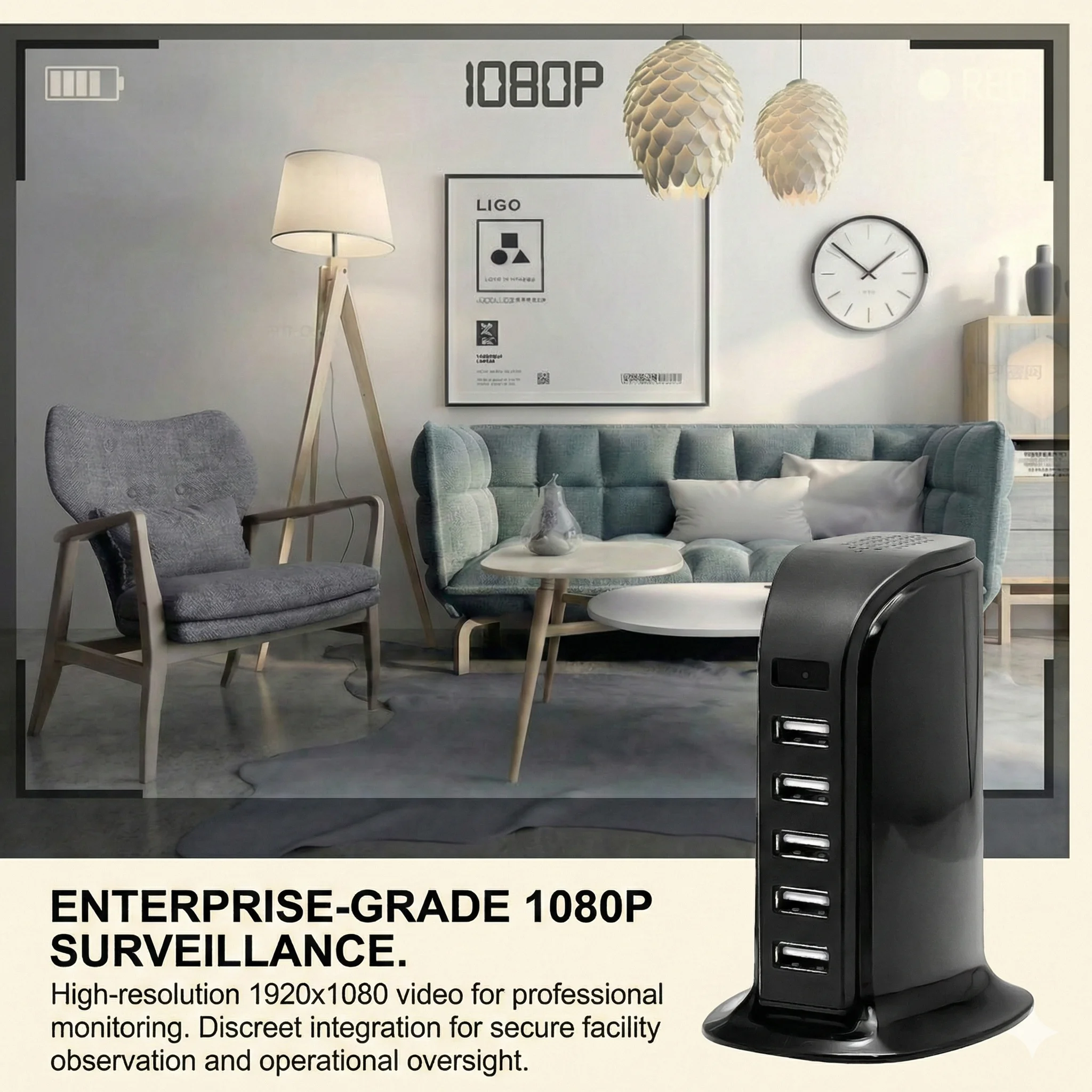
2. Perché i Genitori Sceglgono Telecamere IP Nascoste per l'Assistenza all'Infanzia
Il mercato delle telecamere IP per l'assistenza all'infanzia è cresciuto notevolmente dopo che casi di alto profilo di abusi da parte di tate sono stati catturati da telecamere domestiche e condivisi pubblicamente. Per i genitori, l'argomento è semplice: non puoi essere nella stanza 24 ore al giorno e una telecamera ti fornisce una registrazione oggettiva.
Casi d'uso legittimi
– Monitoraggio di tate e au pair: Verificare che gli assistenti contrattuali seguano i protocolli di cura concordati
– Assistenza ai genitori anziani: Garantire che gli assistenti professionali forniscano un supporto adeguato
– Monitoraggio del sonno: Controllare i neonati senza entrare nella stanza e disturbare il sonno
– Sicurezza degli adolescenti: Monitoraggio dell'ambiente domestico quando gli adolescenti sono soli
– Preoccupazioni comportamentali: Fornire prove oggettive nelle procedure di affidamento o benessere dei minori
> “L'uso della CCTV per monitorare gli operatori sanitari deve essere bilanciato con il loro diritto alla privacy e alla dignità. Qualsiasi uso nascosto deve essere proporzionato e giuridicamente valido.” — UK ICO, Sorveglianza Nascosta in Ambienti di Cura
La distinzione cruciale è tra occulta (nascosto, non divulgato) e palese monitoraggio (visibile, dichiarato). Se impieghi una tata o un au pair, dichiarare la presenza di telecamere in casa — tipicamente nel contratto di lavoro e in una politica separata sull'uso delle telecamere — è più sicuro legalmente e più chiaro eticamente. Il posizionamento nascosto in bagni o aree di cambio non è mai consentito in alcun quadro giuridico dell'UE.
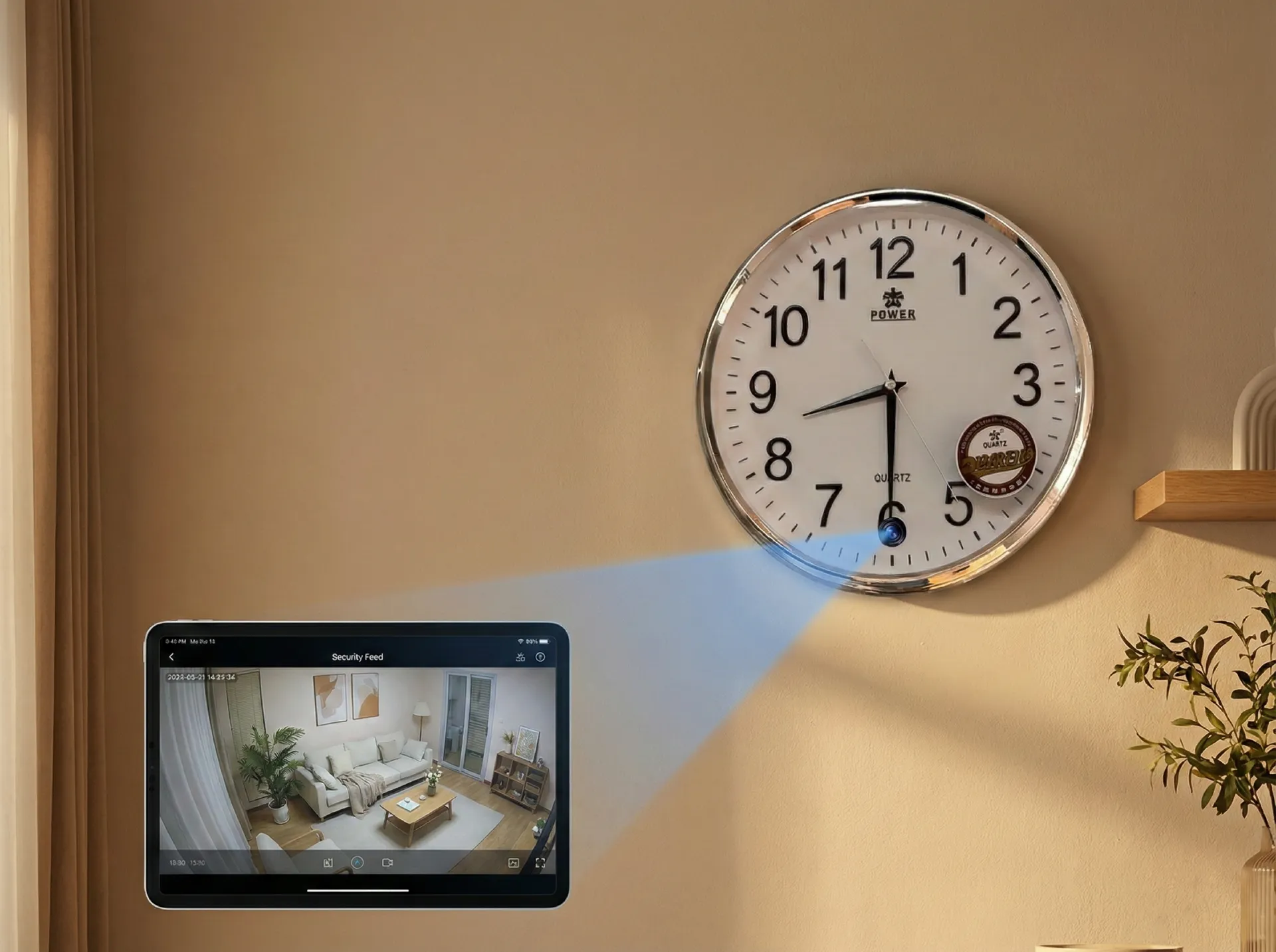
3. Caratteristiche Chiave da Cercare in una Telecamera IP per l'Infanzia
Non tutte le telecamere IP sono adatte agli ambienti per l'infanzia. Ecco cosa conta quando si seleziona un sistema per monitorare bambini o individui vulnerabili.
Risoluzione e prestazioni in condizioni di scarsa illuminazione
Una telecamera 720p a 3 metri può mostrare che una persona è nella stanza. Non può mostrare in modo affidabile se i loro occhi sono aperti o chiusi. Una telecamera 1080p alla stessa distanza fornisce dettagli sufficienti per espressioni facciali e linguaggio del corpo — gli indizi che contano di più nel monitoraggio dell'assistenza all'infanzia.
La visione notturna è non negoziabile. I bambini dormono. Gli assistenti lavorano di notte. Una telecamera senza visione notturna IR funzionale perde tutto ciò che accade dopo il tramonto. Il Z10 Telecamera spia WiFi a sveglia dispone di sei LED a infrarossi che forniscono riprese chiare nella completa oscurità fino a 5 metri.
Rilevamento del Movimento e Avvisi Intelligenti
La registrazione attivata dal movimento è essenziale per le telecamere per l'infanzia perché crea un registro degli eventi — una serie di clip con timestamp di momenti significativi anziché ore di filmati di stanze vuote. Cerca:
– Sensibilità al movimento regolabile — troppo alto e si ottengono falsi allarmi dalle ombre; troppo basso e si perdono gli eventi
– Notifiche push di allerta — notifica telefonica istantanea quando viene rilevato movimento, con anteprima in miniatura
– Zone di rilevamento movimento — definire aree specifiche dell'inquadratura (ad esempio, la culla) come regioni di rilevamento e ignorare il movimento periferico
L'app Tuya Smart utilizzata dalle telecamere di sicurezza QZT supporta tutte e tre queste funzionalità.
Audio bidirezionale
La capacità di parlare attraverso la telecamera e sentire ciò che accade nella stanza è preziosa per il monitoraggio dell'assistenza all'infanzia. Puoi calmare un bambino turbato a distanza, dare istruzioni in tempo reale a una babysitter o semplicemente ascoltare senza entrare nella stanza. Tutte le telecamere WiFi della gamma QZT includono microfoni e altoparlanti integrati per l'audio bidirezionale.
Archiviazione locale vs. cloud
– Archiviazione locale su scheda SD: Le riprese rimangono sul dispositivo. Costo continuativo inferiore, ma la scheda SD può essere rimossa o il dispositivo può essere rubato, distruggendo la registrazione.
– Archiviazione cloud: I filmati vengono caricati sui server in tempo reale. Anche se la telecamera viene rimossa, i filmati sul cloud sopravvivono. Richiede un abbonamento e solleva considerazioni sul GDPR (vedi Sezione 5).
– Ibrido: IL Telecamera Nascosta in Presa EU WiFi 1080P supporta sia la registrazione locale su SD che il backup opzionale su cloud contemporaneamente.
| Caratteristica | Minimo | Consigliato |
|---|---|---|
| Risoluzione | 720p | 1080p |
| visione notturna | IR, 3 m | 6 LED IR, 5 m+ |
| Audio | Unidirezionale (ascolto) | Bidirezionale |
| Avvisi | Notifica push | Push + miniatura |
| Immagazzinamento | 64 GB SD | 128 GB SD + cloud |
| Applicazione | Proprietario | Tuya Smart / Vita intelligente |
4. Dove posizionare le telecamere IP in un ambiente di assistenza all'infanzia
Il posizionamento della telecamera negli ambienti per l'infanzia richiede un equilibrio tra efficacia del monitoraggio e conformità alle leggi sulla privacy.
Posizionamenti consentiti
– Soggiorni e aree gioco: Generally permissible with disclosure
– Camere dei bambini: Consentito per i genitori che monitorano i propri figli, in particolare neonati; divulgare nella politica delle telecamere domestiche
– Cucina e aree pranzo: Consentito con divulgazione
– Camera da letto del professionista dell'assistenza all'infanzia (se impiegato in casa): Richiede esplicita divulgazione nel contratto di lavoro; alcune giurisdizioni UE richiedono la consultazione del consiglio dei lavoratori
Mai Consentito
– Bagni, spogliatoi o aree servizi igienici in qualsiasi circostanza
– Ovunque un bambino o un assistente abbia una ragionevole aspettativa di completa privacy
– All'interno di armadi o altri spazi privati chiusi
Posizioni Ottimali per il Monitoraggio dell'Assistenza all'Infanzia
1. Angolo alto della stanza, angolazione verso il basso: Copertura massima, più difficile da manomettere. Il Telecamera Nascosta in Rilevatore di Fumo WiFi è specificamente progettato per questa posizione.
2. Overlooking the cot or bed: Z10 Clock Camera positioned on a high shelf provides an unobstructed view of the sleeping area.
3. Kitchen benchtops: Any USB charger or mains-powered device positioned on a shelf with a clear view.
> The bedroom debate: European works councils and data protection authorities generally take the position that cameras in employees’ sleeping areas (for live-in nannies or au pairs) require explicit written consent and a specific data protection impact assessment. Even for parents monitoring their own children, some UK letting agents recommend disclosing cameras to nanny agency placements as a matter of professional practice.
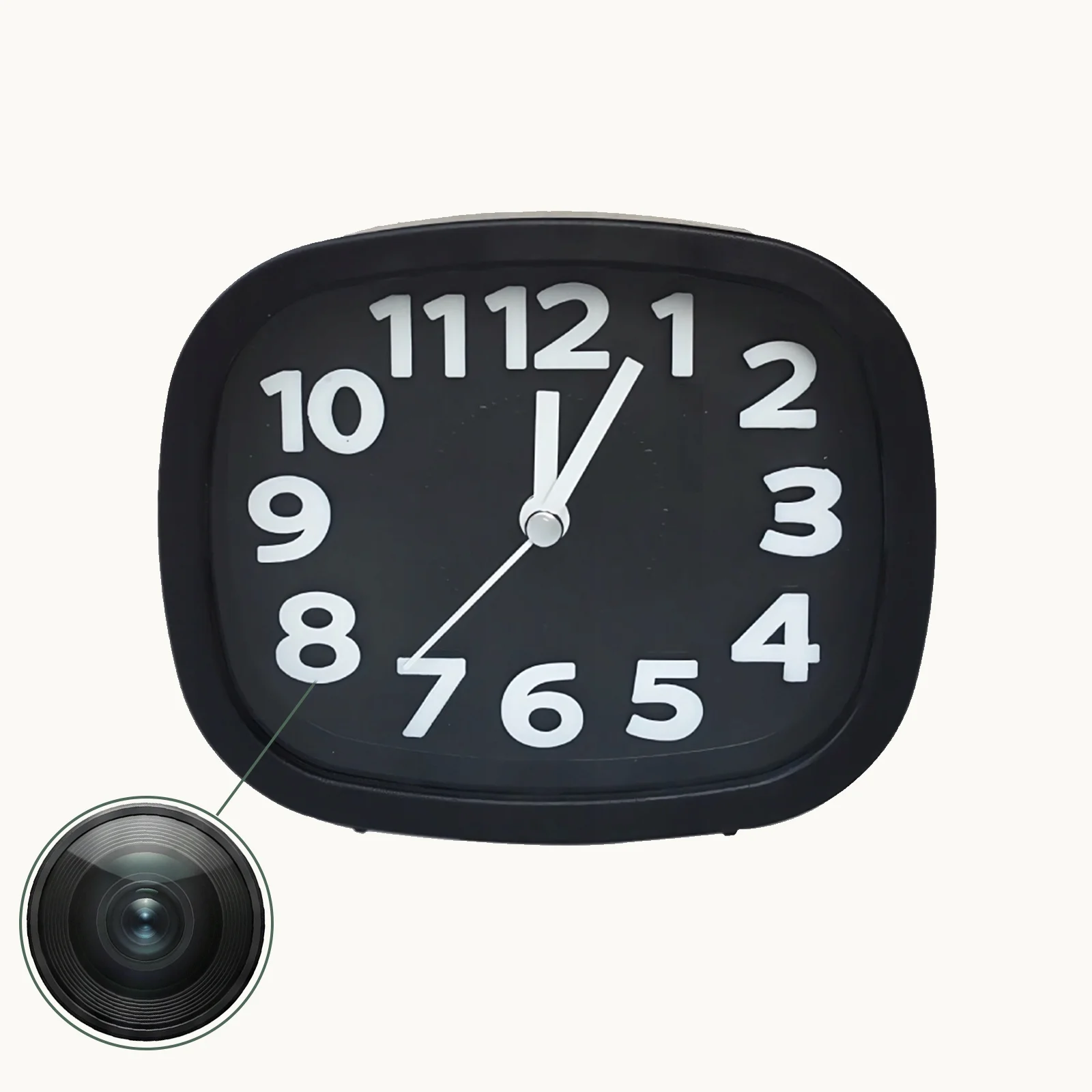
5. Privacy e conformità al GDPR per il monitoraggio dell'assistenza all'infanzia
The GDPR classifies video footage of identifiable individuals as dati personali. This means that if your IP camera captures footage of a nanny, au pair, grandparent carer, or anyone other than immediate family members in your home, you are a data controller with corresponding legal obligations.
Cosa richiede il GDPR a genitori/datori di lavoro
| Obligation | Requisito |
|---|---|
| Base giuridica | Legitimate interest (your property, your children) or consent from recorded individuals where required |
| Transparency | Inform all household members and visitors that cameras are in operation — typically via employment contract + visible notices |
| Limitazione dello scopo | Use footage only for the stated purpose (childcare monitoring); do not share without legal basis |
| Storage limits | Retain footage no longer than necessary — typically 7–30 days for home use |
| Subject access | Recorded individuals have the right to request copies of footage showing them |
| Data breach | If footage is accessed without authorisation, report to the relevant supervisory authority within 72 hours |
Considerazioni Speciali per Ambienti di Assistenza all'Infanzia Professionale
If you run a nursery, preschool, or registered childcare service, the requirements are significantly more stringent:
– Registration with your national data protection authority may be required
– A Data Protection Impact Assessment (DPIA) is recommended before deployment
– Staff must be informed and consulted (in Germany, works council co-determination rights apply)
– Signage requirements are mandatory and prescriptive
– Footage retention periods are typically capped by childcare regulations, not just GDPR
> For professional childcare operators in Germany: BDSG §26 and the EU GDPR together require that any CCTV in a childcare setting be accompanied by a written data protection concept, staff information, and parental notification. Failure to comply can result in fines from the Datenschutzbeauftragter (data protection officer) and exclusion from regulatory childcare registration.
6. Prodotti Telecamera IP Consigliati
For parents and childcare professionals seeking reliable, legally compliant monitoring:
Best overall for home childcare monitoring:
→ Z10 Telecamera spia WiFi a sveglia — blends into bedroom and living room environments; full HD; night vision; two-way audio; Tuya Smart app
Best for wide-area ceiling coverage:
→ Telecamera Nascosta in Rilevatore di Fumo WiFi — elevated position; functional housing; no additional shelf space required
Best for long-term permanent installation:
→ Telecamera Nascosta in Presa EU WiFi 1080P — permanent mains power; no battery management; works 24/7
Best portable/travel option:
→ Power Bank Nascosta WiFi 1080P — take it to hotel rooms, family homes, or temporary childcare settings
7. FAQ
Is it legal to install a hidden camera to monitor my nanny in the UK?
Yes, with conditions. The ICO permits parents to monitor their own children via CCTV in their own home. Recording your nanny requires disclosure in the employment contract and a household camera policy. Covert recording without disclosure is not automatically illegal in your own home but is inadvisable and can be challenged in employment tribunals. In Scotland, the position is stricter — the Employment Practices Regulations require that covert surveillance be proportionate and legally authorised.
Can a nanny legally refuse to work in a home with cameras?
This depends on your jurisdiction. In Germany, works councils have co-determination rights over workplace surveillance and can effectively veto camera deployment. In most EU member states, a condition of employment can include acceptance of CCTV monitoring if it is proportionate and disclosed. Nannies who have not been informed of cameras and who subsequently object may have grounds for constructive dismissal claims in an employment tribunal.
How do I access footage remotely from an IP camera?
Download the Tuya Smart or Smart Life app (free on iOS and Android), create an account, and scan the QR code on the camera using the app. The app handles P2P connection setup automatically. You can then view live footage, review SD card recordings, and receive motion alerts from anywhere with internet connectivity.
What happens to the footage when the SD card is full?
All QZT Security IP cameras support registrazione ciclica — when the SD card is full, the oldest footage is automatically overwritten by new footage. This ensures continuous coverage without manual intervention. You can set recording quality to lower resolution to extend storage duration.
Can I use an IP camera without an internet connection?
Yes. Cameras record to local SD card without internet. For remote viewing via smartphone, an internet connection is required (the camera connects to your home WiFi, which connects to the internet). Without internet, you can view live footage only by connecting directly to the camera’s local hotspot WiFi signal.
How do I protect camera footage from being hacked?
Cambia la password predefinita della telecamera immediatamente dopo l'installazione. Usa una password WiFi forte e unica sulla tua rete domestica. Mantieni il firmware della telecamera aggiornato tramite l'app. Disabilita UPnP sul tuo router per prevenire il port forwarding automatico. Abilita l'autenticazione a due fattori sull'app Tuya Smart. Acquista solo da fornitori affidabili con ecosistemi di app consolidati: le telecamere di terze parti senza nome spesso hanno vulnerabilità di sicurezza che non vengono mai risolte.
Hai bisogno di telecamere IP affidabili per le tue esigenze di monitoraggio per l'infanzia? Contattaci oggi per esplorare la nostra gamma, dalle unità singole agli ordini OEM/ODM per i fornitori di servizi per l'infanzia.

 English
  Italiano
  Deutsch
  Français
  Español
  Polski