
What’s the Legal Way to Install Hidden Cameras in UK Workplaces?
Installing cameras in a UK workplace is legal when you have a legitimate reason, tell staff what you’re doing, and keep the surveillance proportionate. Get any of those three wrong and you’re exposed to ICO fines, employment tribunal claims, and reputational damage. This guide walks through exactly what the law requires, where cameras can and cannot go, and how wholesalers and installers should advise their business clients.
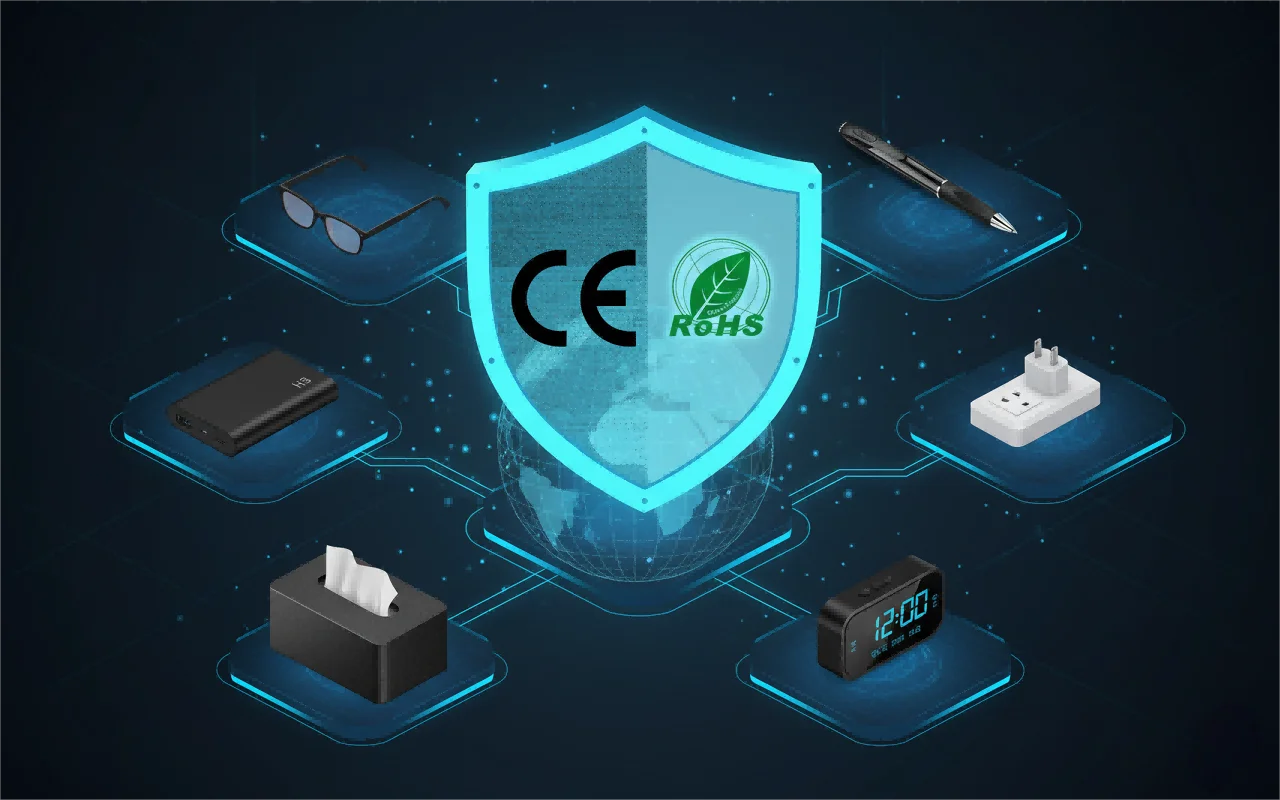
Why do UK employers install workplace cameras in the first place?
Theft prevention sits at the top of the list. Retail premises, warehouses, and cash-handling businesses lose millions every year to internal and external theft. A visible camera at the point of sale or the stock room door changes behaviour without a single word being spoken.
Health and safety is the second driver. Construction sites, manufacturing floors, and logistics depots use cameras to verify that safety protocols are being followed. When an incident occurs, footage provides an objective record of what happened — essential for insurance and regulatory investigations.
Then there’s the liability shield. If a customer slips in your shop or alleges that a member of staff behaved inappropriately, camera footage can confirm or refute the claim within minutes. Without it, you’re relying on recollections that fade and contradict each other.
But here’s the thing — the reason you install a camera matters far less than how you go about it. A legitimate aim doesn’t give you a blank cheque to record everywhere and everyone.
Operational efficiency also plays a role. Fleet operators monitor drivers for route compliance and safe driving. Office-based employers use cameras to secure server rooms and areas where high-value equipment is stored. The use cases are varied, but the legal framework that governs them is the same.
For wholesalers and distributors supplying these businesses, understanding the legal boundaries isn’t academic — it’s a sales enablement tool. Your B2B buyers need to get this right, and they’ll value a supplier who can steer them away from legal trouble.
What laws actually govern workplace cameras in the UK?
Four pieces of legislation intersect to create the UK’s workplace surveillance framework. Miss any one of them and you’ve got a blind spot.
The Data Protection Act 2018 and UK GDPR are the primary regulators. Any footage that captures an identifiable person — which is to say, virtually all workplace footage — counts as personal data. That triggers the full set of data protection obligations: lawful basis, transparency, data minimisation, secure storage, and defined retention limits.
The Human Rights Act 1998, Article 8 establishes a right to private life that includes a degree of privacy in the workplace. Employees don’t forfeit all privacy rights the moment they clock in. Monitoring must be justified and proportionate, not assumed or blanket.
The Employment Rights Act 1996 implies a duty of trust and confidence between employer and employee. Excessive or covert monitoring without proper cause can breach that duty and open the door to constructive dismissal claims.
And then there’s the Criminal Justice and Courts Act 2015, which criminalises voyeuristic recording. If a camera is placed where a person would reasonably expect privacy — changing rooms, bathrooms, nursing rooms — the person who installed it may have committed a criminal offence, not merely a civil wrong.
Here’s what most people get wrong: they think consent is the magic word that makes everything lawful. It isn’t. Under UK GDPR, consent is one of six lawful bases for processing personal data, but it’s rarely the right one for workplace monitoring. Employees are in a position of imbalance relative to their employer; consent given under those conditions is often not “freely given” in the legal sense. The more appropriate basis is usually “legitimate interests” — but only if you can demonstrate that the monitoring is necessary and proportionate, and that employees’ privacy rights don’t override it.
| Law | What It Regulates | What Happens If You Breach It |
|---|---|---|
| Data Protection Act 2018 / UK GDPR | Personal data in footage | ICO investigation, fines up to £17.5m or 4% of turnover |
| Human Rights Act 1998 (Art 8) | Reasonable expectation of privacy | Civil claims, tribunal claims |
| Employment Rights Act 1996 | Duty of trust and confidence | Constructive dismissal, grievance claims |
| Criminal Justice and Courts Act 2015 | Voyeuristic recording | Criminal prosecution |
When does hidden or covert recording cross the legal line?
This is where most employers — and their suppliers — get into trouble. There’s a meaningful difference between a visible, disclosed camera and a hidden one.
Visible cameras, properly signposted, are generally lawful when the purpose is legitimated and proportionate. The key word is “disclosed.” Staff and visitors know the camera is there; the notice explains why it’s there. That transparency is what makes the processing lawful.
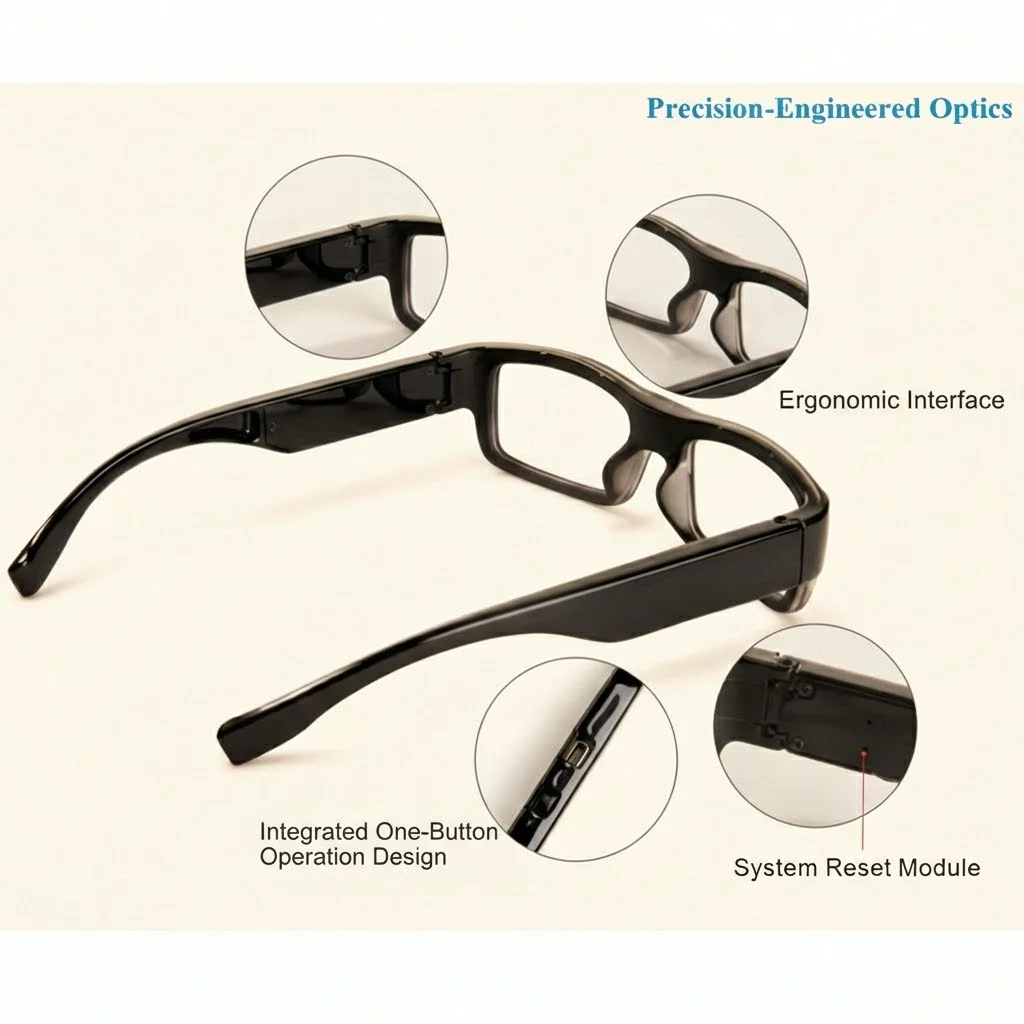
Covert cameras — those hidden inside smoke detectors, clocks, USB chargers, or other everyday objects — occupy a much narrower legal space. The ICO’s position is clear: covert monitoring is only justifiable in extreme circumstances, typically where you’re investigating suspected criminal activity and you have reasonable grounds to believe that disclosing the surveillance would tip off the suspects.
Even then, covert monitoring must be:
– Targeted, not general — you monitor a specific area for a specific reason, not the whole premises indefinitely.
– Time-limited — you set an end date for the covert operation and review whether it’s still justified.
– Subject to a DPIA — a Data Protection Impact Assessment must be completed before any covert monitoring begins.
– Proportionate — the suspected wrongdoing must be serious enough to justify the intrusion into privacy.
Here’s the practical reality for wholesalers and installers. If a business customer asks you about hidden cameras for “keeping an eye on staff,” that’s a red flag. Recommend visible, signposted systems instead. If they persist, document the conversation and consider whether you want the liability of supplying equipment for what may be an unlawful purpose.
For distribution and wholesale buyers reading this: if your end customer is asking for covert cameras to monitor employees without telling them, you need to be advising them on the legal risk they’re taking on. It’s not just about selling product — it’s about protecting your business relationship by steering them right.
Key Takeaway: Covert cameras are for investigating suspected crime, not for routine employee monitoring. If you can’t articulate a specific, serious reason why visible cameras won’t work, covert recording is probably unlawful.
| Scenario | Visible Camera | Covert Camera |
|---|---|---|
| Preventing shoplifting | Lawful with signage | Risky — signage is the better approach |
| Investigating suspected internal theft | Lawful with DPIA and staff notice | May be justified with DPIA, targeted deployment, time limit |
| Monitoring employee productivity | Not proportionate under most interpretations | Almost certainly unlawful |
| Securing server room / cash safe | Lawful with signage | Could be justified if signage would compromise security — DPIA required |
| Monitoring staff break room | Not proportionate — private space | Unlawful — private space |
Where can you legally place cameras in a UK workplace?
The “reasonable expectation of privacy” test is the compass. If a person would reasonably expect privacy in a particular space, you shouldn’t be recording there.
Clear yes: Entrances, exits, retail floors, warehouse loading bays, cash registers, server rooms, external perimeters. These are communal or security-sensitive areas where the expectation of privacy is low and the security justification is high.
Clear no: Bathrooms, changing rooms, nursing rooms, prayer rooms, and — in most circumstances — staff break areas. These are private spaces. Placing a camera here is almost certainly unlawful and may constitute a criminal offence under the Criminal Justice and Courts Act 2015.
Context-dependent: Open-plan offices, corridors, and kitchens. Cameras here can be lawful if the purpose is clearly explained, the coverage is proportionate, and there’s a genuine security or safety justification. Blanket monitoring of everyone’s desk activity, however, is difficult to justify.
The ICO’s guidance emphasises the necessity and proportionality test. Ask yourself: is there a less intrusive way to achieve the same aim? If the answer is yes, the camera placement may not be justified.
For wholesalers advising clients, a simple walkthrough of the premises is worthwhile. Point out the spaces where cameras obviously shouldn’t go. It demonstrates competence and protects both of you if questions arise later.

Key Takeaway: If someone would reasonably expect privacy in the space, don’t put a camera there. When in doubt, exclude it — the ICO’s enforcement stance is more protective of privacy than many employers assume.
| Location | Generally Acceptable? | Conditions |
|---|---|---|
| Entrance / exit | Yes | Signage recommended |
| Retail floor | Yes | Signage required |
| Warehouse / loading bay | Yes | Proportionate coverage |
| Server room | Yes | Access-controlled area |
| Cash handling area | Yes | Signage and limited access to footage |
| Corridor / circulation space | Usually yes | Purpose must be clear |
| Open-plan office | Context-dependent | Proportionate; consider privacy expectations |
| Staff kitchen / break room | Generally no | Private space unless exceptional justification |
| Bathroom / changing room | No | Criminal offence risk |
| Prayer room | No | Private space |
What’s the GDPR compliance checklist for workplace surveillance?
If you’re supplying or installing cameras for UK businesses, your clients need a practical checklist they can actually follow. Here’s what compliance looks like in practice.
1. Identify your lawful basis. For most workplace surveillance, this is “legitimate interests” under Article 6(1)(f) of UK GDPR. You need to be able to articulate the legitimate interest, demonstrate necessity, and balance it against employees’ privacy rights.
2. Conduct a DPIA (Data Protection Impact Assessment). For any surveillance system — and certainly for anything covert — a DPIA is compulsory. It documents the risks to individuals’ privacy and the measures you’re taking to mitigate them. No DPIA, no lawful processing.
3. Issue a privacy notice. Employees and visitors need to know they’re being recorded: where, why, for how long, and who to contact with questions. This isn’t optional — it’s a transparency requirement under Article 13 and 14.
4. Minimise the data. Don’t record audio unless you have a specific and lawful reason — and remember that audio recording laws are stricter than video. Don’t point cameras at spaces they don’t need to cover. Use privacy masking on overlapping fields of view where appropriate.
5. Restrict access. Footage should be accessible only to authorised personnel. A nominated data protection lead should manage access requests and ensure that footage isn’t being viewed casually or for unauthorised purposes.
6. Define retention periods. How long will footage be kept? For most commercial purposes, 30 days is a standard starting point, but this depends on the context. After the retention period expires, footage should be securely deleted unless it’s been flagged for a specific investigation.
7. Secure the system. Footage must be stored securely — encrypted if possible, with access logged. A breach of surveillance footage is a personal data breach under UK GDPR and may need to be reported to the ICO within 72 hours.

Key Takeaway: GDPR compliance isn’t a one-time box-tick. It’s a set of ongoing practices: DPIA, privacy notice, access controls, retention limits, and secure storage. If your client can’t answer a subject access request within 30 days, they’re already non-compliant.
| Requirement | Action | ICO Reference |
|---|---|---|
| Lawful basis | Document under Article 6(1) | UK GDPR Art 6 |
| DPIA | Complete before deployment | UK GDPR Art 35 |
| Privacy notice | Issue to staff and visitors | UK GDPR Art 13/14 |
| Access restriction | Role-based access controls | UK GDPR Art 32 |
| Retention policy | Define and enforce deletion | UK GDPR Art 5(1)(e) |
| Security | Encrypt stored footage; log access | UK GDPR Art 32 |
| Breach notification | Report to ICO within 72 hours | UK GDPR Art 33 |
How does the ICO expect you to handle employee monitoring?
The Information Commissioner’s Office has published detailed employment practices guidance that makes its expectations clear. The summary version: monitor openly, monitor proportionally, and have a good reason.
The ICO expects employers to:
– Complete a DPIA before any monitoring begins — not after.
– Consider less intrusive alternatives — could the same aim be achieved with fewer cameras or no cameras?
– Tell staff what’s happening — in writing, before monitoring starts.
– Limit monitoring to what’s necessary — no blanket recording of everything, everywhere.
– Have a policy in place — a written surveillance policy that staff can read and understand.
The ICO also makes clear that monitoring should be reviewed periodically. The circumstances that justified camera installation two years ago may no longer apply. A yearly review of whether cameras are still needed, and whether they’re still positioned appropriately, is a good habit.
For wholesalers and installers, the ICO guidance is a useful reference to hand to clients who are uncertain. It’s also a shield: if a client insists on something you believe is non-compliant, pointing them to the ICO’s own guidance shows you acted responsibly.
Here’s what most people get wrong: they think that because “everyone else does it,” it must be legal. The ICO’s enforcement track record tells a different story. They have issued fines and enforcement notices for disproportionate workplace monitoring, and they take complaints from employees seriously.
For wholesalers exporting to Europe more broadly, the framework is similar under the EU GDPR. The differences are mainly in the supervisory authority (each EU member state has its own data protection commissioner) and in some specific sectoral laws. The core principles — lawful basis, transparency, proportionality, data minimisation — are the same.

Key Takeaway: The ICO’s position is that surveillance is justified only when it’s targeted, time-bound, and necessary. If you can’t explain the necessity in a sentence, you probably haven’t thought it through well enough.
| ICO Expectation | Practical Implication |
|---|---|
| DPIA before monitoring | No retroactive justification |
| Less intrusive alternative test | Must document why cameras are necessary |
| Written notification to staff | Part of onboarding and policy handbook |
| Periodic review | Annual audit of camera necessity and placement |
| Proportionality | No monitoring in private spaces, no blanket coverage |
| Subject access request compliance | 30-day response window; £10 fee max (often free) |
What are the penalties for getting workplace camera law wrong?
The consequences range from bureaucratic inconvenience to existential business risk. Understanding the penalty landscape helps explain why getting this right matters.
ICO enforcement is the most common risk. The ICO can issue enforcement notices (ordering you to stop unlawful processing), assessment notices (compelling you to undergo an audit), and monetary penalties. Under UK GDPR, the maximum fine is the higher of £17.5 million or 4% of global annual turnover.
Employment tribunal claims are a second route. If an employee can show that covert or excessive monitoring breached the duty of trust and confidence, they may resign and claim constructive dismissal. The financial remedy includes loss of earnings and, in some cases, injury to feelings.
Civil claims for privacy violations under the Human Rights Act are less common but not unheard of, particularly where the monitoring was voyeuristic or targeted at private spaces.
Reputational damage is harder to quantify but often more enduring. A business known to have secretly recorded staff in private areas will struggle to recruit and retain employees. In a tight labour market, that’s a real competitive disadvantage.
Here’s the thing: most penalties arise not from malicious intent but from ignorance. An employer who didn’t realise that bathrooms were off-limits, or who didn’t know that a DPIA was required, faces the same penalties as one who knew and didn’t care. Ignorance of the law is not a defence.
For wholesalers, the risk is more indirect but still real. If your customer gets fined or sued because of advice you gave — or failed to give — about camera placement or legal compliance, that relationship is damaged and your reputation in the market suffers.
Key Takeaway: The penalties aren’t theoretical. The ICO actively enforces, employment tribunals hear these cases, and reputational damage is lasting. The cost of getting compliant is far lower than the cost of getting caught.
| Penalty Type | Maximum / Typical Range | Trigger |
|---|---|---|
| ICO monetary penalty | £17.5m or 4% of turnover | Serious GDPR breaches |
| Employment tribunal | £100k–£500k+ (losses + injury to feelings) | Constructive dismissal from unlawful monitoring |
| Civil privacy claim | Varies; legal costs alone can be £50k+ | Human Rights Act Article 8 breach |
| Criminal prosecution | Unlimited fine; possible imprisonment | Voyeuristic recording (Criminal Justice and Courts Act 2015) |
| Reputational | Not quantifiable; ongoing | Any enforcement action made public |
How should wholesalers and installers advise their business clients?
If you’re in the B2B supply chain for surveillance equipment, your advice to clients is part of your value proposition. The best wholesalers don’t just shift boxes — they help customers deploy them lawfully and effectively.
Start with a site survey. Walk the premises with the client and identify where cameras are genuinely needed. Point out the spaces where cameras shouldn’t go. This demonstrates expertise and creates a record that the client was advised on compliance.
Provide a written recommendation. A one-page summary of camera positions, the reason for each, and the legal basis for the deployment helps the client justify the expenditure and demonstrates that proper thought was given to privacy.
Supply signage. Many wholesalers overlook this, but it’s a high-margin add-on and it helps ensure the client’s system is compliant from day one. “Smile — you’re on camera” isn’t legally sufficient; the signage should reference the purpose and whom to contact.
Explain the technology options. Not every client needs 4K resolution or AI person detection. A small retail shop may be perfectly well served by 1080p cameras at key positions. Over-specifying is a disservice — it makes the system more expensive and the footage harder to store and review.
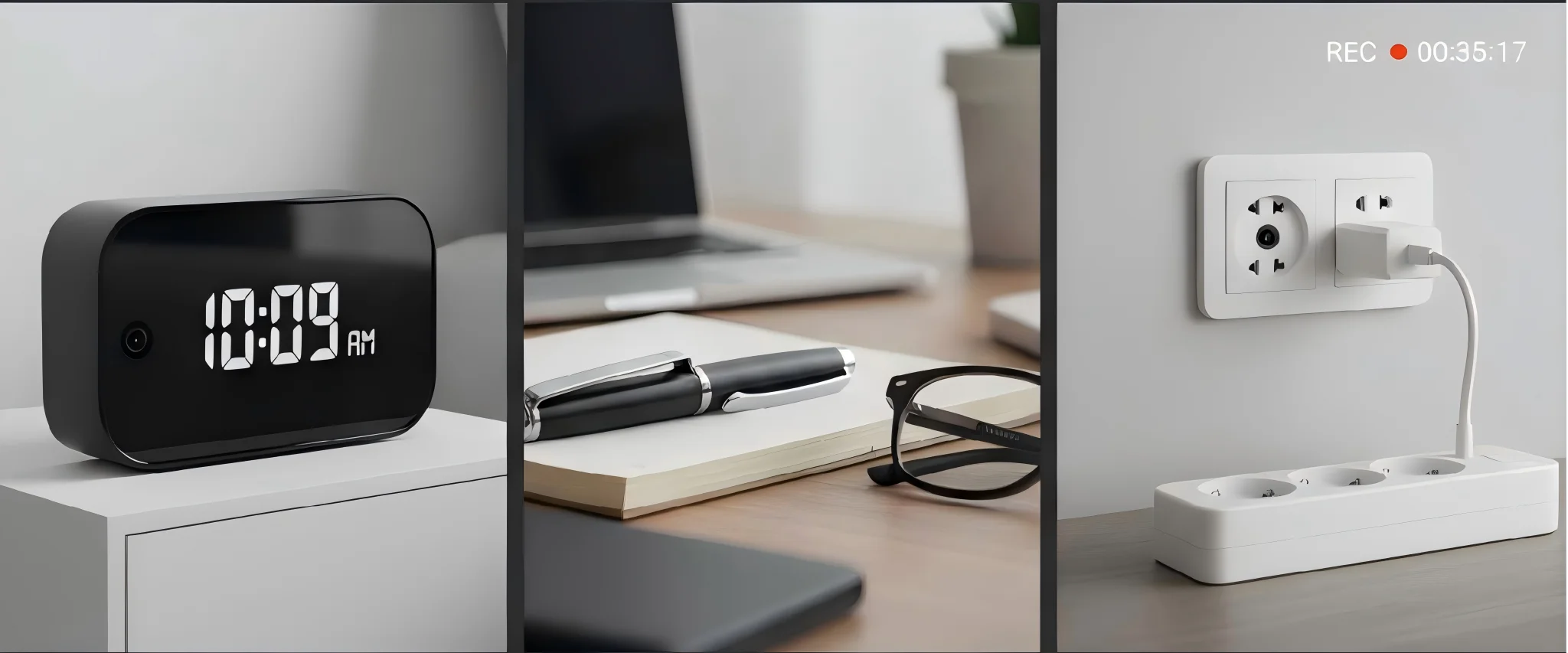
Highlight UK and CE certification. For the European market, CE marking under the RED (Radio Equipment Directive) and RoHS (Restriction of Hazardous Substances) is mandatory for wireless cameras. UK clients need UKCA marking or CE marking depending on the transition period status. Selling non-compliant equipment isn’t just a commercial risk — it can make the client’s entire installation non-compliant.
At QZT Security, we work with wholesalers and distributors who understand that compliance is part of the product. Our devices ship with the certification documentation your clients need to demonstrate lawful deployment. When you source from a supplier who understands the regulatory landscape, you’re not just buying hardware — you’re buying peace of mind.
Key Takeaway: The best B2B suppliers differentiate on advice, not just price. Helping your client get the legal bits right protects both of you and builds a relationship that outlasts a single order.
| Advisory Step | Why It Matters | For the Wholesaler |
|---|---|---|
| Site survey | Identifies necessity and avoids privacy breaches | Demonstrates expertise; creates upsell opportunity |
| Written recommendation | Documents lawful basis; protects both parties | Professional service differentiates from box-shifters |
| Signage supply | Transparency requirement under GDPR | High-margin add-on; ensures client compliance |
| Certification documentation | CE / UKCA marking is mandatory for legal deployment | Reduces your liability; adds value to the sale |
| Technology matching | Right-spec camera reduces cost and storage burden | Builds trust; encourages repeat business |
What camera features matter most for legal compliance?
Certain technical features make it easier for your clients to stay on the right side of the law. When specifying or recommending equipment, these are worth highlighting.
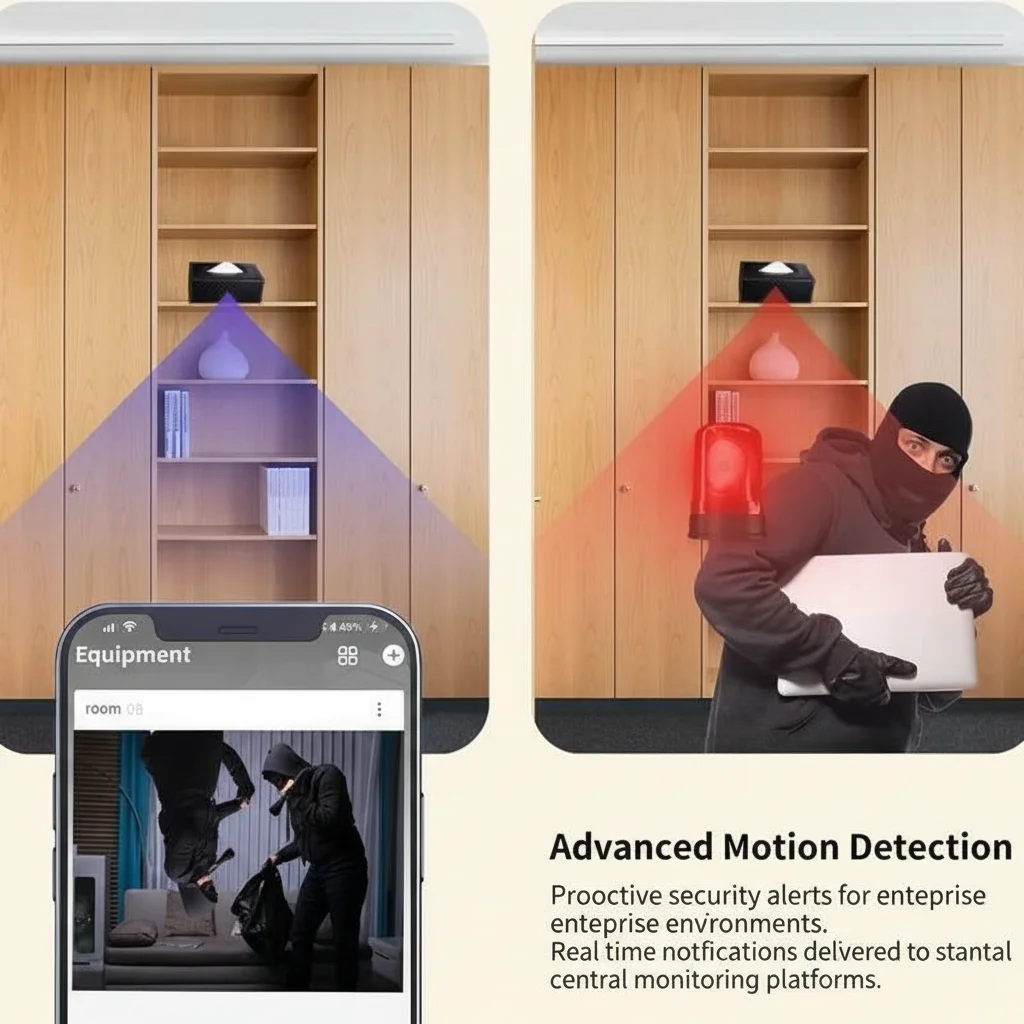
Privacy masking allows the installer to block out areas that shouldn’t be recorded — a neighbouring property, a public pavement, or a private area within the premises. This helps demonstrate that the system is proportionate and targeted.
Access logging records who accessed footage, when, and what they viewed. This is valuable evidence if a subject access request arrives or if there’s a dispute about improper viewing of footage.
Configurable retention lets the client set footage to auto-delete after a defined period. This supports the GDPR storage limitation principle and removes the manual burden of deleting old footage.
No audio by default is a sensible baseline. Audio recording is more legally sensitive than video, and many businesses don’t need it. Being able to disable audio at the hardware or software level removes a compliance risk.
Clear labelling and signage kits from the manufacturer show that transparency was built into the deployment, not added as an afterthought.
For wholesalers, these features are selling points. A business customer comparing two cameras will value the one that makes compliance easier. It’s not just about the image quality — it’s about the operational burden of running the system lawfully.
The range at QZT Security includes models with configurable retention, privacy zone masking, and access logging. For wholesalers supplying the UK and European markets, these features aren’t nice-to-haves — they’re what informed buyers are starting to ask for.
Key Takeaway: Cameras that make compliance easier are more valuable to business buyers than cameras that don’t. Privacy masking, access logs, and configurable retention aren’t marketing fluff — they’re the tools your clients need to stay lawful.
| Feature | Compliance Benefit | Buyer Value |
|---|---|---|
| Privacy masking | Demonstrates proportionality | Avoids capturing neighbour’s property |
| Access logging | Shows who viewed footage and when | Essential for subject access requests |
| Configurable retention | Automated compliance with storage limitation | Removes manual deletion burden |
| Audio disable | Removes heightened privacy risk of audio recording | Many businesses don’t need audio |
| Signage kit included | Supports transparency requirement | One less thing for the client to source |
| CE / UKCA certification marked | Mandatory for legal sale and installation | Protects client from enforcement |
Where should you buy compliant workplace surveillance equipment?
The UK and European markets have seen an influx of low-cost surveillance equipment that doesn’t carry the necessary certifications. For a business deploying these devices, that’s a problem — the equipment itself may be non-compliant with radio equipment or electromagnetic compatibility standards, and that can invalidate insurance or complicate enforcement defences.
At QZT Security, we stock a range of surveillance devices — from visible dome cameras to discreet units suitable for sensitive commercial environments — all with the certification documentation required for UK and EU deployment. We work with wholesalers and distributors who need reliable supply, technical documentation, and products that won’t create compliance headaches for their customers.
Our C10 WiFi Camera Module is an example: 2.4GHz WiFi connectivity, TUYA Smart App integration, and the CE certification that European business buyers need to see. For office environments where a low-profile installation matters, it’s a strong option.
For wholesalers serving the UK market specifically, we also support enquiries about UKCA marking and the transition arrangements that apply to equipment placed on the market. The regulatory landscape is genuinely complicated; having a supplier who can explain it saves you time and protects your customers.
If you’re specifying a workplace surveillance system and want to discuss compliant product options, contact us today. We’ll help you match the right equipment to the legal and technical requirements of your deployment — and make sure your client gets a system they can operate lawfully.
FAQ
Can I install a hidden camera in my UK workplace without telling staff?
No, not for routine monitoring. Covert cameras are only justifiable in narrow circumstances — typically investigating suspected criminal activity — and even then you need a DPIA and time-limited deployment. For ordinary workplace monitoring, visible cameras with proper signage are the lawful approach.
What’s the maximum fine for unlawful workplace surveillance in the UK?
Under UK GDPR, the ICO can impose a fine of up to £17.5 million or 4% of global annual turnover, whichever is higher. Most penalties are lower than the maximum, but even a mid-five-figure fine is painful for a small business — and the reputational damage often costs more.
Do I need to issue a privacy notice if cameras are only in customer-facing areas?
Yes. UK GDPR requires a privacy notice whenever you collect personal data. Even if staff aren’t being monitored, customers and visitors are identifiable from the footage. A privacy notice at the entrance and visible signage are both required.
How long can I keep workplace camera footage?
There’s no single legal answer; it depends on the purpose. Thirty days is a common retention period for general security footage, but if footage is flagged for a specific investigation, it can be retained longer. The key is to define the period in your policy and delete footage when it’s no longer needed.
What’s the difference between UK GDPR and EU GDPR for workplace cameras?
Substantively, they’re very similar. The UK retained GDPR as “UK GDPR” after Brexit, and the core principles are aligned. The main differences are in the supervisory authority (ICO for the UK; each EU state has its own) and some sectoral variations. For wholesalers supplying both markets, the compliance framework is broadly the same.

 English
  Italiano
  Deutsch
  Français
  Español
  Polski