
Najlepsze profesjonalne cyfrowe nagrywarki głosu w 2026 roku: Kompletny przewodnik dla kupujących
Dziennikarz z krótkim terminem nie ma czasu na przeszukiwanie notatek. Prawnik przygotujący pismo potrzebuje pełnego, dokładnego brzmienia świadectwa. Student, który przesiedział dwugodzinny wykład na akustyce, nie chce odkryć, że nagranie uchwyciło tylko szum pomieszczenia i dalekie murmury.
Prawidłowa nagrywarka głosu nie tylko przechwyci dźwięk — rozwiązuje konkretny problem. Problem dziennikarza jest różny od problemu muzyka, który jest różny od problemu zarządcy nieruchomości. Ten przewodnik jest zbudowany wokół tej rzeczywistości. Zamiast zaczynać od specyfikacji, zaczynamy od przypadków użycia, potem pokazujemy, które funkcje faktycznie mają znaczenie dla każdego.
Dlaczego Kupować Dedykowaną Nagrywarkę, Gdy Smartfony Nagrywają Audio?
To pierwsze pytanie, które większość kupujących pierwszy raz zadaje, i zasługuje na bezpośrednią odpowiedź.
Smartfon może nagrywać audio. Ale dedykowany nagrywacz wykonuje kilka rzeczy, których telefon nie może robić tak niezawodnie.
Niezależność baterii. Telefon nagrywający audio nie może być użyty do rozmów, wiadomości, nawigacji czy innych działań bez przerwania nagrania. Dedykowany nagrywacz działa niezależnie — może nagrać ośmiogodzinne spotkanie, gdy normalnie korzystasz z telefonu.
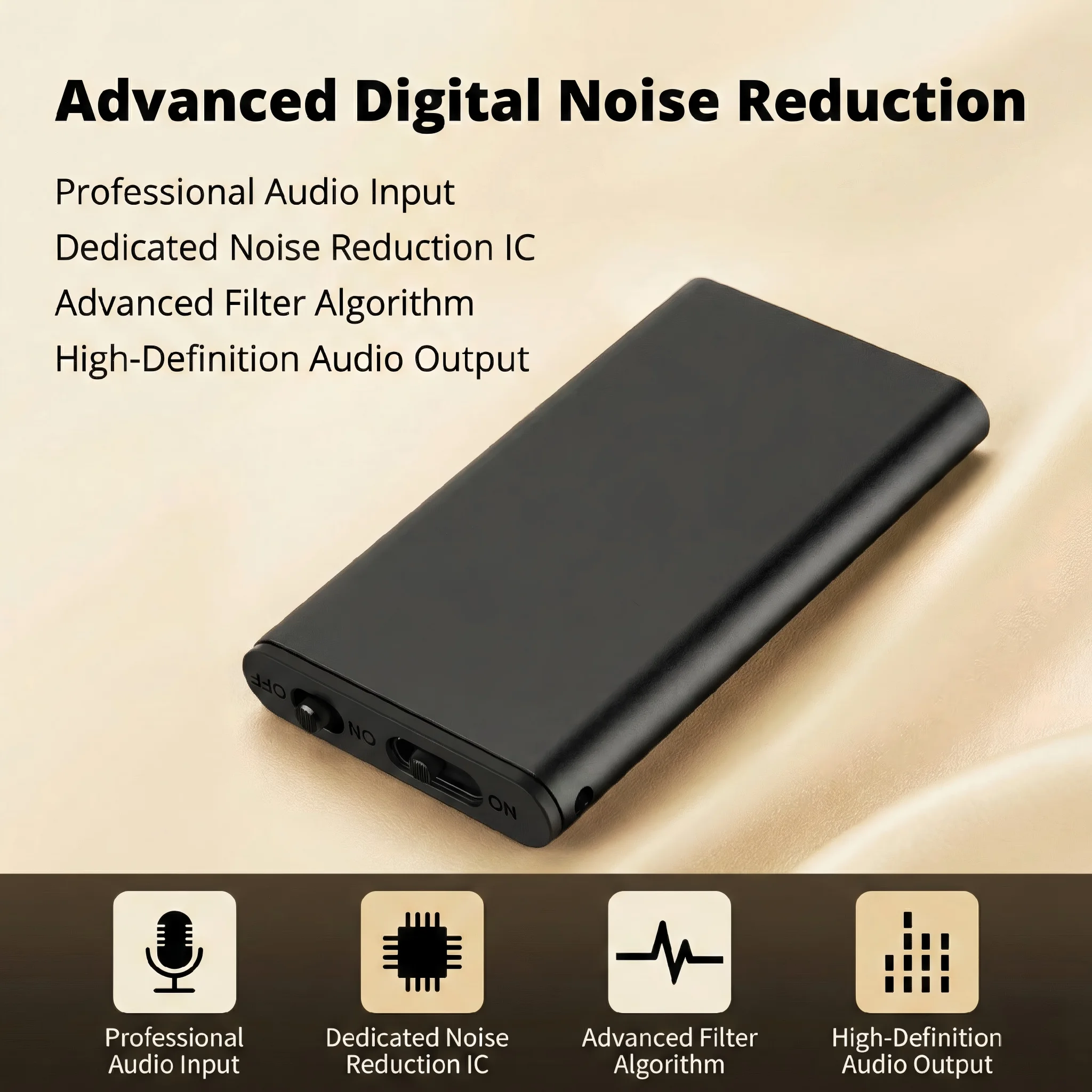
Dedykowane sprzęt. Nagrywarki głosu mają specjalnie zaprojektowane mikrofony, układ redukcji szumów i formaty nagrywania optymalizowane do przechwytywania głosu. Mikrofon telefonu jest zaprojektowany do przechwytywania osoby trzymającej telefon na poziomie ucha — nie osoby siedzącej na przeciwległym końcu stołu konferencyjnego.
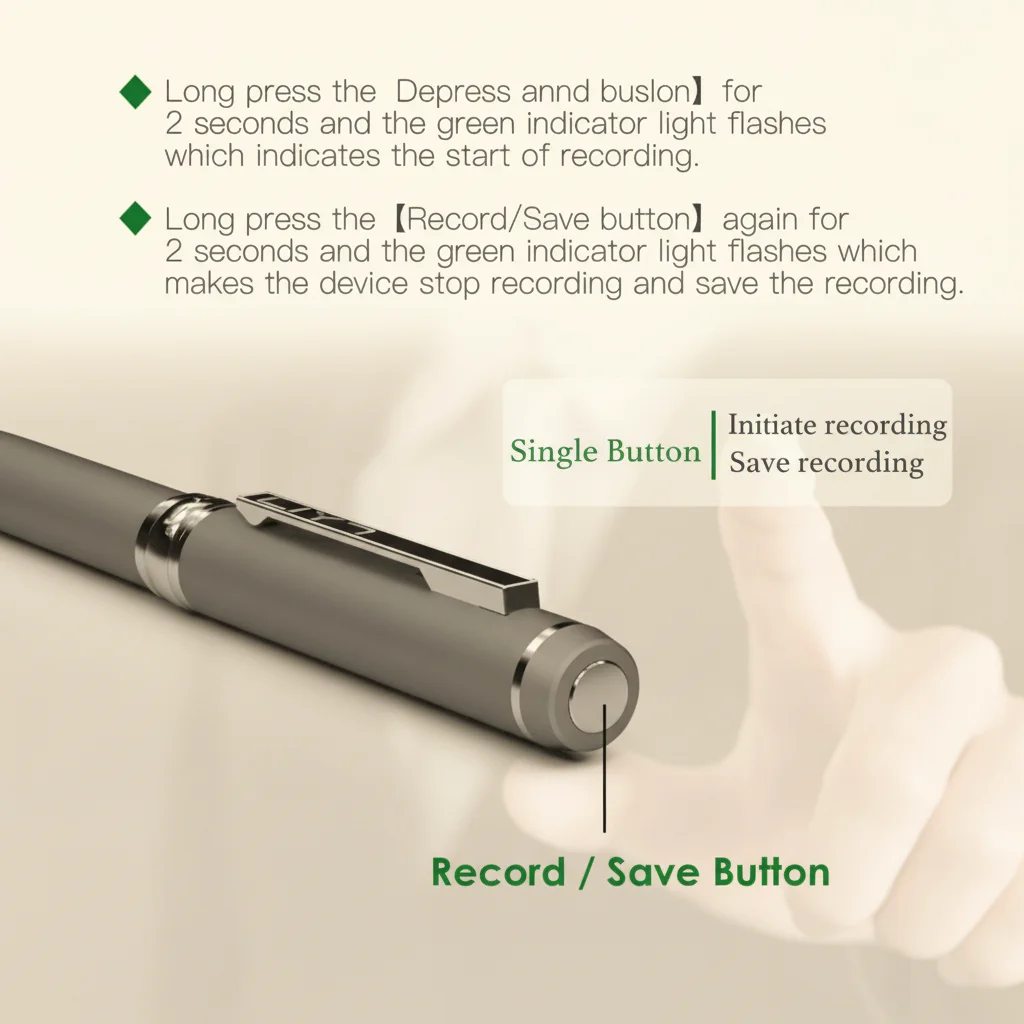
Prędkość startowa. Otwieranie aplikacji nagrywarki głosowej na telefonie zajmuje 5–15 sekund. Specjalizowana nagrywarka ma przycisk nagrywania z jednym kliknięciem. W spotkaniu, które zaczyna się niespodziewanie, ta różnica ma znaczenie.
Integralność dowodów. Nagranie na dedykowanym urządzeniu z własnym czasowo oznakowanym magazynem jest trudniejsze do podważenia niż nagranie telefonem. W celach profesjonalnej dokumentacji dedykowane urządzenie zapewnia czystszy ciąg dowodowy.
Dyskrecja. Trzymanie telefonu do nagrywania rozmowy zmienia dynamikę. Nagrywarka w kształcie długopisu, maszyna dyktująca lub mała nagrywarka stojąca na stole nagrywa bez zauważenia przez nikogo.
Zrozumienie specyfikacji jakości audio
Przed spojrzeniem na konkretne typy nagrywarek, pomaga zrozumieć specyfikacje faktycznie determinujące użyteczność nagrania.
Format audio i bitrate
Dwa najczęstsze formaty są MP3 i WAV:
– MP3: Skompresowane, mniejsze pliki, szeroko kompatybilne. Przy 128 kbps jest akceptowalne dla głosu; przy 192 kbps lub 256 kbps jest bardzo dobry dla głosu. Większość profesjonalnych nagrywarek głosowych domyślnie używa MP3 przy 128 kbps lub wyższym.
– WAV: Nieskompresowane, większe pliki, bez utraty jakości. WAV w 44,1 kHz/16-bit jest profesjonalnym standardem dla nagrań głosowych i jest bez zastrzeżeń akceptowany w postępowaniach prawnych. Plik WAV z wysokiej jakości mikrofonu jest znacznie wyraźniejszy niż MP3 przy tej samej jakości źródła.
Do profesjonalnego użycia — dokumentacji prawnych, rozmów do publikacji, uchwycenia dowodów — WAV w 44,1 kHz/16-bit jest właściwym wyborem. Koszt magazynowania jest umiarkowany: jedno godzinowe nagranie WAV w standardowej jakości jest około 600 MB.
Rodzaje Mikrofonów i Ich Znaczenie
Mikrofony stereo (konfiguracja Lewy-Prawy): Uchwycają szeroką, immersyjną panoramę dźwiękową. Najlepsze dla nagrywania muzyki, dokumentacji dźwięków środowiskowych i sytuacji, gdzie chcesz uchwycić pełne środowisko akustyczne. Dla celów tylko głosowych, stereo jest mniej istotne.
Mikrofony jednokierunkowe (kardioidowe): Odbierają głównie dźwięk z jednego kierunku — zazwyczaj z przodu urządzenia. Są zaprojektowane dla rozmów w hałaśliwych środowiskach i są standardową konfiguracją dla nagrywarek głosowych. Dobry mikrofon jednokierunkowy izoluje mówcę od szumu tła znacznie lepiej niż mikrofon telefonu.
Wprowadzenie mikrofonu zewnętrznego: Wiele profesjonalnych nagrywarek zawiera jack 3.5mm lub wlot XLR dla podłączenia zewnętrznego mikrofonu lavalier (przypinanego). Jest to kluczowe w sytuacjach interlokutorskich, gdy chcesz ukryć nagrywarkę w kieszeni lub torbie, a mikrofon na klapie przechwyci wyraźne audio z poziomu klatki piersiowej mówcy.
Sygnał do szumu
Ta specyfikacja — mierzona w decybelach (dB) — informuje, o ile głośniejszy jest pożądany sygnał (głos) w porównaniu z szumem tła. Dyktafon o stosunku sygnału do szumu 60 dB jest znacznie lepszy niż ten o 45 dB. Do profesjonalnego nagrywania głosu szukaj minimum 50 dB lub więcej; 60 dB lub więcej to standard profesjonalny.
Dopasowanie nagrywarki do Twojego przypadku użycia

Dla Dokumentacji Prawnych i Biznesowych
Jeśli jesteś prawnikiem, paralegalem, konsultantem lub kimkolwiek, kto potrzebuje wiarygodnych zapisów ważnych rozmów, Twoimi priorytetami są:
– Nagrywanie WAV z częstotliwością 44,1 kHz/16-bit — jest to niepodlegające negocjacjom dla każdego nagrania, które może być użyte w postępowaniu
– Automatyczne znaczniki czasu — niezbędne do nawigacji w długich nagraniach
– Duża pamięć wewnętrzna lub obsługa karty SD — możesz nagrywać dziesiątki spotkań miesięcznie
– Ochrona hasłem i szyfrowanie — poufne informacje klienta muszą być zabezpieczone
– Bezpośrednie połączenie USB — do szybkiego transferu do systemu zarządzania sprawami
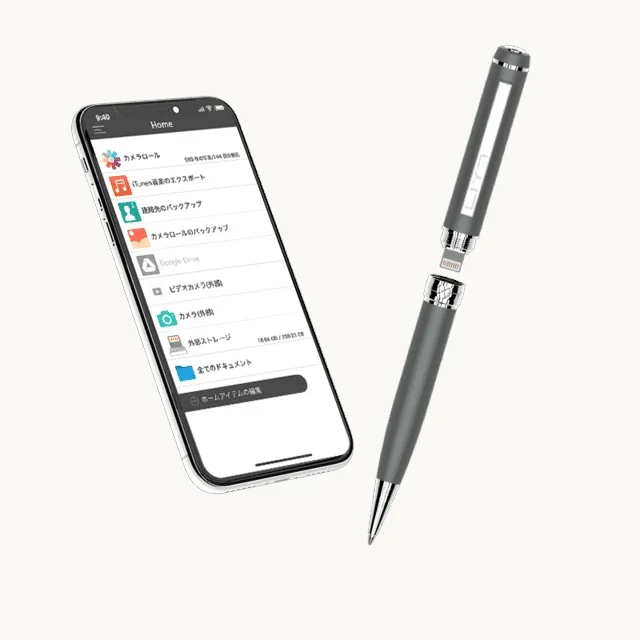
The Długopis do nagrywania głosu QZT A57 z WiFi został zaprojektowany dokładnie do tego zastosowania: nagrywa dźwięk w formacie WAV, obsługuje do 128 GB pamięci przez kartę SD i posiada łączność WiFi do bezpośredniego transferu na zabezpieczone urządzenia. Forma długopisu oznacza, że naturalnie leży na stole konferencyjnym i nagrywa bez zwracania na siebie uwagi.
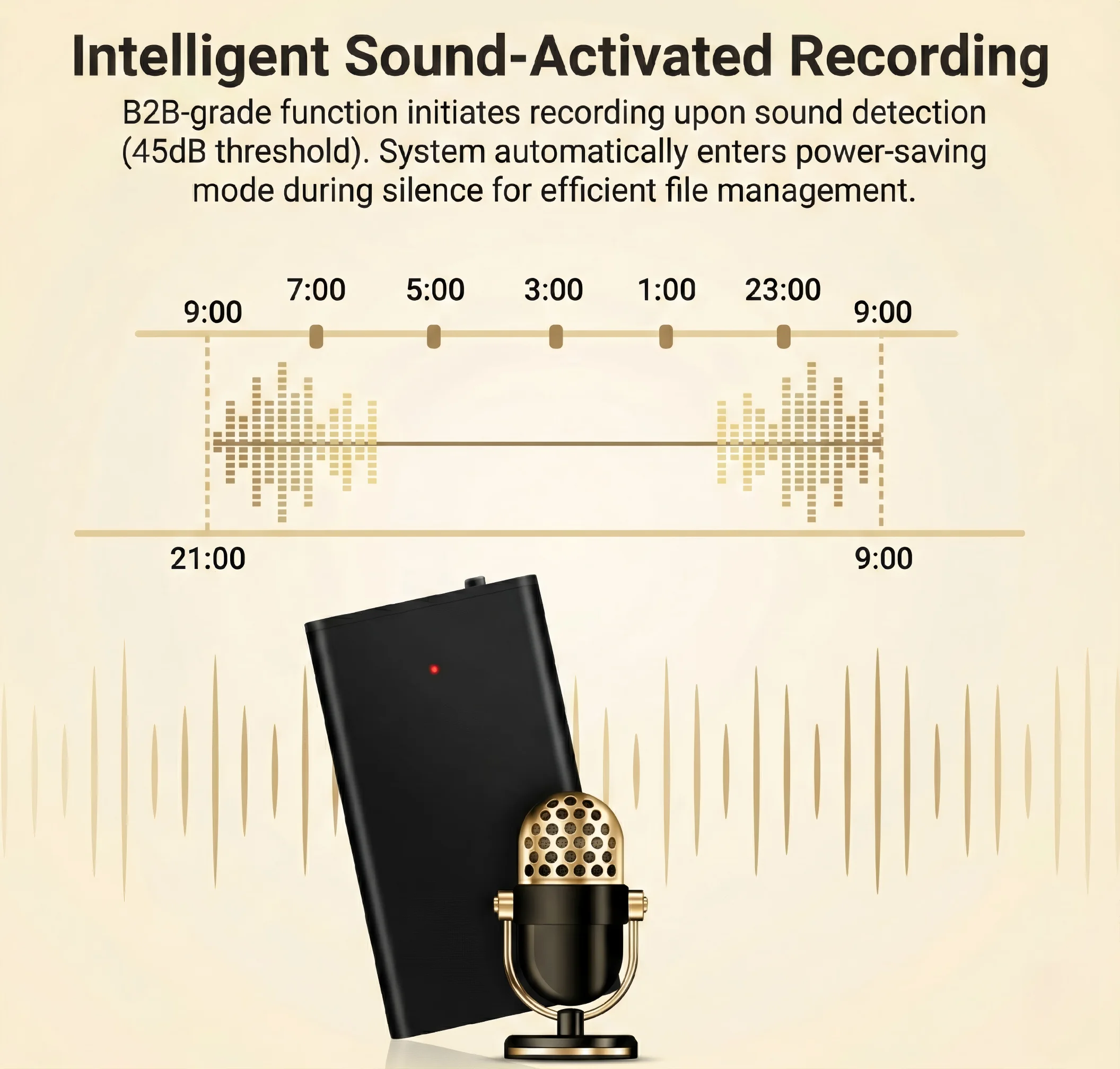
Do dłuższych sesji dyktowania — notatek prawniczych, uwag do umów, podsumowań spraw — Długopis dyktafonowy QZT z aktywacją głosową warto rozważyć. Aktywacja głosowa rozpoczyna nagrywanie w momencie wykrycia mowy, przedłużając żywotność baterii i pojemność pamięci poprzez eliminację godzin martwego powietrza.
Dla Dziennikarzy i Interlokutorów
Dziennikarze mają specyficzne wymagania wykraczające poza standardowe dyktowanie:
– Szybki start — możliwość rozpoczęcia nagrywania w ciągu jednej sekundy od naciśnięcia przycisku
– Wejście na zewnętrzny mikrofon lawetowy — do dyskretnego nagrywania podczas delikatnych wywiadów
– Redukcja wiatru i plosywów — wbudowane przetwarzanie do obsługi sybilantów i szumu oddechowego
– Solidna jakość wykonania — dyktafon, który przetrwa noszenie w torbie, kieszeni lub kurtce
– Jasna reprodukcja wokalna — dokładne przechwytywanie akcentu, tonu i dokładnego brzmienia
W dziennikarstwie terenowym dedykowany rejestrator głosu z zewnętrznym mikrofonem klapkowym jest często bardziej praktyczny niż rejestrator w długopisie. Sam rejestrator może znajdować się w torbie lub na biurku, podczas gdy kabel mikrofonu dyskretnie prowadzi do kołnierza mówcy.
The Kamera szpiegowska QZT W8 w długopisie z trybem nagrywania tylko dźwięku jest odpowiedni dla dziennikarzy potrzebujących zarówno dokumentacji wideo, jak i audio w jednym urządzeniu — szczególnie cenny w reportażach opartych na wywiadach, gdzie kontekst wizualny wraz z dźwiękiem dodaje wiarygodności zapisowi.
Dla Studentów i Badaczy Akademickich
Nagrywanie wykładów ma inne wymagania niż profesjonalna dokumentacja:
– Przechwytywanie głosu z dużej odległości — rejestrator może leżeć na biurku 3–5 metrów od wykładowcy
– Akustyka dużych pomieszczeń — echo i pogłos to istotne problemy w dużych salach wykładowych
– Battery life — cały dzień wykładów jeden po drugim może trwać 6–8 godzin
– Zakładki i organizacja plików — możliwość zaznaczania ważnych momentów podczas nagrywania
– Przystępna cena — studenci zazwyczaj mają ograniczone budżety
Do nagrywania wykładów szukaj rejestratorów z:
– Czuły mikrofon jednokierunkowy zdolny do przechwytywania dźwięku z odległości
– Czas pracy na baterii 20+ godzin
– pamięć karty SD 32 GB lub więcej
– Prosty transfer plików do komputera lub chmury
Niektóre rejestratory zawierają dedykowane tryby wykładów, które optymalizują czułość mikrofonu i kompresję dla mowy przechwytywanej z odległości. Jeśli często nagrywasz w pomieszczeniach z echem, ta funkcja jest warta priorytetyzacji.
Dla zarządców nieruchomości i geodetów
Dokumentacja nieruchomości wymaga innego podejścia niż standardowe nagrywanie głosu. Nie chodzi o przechwytywanie rozmowy — chodzi o przechwytywanie obserwacji. Rzeczoznawca nieruchomości przechodzący przez trzypokojowe mieszkanie musi wyraźnie opisywać ustalenia: “Kuchnia — laminowana podłoga w dobrym stanie, drobne przetarcia w pobliżu zlewu, brak oznak wilgoci za pralką, mechanizm okienny sprawny.”
Do tego zastosowania:
– Tryb dyktowania — zoptymalizowany pod kątem narracji jednego mówcy, a nie rozmowy wielu osób
– Długi czas pracy na baterii — pełna kontrola nieruchomości może trwać 2–3 godziny
– Zakładki plików — możliwość zaznaczenia początku każdego pomieszczenia
– Czysty dźwięk — wystarczająco, aby dokładnie rejestrować obserwacje w środowiskach z hałasem w tle (ruch uliczny, prace budowlane, systemy HVAC)
– Łatwy transfer plików — nagrania muszą być nazwane, uporządkowane i dołączone do raportów dotyczących nieruchomości
Transkrypcja AI: Rozwój 2026, który zmienia wszystko
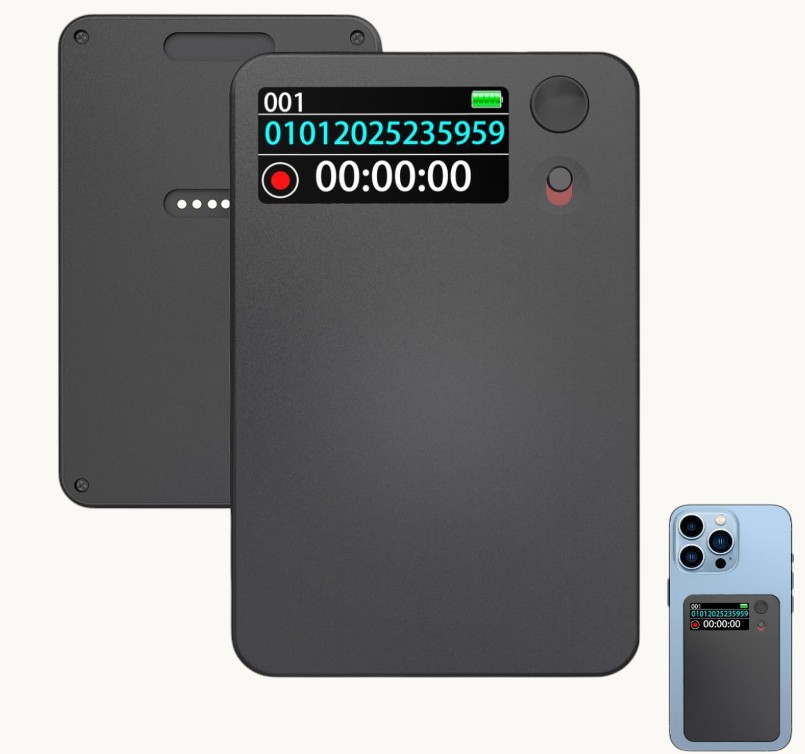
Największą zmianą w profesjonalnym nagrywaniu głosu w ciągu ostatnich dwóch lat jest integracja transkrypcji AI. Nowoczesne rejestratory i aplikacje do nagrywania mogą teraz automatycznie zamieniać mowę na tekst, a dokładność osiągnęła poziom, który jest naprawdę przydatny w pracy zawodowej.
Typowa konfiguracja transkrypcji AI działa następująco:
– Nagranie jest wykonywane normalnie (WAV lub wysokiej jakości MP3)
– Audio jest przetwarzane przez model AI — na urządzeniu lub w chmurze
– AI generuje transkrypt tekstowy z identyfikacją mówcy
– transkrypcja jest udostępniana wraz z oryginalnym dźwiękiem
Dla profesjonalistów potrzebujących przeszukiwalnych zapisów spotkań, to jest przełomowe. Zamiast słuchać dwugodzinnego spotkania, aby znaleźć konkretny punkt, możesz przeszukać transkrypt w kilka sekund.
Oceniając funkcje transkrypcji AI, sprawdź:
– Obsługa języków — niektóre narzędzia obsługują dziesiątki języków dokładnie; inne są tylko angielskie lub obsługują tylko kilka
– Identyfikacja mówcy — możliwość rozróżnienia różnych mówców podczas spotkania wielu osób
– Wskaźnik dokładności — narzędzia profesjonalnej klasy reklamują dokładność 95%+ w dobrych warunkach; dokładność spada przy akcentowanej mowie, hałasie w tle i słabej jakości mikrofonu
– Model prywatności — gdzie audio jest przetwarzane? Przetwarzanie w chmurze rodzi obowiązki ochrony danych zgodnie z RODO; przetwarzanie lokalne utrzymuje dane całkowicie pod Twoją kontrolą
– Formaty eksportu — napisy SRT, dokumenty Word, zwykły tekst, uporządkowane notatki — różne narzędzia oferują różne wyniki
Dla profesjonalistów z UE model prywatności ma znaczenie. Każdy system, który przesyła dźwięk na serwer w chmurze w celu przetwarzania przez AI, przetwarza dane osobowe zgodnie z RODO. Należy potwierdzić, że dostawca ma prawną podstawę, usuwa dźwięk po przetworzeniu (lub ma zobowiązanie umowne do tego) oraz że przetwarzanie nie przekazuje danych poza UE w sposób niezgodny z przepisami.
Magazynowanie: Planowanie dla rzeczywistego użycia
Pamięć masowa to praktyczne ograniczenie, które zaskakuje większość kupujących. Oto jak obliczyć, czego potrzebujesz.
Przy 44,1 kHz/16-bit WAV, jedna godzina nagrania stereo to około 600 MB. Przy 128 kbps MP3, jedna godzina to około 60 MB.
| Format | Pojemność 8 GB | 32GB Pojemność | 128GB Pojemność |
|---|---|---|---|
| WAV 44,1kHz/16-bit (stereo) | ~13 godzin | ~53 godziny | ~213 godzin |
| MP3 128kbps | ~130 godzin | ~533 godzin | ~2 133 godziny |
| MP3 256 kbps | ~65 godzin | ~266 godzin | ~1 067 godzin |
Dla większości zastosowań profesjonalnych 32 GB to praktyczne minimum — daje około 50 godzin nagrania w formacie WAV lub ponad 500 godzin w MP3. Jeśli nagrywasz często lub w wielu spotkaniach dziennie, lepszym wyborem jest 64 GB lub 128 GB.
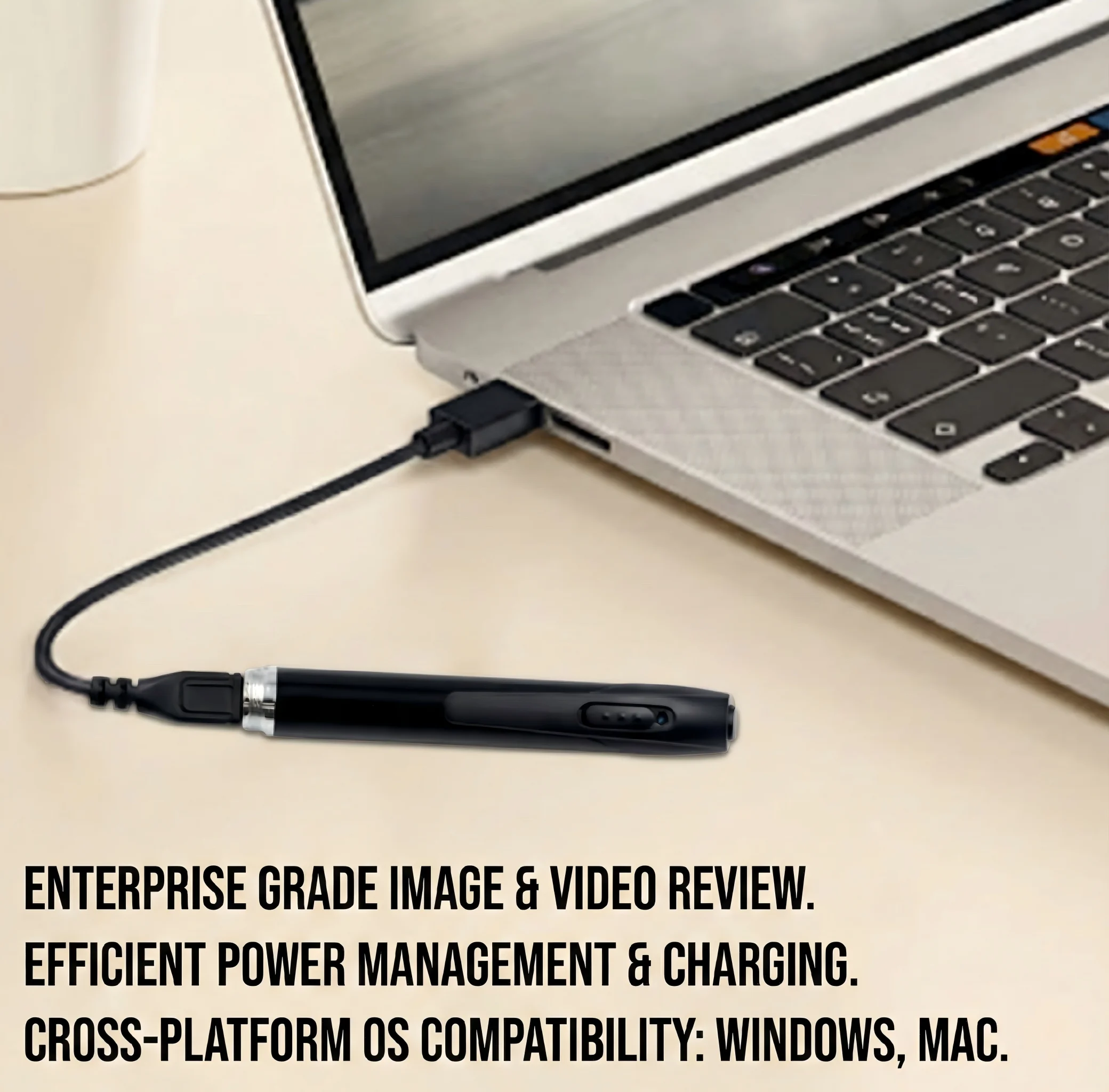
Kluczową cechą, na którą należy zwrócić uwagę, jest Obsługa karty SD. Pamięci wewnętrznej nie można rozszerzyć. Dyktafon z gniazdem na kartę SD pozwala na dodanie pamięci w razie potrzeby i wymianę kart między sesjami nagrywania.
Żywotność Baterii: Planowanie Długich Dni
Specyfikacje dotyczące żywotności baterii to kolejny obszar, w którym marketing i rzeczywistość się rozchodzą. Producenci reklamują maksymalny czas pracy baterii w idealnych warunkach — cicha sala, nowa bateria, najniższe ustawienie jakości. Rzeczywisty czas pracy baterii przy standardowej jakości nagrywania wynosi zazwyczaj 70–80% podanej wartości.
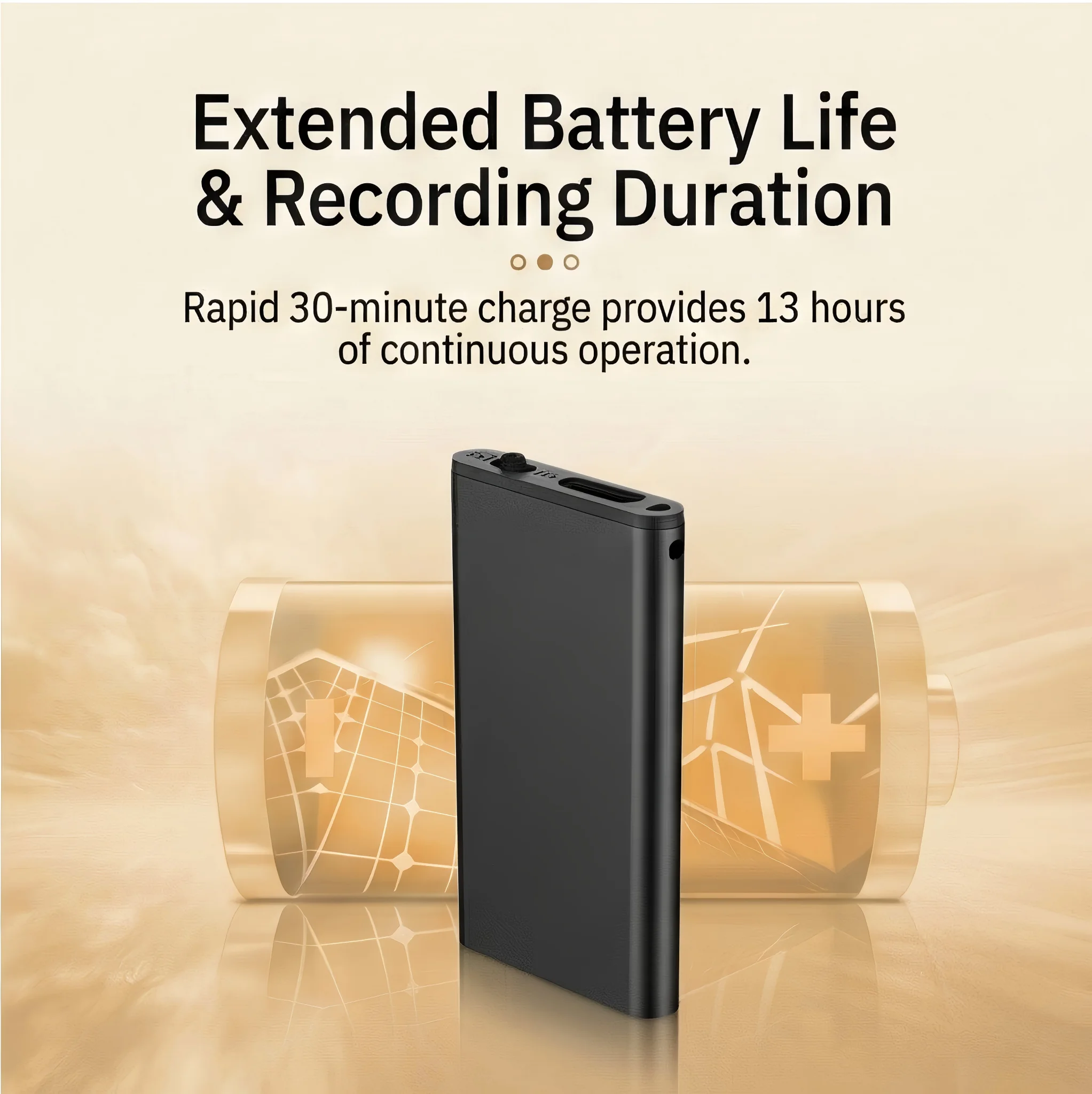
Do całodziennego nagrywania celuj w:
– Ciągłe nagrywanie przez 20+ godzin przy standardowym ustawieniu formatu
– Ładowanie USB-C — umożliwia ładowanie z power banka podczas nagrywania w razie potrzeby
– Wymienne baterie (AA lub AAA) — przydatne w pracy w terenie, gdzie nie masz dostępu do źródła zasilania; miej zapasowe
Niektóre rejestratory obsługują ładowanie power bankiem podczas nagrywania — podłączasz power bank do rejestratora przez USB-C i nagrywanie trwa, podczas gdy bateria się ładuje. To skutecznie eliminuje obawy o baterię w każdym scenariuszu nagrywania.
Lista kontrolna kluczowych funkcji według typu użytkownika
| Cecha | Prawny / Biznesowy | Dziennikarz | Student | Zarządca nieruchomości |
|---|---|---|---|---|
| WAV 44,1 kHz/16-bit | Niezbędne | Ważne | Miło mieć | Miło mieć |
| MP3 128 kbps+ | Standard | Standard | Standard | Standard |
| Zewnętrzne wejście mikrofonowe | Polecane | Niezbędne | Niepotrzebny | Niepotrzebny |
| Obsługa karty SD | Niezbędne | Niezbędne | Polecane | Niezbędne |
| Bateria na 20+ godzin | Polecane | Polecane | Niezbędne | Ważne |
| Ładowanie USB-C | Niezbędne | Niezbędne | Polecane | Polecane |
| Ochrona hasłem | Polecane | Ważne | Niepotrzebny | Niepotrzebny |
| Transkrypcja AI | Ważne | Ważne | Przydatne | Przydatne |
| Aktywacja głosowa | Opcjonalne | Opcjonalne | Niepotrzebny | Opcjonalne |
| Synchronizacja WiFi / chmura | Opcjonalne | Opcjonalne | Przydatne | Opcjonalne |
Typowe błędy przy zakupie rejestratora głosu
Kupowanie na podstawie rozdzielczości zamiast jakości mikrofonu. Rejestrator, który reklamuje “dźwięk wysokiej rozdzielczości”, ale ma tani mikrofon dookólny, będzie produkował gorsze nagrania niż prostszy rejestrator z jakościowym mikrofonem kierunkowym. Zawsze oceniaj bezpośrednio jakość mikrofonu — przetestuj nagrywanie w typowym dla siebie środowisku przed zakupem.
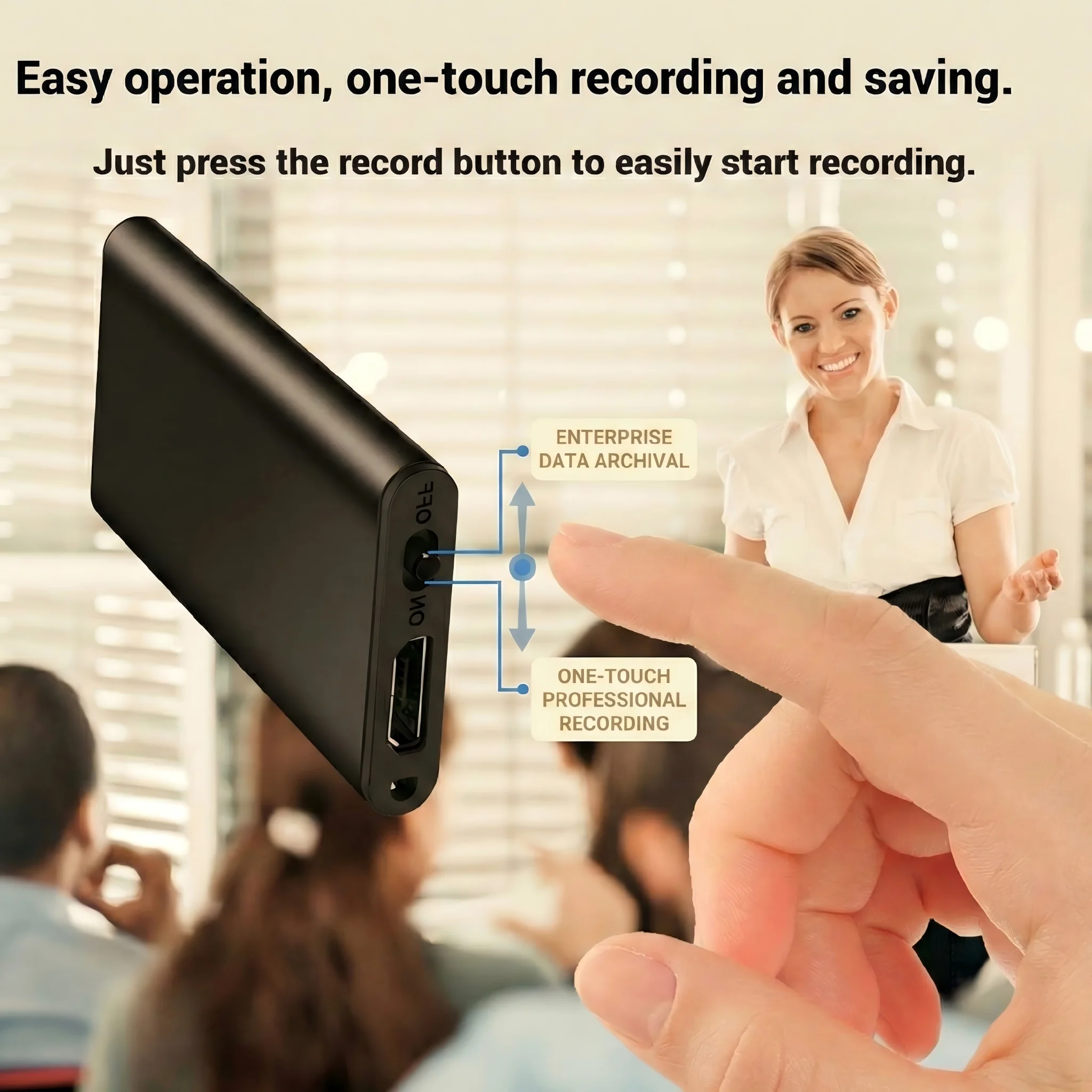
Ignorowanie formatu przechowywania. Kupowanie rejestratora, który nagrywa tylko w zastrzeżonym formacie, którego komputer nie może odtworzyć bez specjalnego oprogramowania. Sprawdź, czy rejestrator generuje standardowe pliki WAV lub MP3, które otwierają się w dowolnym oprogramowaniu audio lub odtwarzaczu multimedialnym.
Niedocenianie wymagań dotyczących baterii. Rejestrator, który wytrzymuje 10 godzin na jednym ładowaniu, brzmi wystarczająco, dopóki nie musisz nagrać 12-godzinnego dnia konferencji. Dodaj bufor 20–30% do wymagań dotyczących żywotności baterii.
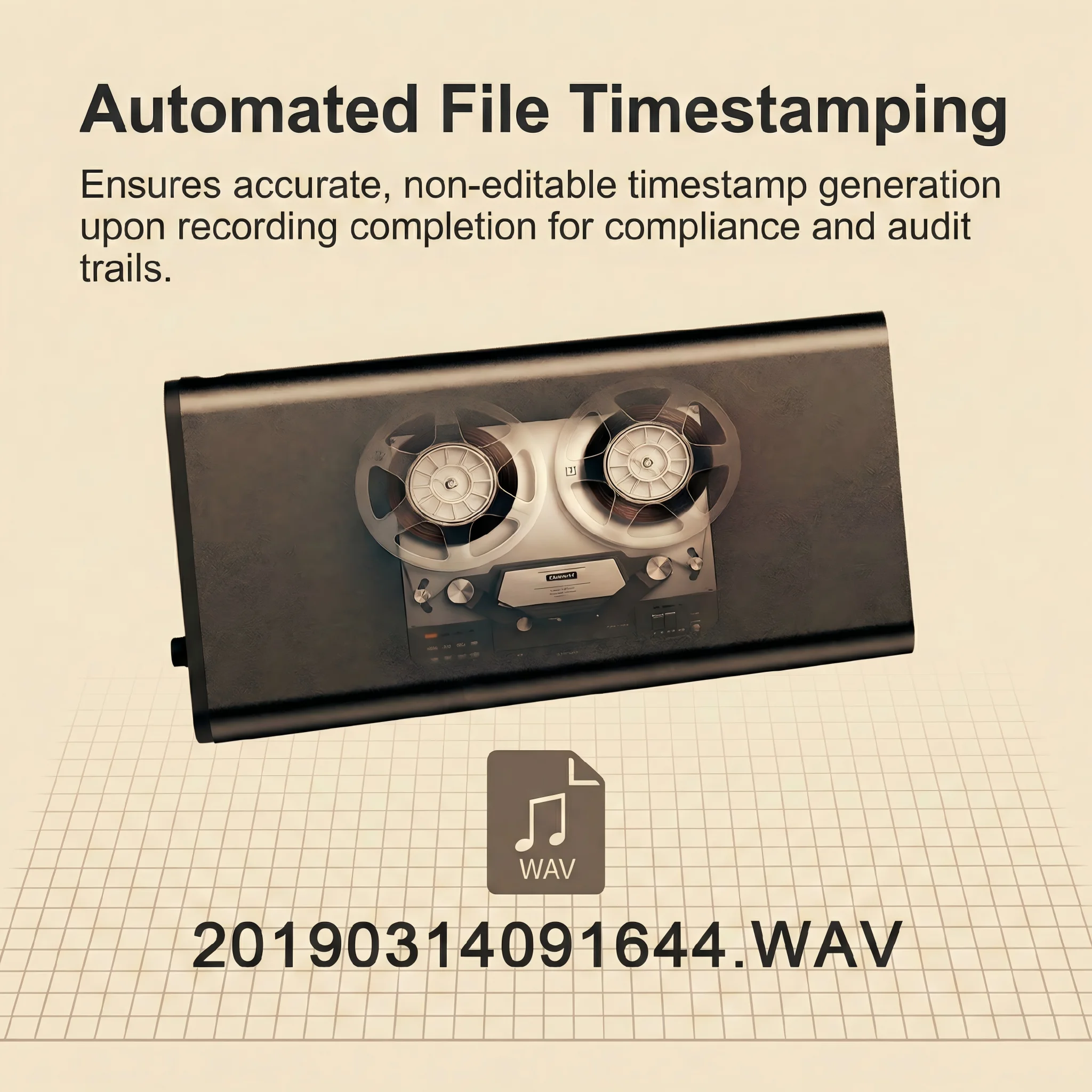
Niesprawdzanie nazewnictwa i organizacji plików. Niektóre rejestratory budżetowe nazywają pliki sekwencyjnie (VOICE001, VOICE002) bez daty lub kontekstu. To sprawia, że organizowanie nagrań z wielu sesji jest czasochłonne. Szukaj rejestratorów, które automatycznie nazywają pliki według daty i godziny.
Zapominanie o transferze. Rejestrator z 128 GB pamięci jest bezużyteczny, jeśli przesyłanie plików przez wolne połączenie USB 2.0 zajmuje 3 godziny. USB-C z prędkością transferu danych 5 Gb/s lub wyższą sprawia, że zarządzanie dużymi nagraniami jest praktyczne.
Budowanie Twojego zestawu do nagrywania
Rejestrator jest tak dobry, jak ekosystem wokół niego. Oto, co większość profesjonalnych użytkowników ostatecznie dodaje:
Jakościowy zewnętrzny mikrofon. Nawet budżetowy rejestrator z dobrym mikrofonem klapkowym przewyższy drogi rejestrator z wbudowanym mikrofonem w sytuacjach wywiadowczych. Røde SmartLav+, Movo PRO MC100 i Sony ECM-CS3 to powszechnie używane opcje mikrofonów krawatowych.
Osłona przeciwwiatrowa lub “deadcat”. Nawet w pomieszczeniach szum oddechu i przeciągi z klimatyzacji powodują dźwięki plozyjne, które pogarszają jakość nagrań. Prosta piankowa osłona przeciwwiatrowa kosztuje prawie nic, a robi znaczącą różnicę.
Mały statyw stolikowy. W sytuacjach, gdy rejestrator leży na stole — spotkania, wykłady, inspekcje nieruchomości — mały regulowany statyw pozwala optymalnie ustawić mikrofon bez podpierania urządzenia książkami lub papierami.
Koncentrator USB-C lub czytnik kart. Do szybkiego przesyłania dużych plików WAV, dedykowany czytnik kart może być szybszy niż bezpośrednie podłączenie rejestratora — i oznacza, że nie musisz nosić rejestratora do komputera.
Potrzebujesz urządzenia nagrywającego klasy profesjonalnej? Skontaktuj się z nami już dziś aby poznać naszą gamę długopisy z dyktafonem oraz rozwiązania do nagrywania dźwięku — stworzone dla profesjonalistów potrzebujących niezawodnej, dokładnej i prawnie obronnej dokumentacji.
Często zadawane pytania
Jakiej jakości audio potrzebuję do profesjonalnych nagrań głosowych?
Do każdego profesjonalnego zastosowania, gdzie nagranie może być użyte jako dowód lub dokumentacja — postępowania prawne, formalne wywiady, umowy — WAV przy 44,1 kHz/16-bit to standard profesjonalny. To rejestruje pełny zakres częstotliwości ludzkiej mowy i jest bezdyskusyjnie akceptowane w kontekstach prawnych i regulacyjnych. Do rutynowej dokumentacji, gdzie rozmiar pliku ma większe znaczenie niż absolutna jakość, MP3 przy 192 kbps lub wyższym jest akceptowalne.
Jak długo rejestrator głosu może nagrywać na pełnym naładowaniu?
Czas pracy na baterii różni się znacznie między modelami. Rejestratory podstawowe mogą działać 10–15 godzin. Modele profesjonalne z dużymi bateriami mogą nagrywać 20–40 godzin bez przerwy. Niektóre modele wspierają ładowanie z power banka podczas nagrywania, co skutecznie usuwa praktyczne ograniczenia czasu nagrywania. Zawsze sprawdzaj czas pracy na baterii w zamierzonym formacie nagrywania — podawana wartość jest zazwyczaj mierzona przy najniższej jakości.
Czy potrzebuję zewnętrznego mikrofonu do nagrywania głosu?
W przypadku wywiadów, dokumentacji nieruchomości lub każdej sytuacji, w której chcesz ukryć dyktafon lub umieścić go z dala od mówcy, warto zainwestować w zewnętrzny mikrofon krawatowy (klipsowy). Wbudowane mikrofony dyktafonów są zaprojektowane do użytku z bliskiej odległości — umieszczenie dyktafonu na stole 1–2 metry od mówcy znacznie obniża jakość dźwięku. Mikrofon krawatowy za 30–50 funtów podłączony do dobrego dyktafonu za każdym razem przewyższy nagranie z telefonu.
Czym jest transkrypcja AI i czy jest wystarczająco dokładna, aby na niej polegać?
Transkrypcja AI wykorzystuje modele uczenia maszynowego do automatycznego konwertowania mowy na tekst. W dobrych warunkach — czysty dźwięk, wymowa na poziomie rodzimym, minimalny hałas w tle — obecne narzędzia pozwalają osiągnąć wskaźniki dokładności na poziomie 95% lub wyższe. Dokładność spada przy mocnych akcentach, hałaśliwym otoczeniu, słownictwie technicznym i słabej jakości mikrofonu. Transkrypcja AI to potężne narzędzie zwiększające produktywność, ale powinna być ręcznie sprawdzona przed użyciem jako jedyne źródło zapisu ważnego spotkania lub wywiadu.
Czy nagrania głosowe mogą być używane jako dowód w postępowaniach prawnych?
W Wielkiej Brytanii nagranie wykonane przez uczestnika prywatnej rozmowy — na przykład przez adwokata nagrywającego spotkanie z klientem — jest generalnie dopuszczalne jako dowód, jeśli zostało uzyskane legalnie. Kluczowe wymagania to: nagranie zostało wykonane w prywatnym otoczeniu, w słusznym celu, bez przymusu i bez naruszenia innych przepisów. W krajach UE zasady dopuszczalności różnią się w zależności od jurysdykcji, a nagrywanie w niektórych krajach (zwłaszcza w Niemczech) podlega szczególnym ograniczeniom. Zawsze sprawdzaj przepisy obowiązujące w Twojej jurysdykcji przed opieraniem się na nagraniach w postępowaniu prawnym.
Ile pamięci potrzebuję do nagrań głosowych?
Do regularnego użytku profesjonalnego 32 GB to praktyczne minimum — pomieści około 50 godzin nagrań WAV lub ponad 500 godzin MP3 w standardowej jakości. Jeśli nagrywasz wiele długich spotkań tygodniowo lub pracujesz nad rozszerzonymi projektami, lepszym wyborem jest 64 GB lub 128 GB. Zdecydowanie zaleca się obsługę kart SD, ponieważ pozwala to na rozszerzenie pamięci w razie potrzeby i wymianę kart między sesjami nagraniowymi.
Czy rejestratory głosu w kształcie długopisu są wystarczająco dyskretne do użytku profesjonalnego?
Dyktafony w kształcie długopisu należą do najbardziej praktycznych dyskretnych opcji nagrywania do użytku profesjonalnego. Wyglądają identycznie jak zwykłe długopisy i naturalnie leżą na stole konferencyjnym, w kieszeni na piersi lub w teczce. Jakość dźwięku różni się w zależności od modelu — szukaj dyktafonów, które nagrywają dźwięk WAV w 44,1 kHz/16-bit i mają czuły mikrofon kierunkowy. Dyktafon w kształcie długopisu QZT A57 nagrywa w formacie WAV, obsługuje karty SD do 128 GB i posiada WiFi do bezpośredniego bezpiecznego przesyłu — co czyni go odpowiednim do użytku prawniczego, biznesowego i profesjonalnej dokumentacji.

 English
  Italiano
  Deutsch
  Français
  Español
  Polski