
Moja rada dla profesjonalnych kupujących jest skupienie się na praktycznym zastosowaniu. Czy kamera monitoruje małe biuro czy duży parking? Do biura, 1080P lub 3K jest idealne. Na parking, gdzie może być potrzebne cyfrowe przybliżenie tablicy rejestracyjnej z daleka, 4K może być właściwym wyborem. Ale dla większości zastosowań biznesowych w pomieszczeniach i małych obszarach, 3K trafia w punkt optymalny między wydajnością i efektywnością kosztową.
Kluczowe cechy kamery monitoringu WiFi to rozdzielczość 1080P, stabilne połączenie WiFi 2,4 GHz, powiadomienia o wykrywaniu ruchu oraz wyraźna noktowizja. W zależności od zastosowania istotne są również źródło zasilania (bateria vs. przewodowe) oraz forma obudowy (ukryta vs. jawna).
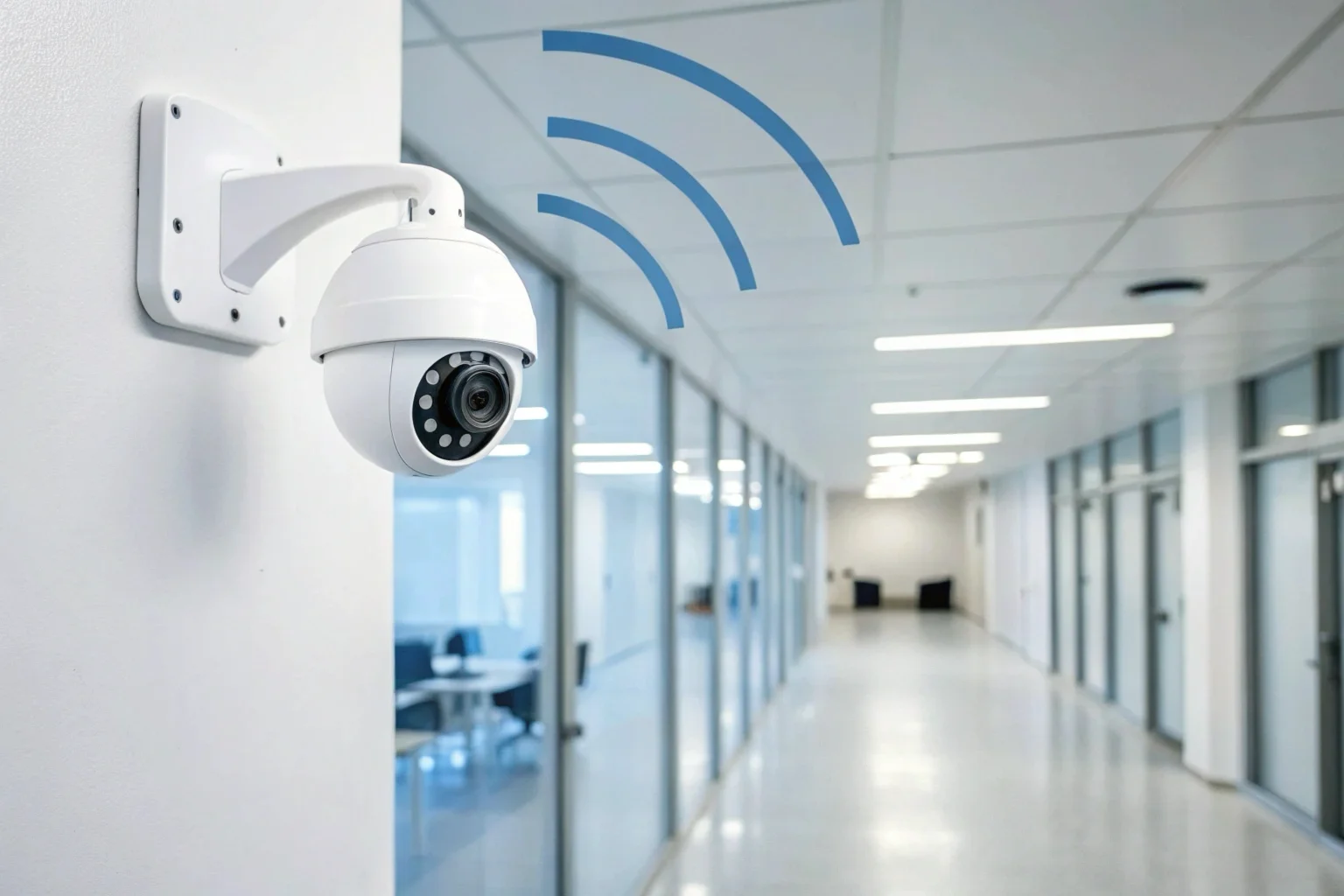
As a manufacturer, I see buyers focus heavily on these core features because they directly impact reliability and user satisfaction. A camera that fails in any of these areas will quickly lead to poor reviews and returns. Understanding how these elements work together is the first step to choosing a product that performs well for the end user and builds your brand's reputation. Now, let's explore some of the more detailed questions my clients in Italy, Poland, and France often ask.
Jak długo wytrzymują baterie w kamerze monitoringu WiFi?
Worried a battery-powered camera will fail at a critical moment? A device with poor battery life is unreliable. This creates security gaps and leaves your customers feeling unprotected.
A WiFi camera's battery can last from 75 minutes to over 20 hours on a single charge. The duration depends entirely on the battery's capacity (measured in mAh) and how the camera is used. Smaller, covert devices have shorter runtimes than larger units with bigger batteries.
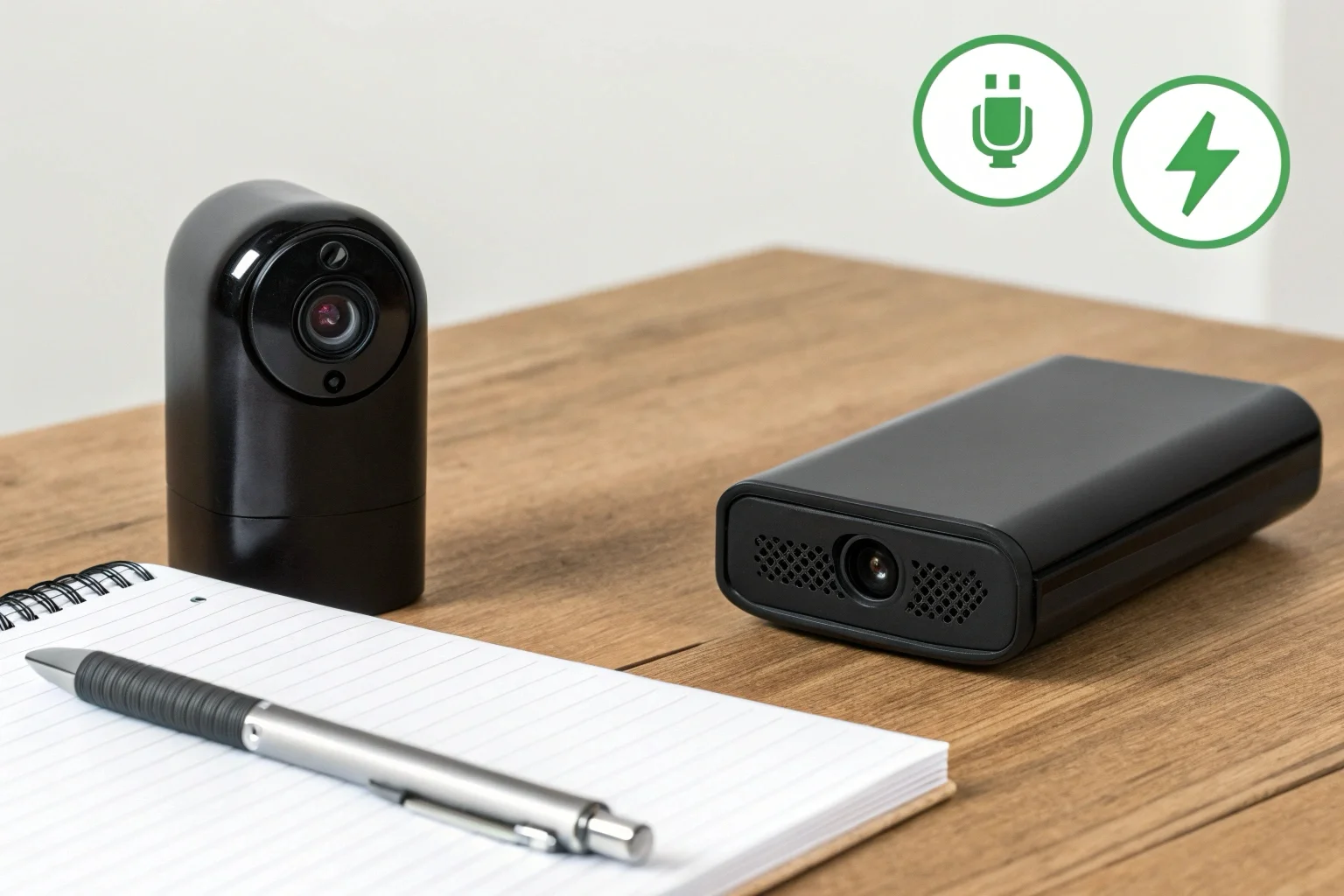
From my experience in production, battery life is a direct trade-off with device size. It is a simple matter of physics. A larger battery holds more power but makes the device bigger and less discreet.
Understanding Battery Capacity vs. Working Time
The relationship is straightforward. A higher milliamp-hour (mAh) rating means a longer potential working time. For instance, a small pen camera might have a 170mAh battery and run for about 75 minutes. A larger device, like one of our clock cameras or DIY modules, might use a 2800mAh battery, pushing the working time to 5–7 hours. For long-term surveillance, a power bank camera with a 5000mAh battery can record for 20 hours or more.
Factors That Drain the Battery Faster
It's not just about capacity. Real-world usage is very important.
- Continuous vs. Motion-Activated Recording: Recording 24/7 drains the battery much faster than recording only when motion is detected.
- Noktowizja: Diody podczerwieni (IR) używane do noktowizji zużywają dodatkową energię. Kamera pracująca w nocy będzie miała krótszy czas pracy niż ta działająca w dobrze oświetlonym otoczeniu.
- WiFi Signal Strength: If the camera is far from the router, it must use more power to maintain a stable connection. This can be a significant and often overlooked power drain.
For professional buyers, I always recommend matching the battery specifications to the intended application. For short-term, portable needs, a small battery is fine. For long-term, set-and-forget security, a larger battery or a plug-in model is necessary.
Which is better: battery or plug-in security cameras?
Can't decide between placement freedom and constant power? Choosing the wrong power source creates installation problems. You either have to run wires or deal with constant recharging.
Neither is better; the best choice depends entirely on the surveillance goal. Battery cameras offer unmatched flexibility for temporary or difficult placements. Plug-in cameras provide superior reliability for permanent, 24/7 monitoring where power is accessible.
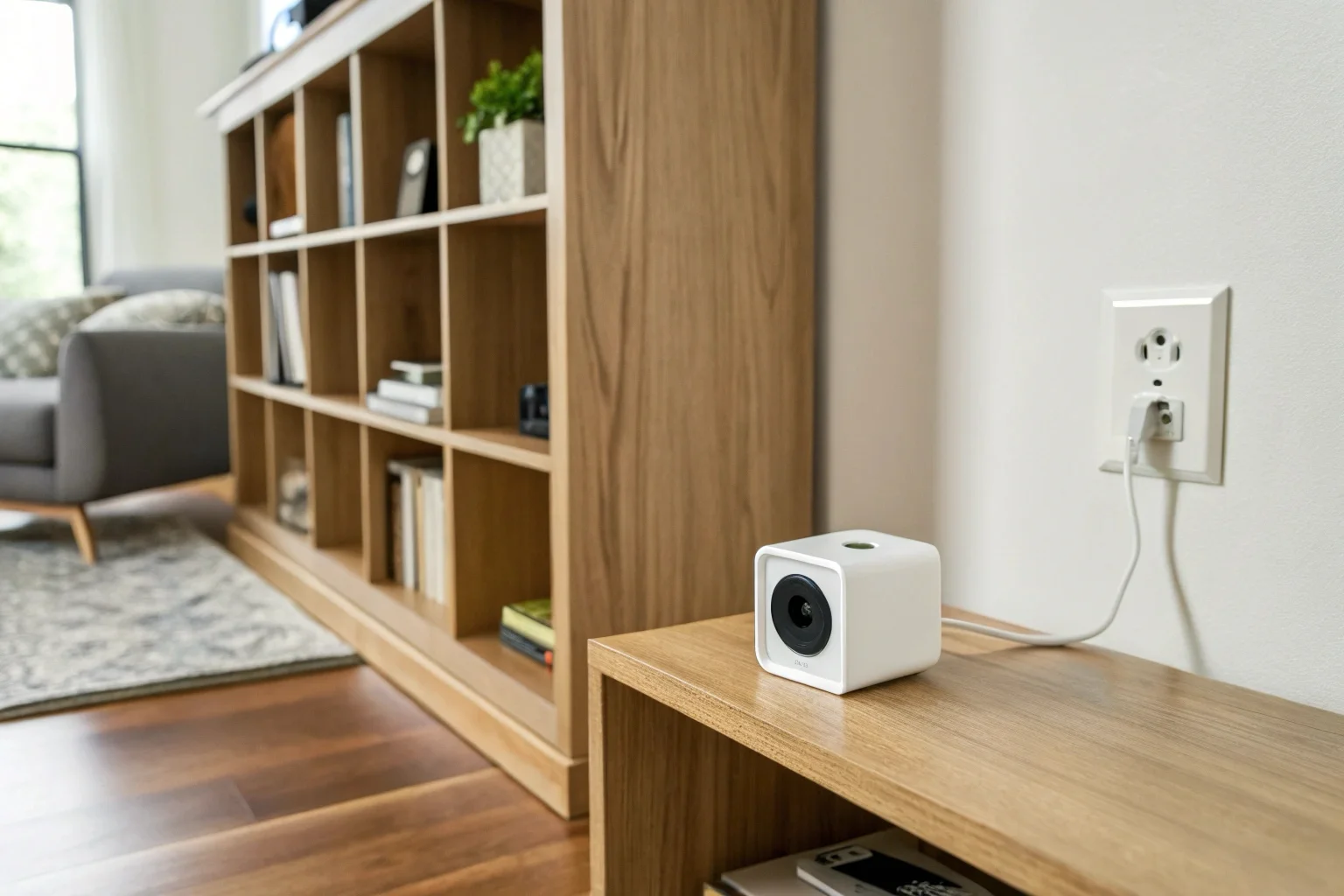
This is one of the most common discussions I have with my B2B clients. The decision always comes down to balancing convenience with reliability. An installer in France might prefer a battery model for a quick setup, while a German client focused on long-term stability will almost always choose a plug-in option.
We manufacture both types because the market needs both. Here is a simple breakdown.
| Cecha | Battery-Powered Cameras | Plug-in Cameras |
|---|---|---|
| Instalacja | Extremely flexible, place anywhere | Limited by outlet location |
| Niezawodność | Depends on battery life, requires recharging | Highly reliable, continuous power |
| Najlepszy przypadek użycia | Temporary monitoring, areas without power | Permanent security, critical areas |
| Konserwacja | Regular recharging required | Ustaw i zapomnij |
Some of our most popular designs try to merge these two concepts. For example, our WiFi charger cameras and wall socket cameras are plug-in devices that draw continuous power from the mains. This makes them look like ordinary objects, so they are very discreet, but they offer the 24/7 reliability of a wired camera. We also have many models that support "record while charging." This gives the user the option to use it on battery or plug it into a USB power source for indefinite operation. This hybrid approach offers a great deal of flexibility for the end user.
Which is better: 3K or 4K CCTV?
Feeling pressured to offer the highest resolution available? Choosing 4K might seem like a clear winner, but it introduces hidden costs in storage and bandwidth that can affect performance.
For most business surveillance, 3K resolution provides the best balance of image clarity, storage cost, and network bandwidth. 4K offers slightly more detail for zooming in on distant objects, but the practical difference is often negligible while the data demands are significantly higher.
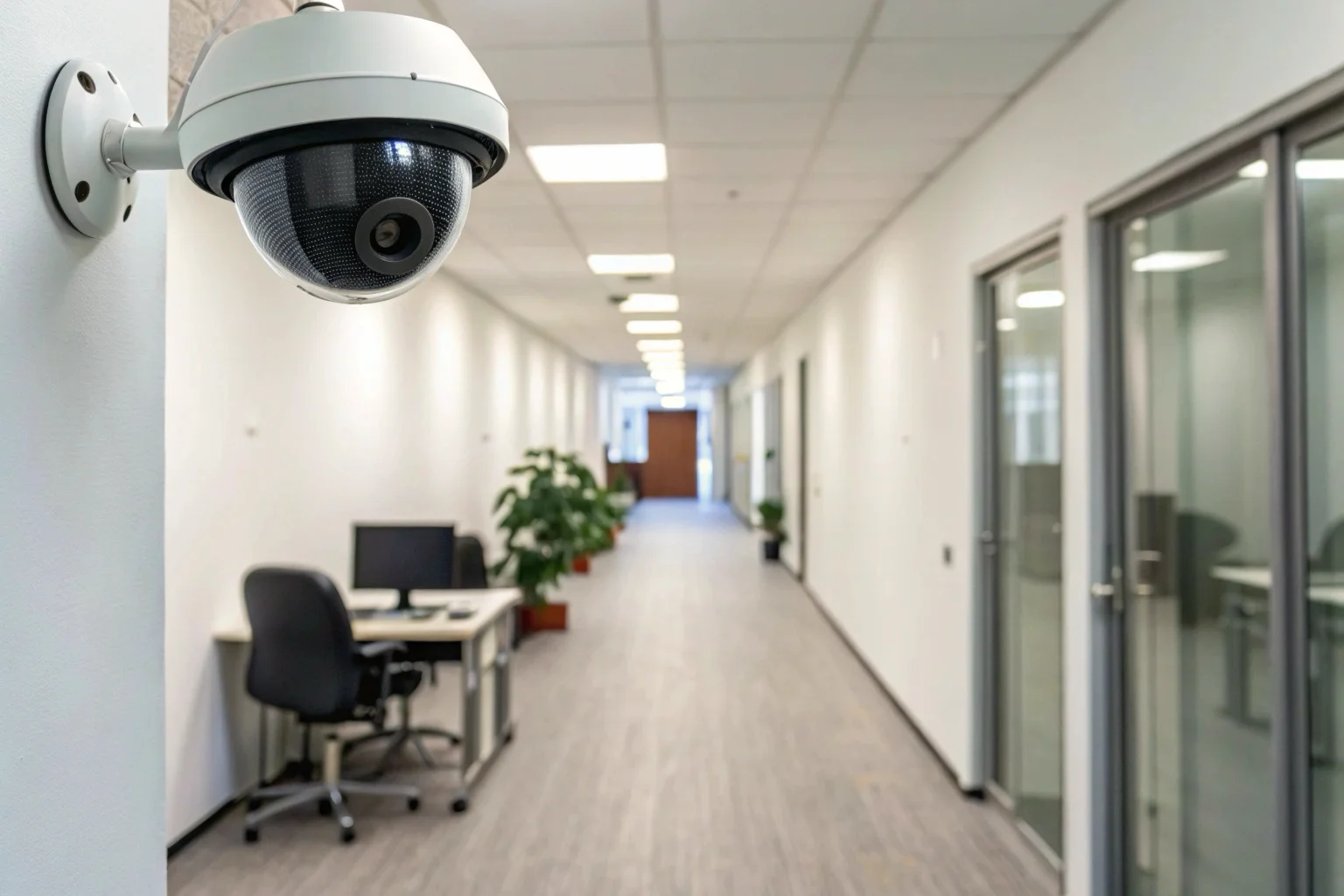
My customers in Europe care deeply about image quality, which they often call "pixel." However, chasing the highest number isn't always the smartest business decision. Most of our best-selling hidden cameras, which you can see at https://qztsecurity.com/camera/, use 1080P. This resolution is more than enough to clearly identify faces and actions in typical indoor environments, which is the primary goal.
The jump from 1080P to 3K or 4K is a matter of diminishing returns.
- Składowanie: 4K video files are enormous. A week of 4K footage can require double the storage space of 3K footage. For a business running multiple cameras, this cost adds up very quickly, whether using local SD cards or cloud storage.
- Bandwidth: Streaming live 4K video requires a very fast and stable internet connection. If the network can't handle it, the video will lag, stutter, or drop in quality, defeating the purpose of the high resolution. This is a common point of failure.
- Cost: 4K sensors and processors are more expensive, which increases the unit cost of the camera. This price increase may not be justifiable if the user cannot see a meaningful benefit.
My advice to professional buyers is to focus on the practical application. Is the camera monitoring a small office or a large parking lot? For the office, 1080P or 3K is perfect. For the parking lot, where you might need to digitally zoom in on a license plate from far away, 4K could be a valid choice. But for most indoor and small-area business security, 3K hits the sweet spot of performance and cost efficiency.
Jaki typ kamery monitoringu jest najlepszy dla firmy?
Próbujesz zabezpieczyć swoją firmę, ale przytłacza Cię wybór kamer? Niewłaściwy typ może być nieskuteczny, a nawet powodować problemy z zaufaniem wśród pracowników. Potrzebujesz rozwiązania dostosowanego do konkretnego celu.
Najlepsza kamera dla firmy zależy od celu. W przypadku jawnego odstraszania w miejscach publicznych najlepiej sprawdzają się tradycyjne kamery kulowe lub kopułkowe. Do dyskretnego monitorowania wrażliwych obszarów, takich jak magazyny czy biura, lepsze są ukryte kamery w przedmiotach codziennego użytku.
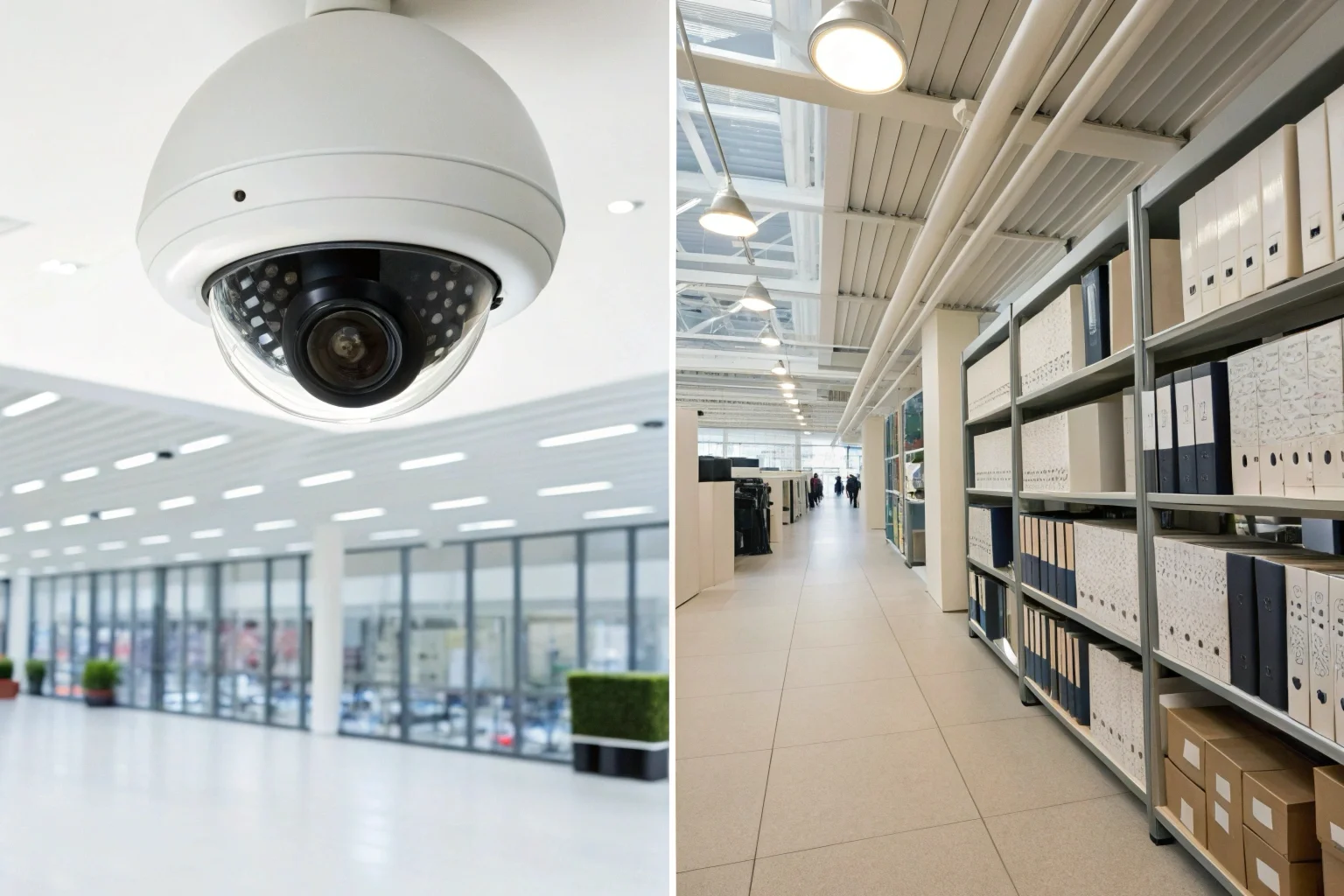
Jako producent dyskretnych urządzeń, współpracuję z wieloma klientami biznesowymi, którzy muszą rozwiązać specyficzne wewnętrzne problemy bez tworzenia napiętego środowiska. Widoczne kamery są świetne w zapobieganiu kradzieżom sklepowym, ale nie są skuteczne w przypadku problemów takich jak kradzieże wewnętrzne czy naruszenia polityki.
Overt vs. Covert Surveillance
Strategia dla biznesu dzieli się na te dwa podejścia.
- Jawny nadzór: Celem tutaj jest odstraszanie. Widoczne kamery informują wszystkich, że są obserwowani. Jest to idealne rozwiązanie dla wejść, powierzchni handlowych i magazynów. Obecność samej kamery jest główną cechą bezpieczeństwa.
- Tajny nadzór: Celem jest dyskretne zbieranie informacji. Kamery te są ukryte, aby ludzie zachowywali się naturalnie. Jest to konieczne do badania konkretnych problemów, takich jak kradzież z kasy czy nieautoryzowany dostęp do serwerowni.
Choosing the Right Covert Device
Dla firm potrzebujących dyskretnego monitorowania, forma jest wszystkim. Produkujemy szeroką gamę kamer ukrytych właśnie z tego powodu.
- Do ogólnego przeglądu: Kamera w czujce dymu zapewnia szeroki, skierowany w dół widok całego pomieszczenia, nie przyciągając uwagi.
- Do biura lub recepcji: Kamera w zegarze lub kamerze ładowarki USB idealnie wtapia się w istniejące otoczenie.
- Do niestandardowych instalacji: Nasze moduły Tuya DIY są bardzo popularne wśród klientów biznesowych. Składają się z maleńkiego obiektywu kamery podłączonego do małej płytki drukowanej. Instalator może umieścić ten moduł wewnątrz dowolnego obiektu, aby stworzyć w pełni niestandardowe rozwiązanie monitorowania dla unikalnej potrzeby.
Właściwy wybór zawsze odpowiada konkretnemu problemowi, który próbujesz rozwiązać.
Ostatecznie, wybór odpowiedniej kamery WiFi oznacza dopasowanie jej funkcji do konkretnej, rzeczywistej potrzeby. Skup się na niezawodności i przydatności do zadania, a nie tylko na najwyższych specyfikacjach.

 English
  Italiano
  Deutsch
  Français
  Español
  Polski