
How to Source AI Glasses and Wearable Exam Devices: 2026 B2B Buying Guide
Meta AI Glasses, Ray-Ban Stories, and similar wearable cameras are now at the center of a new wave of exam-integrity concerns. For B2B buyers, the opportunity is not in reselling consumer AI glasses as cheating tools; it is in supplying purpose-built wearable recording devices to security trainers, proctoring demonstrators, loss-prevention teams, and authorized research buyers who need reliable hardware without the legal baggage.
This guide explains what AI glasses mean for the exam-device market, how institutions detect them, and which QZT products distributors can source as practical alternatives.
Why Are AI Glasses on the Radar of Exam Proctors?
Proctoring platforms are warning clients that AI-powered glasses can capture questions, stream live video, and whisper answers through bone-conduction audio. The Talview AI Proctoring Agent report highlights Meta AI Glasses as a device that can read text, run LLM queries, and deliver silent answers during assessments.
For B2B resellers, this signals rising demand for two product categories: detection equipment on the institutional side, and discreet wearable recorders on the evaluation side. The risk is that consumer AI glasses sit in a legal gray zone in most jurisdictions.
| Driver | What it means for buyers |
|---|---|
| Remote proctoring growth | More institutions need demo devices to test detection systems |
| Smart-glasses media coverage | End users ask resellers for “glasses that can record” |
| Anti-cheating budgets | Schools and certifiers buy reference hardware for R&D |
| Proxy-interview fraud | HR tech firms need realistic wearables for vulnerability audits |
Kluczowy wniosek: AI glasses are reshaping exam security conversations, and distributors who offer compliant alternatives can capture budget from both sides.
What Technology Makes AI Glasses Different?
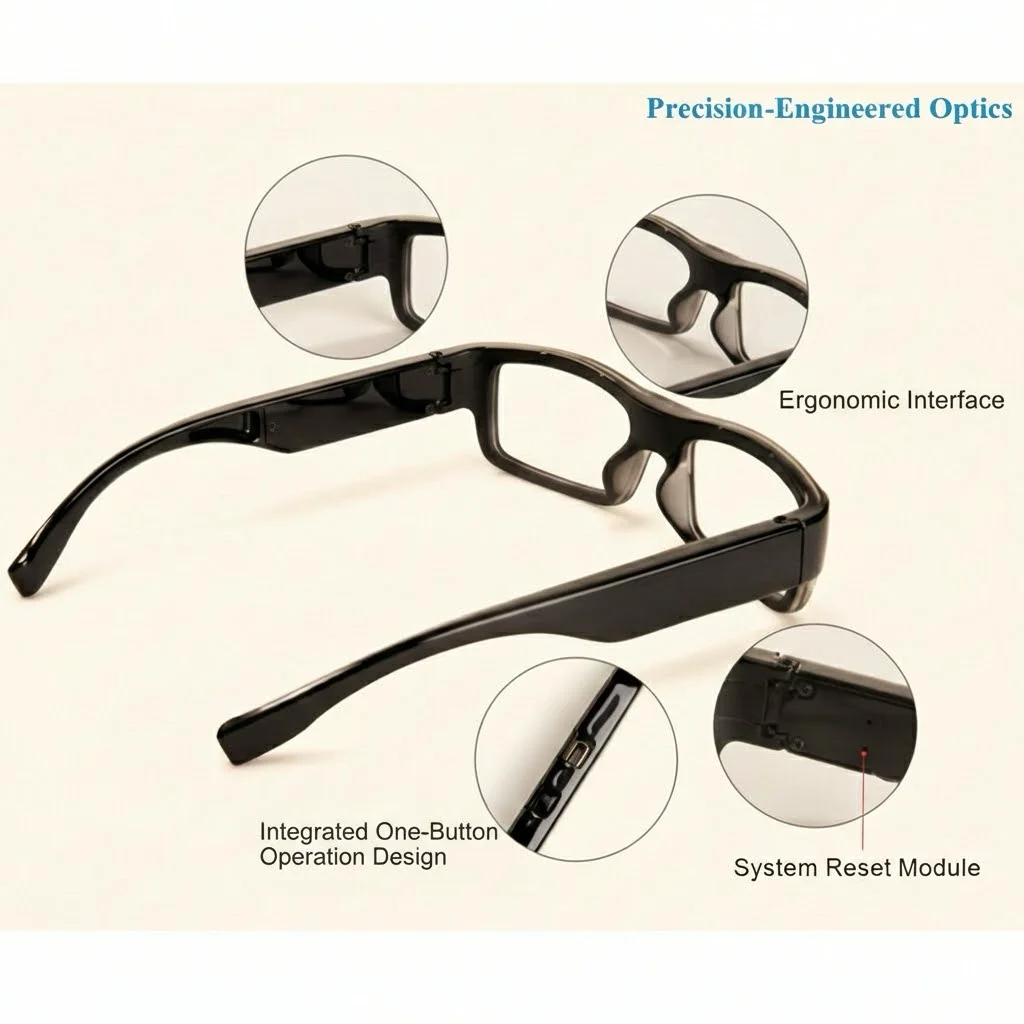
AI glasses combine a camera, microphone, wireless chipset, cloud AI, and audio output in a single frame. Unlike simple camera glasses that only record locally, AI glasses can upload footage, query large language models, and return spoken answers in near real time.
This matters for B2B buyers because the value proposition changes. A standard camera glasses SKU is a passive recorder. An AI glasses SKU is a connected computing platform with app dependencies, privacy questions, and higher support costs.
| Capability | Standard camera glasses | AI glasses |
|---|---|---|
| Nagrywanie | Local AVI/MP4 | Local + cloud |
| Transmisja na żywo | Rare or app-limited | Built-in |
| AI interpretation | Nic | LLM / cloud vision |
| Audio return | Nic | Bone conduction or earbuds |
| Battery load | Niżej | Wyższy |
| Legal risk | Umiarkowany | Wyższy |
Kluczowy wniosek: Distributors should treat AI glasses as a separate SKU class with distinct support, compliance, and sourcing requirements.
How Do AI Glasses Stream Exam Content?
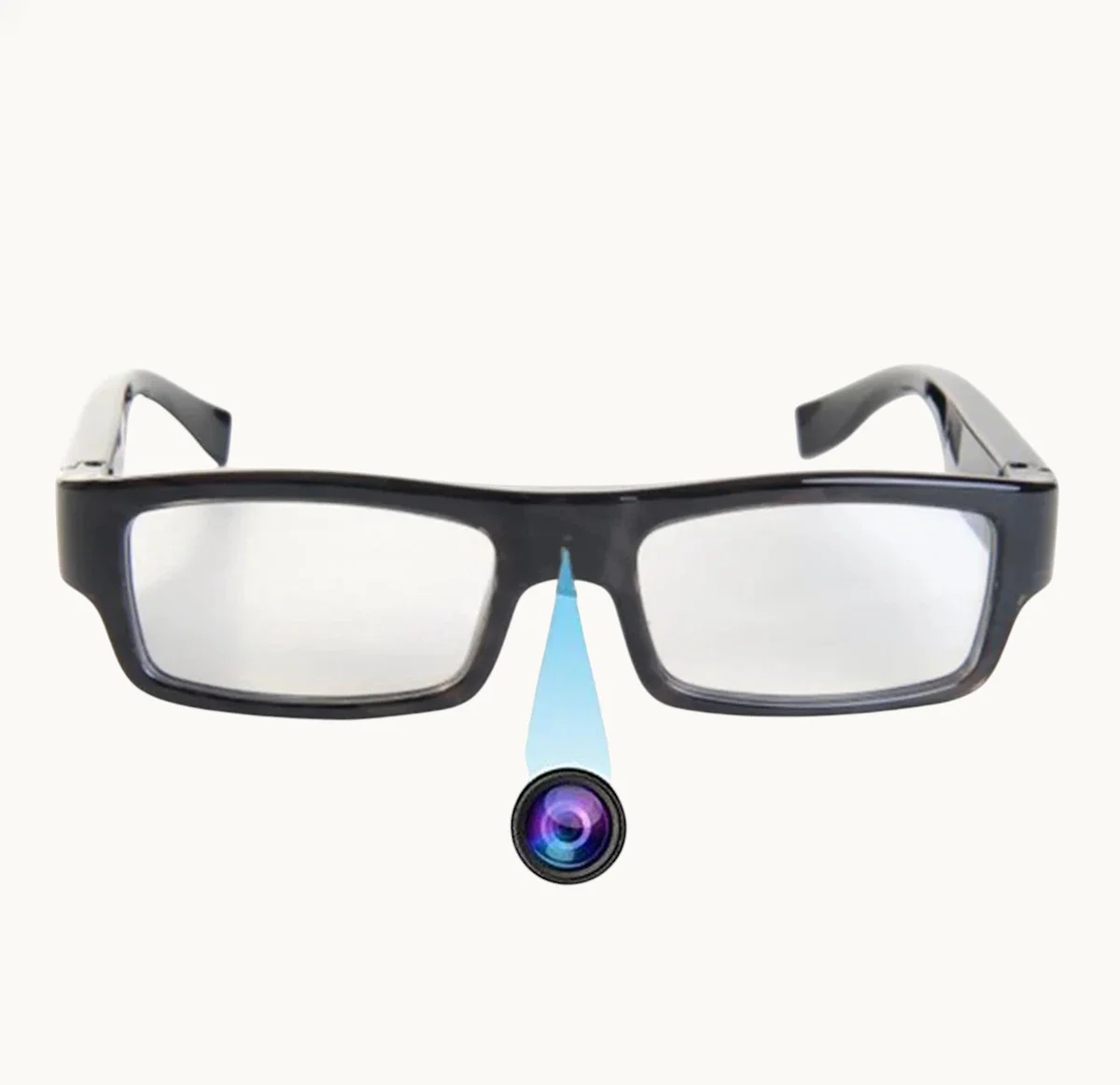
A typical misuse workflow described by proctoring researchers includes four steps. First, the candidate scans the exam paper with the glasses camera. Second, the image is sent to a cloud AI or third-party LLM. Third, the AI generates an answer. Fourth, the answer is delivered through subtle audio or a heads-up display.
Live streaming adds another layer: the candidate can broadcast the exam room to a remote helper who feeds answers back instantly. This is why institutions are investing in wearable detection rather than relying only on screen monitoring.
For B2B buyers, the technical takeaway is that any wearable device with outbound Wi-Fi, cloud vision, and two-way audio can be flagged by modern proctoring systems.
| Krok | Funkcjonować | Detection target |
|---|---|---|
| Question capture | Built-in camera reads paper | Reflection, frame shape, gaze |
| Przesyłanie do chmury | Wi-Fi or mobile data | Network traffic, screen anomalies |
| AI answer | LLM returns solution | Response timing, audio cues |
| Audio delivery | Bone conduction or speaker | Audio forensics, microphone anomalies |
Kluczowy wniosek: The most attractive feature of AI glasses for misuse, outbound AI connectivity, is also the easiest signal for proctoring tools to catch.
How Are Institutions Detecting Wearable Cheating Devices?
Talview and similar proctoring vendors now use multi-layer detection. Frame silhouette analysis looks for glasses shapes that match known smart-glass models. Infrared mapping spots active cameras. Eye-tracking detects gaze patterns that do not match the test content. Audio forensics flags bone-conduction leaks and unusual frequencies.
Behavioral biometrics add another layer. AI monitors head movements, response timing, and interaction irregularities. If a candidate repeatedly looks down at the same angle or receives answers faster than humanly reasonable, the session is flagged for review.
| Detection layer | What it catches | Ograniczenie |
|---|---|---|
| Frame silhouette analysis | Known AI glass shapes | Custom or obscure frames may be missed |
| Infrared camera scan | Active lens reflection | Requires hardware at test center |
| Eye-tracking / gaze analysis | Off-screen focus | Less reliable on small screens |
| Audio forensics | Bone-conduction audio | Requires quiet environment |
| Behavioral biometrics | Timing and movement anomalies | Needs baseline data |
Kluczowy wniosek: Detection is becoming good enough that consumer AI glasses are no longer a reliable cheating channel, which pushes demand toward professional-grade test hardware.
What Legal Boundaries Apply to AI Glasses?
The device itself is generally legal to own. The restriction comes from how and where it is used. In the EU, GDPR limits recording without consent. In the United Kingdom, invigilators can require candidates to remove wearable devices. In Germany, educational institutions can ban smart glasses during exams under house rules. In the United States, credential fraud can carry civil and criminal penalties.
For B2B sellers, the safe positioning is clear: market wearable recorders for legitimate purposes such as security training, authorized demonstrations, field documentation, and loss-prevention audits. Avoid language that promises exam success, hidden use during assessments, or evasion of proctoring.
| Region | Rule | Positioning guidance |
|---|---|---|
| EU / UK | Consent required for recording; exam bans common | Emphasize demo and training use |
| Niemcy | Strong personality rights; school rules enforceable | Private-label documentation kits only |
| Francja | Educational integrity laws | Avoid student-exam marketing claims |
| USA | Credential fraud laws at state and federal level | Focus on enterprise security audits |
| India / China | Exam-board blacklists, criminal cases | Sell through neutral training channels |
Kluczowy wniosek: Legal compliance is a product feature, not a footnote. Distributors who provide clear use-case guidance reduce disputes and chargebacks.
What Are the B2B Alternatives to Consumer AI Glasses?
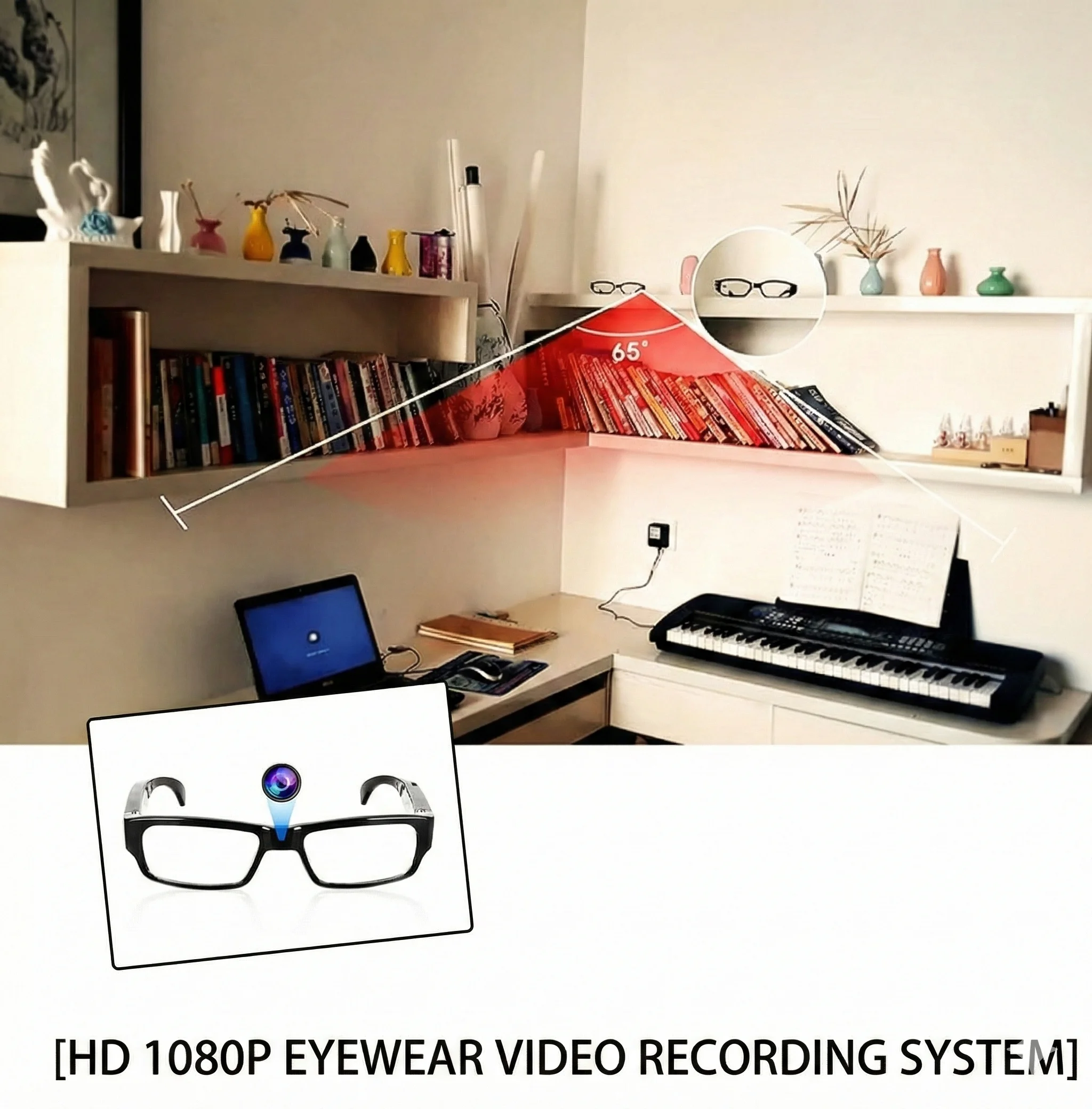
Most buyers who search for “AI glasses for exam” are actually looking for discreet wearable recording hardware. They do not need cloud AI or live streaming; they need a simple point-of-view recorder that works offline, stores files locally, and does not phone home to a third-party server.
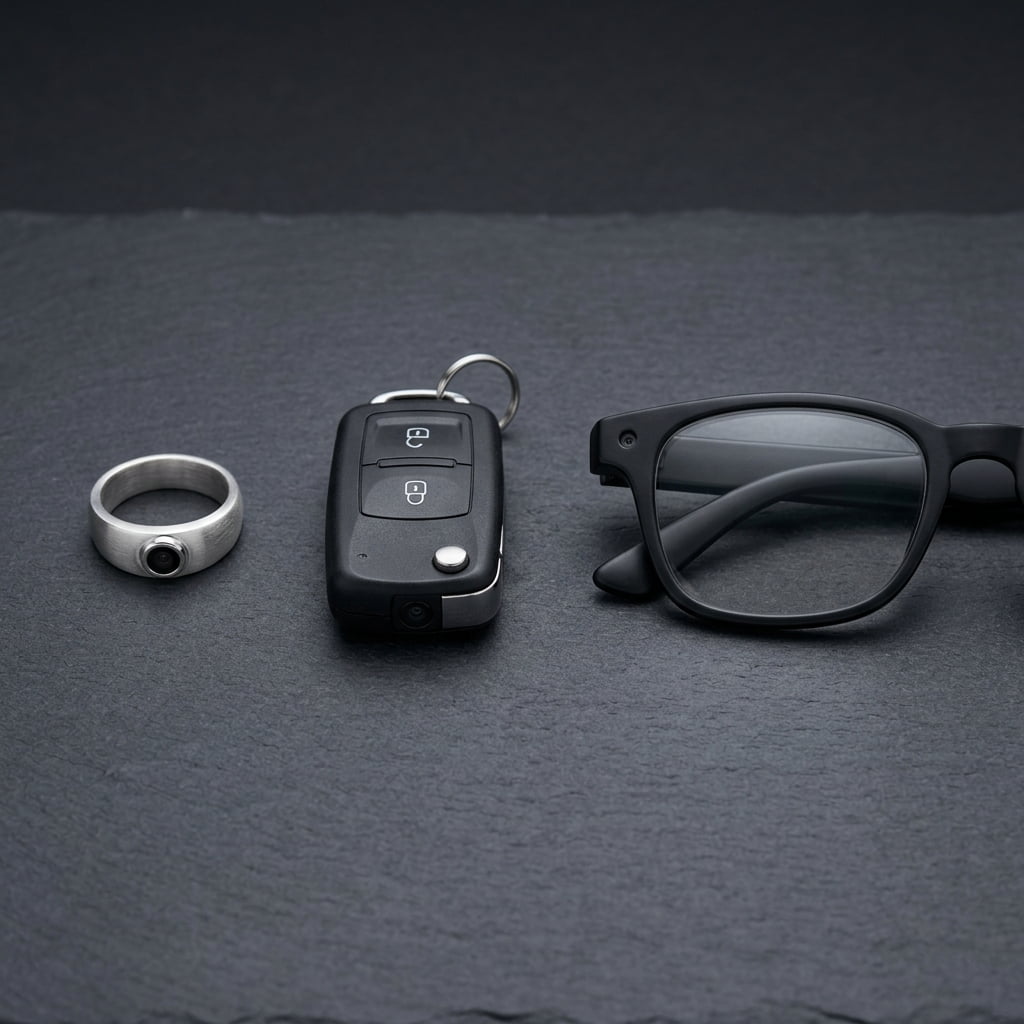
The two strongest B2B alternatives are covert HD camera glasses and modular exam camera kits. Camera glasses are best for hands-free point-of-view recording. Exam camera kits are best when the buyer needs flexible lens placement plus two-way audio.
| Buyer need | Best fit | Dlaczego |
|---|---|---|
| Hands-free wearable recording | Okulary z ukrytą kamerą HD | One-button operation, local storage, offline |
| Flexible lens + live view + audio | Covert 4K WiFi Exam Camera Kit with Earpiece | Modular cable lens, WiFi preview, two-way audio |
| Audio-only return | Micro Bluetooth Earpiece Kit | Pairs with any phone, simple stock |
| Detection reference hardware | Multi-band signal detector | For proctoring R&D and security audits |
Kluczowy wniosek: Consumer AI glasses solve a connectivity problem that most B2B buyers do not actually have. Offline simplicity is usually the safer sell.
How Do QZT Covert HD Camera Glasses Compare to AI Glasses?
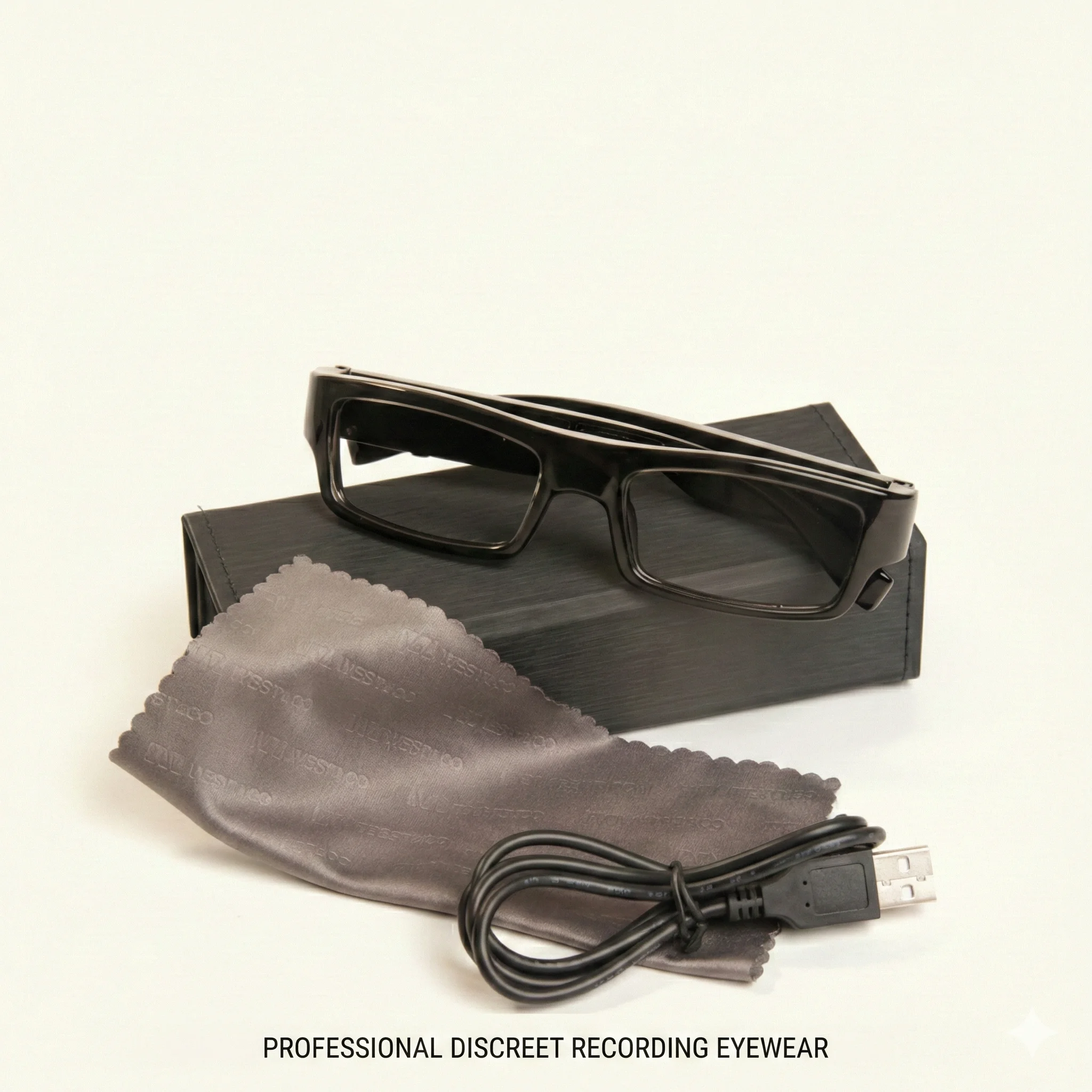
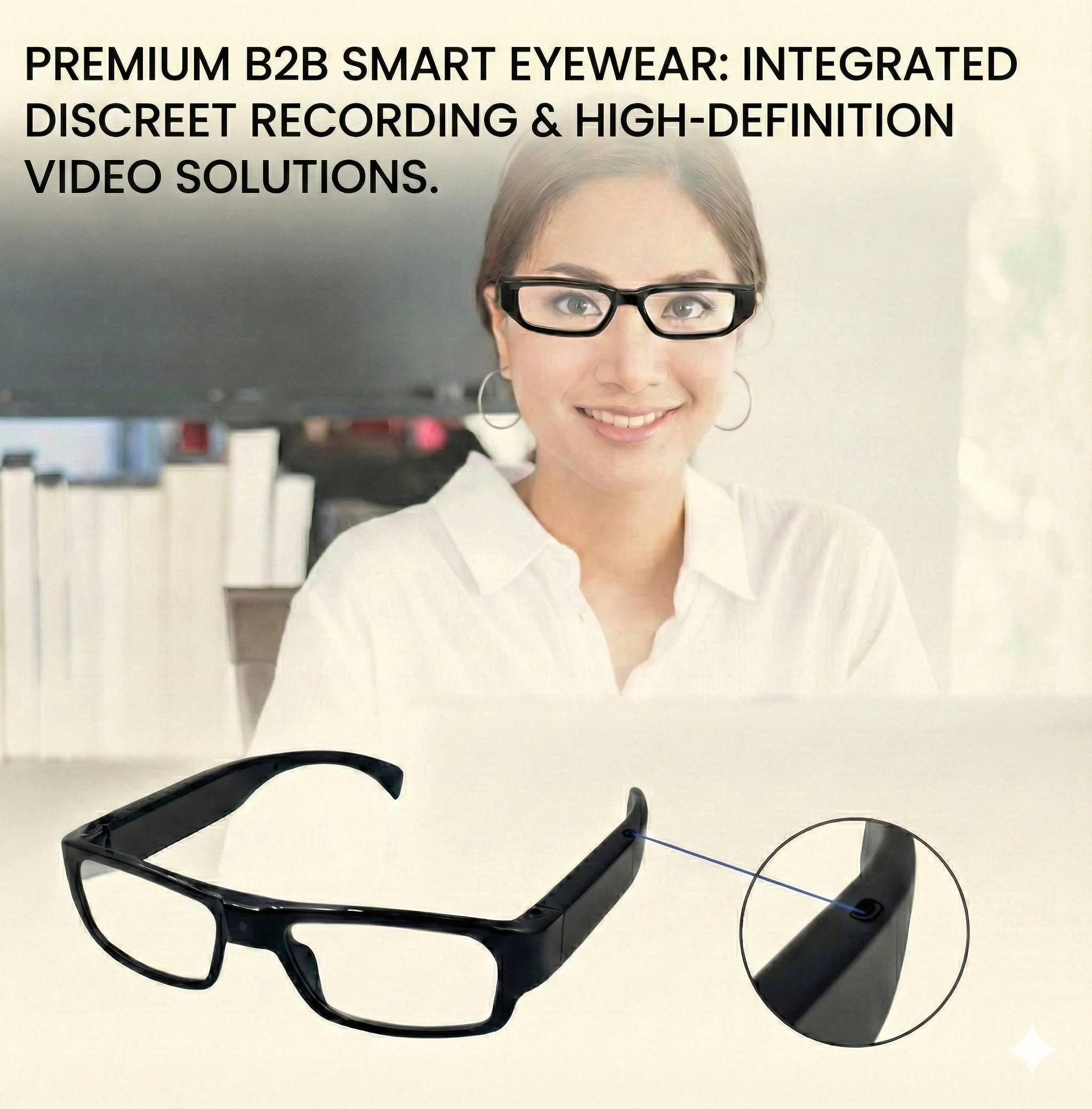
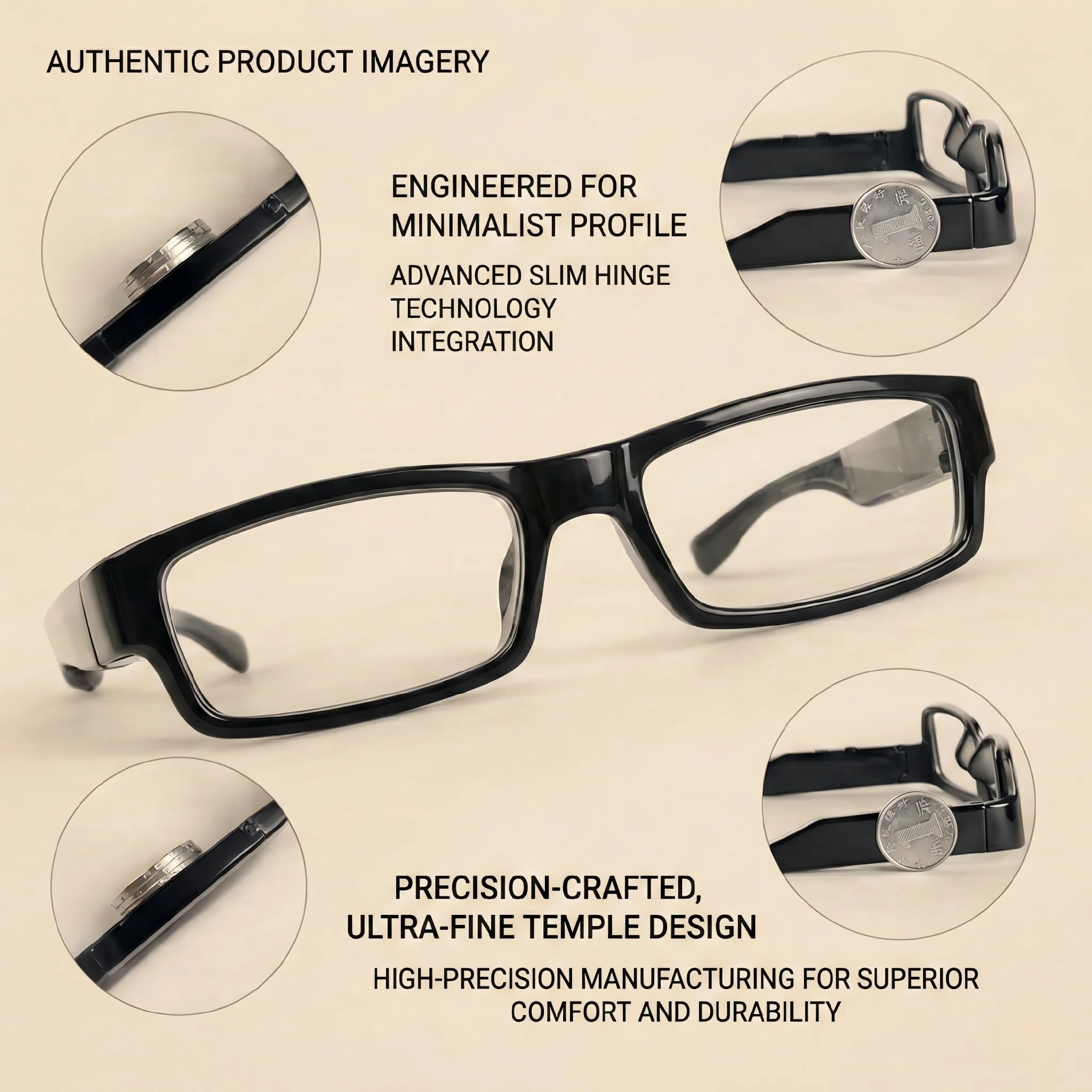
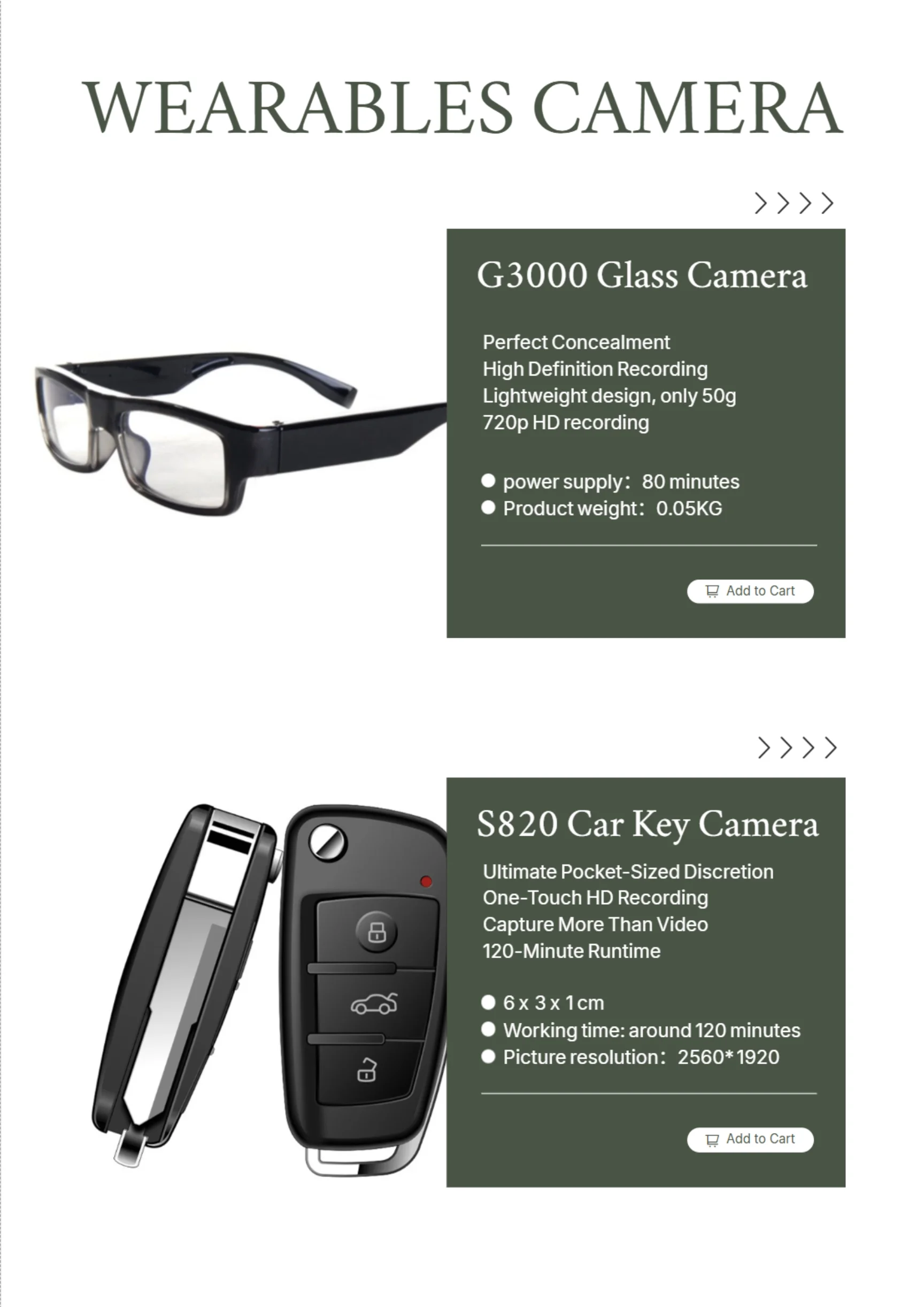
QZT G3000 Covert HD Camera Glasses are a passive wearable recorder. They capture 1080p or 720p AVI video, 12MP JPG photos, and built-in audio to a micro SD card up to 64GB. There is no cloud dependency, no live streaming, and no third-party app that can disappear next quarter.
Compared to AI glasses, the G3000 is lighter to support, easier to stock, and far less legally exposed. Wholesale pricing starts around $27 per unit at volume, which leaves healthy margin for resellers.
| Specyfikacja | QZT G3000 | Typical AI glasses |
|---|---|---|
| Rozdzielczość wideo | 1080p / 720p AVI | 1080p + cloud clips |
| Rozdzielczość zdjęcia | 12 MP JPG | Lower or absent |
| Pole widzenia | 62° | 60°–120° |
| Składowanie | Micro SD up to 64GB | Cloud + local limited |
| Battery / runtime | 500mAh, ~80 minutes | 1–3 hours, heavier load |
| Łączność | Nic | Wi-Fi, Bluetooth |
| App dependency | Nic | Wymagane |
| Cena hurtowa | From $27/unit | $150–$400/unit |
| Legal risk | Niżej | Wyższy |
Kluczowy wniosek: The G3000 gives resellers a lower-cost, lower-risk wearable SKU that still satisfies the core demand for discreet point-of-view recording.
When Is an Exam Camera Kit the Better Choice?
Some buyers need more than a glasses frame can deliver. A flexible cable lens can be routed through clothing or objects to capture documents from a specific angle. A two-way audio earpiece lets a remote trainer give real-time instructions during a demonstration. WiFi preview helps the operator confirm framing before recording.
The QZT A1W Covert 4K WiFi Exam Camera Kit is built for this use case. It offers selectable live preview up to 4K, 1080p local recording, a 90° lens on a flexible cable, and a wireless earpiece. Battery runtime is approximately five hours.
| Zastosowanie | G3000 glasses | A1W kit |
|---|---|---|
| Hands-free field recording | Idealne | Over-engineered |
| Training demonstration with remote guidance | Ograniczona | Idealne |
| Concealed lens at desk level | Not possible | Possible |
| Audio dwukierunkowe | NIE | Tak |
| No app / no connectivity required | Tak | NIE |
| Price-sensitive retail market | Better margin | Higher price point |
Kluczowy wniosek: Glasses win on simplicity and price. The A1W kit wins when the buyer needs flexible placement plus live feedback.

What Should Distributors Look for in a Supplier?
Wearable recording devices create more support tickets than plug-in cameras because buyers often misunderstand battery life, storage formats, and legal limits. A good supplier reduces those tickets before they happen.
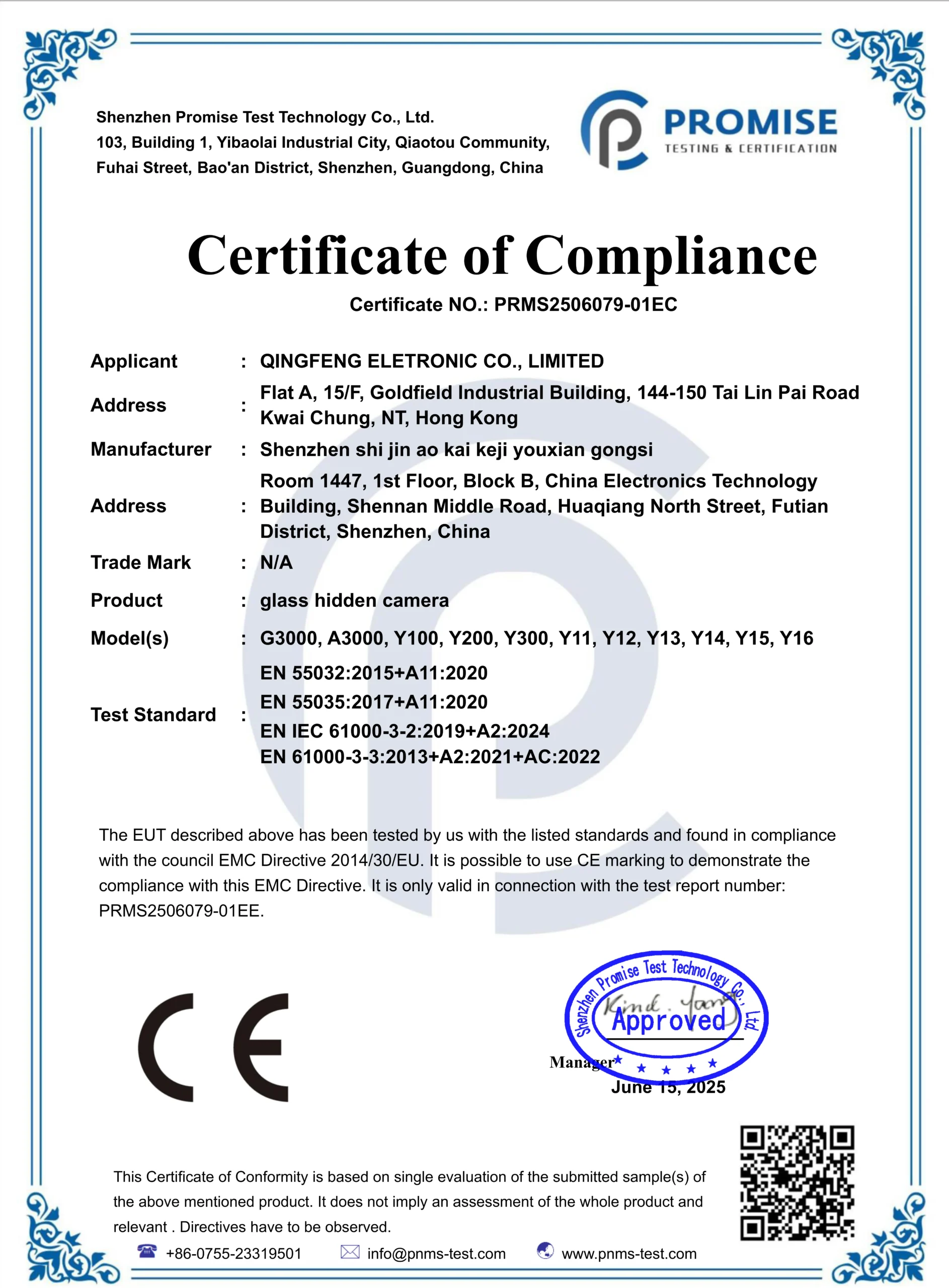
QZT ships from an Italy warehouse with 2–5 day delivery to most EU countries, offers CE certification documentation, and supports OEM/private-label packaging. Sample orders are credited 100% toward the first bulk order, which lowers the risk for new resellers.
| Supplier criterion | Dlaczego to ważne | QZT capability |
|---|---|---|
| EU stock | Faster delivery, fewer customs issues | Magazyn we Włoszech |
| CE certification | Required for EU retail | Documented |
| Gwarancja | Reduces reseller liability | 12 miesięcy |
| Private label | Margin protection | OEM/ODM available |
| Sample credit | Lowers test-buy risk | 100% credit toward first bulk order |
Kluczowy wniosek: The supplier choice matters as much as the SKU choice. EU stock and clear compliance docs protect reseller margins.
How Should Distributors Price and Position Wearable Exam Devices?
Retail buyers searching for “cheating glasses for exam price” often expect consumer AI glasses at $150–$400. Distributors can offer QZT camera glasses at a much lower price point while framing them as professional recording tools rather than cheating aids.
A clear positioning split helps. Camera glasses can be marketed to cyclists, journalists, security auditors, and field technicians. Exam camera kits can be marketed to training centers and demonstration labs. Both SKUs should avoid imagery or copy that suggests concealed use during real exams.
| Positioning angle | Target buyer | Avoid |
|---|---|---|
| Hands-free point-of-view recording | Cyclists, inspectors, journalists | Exam-pass claims |
| Training demonstration kit | Security trainers, proctoring labs | Step-by-step cheating guides |
| OEM private-label wearable | Electronics resellers | Brand comparisons with Meta |
| Detection reference hardware | Proctoring R&D teams | Promises of undetectability |
Kluczowy wniosek: Price against consumer AI glasses, but position against legitimate use cases. This protects margins and reduces legal exposure.
Często zadawane pytania
Are AI glasses legal to sell?
Yes, in most jurisdictions the hardware itself is legal. Resellers should avoid marketing that suggests concealed use during exams or assessments.
Can institutions detect camera glasses?
Yes. Modern proctoring systems use frame analysis, infrared scans, gaze tracking, and audio forensics. Offline camera glasses are still easier to detect than many buyers assume.
What is the difference between AI glasses and camera glasses?
AI glasses connect to cloud AI and can deliver live answers. Camera glasses record video locally. For B2B buyers, camera glasses are usually simpler, cheaper, and less risky.
Which QZT product is best for hands-free recording?
The QZT G3000 Covert HD Camera Glasses are the best hands-free option. They record 1080p video and 12MP photos to a micro SD card.
Which QZT product is best for training demonstrations with remote guidance?
The QZT A1W Covert 4K WiFi Exam Camera Kit is better for demonstrations that need a flexible lens, live preview, and two-way audio.
Wnioski
AI glasses have put wearable recording devices back in the headlines, but the real B2B opportunity is not in reselling consumer AI frames. It is in supplying simple, compliant, purpose-built wearables to security trainers, proctoring demonstrators, and enterprise auditors.
QZT G3000 Covert HD Camera Glasses give resellers an affordable, offline, hands-free recorder. QZT A1W Covert 4K WiFi Exam Camera Kit covers the more advanced use cases that need flexible lens placement and two-way audio.
Browse the QZT wearable camera catalog, request a sample, or contact the team for a wholesale price list and OEM options.

 English
  Italiano
  Deutsch
  Français
  Español
  Polski