
For a European B2B distributor, few scenarios are more disruptive than opening an email to find that your €30,000 shipment of covert surveillance hardware has been seized at the EU border. Your capital is frozen, your clients are waiting, and you are now facing an expensive legal maze with no clear exit.
The stakes have never been higher. As EU border enforcement — particularly in Tier 1 markets like Germany, France, and Italy — intensifies scrutiny of uncertified surveillance electronics, the era of importing cheap, documentation-light hardware has officially ended. A single non-compliant shipment can erase months of margin in legal fees, storage penalties, and resequencing costs.
Opierając się na 11 latach doświadczenia w poruszaniu się po europejskich przepisach importowych dotyczących sprzedaży hurtowej ukrytych kamer i dyskretnych urządzeń rejestrujących, ten przewodnik analizuje trzy najczęstsze pułapki zgodności, które powodują zatrzymanie przez cło — oraz ustrukturyzowane podejście do zaopatrzenia, które profesjonalni importerzy stosują, aby całkowicie je wyeliminować.
What Triggers a Customs Seizure for Security Devices in the EU?

Before diving into specific traps, it helps to understand the enforcement landscape. EU Regulation (EC) No 765/2008 gives member state authorities broad powers to detain products that do not meet harmonised EU safety standards. For security electronics, the primary enforcement touchpoints are CE marking documentation, data protection compliance for network-connected devices, and correct customs Incoterms classification.
German authorities — through the Bundesnetzagentur — apply additional domestic layers on top of EU rules, particularly for wireless transmission hardware. Italian customs applies heightened scrutiny to B2C-bound surveillance equipment due to domestic privacy laws that exceed minimum EU GDPR requirements. Understanding that these regional differences exist is the first step toward building a compliant procurement strategy.
Trap 1: Borrowed CE Certificates and Fake Compliance Documentation
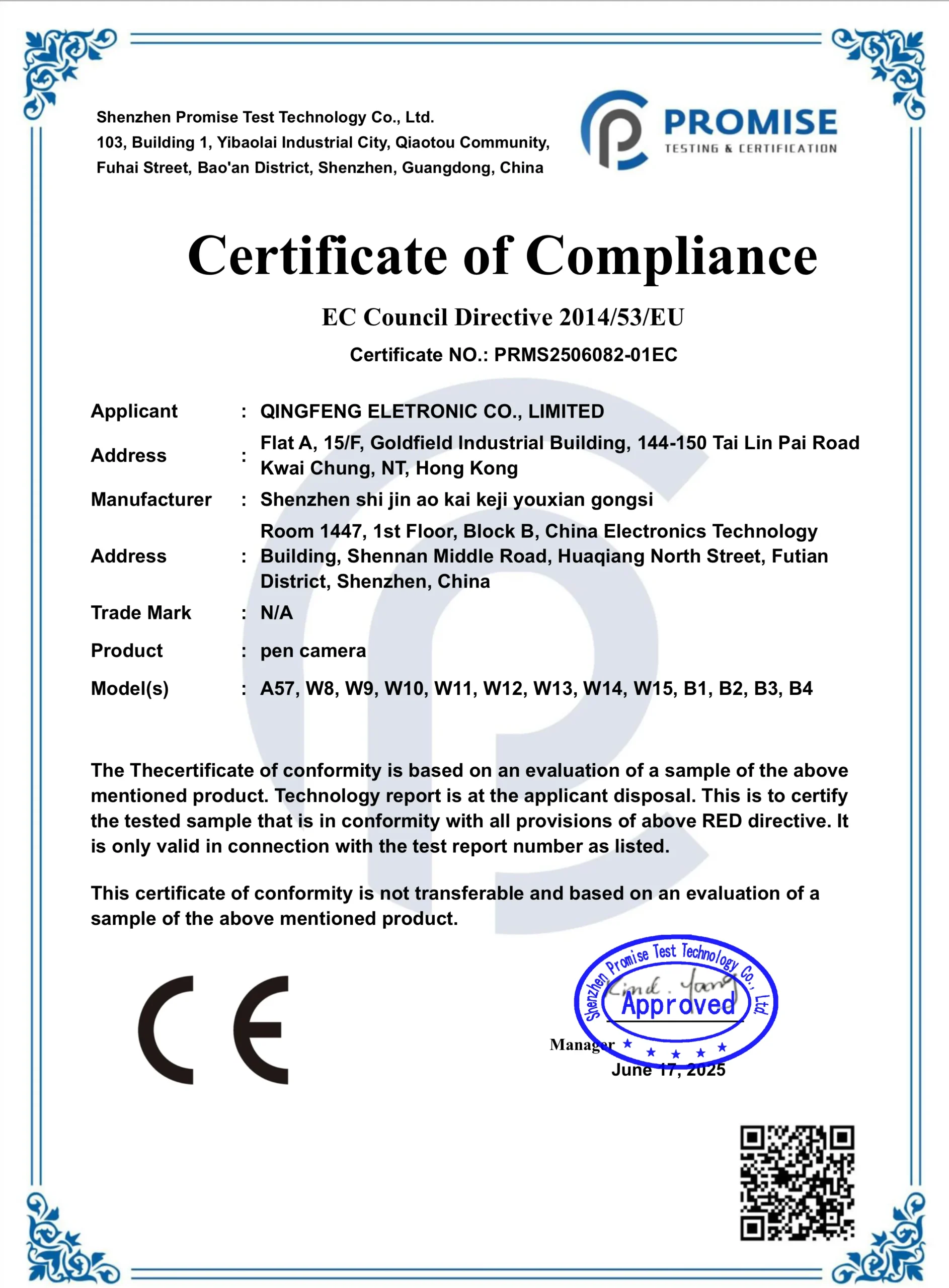
Najczęstszym powodem zatrzymania celnego jest nieprawidłowa dokumentacja. Wielu producentów budżetowych dostarcza certyfikaty CE lub RoHS, które albo dotyczą innego kodu SKU produktu, zostały wydane przez nieakredytowane laboratorium badawcze, albo po prostu wygasły. Dokumentacja może nawet na pierwszy rzut oka wydawać się prawidłowa — ale celnicy UE weryfikują numery partii, schematy obwodów i oznakowanie marki w bazie danych bezpieczeństwa produktów Unii Europejskiej.
When the paperwork does not match the physical product on the pallet, the goods are impounded on the spot. There is no appeal process at the border. Your freight forwarder cannot release the cargo, and every day it sits in a bonded warehouse costs you money.
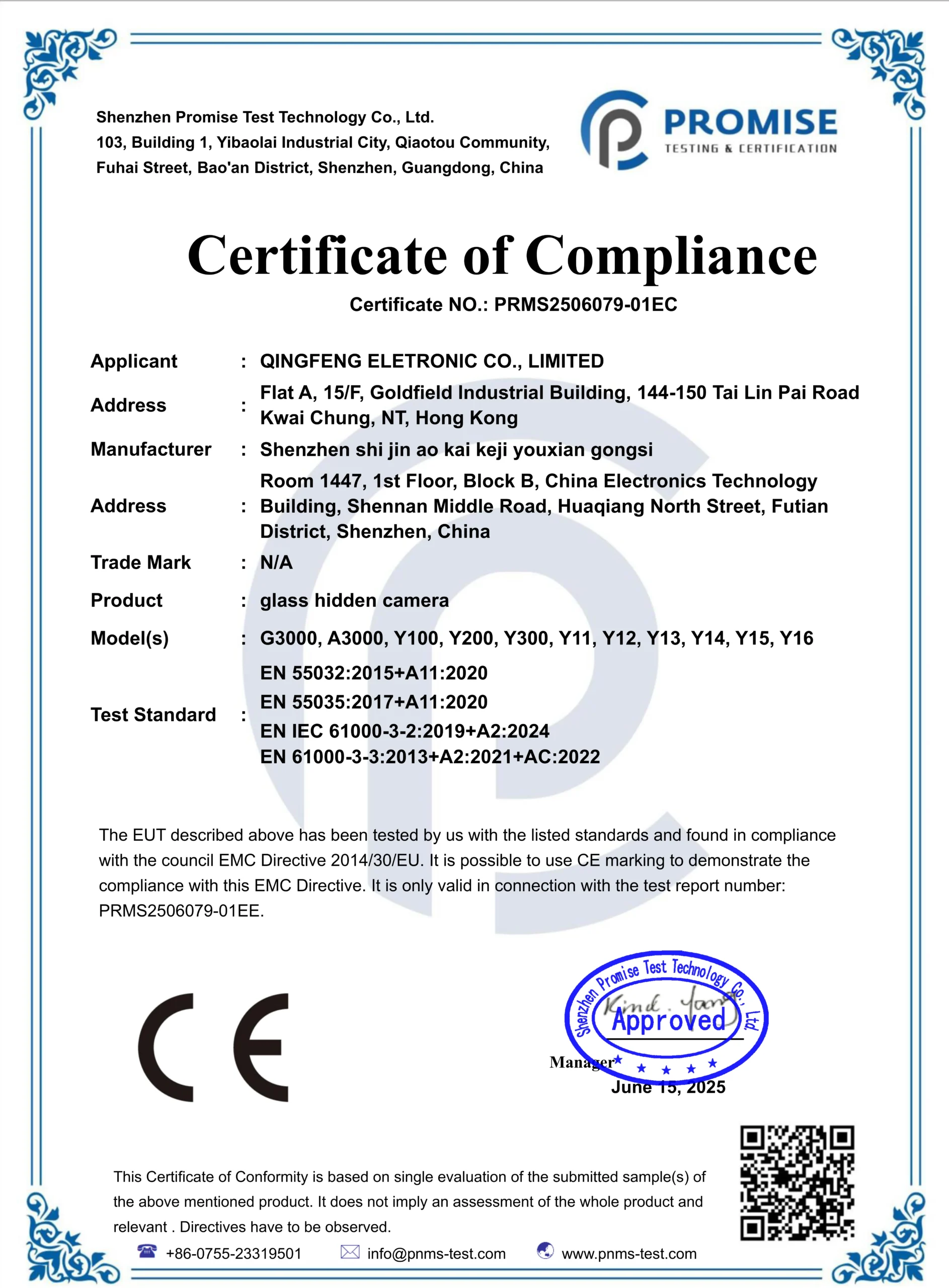
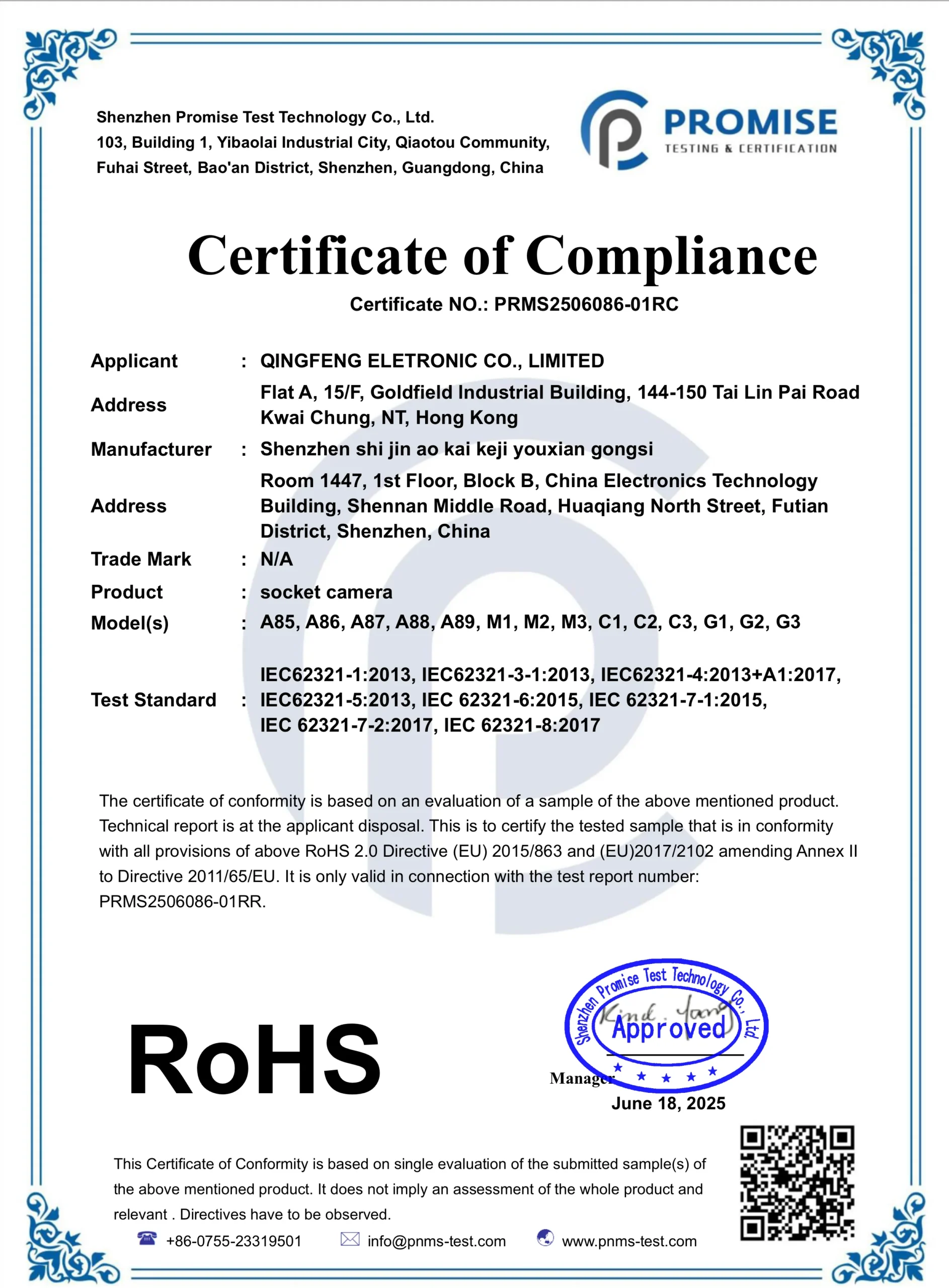
How to avoid it: Dokumentację zgodności należy traktować jako warunek wstępny, a nie późniejszy dodatek. Przed złożeniem jakiegokolwiek zamówienia hurtowego zażądaj od dostawcy kompletnego pakietu zgodności — a nie skanu czyjegoś certyfikatu. Wiarygodny producent dostarczy deklaracje zgodności CE (LVD/EMC) i deklaracje RoHS odpowiadające dokładnemu kodowi SKU, dacie produkcji partii i specyfikacjom sprzętu, który kupujesz. Na przykład, każda wysyłka z naszego zakładu jest zaopatrzona w ważną dokumentację CE i RoHS zweryfikowaną dla konkretnej wyprodukowanej partii — a nie w ogólny szablon stosowany dla różnych linii produktowych.
Distributors who import electronics from China without verifying documentation upfront are taking on enormous personal liability. If a customs authority determines that the CE marking was fraudulently applied, the importer is legally responsible — not the factory.
Trap 2: Violating German GDPR Standards with Wi-Fi Enabled Covert Cameras
Niemcy działają na podstawie Bundesdatenschutzgesetz (BDSG), który uzupełnia unijne RODO jednymi z najsurowszych na świecie wymogów dotyczących prywatności danych. W przypadku sprzętu monitorującego stwarza to konkretny i często krytyczny problem zgodności dla dystrybutorów stosujących strategię produktową “uniwersalną” na rynkach europejskich.
Many importers make the mistake of ordering standard Wi-Fi hidden cameras for the German market without understanding the regulatory implications. If a networked covert camera transmits data to an unsecured offshore server — or lacks the localised data protection infrastructure required by German law — it is illegal to sell in Germany. The Bundesnetzagentur has the authority to confiscate non-compliant devices and impose fines on distributors who place them on the market.
The solution is not to avoid the German market — it is to understand which hardware variants meet its specific requirements. For regulated markets like Germany, we supply non-Wi-Fi, local-storage-only variants of our covert cameras. By removing wireless transmission capability entirely and relying solely on secure SD card storage (all devices are subjected to our 48-hour FAT32 formatting protocol before shipping), these models bypass German network privacy restrictions and achieve full compliance with federal data protection law. B2B security device compliance in Germany is entirely achievable — but only with the correct hardware specification.
Trap 3: Applying DDP to Non-EU Regions That Cannot Support It
Incoterms define who bears the risk and cost of freight, insurance, and customs duties at each stage of delivery. DDP (Delivered Duty Paid) is an effective tool in markets where the seller has established local clearance infrastructure — which is why we actively offer DDP (covering double customs clearance and local invoicing) for Poland, where B2B distributors structurally prefer a fully inclusive logistics package.
However, applying DDP blindly to non-EU European destinations is a documented disaster waiting to happen. Switzerland, post-Brexit the United Kingdom, and Moldova all have distinct and frequently changing tariff classifications for security electronics. When a seller attempts to pre-pay duties under DDP in a market where they do not have authorised local customs brokers, the goods are routinely placed into terminal limbo — with the buyer receiving an unexpected bill for back-calculated duties, storage fees, and reclassification costs.
How to avoid it: Work with a supplier who understands regional logistics nuances, not someone who defaults to DDP because it sounds convenient. Our internal SOP mandates DAP (Delivered At Place) for all non-EU European destinations. Under DAP, the buyer retains full control over their local customs broker — ensuring that clearance is handled by entities authorised in that specific jurisdiction, with no risk of offshore supplier misdeclaration. Understanding the difference between DDP vs DAP terms is not an academic exercise — it is the difference between a shipment that arrives on time and one that disappears into a bonded warehouse for six weeks.
The Most Reliable Failsafe: Sourcing from a Local EU Warehouse

Jeśli chcesz zmniejszyć ryzyko konfiskaty celnej z “możliwego” do “efektywnie zerowego”, strukturalnym rozwiązaniem jest całkowite wyeliminowanie ryzyka importu transgranicznego z łańcucha dostaw. Dla naszych kluczowych dystrybutorów europejskich przejmujemy to ryzyko, prowadząc własny magazyn w Noli we Włoszech. Zamawiając z naszych lokalnych zapasów UE, towary są już odprawione i legalnie krążą na jednolitym rynku UE, zanim dotrą pod Twoje drzwi.
What this means for you as a B2B importer:
Ordering from our local warehouse eliminates the three biggest risks of importing electronics from China directly. There are no border checks, because the goods never cross a border in the traditional sense — they are already inside the EU. There are no CE audits at customs, because all compliance documentation was verified and cleared before the goods entered our warehouse. And there is full tax transparency, because local invoicing makes every transaction eligible for the 0% VAT Reverse Charge mechanism available to registered EU businesses.
For distributors evaluating their current import structure, this is not merely a logistics optimisation — it is a fundamental shift in risk allocation. When your supplier carries the import risk, you carry none.
Quick FAQs
What is the most common reason for EU customs seizing security cameras?
The leading cause is documentation failure — specifically, CE or RoHS certificates that do not match the specific product batch, are issued by unaccredited labs, or have expired. EU customs cross-references certificates against physical goods, and any mismatch results in immediate impoundment.
Can I import Wi-Fi hidden cameras into Germany?
Standard Wi-Fi covert cameras are generally non-compliant with German data privacy law (Bundesdatenschutzgesetz/GDPR) if they transmit to unsecured offshore servers. For the German market, non-Wi-Fi local storage variants are the compliant alternative. Always verify the hardware specification against current German Federal Network Agency requirements before ordering.
Should I use DDP or DAP when importing into Switzerland or the UK?
Zawsze używaj DAP (Dostarczone w miejscu) dla celów poza UE, takich jak Szwajcaria, Wielka Brytania po Brexicie i Mołdawia. DDP nie powinno być stosowane w tych regionach ze względu na nieprzewidywalną klasyfikację taryfową oraz brak autoryzowanego lokalnego przedstawiciela celnego sprzedawcy. W ramach DAP kontrolujesz własnego lokalnego brokera, co jest prawnie poprawne i bezpieczniejsze finansowo.

 English
  Italiano
  Deutsch
  Français
  Español
  Polski