
For a European B2B distributor, few scenarios are more disruptive than opening an email to find that your €30,000 shipment of covert surveillance hardware has been seized at the EU border. Your capital is frozen, your clients are waiting, and you are now facing an expensive legal maze with no clear exit.
The stakes have never been higher. As EU border enforcement — particularly in Tier 1 markets like Germany, France, and Italy — intensifies scrutiny of uncertified surveillance electronics, the era of importing cheap, documentation-light hardware has officially ended. A single non-compliant shipment can erase months of margin in legal fees, storage penalties, and resequencing costs.
Based on 11 years of navigating European import regulations for wholesale hidden cameras and covert recording devices, this guide breaks down the three most common compliance traps that trigger customs seizures — and the structured sourcing approach that professional importers use to eliminate them entirely.
What Triggers a Customs Seizure for Security Devices in the EU?

Before diving into specific traps, it helps to understand the enforcement landscape. EU Regulation (EC) No 765/2008 gives member state authorities broad powers to detain products that do not meet harmonised EU safety standards. For security electronics, the primary enforcement touchpoints are CE marking documentation, data protection compliance for network-connected devices, and correct customs Incoterms classification.
German authorities — through the Bundesnetzagentur — apply additional domestic layers on top of EU rules, particularly for wireless transmission hardware. Italian customs applies heightened scrutiny to B2C-bound surveillance equipment due to domestic privacy laws that exceed minimum EU GDPR requirements. Understanding that these regional differences exist is the first step toward building a compliant procurement strategy.
Trap 1: Borrowed CE Certificates and Fake Compliance Documentation
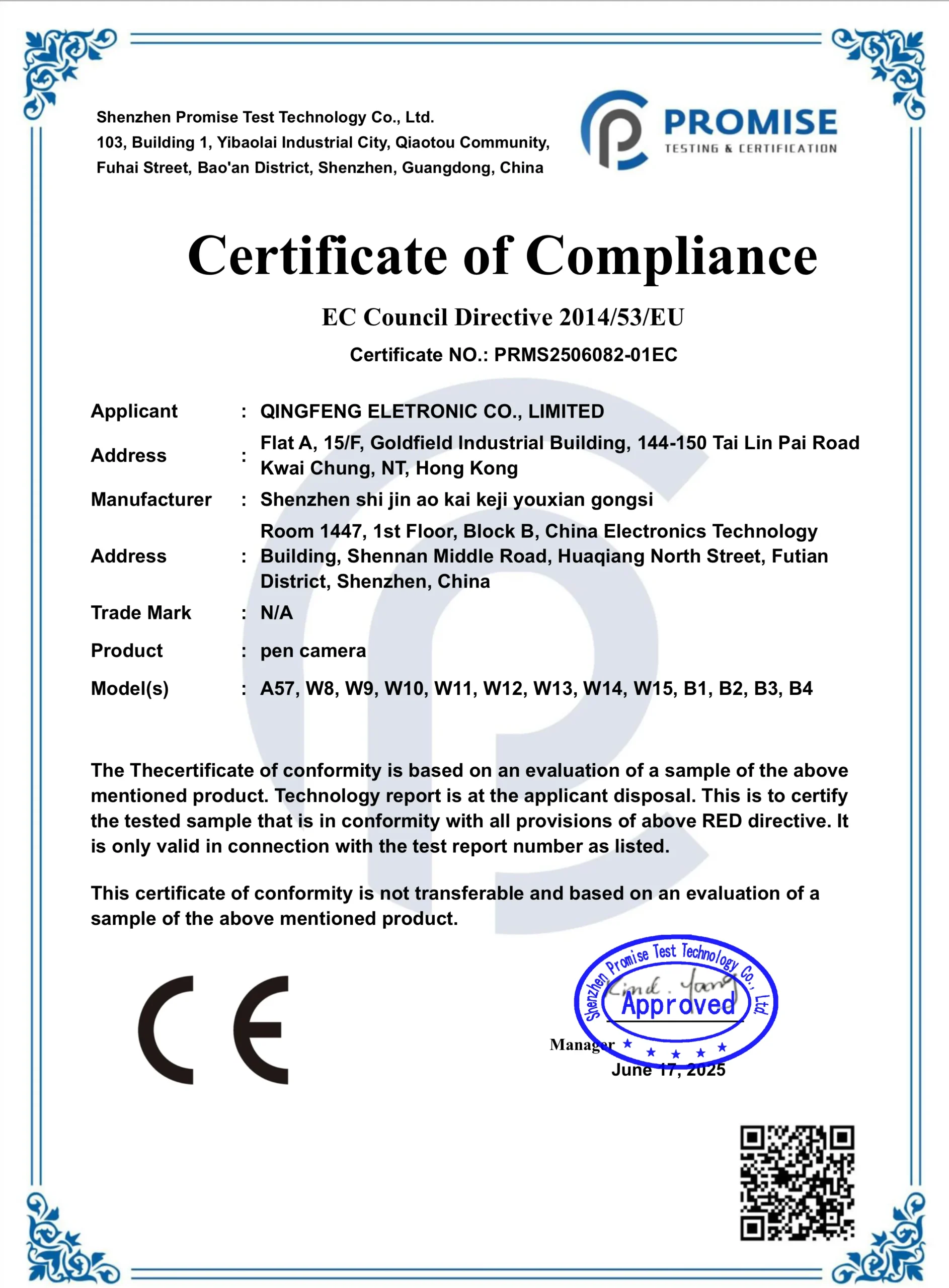
Der häufigste Grund für eine Zollrückhaltung ist ein Dokumentationsfehler. Viele Billighersteller liefern CE- oder RoHS-Zertifikate, die entweder zu einer anderen Produkt-SKU gehören, von einem nicht akkreditierten Prüflabor ausgestellt wurden oder einfach abgelaufen sind. Die Dokumentation mag auf den ersten Blick sogar legitim erscheinen – aber der EU-Zoll gleicht Chargennummern, Schaltpläne und Markenetiketten mit der Produktsicherheitsdatenbank der Europäischen Union ab.
When the paperwork does not match the physical product on the pallet, the goods are impounded on the spot. There is no appeal process at the border. Your freight forwarder cannot release the cargo, and every day it sits in a bonded warehouse costs you money.
How to avoid it: Compliance-Dokumentation muss als Voraussetzung behandelt werden, nicht als nachträglicher Gedanke. Bevor Sie eine größere Bestellung aufgeben, fordern Sie ein vollständiges Compliance-Paket von Ihrem Lieferanten – nicht einen Scan eines fremden Zertifikats. Ein seriöser Hersteller wird CE-Konformitätserklärungen (LVD/EMC) und RoHS-Erklärungen bereitstellen, die genau mit der SKU, dem Produktionsdatum der Charge und den Hardwarespezifikationen der von Ihnen gekauften Ware übereinstimmen. Beispielsweise wird jede Sendung aus unserer Einrichtung von gültigen CE- und RoHS-Dokumenten begleitet, die für die spezifische produzierte Charge verifiziert sind – nicht von einer generischen Vorlage, die über verschiedene Produktlinien hinweg angewendet wird.
Distributors who import electronics from China without verifying documentation upfront are taking on enormous personal liability. If a customs authority determines that the CE marking was fraudulently applied, the importer is legally responsible — not the factory.
Trap 2: Violating German GDPR Standards with Wi-Fi Enabled Covert Cameras
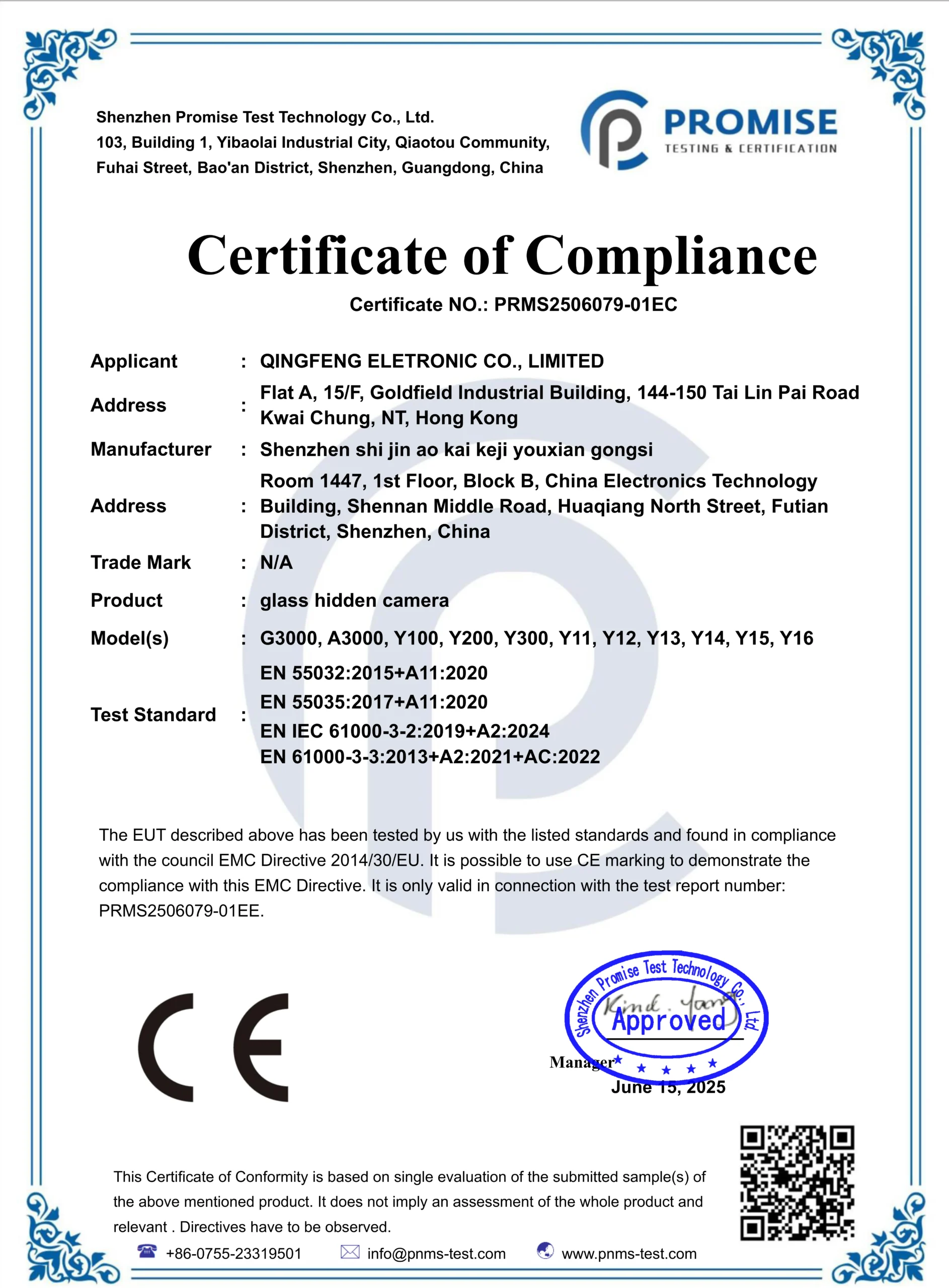
Deutschland arbeitet nach dem Bundesdatenschutzgesetz (BDSG), das die EU-DSGVO durch einige der strengsten Datenschutzanforderungen der Welt ergänzt. Für Überwachungshardware stellt dies ein spezifisches und oft fatales Compliance-Problem für Händler dar, die eine “Einheitslösung”-Produktstrategie über europäische Märkte hinweg anwenden.
Many importers make the mistake of ordering standard Wi-Fi hidden cameras for the German market without understanding the regulatory implications. If a networked covert camera transmits data to an unsecured offshore server — or lacks the localised data protection infrastructure required by German law — it is illegal to sell in Germany. The Bundesnetzagentur has the authority to confiscate non-compliant devices and impose fines on distributors who place them on the market.
The solution is not to avoid the German market — it is to understand which hardware variants meet its specific requirements. For regulated markets like Germany, we supply non-Wi-Fi, local-storage-only variants of our covert cameras. By removing wireless transmission capability entirely and relying solely on secure SD card storage (all devices are subjected to our 48-hour FAT32 formatting protocol before shipping), these models bypass German network privacy restrictions and achieve full compliance with federal data protection law. B2B security device compliance in Germany is entirely achievable — but only with the correct hardware specification.
Trap 3: Applying DDP to Non-EU Regions That Cannot Support It
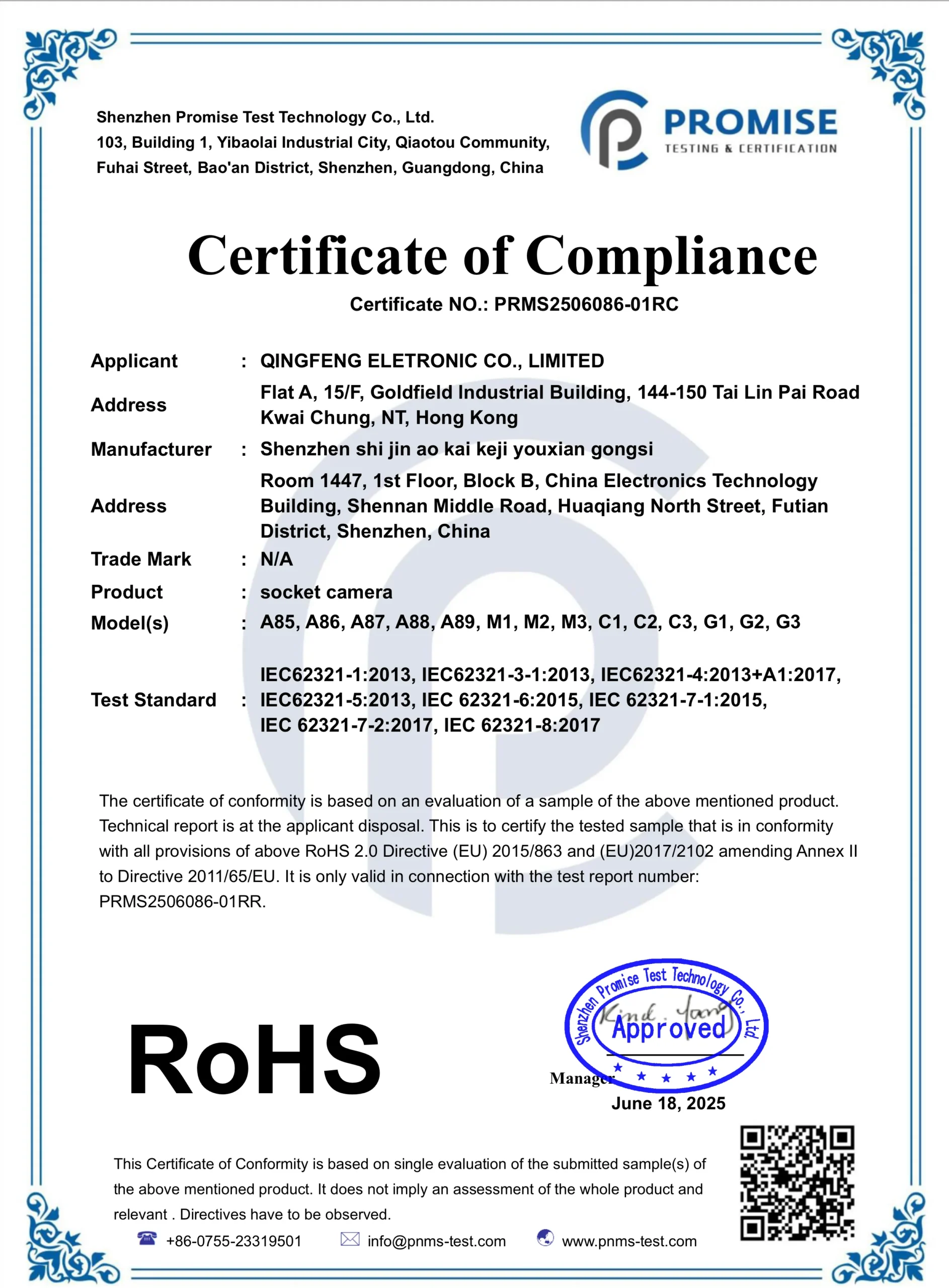
Incoterms define who bears the risk and cost of freight, insurance, and customs duties at each stage of delivery. DDP (Delivered Duty Paid) is an effective tool in markets where the seller has established local clearance infrastructure — which is why we actively offer DDP (covering double customs clearance and local invoicing) for Poland, where B2B distributors structurally prefer a fully inclusive logistics package.
However, applying DDP blindly to non-EU European destinations is a documented disaster waiting to happen. Switzerland, post-Brexit the United Kingdom, and Moldova all have distinct and frequently changing tariff classifications for security electronics. When a seller attempts to pre-pay duties under DDP in a market where they do not have authorised local customs brokers, the goods are routinely placed into terminal limbo — with the buyer receiving an unexpected bill for back-calculated duties, storage fees, and reclassification costs.
How to avoid it: Work with a supplier who understands regional logistics nuances, not someone who defaults to DDP because it sounds convenient. Our internal SOP mandates DAP (Delivered At Place) for all non-EU European destinations. Under DAP, the buyer retains full control over their local customs broker — ensuring that clearance is handled by entities authorised in that specific jurisdiction, with no risk of offshore supplier misdeclaration. Understanding the difference between DDP vs DAP terms is not an academic exercise — it is the difference between a shipment that arrives on time and one that disappears into a bonded warehouse for six weeks.
The Most Reliable Failsafe: Sourcing from a Local EU Warehouse
Wenn Sie Ihr Zollbeschlagnahmerisiko von “möglich” auf “praktisch null” reduzieren möchten, ist die strukturelle Lösung, das grenzüberschreitende Importrisiko vollständig aus Ihrer Lieferkette zu eliminieren. Für unsere Kern-Europahändler übernehmen wir dieses Risiko, indem wir ein eigenes Lager in Nola, Italien, betreiben. Wenn Sie aus unserem lokalen EU-Bestand bestellen, sind die Waren bereits freigegeben und legal im EU-Binnenmarkt im Umlauf, bevor sie bei Ihnen ankommen.
What this means for you as a B2B importer:
Ordering from our local warehouse eliminates the three biggest risks of importing electronics from China directly. There are no border checks, because the goods never cross a border in the traditional sense — they are already inside the EU. There are no CE audits at customs, because all compliance documentation was verified and cleared before the goods entered our warehouse. And there is full tax transparency, because local invoicing makes every transaction eligible for the 0% VAT Reverse Charge mechanism available to registered EU businesses.
For distributors evaluating their current import structure, this is not merely a logistics optimisation — it is a fundamental shift in risk allocation. When your supplier carries the import risk, you carry none.
Quick FAQs
What is the most common reason for EU customs seizing security cameras?
The leading cause is documentation failure — specifically, CE or RoHS certificates that do not match the specific product batch, are issued by unaccredited labs, or have expired. EU customs cross-references certificates against physical goods, and any mismatch results in immediate impoundment.
Can I import Wi-Fi hidden cameras into Germany?
Standard Wi-Fi covert cameras are generally non-compliant with German data privacy law (Bundesdatenschutzgesetz/GDPR) if they transmit to unsecured offshore servers. For the German market, non-Wi-Fi local storage variants are the compliant alternative. Always verify the hardware specification against current German Federal Network Agency requirements before ordering.
Should I use DDP or DAP when importing into Switzerland or the UK?
Verwenden Sie stets DAP (Delivered At Place) für Nicht-EU-Ziele wie die Schweiz, das post-Brexit Vereinigte Königreich und Moldawien. DDP sollte in diesen Regionen nicht verwendet werden, da die Zolltarifklassifizierungen unvorhersehbar sind und der Verkäufer keine autorisierte lokale Zollvertretung hat. Unter DAP kontrollieren Sie Ihren eigenen lokalen Zollmakler, was der rechtlich korrekte und finanziell sicherere Ansatz ist.

 English
  Italiano
  Deutsch
  Français
  Español
  Polski