
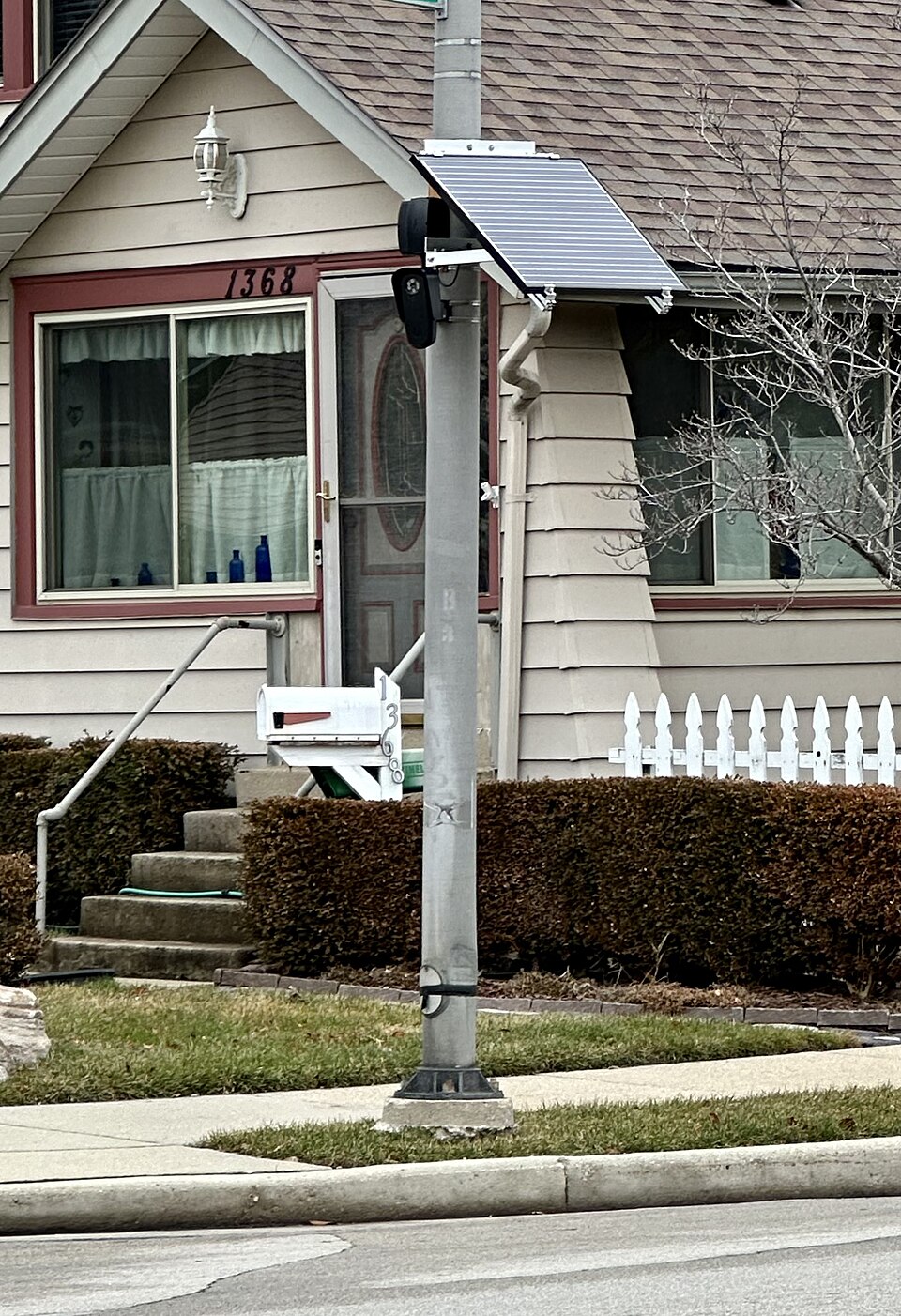
Prawdopodobnie przejeżdżałeś obok takiego urządzenia, nie zauważając go. Biała skrzynka, mniej więcej wielkości dużej książki, zamontowana na słupie przy drodze. Bez migającego światła. Bez oczywistych oznaczeń policyjnych. Po prostu cicha, nieustanna kamera rejestrująca tablice rejestracyjne każdego przejeżdżającego pojazdu.
To jest Kamera Flock Safety — a od 2025 roku ponad 5000 agencji organów ścigania w całych Stanach Zjednoczonych korzysta z nich, podobnie jak tysiące prywatnych stowarzyszeń sąsiedzkich, szkół i firm. ACLU nazwała je „budzącymi grozę kamerami ALPR” i rozpoczęła dedykowaną kampanię mającą na celu ograniczenie ich stosowania. Ten artykuł wyjaśnia dokładnie, czym są, jak działają i co debata o prywatności oznacza dla zwykłych ludzi.
Czym jest kamera Flock Safety?
Flock Safety to firma z siedzibą w Atlancie, założona w 2017 roku, która produkuje i obsługuje sieć kamer automatycznego rozpoznawania tablic rejestracyjnych (ALPR). Kamery firmy są rozmieszczane przy drogach, wjazdach do osiedli, podjazdach szkół i prywatnych parkingach, aby rejestrować zdjęcia każdego przejeżdżającego pojazdu.
W przeciwieństwie do tradycyjnych kamer CCTV, które nagrywają ciągły obraz wideo, kamery Flock Safety wykonują zdjęcia statyczne wyzwalane ruchem pojazdu. Każdy obraz rejestruje:
- Tablica rejestracyjna pojazdu i stan
- Marka, model, kolor i typ nadwozia pojazdu
- Unikalne identyfikatory — naklejki na zderzaku, bagażniki dachowe, haki holownicze, uszkodzenia nadwozia i inne cechy wyróżniające
- Dokładna data, godzina i lokalizacja GPS wykonania zdjęcia
Te dane są przetwarzane przez sztuczną inteligencję i przesyłane przez połączenie komórkowe do platformy chmurowej Flock, gdzie stają się wyszukiwalne dla subskrybujących agencji ścigania i klientów prywatnych.
Jak działa sieć kamer Flock w praktyce?

System Flock działa w modelu subskrypcyjnym. Organy ścigania płacą roczną opłatę — zazwyczaj 2 500–3 500 USD za kamerę — i uzyskują dostęp do platformy Falcon, gdzie śledczy mogą wyszukiwać konkretne tablice rejestracyjne, pojazdy odpowiadające opisowi lub wzorce przemieszczania się w czasie.
System działa w trzech warstwach:
- Rejestracja: Zasilana energią słoneczną kamera przydrożna uruchamia się, gdy przejeżdża pojazd, rejestrując zdjęcie w wysokiej rozdzielczości. Kamera jest zoptymalizowana do odczytu tablic rejestracyjnych w każdych warunkach oświetleniowych, w tym w nocy.
- Przetwarzanie: Sztuczna inteligencja Flock odczytuje tablicę i wyodrębnia cechy pojazdu w ciągu kilku sekund. Obraz i metadane są przesyłane do chmury za pośrednictwem zintegrowanego modemu komórkowego.
- Alert: Agencje mogą tworzyć „listy gorące” — bazy danych tablic powiązanych ze skradzionymi pojazdami, poszukiwanymi osobami lub aktywnymi dochodzeniami. Gdy pasujący pojazd przejeżdża obok dowolnej kamery w sieci, agencja otrzymuje natychmiastowy alert z lokalizacją i zdjęciem.
Flock obsługuje również funkcję o nazwie „Flock OS”, która pozwala agencjom udostępniać dane między jurysdykcjami. Tablica zarejestrowana w sieci jednego miasta może wywołać alert w systemie innego miasta, jeśli obie agencje subskrybują i zgadzają się na udostępnianie. Do 2024 r. ta sieć międzyagencyjna obejmowała dziesiątki tysięcy kamer w całych Stanach Zjednoczonych.
| Cecha | Kamera Flock Safety | Standardowa kamera CCTV |
|---|---|---|
| Typ nagrywania | Zdjęcia statyczne, wyzwalane ruchem | Ciągłe nagrywanie wideo |
| Przechwycone dane | Tablica rejestracyjna, marka, model, kolor, unikalne identyfikatory | Materiał wideo, zależy od rozdzielczości |
| przetwarzanie AI | Tak — wyszukiwalne atrybuty pojazdu w kilka sekund | Rzadko włączone domyślnie |
| Łączność z chmurą | Zawsze — wymagane przesyłanie przez sieć komórkową | Opcjonalne, często tylko lokalnie |
| Udostępnianie danych | Sieć międzyagencyjna (Flock OS) | Zwykle tylko dla agencji |
| Przechowywanie danych (domyślnie) | 30 dni przed automatycznym usunięciem | Zmienny; często 7–30 dni |
Dlaczego ACLU nazywa kamery Flock zagrożeniem dla prywatności?

Kampania ACLU „Get the Flock Out” wskazuje trzy główne zastrzeżenia do sieci Flock Safety:
1. To masowa inwigilacja, a nie ukierunkowany monitoring. Każdy pojazd przejeżdżający obok kamery Flock jest rejestrowany — nie tylko pojazdy powiązane z przestępstwami. W dzielnicy z wieloma punktami wjazdowymi kamery, ruchy mieszkańca są skutecznie rejestrowane za każdym razem, gdy wjeżdża lub wyjeżdża. W ciągu 30 dni tworzy to szczegółowy zapis, kiedy ktoś wychodzi do pracy, kiedy wraca, kto go odwiedza i jakich tras używa. Bez nakazu, bez podejrzenia, bez powiadomienia.
2. Dane mogą być szeroko udostępniane i wykorzystywane w nieoczekiwany sposób. Platforma Flock pozwala agencjom na wzajemne odpytywanie swoich danych przy minimalnym nadzorze w niektórych jurysdykcjach. Agencje egzekwowania prawa imigracyjnego mają dostęp w stanach, które go nie ograniczyły. W udokumentowanych przypadkach miały miejsce wnioski stron trzecich spoza organów ścigania. ACLU twierdzi, że dane zebrane w dochodzeniach dotyczących kradzieży samochodów zostały wykorzystane do niepowiązanych dochodzeń bez wiedzy i zgody społeczeństwa.
3. Problem z dokładnością stwarza realne ryzyko. Kamery Flock Safety mogą błędnie odczytywać tablice, a konsekwencje fałszywego dopasowania nie są abstrakcyjne. Udokumentowano przypadki, w których ludzie byli zatrzymywani z bronią wymierzoną w ich stronę lub fałszywie aresztowani, ponieważ ich poprawnie odczytana tablica została błędnie dopasowana do wpisu na liście gorącej o podobnym numerze. Badania ACLU wykazały wysoki odsetek fałszywych trafień w niektórych wdrożeniach, w których agencje nie weryfikowały danych tablicy przed podjęciem działań egzekucyjnych.
Ile jest kamer Flock i jak sprawdzić, czy jakieś są w mojej okolicy?
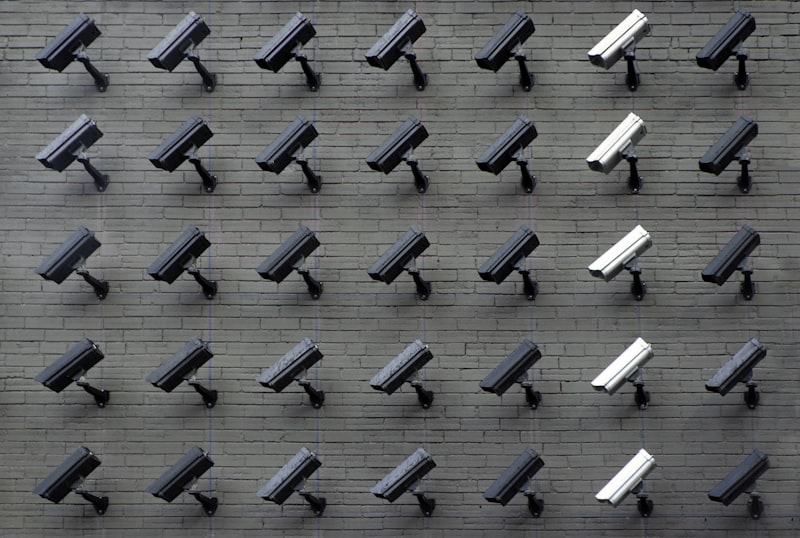
Flock Safety nie publikuje publicznej mapy lokalizacji kamer. Jednak kilka niezależnych organizacji podjęło próby śledzenia wdrożeń:
- The Electronic Frontier Foundation (EFF) maintains a partial database of ALPR camera locations through its “Street Level Surveillance” project
- Lokalne dziennikarstwo i wnioski FOIA (Freedom of Information Act) ujawniły konkretne wdrożenia w setkach miast i hrabstw w USA
- Niektóre strony internetowe stowarzyszeń sąsiedzkich publicznie podają punkty wejścia kamer jako środek odstraszający potencjalnych przestępców
Fizyczne kamery można zidentyfikować, gdy wiadomo, na co patrzeć: biała lub jasnoszara prostokątna obudowa, zwykle o wysokości 20–30 cm, zamontowana na istniejącej infrastrukturze, takiej jak słupy energetyczne lub specjalnie zbudowane maszty. Wiele z nich jest zasilanych energią słoneczną z widocznym panelem. Nie mają widocznych soczewek ani diod LED — system obrazowania jest zamknięty wewnątrz obudowy.
W Wielkiej Brytanii i UE równoważna technologia wykorzystuje kamery ANPR (automatyczne rozpoznawanie tablic rejestracyjnych) obsługiwane przez policję. Podlegają one surowszym zasadom przechowywania danych w ramach RODO — zwykle 90 dni — i podlegają szczególnym przepisom ograniczającym użycie cywilne. Sama Flock Safety działa obecnie głównie w Stanach Zjednoczonych.
Czy można zrezygnować z nagrywania przez kamerę Flock?
Nie. W Stanach Zjednoczonych nie ma mechanizmu rezygnacji z nagrywania na drogach publicznych. Warunki Flock Safety pozwalają na nagrywanie każdego pojazdu na drodze publicznej lub widocznego z terenu publicznego. Zakrywanie lub zasłanianie tablicy rejestracyjnej jest nielegalne zgodnie z kodeksami pojazdów wszystkich stanów USA.
Jedynym środkiem odwoławczym jest działanie polityczne: kilka stanów USA wprowadziło lub przyjęło przepisy ograniczające okresy przechowywania danych ALPR, ograniczające, które agencje mogą uzyskać dostęp do danych, oraz wymagające raportów o przejrzystości. Kampania ACLU konkretnie wspiera te wysiłki legislacyjne i utrzymuje zasoby do kontaktu z ustawodawcami stanowymi.
Flock Safety odpowiada na obawy dotyczące prywatności, wskazując, że dane są domyślnie usuwane po 30 dniach, że klienci są właścicielami swoich danych, a firma dostarcza organom ścigania technologię, która w przeciwnym razie opierałaby się na mniej dokładnych metodach ludzkich. Firma powołuje się również na studia przypadków pokazujące, że platforma pomogła w rozwiązaniu tysięcy poważnych przestępstw, w tym morderstw, porwań i zorganizowanych grup przestępczych zajmujących się kradzieżą pojazdów.
Co Flock Safety oznacza dla naszego sposobu myślenia o prywatnych kamerach bezpieczeństwa?
Debata wokół Flock podkreśla rozróżnienie, które często jest zacierane w dyskusji publicznej: różnicę między infrastruktura nadzoru oraz sprzęt do ochrony osobistej.
Kamery Flock to infrastruktura — domyślnie rejestrują wszystkich, ich dane są gromadzone między agencjami, a jednostka nie ma kontroli nad tym, czy jest nagrywana, jak długo ani kto uzyskuje dostęp do danych. Propozycja wartości jest zbiorowa: społeczności i organy ścigania korzystają z sieci, podczas gdy prywatność jednostki jest ograniczana.
Osobiste kamery bezpieczeństwa — niezależnie od tego, czy są zainstalowane w domu, małej firmie, czy noszone jako urządzenie na ciele — działają na zupełnie innej zasadzie. Są kontrolowane przez właściciela, nagrania pozostają lokalne, chyba że właściciel zdecyduje inaczej, a zakres jest ograniczony do mienia lub osoby, które mają chronić. Nie ma sieci udostępniania danych, analizy AI zasilającej bazę danych organów ścigania ani dostępu osób trzecich bez zgody właściciela.
Dla właścicieli domów i małych firm, którzy chcą prawdziwego bezpieczeństwa bez przyczyniania się do wspólnej sieci nadzoru lub polegania na niej, ukryte kamery, które nagrywają lokalnie na kartę MicroSD i nie wymagają łączności z chmurą, oferują zasadniczo odmienny profil prywatności. WiFi clock camera or Kamera w gniazdku nagrywanie do pamięci lokalnej jest pod całkowitą kontrolą osoby, która jest właścicielem i operatorem — całkowite przeciwieństwo sieciowego systemu ALPR.
Często zadawane pytania
Jak wygląda kamera Flock Safety?
Kamera Flock Safety to biała lub jasnoszara prostokątna obudowa, o wysokości około 20–30 cm, zazwyczaj montowana na słupie przy drogach, przy wjazdach do osiedli lub na parkingach. Wiele jednostek ma przymocowany mały panel słoneczny. Soczewka kamery i sprzęt obrazujący są zamknięte wewnątrz obudowy, bez widocznej zewnętrznej soczewki ani światła. Są zaprojektowane tak, aby były dyskretne i często nie są zauważane przez przejeżdżających kierowców.
Czy Flock Safety sprzedaje osobom prywatnym?
Flock Safety sprzedaje głównie agencjom ścigania, gminom, stowarzyszeniom właścicieli domów (HOA), szkołom i firmom. Od 2025 r. nie sprzedają bezpośrednio indywidualnym konsumentom. Stowarzyszenia właścicieli domów i prywatne społeczności mogą subskrybować usługę jako organizacja. Indywidualni mieszkańcy nie mają niezależnego dostępu do platformy Flock.
Jak długo Flock Safety przechowuje dane tablic rejestracyjnych?
Domyślna polityka przechowywania danych Flock Safety wynosi 30 dni, po czym obrazy i powiązane dane są automatycznie usuwane. Jednak poszczególne agencje i klienci mogą ustawić dłuższe okresy przechowywania, jeśli pozwalają na to ich lokalne przepisy. Niektóre organy ścigania ustaliły dłuższe okresy przechowywania, a przepisy stanowe znacznie różnią się co do tego, co jest dozwolone. ACLU udokumentowała przypadki, w których dane były przechowywane dłużej niż podane domyślne okresy.
Czy kamery Flock są legalne w Wielkiej Brytanii?
Flock Safety jako firma działa głównie w Stanach Zjednoczonych. Wielka Brytania korzysta z własnego systemu ANPR (Automatyczne Rozpoznawanie Tablic Rejestracyjnych), obsługiwanego przez policję i regulowanego przez ustawę o policji i dowodach karnych z 1984 r., ustawę o ochronie wolności z 2012 r. oraz brytyjskie RODO. Prywatni obywatele i firmy mogą legalnie obsługiwać kamery ANPR w Wielkiej Brytanii w ramach określonych wytycznych, ale przetwarzanie danych, okresy przechowywania i prawa dostępu są ściśle regulowane w porównaniu z wieloma wdrożeniami w USA.
W przypadku kamer bezpieczeństwa dla domu i firmy, które utrzymują nagrania całkowicie pod Twoją kontrolą — bez zależności od chmury, bez udostępniania danych stronom trzecim i bez opłat abonamentowych — zapoznaj się z Asortyment produktów QZT Security or kontakt w sprawie zapytań o zaopatrzenie.

 English
  Italiano
  Deutsch
  Français
  Español
  Polski