
Qual è il modo legale per installare telecamere nascoste nei luoghi di lavoro in UK?
Installing cameras in a UK workplace is legal when you have a legitimate reason, tell staff what you’re doing, and keep the surveillance proportionate. Get any of those three wrong and you’re exposed to ICO fines, employment tribunal claims, and reputational damage. This guide walks through exactly what the law requires, where cameras can and cannot go, and how wholesalers and installers should advise their business clients.
Why do UK employers install workplace cameras in the first place?
Theft prevention sits at the top of the list. Retail premises, warehouses, and cash-handling businesses lose millions every year to internal and external theft. A visible camera at the point of sale or the stock room door changes behaviour without a single word being spoken.
Health and safety is the second driver. Construction sites, manufacturing floors, and logistics depots use cameras to verify that safety protocols are being followed. When an incident occurs, footage provides an objective record of what happened — essential for insurance and regulatory investigations.
Then there’s the liability shield. If a customer slips in your shop or alleges that a member of staff behaved inappropriately, camera footage can confirm or refute the claim within minutes. Without it, you’re relying on recollections that fade and contradict each other.
But here’s the thing — the reason you install a camera matters far less than how you go about it. A legitimate aim doesn’t give you a blank cheque to record everywhere and everyone.
Operational efficiency also plays a role. Fleet operators monitor drivers for route compliance and safe driving. Office-based employers use cameras to secure server rooms and areas where high-value equipment is stored. The use cases are varied, but the legal framework that governs them is the same.
For wholesalers and distributors supplying these businesses, understanding the legal boundaries isn’t academic — it’s a sales enablement tool. Your B2B buyers need to get this right, and they’ll value a supplier who can steer them away from legal trouble.
What laws actually govern workplace cameras in the UK?
Four pieces of legislation intersect to create the UK’s workplace surveillance framework. Miss any one of them and you’ve got a blind spot.
IL Data Protection Act 2018 E UK GDPR are the primary regulators. Any footage that captures an identifiable person — which is to say, virtually all workplace footage — counts as personal data. That triggers the full set of data protection obligations: lawful basis, transparency, data minimisation, secure storage, and defined retention limits.
IL Human Rights Act 1998, Article 8 establishes a right to private life that includes a degree of privacy in the workplace. Employees don’t forfeit all privacy rights the moment they clock in. Monitoring must be justified and proportionate, not assumed or blanket.
IL Employment Rights Act 1996 implies a duty of trust and confidence between employer and employee. Excessive or covert monitoring without proper cause can breach that duty and open the door to constructive dismissal claims.
And then there’s the Criminal Justice and Courts Act 2015, which criminalises voyeuristic recording. If a camera is placed where a person would reasonably expect privacy — changing rooms, bathrooms, nursing rooms — the person who installed it may have committed a criminal offence, not merely a civil wrong.
Here’s what most people get wrong: they think consent is the magic word that makes everything lawful. It isn’t. Under UK GDPR, consent is one of six lawful bases for processing personal data, but it’s rarely the right one for workplace monitoring. Employees are in a position of imbalance relative to their employer; consent given under those conditions is often not “freely given” in the legal sense. The more appropriate basis is usually “legitimate interests” — but only if you can demonstrate that the monitoring is necessary and proportionate, and that employees’ privacy rights don’t override it.
| Law | What It Regulates | What Happens If You Breach It |
|---|---|---|
| Data Protection Act 2018 / UK GDPR | Personal data in footage | ICO investigation, fines up to £17.5m or 4% of turnover |
| Human Rights Act 1998 (Art 8) | Aspettativa ragionevole di privacy | Civil claims, tribunal claims |
| Employment Rights Act 1996 | Duty of trust and confidence | Constructive dismissal, grievance claims |
| Criminal Justice and Courts Act 2015 | Voyeuristic recording | Criminal prosecution |
When does hidden or covert recording cross the legal line?
This is where most employers — and their suppliers — get into trouble. There’s a meaningful difference between a visible, disclosed camera and a hidden one.
Visible cameras, properly signposted, are generally lawful when the purpose is legitimated and proportionate. The key word is “disclosed.” Staff and visitors know the camera is there; the notice explains why it’s there. That transparency is what makes the processing lawful.
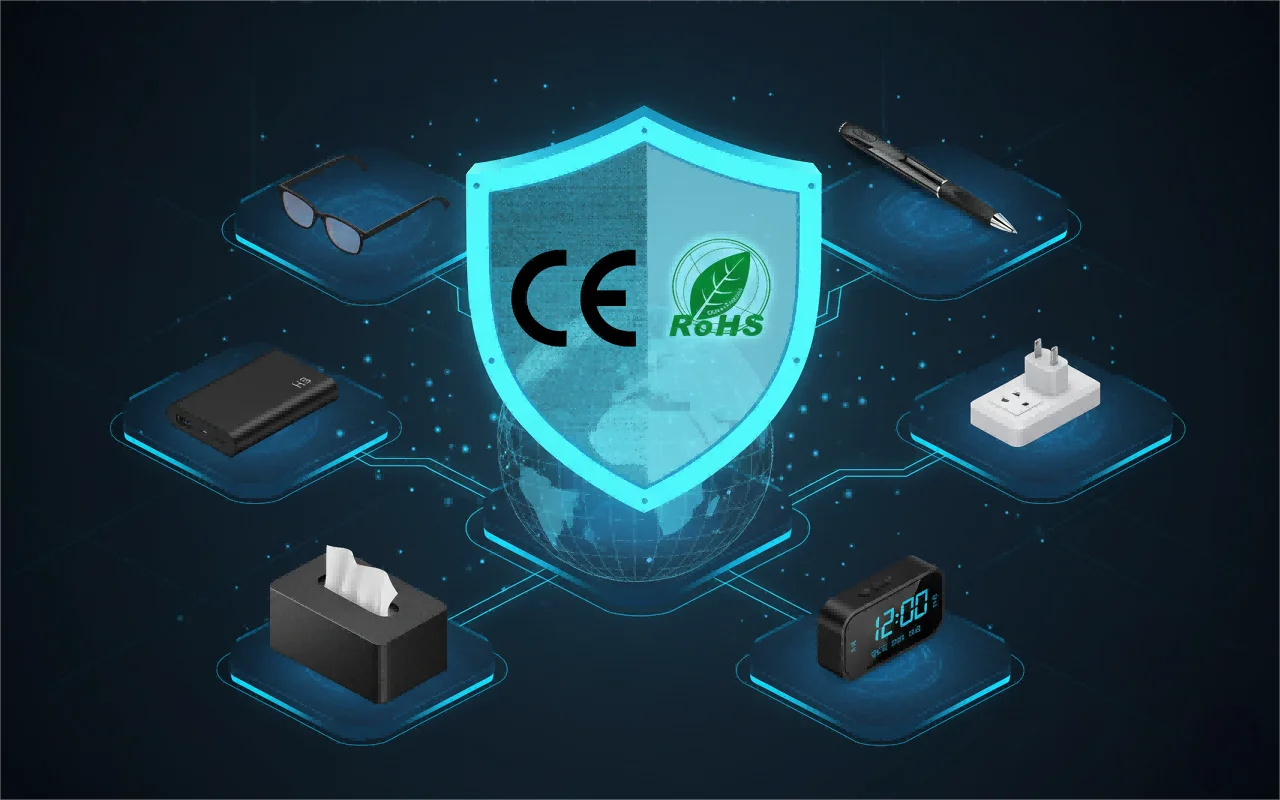
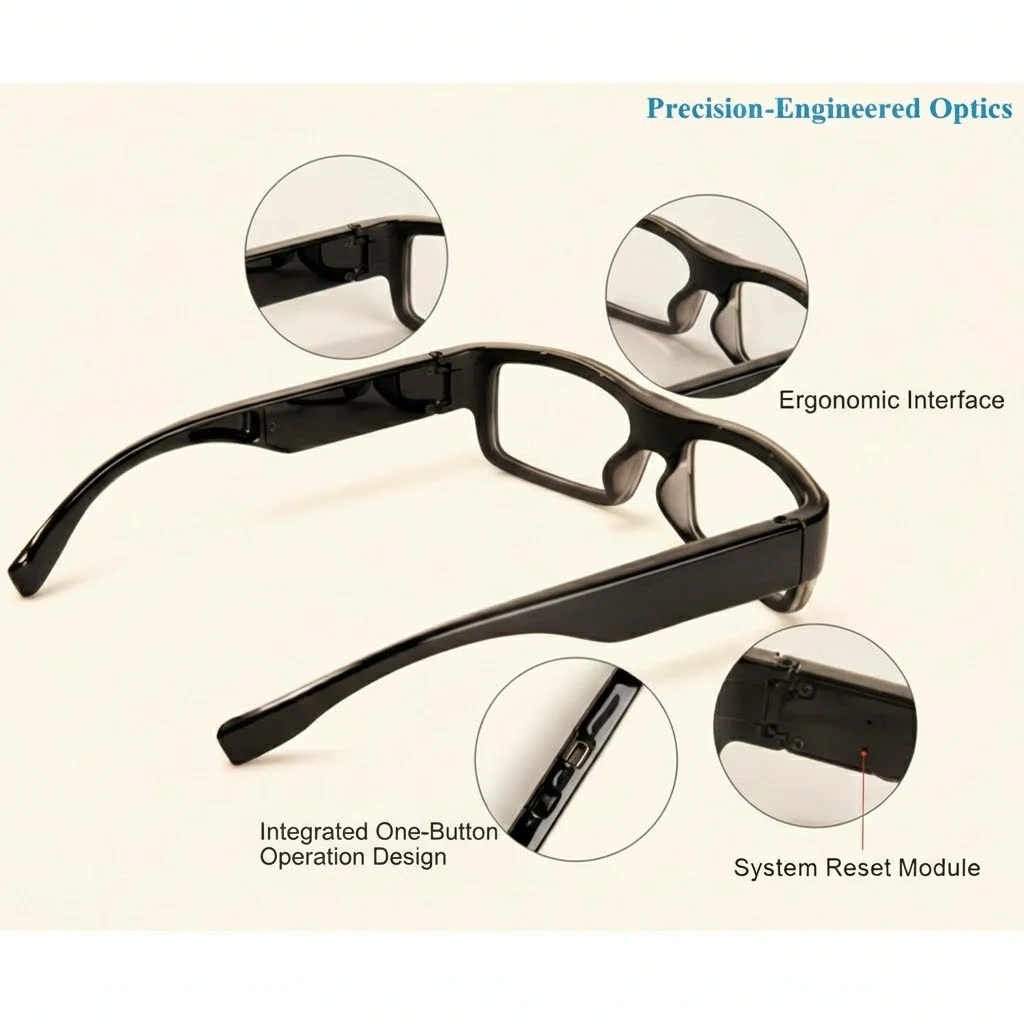
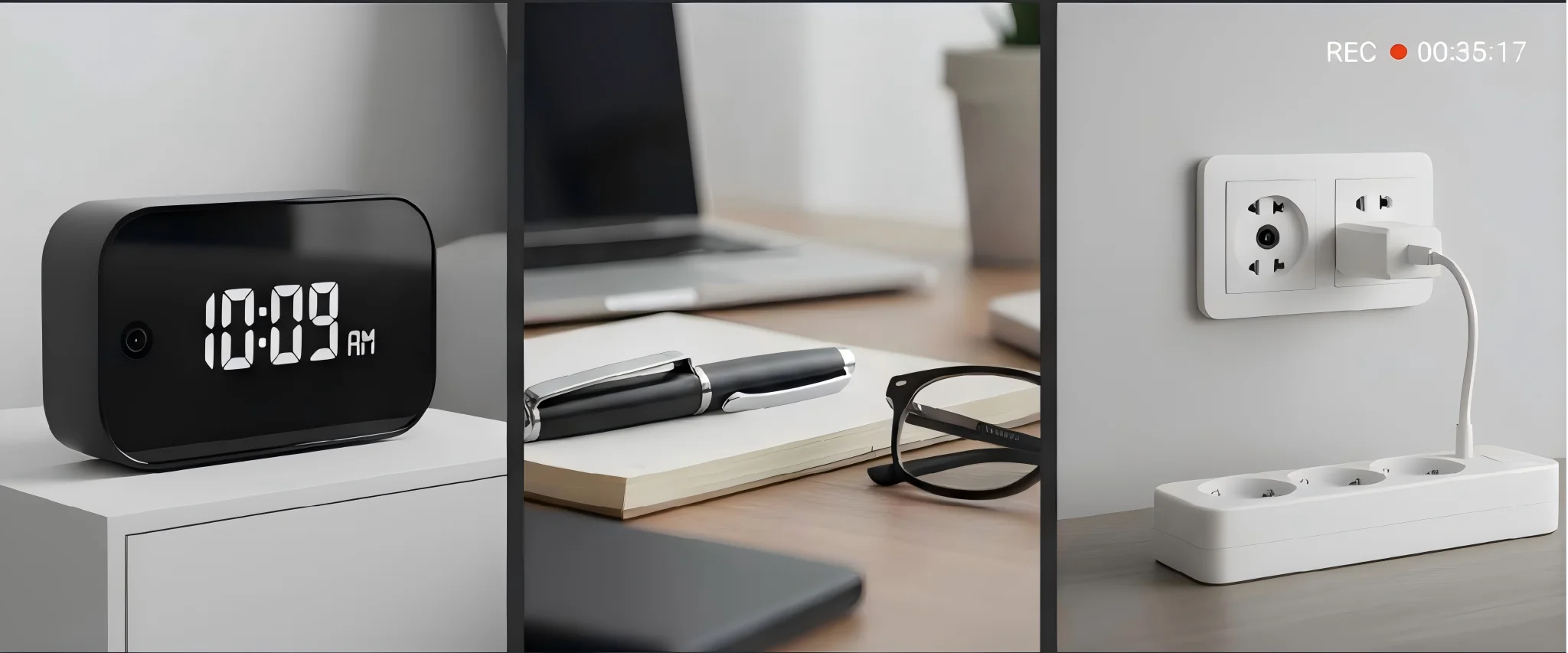
Covert cameras — those hidden inside smoke detectors, clocks, USB chargers, or other everyday objects — occupy a much narrower legal space. The ICO’s position is clear: covert monitoring is only justifiable in extreme circumstances, typically where you’re investigating suspected criminal activity and you have reasonable grounds to believe that disclosing the surveillance would tip off the suspects.
Even then, covert monitoring must be:
– Targeted, not general — you monitor a specific area for a specific reason, not the whole premises indefinitely.
– Time-limited — you set an end date for the covert operation and review whether it’s still justified.
– Subject to a DPIA — a Data Protection Impact Assessment must be completed before any covert monitoring begins.
– Proportionate — the suspected wrongdoing must be serious enough to justify the intrusion into privacy.
Here’s the practical reality for wholesalers and installers. If a business customer asks you about hidden cameras for “keeping an eye on staff,” that’s a red flag. Recommend visible, signposted systems instead. If they persist, document the conversation and consider whether you want the liability of supplying equipment for what may be an unlawful purpose.
For distribution and wholesale buyers reading this: if your end customer is asking for covert cameras to monitor employees without telling them, you need to be advising them on the legal risk they’re taking on. It’s not just about selling product — it’s about protecting your business relationship by steering them right.
Punto chiave: Covert cameras are for investigating suspected crime, not for routine employee monitoring. If you can’t articulate a specific, serious reason why visible cameras won’t work, covert recording is probably unlawful.
| Scenario | Telecamera visibile | Covert Camera |
|---|---|---|
| Preventing shoplifting | Lawful with signage | Rischioso — la segnaletica è l'approccio migliore |
| Indagine su sospetto furto interno | Legittimo con DPIA e avviso al personale | Potrebbe essere giustificato con DPIA, dispiegamento mirato, limite di tempo |
| Monitoraggio della produttività dei dipendenti | Non proporzionato secondo la maggior parte delle interpretazioni | Quasi certamente illegittimo |
| Sicurezza sala server / cassaforte | Lawful with signage | Potrebbe essere giustificato se la segnaletica comprometterebbe la sicurezza — DPIA richiesto |
| Monitoraggio sala pausa del personale | Non proporzionato — spazio privato | Illegittimo — spazio privato |
Dove è possibile posizionare legalmente le telecamere in un luogo di lavoro nel Regno Unito?
Il test della “ragionevole aspettativa di privacy” è la bussola. Se una persona si aspetterebbe ragionevolmente privacy in uno spazio particolare, non dovresti registrare lì.
Chiaramente sì: Ingressi, uscite, piani di vendita al dettaglio, banchine di carico del magazzino, registratori di cassa, sale server, perimetri esterni. Queste sono aree comuni o sensibili alla sicurezza dove l'aspettativa di privacy è bassa e la giustificazione di sicurezza è alta.
Chiaramente no: Bagni, spogliatoi, sale per l'allattamento, sale di preghiera e — nella maggior parte dei casi — aree di pausa per il personale. Questi sono spazi privati. Installare una telecamera qui è quasi certamente illegale e può costituire un reato ai sensi del Criminal Justice and Courts Act 2015.
Dipende dal contesto: Uffici open space, corridoi e cucine. Le telecamere qui possono essere legali se lo scopo è chiaramente spiegato, la copertura è proporzionata e c'è una giustificazione legittima di sicurezza o protezione. Tuttavia, il monitoraggio indiscriminato dell'attività alla scrivania di tutti è difficile da giustificare.
Le linee guida dell'ICO sottolineano il necessità e proporzionalità test. Chiediti: esiste un modo meno intrusivo per raggiungere lo stesso obiettivo? Se la risposta è sì, il posizionamento della telecamera potrebbe non essere giustificato.
Per i grossisti che consigliano i clienti, una semplice ispezione dei locali è utile. Indicare gli spazi in cui le telecamere ovviamente non dovrebbero essere installate. Dimostra competenza e protegge entrambe le parti se sorgono domande in seguito.

Punto chiave: Se qualcuno potrebbe ragionevolmente aspettarsi privacy in uno spazio, non mettere lì una telecamera. In caso di dubbio, escludila — la posizione di applicazione dell'ICO è più protettiva della privacy di quanto molti datori di lavoro pensino.
| Posizione | Generalmente accettabile? | Condizioni |
|---|---|---|
| Ingresso / uscita | SÌ | Segnaletica consigliata |
| Area vendita al dettaglio | SÌ | Segnaletica obbligatoria |
| Magazzino / banchina di carico | SÌ | Copertura proporzionata |
| Sala server | SÌ | Area ad accesso controllato |
| Area di gestione del contante | SÌ | Segnaletica e accesso limitato alle riprese |
| Corridoio / spazio di circolazione | Di solito sì | Lo scopo deve essere chiaro |
| Ufficio open space | Dipende dal contesto | Proporzionato; considera le aspettative di privacy |
| Cucina / sala pausa del personale | Generalmente no | Spazio privato a meno di giustificazione eccezionale |
| Bagno / spogliatoio | No | Rischio di reato |
| Sala di preghiera | No | Spazio privato |
Qual è la lista di controllo per la conformità al GDPR per la sorveglianza sul luogo di lavoro?
Se fornisci o installi telecamere per aziende nel Regno Unito, i tuoi clienti hanno bisogno di una lista di controllo pratica che possano effettivamente seguire. Ecco come si presenta la conformità nella pratica.
1. Identifica la tua base giuridica. Per la maggior parte della sorveglianza sul posto di lavoro, questa è “interessi legittimi” ai sensi dell'articolo 6(1)(f) del UK GDPR. Devi essere in grado di articolare l'interesse legittimo, dimostrarne la necessità e bilanciarlo con i diritti alla privacy dei dipendenti.
2. Condurre una DPIA (Valutazione d'Impatto sulla Protezione dei Dati). Per qualsiasi sistema di sorveglianza — e certamente per qualsiasi cosa sia segreta — una DPIA è obbligatoria. Documenta i rischi per la privacy degli individui e le misure che stai adottando per mitigarli. Nessuna DPIA, nessun trattamento legittimo.
3. Emettere un avviso sulla privacy. Dipendenti e visitatori devono sapere di essere registrati: dove, perché, per quanto tempo e a chi rivolgersi per domande. Non è facoltativo — è un requisito di trasparenza ai sensi degli articoli 13 e 14.
4. Minimizzare i dati. Non registrare audio a meno che non si abbia una ragione specifica e legittima — e ricordare che le leggi sulla registrazione audio sono più severe di quelle sul video. Non puntare le telecamere su spazi che non devono coprire. Utilizzare la maschera di privacy sui campi visivi sovrapposti dove appropriato.
5. Limitare l'accesso. Le riprese dovrebbero essere accessibili solo al personale autorizzato. Un responsabile della protezione dei dati designato dovrebbe gestire le richieste di accesso e assicurarsi che le riprese non vengano visualizzate in modo casuale o per scopi non autorizzati.
6. Definire i periodi di conservazione. Per quanto tempo verranno conservate le riprese? Per la maggior parte degli scopi commerciali, 30 giorni è un punto di partenza standard, ma questo dipende dal contesto. Dopo la scadenza del periodo di conservazione, le riprese dovrebbero essere eliminate in modo sicuro a meno che non siano state segnalate per un'indagine specifica.
7. Proteggi il sistema. Le riprese devono essere archiviate in modo sicuro — crittografate se possibile, con accessi registrati. Una violazione delle riprese di sorveglianza è una violazione dei dati personali ai sensi del UK GDPR e potrebbe dover essere segnalata all'ICO entro 72 ore.

Punto chiave: La conformità al GDPR non è un'operazione una tantum. È un insieme di pratiche continue: DPIA, informativa sulla privacy, controlli di accesso, limiti di conservazione e archiviazione sicura. Se il tuo cliente non riesce a rispondere a una richiesta di accesso del soggetto interessato entro 30 giorni, è già inadempiente.
| Requisito | Azione | Riferimento ICO |
|---|---|---|
| Base giuridica | Documentare ai sensi dell'Articolo 6(1) | UK GDPR Art 6 |
| DPIA | Completare prima della messa in funzione | UK GDPR Art 35 |
| Informativa sulla privacy | Da consegnare al personale e ai visitatori | UK GDPR Art 13/14 |
| Restrizione dell'accesso | Controlli di accesso basati sui ruoli | UK GDPR Art 32 |
| Politica di conservazione | Definire e applicare la cancellazione | UK GDPR Art 5(1)(e) |
| Sicurezza | Cripta le riprese archiviate; registra gli accessi | UK GDPR Art 32 |
| Notifica della violazione | Segnala all'ICO entro 72 ore | UK GDPR Art 33 |
Come si aspetta l'ICO che tu gestisca il monitoraggio dei dipendenti?
L'Ufficio del Commissario per le Informazioni ha pubblicato linee guida dettagliate sulle pratiche di impiego che chiariscono le sue aspettative. La versione riassuntiva: monitora apertamente, monitora in modo proporzionato e abbia una buona ragione.
L'ICO si aspetta che i datori di lavoro:
– Completare una DPIA prima prima che inizi qualsiasi monitoraggio — non dopo.
– Considera alternative meno intrusive — lo stesso obiettivo potrebbe essere raggiunto con meno telecamere o senza telecamere?
– Informa il personale su ciò che sta accadendo — per iscritto, prima che inizi il monitoraggio.
– Limita il monitoraggio a ciò che è necessario — nessuna registrazione indiscriminata di tutto, ovunque.
– Avere una politica in vigore — una politica di sorveglianza scritta che il personale possa leggere e comprendere.
L'ICO chiarisce anche che il monitoraggio dovrebbe essere reviewed periodically. The circumstances that justified camera installation two years ago may no longer apply. A yearly review of whether cameras are still needed, and whether they’re still positioned appropriately, is a good habit.
For wholesalers and installers, the ICO guidance is a useful reference to hand to clients who are uncertain. It’s also a shield: if a client insists on something you believe is non-compliant, pointing them to the ICO’s own guidance shows you acted responsibly.
Here’s what most people get wrong: they think that because “everyone else does it,” it must be legal. The ICO’s enforcement track record tells a different story. They have issued fines and enforcement notices for disproportionate workplace monitoring, and they take complaints from employees seriously.
For wholesalers exporting to Europe more broadly, the framework is similar under the EU GDPR. The differences are mainly in the supervisory authority (each EU member state has its own data protection commissioner) and in some specific sectoral laws. The core principles — lawful basis, transparency, proportionality, data minimisation — are the same.
Punto chiave: The ICO’s position is that surveillance is justified only when it’s targeted, time-bound, and necessary. If you can’t explain the necessity in a sentence, you probably haven’t thought it through well enough.
| ICO Expectation | Practical Implication |
|---|---|
| DPIA before monitoring | No retroactive justification |
| Less intrusive alternative test | Must document why cameras are necessary |
| Written notification to staff | Part of onboarding and policy handbook |
| Periodic review | Annual audit of camera necessity and placement |
| Proportionality | No monitoring in private spaces, no blanket coverage |
| Subject access request compliance | 30-day response window; £10 fee max (often free) |
What are the penalties for getting workplace camera law wrong?
The consequences range from bureaucratic inconvenience to existential business risk. Understanding the penalty landscape helps explain why getting this right matters.
ICO enforcement is the most common risk. The ICO can issue enforcement notices (ordering you to stop unlawful processing), assessment notices (compelling you to undergo an audit), and monetary penalties. Under UK GDPR, the maximum fine is the higher of £17.5 million or 4% of global annual turnover.
Employment tribunal claims are a second route. If an employee can show that covert or excessive monitoring breached the duty of trust and confidence, they may resign and claim constructive dismissal. The financial remedy includes loss of earnings and, in some cases, injury to feelings.
Civil claims for privacy violations under the Human Rights Act are less common but not unheard of, particularly where the monitoring was voyeuristic or targeted at private spaces.
Danno reputazionale is harder to quantify but often more enduring. A business known to have secretly recorded staff in private areas will struggle to recruit and retain employees. In a tight labour market, that’s a real competitive disadvantage.
Here’s the thing: most penalties arise not from malicious intent but from ignorance. An employer who didn’t realise that bathrooms were off-limits, or who didn’t know that a DPIA was required, faces the same penalties as one who knew and didn’t care. Ignorance of the law is not a defence.
For wholesalers, the risk is more indirect but still real. If your customer gets fined or sued because of advice you gave — or failed to give — about camera placement or legal compliance, that relationship is damaged and your reputation in the market suffers.
Punto chiave: The penalties aren’t theoretical. The ICO actively enforces, employment tribunals hear these cases, and reputational damage is lasting. The cost of getting compliant is far lower than the cost of getting caught.
| Penalty Type | Maximum / Typical Range | Attivazione |
|---|---|---|
| ICO monetary penalty | £17.5m or 4% of turnover | Serious GDPR breaches |
| Employment tribunal | £100k–£500k+ (losses + injury to feelings) | Constructive dismissal from unlawful monitoring |
| Civil privacy claim | Varies; legal costs alone can be £50k+ | Human Rights Act Article 8 breach |
| Criminal prosecution | Unlimited fine; possible imprisonment | Voyeuristic recording (Criminal Justice and Courts Act 2015) |
| Reputational | Not quantifiable; ongoing | Any enforcement action made public |
How should wholesalers and installers advise their business clients?
If you’re in the B2B supply chain for surveillance equipment, your advice to clients is part of your value proposition. The best wholesalers don’t just shift boxes — they help customers deploy them lawfully and effectively.
Start with a site survey. Walk the premises with the client and identify where cameras are genuinely needed. Point out the spaces where cameras shouldn’t go. This demonstrates expertise and creates a record that the client was advised on compliance.
Provide a written recommendation. A one-page summary of camera positions, the reason for each, and the legal basis for the deployment helps the client justify the expenditure and demonstrates that proper thought was given to privacy.
Supply signage. Many wholesalers overlook this, but it’s a high-margin add-on and it helps ensure the client’s system is compliant from day one. “Smile — you’re on camera” isn’t legally sufficient; the signage should reference the purpose and whom to contact.
Explain the technology options. Not every client needs 4K resolution or AI person detection. A small retail shop may be perfectly well served by 1080p cameras at key positions. Over-specifying is a disservice — it makes the system more expensive and the footage harder to store and review.
Highlight UK and CE certification. For the European market, CE marking under the RED (Radio Equipment Directive) and RoHS (Restriction of Hazardous Substances) is mandatory for wireless cameras. UK clients need UKCA marking or CE marking depending on the transition period status. Selling non-compliant equipment isn’t just a commercial risk — it can make the client’s entire installation non-compliant.
At QZT Security, we work with wholesalers and distributors who understand that compliance is part of the product. Our devices ship with the certification documentation your clients need to demonstrate lawful deployment. When you source from a supplier who understands the regulatory landscape, you’re not just buying hardware — you’re buying peace of mind.
Punto chiave: The best B2B suppliers differentiate on advice, not just price. Helping your client get the legal bits right protects both of you and builds a relationship that outlasts a single order.
| Advisory Step | Perché è importante | For the Wholesaler |
|---|---|---|
| Site survey | Identifies necessity and avoids privacy breaches | Demonstrates expertise; creates upsell opportunity |
| Written recommendation | Documents lawful basis; protects both parties | Professional service differentiates from box-shifters |
| Signage supply | Transparency requirement under GDPR | High-margin add-on; ensures client compliance |
| Certification documentation | CE / UKCA marking is mandatory for legal deployment | Reduces your liability; adds value to the sale |
| Technology matching | Right-spec camera reduces cost and storage burden | Builds trust; encourages repeat business |
What camera features matter most for legal compliance?
Certain technical features make it easier for your clients to stay on the right side of the law. When specifying or recommending equipment, these are worth highlighting.
Privacy masking allows the installer to block out areas that shouldn’t be recorded — a neighbouring property, a public pavement, or a private area within the premises. This helps demonstrate that the system is proportionate and targeted.
Access logging records who accessed footage, when, and what they viewed. This is valuable evidence if a subject access request arrives or if there’s a dispute about improper viewing of footage.
Configurable retention lets the client set footage to auto-delete after a defined period. This supports the GDPR storage limitation principle and removes the manual burden of deleting old footage.
No audio by default is a sensible baseline. Audio recording is more legally sensitive than video, and many businesses don’t need it. Being able to disable audio at the hardware or software level removes a compliance risk.
Clear labelling and signage kits from the manufacturer show that transparency was built into the deployment, not added as an afterthought.
For wholesalers, these features are selling points. A business customer comparing two cameras will value the one that makes compliance easier. It’s not just about the image quality — it’s about the operational burden of running the system lawfully.
IL range at QZT Security includes models with configurable retention, privacy zone masking, and access logging. For wholesalers supplying the UK and European markets, these features aren’t nice-to-haves — they’re what informed buyers are starting to ask for.
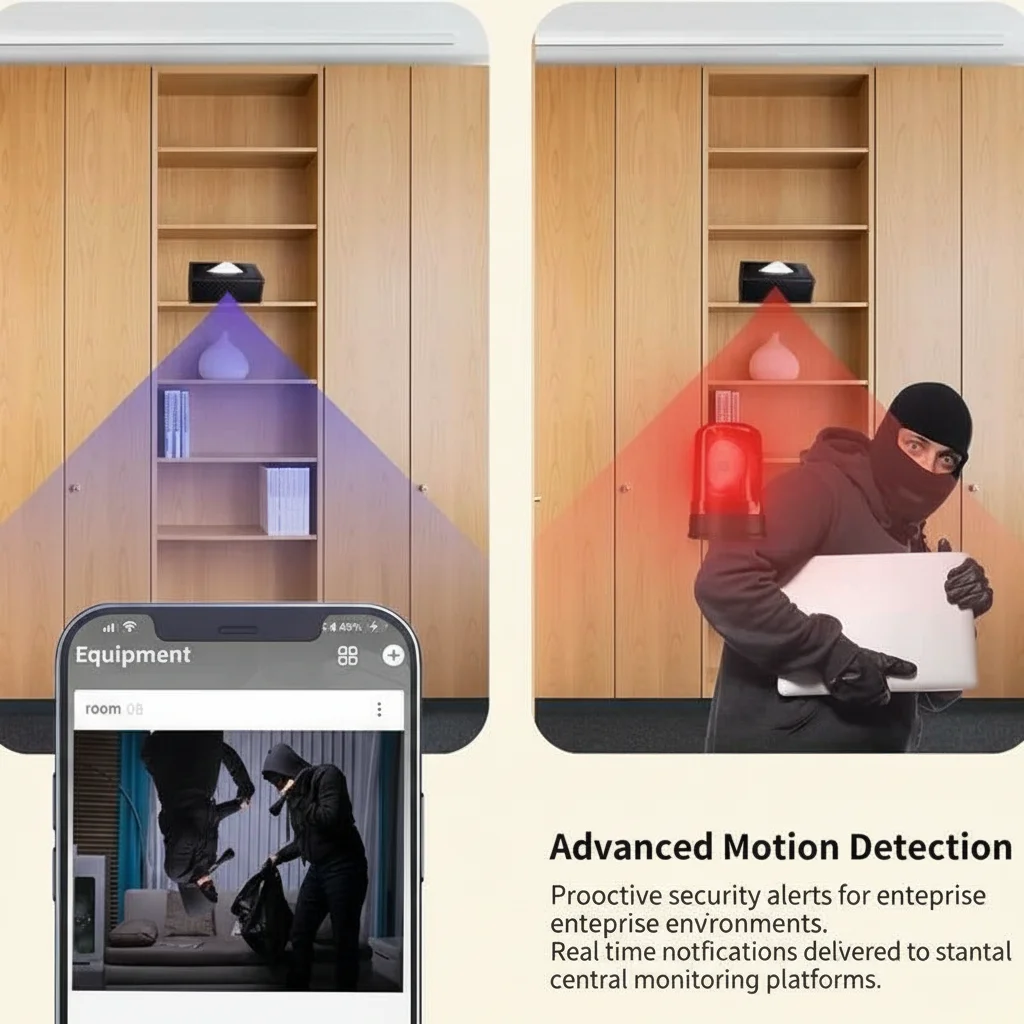
Punto chiave: Cameras that make compliance easier are more valuable to business buyers than cameras that don’t. Privacy masking, access logs, and configurable retention aren’t marketing fluff — they’re the tools your clients need to stay lawful.
| Caratteristica | Compliance Benefit | Buyer Value |
|---|---|---|
| Privacy masking | Demonstrates proportionality | Avoids capturing neighbour’s property |
| Access logging | Shows who viewed footage and when | Essential for subject access requests |
| Configurable retention | Automated compliance with storage limitation | Removes manual deletion burden |
| Audio disable | Removes heightened privacy risk of audio recording | Many businesses don’t need audio |
| Signage kit included | Supports transparency requirement | One less thing for the client to source |
| CE / UKCA certification marked | Mandatory for legal sale and installation | Protects client from enforcement |
Where should you buy compliant workplace surveillance equipment?
The UK and European markets have seen an influx of low-cost surveillance equipment that doesn’t carry the necessary certifications. For a business deploying these devices, that’s a problem — the equipment itself may be non-compliant with radio equipment or electromagnetic compatibility standards, and that can invalidate insurance or complicate enforcement defences.
At QZT Security, we stock a range of surveillance devices — from visible dome cameras to discreet units suitable for sensitive commercial environments — all with the certification documentation required for UK and EU deployment. We work with wholesalers and distributors who need reliable supply, technical documentation, and products that won’t create compliance headaches for their customers.
Nostro Modulo Fotocamera WiFi C10 is an example: 2.4GHz WiFi connectivity, TUYA Smart App integration, and the CE certification that European business buyers need to see. For office environments where a low-profile installation matters, it’s a strong option.
For wholesalers serving the UK market specifically, we also support enquiries about UKCA marking and the transition arrangements that apply to equipment placed on the market. The regulatory landscape is genuinely complicated; having a supplier who can explain it saves you time and protects your customers.
If you’re specifying a workplace surveillance system and want to discuss compliant product options, Contattaci oggi. We’ll help you match the right equipment to the legal and technical requirements of your deployment — and make sure your client gets a system they can operate lawfully.
Domande frequenti
Can I install a hidden camera in my UK workplace without telling staff?
No, not for routine monitoring. Covert cameras are only justifiable in narrow circumstances — typically investigating suspected criminal activity — and even then you need a DPIA and time-limited deployment. For ordinary workplace monitoring, visible cameras with proper signage are the lawful approach.
What’s the maximum fine for unlawful workplace surveillance in the UK?
Under UK GDPR, the ICO can impose a fine of up to £17.5 million or 4% of global annual turnover, whichever is higher. Most penalties are lower than the maximum, but even a mid-five-figure fine is painful for a small business — and the reputational damage often costs more.
Do I need to issue a privacy notice if cameras are only in customer-facing areas?
Yes. UK GDPR requires a privacy notice whenever you collect personal data. Even if staff aren’t being monitored, customers and visitors are identifiable from the footage. A privacy notice at the entrance and visible signage are both required.
How long can I keep workplace camera footage?
There’s no single legal answer; it depends on the purpose. Thirty days is a common retention period for general security footage, but if footage is flagged for a specific investigation, it can be retained longer. The key is to define the period in your policy and delete footage when it’s no longer needed.
What’s the difference between UK GDPR and EU GDPR for workplace cameras?
Substantively, they’re very similar. The UK retained GDPR as “UK GDPR” after Brexit, and the core principles are aligned. The main differences are in the supervisory authority (ICO for the UK; each EU state has its own) and some sectoral variations. For wholesalers supplying both markets, the compliance framework is broadly the same.

 English
  Italiano
  Deutsch
  Français
  Español
  Polski