
Come Scegliere la Migliore Telecamera Spia: Guida Completa all'Acquisto 2026
La maggior parte di chi cerca una telecamera spia commette lo stesso errore: sceglie quella con il maggior numero di megapixel sulla confezione. Poi la scarta, si connette al WiFi e passa l'ora successiva a litigare con un'app che si blocca su iOS, non invia notifiche push e mostra filmati che non assomigliano per niente alle foto pubblicitarie.
Questa guida fa chiarezza. Basata su specifiche reali, test sui forum ed esperienza di approvvigionamento B2B, ecco cosa conta davvero nella scelta della migliore spycam nel 2026 — che tu stia attrezzando un negozio al dettaglio in Germania, rifornendo un catalogo di attrezzature di sicurezza nel Regno Unito o cercando fornitori per un ordine all'ingrosso da Shenzhen.
Cosa rende una spycam migliore di un'altra?
La risposta onesta non ha quasi nulla a che fare con la telecamera stessa.
Ecco cosa scoprono troppo tardi la maggior parte degli acquirenti: l'hardware tra una telecamera spia da 40 $ e una da 150 $ è spesso quasi identico. Le vere differenze stanno nell'architettura di alimentazione, nell'ecosistema dell'app mobile e nel fatto che il produttore mantenga effettivamente gli aggiornamenti firmware.
Prima di guardare qualsiasi annuncio di prodotto, chiarisci queste cinque domande. Le risposte restringono le tue opzioni più velocemente di qualsiasi scheda tecnica.
1. Fissa o portatile? Una telecamera orologio da parete posizionata su uno scaffale necessita di alimentazione di rete e WiFi. Una telecamera penna in tasca necessita di una batteria affidabile e di memoria locale. Si tratta di categorie di prodotto diverse che fingono di essere la stessa cosa.
2. Chi guarda le riprese? Se hai bisogno di visualizzazione live da remoto, il WiFi è obbligatorio. Se prelevi la scheda SD settimanalmente, un modello non-WiFi elimina completamente i rischi di rilevamento.
3. Quali condizioni di illuminazione? La copertura solo diurna copre la maggior parte dei casi d'uso. Se devi registrare di notte in una stanza poco illuminata, la visione notturna con LED IR è irrinunciabile — ma la scelta della lunghezza d'onda è importante.
4. Per quanto tempo deve funzionare? La modalità standby attivata dal movimento può estendere la durata della batteria da ore a settimane. La registrazione continua è un problema di alimentazione completamente diverso.
5. Qual è la tua giurisdizione? Le leggi sulla registrazione audio variano notevolmente tra Regno Unito, Germania, Francia e resto dell'UE. Alcuni dispositivi pubblicizzati come “telecamere nascoste” non possono legalmente registrare l'audio in determinati contesti senza dichiarazione.
Conclusione chiave
La migliore telecamera spia non è il modello più costoso o con la risoluzione più alta. È quella che corrisponde al tuo caso d'uso reale: fissa o portatile, alimentata o solo a batteria, diurna o 24 ore.
| Fattore decisionale | Installazione fissa | Portatili / da indossare |
|---|---|---|
| Energia | Alimentazione via USB (consigliato) | Batteria (60–90 min in continuo) |
| Connettività | WiFi per accesso remoto | Recupero locale da scheda SD |
| Immagazzinamento | Registrazione ciclica su MicroSD da 128GB | Registrazione ciclica su MicroSD da 64GB |
| Visione notturna | LED IR consigliato | Di solito non incluso |
| Frequenza WiFi | 2,4 GHz (la maggior parte dei modelli) | Spesso senza WiFi |
| Migliori formati | Sveglia, caricatore USB, rilevatore di fumo | Penna, occhiali, portachiavi |
Quali sono i principali tipi di telecamere spia?
Il mercato delle telecamere spia si organizza intorno a fattori di forma camuffati. Ogni tipo presenta punti di forza specifici e limiti invalicabili che la descrizione del prodotto quasi mai menziona.
Telecamere ad orologio
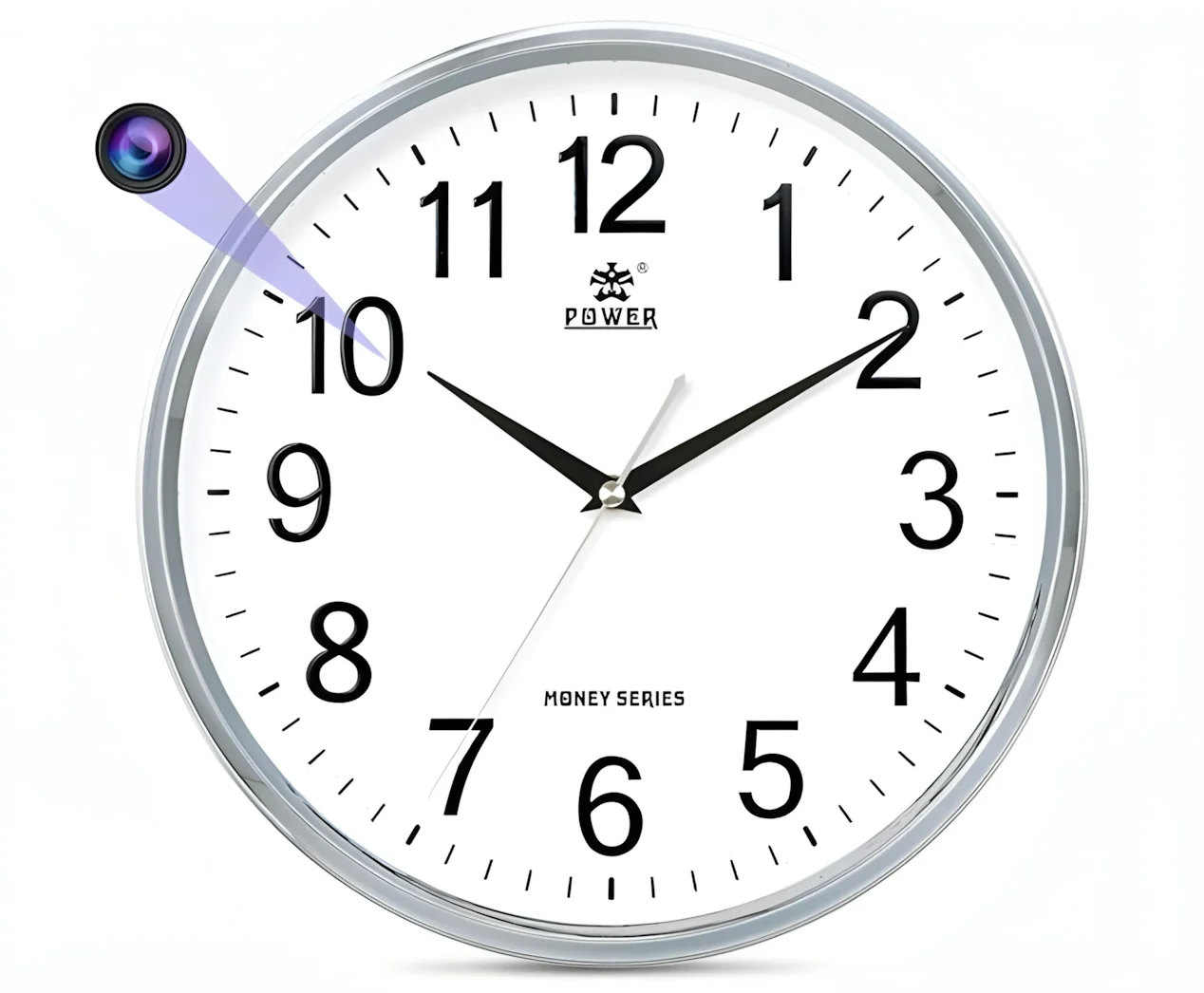
Un orologio da scrivania con lente nascosta è il fattore di forma più popolare per la videosorveglianza domestica interna — telecamere per babysitter, monitoraggio ufficio e sicurezza della camera da letto.
Cosa fanno bene: L'alimentazione di rete tramite l'adattatore USB dell'orologio significa tempo di registrazione illimitato. Il quadrante dell'orologio fornisce una copertura perfetta in qualsiasi stanza con una scrivania o uno scaffale. I modelli WiFi offrono la visualizzazione in diretta sul tuo telefono.
Cosa nasconde il marketing: La maggior parte delle telecamere da orologio si trova all'altezza della scrivania — circa 60–80 cm dal pavimento. Questo produce riprese rivolte verso l'alto di soffitti e fronti, non volti all'altezza di una persona in piedi. Le telecamere da rilevatore di fumo montate a soffitto risolvono questo problema di angolazione, ma richiedono un'installazione più complessa.
Specifiche da aspettarsi: 1080p a 30fps, WiFi 2,4 GHz, MicroSD fino a 64GB, visione notturna IR a 5–8 metri, batteria di backup da 2000 mAh per scenari di interruzione di corrente.
Fascia di prezzo: $40–$150. Il punto di equilibrio qualità-prezzo si colloca a $50–$80 per i modelli con un supporto app affidabile.

Telecamere caricatore USB e ciabatta
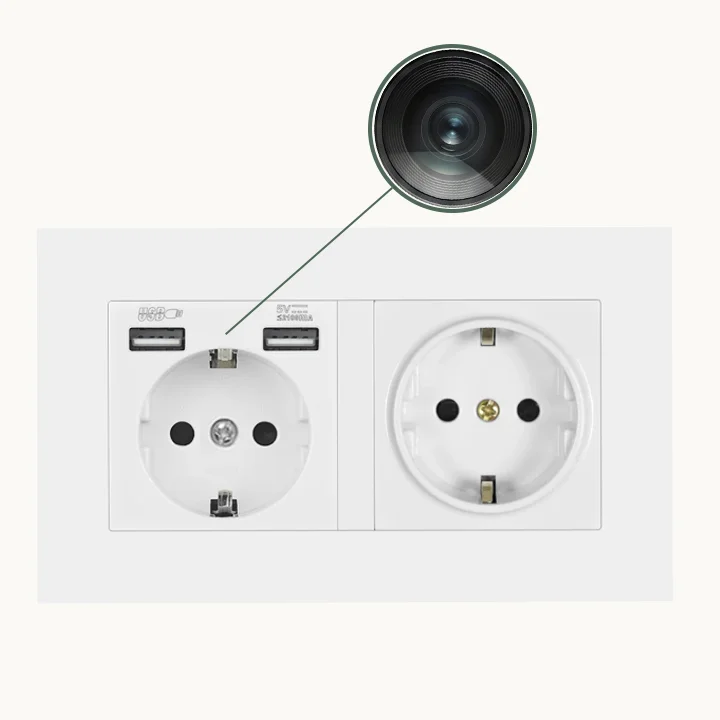
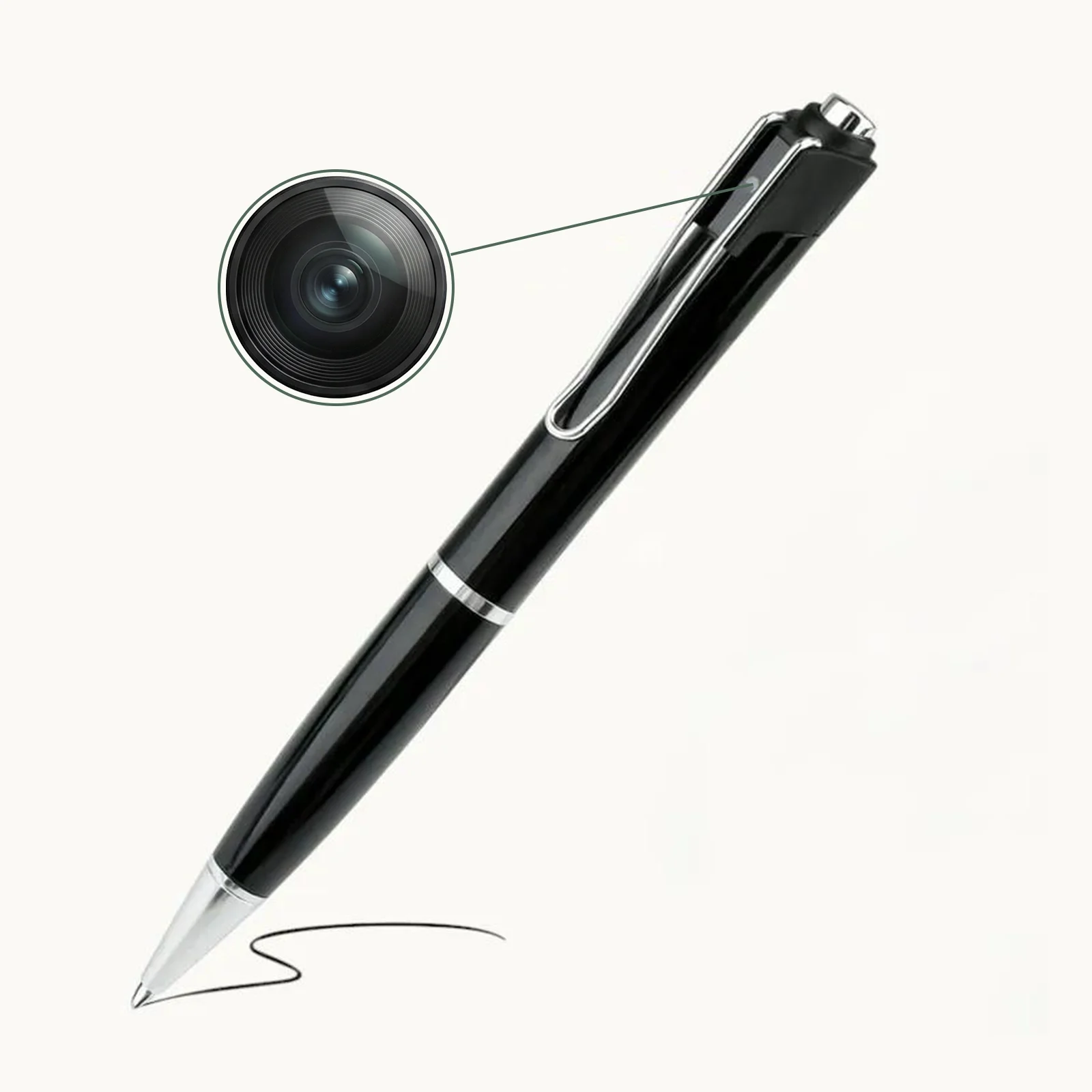
Questi sembrano normali caricabatterie USB o ciabatte elettriche, ma nascondono una lente in una delle porte o dei pannelli. Il genio di questo travestimento sta nel fatto che le ciabatte sono fatte per restare sempre collegate — nessuna ansia da batteria, nessun cavo sospetto.
Cosa fanno bene: L'alimentazione continua dalla rete elimina il problema principale delle spy camera: rimanere senza batteria a metà turno. Le telecamere integrate nel ciabatta, posizionate all'altezza del battiscopa, catturano viste complete della stanza che le telecamere a orologio non riescono a riprendere.
Cosa nasconde il marketing: Le telecamere-caricabatterie USB posizionate all'altezza standard delle prese (30–45 cm) presentano lo stesso problema di ripresa dal basso verso l'alto delle telecamere-orologio, solo da un'altezza inferiore. Una vera ciabatta a livello del battiscopa è più difficile da trovare e più costosa.
Specifiche da aspettarsi: Video 3K nella fascia premium ($100–$150), 1080p nella fascia economica ($40–$70). La maggior parte include WiFi a 2,4 GHz, registrazione ciclica su MicroSD fino a 256GB e rilevamento del movimento di base.
Smoke Detector Cameras
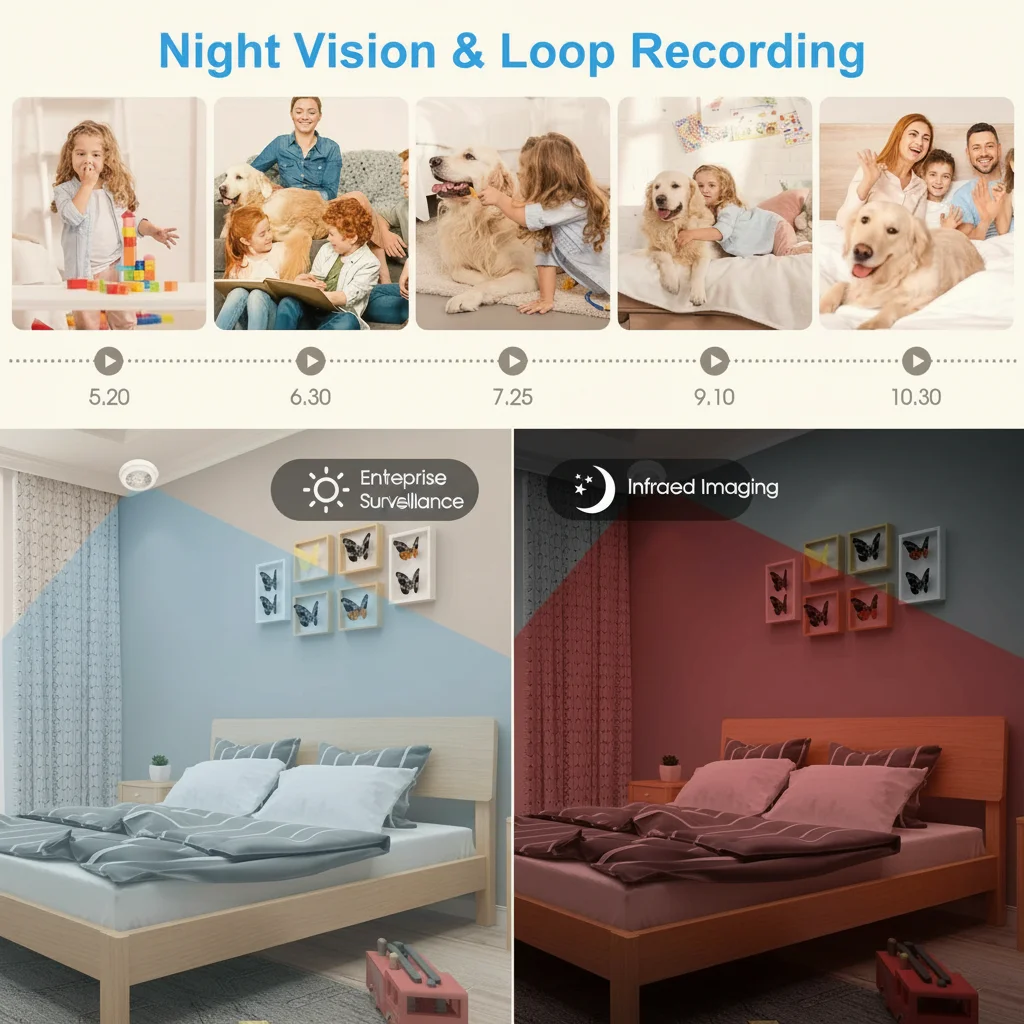
Gli alloggiamenti per rilevatori di fumo a soffitto offrono una vista dall'alto dominante della stanza — campo visivo da 130° a 160° da un punto di osservazione che nessun intruso pensa di controllare.
Avvertenza di sicurezza critica: Le telecamere spia in rilevatore di fumo non sono rilevatori di fumo funzionanti. Contengono una telecamera, non un sensore di fumo. Ogni stanza con uno di questi deve avere anche un allarme fumo certificato e funzionante. È un obbligo di sicurezza, non opzionale.
Realtà dell'installazione: Le unità montate a soffitto richiedono un cablaggio esistente (se la casa dispone di rilevatori di fumo cablati) oppure un'attenta occultazione di un'unità a batteria in quota. La complessità dell'installazione colloca questo tipo nella categoria "installazione fissa permanente", non in quella "spostabile da una stanza all'altra".
Specifiche da aspettarsi: 1080p, 2.4 GHz WiFi, MicroSD up to 128GB, IR night vision. Battery backup is typically absent or limited. Price range: $60–$130.
Mini telecamere (delle dimensioni di un dado o più piccole)
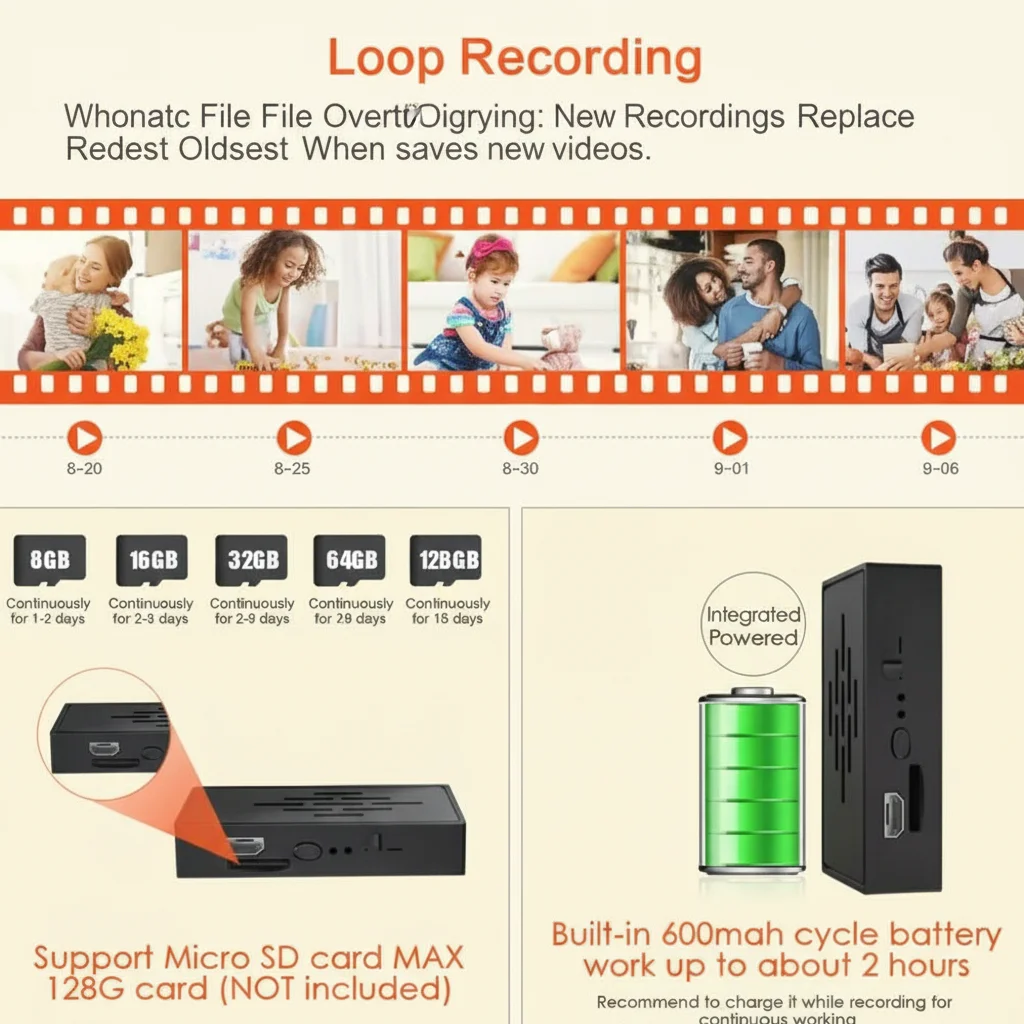
Una lente nuda senza un oggetto di camuffamento. Queste sono le telecamere occulte più piccole disponibili: 1,6 × 0,9 × 0,6 pollici è la dimensione tipica. I supporti magnetici consentono il fissaggio a superfici metalliche in pochi secondi.
Cosa fanno bene: Dimensioni. Una microcamera può essere posizionata ovunque — dentro un vaso da fiori, dietro un libro su uno scaffale, nel vano portaoggetti dell'auto, agganciata all'interno della tasca di una giacca. Per installazioni portatili in cui è necessario spostare l'unità tra diverse posizioni, nessun'altra soluzione è competitiva.
Cosa nasconde il marketing: La durata della batteria è il tallone d'Achille. La registrazione continua scarica una microcamera in 60–90 minuti. La modalità attivata dal movimento la prolunga, ma l'unità deve essere recuperata e la scheda SD controllata. Non aspettatevi il WiFi sulle unità indossabili — la maggior parte delle microcamere portatili non ha alcuna connettività remota.
Specifiche da aspettarsi: 1080p, MicroSD up to 64GB, 90-minute continuous battery, no night vision on most models. Price range: $25–$80.
Telecamere indossabili: penne e occhiali intelligenti
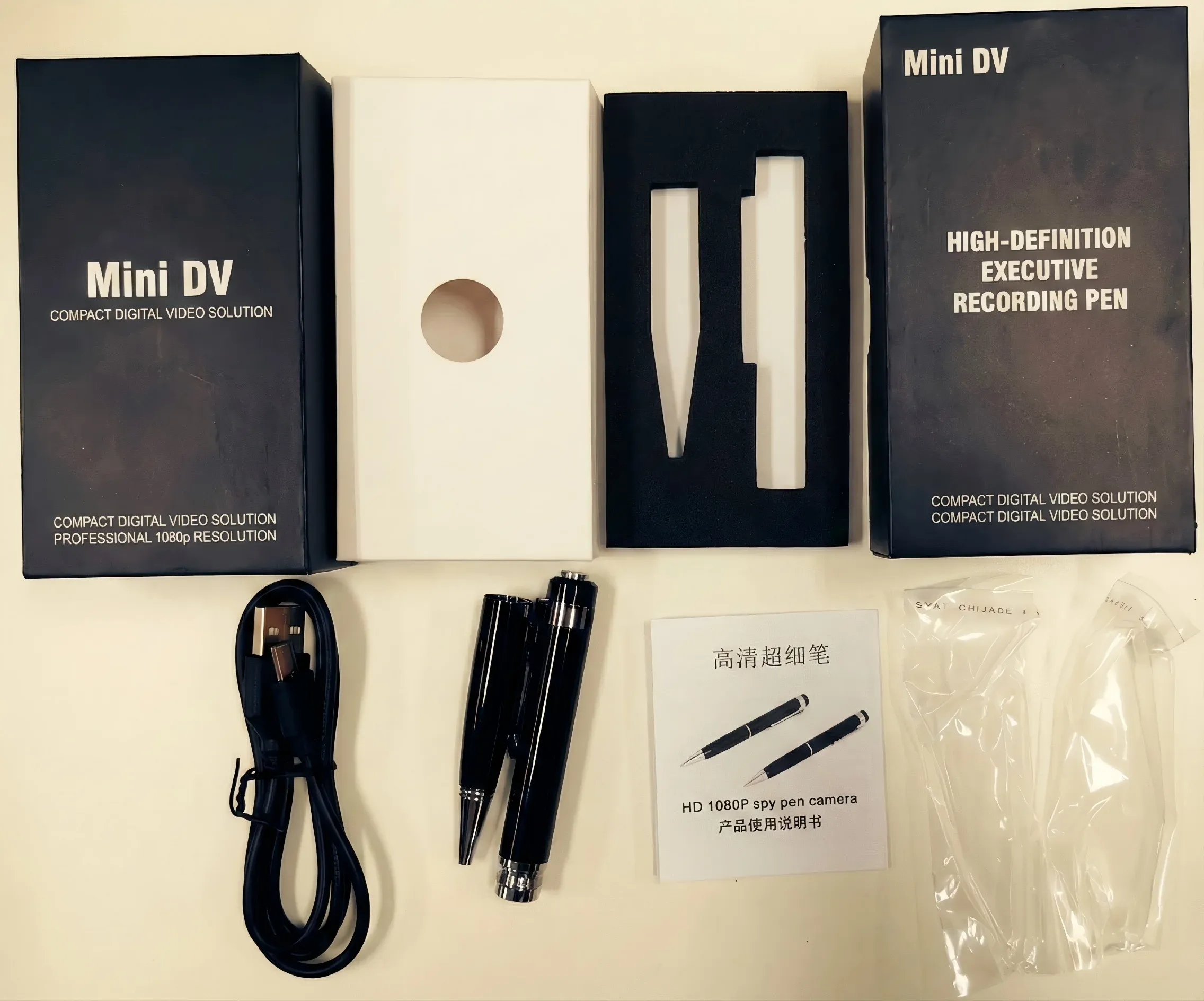
La registrazione occulta indossata sul corpo serve un caso d'uso fondamentalmente diverso: tu sei la telecamera, non la stanza.
Una penna spia registra riunioni, interviste e situazioni di sicurezza personale. Gli occhiali intelligenti (come i Ray-Ban Meta Wayfarers a 299 $) registrano filmati in soggettiva che appaiono naturali e catturano un contesto che nessuna body cam può.
Cosa fanno bene: Il formato penna è socialmente accettabile in riunioni, aule e contesti professionali dove tirare fuori un telefono verrebbe notato. L'opzione occhiali produce il filmato in prima persona dall'aspetto più naturale tra tutte le opzioni occulte.
Cosa nasconde il marketing: La maggior parte delle penne spia non ha il WiFi. Registrano su una scheda SD interna che si recupera dopo la sessione. L'autonomia della batteria si attesta sui 45–90 minuti — sufficiente per una riunione, non per un'intera giornata lavorativa. La visione notturna sulle penne è praticamente inesistente.
Specifiche da aspettarsi (penna): 1080p, no WiFi on most models, MicroSD 32–64GB, 45–90 minute battery. Specifiche da aspettarsi (occhiali smart): Up to 1440×1920 video, 32GB internal storage, no night vision, $150–$299.
Conclusione chiave
| Fattore di forma | Energia | Wifi | Durata della batteria | Visione notturna | Ideale per |
|---|---|---|---|---|---|
| Telecamera orologio | Rete elettrica + backup | Sì (2,4 GHz) | Backup da 6–12 ore | Sì (5–8m) | Fisso per casa/ufficio |
| Caricabatterie USB | Solo rete elettrica | SÌ | Continuo | Opzionale | Copertura della stanza 24/7 |
| Rivelatore di fumo | Cablaggio fisso / batteria | SÌ | Backup limitato | SÌ | A soffitto, grandangolare |
| Microcamera | Solo batteria | Spesso no | 60–90 minuti | Raramente | Portatile, da indossare sul corpo |
| Penna spia | Solo batteria | No | 45–90 minuti | No | Riunioni, personale |
| Occhiali intelligenti | Batteria | SÌ | ~1 ora | No | Registrazione POV |
Durata reale della batteria: cosa significano davvero le specifiche
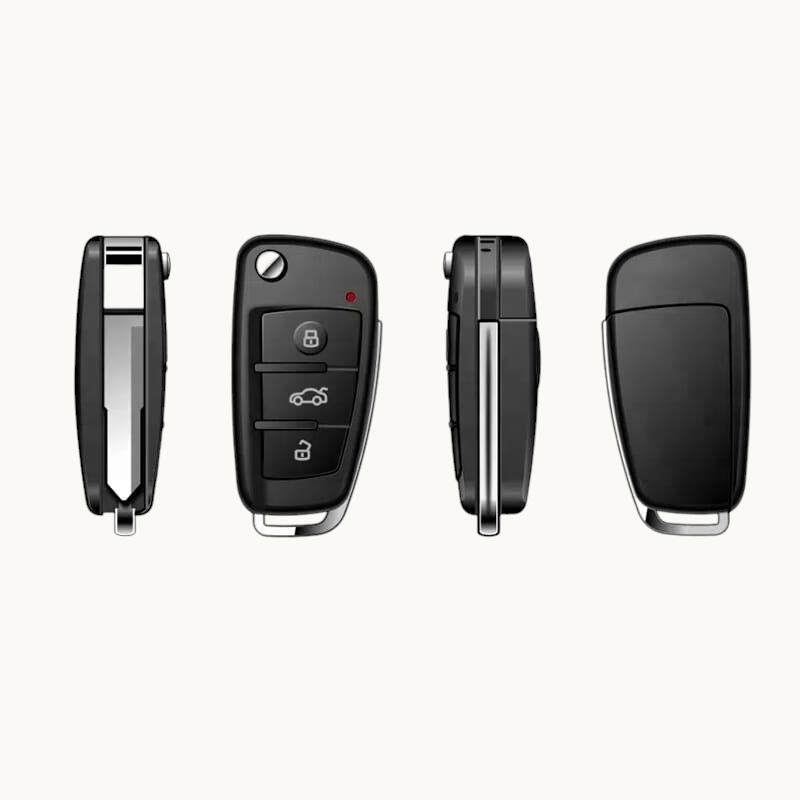
Il marketing delle batterie per spy camera è il più grande problema di disonestà della categoria.
Una scheda prodotto che indica “180 minuti in standby” in genere significa: rilevamento del movimento alla sensibilità minima, in condizioni di illuminazione perfetta, senza WiFi attivo, in una stanza senza alcun movimento. La registrazione continua nel mondo reale è più vicina a 60–120 minuti sulla maggior parte dei modelli.
Ecco la ripartizione basata su test indipendenti sui forum e schede tecniche dei fornitori B2B.
Modalità di registrazione vs. autonomia
| Modalità di registrazione | Autonomia approssimativa (batteria da 2000 mAh) |
|---|---|
| Registrazione continua, WiFi attivo | 1–2 ore |
| Registrazione continua, WiFi disattivato | 2–3 ore |
| Rilevamento movimento, sensibilità media | 8–24 ore |
| Rilevamento del movimento, bassa sensibilità | 24–72 ore |
| Standby senza attività | Fino a 1–3 settimane |
Il salto dalla registrazione continua a quella attivata dal movimento non è lineare — è la differenza tra un dispositivo che controllate ogni giorno e uno che controllate settimanalmente.
La visione notturna consuma la batteria in modo significativo
L'attivazione della visione notturna IR riduce all'incirca della metà la durata della batteria. Una telecamera con autonomia dichiarata di 4 ore senza visione notturna scende a circa 2 ore con i LED IR attivi. Se hai bisogno di copertura 24 ore su 24 in condizioni di illuminazione mista, un'unità alimentata dalla rete (sveglia, caricatore USB o rilevatore di fumo cablato) è l'unica soluzione affidabile.
La trappola dei mAh
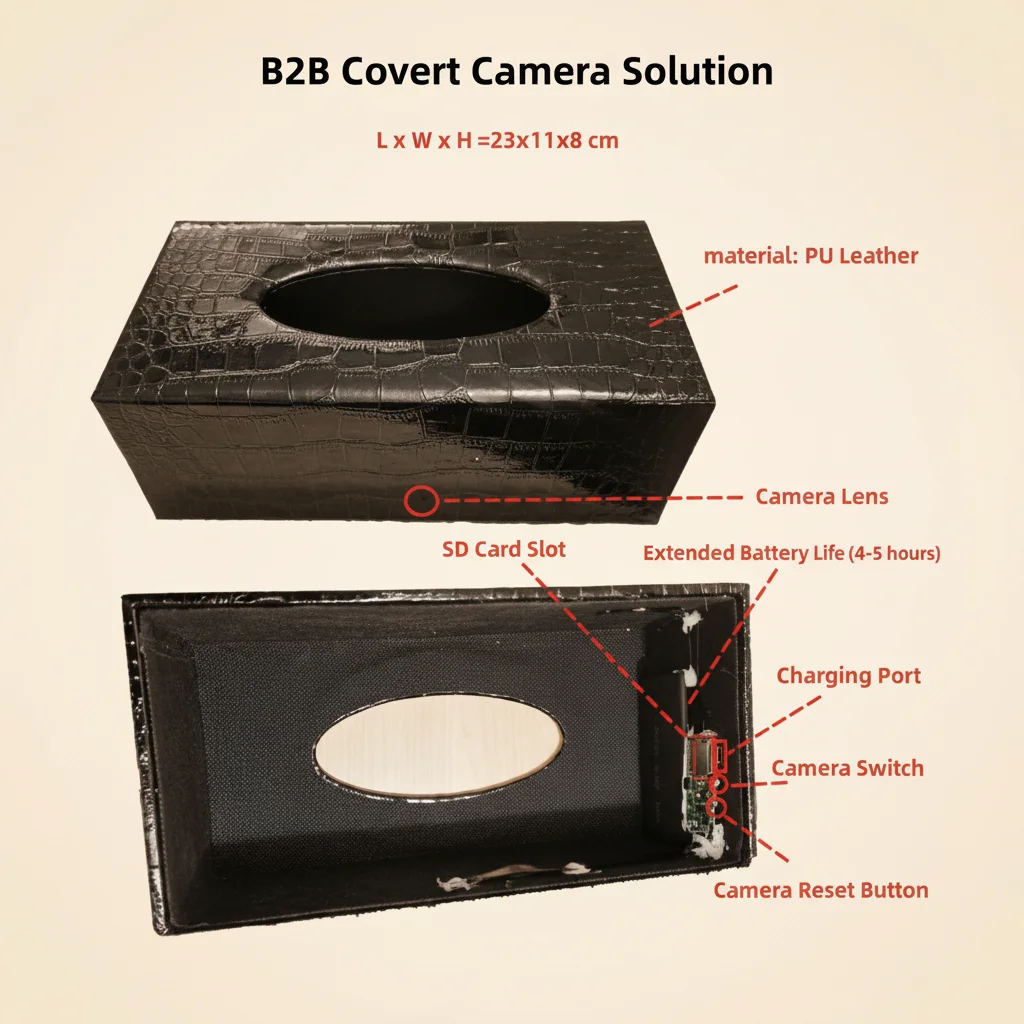
Valori mAh più elevati non sono un vantaggio scontato. Batterie più grandi significano fattori di forma più grandi, il che vanifica lo scopo di una telecamera "mini". Il limite pratico per una telecamera spia indossabile o portatile è di circa 2000–3000 mAh prima che l'unità diventi troppo ingombrante per essere nascosta.
Per installazioni fisse, i mAh sono meno rilevanti — l'alimentazione di rete elimina completamente il problema della batteria. Scegli modelli alimentati a rete per qualsiasi applicazione in cui la telecamera rimarrà in un unico posto per più di un giorno.
Telecamere a ciabatta: l'eccezione senza batteria
Una telecamera spia in una ciabatta che è anche un caricatore USB funzionante risolve naturalmente il problema della batteria. Poiché si trova su una scrivania o contro una parete vicino a una presa e deve essere collegata, nessuno mette in dubbio il cavo. Questa è la soluzione 24/7 più affidabile se non avete bisogno di spostare l'unità tra le stanze.
Pagina prodotto telecamera: Telecamera spia ciabatta USB
La realtà della risoluzione: perché 1080p è il limite pratico
Ogni telecamera spia sul mercato dichiara almeno 1080p. Molte pubblicizzano 2K, 3K o persino 4K. Ecco cosa significano realmente questi numeri sul campo.
Il riferimento 1080p
1080p (1920 × 1080 pixel) a 30fps è il minimo pratico per identificare un volto umano a 2–3 metri. Qualsiasi cosa al di sotto — 720p, 960p o “Full HD” interpolato — produce filmati che sembrano chiari sullo schermo di un telefono ma non superano l'esame forense quando devi identificare un soggetto.
Perché il 4K raramente giustifica il suo costo
Il marketing fa sembrare il 4K un enorme passo avanti. La realtà è più complicata:
– La dimensione del file quadruplica. Un'ora di filmato 4K consuma circa 25–35 GB. Una scheda da 128 GB si riempie in meno di 4 ore di registrazione 4K continua.
– Il consumo della batteria aumenta sostanzialmente. L'elaborazione a risoluzione più alta genera calore e consuma molta più energia. Una telecamera che offre 4 ore di filmato in 1080p potrebbe gestire solo 90 minuti in 4K.
– Le schede di memoria diventano il collo di bottiglia. La maggior parte delle telecamere spia supporta in modo affidabile fino a 128GB di MicroSD. Il filmato in 4K la esaurisce in meno di una giornata lavorativa.
– I volti umani a distanze tipiche di ripresa nascosta non necessitano di 4K. Identificare qualcuno a 3 metri in una stanza richiede circa 200 pixel verticali sul volto. Il 1080p li fornisce comodamente.
Per l'approvvigionamento B2B: non pagare un sovrapprezzo per il 4K a meno che la tua applicazione specifica non richieda la lettura di targhe o l'identificazione facciale a distanze superiori ai 5 metri. La differenza di 50 $ tra un modello 1080p e uno “4K” è quasi sempre meglio spesa per una seconda unità camera o per una capacità di archiviazione maggiore.
Conclusione chiave
| Risoluzione | Il miglior caso d'uso | Consumo di spazio di archiviazione | Impatto della batteria |
|---|---|---|---|
| 720p | Close subjects, <1 metre | Basso | Minimo |
| 1080p | Sorveglianza indoor generale, 1–3 metri | Moderare | Standard |
| 2K | Stanze più ampie, zoom digitale migliore | 1,5× 1080p | Medio-alto |
| 3K–4K | Targa / riconoscimento facciale a distanza | 2–4× 1080p | Significativo |
Connettività WiFi: il problema di affidabilità nascosto
Il WiFi è il punto in cui la maggior parte delle telecamere spia economiche fallisce catastroficamente — ed è la caratteristica più difficile da valutare da un annuncio di prodotto.
Il dominio dei 2,4 GHz
Quasi tutte le telecamere spia sul mercato funzionano solo su WiFi a 2,4 GHz. La banda a 5 GHz, standard sulla maggior parte dei router moderni, non è supportata dalla stragrande maggioranza dei moduli di telecamere nascoste. Si tratta di un limite hardware, non di un problema di impostazioni.
Se il tuo router utilizza 5 GHz come banda principale o unica, la telecamera non si connetterà senza una rete 2.4 GHz disponibile.
Affidabilità dell'app: il vero problema
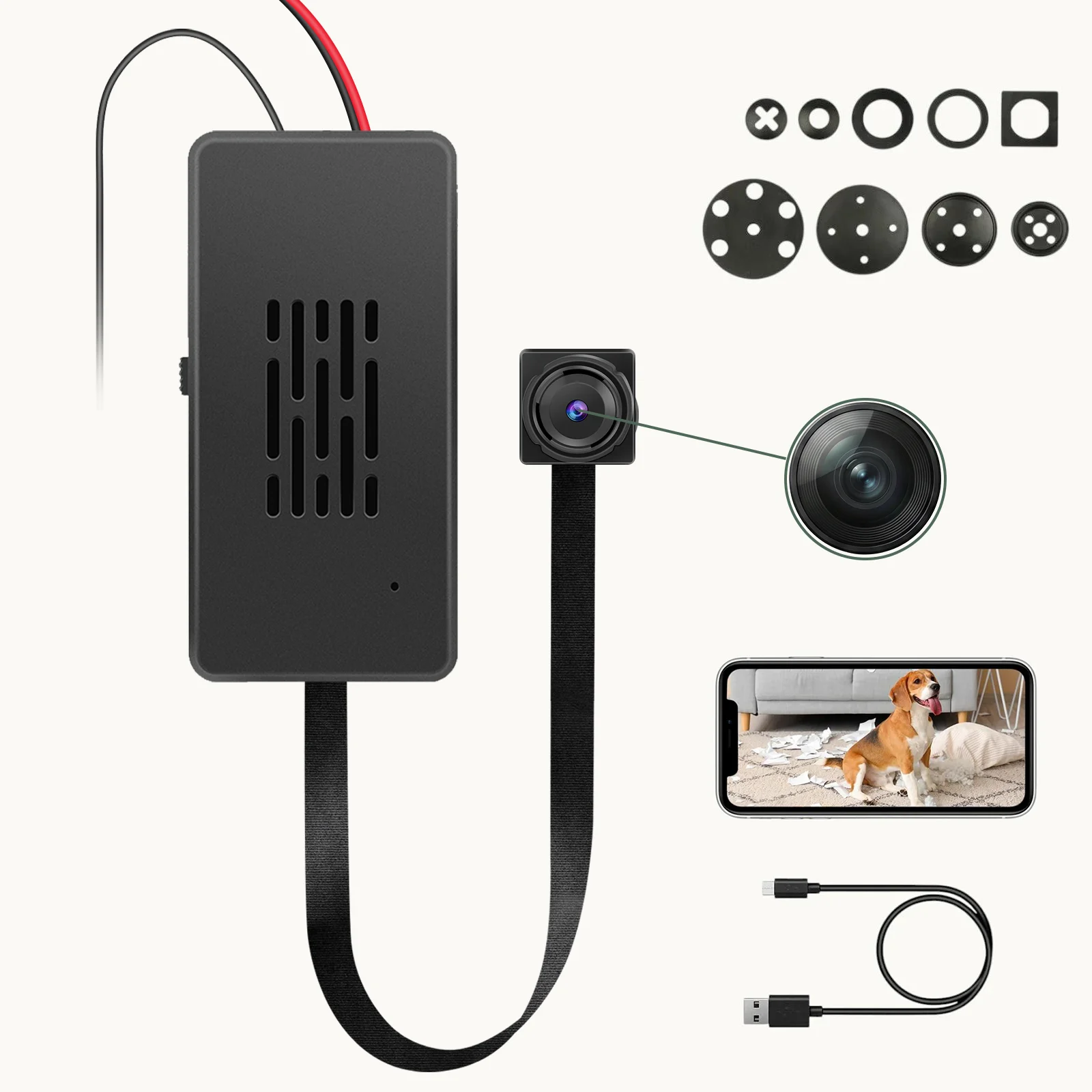
L'hardware della telecamera è solo metà del sistema. L'app mobile che riceve il flusso live e le notifiche push è il punto in cui gli acquirenti rimangono regolarmente delusi. In base a segnalazioni sui forum e feedback dei fornitori B2B, queste sono le modalità di guasto più comuni delle app:
– Le notifiche push iOS non funzionano. Molte app cinesi per telecamere hanno un'integrazione APNs con iPhone scarsa o non funzionante. Le notifiche Android possono funzionare bene mentre gli utenti iOS non ricevono nulla.
– Fallimenti di riconnessione dopo il riavvio del router. La telecamera perde l'associazione WiFi dopo un'interruzione di corrente o un riavvio del router, e non può riconnettersi senza resettare fisicamente l'unità.
– Tempi di inattività per manutenzione del server. Diverse app popolari per telecamere (ICSEE, V380 Pro, CamHi) hanno subito interruzioni del server di più giorni senza alcuna comunicazione ai clienti, lasciando gli acquirenti con hardware inutilizzabile.
– Restrizioni sulla creazione dell'account. Alcune app richiedono un numero di telefono della Cina continentale per la registrazione, bloccando gli acquirenti UE e UK dalla configurazione iniziale.
Modelli non WiFi: l'alternativa affidabile
Se la visione live remota non è essenziale, una telecamera spia non-WiFi elimina completamente il problema di affidabilità dell'app. I filmati vengono registrati sulla scheda MicroSD. La recuperate, la rivedete sul computer o su un lettore dedicato e reinserite la scheda.
Le telecamere non-WiFi sono:
– Impossibile da rilevare durante una scansione di rete
– Non dipende da server app o aggiornamenti firmware
– Più affidabile in aree con scarsa copertura WiFi
– Significativamente più economiche rispetto alle loro equivalenti dotate di WiFi
Per applicazioni B2B in cui la telecamera viene installata e dimenticata — un angolo di magazzino, un deposito, una vetrina — i modelli non-WiFi offrono una affidabilità a lungo termine molto migliore a un prezzo inferiore.
Conclusione chiave
| Connettività | Pro | Contro | Ideale per |
|---|---|---|---|
| WiFi (2,4 GHz) | Visualizzazione remota, notifiche push | Problemi di affidabilità dell'app, rilevabili sulle reti | Monitoraggio attivo, avvisi mobili |
| Non WiFi | Affidabile, non rilevabile, più economico | Nessuna visualizzazione remota in tempo reale | Installazioni fisse, impieghi a lungo termine |
Archiviazione: le specifiche che mentono
La compatibilità con schede MicroSD è un altro ambito in cui le specifiche pubblicizzate divergono nettamente dalle prestazioni reali.
Il pratico soffitto da 128GB
Le schede prodotto dichiarano spesso il supporto per schede MicroSD da 256GB, 512GB o persino 1TB. Nei test indipendenti, la maggior parte dei processori delle telecamere spia gestisce in modo affidabile un massimo di 128GB. Le schede superiori a 128GB soffrono di errori di formattazione, interruzioni di registrazione e corruzione dei dati.
Se hai bisogno di più di 128GB di spazio di archiviazione, la registrazione ciclica (in cui i filmati più vecchi vengono automaticamente sovrascritti quando la scheda si riempie) rende le grandi capacità meno critiche. Una scheda da 128GB contiene circa 12–15 giorni di filmati 1080p attivati dal movimento.
Registrazione ciclica: indispensabile per la maggior parte degli utilizzi
Ogni rispettabile telecamera spia supporta la registrazione ciclica. Quando la scheda si riempie, la telecamera sovrascrive automaticamente i file più vecchi. Senza registrazione ciclica, la telecamera smette di registrare quando è piena — cosa che può accadere nel momento peggiore possibile.
La marca conta per le schede MicroSD
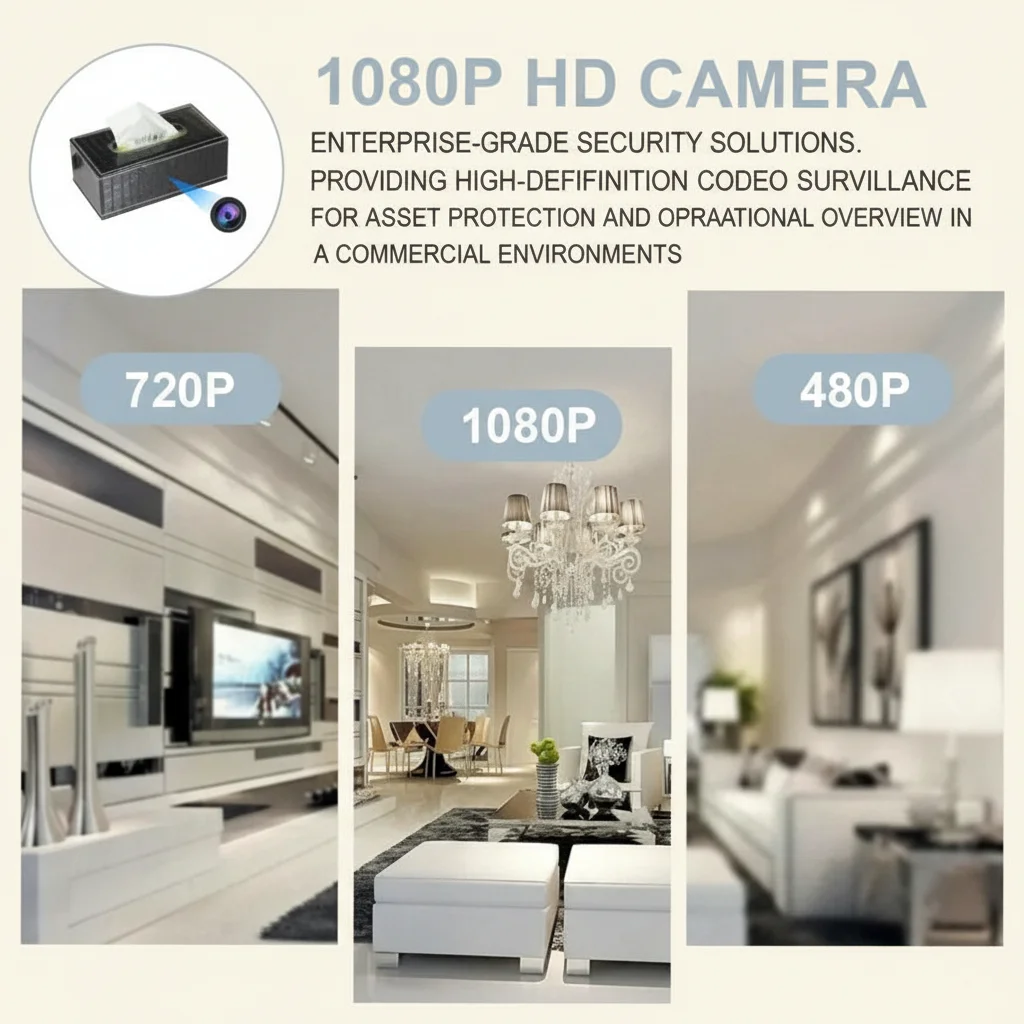
Le microSD contraffatte sono endemiche nel mercato dell'elettronica economica. Una scheda che sul computer riporta 128GB di capacità potrebbe in realtà essere una scheda da 16GB con firmware falsificato. Marchi con affidabilità verificata: Samsung (Evo Plus), SanDisk (Ultra o High Endurance) e Kingston (Canvas Go! Plus).
Per gli ordini B2B, insisti affinché il tuo fornitore includa schede di marca. La differenza di costo per unità è trascurabile; il rischio di perdere le riprese a causa di una scheda difettosa non lo è.
Telecamere Spia vs. Telecamere di Sicurezza: La Differenza Strategica

Questa è la distinzione più importante per gli acquirenti B2B che prendono decisioni di approvvigionamento.
Le normali telecamere di videosorveglianza sono visibili. La loro presenza fa parte della loro funzione — dissuadono il crimine prima che accada. Una telecamera montata bene in vista sopra l'ingresso di un negozio dice a un potenziale ladro di andare altrove.
Le telecamere spia servono a uno scopo diverso. Sono sistemi di backup nascosti. Se un intruso disattiva le telecamere visibili, distrugge la telecamera del citofono o sa dove sono puntate le telecamere di sicurezza e le aggira — la telecamera spia cattura ciò che il sistema visibile non rileva.
Applicazioni pratiche in cui le telecamere spia ripagano il loro costo:
– Dietro uno scaffale espositivo in un negozio al dettaglio: cattura la mano che infila un prodotto nella borsa dopo che la telecamera visibile ha inquadrato solo il bancone
– Dentro un orologio o una cornice portafoto in una casa di riposo: verifica indipendente se il sistema principale viene contestato
– In auto o veicolo da consegna: documenta cosa è successo se la telecamera GPS principale è stata spenta o rimossa
– Dietro una libreria in un ufficio: cattura ciò che la telecamera della reception ha perso quando qualcuno si sposta oltre l'angolo di copertura
La migliore strategia di sicurezza combina la deterrenza visibile con la copertura occulta. Nessuna delle due sostituisce l'altra.
Quanto pagare: guida alle fasce di prezzo 2026
In base ai prezzi di mercato e all'analisi delle specifiche reali, ecco cosa offre ogni fascia — e a cosa prestare attenzione.
| Livello di prezzo | Cosa Ottieni | A cosa fare attenzione | Ideale per |
|---|---|---|---|
| Sotto i $35 | 720p, <60 min battery, unreliable apps | False dichiarazioni 1080p, WiFi non funzionante, visione notturna difettosa | Solo test |
| $35–$75 | 1080p affidabile, WiFi funzionante, batteria da 2–4 ore, visione notturna decente | Problemi di lingua dell'app, nessun aggiornamento firmware | Uso domestico economico |
| $75–$120 | Qualità costruttiva superiore, obiettivo più ampio (140–160°), zone di rilevamento del movimento, alcuni modelli 2K | Prezzo premium senza hardware premium | Uso professionale / aziendale |
| $120–$200 | 2K o superiore, WiFi dual-band (alcuni modelli), rilevamento persone con AI, app migliori | Rendimenti decrescenti oltre i 120 $ per la maggior parte degli usi | Applicazioni specializzate |
| $200+ | Occhiali smart, oggetti mimetici di fascia alta, integrazione con marchi noti | Costo elevato, guadagni funzionali limitati | Registrazione indossabile / POV |
Per gli ordini all'ingrosso B2B, la fascia $35–$75 rappresenta l'opportunità con il margine più alto per i rivenditori: abbastanza affidabile da mantenere bassi i resi dei clienti, abbastanza economica da attrarre acquirenti con prezzi all'ingrosso.
Acquistare telecamere spia per uso aziendale: ciò che i grossisti devono sapere
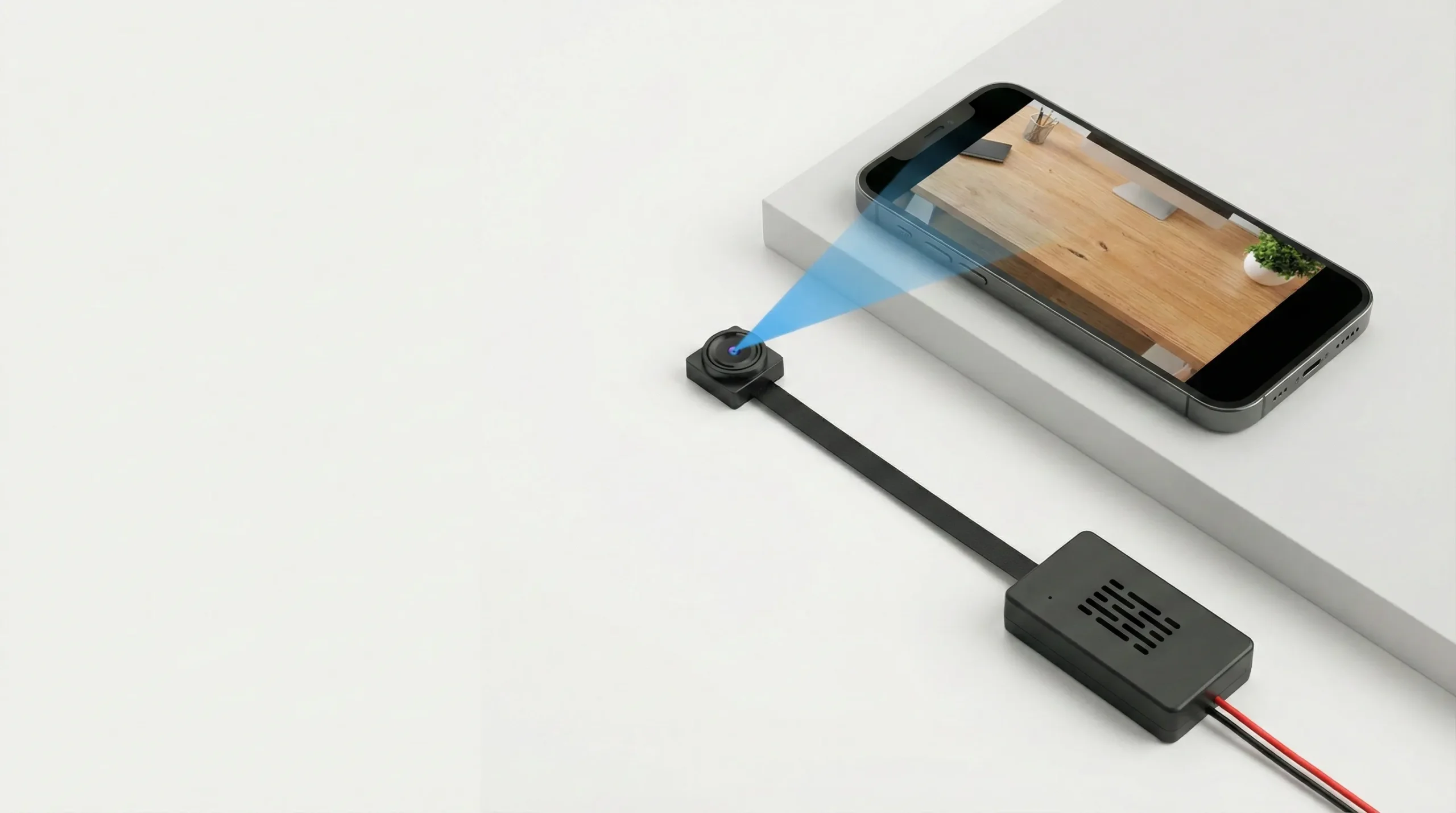
Se ti stai approvvigionando di telecamere spia per la distribuzione al dettaglio o l'installazione aziendale, diversi fattori oltre alla scheda tecnica determinano il tuo costo effettivo e la redditività.
1. La localizzazione dell'app è importante per il tuo mercato. Le telecamere fornite con app in lingua cinese e senza opzione in inglese generano alti tassi di reso da parte dei clienti UK e UE. Prima di effettuare un ordine all'ingrosso, verificate che l'app sia disponibile nella lingua del vostro mercato e funzioni su iOS e Android senza restrizioni regionali.
2. Il supporto agli aggiornamenti firmware è un costo nascosto. Una telecamera che smette di ricevere aggiornamenti dell'app 12 mesi dopo il lancio diventa un magnete per i resi. Scegliete fornitori con una storia documentata di aggiornamenti o, preferibilmente, modelli che funzionano localmente senza richiedere connettività cloud.
3. Presupposti sul tasso di reso. Per le telecamere spia di fascia economica, prevedete un tasso di reso del 5–15% nel vostro modello di prezzo. I resi più comuni sono: la telecamera non si connette al WiFi, l'app non funziona su iPhone, l'autonomia della batteria è la metà del valore pubblicizzato.
4. Conformità normativa. Le leggi sulla registrazione audio variano tra gli Stati membri dell'UE e il Regno Unito. Se distribuite in Germania, Regno Unito o Francia, verificate che la vostra linea di prodotti sia accompagnata da indicazioni chiare sui contesti di registrazione legali. Nascondere il fatto della registrazione in un contesto in cui una persona ha una ragionevole aspettativa di privacy può costituire reato penale ai sensi delle leggi sulla sorveglianza vicine al GDPR.
5. Imballaggio e branding. Molti acquirenti B2B si approvvigionano di prodotti white-label e applicano il proprio marchio. Verificate la quantità minima d'ordine del fornitore per l'imballaggio personalizzato prima di dare per scontato il prezzo private-label.
Per richieste all'ingrosso, contatta il nostro team per discutere prezzi all'ingrosso, opzioni di branding personalizzato e specifiche tecniche per il vostro mercato specifico.
Domande frequenti
Come trovo una telecamera nascosta nella mia stanza?
Rilevamento tramite fotocamera del cellulare: spegni le luci, apri l'app della fotocamera del telefono e scansiona lentamente la stanza. I moduli di visione notturna a LED IR — sia delle telecamere nascoste che delle telecamere di sicurezza legittime — appaiono come deboli puntini viola o rossi attraverso la fotocamera del telefono. Per controlli più approfonditi, un rilevatore RF (radiofrequenza) identifica i segnali WiFi e di trasmissione wireless delle telecamere attive. Anche l'ispezione fisica di rilevatori di fumo, orologi, caricabatterie USB e ciabatte è efficace — i veri rilevatori di fumo hanno etichette di certificazione e peso; quelli falsi usati per le telecamere spia spesso no.
Qual è la migliore risoluzione per una spy camera?
1080p a 30fps è il minimo pratico raccomandato. Questo produce filmati con volti identificabili a 2–3 metri in condizioni di illuminazione interna tipiche. Esistono risoluzioni superiori (2K, 4K) ma impongono un consumo di archiviazione significativamente maggiore, una durata della batteria più breve e un costo più elevato senza un beneficio forense proporzionato per la maggior parte degli scenari di sorveglianza occulta. Evitate qualsiasi cosa al di sotto di 1080p — i filmati a 720p raramente soddisfano lo standard probatorio di cui avete bisogno.
Una telecamera spia può registrare di notte?
Sì, ma solo i modelli con visione notturna a LED IR (infrarossi) possono registrare nel buio completo. Due lunghezze d'onda sono comuni: i LED a 850nm emettono un debole bagliore rosso visibile e raggiungono 8–12 metri; i LED a 940nm sono invisibili all'occhio umano ma hanno una portata inferiore (3–6 metri). La maggior parte delle telecamere spia economiche include una visione notturna IR di base. La qualità del filmato in visione notturna varia notevolmente — i LED IR economici producono filmati sgranati e a basso contrasto a più di 3 metri.
Quanto dura la batteria di una telecamera spia?
La registrazione continua nel mondo reale sulla maggior parte delle telecamere spia a batteria è di 60–120 minuti. La modalità di rilevamento del movimento la estende a 8–72 ore a seconda dell'attività nello spazio. Il vero funzionamento tutto il giorno (8+ ore) richiede l'alimentazione di rete o un modello ibrido con batteria di riserva. Se hai bisogno di copertura 24 ore su 24, un'unità alimentata dalla rete è l'unica soluzione affidabile.
Le telecamere spia WiFi sono rilevabili?
Sì. Le telecamere spia abilitate al WiFi trasmettono una firma di rete che appare sulle scansioni di rete WiFi standard su qualsiasi computer o telefono. Sono anche rilevabili da scanner RF (radiofrequenza). Le telecamere non WiFi — che registrano solo su una scheda MicroSD locale — non producono alcuna trasmissione di rete e non possono essere rilevate dagli strumenti di scansione di rete. Se l'anti-rilevamento è la preoccupazione principale, scegli un modello non WiFi.
Scegliere la migliore telecamera spia si riduce a abbinare la tecnologia all'applicazione effettiva. Un orologio con telecamera nascosta alimentato a rete e con WiFi è la scelta giusta per un'installazione fissa interna. Una penna da indossare è la scelta giusta per una riunione. Una microcamera è la scelta giusta quando è necessario spostare l'unità tra diverse posizioni.
La scheda tecnica ti dice cosa può fare una telecamera in condizioni ideali. Questa guida ti dice cosa farà nel mondo reale: dopo un riavvio del router, un martedì pomeriggio in una stanza poco illuminata, quando hai bisogno che le riprese abbiano un senso.
Contattaci oggi per discutere ordini all'ingrosso, branding personalizzato o specifiche tecniche per la vostra gamma di prodotti per la sorveglianza.
Telecamere nascoste all'ingrosso — QZT Security
Guida completa ai mini registratori vocali

 English
  Italiano
  Deutsch
  Français
  Español
  Polski