
How to Choose a GPS Tracker Wholesale Supplier: B2B Verification Guide
A GPS tracker wholesale supplier is a factory or distributor that sells GPS tracking devices in bulk to resellers, fleet operators, and security professionals. The right supplier gives you certified hardware, white-label options, and a stable supply chain. The wrong one ships untested modules that fail in the field.
But here’s the thing: most B2B buyers focus on price first and treat supplier verification as an afterthought. That mistake costs distributors thousands in returns, warranty claims, and lost customers. If you are sourcing GPS trackers for resale in the UK, EU, or any other market, you need a structured framework before you place your first order.
What Should You Look for in a GPS Tracker Wholesale Supplier?
Choosing a supplier without a checklist is gambling with your reputation. Fleet managers and security installers expect devices that work out of the box, not prototypes that drain battery in 48 hours.
A reliable GPS tracker wholesale supplier must demonstrate manufacturing capability, certification compliance, software integration, and after-sales support. Price matters, but only after those four pillars are confirmed.
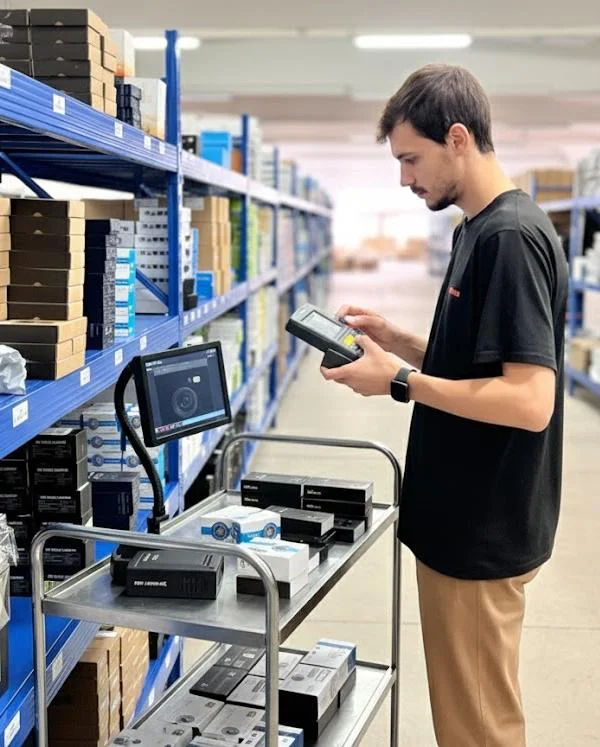
Manufacturing capability means the supplier owns or directly controls production lines, not just a trading desk. Ask for factory videos, ISO 9001 records, and production capacity numbers. A genuine manufacturer can produce 10,000+ units per month and has R&D engineers on staff, not just salespeople.
Here’s what most people get wrong: they assume a slick website equals a real factory. Trading companies often rent exhibition space and pose as manufacturers. The reality is that you need to verify tooling precision, SMT line capability, and firmware development in-house. If the supplier outsources PCB assembly or firmware, your lead times and quality control become unpredictable.
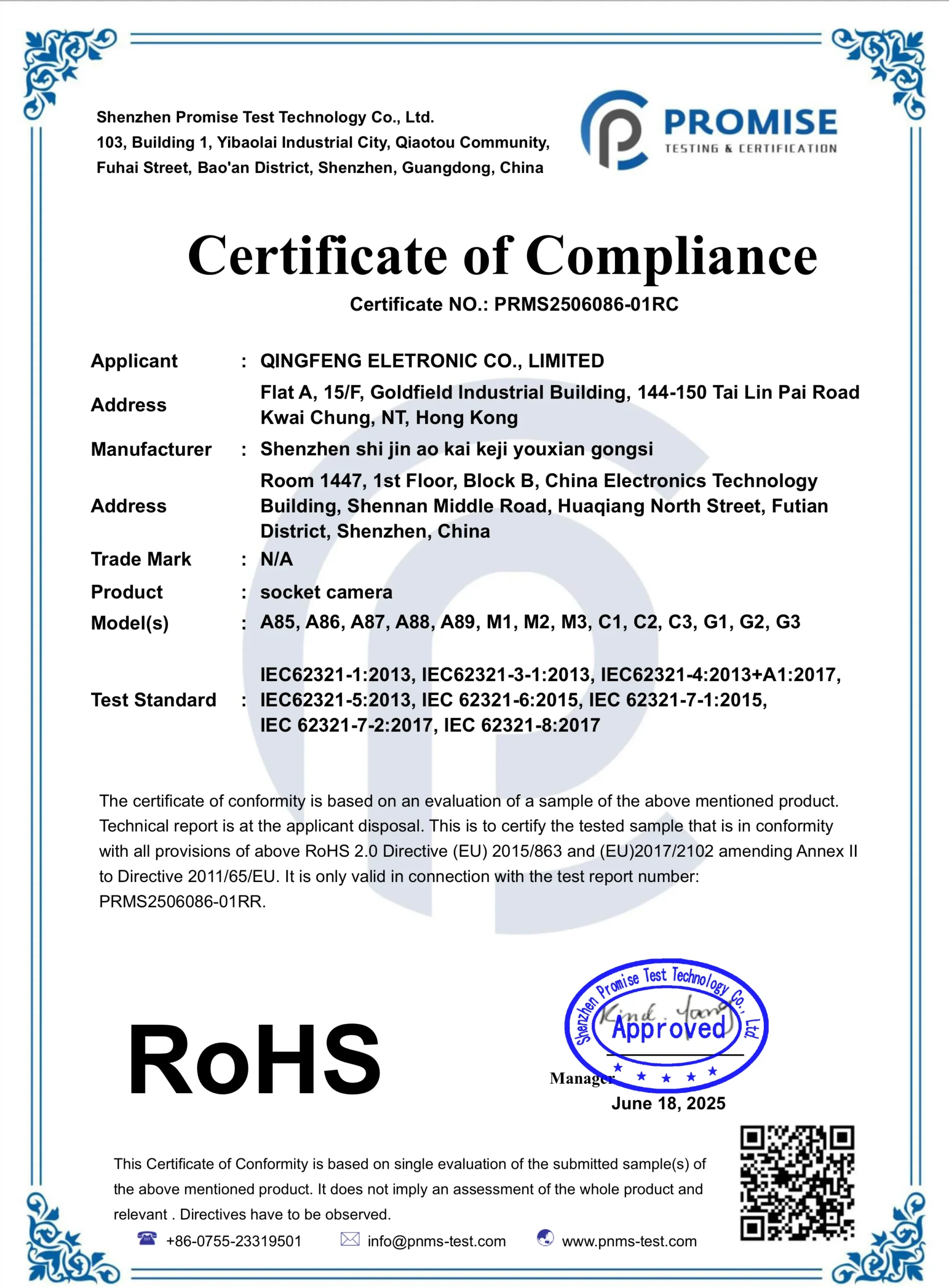
Certification compliance is non-negotiable for EU and UK markets. CE marking (Radio Equipment Directive 2014/53/EU), RoHS, and UKCA are baseline requirements. For vehicle trackers, E-Mark approval may also apply. Request original test reports from accredited labs like TÜV or SGS, not self-declared PDFs. At QZT Security, we maintain CE and RoHS documentation for every device we ship to European distributors, because customs authorities and B2B customers both demand traceability.
| Verification Pillar | What to Request | Bandiera Rossa |
|---|---|---|
| Produzione | Factory video, ISO 9001, monthly capacity | Refuses video call or factory tour |
| Certificazioni | Original CE/RoHS test reports from TÜV/SGS | Self-declared certificates without lab reference |
| Software | Tracking platform demo, API documentation | No platform or white-label option |
| After-sales | Warranty terms, RMA process, spare parts stock | No written warranty or vague RMA timeline |
| Pricing | FOB/CIF/DDP breakdown, MOQ tiers | Hidden fees or MOQ that changes after deposit |
Punto chiave: Verify manufacturing, certifications, software, and support before price.
How Do You Verify OEM and ODM Capabilities?
OEM (logo branding) and ODM (full custom design) are the two main paths for distributors who want to build their own brand. Not every supplier offers both, and not every supplier that claims to offer them can deliver.
OEM capability is standard. A factory should print your logo on the housing, load custom firmware splash screens, and package in neutral boxes. ODM capability is more advanced: it requires in-house RF engineers, antenna designers, and firmware developers who can modify PCB layouts, add sensors, or change communication protocols.

To verify ODM capability, ask for a portfolio of custom projects. A genuine ODM supplier can show you at least three past designs that are not catalog products. Request a schematic review session for your proposed modification. If the supplier says “yes” to every change without technical questions, they are probably outsourcing to a third-party design house, which adds cost and risk.
But here’s the thing: ODM timelines are longer. A custom GPS tracker from scratch takes 90–120 days for tooling, 30 days for FCC/CE pre-testing, and another 30 days for pilot production. OEM branding, by contrast, can be ready in 2–3 weeks if the factory has neutral stock. Distributors should match their project type to the supplier’s real strength, not just what the sales team promises.
| Service Level | Typical MOQ | Tempi di consegna | Custom Scope | Adatto per |
|---|---|---|---|---|
| Off-the-shelf | 1–50 units | 3–7 giorni | Logo only | Testing market |
| OEM branding | 100–500 unità | 2–3 weeks | Logo, packaging, firmware UI | Brand building |
| ODM customization | 1,000–5,000 units | 90–150 giorni | PCB, antenna, sensors, protocol | Differentiated product |
Punto chiave: OEM is fast; ODM is deep. Match the supplier’s strength to your timeline.
What Certifications Must a GPS Tracker Supplier Hold?
Certifications are not decoration. They are the legal evidence that a device meets electromagnetic compatibility, radio spectrum, and environmental safety standards. Selling uncertified GPS trackers in the EU or UK exposes distributors to customs seizure, market surveillance recalls, and liability claims.
For GPS trackers, the critical certifications are CE (RED 2014/53/EU), RoHS (2011/65/EU), UKCA (post-Brexit UK equivalent), and FCC (for US market). Vehicle-installed trackers may need E-Mark (ECE R10). Personal trackers with batteries need UN38.3 for air freight.
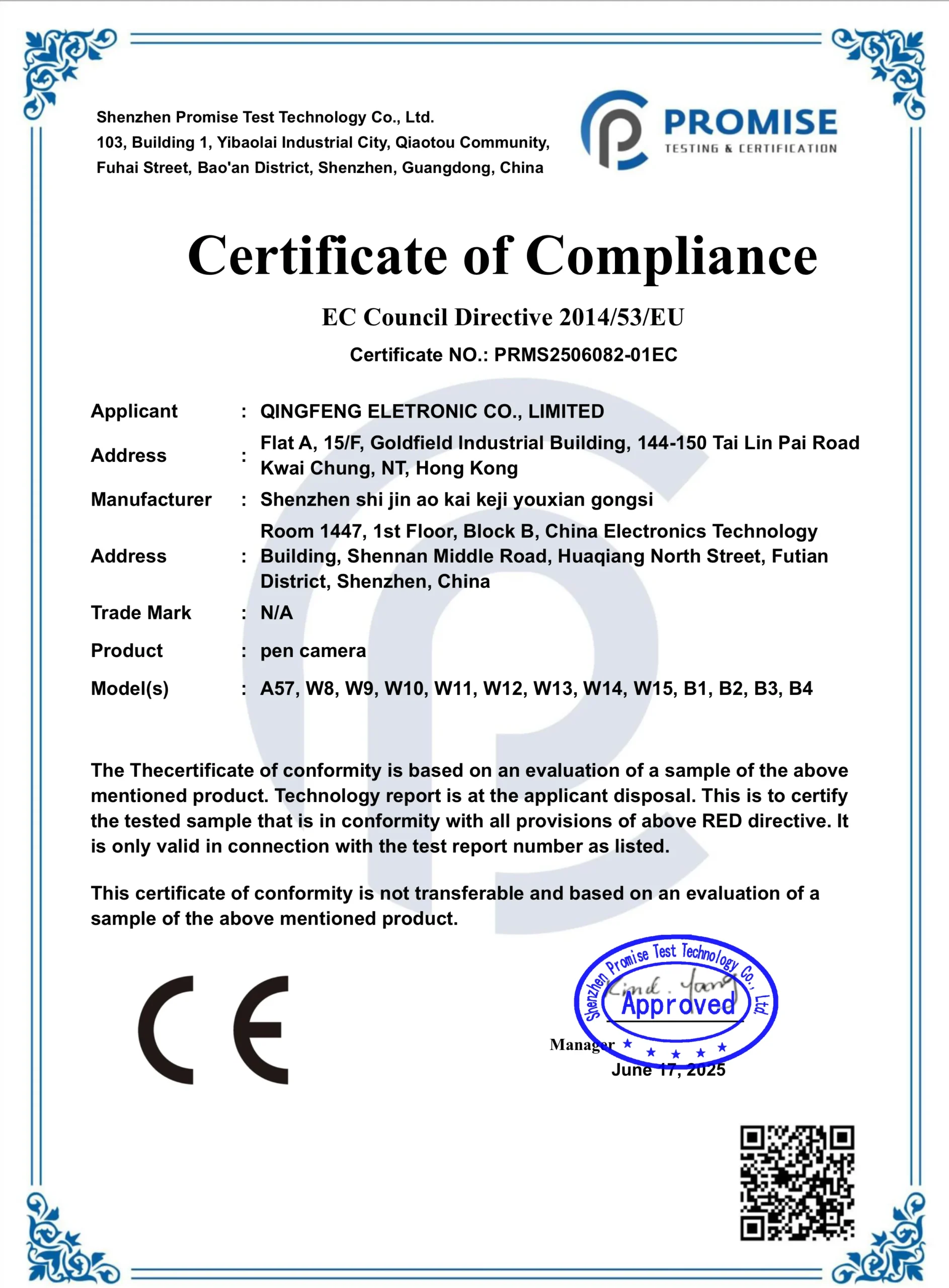
The CE marking process involves testing at an accredited Notified Body. Ask for the certificate number and verify it on the NANDO database (New Approach Notified and Designated Organisms). RoHS compliance requires XRF testing for restricted substances like lead and cadmium. A genuine supplier can provide the full test report with lab stamp, not just a one-page declaration.
Here’s what most people get wrong: they accept a certificate photo without checking the product model. Some suppliers reuse a certificate from a different device and paste a new model name in Photoshop. Cross-reference the model number on the certificate with the device you are actually ordering. At QZT Security, every certificate lists the exact model number and SKU to eliminate this risk.
| Certificazione | Regione | Ambito | Verification Method |
|---|---|---|---|
| CE (RED) | EU | Radio, EMC, safety | NANDO database + original test report |
| Direttiva RoHS | EU | Hazardous substance restriction | XRF test report with lab stamp |
| UKCA | UK | Post-Brexit replacement for CE | UKAS-accredited body report |
| FCC | Stati Uniti | Radio frequency emissions | FCC ID searchable on FCC.gov |
| E-Mark (ECE R10) | EU/EEA | Vehicle electromagnetic compatibility | E-type approval number |
| UN38.3 | Globale | Lithium battery air transport | Test summary from certified lab |
Punto chiave: Verify certificates on official databases, not just PDF photos.
How Does MOQ Affect GPS Tracker Wholesale Pricing?
Minimum Order Quantity (MOQ) is the smallest batch a supplier will produce at a quoted price. It shapes your cash flow, inventory risk, and unit margin. Understanding MOQ tiers helps distributors negotiate from a position of knowledge, not desperation.
Off-the-shelf GPS trackers typically have MOQ of 1–50 units for sample orders, 100–500 for branded OEM, and 1,000+ for ODM customization. The unit price drops sharply between sample and OEM tiers, then flattens at higher volumes. A vehicle tracker that costs $18 at 10 units may drop to $12 at 500 units and $9 at 2,000 units. The 50-percent drop from sample to bulk is normal; anything beyond that suggests the sample price was inflated.
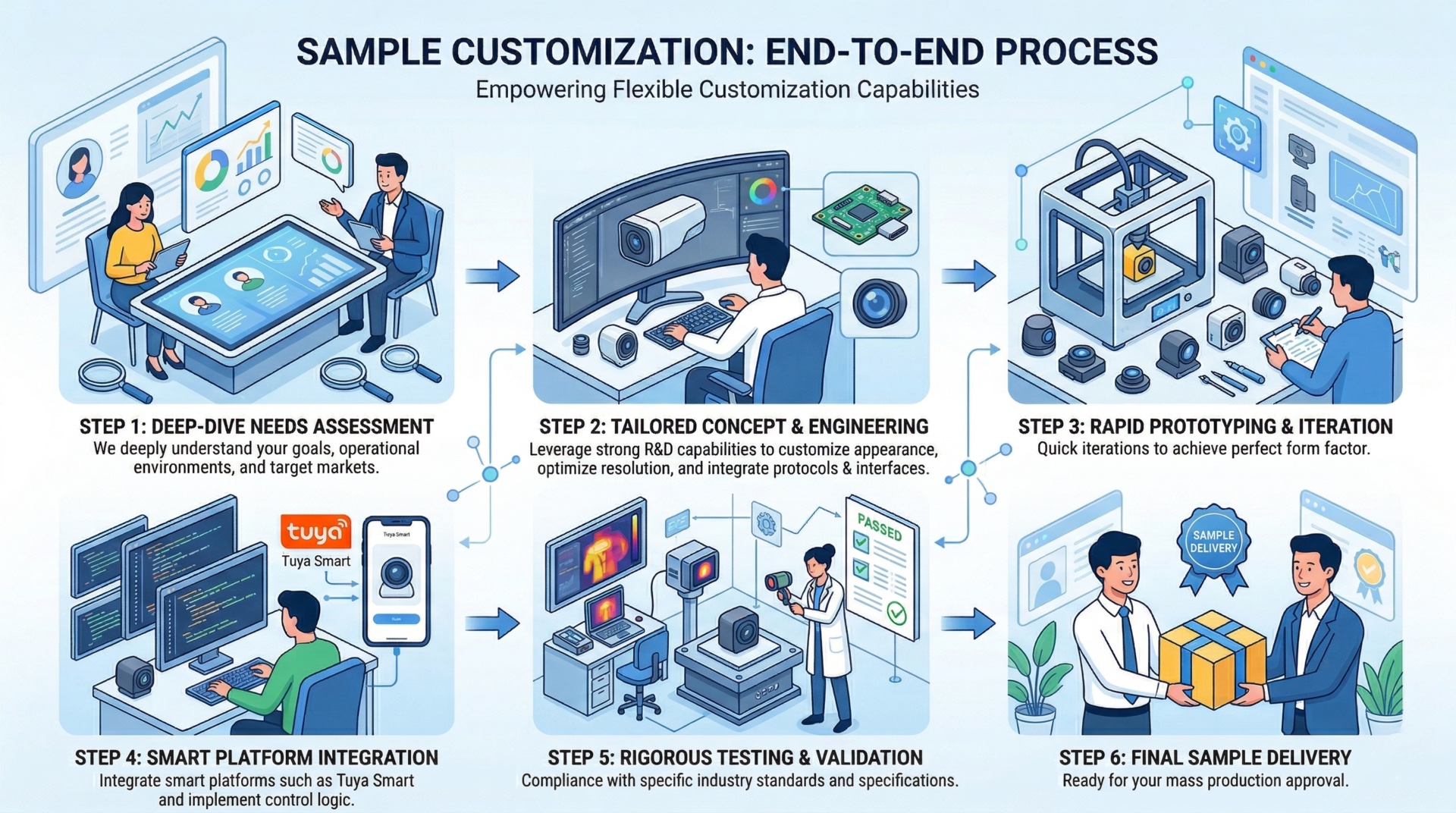
But here’s the thing: lower MOQ often means higher per-unit cost, but it also means lower inventory risk. For a new distributor entering the UK market, ordering 50 units to test demand is smarter than committing to 2,000 units and storing them in a warehouse for six months. The best suppliers offer flexible MOQ tiers: 50 units at a standard price, 200 at 15 percent off, 500 at 25 percent off. That structure rewards growth without punishing small starters.
Here’s what most people get wrong: they negotiate MOQ without discussing packaging. If you order 500 units but want individual retail boxes with manuals in five languages, the supplier may raise the MOQ to 1,000 because packaging setup costs are fixed. Always clarify packaging, labeling, and documentation requirements before finalizing MOQ.
| MOQ Tier | Unit Range | Typical Discount | Ideale per |
|---|---|---|---|
| Campione | 1–50 | 0% (highest price) | Quality testing, market validation |
| Starter | 100–300 | 10–20% | New distributors, small retailers |
| OEM bulk | 500–1,000 | 25–30% | Established resellers, regional distributors |
| ODM bulk | 1,000–5,000 | 30–40% | Brand owners, large fleet operators |
| Contract | 5,000+ | Negotiated | Telecoms, insurance, national fleets |
Punto chiave: Start small, validate demand, then scale with tiered MOQ.
What Tracking Platform Should a Wholesale GPS Tracker Include?
A GPS tracker without a tracking platform is just a plastic box with an antenna. The platform is where customers view location history, set geofences, and receive alerts. For B2B distributors, the platform choice determines whether you can sell a complete solution or just hardware.
There are three platform models: supplier-hosted (white-label or branded), self-hosted (open-source or custom), and third-party SaaS (monthly subscription). Supplier-hosted platforms are the most common for wholesale. They offer web portals and mobile apps, often with white-label options that hide the factory name and display your brand.

The critical questions are: Does the platform support your target device models? Does it offer API access for integration with fleet management software? Is there a monthly fee per device, or is it bundled? Some suppliers charge $2–5 per device per month for platform access, which erodes distributor margins. Others include lifetime platform access in the hardware price. The bundled model is better for B2B resale because it simplifies pricing for your customers.
Here’s what most people get wrong: they test the platform on a demo account with 1 device and assume it works at 1,000 devices. Platform performance degrades with scale. Map tile loading, geofence calculation, and alert queuing all slow down as the fleet grows. Ask the supplier for a stress test report or a trial with at least 50 devices before committing.
| Platform Model | Setup Cost | Costo mensile | Device Limit | White-Label | Ideale per |
|---|---|---|---|---|---|
| Supplier-hosted bundled | $0 | $0 | 1,000–10,000 | SÌ | Distributors, small fleets |
| Supplier-hosted subscription | $0 | $2–5/device | Illimitato | SÌ | Large fleets, SaaS buyers |
| Self-hosted (open-source) | Server cost | Server cost | Illimitato | Full control | Tech-savvy operators |
| Third-party SaaS | $0–500 | $5–15/device | Illimitato | No | Enterprise integration |
Punto chiave: Bundled, white-label platforms with API access offer the best distributor margins.
How Do You Evaluate GPS Tracker Hardware Specifications?
Hardware specifications separate professional-grade trackers from consumer toys. For B2B resale, your customers expect reliability, not gimmicks. The key specs are positioning accuracy, communication module, battery capacity, and enclosure durability.
Positioning accuracy depends on the GNSS module. Basic trackers use GPS-only receivers with 5–10 meter accuracy. Professional units add GLONASS, Galileo, and BeiDou for multi-constellation positioning, improving accuracy to 2–3 meters in open sky and maintaining lock in urban canyons. Ask for the chipset model: u-blox UBX-M8030 and Quectel L76-LB are industry standards. Avoid unknown chipsets with no datasheet.
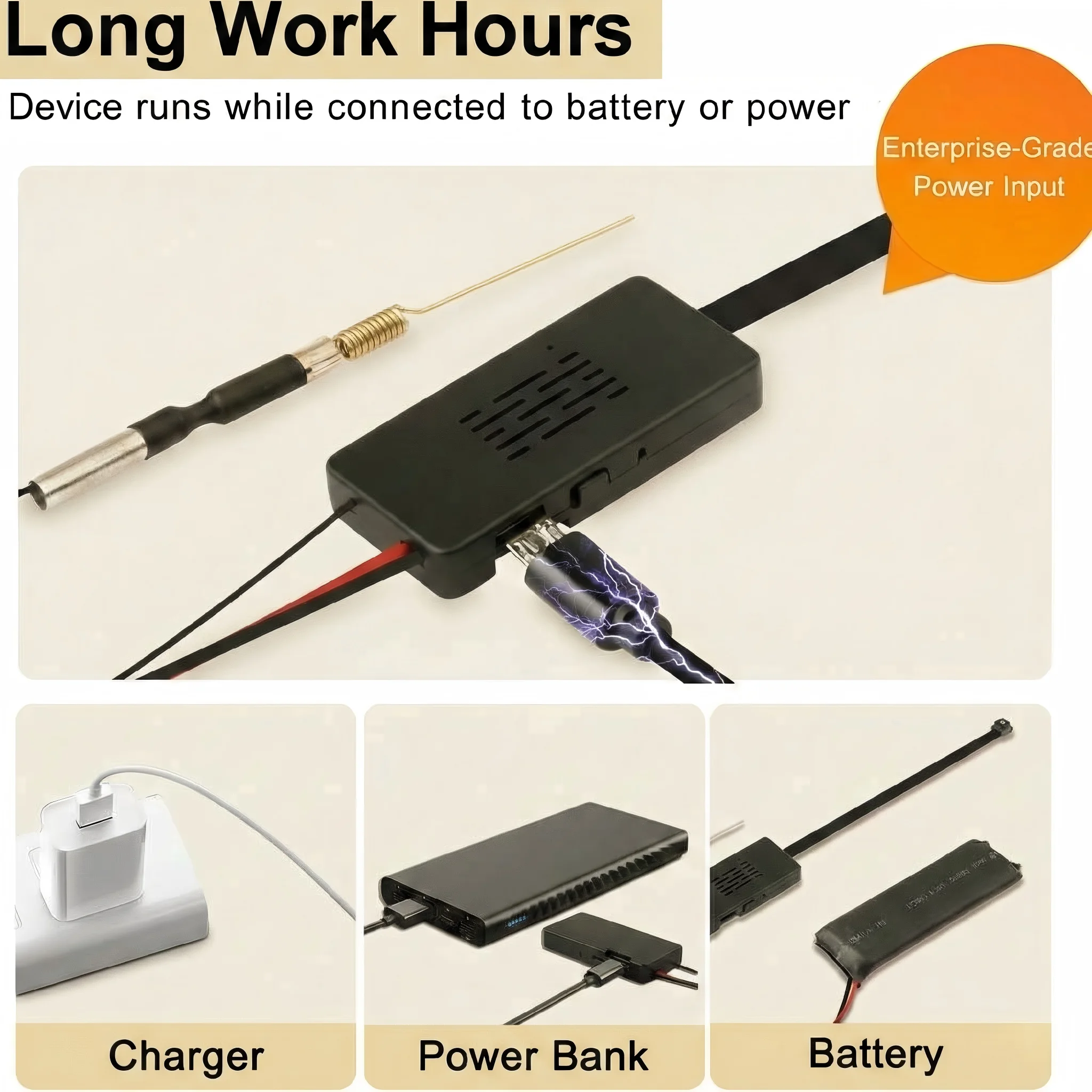
Communication module determines coverage and future-proofing. 2G-only modules are obsolete in many markets (EU 2G sunset is ongoing). 4G Cat-1 and NB-IoT modules are the current standard. 5G is overkill for most tracking use cases and increases power consumption. A 4G module with 2G fallback offers the best balance of coverage and cost.
Capacità della batteria for portable trackers is measured in mAh. A 1,000 mAh Li-ion battery delivers 3–5 days at 1-hour reporting intervals. A 5,000 mAh battery extends that to 15–20 days. For vehicle trackers, the battery is secondary because they are wired to the car battery, but a 200 mAh backup battery is essential for tamper alerts during power cuts.
| Spec Category | Fascia base | Professionale | Industrial |
|---|---|---|---|
| GNSS | Solo GPS | GPS + GLONASS + Galileo | GPS + GLONASS + Galileo + BeiDou + IMU |
| Precisione | 5–10 m | 2–3 m | <2 m (RTK) |
| Rete | 2G | 4G Cat-1 + 2G fallback | 4G + NB-IoT + 2G fallback |
| Battery (portable) | 1.000 mAh | 3,000–5,000 mAh | 10,000+ mAh or solar |
| Grado di protezione IP | IP54 | IP65 | IP67 |
| Operating Temp | -10°C to +50°C | -20°C a +60°C | -40°C to +85°C |
Punto chiave: Multi-constellation GNSS, 4G module, and IP65 are the professional baseline.
What Are the Hidden Costs in GPS Tracker Wholesale?
Unit price is only the headline. The real cost includes shipping, import duties, platform fees, warranty reserves, and compliance testing. Distributors who quote retail prices based on FOB unit cost alone lose margin on every shipment.
Spedizione depends on volume and urgency. Express courier (DHL/FedEx) costs $5–8 per unit for 50-unit samples but becomes uneconomical above 500 units. Air freight drops to $2–3 per unit for 500–2,000 units. Sea freight is $0.50–1.50 per unit for 5,000+ units but takes 30–45 days. Railway freight to EU is a middle ground: $1.50–2.50 per unit, 18–25 days.

Import duties in the EU are typically 0–4.5 percent for GPS trackers under HS code 8526.91, but VAT (20 percent in the UK, 19–27 percent in EU countries) applies to the CIF value plus duty. Some suppliers quote DDP (Delivered Duty Paid), which includes all costs to your door. DDP is simpler but 10–15 percent more expensive than managing customs yourself.
Platform fees are a recurring cost. If the supplier charges $3 per device per month, a 1,000-unit fleet costs $36,000 annually. Bundled platforms eliminate this. Always model the 3-year total cost of ownership, not just the hardware price.
| Cost Category | Sample (50 units) | OEM (500 units) | Bulk (5,000 units) |
|---|---|---|---|
| Prezzo unitario | $18 | $12 | $9 |
| Shipping (per unit) | $6 (express) | $2 (air) | $0.80 (sea) |
| Duty + VAT (EU) | $5 | $3.50 | $2.50 |
| Platform (3 years, per unit) | $0 (bundled) | $0 (bundled) | $0 (bundled) |
| Warranty reserve (3%, per unit) | $0.54 | $0.36 | $0.27 |
| Costo totale di approdo | $29.54 | $17.86 | $12.57 |
Punto chiave: Model 3-year total cost, not just unit price.
How Do Fleet Managers Use GPS Trackers in Practice?
Fleet managers buy GPS trackers for route optimization, driver behavior monitoring, fuel theft prevention, and compliance reporting. Understanding their use cases helps distributors position the right product and upsell software features.
Route optimization requires real-time tracking with 10-second update intervals. The platform calculates the fastest route based on current traffic and historical patterns. A courier fleet with 50 vehicles can save 12–15 percent on fuel by eliminating unnecessary detours. The tracker must support high-frequency reporting without draining the vehicle battery.
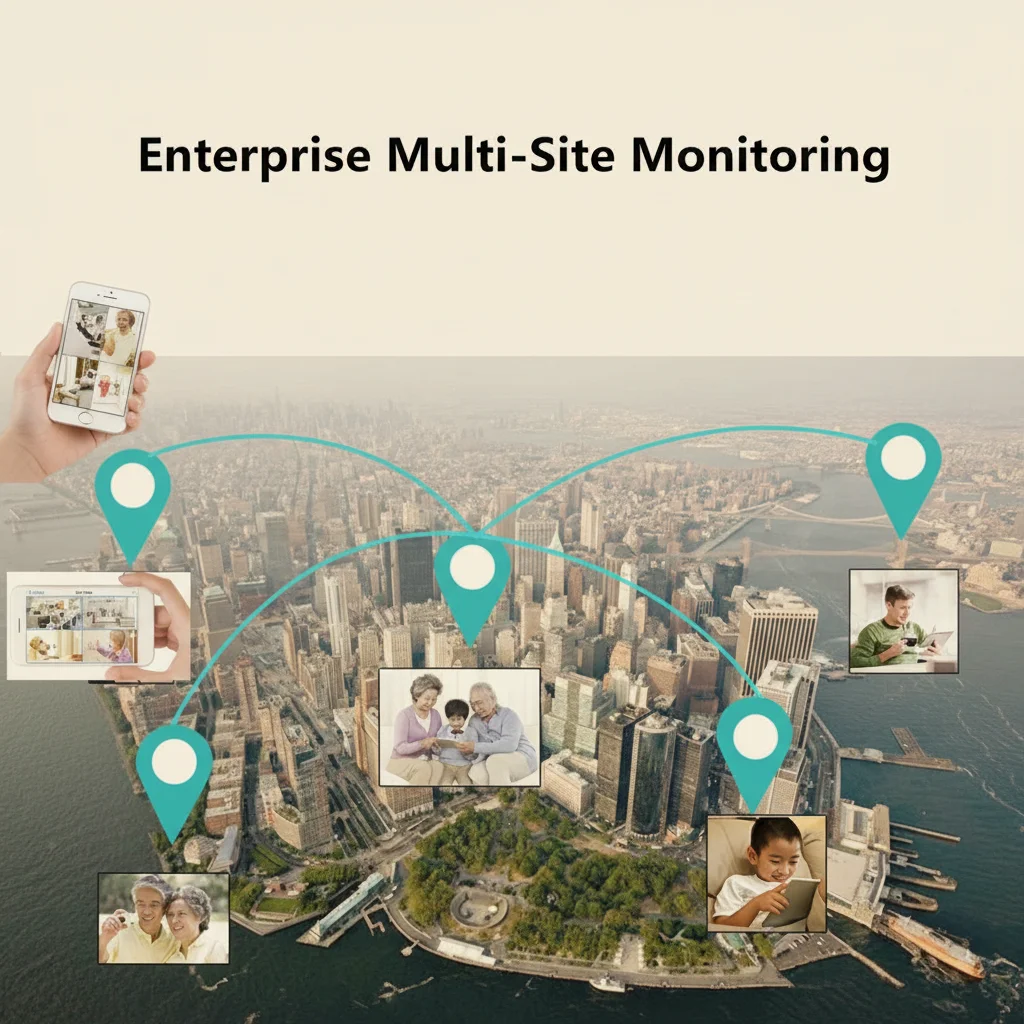
Driver behavior monitoring uses accelerometer data from the tracker to detect harsh braking, rapid acceleration, and sharp cornering. Insurance companies in the UK offer 10–20 percent premium discounts to fleets with telematics devices. The tracker needs a 3-axis accelerometer and the platform needs a scoring algorithm.
Fuel theft prevention combines GPS location with fuel level sensors. A tanker that drops 20 liters while stationary in an unauthorized location triggers an alert. This requires integration between the tracker and CAN bus or analog fuel sensors.
Compliance reporting is mandatory for EU operators. Regulation (EC) No 561/2006 requires tachograph data for commercial vehicles. GPS trackers with digital tachograph integration simplify this by auto-logging driving hours and rest periods.
| Fleet Use Case | Required Hardware | Required Platform Feature | ROI Metric |
|---|---|---|---|
| Route optimization | 4G, 10s interval | Real-time map, traffic API | 12–15% fuel savings |
| Driver behavior | 3-axis accelerometer | Scoring dashboard, alerts | 10–20% insurance discount |
| Fuel theft | CAN bus / analog input | Fuel level graph, geofence | Detect 100% of unauthorized siphoning |
| Conformità | Digital tachograph | Auto-report, driver cards | Zero fines, audit readiness |
Punto chiave: Fleet managers need real-time tracking, accelerometers, and compliance integration.
What Are the EU and UK Compliance Rules for GPS Trackers?
GPS trackers process location data, which is personal data under GDPR. Distributors who import and resell GPS trackers in the EU or UK must understand their obligations under data protection law, even if they are not the end user.
GDPR Article 6 requires a legal basis for processing location data. For fleet tracking, the legal basis is typically “legitimate interest” (Article 6(1)(f)), balanced against employee rights. Employers must inform drivers that tracking is active, explain the purpose, and limit data collection to work hours. Secret tracking of employees without notice is illegal in the UK and most EU countries.
GDPR Article 32 requires appropriate technical security measures. GPS trackers must encrypt data in transit (TLS 1.2+) and at rest. The tracking platform must implement access controls, audit logs, and data retention limits. A distributor who supplies a platform with no encryption or user access management shares liability for data breaches.
The UK post-Brexit regime is similar but not identical. The UK GDPR mirrors EU GDPR, but the Information Commissioner’s Office (ICO) has issued specific guidance on vehicle tracking. The ICO states that employers must carry out a “legitimate interest assessment” (LIA) before deploying trackers and must provide drivers with a clear privacy notice.
| Regulation | Requisito chiave | Sanzioni per non conformità | Distributor Action |
|---|---|---|---|
| EU GDPR Art 6 | Legal basis for processing | Up to €20M or 4% global turnover | Verify platform has consent/legitimate interest workflows |
| EU GDPR Art 32 | Technical security measures | Same as above | Verify TLS, access controls, encryption |
| UK GDPR | Same as EU, ICO guidance applies | Up to £17.5M or 4% global turnover | Verify platform meets UK-specific guidance |
| ePrivacy Directive | Consent for tracking cookies/apps | Varies by member state | Ensure app privacy notice is compliant |
| Working Time Directive | Driver hours limits | Fines, license suspension | Verify tachograph integration if applicable |
Punto chiave: GDPR applies to location data. Verify platform security and privacy features before resale.
How Do You Build a GPS Tracker Distribution Business?
Starting a GPS tracker distribution business requires market selection, supplier partnership, certification, and sales channels. The barrier to entry is lower than many hardware categories because GPS trackers are small, high-margin, and have recurring platform revenue potential.
Market selection starts with a niche. General “GPS tracker” resale competes with Amazon and Alibaba. Specialization wins: fleet management for local courier companies, pet tracking for veterinary clinics, asset tracking for construction equipment rental firms. Each niche has different pricing tolerance, feature requirements, and sales cycles.
Supplier partnership should be treated as a long-term relationship, not a one-off purchase. The best distributors visit the factory (in person or via video), meet the engineering team, and negotiate exclusive distribution rights for a region. An exclusive distributor in Germany, for example, can lock out competitors and build brand recognition.
Certificazione is your moat. Many small resellers skip CE/UKCA verification and sell gray-market devices. When market surveillance catches them, their inventory is seized and their reputation is destroyed. Investing in proper certification and documentation protects your business and becomes a sales advantage.
Sales channels for B2B GPS trackers include direct sales to fleet operators, reseller networks for security installers, and online marketplaces for small business owners. The highest margins are in direct sales with bundled installation and platform setup services. A fleet of 100 vehicles with trackers, installation, and 2-year platform support can generate £15,000–25,000 in first-year revenue.
| Business Stage | Investment | Cronologia | Revenue Target | Key Milestone |
|---|---|---|---|---|
| Test | $500–1,000 | 1 month | $0 | Sample order, quality validation |
| Launch | $3,000–5,000 | 3 months | $2,000/month | First 5 customers, feedback loop |
| Crescita | $10,000–20,000 | 6–12 months | $10,000/month | Exclusive region, branded line |
| Scale | $50,000+ | 12–24 months | $50,000/month | Multi-region, custom ODM, platform |
Punto chiave: Niche specialization, supplier exclusivity, and certification are the three pillars of distributor success.
Domande frequenti
Can I legally resell GPS trackers in the UK without a license?
Yes, you can resell GPS trackers in the UK without a specific tracking license, but the devices must comply with UKCA marking, and you must ensure the tracking platform meets UK GDPR requirements. If you sell to fleet operators, advise them to conduct a legitimate interest assessment and inform drivers. The distributor is not the data controller, but supplying non-compliant platforms can create liability under the Supply of Goods and Services Act 1982.
What’s the difference between a white-label and a branded GPS tracker?
A white-label GPS tracker has no factory logo, uses neutral packaging, and connects to a neutral tracking platform. You can add your own brand before resale. A branded tracker carries the manufacturer’s name and often ties to their platform. White-label is better for distributors building their own brand; branded is faster to market if you want to leverage an established name. The hardware is identical; only the firmware splash screen and packaging differ.
How do I test GPS tracker accuracy before placing a bulk order?
Order 3–5 sample units and conduct a field test. Place one unit in a vehicle, one in a backpack, and one in a building. Compare the reported locations against a known GPS reference device (a smartphone with GPS Test app). Test in urban canyon, rural open sky, and indoor parking scenarios. Measure accuracy, time to first fix, and battery drain over 72 hours. Document the results and share the data with the supplier before committing to OEM or ODM.
What’s the minimum technical knowledge a distributor needs?
A distributor needs to understand four basics: GNSS positioning (GPS/GLONASS/Galileo), cellular communication (2G/4G/NB-IoT), battery chemistry (Li-ion vs LiFePO4), and platform architecture (web vs mobile vs API). You do not need to be an RF engineer, but you must be able to explain these concepts to customers and answer technical questions. If a customer asks why their tracker loses signal in a parking garage, you should know that GPS signals do not penetrate concrete and that the device needs a backup location method (cell tower triangulation or Wi-Fi positioning).
How do I handle warranty claims for GPS trackers?
Warranty claims should be handled in three steps: diagnosis, replacement, and root cause analysis. First, ask the customer to send logs from the tracking platform (location history, battery level, signal strength). Second, if the device is defective, ship a replacement within 5 business days and issue an RMA number. Third, send the failed unit back to the supplier for analysis. If the failure rate exceeds 3 percent in a batch, negotiate a partial refund or extended warranty. Document every claim for supplier scorecard reviews.
Contattaci oggi to discuss GPS tracker wholesale opportunities, OEM/ODM requirements, and EU/UK compliance certification. QZT Security supplies certified surveillance and tracking equipment to distributors, installers, and security professionals across the UK and EU.

 English
  Italiano
  Deutsch
  Français
  Español
  Polski