
Conformità GDPR per CCTV nei negozi retail UE: una guida pratica per proprietari di attività nel 2026
Se gestisci un negozio al dettaglio, un bar, un ristorante o qualsiasi attività con una sede fisica nell'UE, quasi certamente hai un impianto di videosorveglianza. E se hai la videosorveglianza, il GDPR ti si applica — che tu ci abbia pensato o meno.
Le conseguenze di un errore non sono teoriche. Le autorità di protezione dei dati in tutta l'UE hanno emesso sanzioni nei confronti di aziende retail per una serie di violazioni: conservazione delle immagini per un periodo più lungo del necessario, mancata informazione dei clienti riguardo alle telecamere, ripresa di uno spazio pubblico maggiore di quanto giustificato e utilizzo delle immagini per finalità che vanno oltre quanto comunicato ai clienti.
Questa guida è pensata per i titolari di attività commerciali al dettaglio che vogliono gestire la conformità in modo corretto — non solo evitare le sanzioni, ma costruire un sistema che protegga davvero la loro attività, i loro clienti e i loro dipendenti.
Il GDPR si applica davvero al mio negozio?
Sì. Il GDPR si applica a qualsiasi azienda che tratta dati personali — il che significa qualsiasi azienda che registra filmati di individui identificabili. Una telecamera di videosorveglianza che riprende clienti che entrano nel tuo negozio, personale che lavora sul piano vendita o chiunque nei tuoi locali sta trattando dati personali ai sensi del GDPR.
Ciò si applica indipendentemente da:
– La dimensione della tua azienda (il GDPR si applica alle aziende di tutte le dimensioni)
– Se guardi attivamente le registrazioni o se registrano semplicemente in automatico
– Se hai mai avuto un incidente che ha richiesto le registrazioni
– Che tu sia un negozio a conduzione individuale o una catena
Nel momento in cui installi una telecamera, diventi un titolare del trattamento ai sensi del GDPR — responsabile di come le registrazioni vengono raccolte, conservate, utilizzate e infine cancellate.
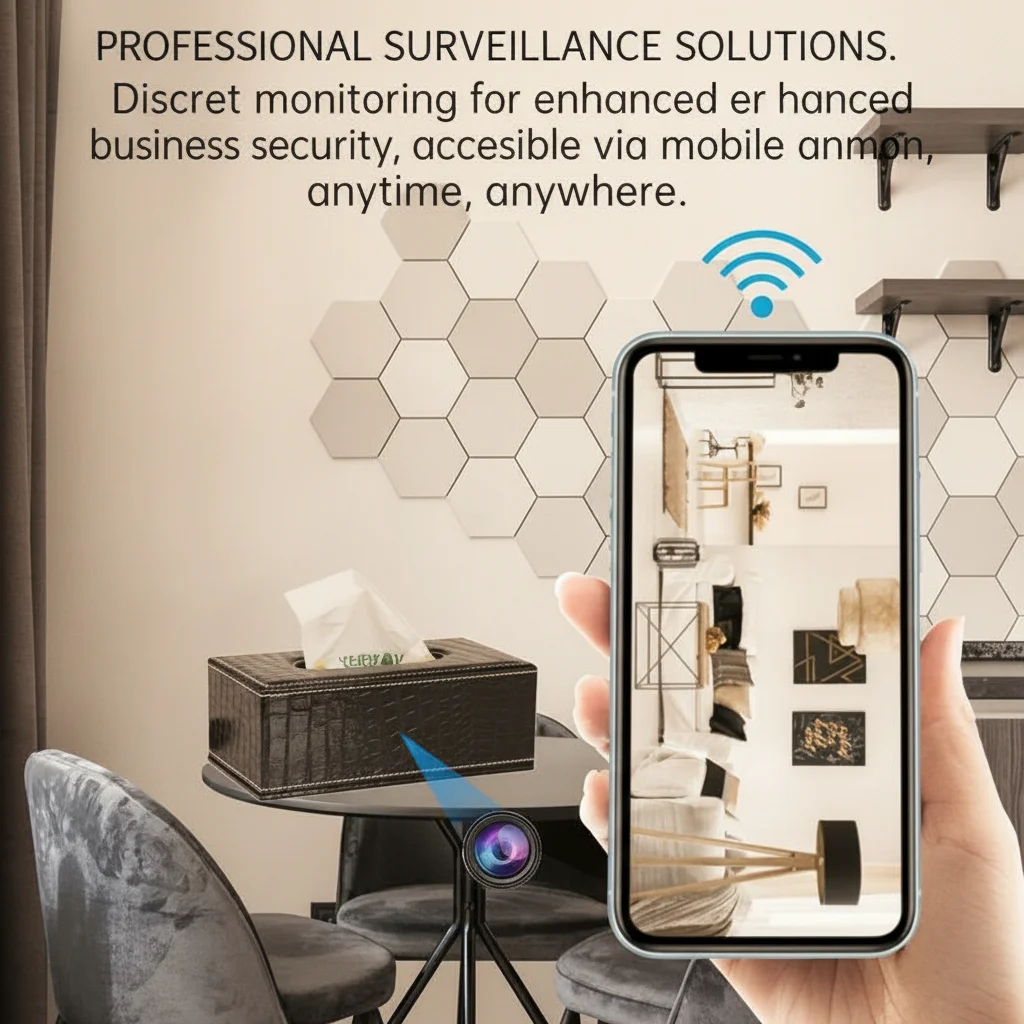
C'è un equivoco comune che deve essere chiarito: l'idea che le telecamere rivolte solo verso l'interno, in uno spazio di tua proprietà, significhi che il GDPR non si applica. Questo è errato. Il GDPR si applica al trattamento dei dati personali nell'ambito di un'attività commerciale. Un negozio è un'attività commerciale. I clienti e i dipendenti ripresi in quel locale sono individui identificabili. Il GDPR si applica.
Quale base giuridica mi serve?
Ogni sistema di videosorveglianza necessita di una base giuridica documentata per il trattamento. Per la maggior parte delle imprese del commercio al dettaglio, questa sarà interessi legittimi (Articolo 6(1)(f) GDPR) — l'interesse a proteggere la vostra proprietà, prevenire i furti, garantire la sicurezza del personale e indagare sugli incidenti.
La questione non è se voi avere un interesse legittimo — la maggior parte delle imprese del commercio al dettaglio chiaramente lo ha. La questione è se il vostro specifico utilizzo della videosorveglianza sia proporzionato a tale interesse. È qui che molte imprese non sono all'altezza.
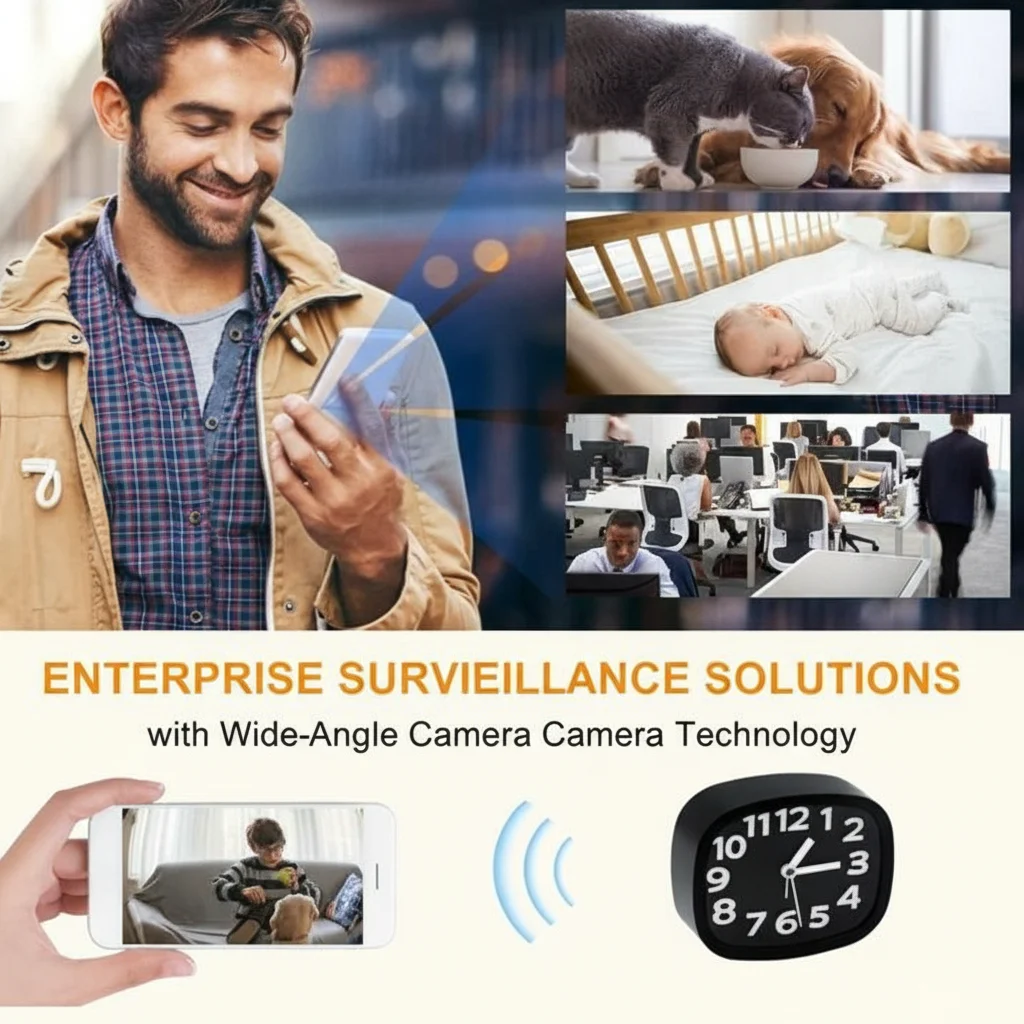
Considera due scenari:
Scenario 1: Un negozio installa telecamere all'ingresso, alle casse e nel magazzino — tutte chiaramente finalizzate a prevenire i furti e proteggere la proprietà. La telecamera all'ingresso inquadra una visuale ristretta della porta. La telecamera alle casse copre l'area del bancone. La telecamera nel magazzino copre l'area di stoccaggio. Questo è proporzionato allo scopo dichiarato.
Scenario 2: Lo stesso negozio installa telecamere grandangolari che inquadrano l'intera area vendita, il marciapiede pubblico davanti all'ingresso e le vetrine dell'attività vicina. Ha anche una telecamera nella sala break. Questo è quasi certamente sproporzionato. Le telecamere inquadrano aree e persone che non hanno alcun collegamento con la prevenzione dei furti. La telecamera nella sala break solleva ulteriori preoccupazioni sulla privacy dei dipendenti.
Il test è semplice: un cliente ragionevole accetterebbe di essere filmato in questa posizione per questa finalità? Se la risposta è sì, la telecamera è probabilmente proporzionata. Se la risposta è no, probabilmente non lo è.
Dove posso installare legalmente le telecamere?
Gli orientamenti dell'EDPB sulla videosorveglianza stabiliscono il quadro a livello UE. In tale quadro, le decisioni sul posizionamento delle telecamere dovrebbero seguire questa logica:
Generalmente consentito nel settore retail
– Punti di ingresso e uscita — chi è entrato, quando e in quale direzione
– Area di cassa e pagamento — la location a più alto rischio per furto e controversie
– Magazzini e aree interne — protezione dell'inventario
– Corridoi interni e scale — sicurezza e controllo degli accessi
– Perimetro e aree di parcheggio — protezione della proprietà
– Area di vendita rivolta al cliente — quando giustificato dal rischio di furto o sicurezza
Generalmente vietato
– Toilette e camere di cambio — categoricamente vietato
– Sale di riposo per il personale — i dipendenti hanno una ragionevole aspettativa di privacy durante le pause
– Qualsiasi area in cui i clienti hanno una specifica aspettativa di privacy — cabine di prova, aree di consultazione, banchi della farmacia
Ripresa di marciapiedi pubblici
Questo è uno degli errori di compliance più comuni nel retail. Una telecamera posizionata all'entrata di un negozio catturerà inevitabilmente parte del marciapiede pubblico. In molti casi, questo è accettabile se è incidentale — la telecamera punta all'entrata, non alla strada, e la registrazione del marciapiede è un effetto collaterale, non il proposito.
Tuttavia, le telecamere posizionate per catturare panoramiche di strade pubblici, aree pedonali o spazi pubblici oltre l'entrata immediata del negozio richiedono una giustificazione aggiuntiva. Più spazio pubblico viene catturato, più difficile è sostenere che il monitoraggio sia proporzionato.
Regola pratica: Se la tua telecamera cattura più di circa 2–3 metri di marciapiede pubblico oltre l'entrata, valutare se l'angolo può essere regolato per ridurre questo. Privacy masking — software che oscura specifiche aree della vista della telecamera — è un strumento pratico per ridurre catture involontarie.
L'obbligo di cartellonistica: più di un semplice cartello
Il GDPR britannico richiede che le persone siano informate che la CCTV è in funzione prima di essere registrate. Per un'attività commerciale, ciò significa cartelli.

Le linee guida dell'ICO e dell'EDPB sono chiare: i segnali devono essere:
– Visibile chiaramente — non nascosto dietro una scaffalatura o all'altezza delle ginocchia
– Facile da comprendere — non linguaggio legale o terminologia tecnica
– Presente ad ogni entrata nell'area monitorata
Un cartello CCTV conforme al GDPR dovrebbe informare i clienti:
1. Che la CCTV è in funzione
2. Chi è responsabile (il nome dell'attività)
3. Il proposito del monitoraggio (sicurezza, prevenzione di furti, sicurezza)
4. Dove possono trovare maggiori informazioni (una nota sulla privacy, un sito web, un numero di contatto)
Esempio di cartello conforme
“`
CCTV in funzione
Questo locale è protetto da CCTV per motivi di sicurezza pubblica, prevenzione della criminalità e protezione della proprietà.
Responsabile: [Nome dell'Attività]
Per maggiori informazioni sull'uso delle telecamere CCTV, consultare la nostra informativa sulla privacy a [URL] o rivolgersi a un membro del personale.
“`
Questo cartello rispetta i requisiti legali. È chiaro, identifica il responsabile e indica dove le persone possono trovare maggiori informazioni.
Conservazione: l'area in cui la maggior parte dei rivenditori è carente
Questa è la violazione più comune del GDPR nella CCTV commerciale, e la più facile da correggere.
La regola è assoluta: le registrazioni non devono essere conservate più del necessario. Per un negozio tipico, ciò significa:
– 30 giorni è lo standard pratico. La maggior parte delle attività commerciali non ha motivo di conservare le registrazioni oltre un mese. Dopo 30 giorni, la probabilità di identificare un incidente specifico dalle registrazioni diminuisce significativamente, e il principio di minimizzazione dei dati richiede la cancellazione.
– Una conservazione più lunga richiede una giustificazione specifica. Se si dispone di una investigazione in corso, una disputa con un cliente o una richiesta di assicurazione attiva, è possibile conservare specifici filmati per un periodo più lungo. Tale conservazione deve essere documentata e il filmato eliminato immediatamente dopo la risoluzione della questione.
– La conservazione basata sull'abitudine non è legale. “Abbiamo sempre conservato i filmati per sei mesi” non è una giustificazione. I periodi di conservazione devono basarsi su reali necessità commerciali, non su ciò che si è sempre fatto.
Come implementare la cancellazione automatica
La maggior parte dei sistemi CCTV moderni supporta la cancellazione automatica programmata. Configura il tuo sistema per:
– Sovrascrivere automaticamente le registrazioni più vecchie quando lo spazio di archiviazione è pieno
– Eliminare tutti i filmati più vecchi di 30 giorni, tranne quelli specifici segnalati per conservazione in relazione a una investigazione attiva
– Registrare qualsiasi istanza in cui le riprese vengono conservate oltre il periodo standard e il motivo per cui
Se il tuo sistema attuale non supporta la cancellazione automatica, questo è un aggiornamento prioritario. I processi di cancellazione manuale non sono affidabili — qualcuno deve ricordarsi di farlo, e in un ambiente retail frenetico, prima o poi verrà dimenticato.
Posso utilizzare le immagini della videosorveglianza per il monitoraggio del personale?
Questa è una domanda che molti rivenditori si pongono, e la risposta richiede attenzione.
Se hai installato un impianto di videosorveglianza principalmente per la sicurezza del negozio — protezione da furti dei clienti, atti vandalici e danni alla proprietà — utilizzare le stesse registrazioni per monitorare il comportamento del personale, verificare le presenze o raccogliere prove per procedimenti disciplinari costituisce una finalità secondaria.
Ciò non è automaticamente vietato, ma non è nemmeno automaticamente consentito. La questione chiave è se il personale è stato informato che le immagini potrebbero essere utilizzate per queste finalità.
Se l'informativa sulla privacy del personale, i contratti di lavoro o i materiali di inserimento dichiarano chiaramente che le immagini della videosorveglianza possono essere utilizzate per la gestione delle prestazioni e i procedimenti disciplinari, allora l'utilizzo delle immagini per queste finalità è generalmente accettabile — a condizione che sia proporzionato alla finalità di sicurezza originaria.
Se al personale è stato detto solo che la videosorveglianza era per la “sicurezza”, utilizzare le immagini per monitorare il loro comportamento o condurre una nuova indagine su qualcosa di non correlato alla sicurezza è probabile che venga contestato. L'orientamento dell'ICO su questo è chiaro: utilizzare la videosorveglianza di sicurezza per il monitoraggio del personale senza un'adeguata informativa è una potenziale violazione sia della legge sulla protezione dei dati che del diritto del lavoro.
Best practice: Inserite una dichiarazione chiara nei vostri contratti di lavoro e nell'informativa sulla privacy del personale, specificando che la videosorveglianza può essere utilizzata per finalità di sicurezza, incolumità e — ove proporzionato e coerente con lo scopo originale — gestione delle prestazioni e finalità disciplinari.
E la registrazione audio?
Molti sistemi di videosorveglianza per il commercio al dettaglio includono l'audio — registrando le conversazioni dei clienti oltre al video. Nella maggior parte delle giurisdizioni dell'UE, la registrazione audio è soggetta a regole più severe rispetto al video.

Ai sensi del GDPR del Regno Unito, la registrazione audio in un ambiente retail solleva considerazioni aggiuntive:
– L'Information Commissioner's Office considera la registrazione audio più invasiva della privacy rispetto al solo video, in particolare quando cattura conversazioni private
– Registrare le conversazioni dei clienti a loro insaputa può attivare ulteriori quadri giuridici oltre al GDPR, comprese le leggi sull'intercettazione delle comunicazioni
– In un contesto retail, la registrazione audio delle interazioni con i clienti (alla cassa, durante un rimborso, in un camerino) solleva particolari preoccupazioni riguardo alla cattura di informazioni personali sensibili
Raccomandazione pratica per la maggior parte dei rivenditori: Disattivate la registrazione audio a meno che non abbiate un motivo specifico e documentato per tenerla attiva e non abbiate richiesto una consulenza legale sui requisiti della vostra giurisdizione.
Gestire le richieste di registrazioni
Ai sensi del GDPR, gli individui hanno il diritto di accedere alle registrazioni in cui appaiono. Questa si chiama Richiesta di Accesso da parte dell'Interessato (DSAR).
In ambito retail, le richieste di accesso (DSAR) provengono tipicamente da:
– Clienti che ritengono di essere stati trattati ingiustamente e vogliono vedere cosa è successo
– Ex dipendenti coinvolti in procedimenti disciplinari
– Persone che presentano un reclamo per un incidente nel negozio
Rispondere a una DSAR che coinvolge registrazioni di videosorveglianza richiede:
1. Individuare le registrazioni rilevanti entro la finestra di risposta di un mese
2. Revisione delle registrazioni to identify other individuals who may need to be redacted
3. Modifica delle registrazioni di oscurare i volti e gli elementi identificativi di terzi non coinvolti (o di avere una chiara base giuridica per la divulgazione senza oscuramento)
4. Fornitura delle registrazioni in un formato accessibile al richiedente
5. Documentare la risposta a fini di responsabilizzazione
Le richieste di accesso agli atti (DSAR) che coinvolgono filmati di videosorveglianza di altri clienti creano una tensione pratica: hai l'obbligo di fornire al richiedente i filmati che lo riguardano, ma hai anche l'obbligo di proteggere la privacy di altri individui che compaiono negli stessi filmati.
L'orientamento dell'ICO è che, quando le immagini includono terze parti che non possono essere praticamente rimosse, il titolare del trattamento può fornire le immagini con le terze parti sfocate — oppure può rifiutarsi di fornire del tutto le immagini se la sfocatura non è fattibile. Documentare la decisione in ogni caso.
Cosa fare se le immagini mostrano un incidente
Quando i filmati di videosorveglianza catturano quello che sembra essere un reato — un furto, un'aggressione, un atto vandalico — l'istinto è quello di conservarli a tempo indeterminato. Questo è comprensibile, ma è in conflitto con i tuoi obblighi di conservazione.
L'approccio corretto:
1. Mettere immediatamente al sicuro le registrazioni pertinenti by downloading it to a separate, protected location
2. Documentare il download — ora, data, chi ha effettuato la copia e il motivo
3. Segnala la registrazione per una conservazione prolungata — annotate l'incidente specifico, la data e il motivo per cui viene conservato oltre il periodo standard
4. Contatta la polizia se è stato commesso un reato e le immagini possono essere d'aiuto alle loro indagini
5. Non condividere i filmati pubblicamente — condividere filmati identificabili di individui sui social media o con organizzazioni mediatiche costituisce una violazione della protezione dei dati nella maggior parte delle circostanze
6. Elimina le registrazioni una volta risolta la questione (procedimento penale concluso, procedimento disciplinare definito, sinistro assicurativo liquidato o confermata l'assenza di ulteriori azioni necessarie)
Devo registrarmi presso l'ICO?
Le imprese del Regno Unito con videosorveglianza che tratta dati personali sono tenute a pagare la tassa sulla protezione dei dati all'Information Commissioner's Office — attualmente £40 all'anno per le piccole organizzazioni che utilizzano fino a 10 telecamere di videosorveglianza, o £60 per le organizzazioni con trattamenti più complessi.
Questa è una svista comune. Molti piccoli rivenditori non sono consapevoli di doversi registrare. Non registrarsi costituisce reato — e l'ICO lo fa rispettare attivamente, in particolare a seguito di reclami.
La registrazione è semplice e può essere completata online sul sito web dell'ICO. Il processo richiede 15–20 minuti e richiede di descrivere quali dati CCTV tratti, perché e per quanto tempo li conservi.
Per le imprese dell'UE, l'obbligo equivalente è la notifica all'autorità nazionale per la protezione dei dati — anche se nella maggior parte dei paesi dell'UE questo è incorporato nel quadro di conformità al GDPR piuttosto che essere una tassa di registrazione separata.
Creare la tua checklist di conformità per la videosorveglianza
Esamina questa lista prima di affidarti al tuo sistema CCTV:
Base giuridica e finalità:
– [ ] Ho documentato la base giuridica specifica per il mio trattamento CCTV (interessi legittimi)
– [ ] Ho documentato le finalità specifiche per cui vengono utilizzate le immagini (sicurezza, prevenzione dei furti, incolumità)
– [ ] Ho effettuato un test di bilanciamento che conferma che la mia sorveglianza è proporzionata a queste finalità
Posizionamento della telecamera:
– [ ] Nessuna telecamera è posizionata in bagni, spogliatoi o sale break del personale
– [ ] Le telecamere non riprendono più spazio pubblico del necessario
– [ ] Ho considerato l'uso della mascheratura per la privacy per escludere dalla registrazione le aree non intenzionali
Trasparenza:
– [ ] I cartelli di videosorveglianza sono esposti a ogni ingresso dell'area monitorata
– [ ] I cartelli identificano l'azienda come titolare del trattamento
– [ ] I cartelli indirizzano le persone dove possono trovare maggiori informazioni
– [ ] Il personale è stato informato per iscritto della videosorveglianza (contratto di lavoro o informativa privacy)
Conservazione:
– [ ] Ho un periodo di conservazione documentato (30 giorni è lo standard per la maggior parte dei negozi al dettaglio)
– [ ] La cancellazione automatica è configurata e testata
– [ ] Ho una procedura per segnalare e conservare le registrazioni relative a incidenti attivi
Accesso e sicurezza:
– [ ] Solo il personale autorizzato può accedere alle immagini della videosorveglianza
– [ ] I sistemi di videosorveglianza sono protetti con password complesse (modificate rispetto a quelle predefinite)
– [ ] Il firmware dell'hardware di videosorveglianza è mantenuto aggiornato
– [ ] Ho una procedura per rispondere alle richieste di accesso (DSAR) entro un mese
Registrazione e documentazione:
– [ ] Sono registrato presso l'ICO (Regno Unito) o l'autorità nazionale competente per la protezione dei dati (UE)
– [ ] Ho una politica documentata sulla videosorveglianza, rivista annualmente
– [ ] Ho un registro di chi ha accesso al sistema di videosorveglianza e del motivo
Il business case per fare le cose per bene
Oltre a evitare le sanzioni, un sistema di videosorveglianza conforme al GDPR offre un valore aziendale concreto. Le registrazioni gestite correttamente, conservate per il periodo adeguato e accessibili quando necessario sono uno strumento efficace per:
– Scoraggiare i furti opportunistici — sia clienti che dipendenti
– Risoluzione delle controversie con i clienti — una richiesta di rimborso contraddetta dalle registrazioni, o un confronto senza testimoni
– Supporto alle richieste di risarcimento assicurativo — documented evidence of incidents, break-ins, or property damage
– Sicurezza dei dipendenti — le telecamere nelle aree di gestione del contante e nel back-of-house proteggono il personale
– Formazione — filmati anonimizzati utilizzati per dimostrare buone e cattive pratiche
Un sistema gestito male — che conserva troppe registrazioni, è accessibile a troppe persone e non è documentato adeguatamente — fallisce su tutti questi fronti. Espone l'azienda ad azioni normative, fornisce prove di scarsa qualità quando ne hai effettivamente bisogno e crea rischi inutili per il personale e i clienti.
La conformità al GDPR non è un peso. È la differenza tra un sistema di videosorveglianza che ti protegge e uno che crea responsabilità.
Hai bisogno di un sistema di videosorveglianza progettato per la conformità? Contattaci oggi per esplorare la nostra gamma di telecamere di sicurezza per la vendita al dettaglio certificate CE e RoHS — progettate per le aziende che prendono sul serio sia la sicurezza che la protezione dei dati.
Domande frequenti
Il GDPR si applica al CCTV del mio negozio anche se sono una piccola impresa?

Sì. Il GDPR si applica a tutte le imprese di qualsiasi dimensione che trattano dati personali, e le registrazioni di videosorveglianza di individui identificabili sono dati personali. La dimensione della tua attività, il numero di telecamere che possiedi e se esamini attivamente le registrazioni sono tutti irrilevanti ai fini dell'applicabilità del GDPR. Gli obblighi sono gli stessi per un piccolo negozio di quartiere e per una grande catena di vendita al dettaglio.
Per quanto tempo posso conservare legalmente le registrazioni della videosorveglianza?
Il GDPR richiede che i filmati non vengano conservati più a lungo del necessario. Per la maggior parte delle attività retail, 30 giorni è lo standard pratico e difendibile. Conservare i filmati per 6–12 mesi senza una ragione specifica documentata non è legale. Puoi conservare filmati specifici più a lungo se sono legati a un'indagine attiva, a una richiesta di risarcimento assicurativo o a procedimenti legali — ma questo deve essere documentato e i filmati devono essere cancellati non appena la questione è risolta.
Dove devo esporre i cartelli di videosorveglianza?
È necessario esporre cartelli a ogni ingresso dell'area coperta dalla videosorveglianza — ovvero ogni porta o punto di accesso attraverso cui clienti o personale entrano in uno spazio monitorato. I cartelli devono essere chiaramente visibili, facili da comprendere e includere il nome dell'azienda in qualità di titolare del trattamento e informazioni su dove i clienti possono leggere l'informativa completa sulla privacy.
Posso utilizzare le immagini della mia videosorveglianza nei procedimenti disciplinari del personale?
Sì, nella maggior parte dei casi — ma solo se il personale è stato informato in anticipo che le registrazioni possono essere utilizzate per questa finalità. Questa informativa deve essere inclusa nei contratti di lavoro e nell'informativa privacy per il personale. Se al personale è stato detto solo che la videosorveglianza era per la “sicurezza”, l'utilizzo delle registrazioni per la gestione delle prestazioni o per indagini disciplinari non correlate potrebbe essere contestato. Sii specifico nell'informativa sulle finalità per cui le registrazioni possono essere utilizzate.
Devo oscurare gli altri clienti prima di condividere le registrazioni della videosorveglianza?
Quando un cliente presenta una richiesta di accesso ai dati (DSAR) per registrazioni in cui compare, hai l'obbligo di fornire tali registrazioni. Se le registrazioni mostrano anche altre persone identificabili che non hanno acconsentito alla divulgazione, dovresti cercare di oscurare le loro identità — ad esempio sfocando i volti — prima di fornire le registrazioni. Se l'oscuramento non è fattibile, documenta la decisione e valuta se hai una base giuridica per divulgare senza oscuramento. Non condividere mai registrazioni identificabili di persone non coinvolte senza il loro consenso, a meno che tu non abbia uno specifico obbligo legale di farlo.
Posso registrare l'audio sul mio sistema di videosorveglianza per il commercio al dettaglio?
Nella maggior parte delle giurisdizioni dell'UE, la registrazione audio è soggetta a regole più severe rispetto al video. È più invasiva della privacy e può coinvolgere quadri giuridici aggiuntivi. Per la maggior parte delle attività commerciali al dettaglio, l'approccio più sicuro è disabilitare la registrazione audio a meno che non si abbia una ragione specifica documentata e si sia ottenuto un parere legale sui requisiti della propria giurisdizione. Se si registra l'audio, deve essere incluso nella segnaletica, nell'informativa sulla privacy e nella politica di conservazione.
Devo pagare la tariffa per la protezione dei dati dell'ICO?
Le aziende del Regno Unito con telecamere a circuito chiuso che trattano dati personali devono pagare la tariffa per la protezione dei dati all'Ufficio del Commissario per le Informazioni — attualmente £40 all'anno per le piccole organizzazioni. La registrazione è obbligatoria e l'ICO applica attivamente questo requisito. Le aziende che non si registrano rischiano procedimenti penali e una multa. La registrazione è semplice tramite il sito web dell'ICO e dovrebbe essere completata prima di iniziare a utilizzare qualsiasi sistema di telecamere a circuito chiuso.

 English
  Italiano
  Deutsch
  Français
  Español
  Polski